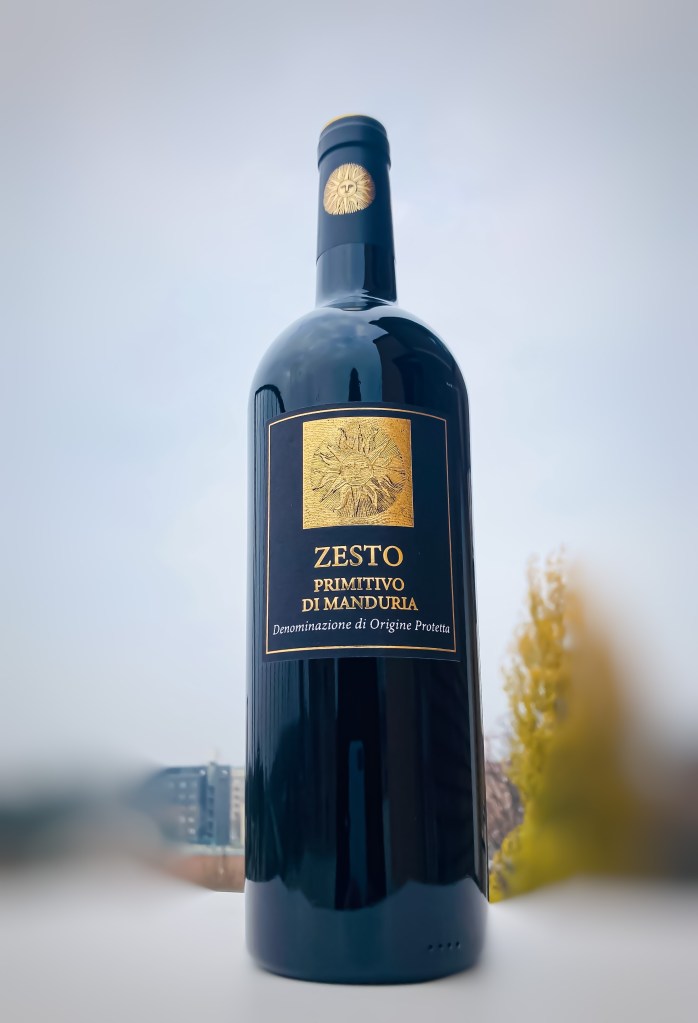
Primitivo di Manduria Zesto 2021, Cantine Paololeo, Puglia

Wine Tasting: Primitivo di Manduria Zesto 2021, Cantine Paololeo, Puglia

Paololeo Winery: One of the major players in the Salento area of Puglia, producing approximately 4 million bottles annually. In this Salento region, the Cantine Paololeo winery operates and the family undoubtedly played a significant role. Situated in the center of Salento, which is in the southern Italian region of Apulia (PUGLIA). In 1989, the story began, carrying on the winemaking legacy🍷. The Paololeo winery is now a cutting-edge business that occupies more than 50 hectares and employs cutting-edge winemaking methods.

Region of Puglia: Once a part of Greece, it was annexed and became a part of Italy in 1860 and became one of the best wine-producing regions. Puglia has areas of strength for tracing all the way back to 3000 years. A region that has been producing wine since the seventh century. Puglian wines have a strong personality and distinct identity. Italy’s secret to high-quality wines is Puglia.
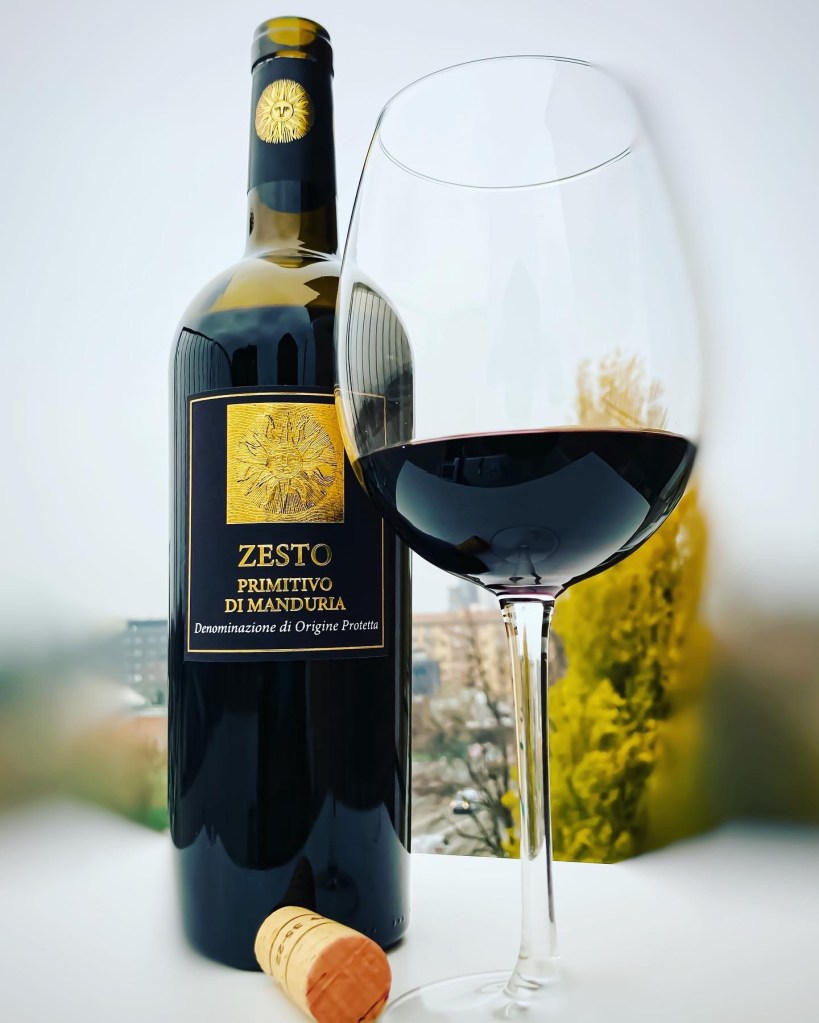
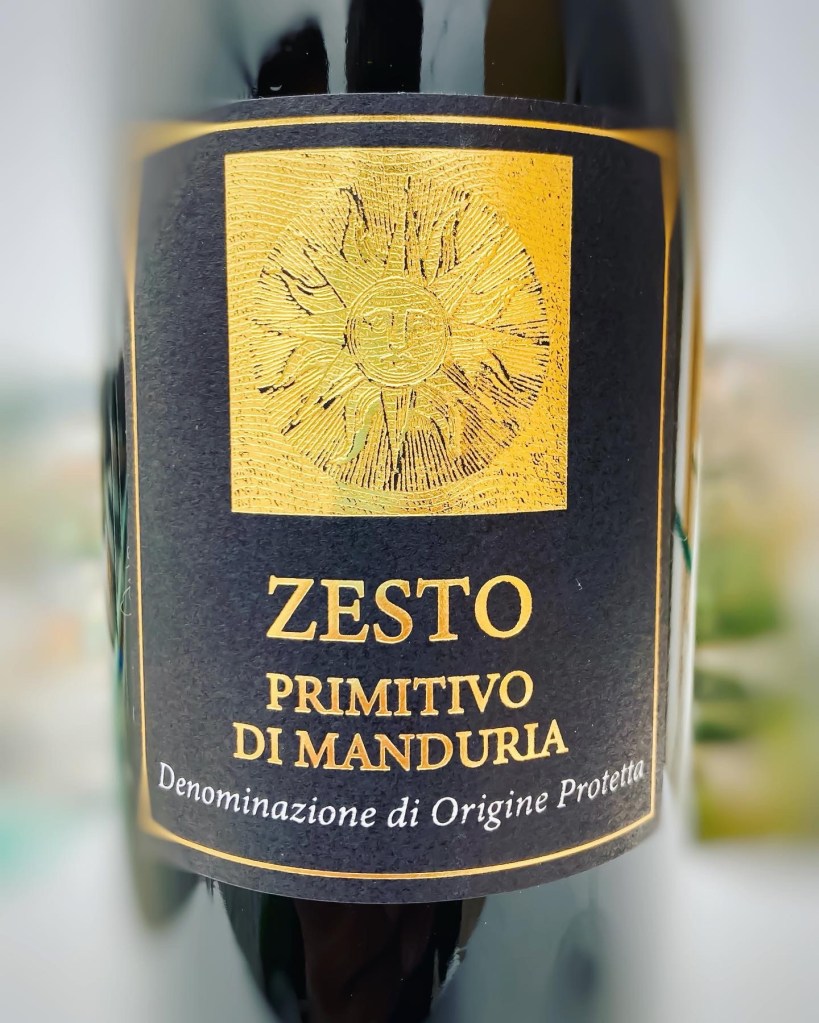
Wine: Primitivo di Manduria Manduria Zesto 2021, also known as the city of PRIMITIVO, was the first place where grapes were grown in 2000 BC. A full bodied wine with intense aromas of black cherries and ripe cherries, as well as earthy notes and tobacco and spice notes. The wine is dry and perfectly balanced on the palate. Excellent wine with perfect structure.
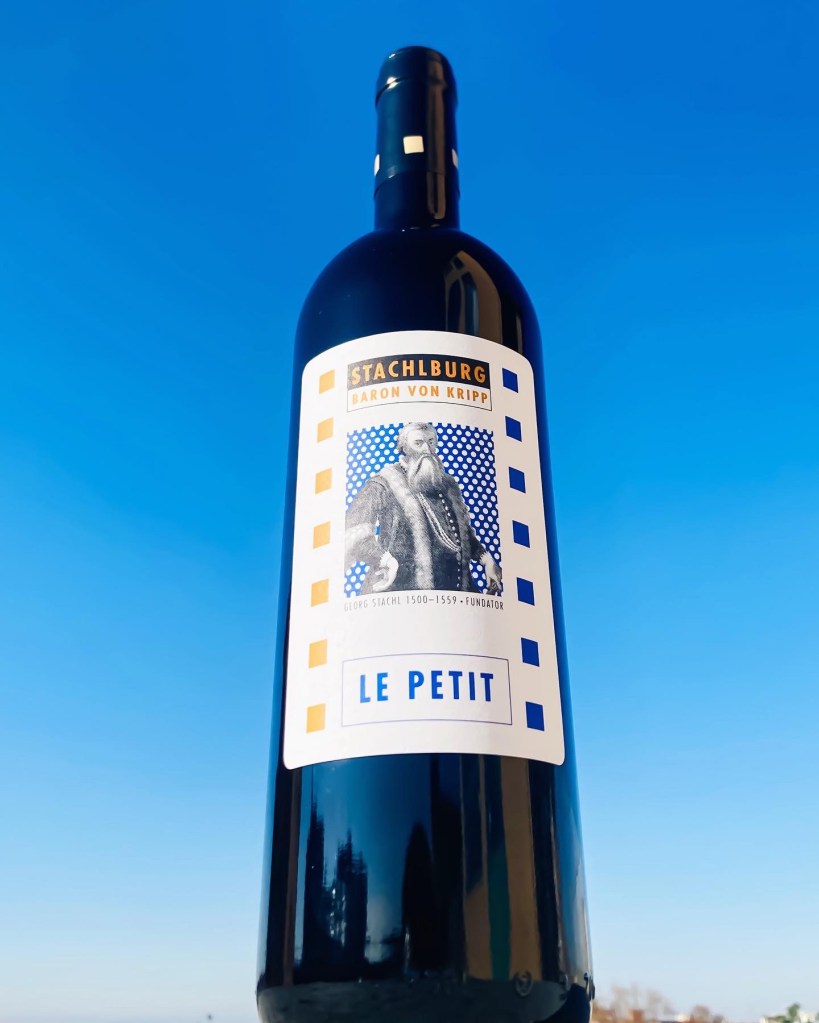
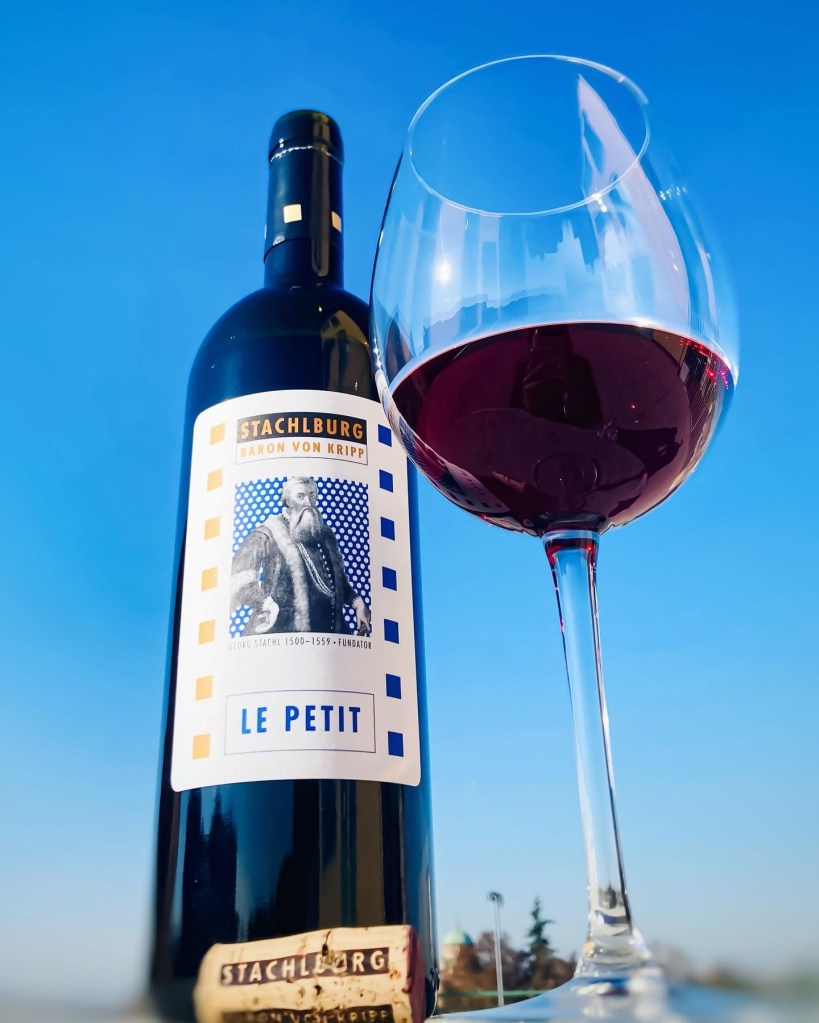
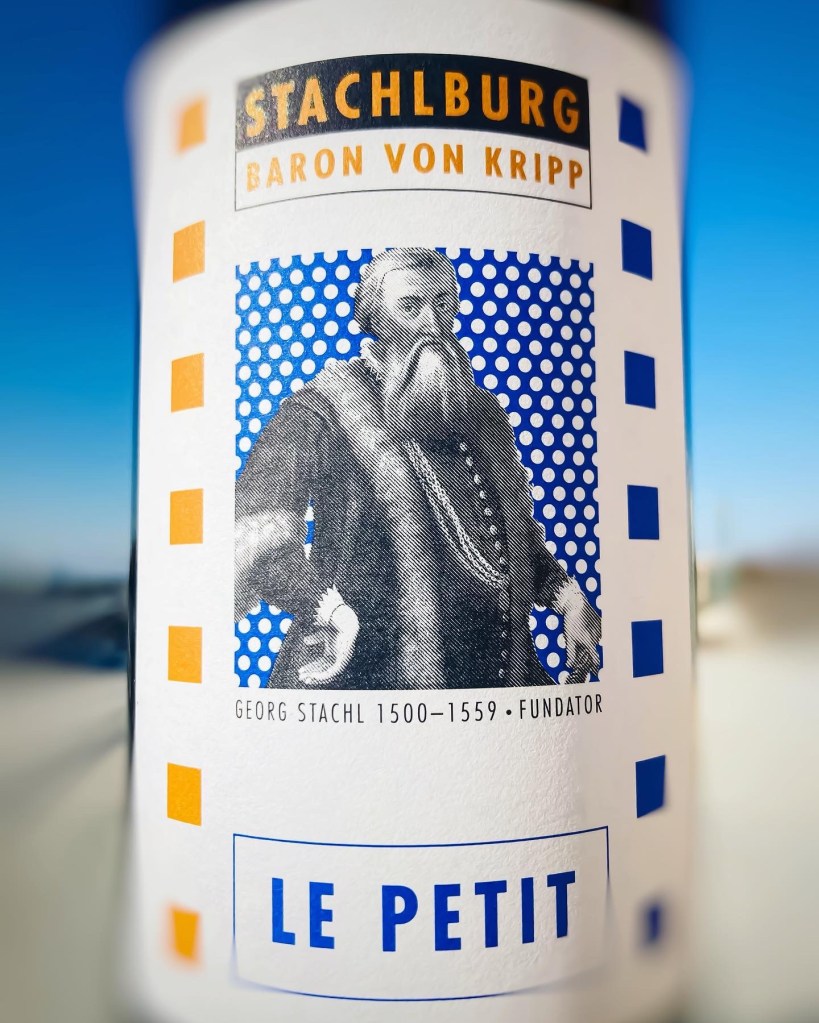
South Tyrolean, Pinot Noir(Pinot Nero), Le Petit 2021 by Stachlburg winery, South Tyrol

Wine Tasting: South Tyrolean, Pinot Noir(Pinot Nero), Le Petit 2021 by Stachlburg winery, South Tyrol

Stachlburg: Founded by Baron Sigmund Von Kripp in 1990. The family planted their first Sauvignon Blanc and Pinot Noir in 1992. The family bought the castle in 1547, which dates back to the 13th century. Located in the Italian wine region of South Tyrol (Trentino-South Tyrol) in the municipality of PARCINES.

Region of South Tyrol: One of Italy’s smallest wine-growing regions that produces wines of particularly high quality. South Tyrol, or Alto Adige in Italian. Until 1918, this autonomous region was a part of the AUSTRO-HUNGARIAN county of Tyrol. At the end of WORLD WAR 1, it became part of Italy. The South Tyrol region now has more than 200 wineries.

Wine: Le Petit, Alto Adige Val Venosta 2021. Made entirely from the Pinot Noir variety of grapes. A wine with a light body and an intense red color. Notes of currants, raspberries, and red fruits, with a well-balanced structure and fine tannins. Cheers.

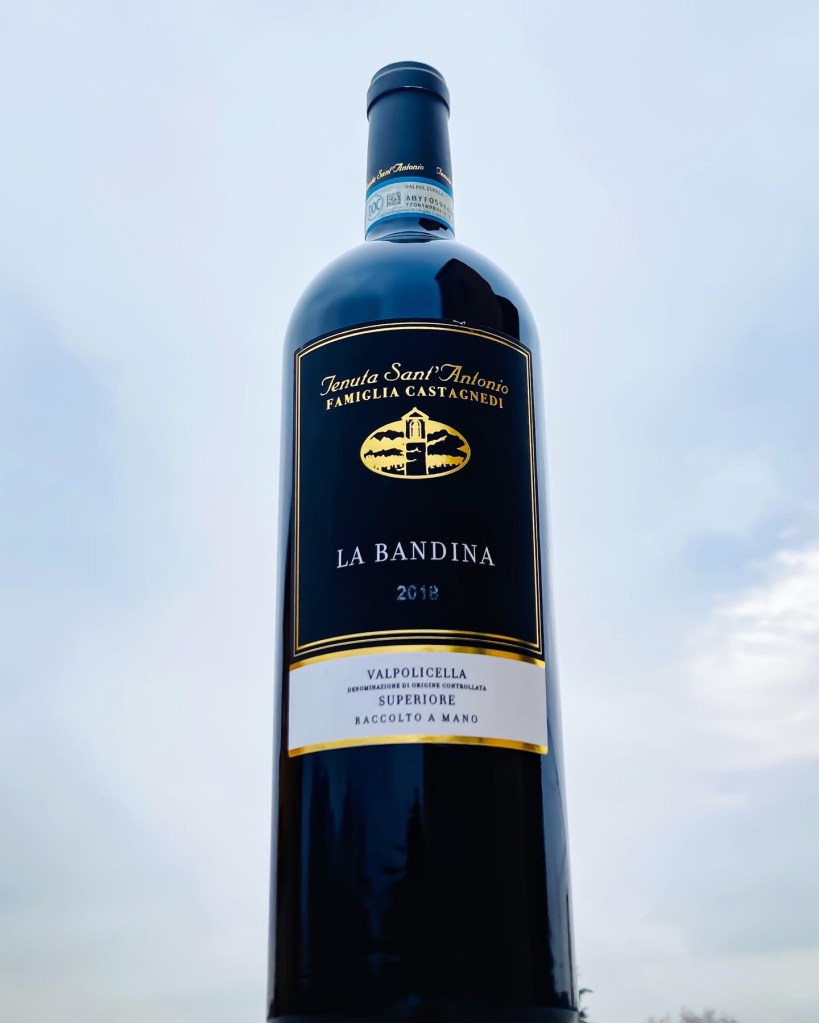
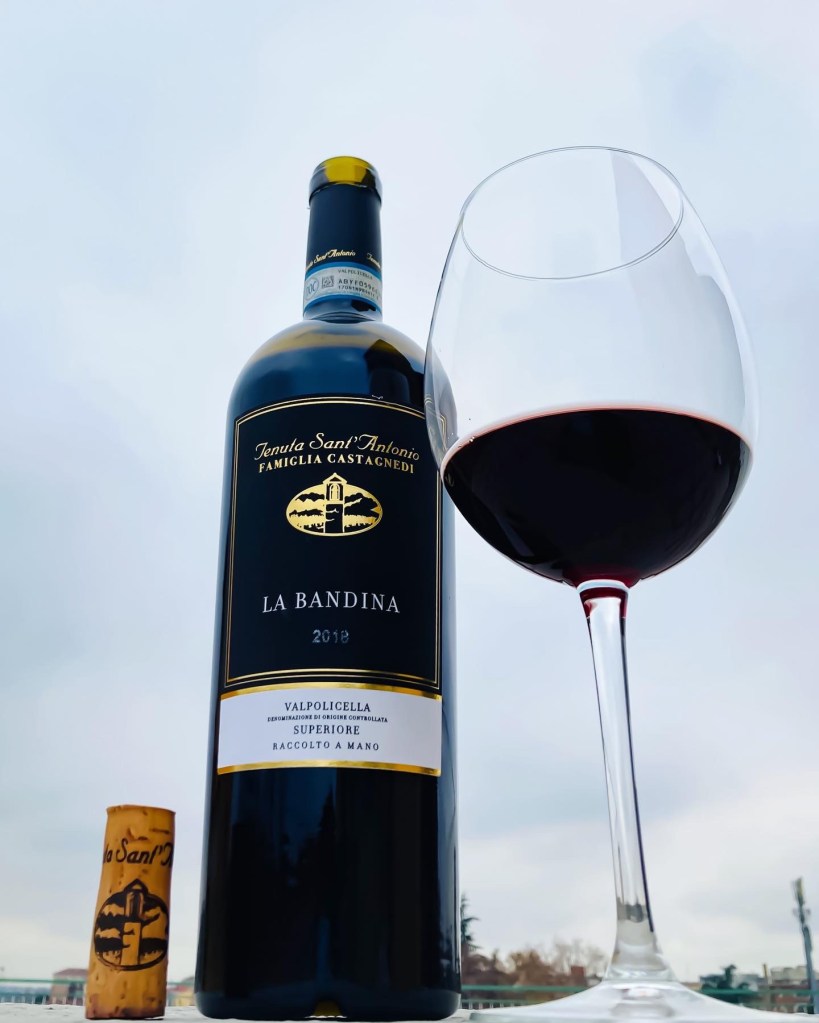
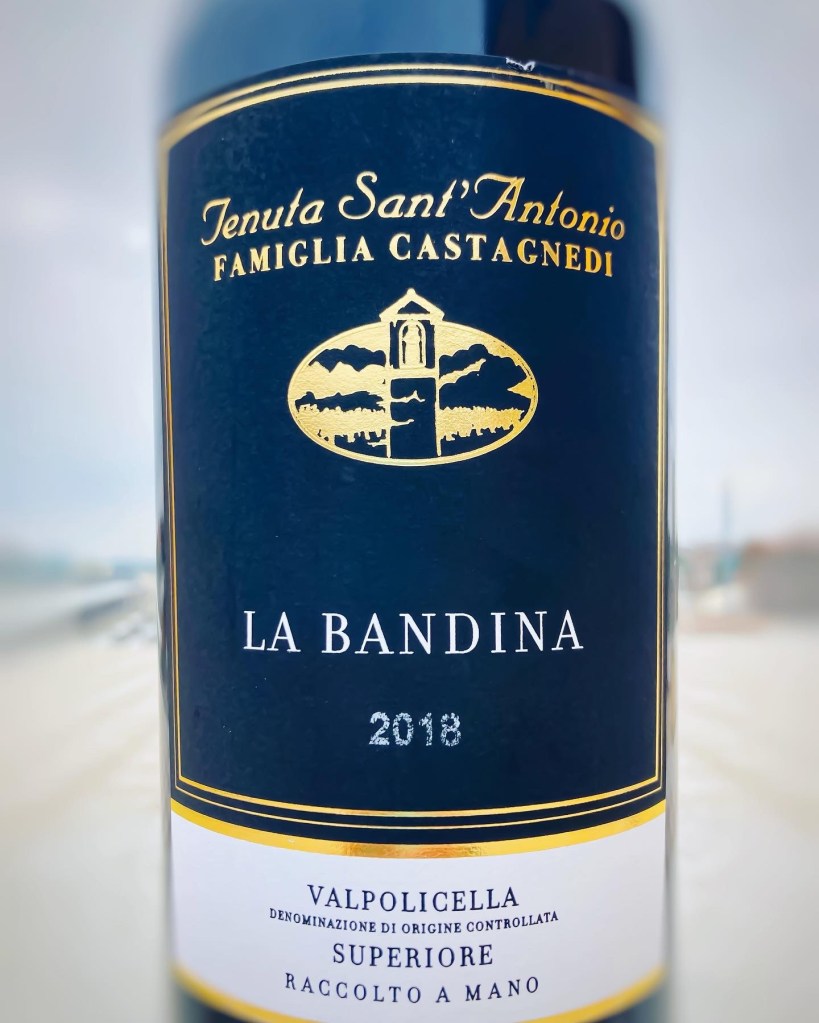
Tenuta Sant’Antonio. Valpolicella Superiore, LA BANDINA 2018. Made with a blend of Corvina, Corvinone, Rondinella, Croatina and Oseleta

Wine Tasting: Another one from Tenuta Sant’Antonio. Valpolicella Superiore, LA BANDINA 2018. Made with a blend of Corvina, Corvinone, Rondinella, Croatina and Oseleta

Tenuta Sant’Antonio: Began in 1989, in the prosperous Monti Garbi region of Eastern Valpolicella. In 1995, the first vintage was introduced by the Casagnedi family. Between SOAVE and VALPOLICELLA, a winery founded in the center of a region renowned for its exceptional wines, The winery in San Briccio represents Familia Castagnedi, Tenuta Sant’Antonio, and their TĂ©LOS brands. One of the most fascinating wineries in the world has emerged as a result of the company’s strong start and strategic positioning.

Wine: Valpolicella Superiore LA BANDINA 2018. Made with 70% Corvina and Corvinone, 20% Rondinella, 5% Croatina, and 5% Oseleta. A wine with a substantial body and solid structure. Aromas of fruit with cherry, liqueur, tobacco, and cedar wood hints. A warm, supple wine with well-balanced tannins and a lengthy finish.

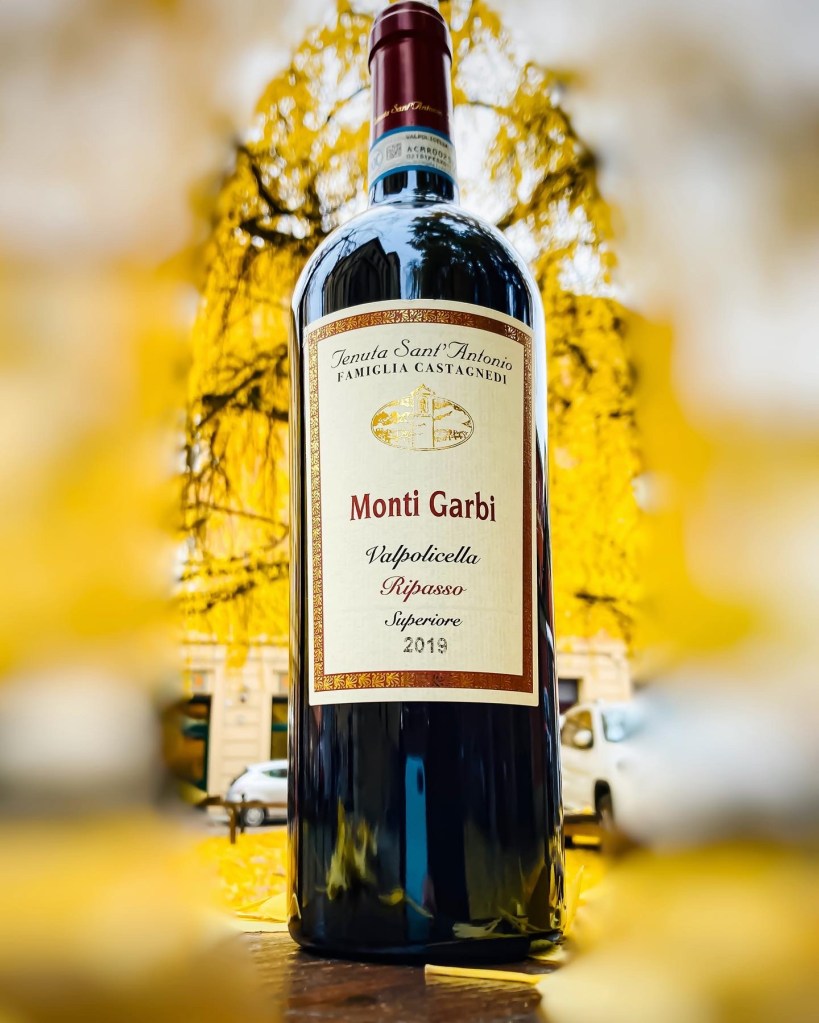
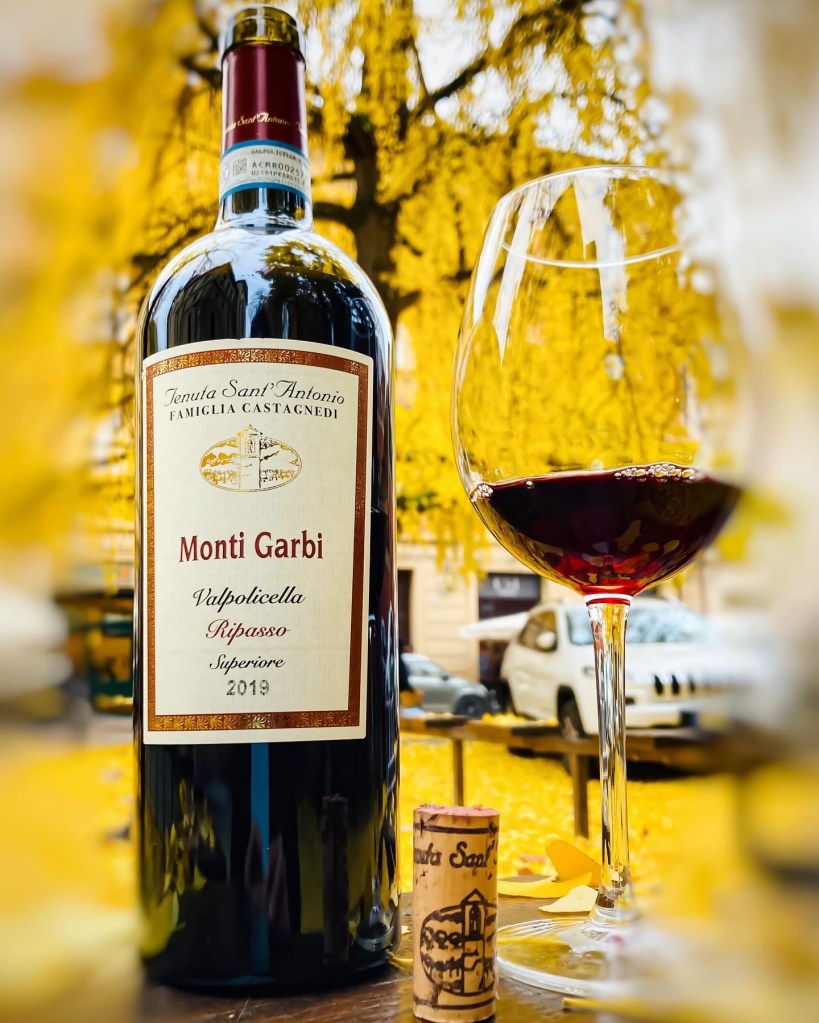
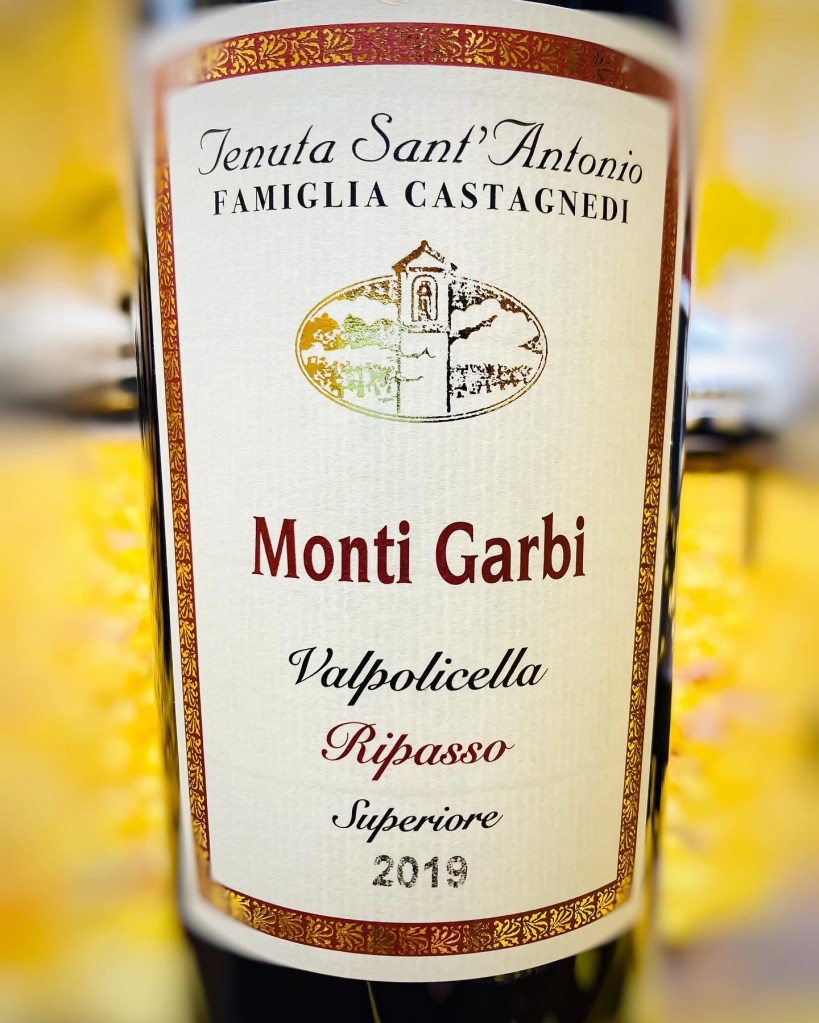
Valpolicella Ripasso Superiore, Monti Garbi 2019. Made with a blend of Corvina, Corvinone, Rondinella, Oseleta, Swallow and Croatina, Tenuta Sant’Antonio , Veneto

Wine Tasting: Valpolicella Ripasso Superiore, Monti Garbi 2019. Made with a blend of Corvina, Corvinone, Rondinella, Oseleta, Swallow and Croatina, Tenuta Sant’Antonio , Veneto

Tenuta Sant’Antonio: Beganin 1989 in the affluent Monti Garbi (Eastern Valpolicella) region. The Casagnedi family introduced the first vintage in 1995. Between SOAVE and VALPOLICELLA, a winery that was established in the heart of a region that has always been renowned for its exceptional wines. The Familia Castagnedi, Tenuta Sant’Antonio, and their TĂ©LOS brands are represented by the winery in San Briccio. The way the business has positioned itself has allowed it to get off to a strong start and become one of the most interesting wineries in the world.

Wine: Superior Ripasso from Valpolicella. Made with 70% Corvina and Corvinone, 20% Rondinella and 10% Oseleta and Croatina. Cherry and red fruit are among the aromas. Smooth on the palate, with well-balanced tannins and a spicy finish. Red fruit and dried apple notes characterize this medium-bodied wine.

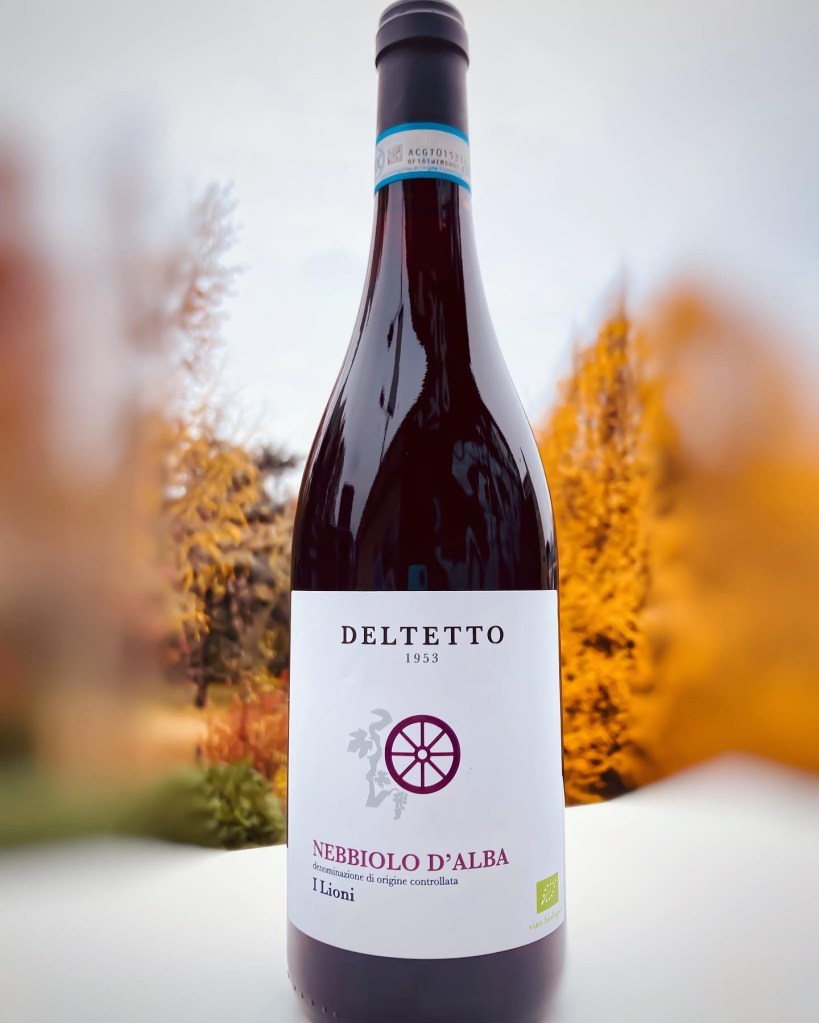
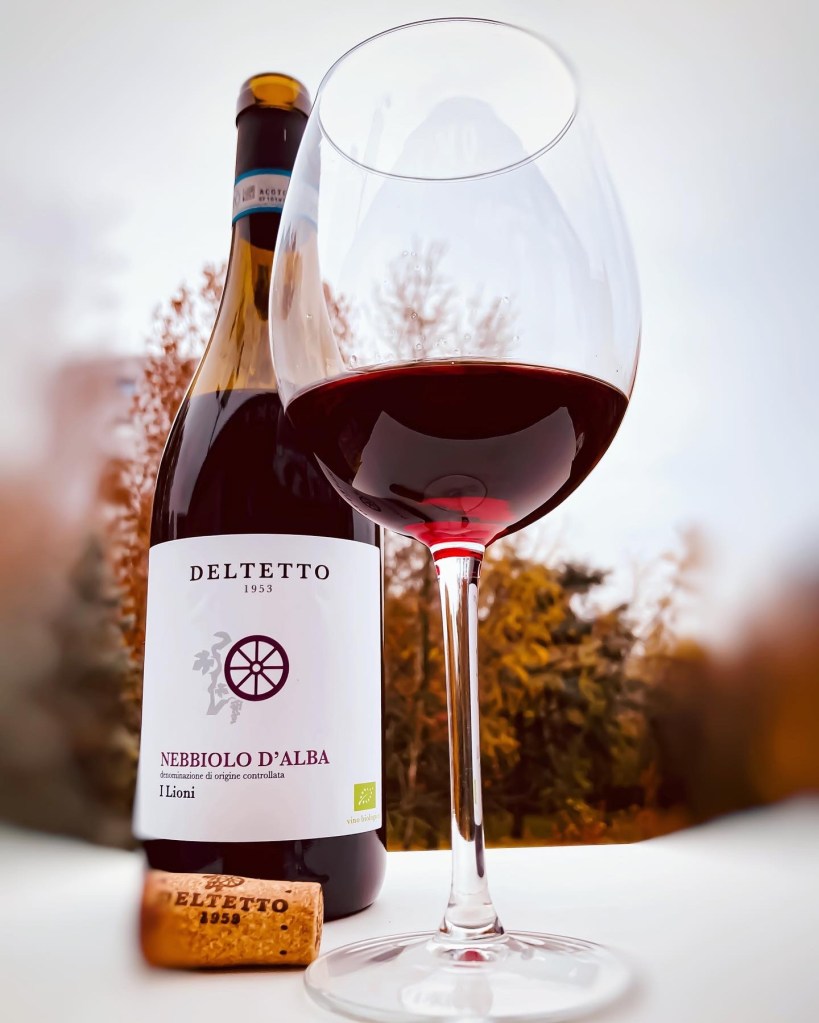
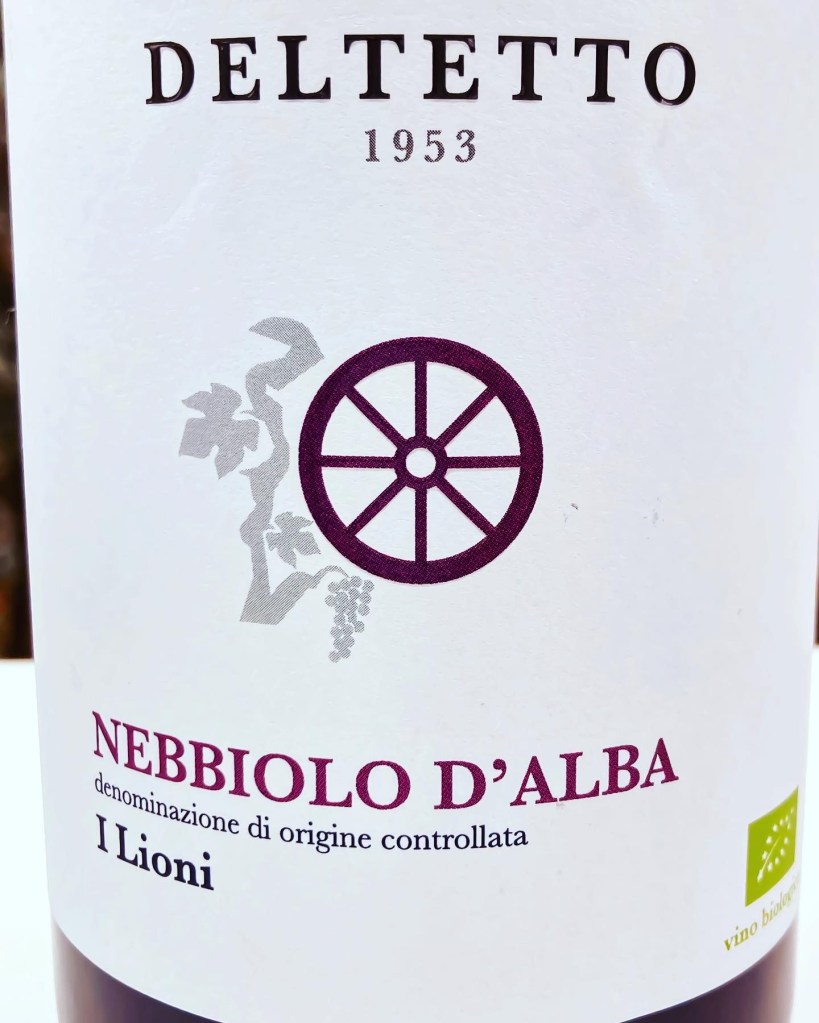
The Lions, Nebbiolo D’Alba DOC 2020, Deltetto Winery, Piedmont

Wine Tasting: The Lions, Nebbiolo D’Alba DOC 2020, Deltetto Winery, Piedmont

Deltetto Winery: Born in the prestigious and historic wine-growing regions of Piedmont in 1953. The first bottles of Nebbiolo and Barbera were made by the company in the farmhouse in the LIONS Hamlet. The company began implementing novel approaches to revolutionize its production in 1977. The prestigious wine-growing region between Alba and Asti, ROERO, is closely associated with the winery’s past. In 2017 the winery received a sustainability certification. Today, Deltetto Winery is considered to be one of the finest examples of the ALTA Langa Classic method.

Wine: The Deltetto family was referred to in the area by their nickname, “The LIONS.” A light-bodied wine made entirely from LANGHE Nebbiolo. Pale ruby red in variety with traces of violet, flavors and little red organic products. A wine with light tannins that is elegant.

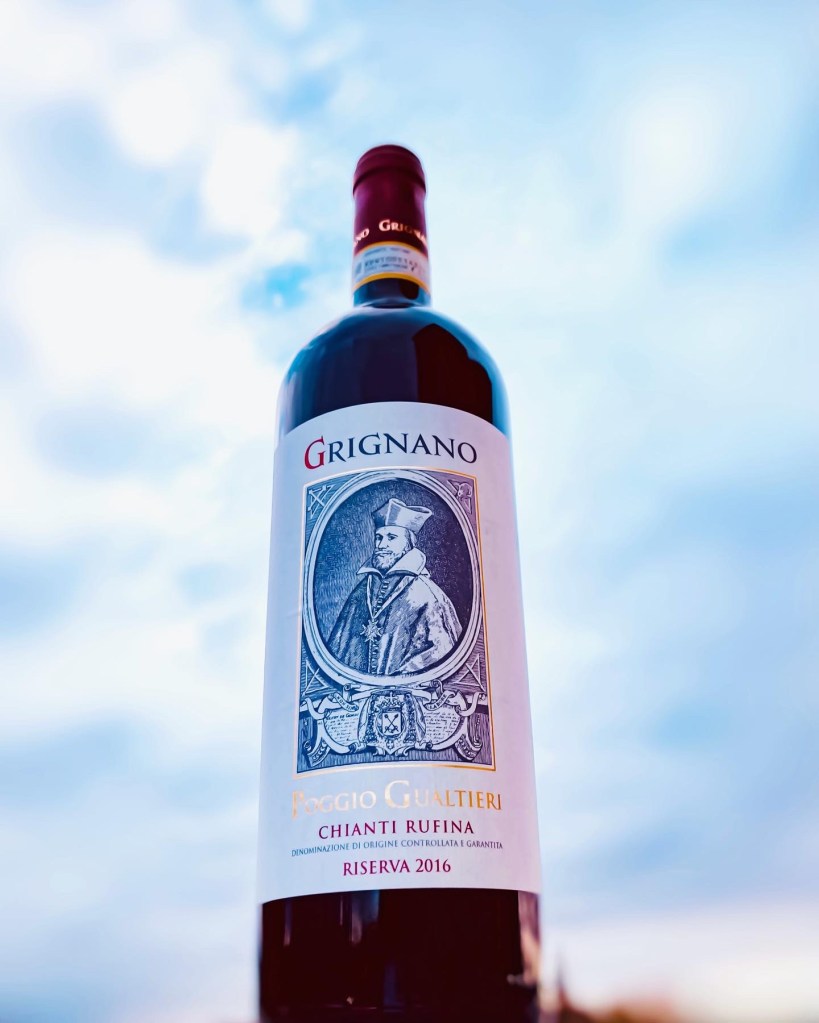
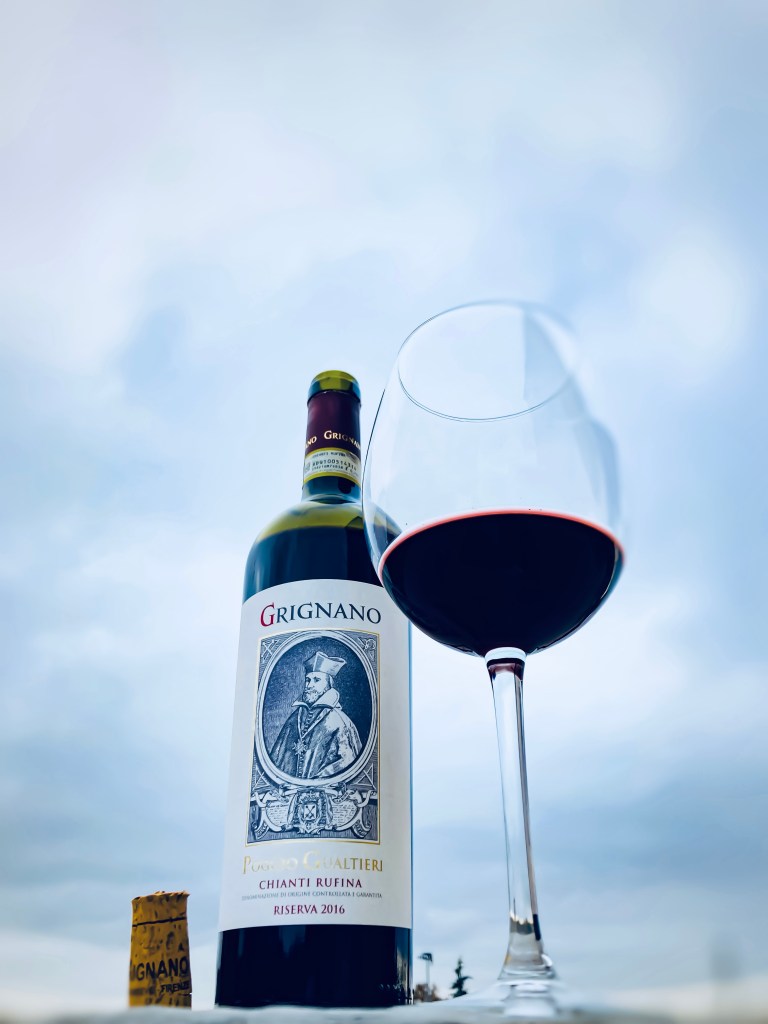
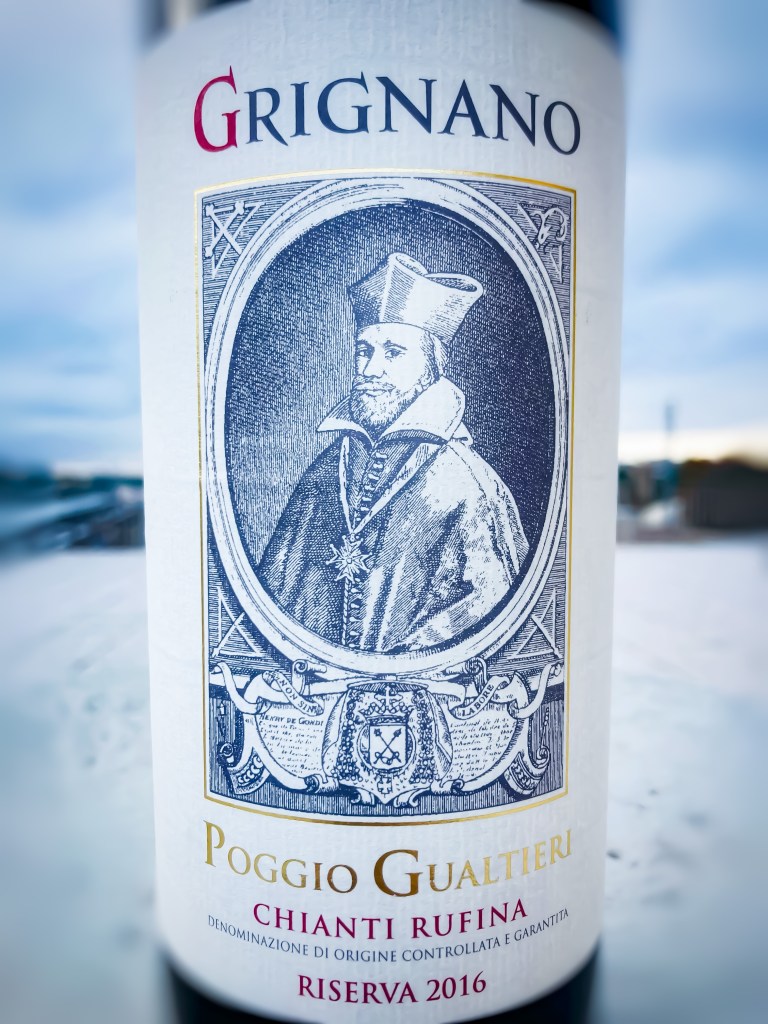
Chianti Rufina Riserva, Poggio Gualtieri 2016. Made with Sangiovese and Canaiolo, Grignano Winery, Tuscany

Wine Tasting: Much awaited Chianti Rufina Riserva, Poggio Gualtieri 2016. Made with Sangiovese and Canaiolo, Grignano Winery, Tuscany

Grignano Winery: The Grignano estate is in the heart of Tuscany’s lush hills. It Was built in the 15th century and dates back to the Bronze Age. The “Inghirami” family, one of the most influential names in the Italian wine, fashion, and oil industries, took control of the estate in 1970. In 1999, the estate was expanded after the PieVecchia winery was purchased. The business has always been accustomed to producing wines of high quality. Tommaso Inghirami is currently in charge of the business, which places an emphasis on winemaking innovation and excellence. The olive oil mill, wine cellar, and vineyards have all undergone continuous development by the company since 2018.

Wine: 2016 Chianti Rufina Riserva, wine with a heavy body and a deep red color. It’s a very complex wine with flavors of raspberry, currant, and cherry that go well with vanilla and spice. The structure of the wine is incredible. Produced with 10% Canaiolo and 90% Sangiovese. Along with floral notes, there are aromas of forest floor and cedar. On the palate, it has perfectly dry tannins and is soft. A superb, sophisticated, and complex wine.

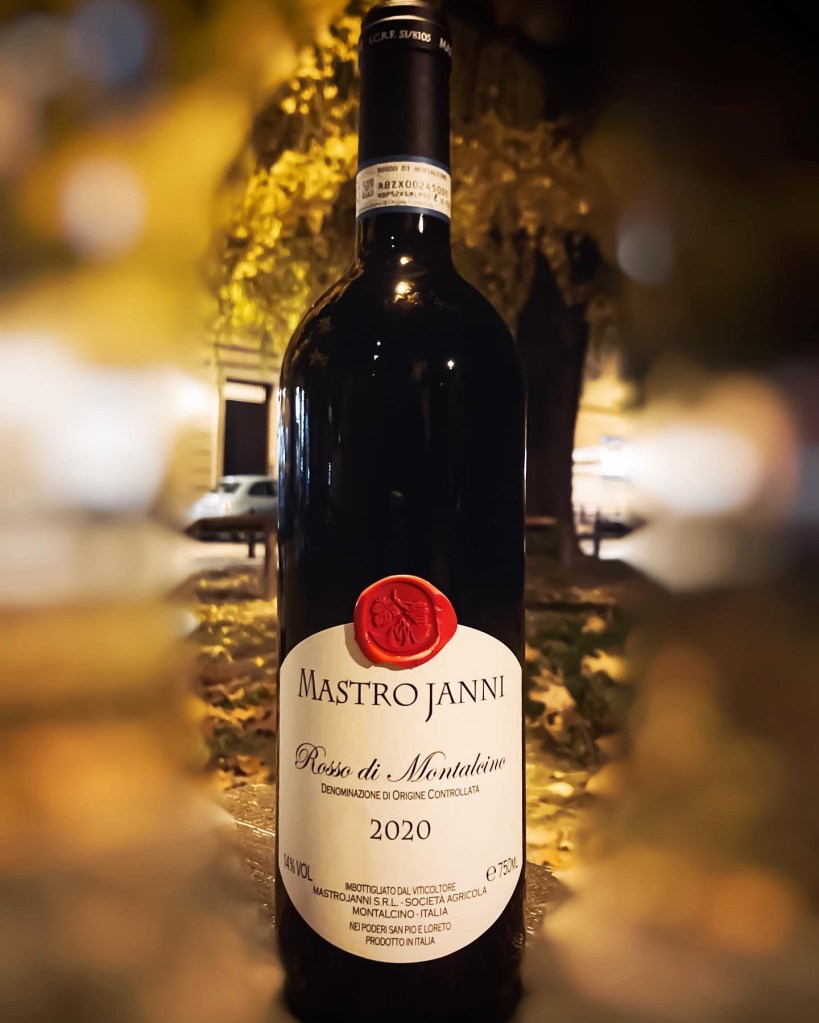
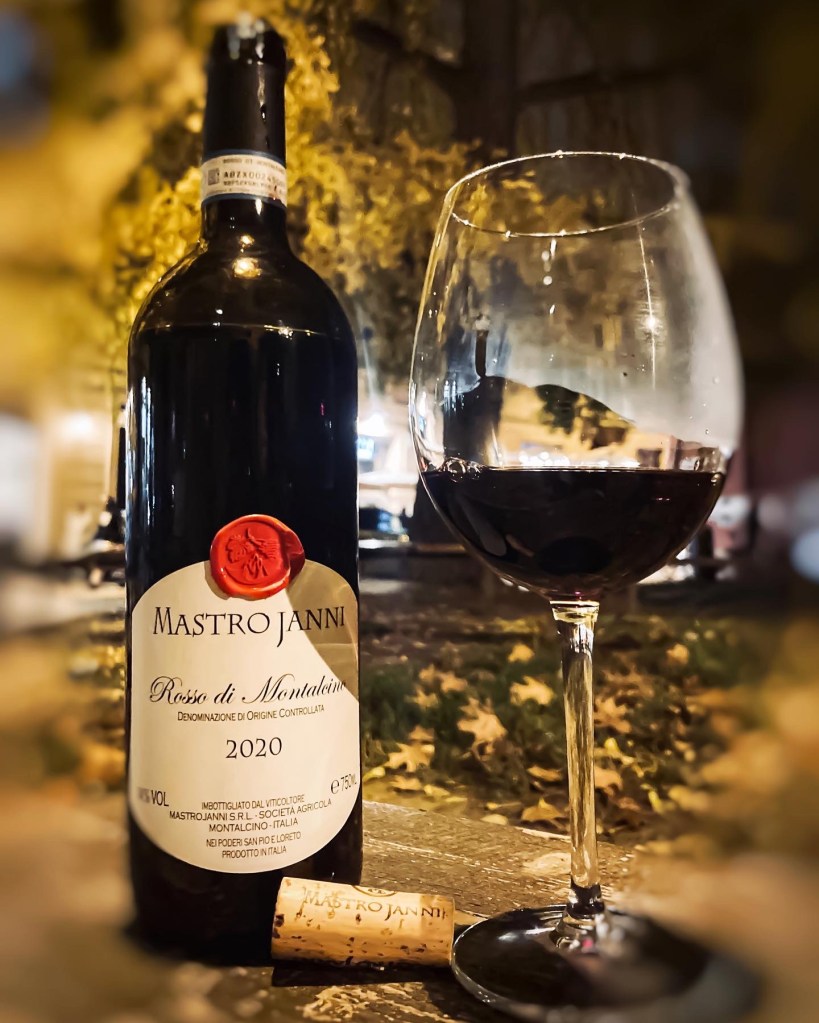
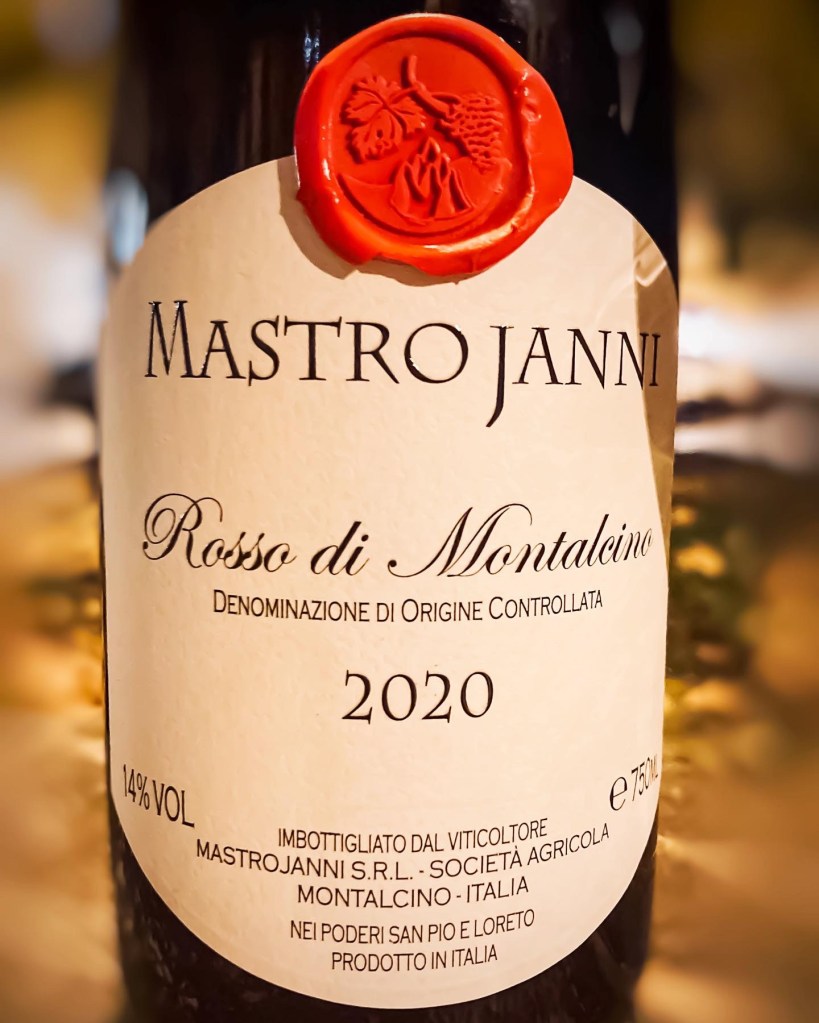
Rosso di Montalcino DOC, Sangiovese 2020, Mastro Janni Winery, Tuscany

Wine Tasting: Rosso di Montalcino DOC, Sangiovese 2020, Mastro Janni Winery, Tuscany

MastroJanni Winery: Among the most well-known wineries. Founded in Montalcino in 1975 in the heart of Tuscany. Since its inception, the company has been writing history. In 1992, the company was able to expand its exports and production thanks to their zealous work, which helped it become one of the most highly regarded wine producers. The Illy family bought the estate in 2008, and they joined the MastroJanni winemaking adventure. The MastroJanni wine domain has consistently stood firm on an astounding and significant foothold in the Brunello di Montalcino scene. The estate made a name for itself as one of Montalcino’s top ten wineries in 2009. Since then, the business has received numerous prestigious awards and received worldwide recognition.

Wine: Rosso di Montalcino, Made with 100% Sangiovese (Brunello). Intense red color with aromas of blackberry and plum. The cellar, the grapes, and the terroir formed a strong bond for the Rosso di Montalcino. A wine with a medium body, elegant and pleasant tannins, and a lengthy finish.

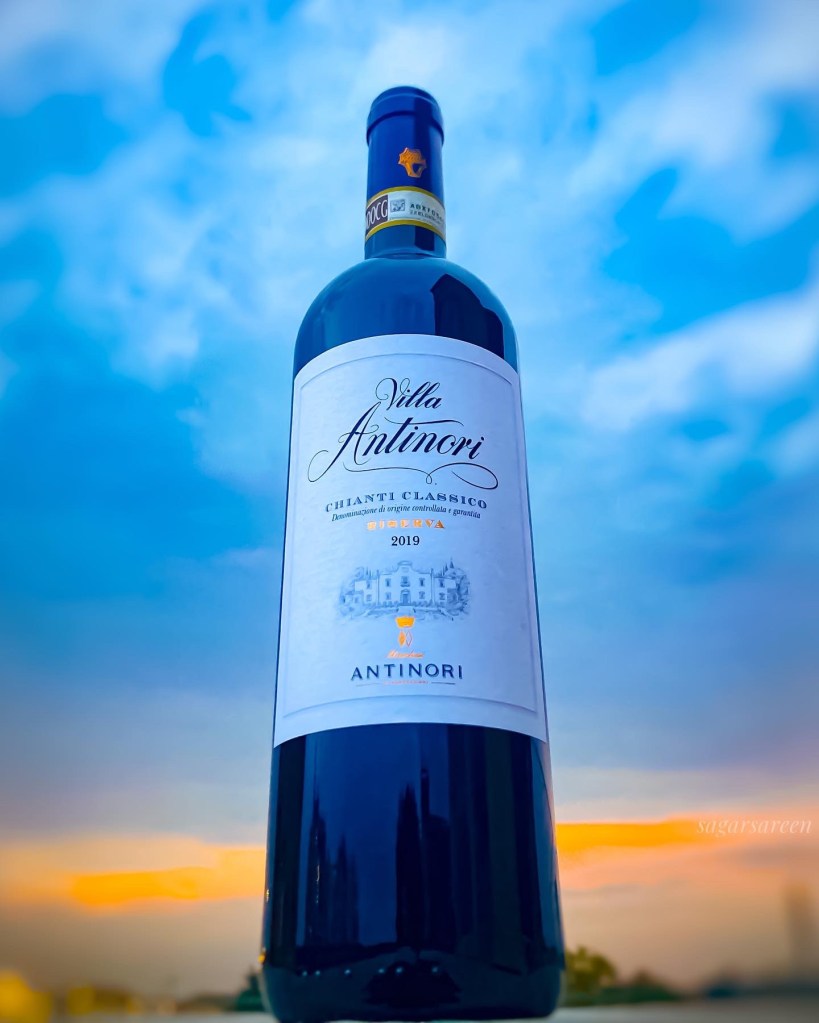
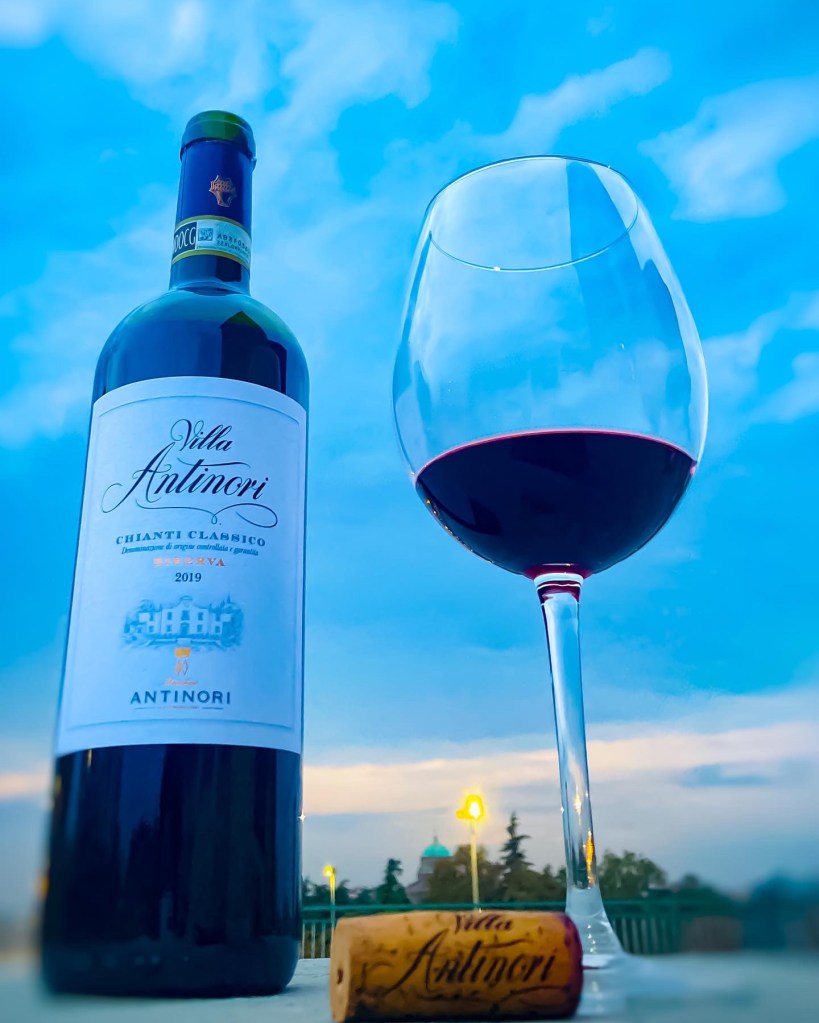
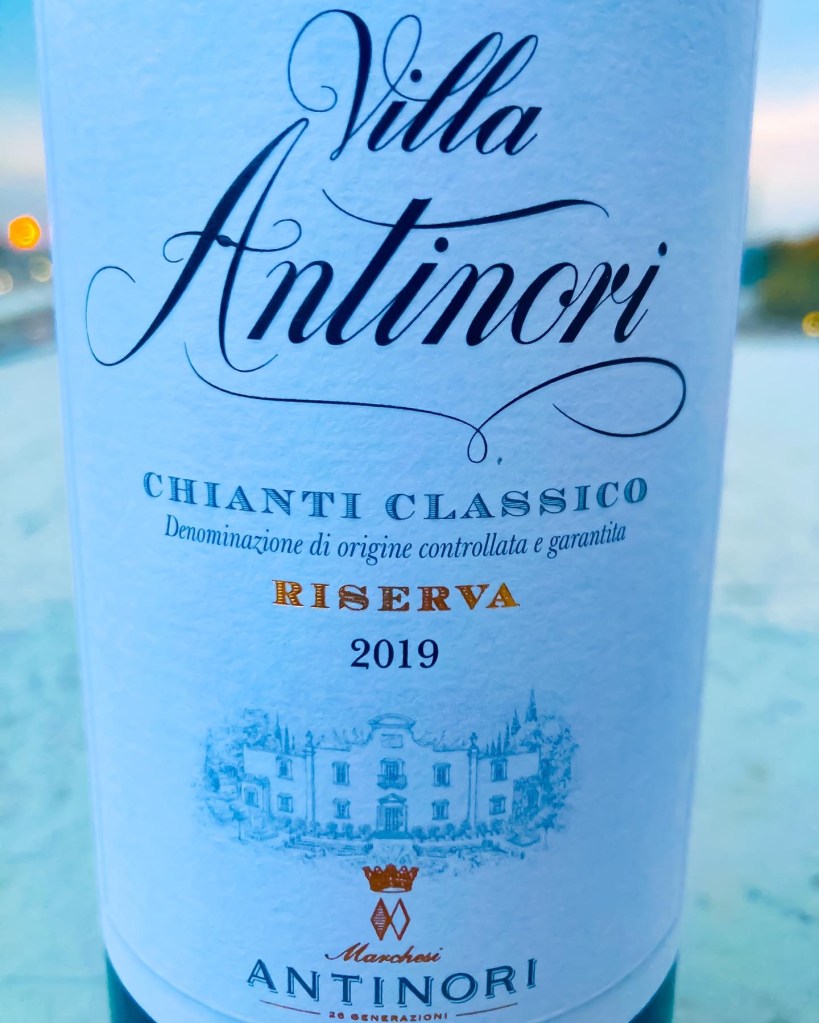
World’s best vineyards 2022. Chianti Classico Riserva DOCG 2019. Made with Sangiovese and supported with Cabernet Sauvignon, Merlot and Syrah by Marchesi Antinori, Tuscany, Italy.

Wine Tasting: World’s best vineyards 2022. Chianti Classico Riserva DOCG 2019. Made with Sangiovese and supported with Cabernet Sauvignon, Merlot and Syrah by Marchesi Antinori, Tuscany, Italy.

Well, a 600-year history of making wine. 1385 to the present day. From becoming the best vineyards to shaking up the Italian wine industry. The history of the company has always been tied to art and fundamental components of winemaking. The CHIANTI CLASSICO and Florence histories are intertwined with the family’s history and legacy. Due to the 1970 “Super Tuscan” revolution, it became one of Italy’s most important wine families.

In the rolling hills of Chianti Classico, Villa Antinori was born in 1928 in San Casciano. When the first and second vintages were released, they sparked the super Tuscan revolution in Bolgheri, on the coast of Tuscany. The 26th generation of the family now oversees the business, which places an emphasis on the company’s traditions, setting, and innovative spirit.

Wine: Villa Antinori Chianti Classico Riserva. In 1928, produced for the first time. Both the wine and the name have been around for 100 years. A medium bodied wine with aromas of lavender and red fruits. A deep red color wine with aromas of tobacco, clove, and spice. Wonderful wine with firm tannins and excellent structure.
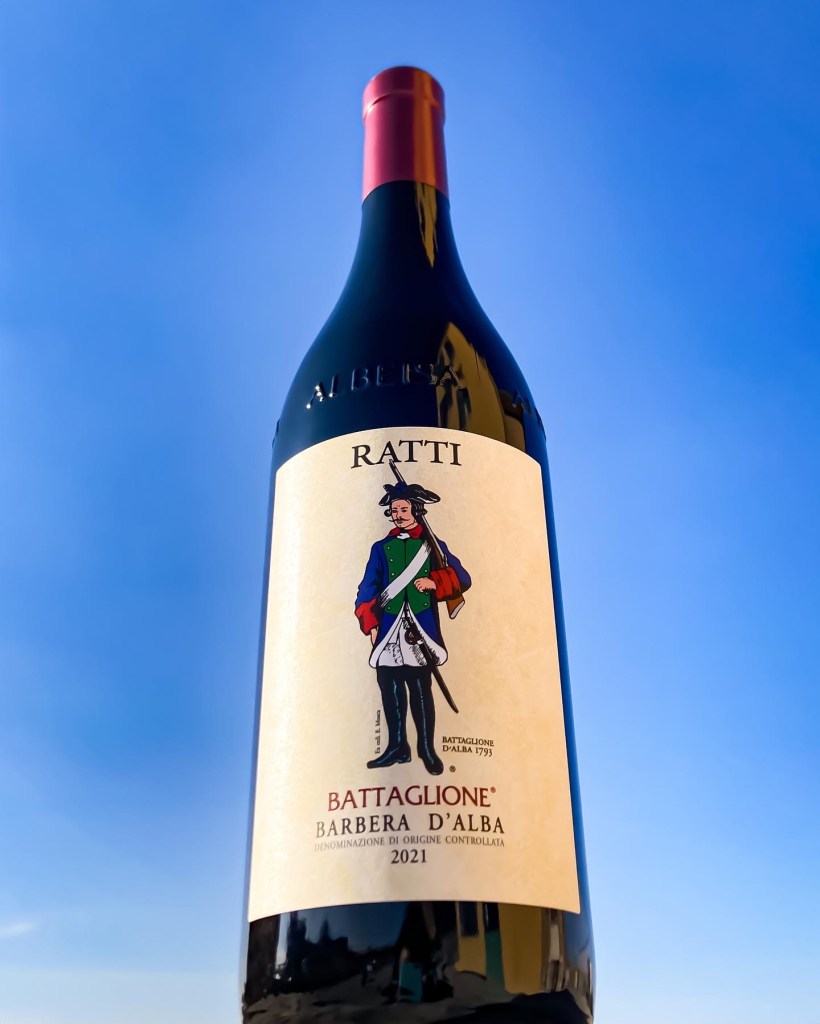
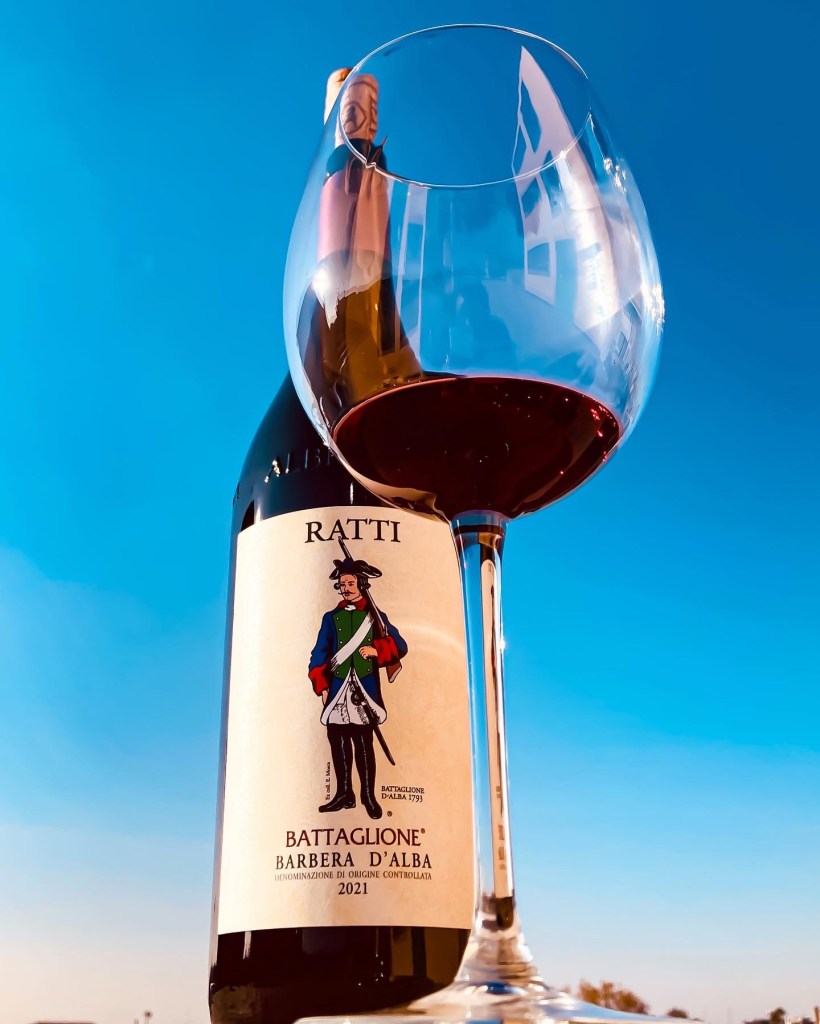
Barbera d’alba Battaglione 2021. A 100% Barbera blend, by Renato Ratti Winery, Piemonte.

Wine Tasting: Barbera d’alba Battaglione 2021. A 100% Barbera blend, by Renato Ratti Winery, Piemonte.

Renato Ratti Winery: Began in 1965 for the purpose of producing Barolo. The “Ratti dei Vini di Alba” museum was established in the 1970s to showcase Barolo and Langhe wines. One of the most significant museums in Piedmont. An iconic bottle for Piedmont wines is the embedded “ALBEISA,” which was created in 1973. In the world of Italian and Piedmontese wines, the winery was the primary architect of the cultural and technical revolution. Cantina Ratti’s vineyards can be found in La Morra, Mango & Costigliole d’Asti, and Dogliani. Pietro Ratti, who has a passion for quality research and wines, is now in charge of the business.

Wine: A medium bodied wine. The” Barbera d’alba Battaglione” is an elegant and harmonious wine. Made entirely from the Barbera grape variety. A bottle that honors the traditions of Piedmontese winemaking. A potent red wine with spiciness in the aroma. It’s an elegant wine with hints of dried and ripe plums. A dry, complex wine with long-lasting persistence.

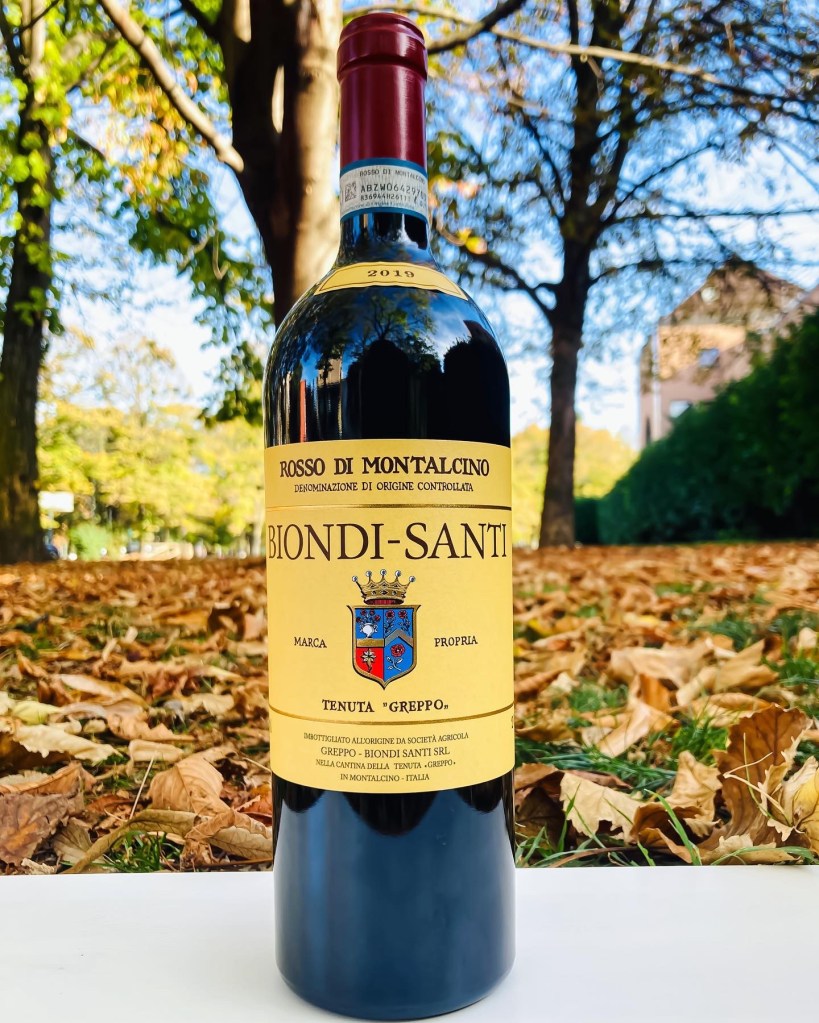
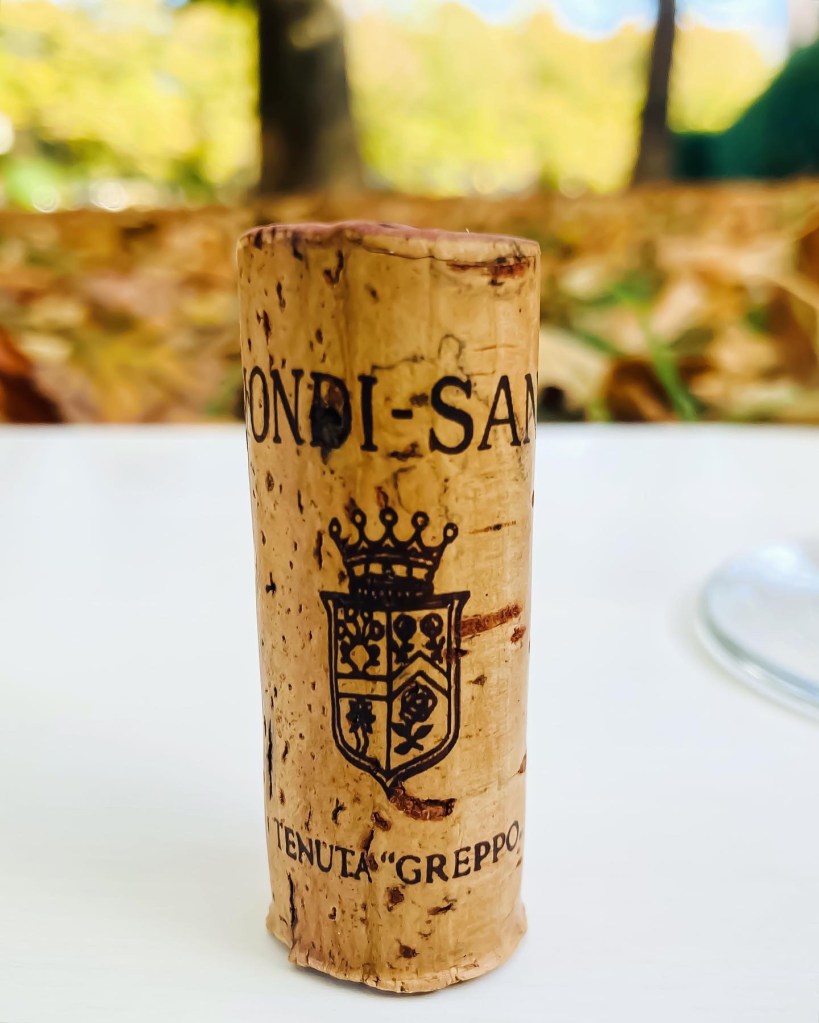
Rosso di Montalcino DOC 2019, Sangiovese, by Biondi Santi, Tuscany, Italy

Wine Tasting: Rosso di Montalcino DOC 2019, Sangiovese, by Biondi Santi, Tuscany, Italy

The name is connected to Brunello di Montalcino’s beginnings as well as Castello di Montepò and the Tenute Greppo family. Since Brunello di Montalcino’s invention in the latter part of the 1800s, Biondi Santi is the only Italian estate that has consistently produced the wine. The Biondi Santi family was the first in the region to produce high-quality wines using only 100% Sangiovese grapes in 1865, dating back to the Middle Ages. In 1888, the Sangiovese Grosso was first made. At the end of the Second World War, the only commercial winemaker was the Biondi Santi family. The majority of the company was sold to the French wine company EPI in 2018. Biondi Santi’s history began in 1302 and continues to this day.

Wine: This wine started out as Brunello Biondi-Santi’s “white label “When the Rosso di Montalcino DOC was established in 1983, it received a new name. A full bodied wine made entirely from Sangiovese. Intense red in color, with aromas of red fruits, vanilla, and fragrant herbs. On the palate, it has cherry and blood orange notes. A wine with excellent structure, flavor, and persistence.