Emirates: A journey of excellence and hospitality

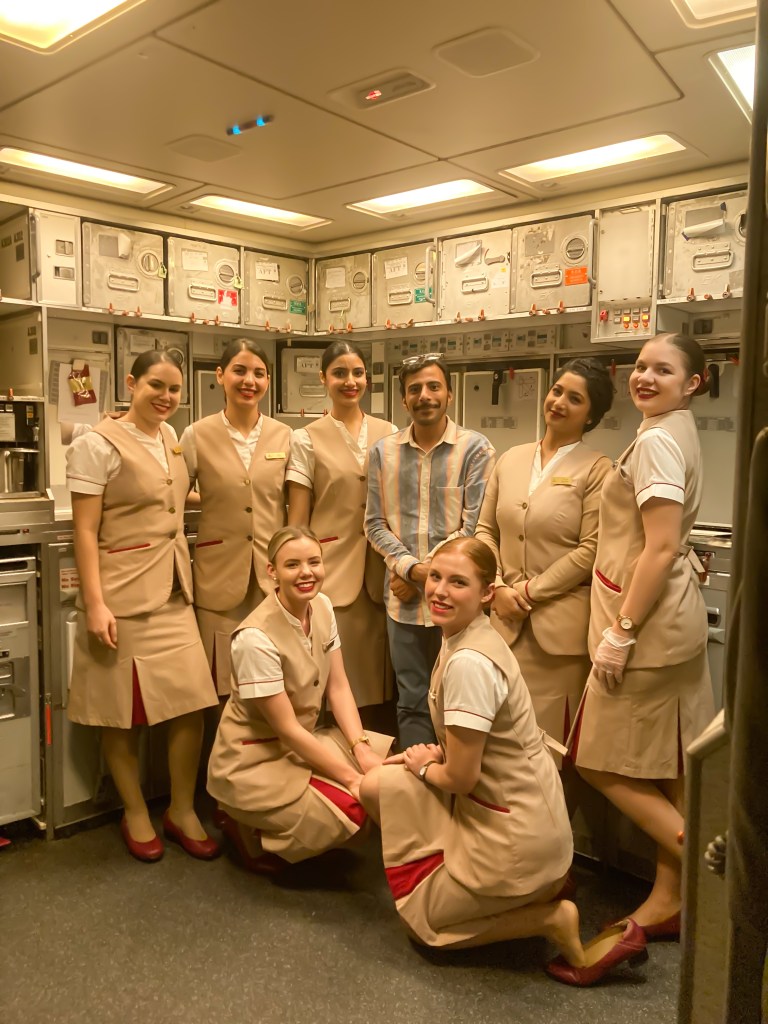
Emirates , In the heart of the Middle East. Among its many treasures, there stood a shining gem, like a majestic falcon soaring through the skies. Emirates Airlines epitomized luxury, comfort, and world-class service. Its wings spanned across the globe, connecting people from different corners of the earth offering a truly remarkable travel experience. The warm smiles of the cabin crew and the sophisticated ambiance created a sense of anticipation for the journey ahead. Every aspect of the journey is meticulously designed to provide an extraordinary experience for its passengers. From gourmet cuisine prepared by chefsto the indulgence of spacious seats and luxurious amenities, Emirates left no stone unturned in ensuring utmost comfort. Their inflight entertainment is an enchanting world of its own, featuring a vast selection of movies TV shows, music, and games. The cabin crew, known as the “Hospitality Ambassadors,” are always at hand to offer assistance and enhance the overall journey with their genuine care and attention to detail. Together, they formed an unstoppable force of grace and warmth . Emirates Airlines continues to be celebrated for its commitment to creating magical journeys for its passengers. The stories of the Emirates, its impeccable services, and the remarkable crew will forever inspire travelers to seek the extraordinary and cherish the joy of exploration.
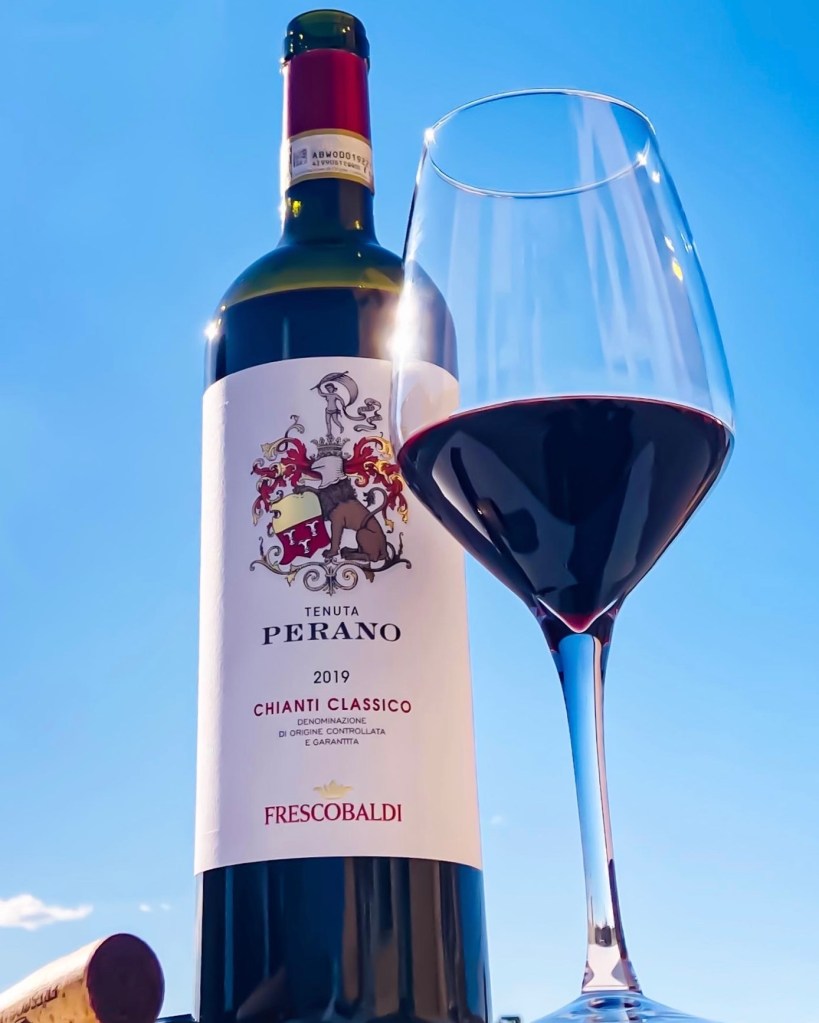
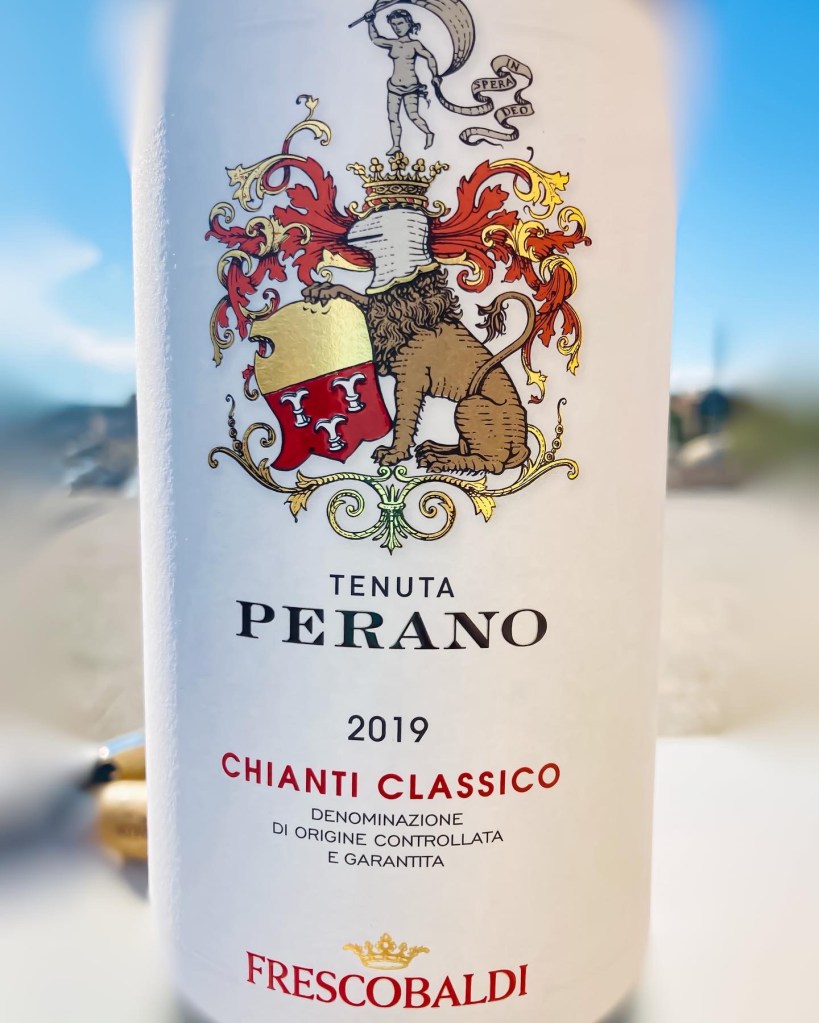
𝐖𝐢𝐧𝐞 𝐓𝐚𝐬𝐭𝐢𝐧𝐠: And a Chianti Classico from @frescobaldivini . I had tasted Chianti Rufina Riserva from the “Nipozzano Castle”. Today I am tasting, Chianti Classico DOCG 2019 from “Tenuta Perano”, a unique estate in the heart of Chianti Classico by Frescobaldi

𝐌𝐚𝐫𝐜𝐡𝐞𝐬𝐢 𝐝𝐞 𝐅𝐫𝐞𝐬𝐜𝐨𝐛𝐚𝐥𝐝𝐢: From the 1300s to the present. A dedication to viticulture that spans more than 700 years of winemaking history. The first members of the Frescobaldi family arrived in Florence around the year 1000 from Val di Pesa, home to the oldest agricultural estate, “The Tenuta Castiglioni.” The “Piazza de Frescobaldi” in Florence’s Oltrarno neighborhood was built in 1300. The winery introduced Chardonnay, Pinot Nero, and Cabernet Sauvignon to Tuscany in the 1800s. The Frescobaldi winery is one of the most well-known wine dynasties. It has been making wine for 30 generations. There are currently 11 estates owned by the Frescobaldi family, and their wines can be found in 65 nations. The company is now recognized as one of the most important wineries.

𝐄𝐬𝐭𝐚𝐭𝐞𝐬 𝐛𝐲 𝐅𝐫𝐞𝐬𝐜𝐨𝐛𝐚𝐥𝐝𝐢: Castello Nipozzano, Tenuta Perano, Tenuta CastelGiocondo, Tenuta Castiglioni, Castello Pomino, Tenuta Ammiraglia, Gorgona, Rèmole, Tenuta Calimaia

𝐖𝐢𝐧𝐞: A wine that has a bright ruby red color and aromas of berries and ripe red fruits. Produced with a blend of Sangiovese and other complimentary grapes. A wine with a medium body and intense aromas of red fruits. Wonderful flavor with spice and floral notes. It also has liquorice and black pepper notes in it. Beautifully balanced, delicate, and built with great strength.

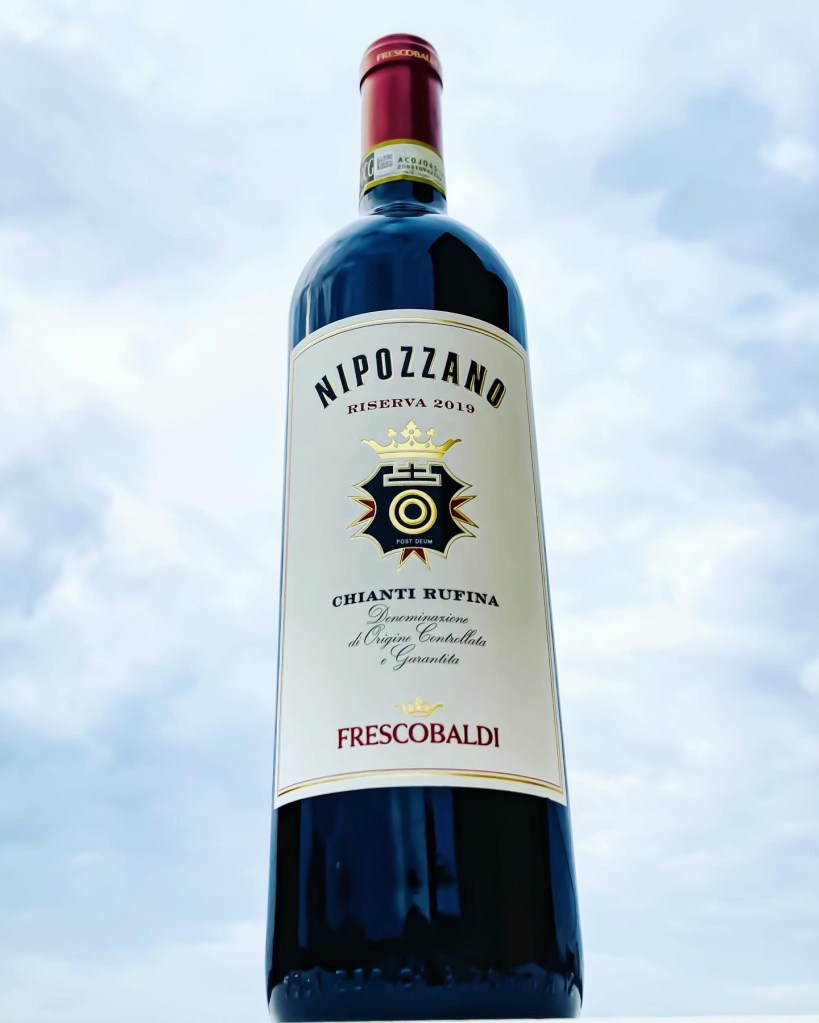
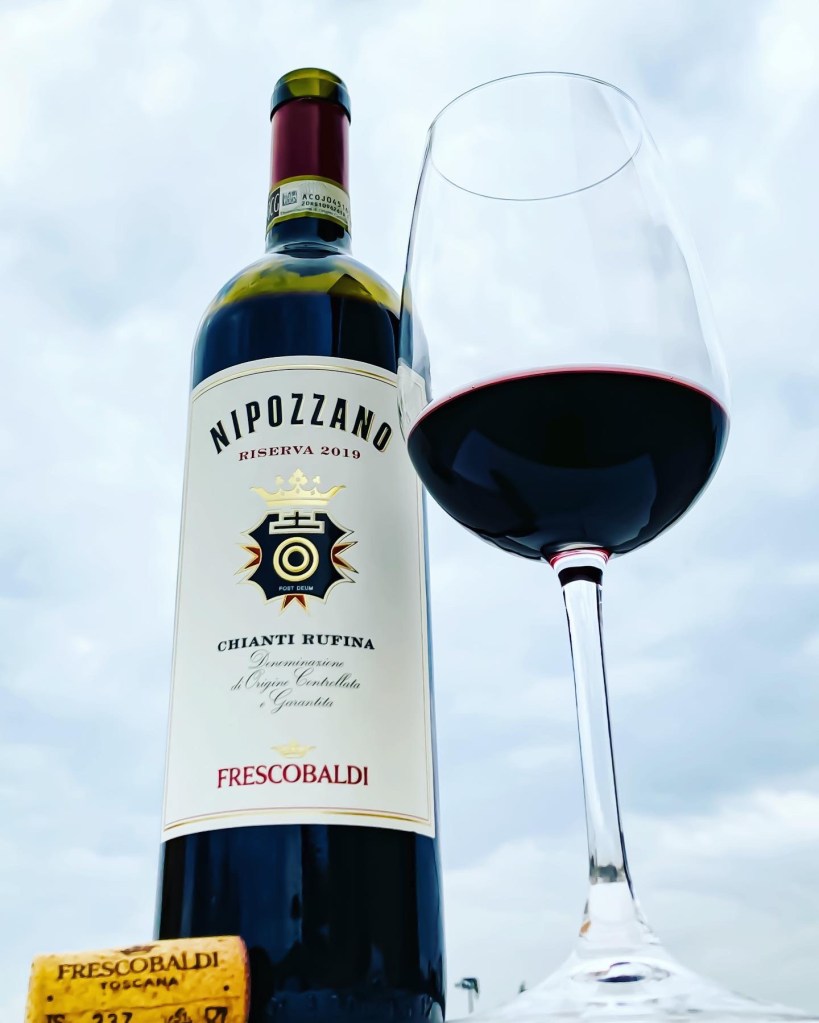
𝐖𝐢𝐧𝐞 𝐓𝐚𝐬𝐭𝐢𝐧𝐠: Chianti Rufina Riserva DOCG 2019, Castello Nipozzano. Produced with Sangiovese, @frescobaldivini , Tuscany

𝐌𝐚𝐫𝐜𝐡𝐞𝐬𝐢 𝐝𝐞 𝐅𝐫𝐞𝐬𝐜𝐨𝐛𝐚𝐥𝐝𝐢: From the 1300s to the present. A commitment to viticulture over 700 years of winemaking history. Around the year 1000, the first Frescobaldi family members moved to Florence from Val di Pesa, where the oldest agricultural estate, “𝐓𝐡𝐞 𝐓𝐞𝐧𝐮𝐭𝐚 𝐂𝐚𝐬𝐭𝐢𝐠𝐥𝐢𝐨𝐧𝐢” still stands. In the year 1300, the “Piazza de Frescobaldi” was built in Florence’s Oltrarno neighborhood. In the 1800s, the company introduced Chardonnay, Pinot Nero, and Cabernet Sauvignon in Tuscany. One of the most well-known wine dynasties is the Frescobaldi winery, which has been making wine for 30 generations. The Frescobaldi family currently owns 11 estates, and their wines can be found in 65 different countries. The business has established itself as one of the most significant wineries.

𝐓𝐡𝐞 𝐍𝐢𝐩𝐨𝐳𝐳𝐚𝐧𝐨 𝐂𝐚𝐬𝐭𝐥𝐞: The territory of Castello Nipozzano is in the center of the prestigious “𝐂𝐡𝐢𝐚𝐧𝐭𝐢 𝐑𝐮𝐟𝐢𝐧𝐚”. It is the Frescobaldi family’s oldest estate, dating back to 1000. Nipozzano’s wines are beautiful, full-bodied, and have incredible structure. The winery’s extensive winemaking history is represented by the estate.

𝐖𝐢𝐧𝐞: Chianti Rufina Riserva DOCG 2019. Castello Nipozzano’s emblem. Produced with Sangiovese grapes. A wine with a body that ranges from medium to full. Intense red with aromas of black cherries and berries. Nutmeg, pepper, tobacco, coffee, and roasted spice notes. On the palate, the wine is dry, smooth, and rich. A wine with flavors and aromas that are elegant and exquisitely balanced.

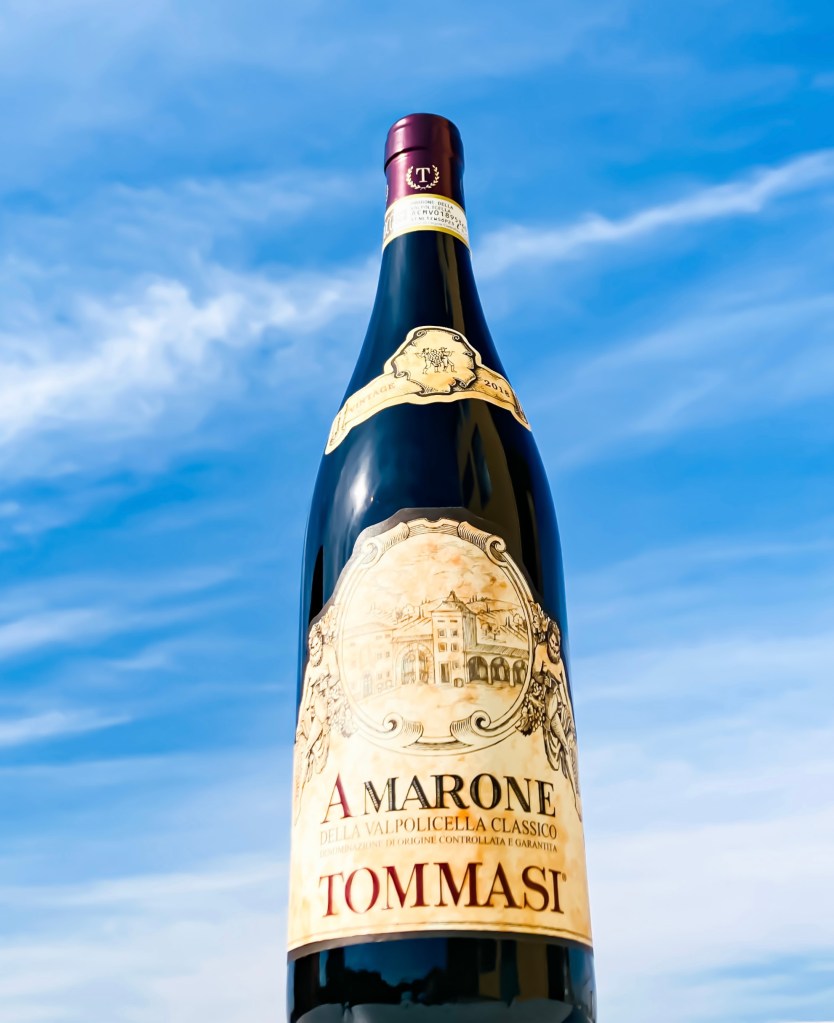
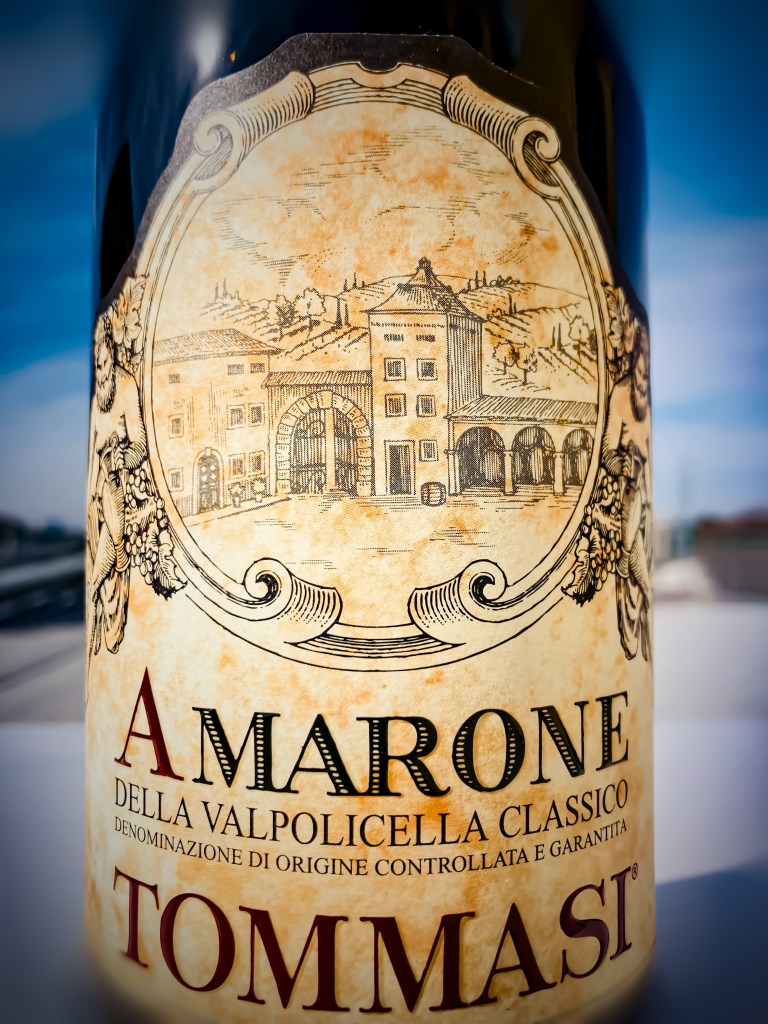
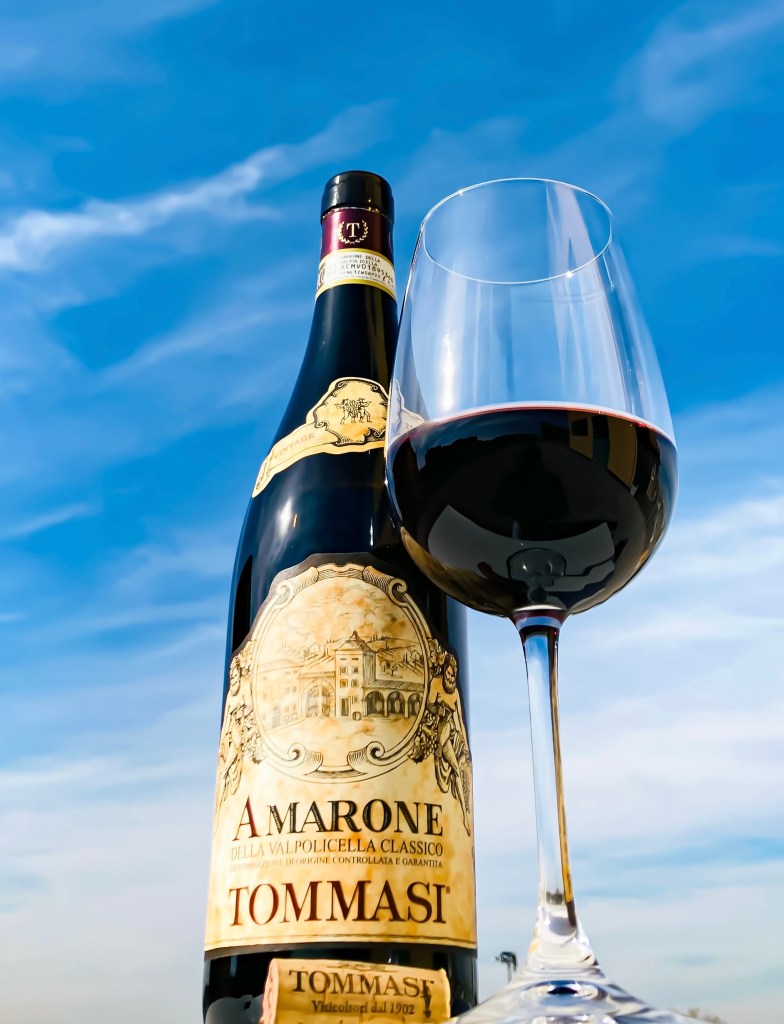
𝐀𝐦𝐚𝐫𝐨𝐧𝐞 𝐓𝐚𝐬𝐭𝐢𝐧𝐠: 𝙎𝙤𝙢𝙚 𝙢𝙞𝙨𝙩𝙖𝙠𝙚𝙨 𝙖𝙧𝙚 𝙥𝙚𝙧𝙛𝙚𝙘𝙩. Amarone Della Valpolicella Classico DOCG 2018. Made with Corvina, Corvinone, Rondinella and Oseleta, @tommasiwine , Veneto

𝐓𝐎𝐌𝐌𝐀𝐒𝐈: 1902 to the present day. Established in 1902, one of the largest wine producers. All Valpolicella wines and Amarone are produced in this historic region, which is the Valpolicella Classica region. One of the most well-known wineries in the world, Tommasi produces exceptional wines. From the first tiny vineyard in 1902, the fourth generation of the Tommasi family now runs the winery. Since Giacomo Tommasi bought a small piece of land in the Valpolicella Classica, the Tommasi family has been making wines for more than a century. The Tommasi winery produces wines that are inspired by art, culture, and nature and come from the most fascinating and prestigious winemaking regions. Today, Tommasi Winery uses 600 hectares of vineyards to produce exceptional wines with a lot of love, dedication, and passion for winemaking.

𝐀𝐌𝐀𝐑𝐎𝐍𝐄: Born by Error and leaving daily traces. Rather than a lengthy history, this is an incredible tale. The official source of Amarone’s discovery was a rumored forgotten barrel of RECIOTO wine, which was then excellently aged to become more robust. Recioto’s history is slightly longer. This unexpected effect is now appreciated by people all over the world. Even though the first bottle of Amarone was produced in 1938, it wasn’t traded until 1953.

𝐖𝐈𝐍𝐄:Amarone Della Valpolicella DOCG 2018. Amarone is a powerful and heavy wine. Cherry aromas and flavors of fig pie with thyme and espresso are evident on the nose. The wine is warm, soft, and has good acidity in the mouth. Produced with 50% Corvina, 30% Corvinone, 15% Rondinella and 5% Oseleta. Very complex wine that has notes of cherry and plum. A wine for a special event.

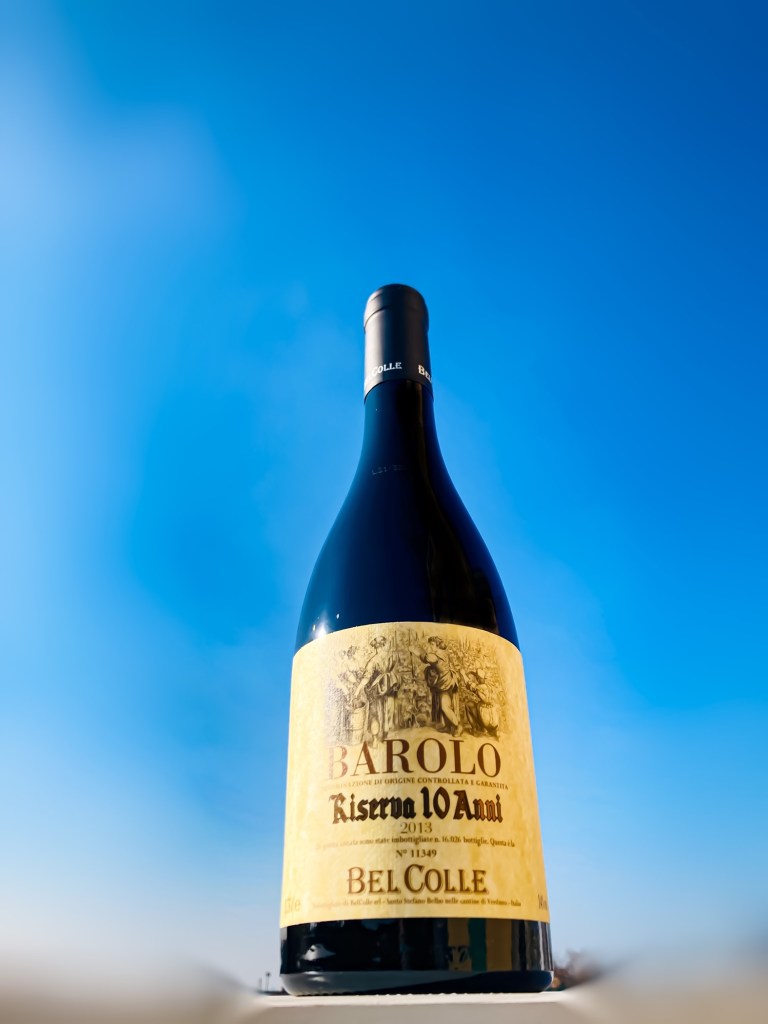
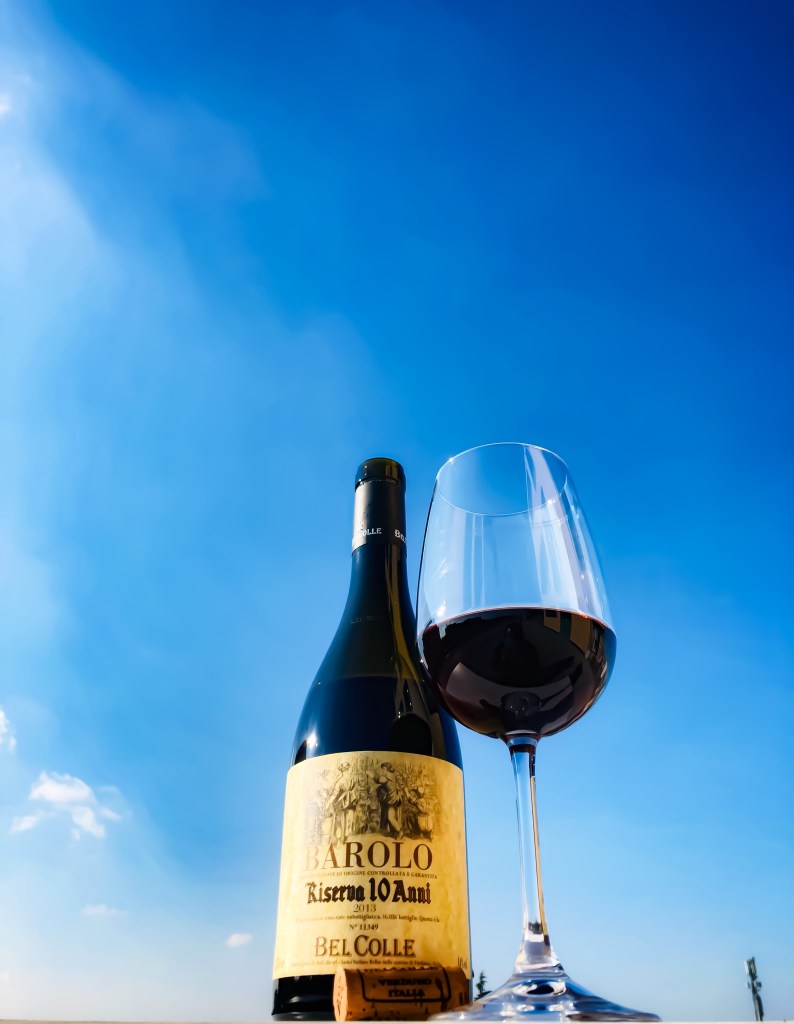
𝐑𝐞𝐬𝐞𝐫𝐯𝐞 𝟏𝟎 𝐲𝐞𝐚𝐫𝐬, 𝐖𝐢𝐧𝐞 𝐭𝐚𝐬𝐭𝐢𝐧𝐠: Barolo Riserva 10 anni, Barolo DOCG 2013, @bosiofamilyestates , @belcollewinery , Barolo, Piedmont

The 𝐖𝐢𝐧𝐞𝐫𝐲, 𝐁𝐞𝐥 𝐂𝐨𝐥𝐥𝐞 𝐭𝐨 𝐁𝐨𝐬𝐢𝐨 𝐅𝐚𝐦𝐢𝐥𝐲 𝐄𝐬𝐭𝐚𝐭𝐞𝐬: In 1978, Bel Colle was established in Verduno. Paolo Torchio was in charge of Bel Colle, which grew to become one of Verduno’s most important wineries and the first Italian producer of Verduno Pelaverga. Bel Colle’s goal was to make clean, high-quality wines, which made it easy to recognize the winery. The Bosio family has owned the Bel Colle winery since 2015, and their primary focus is on producing high-quality wines from Barolo, Langhe, and Barberesco. The acquisition of the BEL COLLE winery in Verduno, which produces Barolo and Pelaverga, marked a turning point for the Bosio family. The hills in the middle of the Piedmontese wine landscape are declared as a UNESCO human heritage. The Bosio family now owns a number of estates, including Bel Colle, Luca Bosio vineyards, Truffle Hunter Leda, and others.

𝐖𝐢𝐧𝐞, 𝐑𝐢𝐬𝐞𝐫𝐯𝐚 𝟏𝟎 𝐲𝐞𝐚𝐫𝐬: Barolo DOCG 2013. A heavy bodied wine made entirely from Nebbiolo grape variety. Very intense and complex wine in the mouth.Matured in oak barrels and then in the bottle. This wine’s grapes come from two of Verduno’s most important vineyards: Boscatto and Monvigliero. A red wine with bright reflections of garnet. The wine has hints of burned tobacco, and pepper. A dry, powerful, and elegant wine with excellent structure.

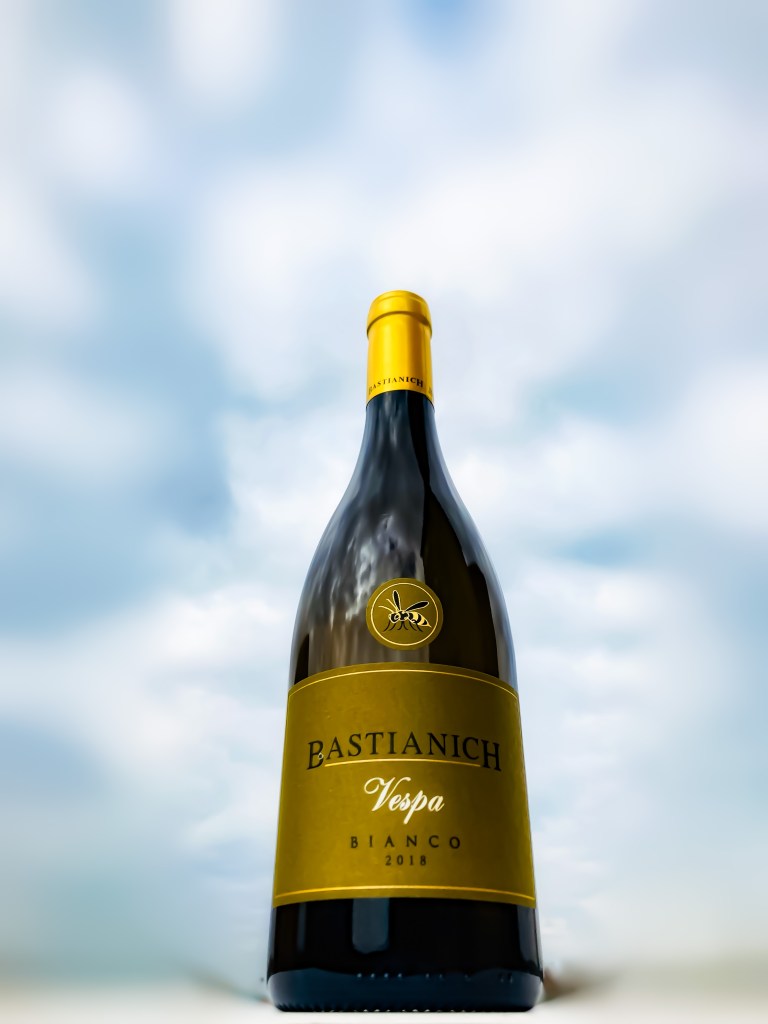
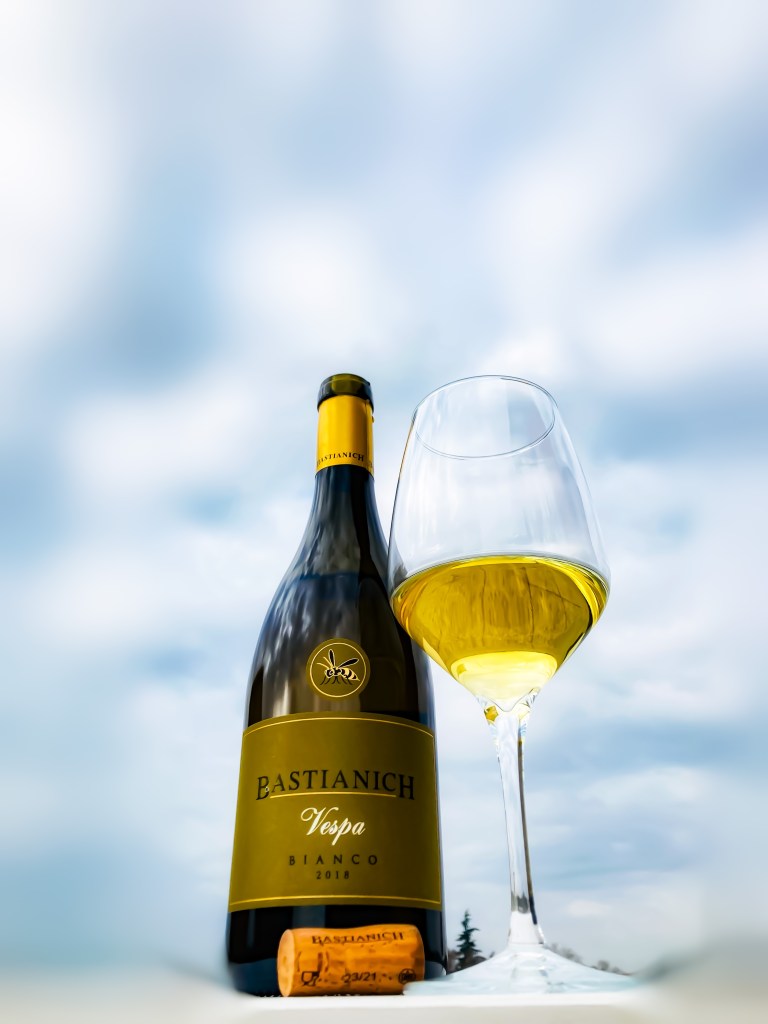
𝐖𝐢𝐧𝐞 𝐓𝐚𝐬𝐭𝐢𝐧𝐠: Venezia Giulia Vespa Bianco IGT 2018. Produced with Chardonnay, Sauvignon blanc and hint of Picolit, Bastianich Winery, Friuli-Venezia Giuli

𝐁𝐚𝐬𝐭𝐢𝐚𝐧𝐢𝐜𝐡 𝐖𝐢𝐧𝐞𝐫𝐲: Founded in 1997 and situated in Friuli Venezia Giulia. One of Italy’s most well-known regions for the production of white wines is Cividale del Friuli, where the Bastianich winery planted its first vineyard. The world’s best white wine terroir can be found in the Friuli hill vineyards. The Bastianich family was able to produce the best Friuli wines thanks to their dedication and passion for winemaking for decades. Additionally, several restaurants in the United States are owned by the Bastianich family by @jbastianich . The younger members of the family had the same aspiration of owning their own winery. The Bastianich winery has established itself as one of the best wineries after two decades of dedication to the industry.

𝐖𝐢𝐧𝐞: One of the Bastianich winery’s emblems. A heavy bodied wine with golden hues and a beautiful straw yellow color. Produced with Sauvignon Blanc, Chardonnay, and a hint of Picolit at 10%. On the nose, you can smell honey and pears as well as citrus and peach notes. Aromas that are very full and balanced tannins. The taste is crisp and well-structured.

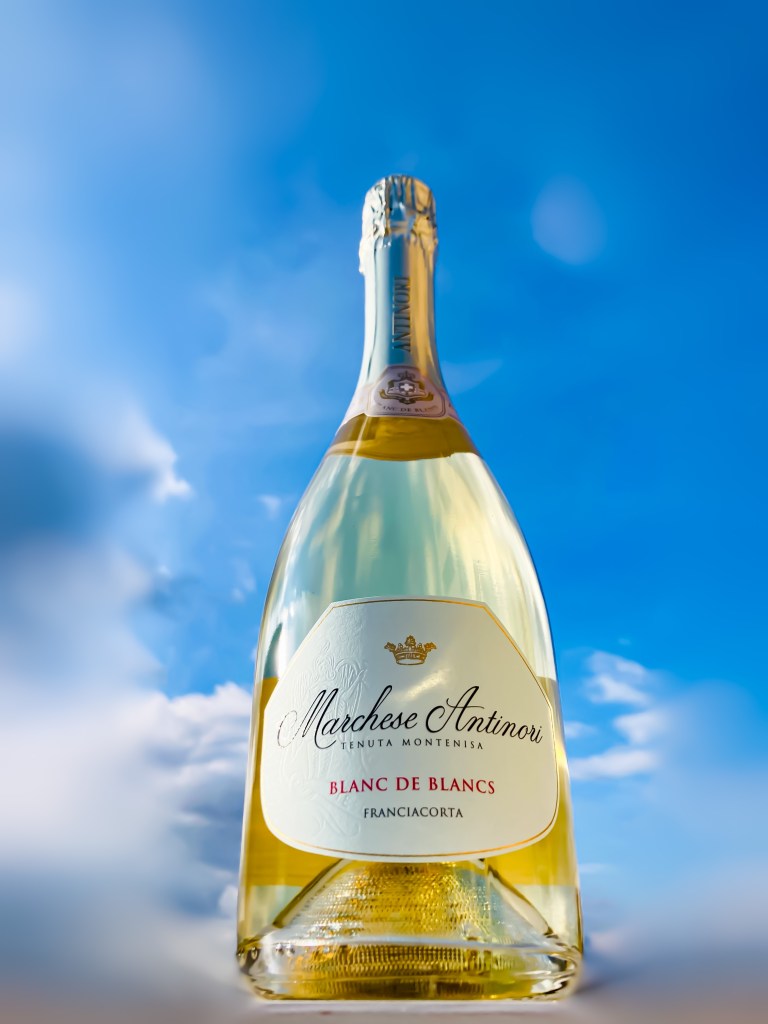
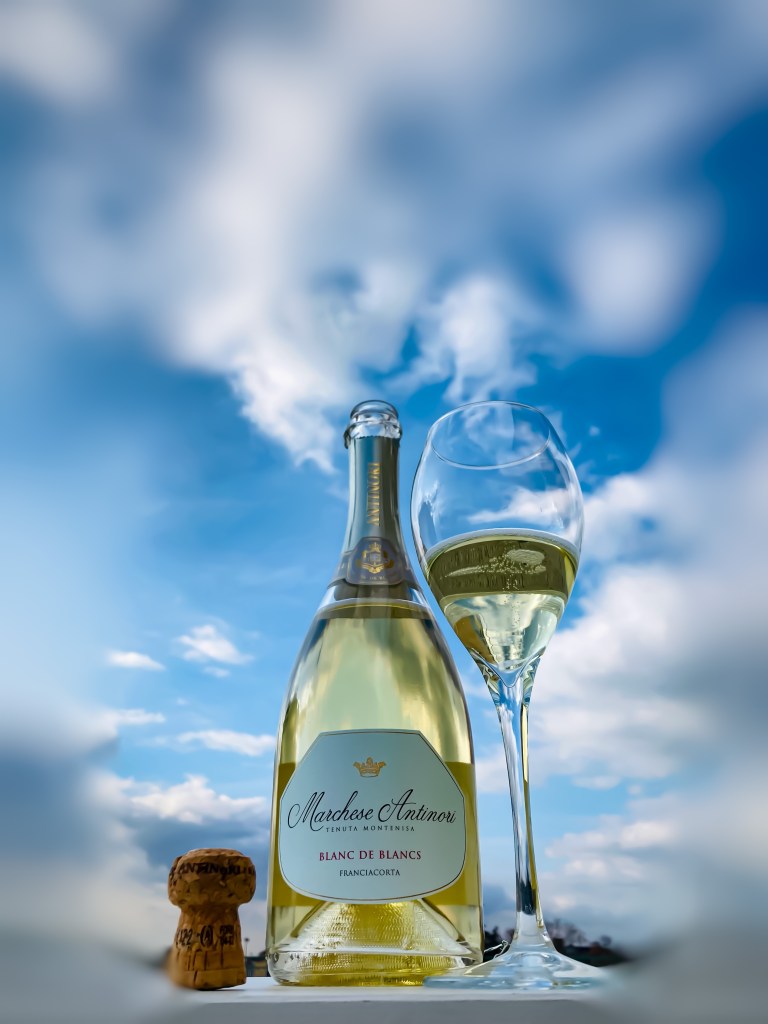
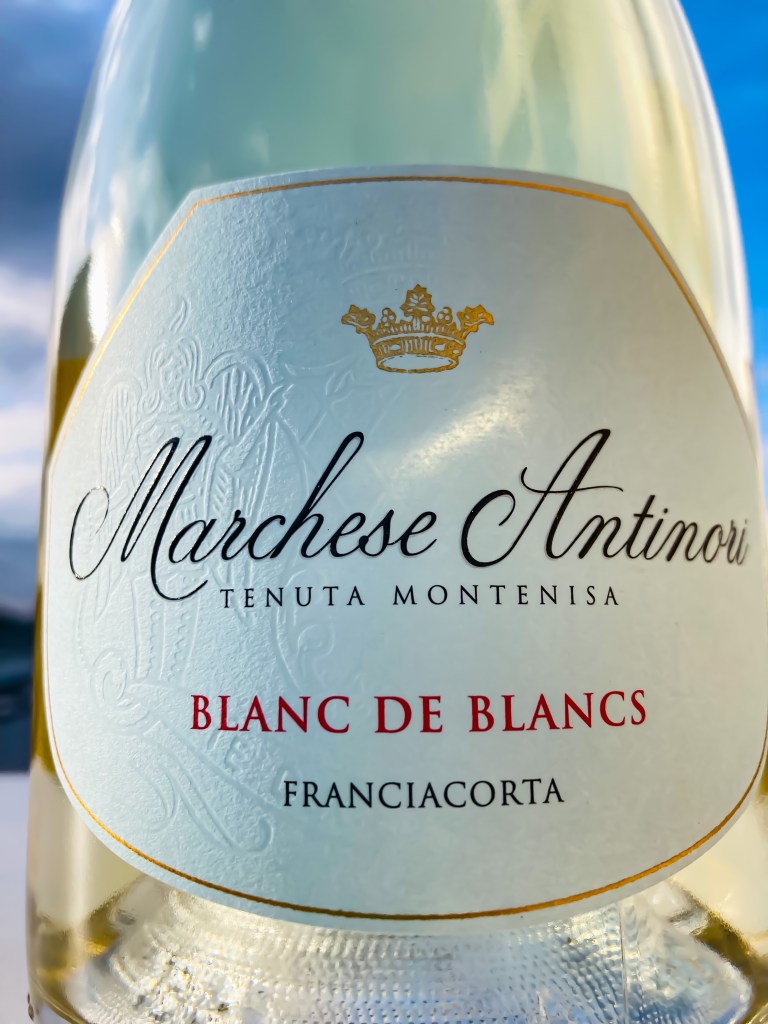
𝐁𝐫𝐮𝐭 𝐓𝐚𝐬𝐭𝐢𝐧𝐠 : Franciacorta Brut, Blanc de Blancs, Franciacorta DOCG. Made with Chardonnay & Pinot Blanc. From Montenisa Estate in Lombardy by, Marchesi Antinori

𝐌𝐚𝐫𝐜𝐡𝐞𝐬𝐞 𝐀𝐧𝐭𝐢𝐧𝐨𝐫𝐢: 600 years of winemaking history. From 1385 to the present day. Changing the Italian wine industry and becoming the best vineyards. The company has always been associated with art and fundamental aspects of winemaking throughout its history. It became one of the most important wine families in Italy as a result of the 1970 “Super Tuscan” revolution. In San Casciano, Villa Antinori was born in 1928. In Bolgheri, on the coast of Tuscany, the first and second vintages sparked the super Tuscan revolution. The business is now managed by the family’s 26th generation, who emphasizes the company’s traditions, setting, and innovative spirit.

𝐌𝐨𝐧𝐭𝐞𝐧𝐢𝐬𝐚 𝐄𝐬𝐭𝐚𝐭𝐞: Situated close to the hamlet of Calino in the center of Franciacorta. The Antinori family bought the Montenisa estate in 1999 to make sparkling wines using the traditional method. Some of the best wines are the result of the connection that exists between the Antinori family and the terroir of Franciacorta.

𝐅𝐫𝐚𝐧𝐜𝐢𝐚𝐜𝐨𝐫𝐭𝐚: A Michelin star destination partner with a record-breaking 20 million bottles sold in 2022. Began with the 1960 harvest of the first Pinot di Franciacorta. In 1995, Franciacorta became the first region in Italy to receive the Protected & Guaranteed origin label. Franciacorta offers a comprehensive selection of vintage wines. It has made a name for itself in the travel industry and produces exceptional wines. A part of Lombardy in the north of Italy that makes some of the best and most prestigious sparkling wines. A group of 121 wineries known as Villa Franciacorta was established in 1990 by 29 producers.

𝐁𝐫𝐮𝐭: Franciacorta Blanc de Blancs is composed of 15% Pinot Blanc and 85% Chardonnay. Creamy texture with a pale yellow color. Aromas of green apple & peach. The palate of the brut is fresh, soft with balanced tannins. A superb brut

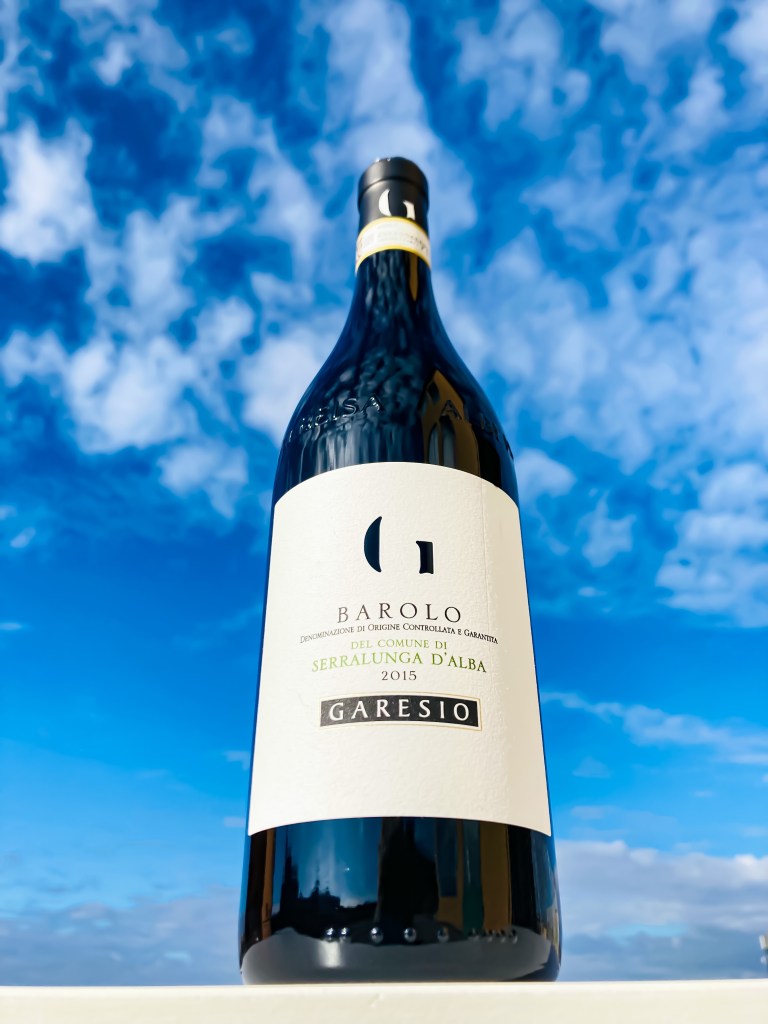
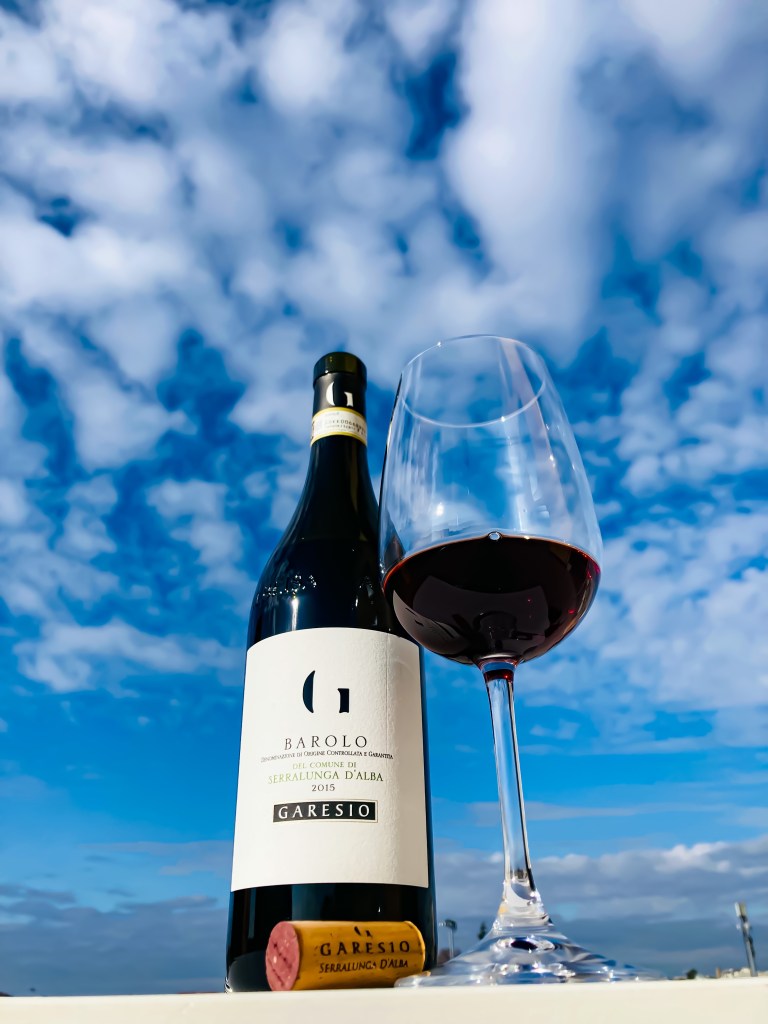
Serralunga D’Alba, Barolo DOCG 2015. Made with Nebbiolo, Garesio Vini, Piedmont

Garesio Winery: It was established in 2010 when the Garesio family bought land and divided it up between Serralunga D’alba, also known as the “heart of Barolo,” Perletto, which is in Alta Langa, Incisa Scapaccino, and Castelnuovo calcea, which is in Monferrato. In Serralunga d’Alba, the Garesio family also took on the task of renovating an old farmstead. The goal of this project is to create a one-of-a-kind hospitality and wine experience. Since 2014, it has been recognized as a UNESCO world heritage site. The Garesio family’s history began in faraway lands in the Salento vineyards. They were able to produce exceptional wines because of their love and devotion to one of the rarest and most prized terroirs in the world.

Serralunga D’Alba: The only location which is more Barolo than Barolo itself. The Serralunga wine is beautiful and elegant because of the terroir. A place with a lot of internal diversity and complexity. Serralunga wines always have great structure and strong, powerful characters. Because it is a distinctive landmark in the landscape of the Piedmontese vineyard, the entire Serralunga is playing an important role in the wine industry.

Wine: Serralunga D’Alba, Barolo DOCG 2015. A heavy bodied wine with brilliant garnet red color. Cherry, strawberry, red fruit, and licorice hints. 100% Nebbiolo is used in the production, which is selected and harvested manually. Excellent earthy notes accompany the spice aromas. The wine is perfectly balanced and has a great structure and texture. The wine is extremely dry and smooth on the palate.

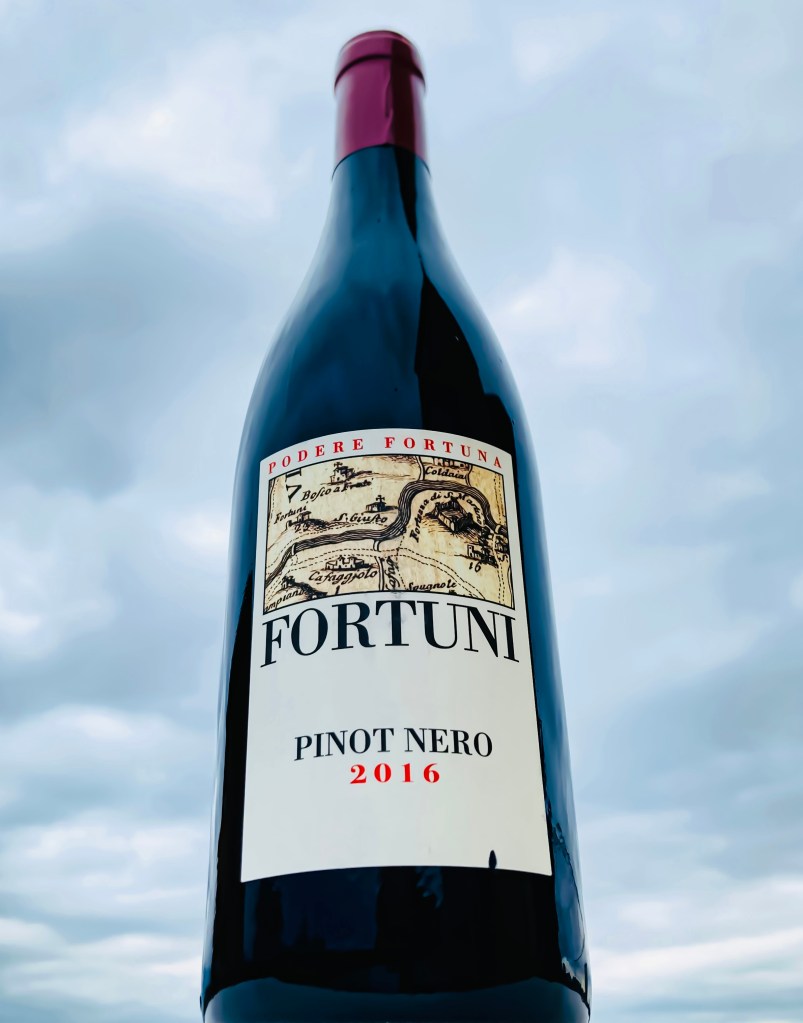
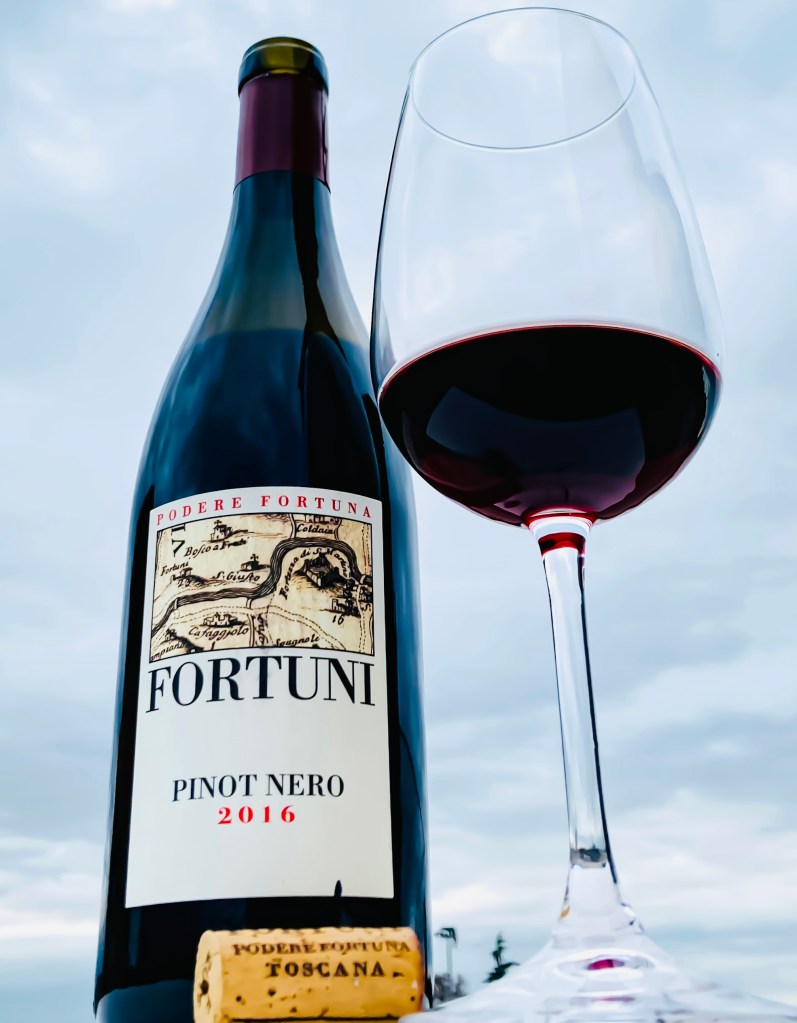
Toscana Pinot Nero (Pinot Noir), Fortuni, Rosso IGT 2016, Podere Fortuna

Podere Fortuna: Founded in 2001 in Mugello on the slopes of the Tuscan-Emilian Appenines. The vineyards and the villa Cafaggiolo are owned by the Lowenstein family, which started their own wine business. The best Pinot Noir is produced by the company in the Mugello region of Tuscany. The grapes for the wines were planted in 2001 in a location where vineyards have been documented since 1400. The company is the first to produce Pinot Noir in the Mugello region.

Tuscan Pinot Nero: Pinot Noir, a French grape, has gained popularity in Northern Italy, where Italy has its own 500+ varieties. Growing and cultivating the Pinot Noir grape variety is challenging. Pinot Noir finds its ideal Terroir in Mugello, a specific region in Tuscany’s cooler apennine mountains.

Wine: IGT 2016 Tuscan Pinot Nero, Fortuni, Rosso. A full bodied wine. Deep red color with purple reflections. Aromas of blackberry and black cherry. The wine is crisp, soft, and dry on the palate. The taste and elegance of this Tuscan Pinot Noir is outstanding. Vanilla, blueberries, and chocolate are all present in this well-balanced, smooth wine. A great Pinot Noir from Tuscany.

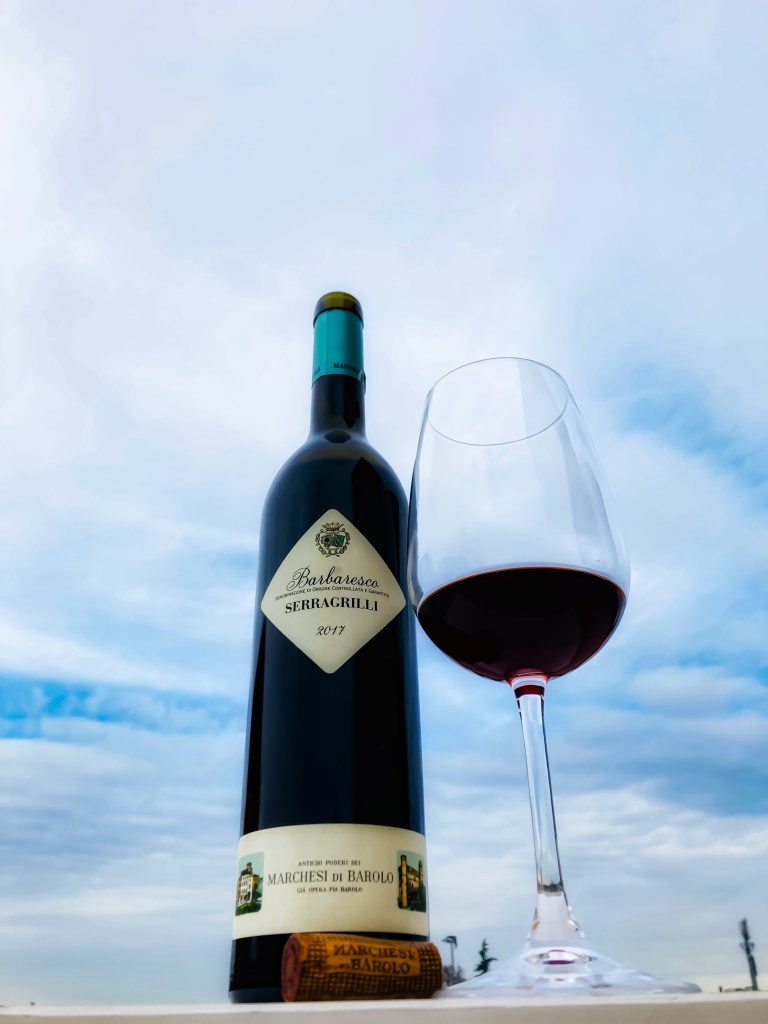
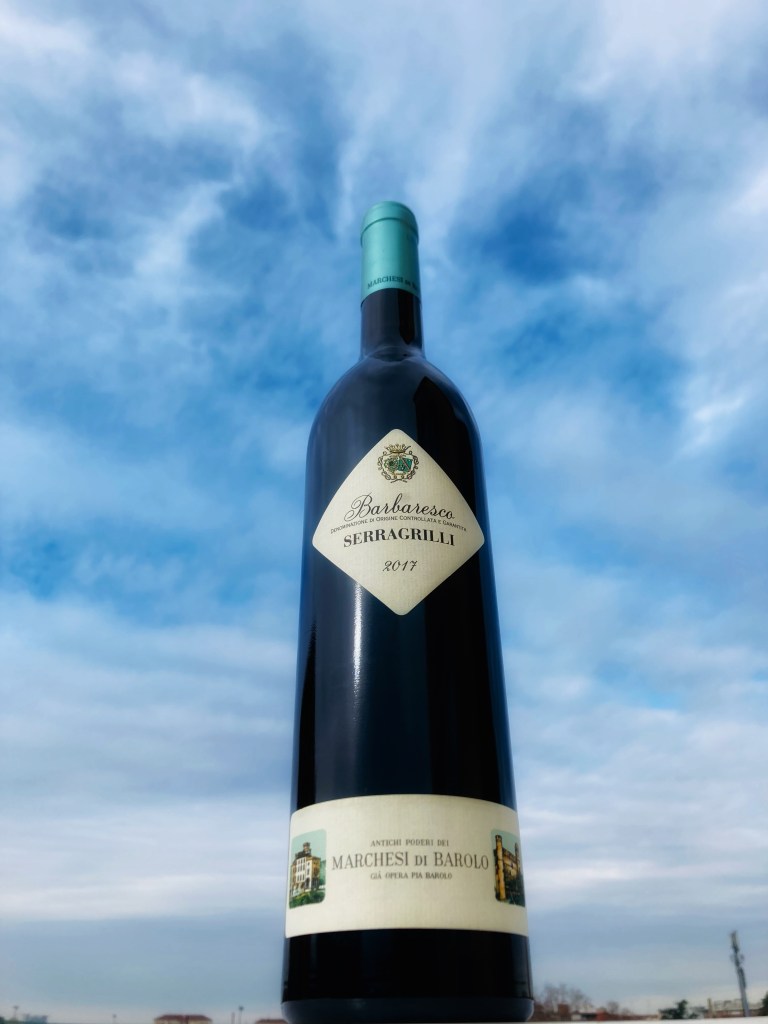
Serragrilli Barbaresco DOCG 2017. Made with Nebbiolo grapes, Marchesi diBarioo Piedmont

Marchesi di Barolo: A tale of love that has been told for more than two centuries. Everything began in 1807 when Carlo Tancredi Falletti fell in love with Juliette Colbert de Maulévrier. They realized that long Barolo wines, also known as “King of Wines” or “Wine of Kings & Queens,” have the potential to change the wine scene around the world. They then set up the wine cellar and gave it the name of its origin. In point of fact, Juliette Colbert de Maulévrier introduced the world to the most prestigious wines from Italy. She left the world in 1864, leaving behind a legacy of her love of Barolo. The winery was purchased by the Abbona family in 1929, and they started a new era for Barolo by honoring the legacy of love for the grape. The Abbona family has passed down their love of Barolo from generation to generation. The family has maintained its traditional heritage by producing the most prestigious and exceptional wines, and their motto is “to combine passion, tradition, and evolution.”

Wine: 2017, Serragrilli Barbaresco DOCG. A full bodied wine, made entirely of Nebbiolo. With aromas of plum and red fruits, this is unquestionably one of the finest wines. A very impressive wine with flavors of mocha, spice, and red berries. Nebbiolo grapes are grown on a gentle hill in Neive called the Serragrilli. Regarded as a region with a significant wine-growing industry. The wine has sweet tannins and is powerful while also being harmonious and balanced.