The Business of Wine 5.0

Prestige, Power Moves & the New Language of Wine 
The wine industry is not what it used to be. What was once a business of vineyards and vintages has now evolved into a multi billion dollar enterprise driven by branding, tech innovation, cross sector luxury partnerships and bold market strategies. Welcome to Business of Wine 5.0 an era where tradition meets disruption and the wine glass is no longer half full, it’s brimming with opportunity. 
Wine as a Global Asset: The Rise of Investment Bottles 

Wine is no longer just to sip, it’s to store, flip and invest. The fine wine market reached $6.1 billion in 2023 and platforms like Cult Wines, Vinovest and Rare Wines have democratised access to high end wine portfolios. Brands like Chǎteau Lafite Rothschild, Domaine de la Romanée-Conti now appear in financial portfolios alongside luxury watches and art. 

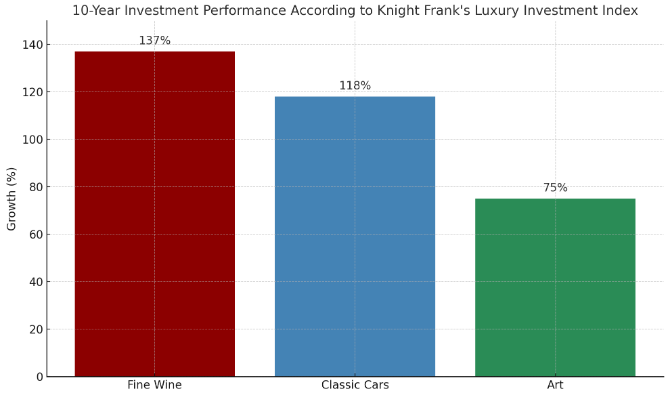
According to Knight Frank’s Luxury Investment Index, fine wine outperformed classic cars and art over a 10 year horizon. This shift is evident all over. Affluent consumers are investing in Super Tuscans, Bordeaux futures and Napa cult wines as part of wealth diversification strategies. 
Luxury Wine: Beyond Labels and Into Lifestyle 

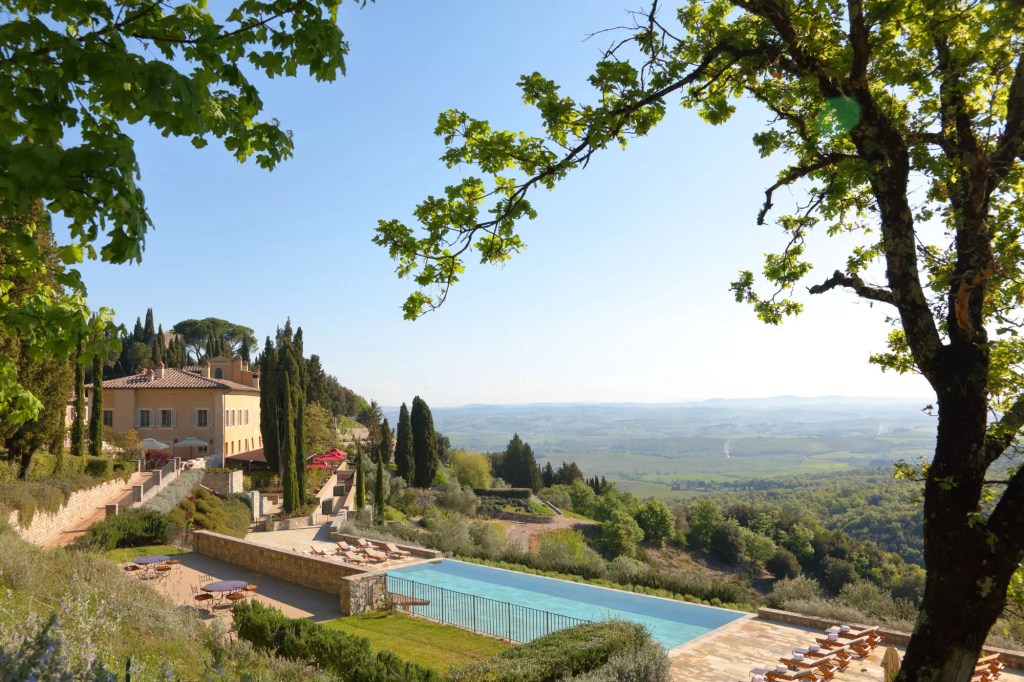
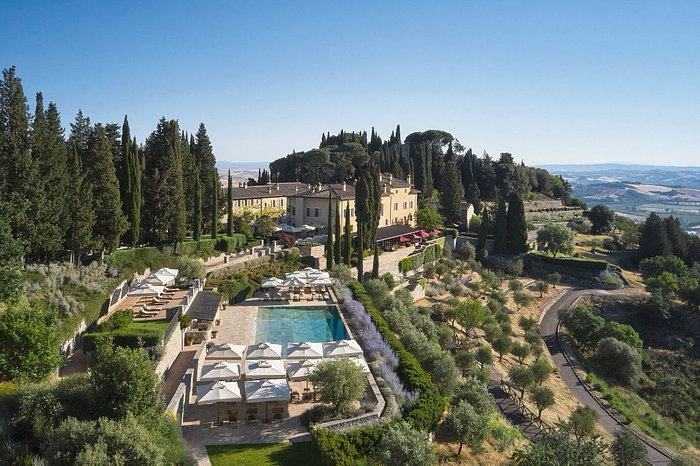
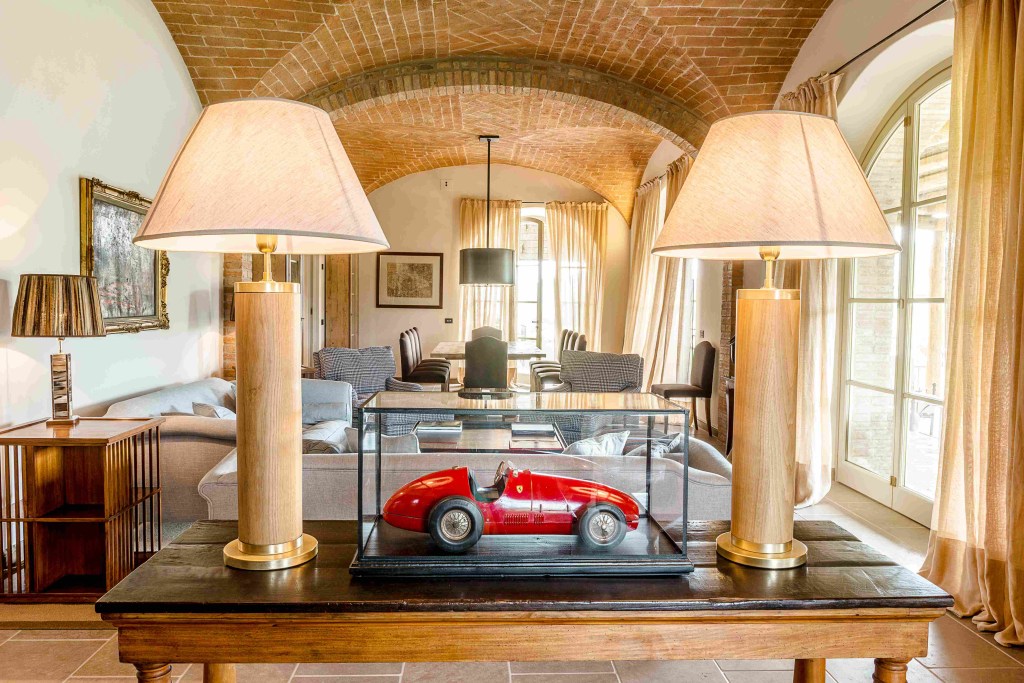
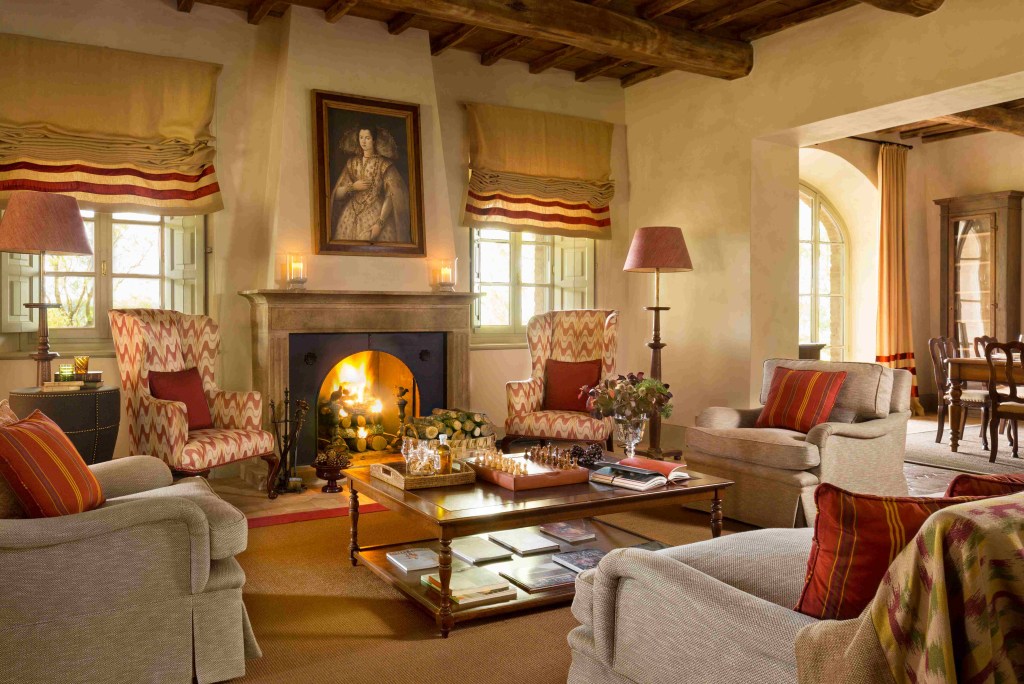
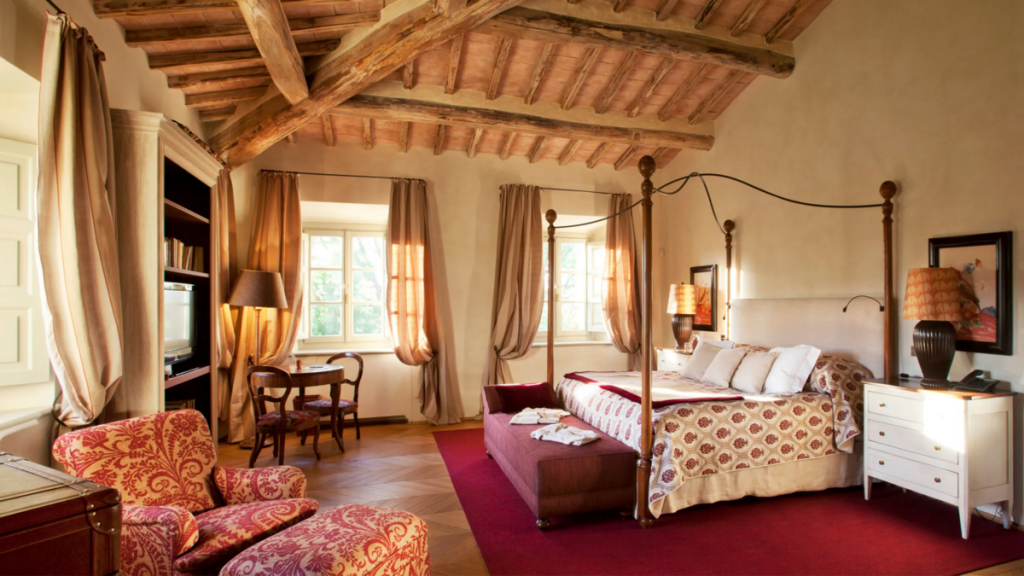
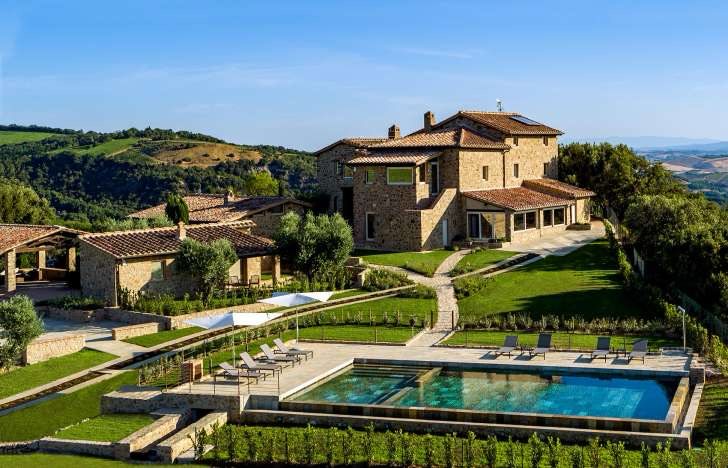
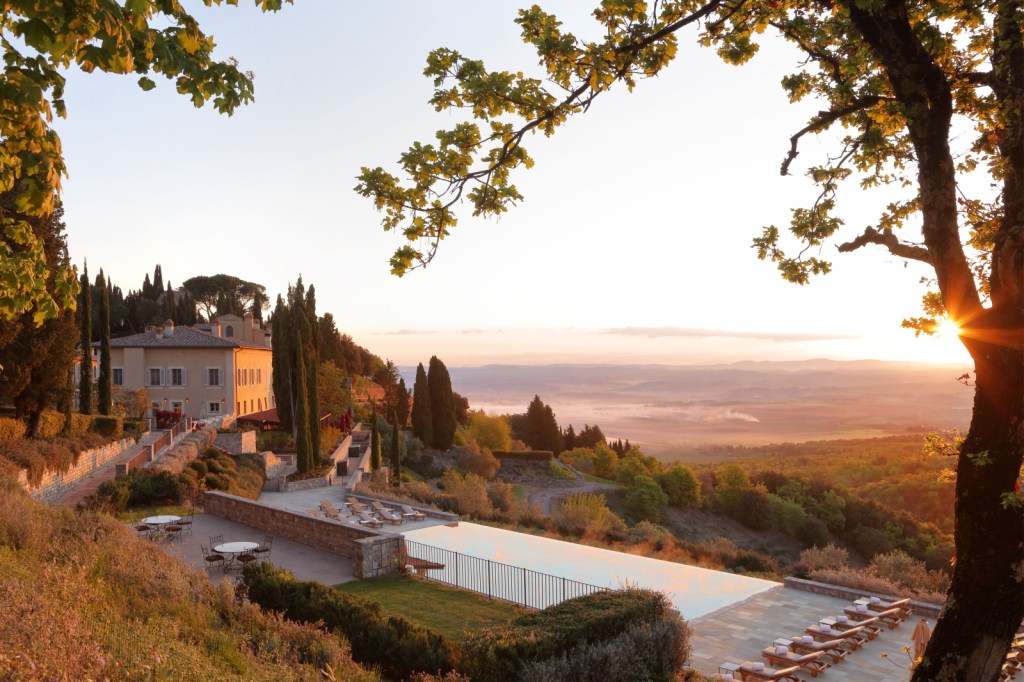
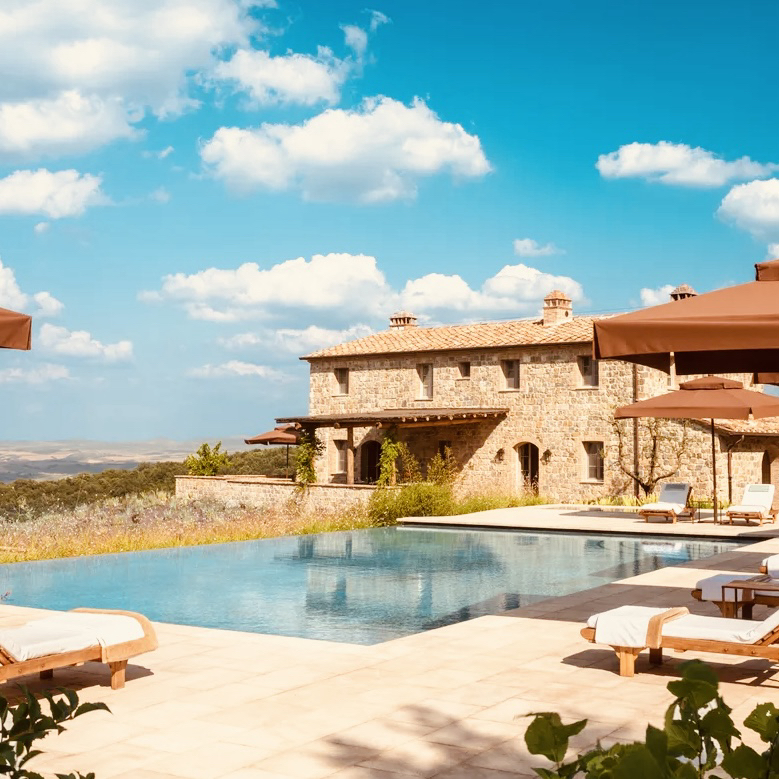
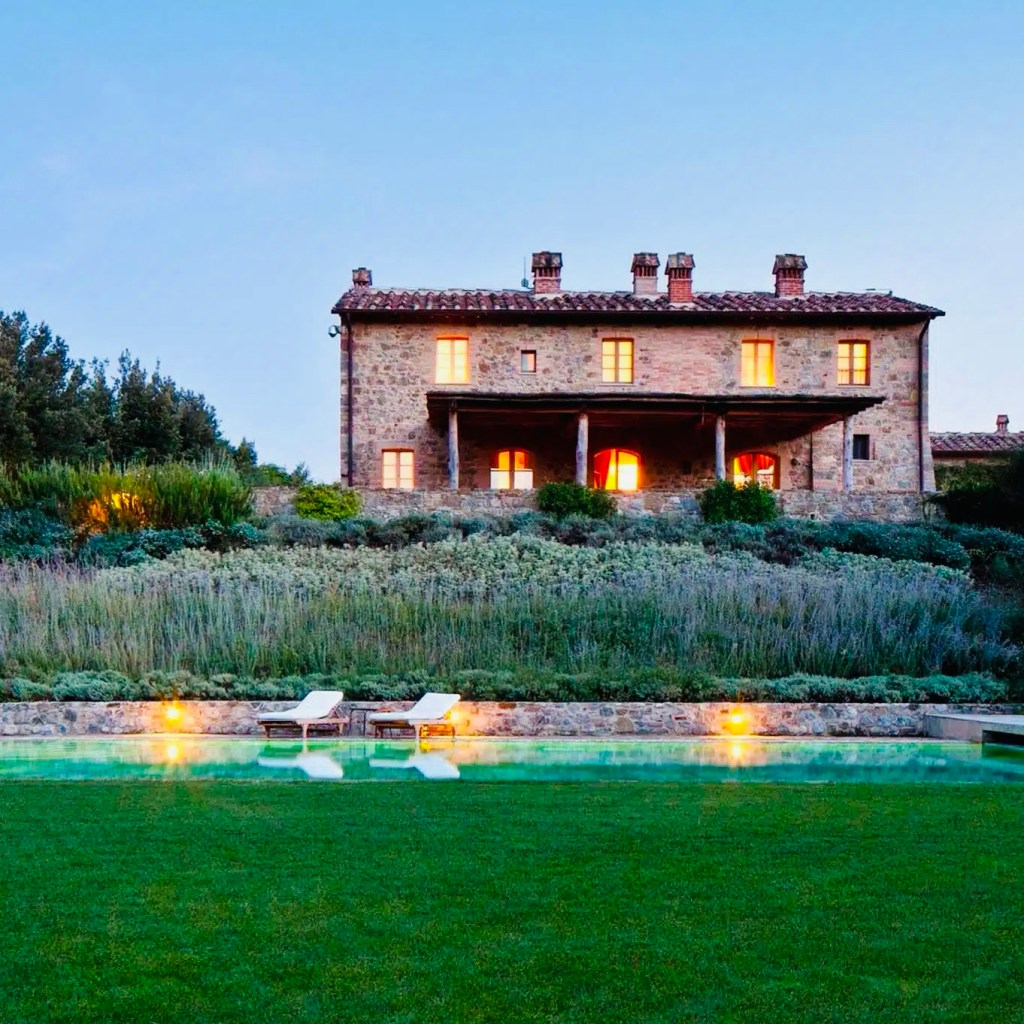
Wineries like Castiglion Del Bosco and Chǎteau Haut Lafitte aren’t just making wines, they’re crafting entire worlds. The Rosewood Castiglion Del Bosco Luxury Hotel and its 5,000 acre estate in Montalcino blur the lines between vineyard, spa, heritage and haute couture. Luxury consumers want more than exclusivity. They want storytelling, soul and access. 
Private Label Wines: Retail Giants are the New Wine Moguls 

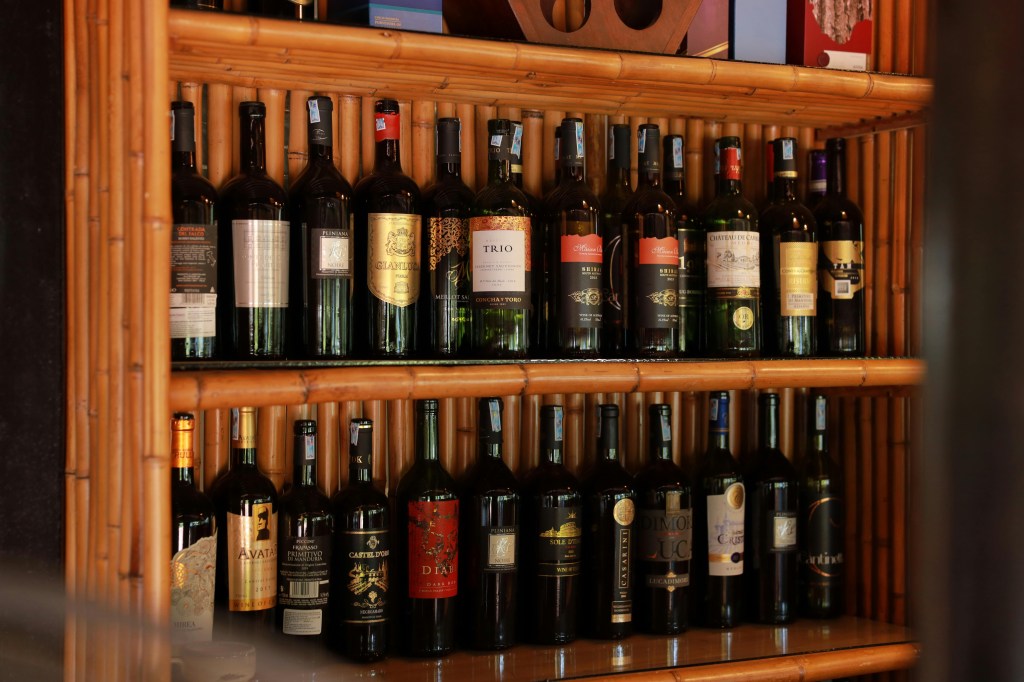
From Costco’s Kirkland Signature Wines to Aldi’s award winning bottles under $10, private labels are shifting power away from traditional producers. Luxury hotels, too, are entering the game. Aman Resorts and Six Senses have begun curating private label wines to align with their brand ethos. The twist? Some private labels are using top tier wine consultants and even buying bulk from renowned vineyards, rebranding them under an exclusive house label. The quality is rising and so is consumer trust. 
Grey Market Maneuvers & Import Innovation:

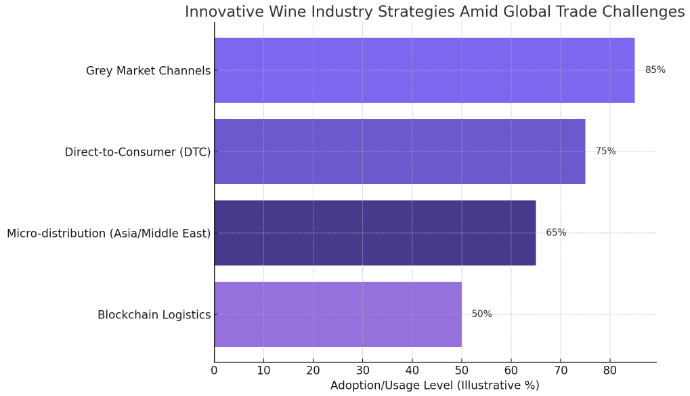
With shipping costs up 200% since 2021 and tariffs fluctuating in post-Brexit Europe and US-China tensions, brands are rewriting the import/export playbook. Some use grey market channels to reroute shipments to lower tax before entering primary markets. 

Others are experimenting with: 

  • Direct to Consumer (DTC) platforms 
  • Micro-distribution networks in Asia and the Middle East
  • Blockchain logistics to track provenance in real time. 

It’s not about cutting corners, it’s about cutting inefficiencies. 
Digital Cellars: Tech Disruption from Vine to Vintage 

Wine Tech is booming. Precision viticulture is using drones, AI and IoT soil sensors to predict yield, monitor disease and optimize irrigation. 

  • Tule Technologies helps vineyards in Napa save to over 20% water annually. 
  • Vivino, with over 60 million users, is using AI to recommend wines and reshape consumer behaviour. 
  • NFTs by brands like Yao Family Wines offer exclusive ownership and authentication. 

The smart cellar is here and it’s connected to the cloud. 

Hospitality X Wine: The New Synergy 

High end hospitality groups are leveraging wine like never before. 

  • The Ritz Paris now has curated wine concierge services. 
  • Belmond pairs each property with wines reflecting its region, a sensory passport.
  • Yacht charters like Aqua Expeditions now offer onboard sommeliers, exclusive vertical tastings and wine paired Michelin inspired cuisine. 

It’s a full bodied experience. 
The Influence of Culture & Couture 

Fashion and Wine have officially clinked glasses. Massimo Ferragamo’s influence at Castiglion Del Bosco is just the beginning. 

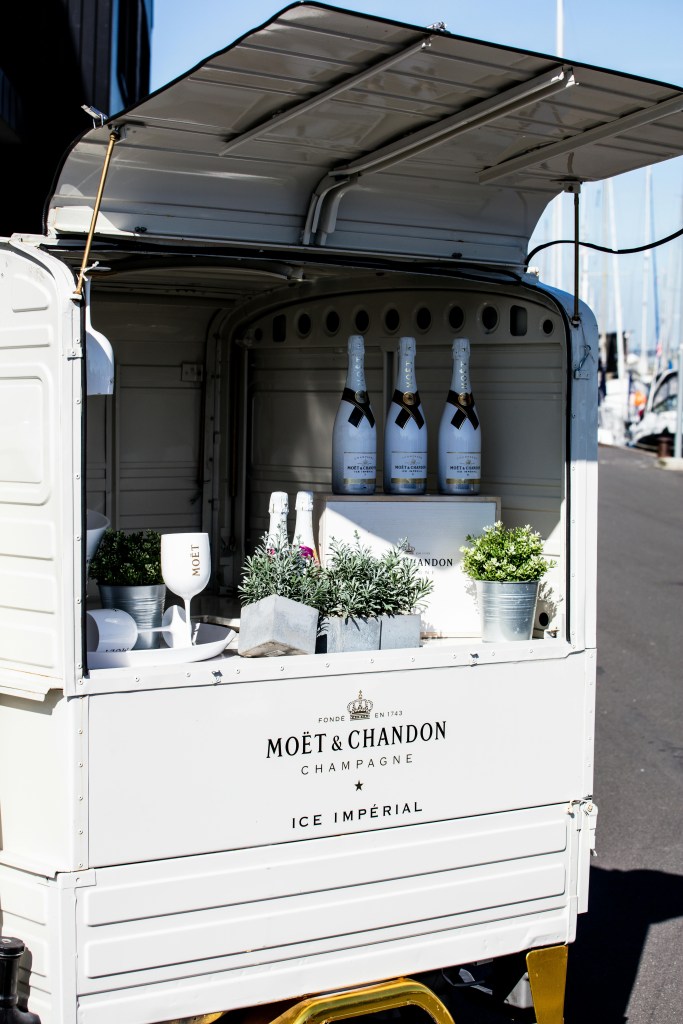
  • Moët. & Chandon is often front row at PFW
  • Penfolds collaborated with Saint Laurent and launched capsule collections. 
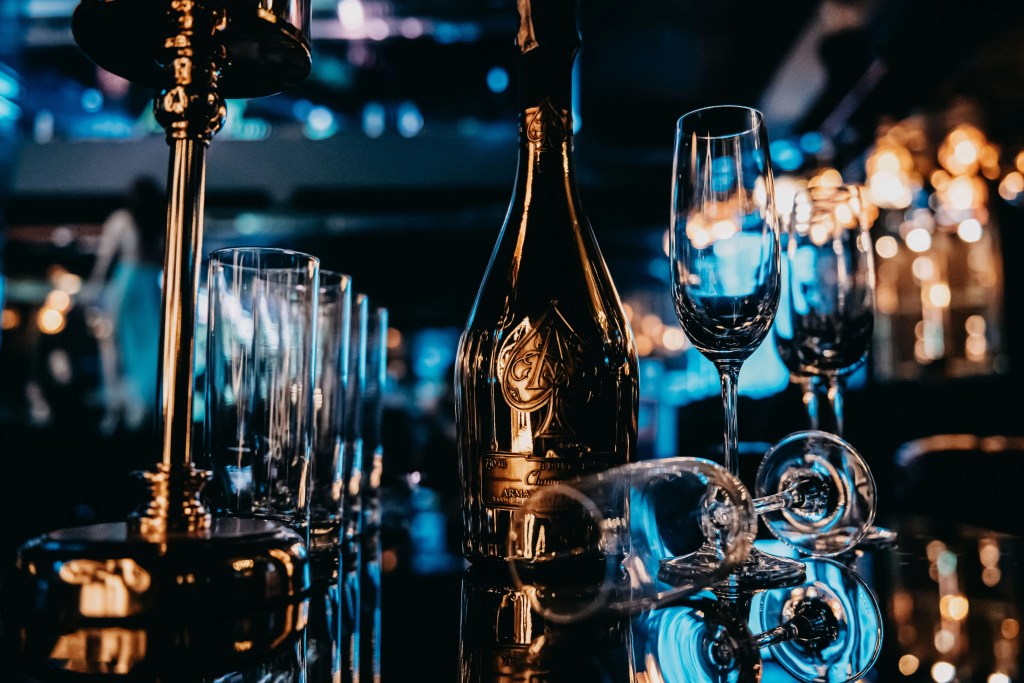
  • Champagne Armand de Brignac (Jay-Z’s label) redefined aspirational sipping. 

Luxury is a narrative and Wine is becoming part of the wardrobe. 
Global Tastes, Local Roots: Customization in Wine Marketing

Brands are adapting messaging for local palates. What sells in Sweden doesn’t sell in Shanghai. Luxury wineries are investing in market specific branding and experiential marketing. Torres in Spain launched a Chinese New Year Gran Reserva, While Napa’s Opus One partnered with luxury watch events in Tokyo. 

It’s about relevance without dilution. 
Final Pour: What Comes Next? 

The wine industry is not only evolving. It’s accelerating. From the terroirs of Tuscany to the Tech labs of Silicon Valley, Wine is now a luxury business, a data game and a lifestyle all at once. Whether you’re sipping a $5 Aldi red or aging a $50,000 Screaming Eagle, know this: Wine 5.0 has arrived, and it’s not just in the bottle. It’s in the strategy, the story and the soul. 
Castiglion Del Bosco

Wine, Style & Soul: Inside Castiglion Del Bosco’s World of Ferragamo Led Luxury, The Estate, Rosewood Luxury hotel and Castiglion Del Bosco Golf Club 

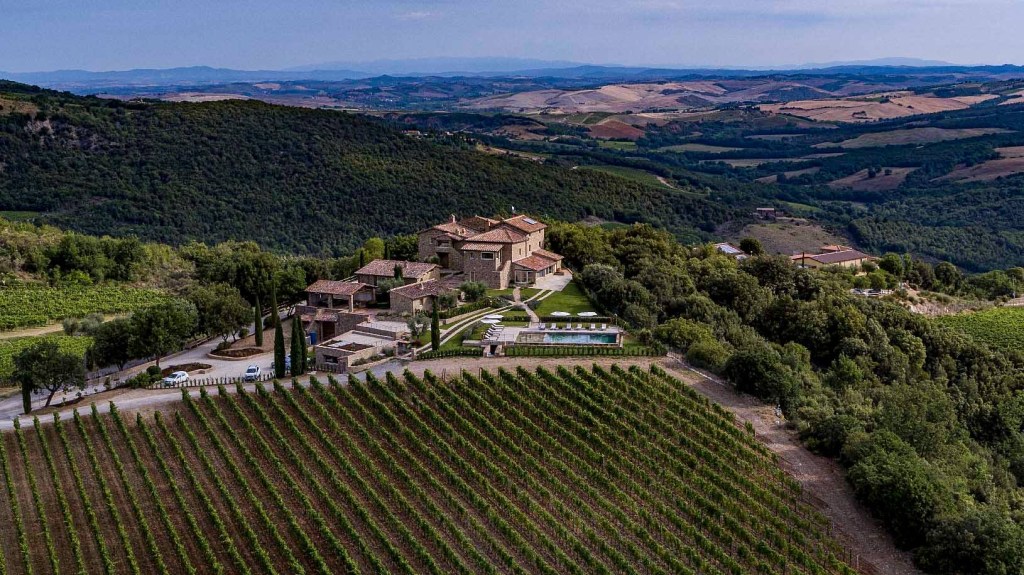
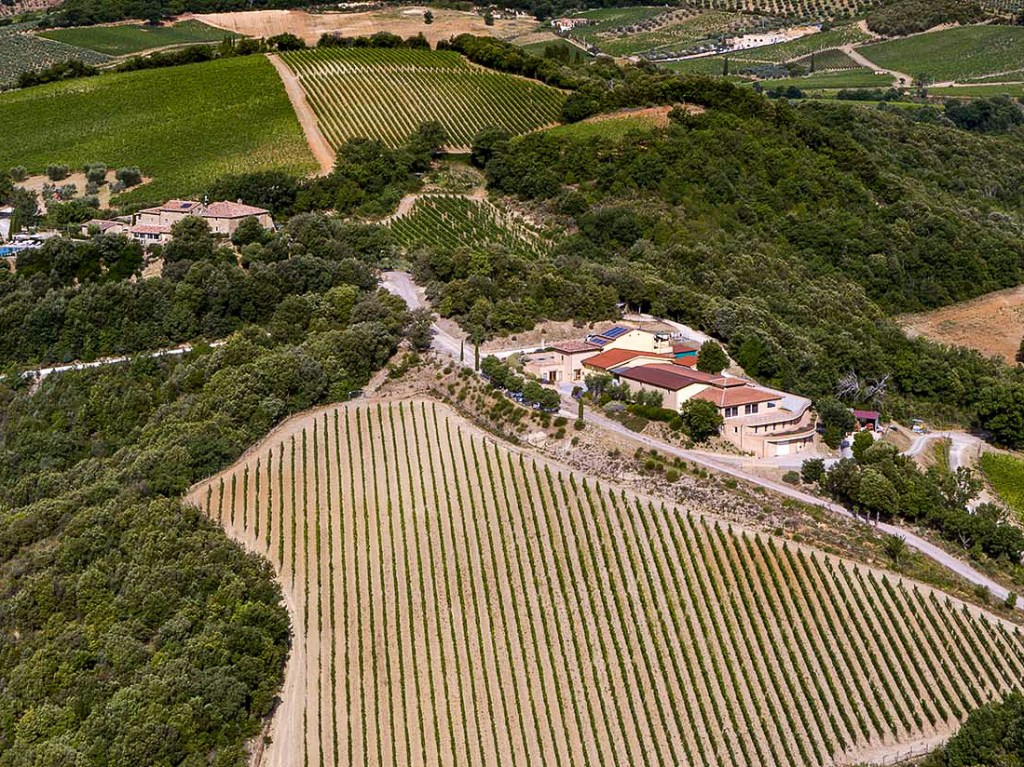
Tucked into the rolling hills of Montalcino, Tuscany, “Castiglion Del Bosco” is far more than a historic Tuscan Estate and winery. It’s where the elegance of fine wines meets the legacy of Italian “Haute Couture”. Under the vision of Massimo Ferragamo, son of famed fashion icon Salvatore Ferragamo, this 800 year old castle has been reimagined into one of the most refined expressions of modern luxury. From crafting exceptional Brunello Di Montalcino to curating world class hospitality at the “Rosewood Castiglion Del Bosco”, the estate embodies a timeless fusion of craftsmanship, style and soul. All rooted in the traditions of Tuscany. 
The Heritage Etched in Time: 

Castiglion Del Bosco is among the oldest and most intact estates in Tuscany with a history dating back to 1100 AD. Originally a medieval hamlet and fortress, its name translates to “Castle of the Wood”, a fitting nod to its picturesque setting surrounded by ancient forests and rolling vineyards. The estate is a living piece of history, having survived wars, revolutions and centuries of Tuscan life. 

The modern renaissance of the estate began when Massimo Ferragamo acquired the property in 2003. With a vision to honour its past while shaping its future, Ferragamo and his team embarked on an ambitious restoration, transforming the estate into a symbol of refined wine culture and luxury hospitality. 

The Vineyards & Terroir: 

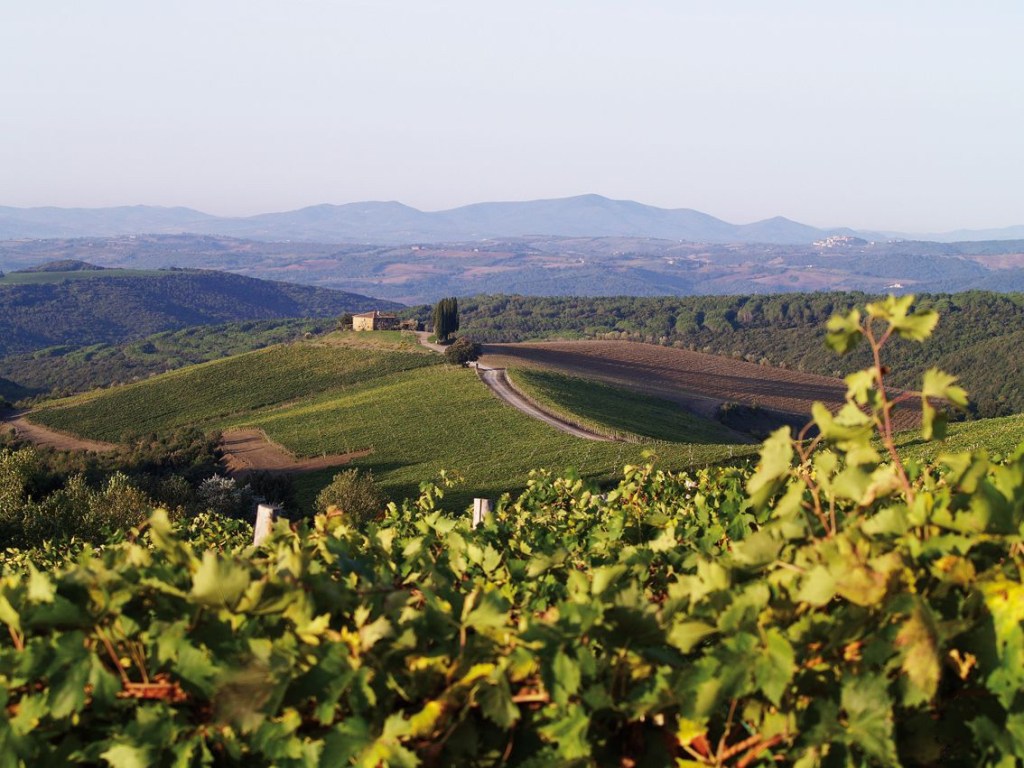
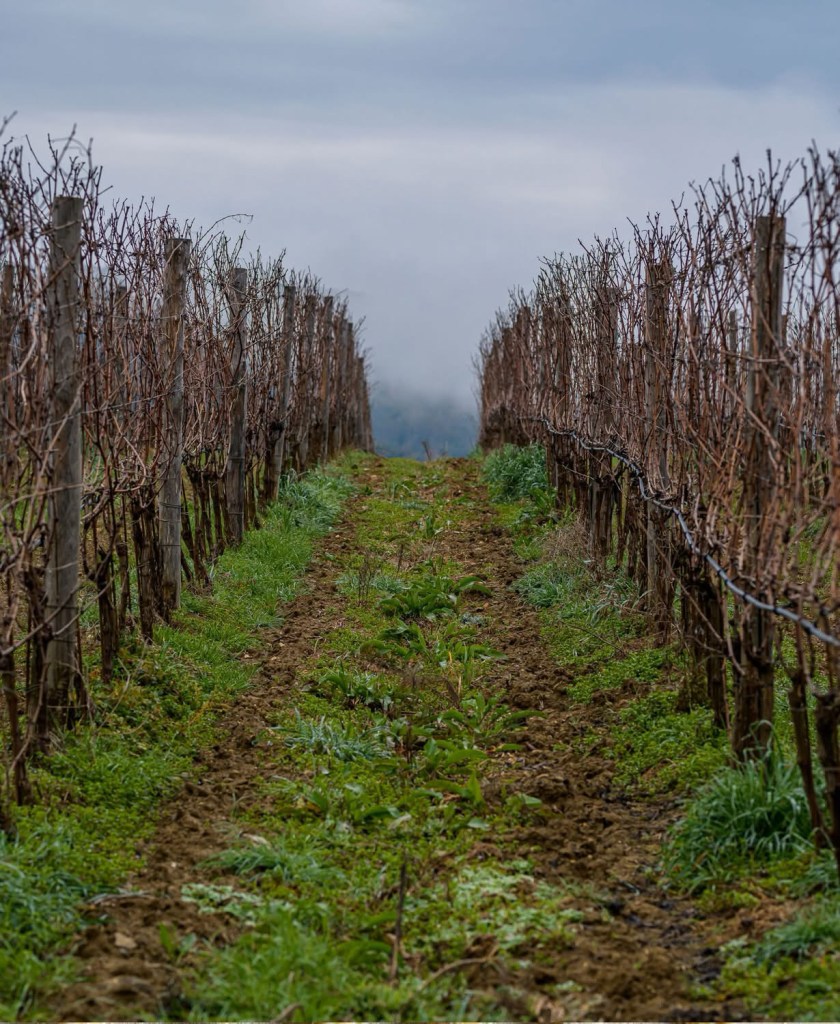
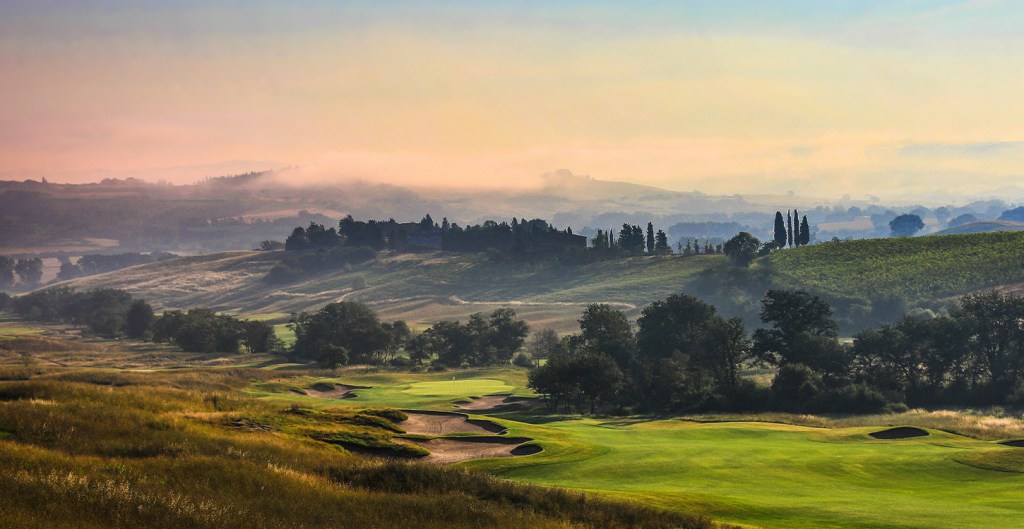
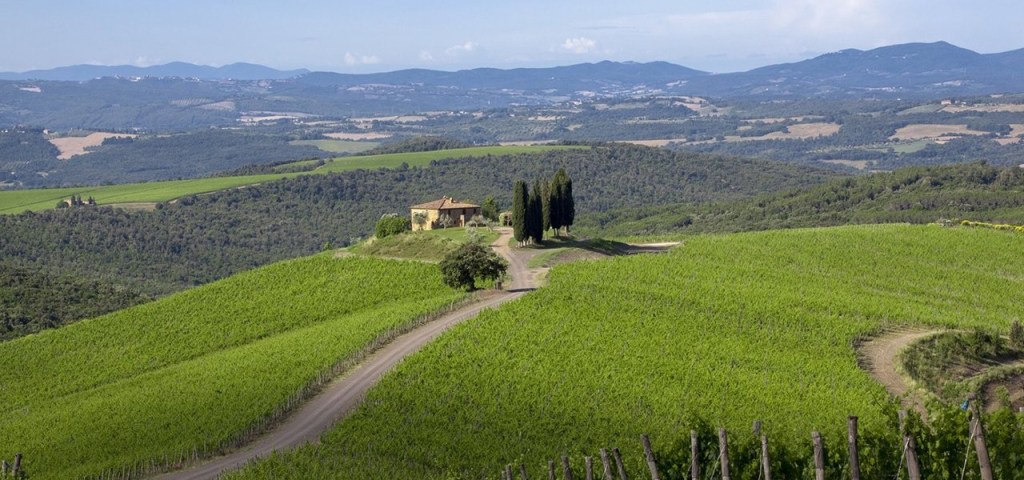
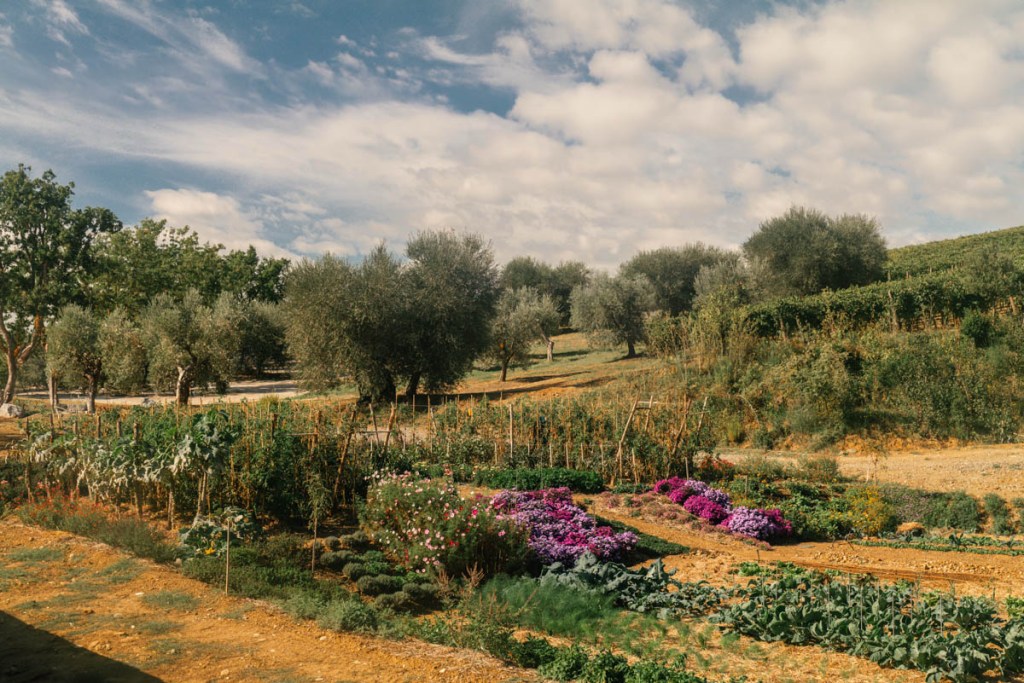
Located within the prestigious Brunello Di Montalcino DOCG zone, the estate’s 62 hectares of vineyards are rooted in some of Tuscany’s most exceptional terroir. Elevations ranging from 350 to 450 meters above sea level provide a natural balance of sun exposure and cool breezes, essential for the slow, even ripening of the Sangiovese grapes. The soil composition is a mix of Galestro ( a flaky, schistous clay), marl and limestone, perfectly suited for creating structured, elegant wines with excellent aging potential. Castiglion del Bosco’s commitment to organic viticulture further ensures the authenticity and purity of its wines. 

The Wines of Castiglion del Bosco:

At the heart of the estate lies a state of the art gravity flow winery, designed to respect the integrity at every stage of production. Here, time honoured practices meet cutting edge winemaking and the results speak for themselves. 

Signature Wines: 

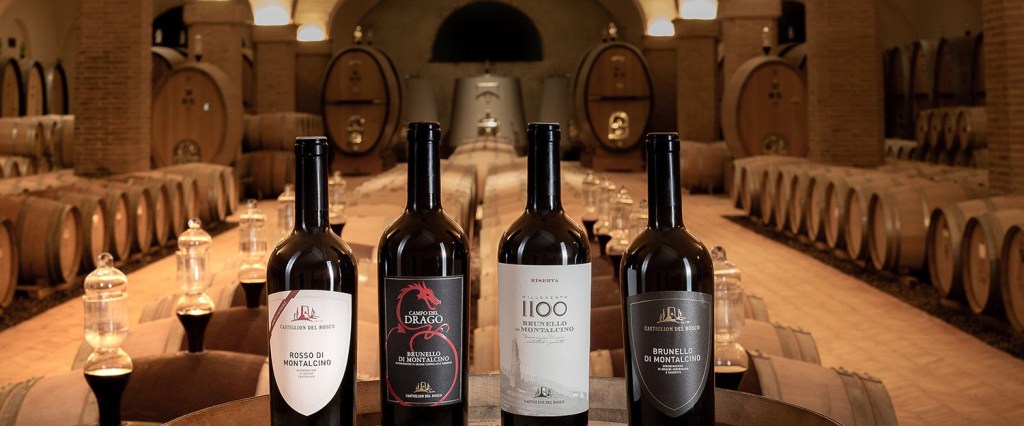
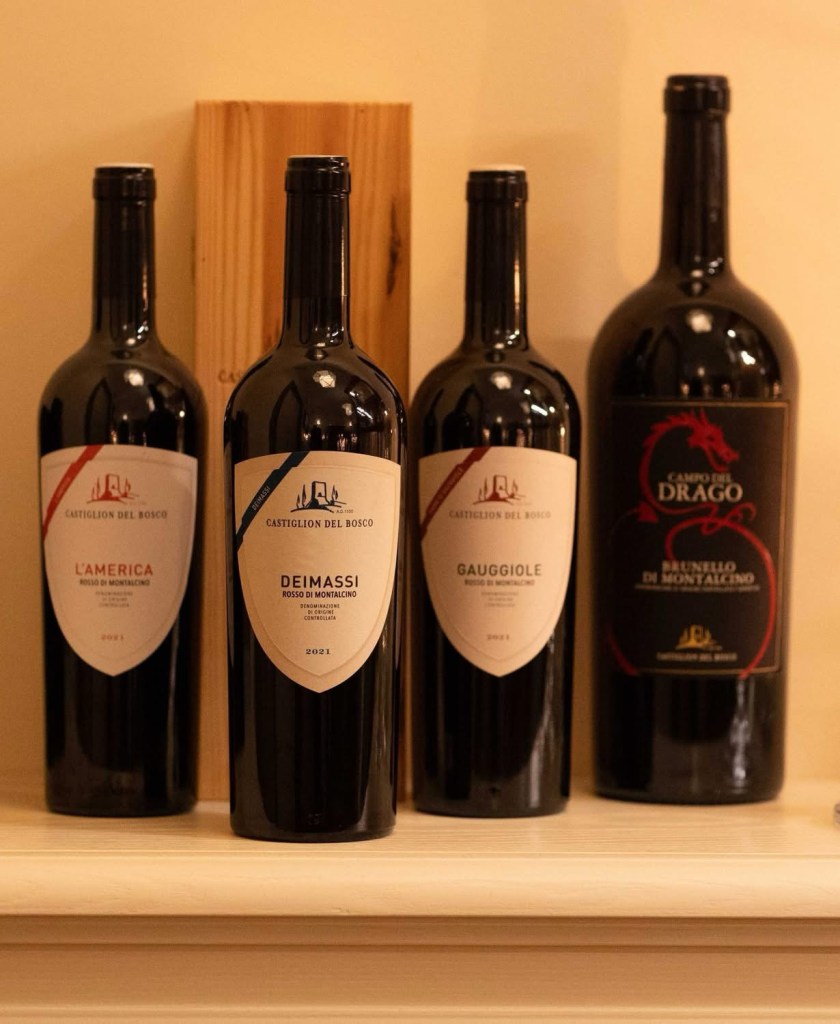
  • Brunello Di Montalcino DOCG: A classic, structured wine that embodies the soul of Sangiovese. Rich in tannins, elegant in texture and layered in flavor. 
  • Campo Del Drago: A single vineyard Brunello that is the jewel of the estate. Bold, complex and expressive of its unique microclimate. 
  • Millecento Riserva: The pinnacle of Castiglion Del Bosco’s production, crafted from the finest grapes and aged extensively. A Wine of power, finesse and long term aging potential. 

The Zodiac Collection: 

An ultra luxurious, limited edition line known as the “Zodiac Collection” features magnums of Millecento Riserva, each designed to a Chinese Zodiac sign. With only a few hundred bottles released annually, these collector’s items are crafted with utmost precision and often accompanied by bespoke packaging and personal touches from the estate. 

The Cellar: Where Art Meets Ageing 

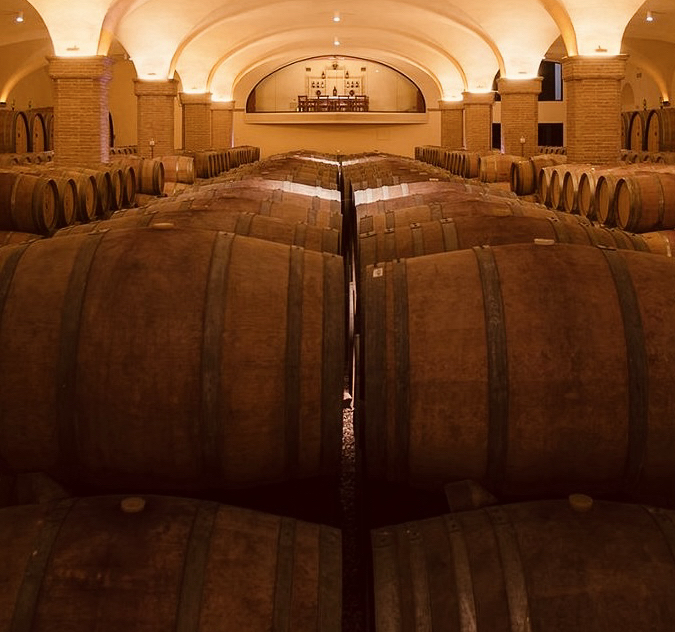
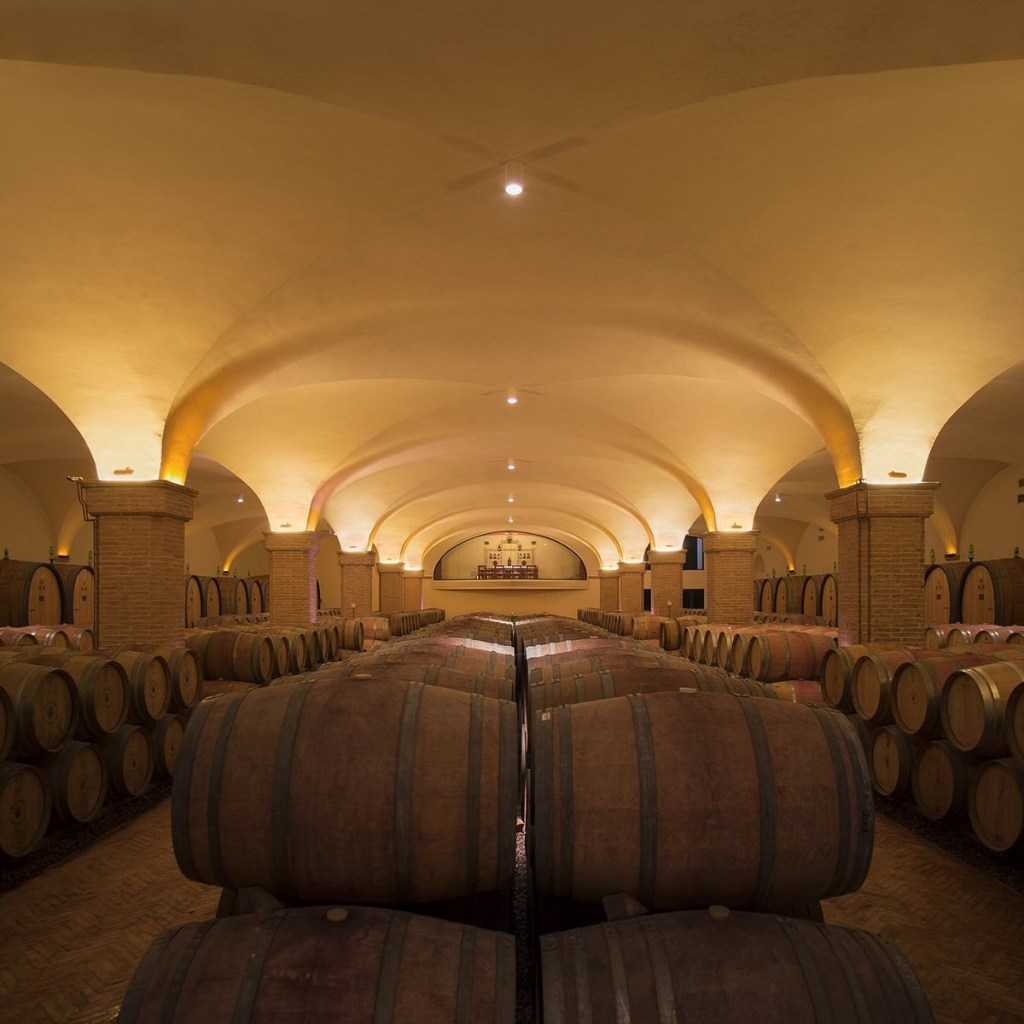
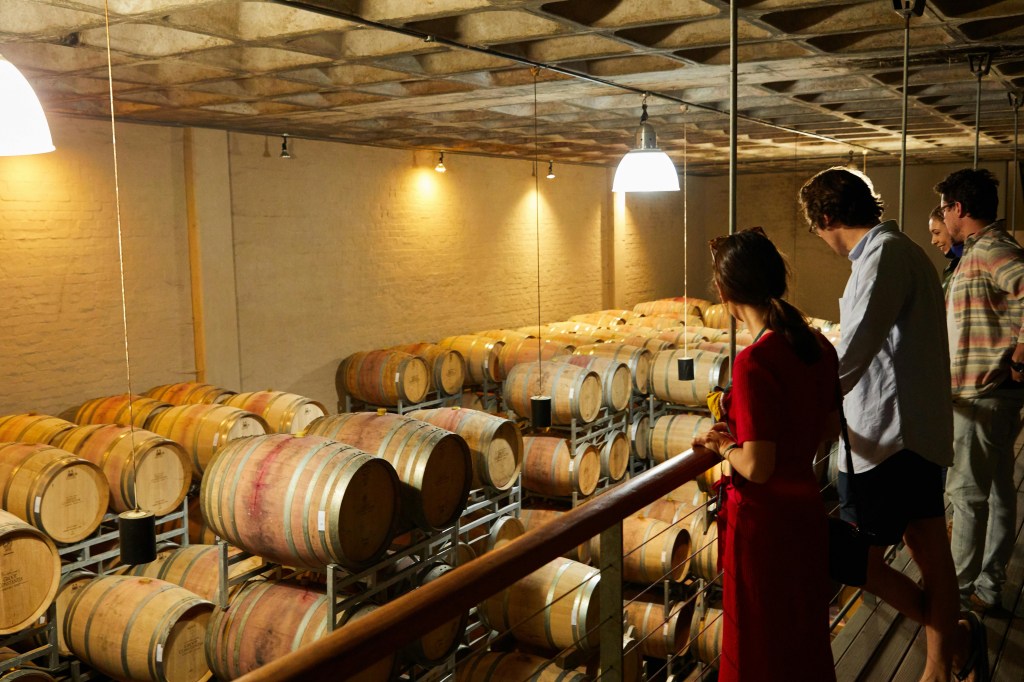
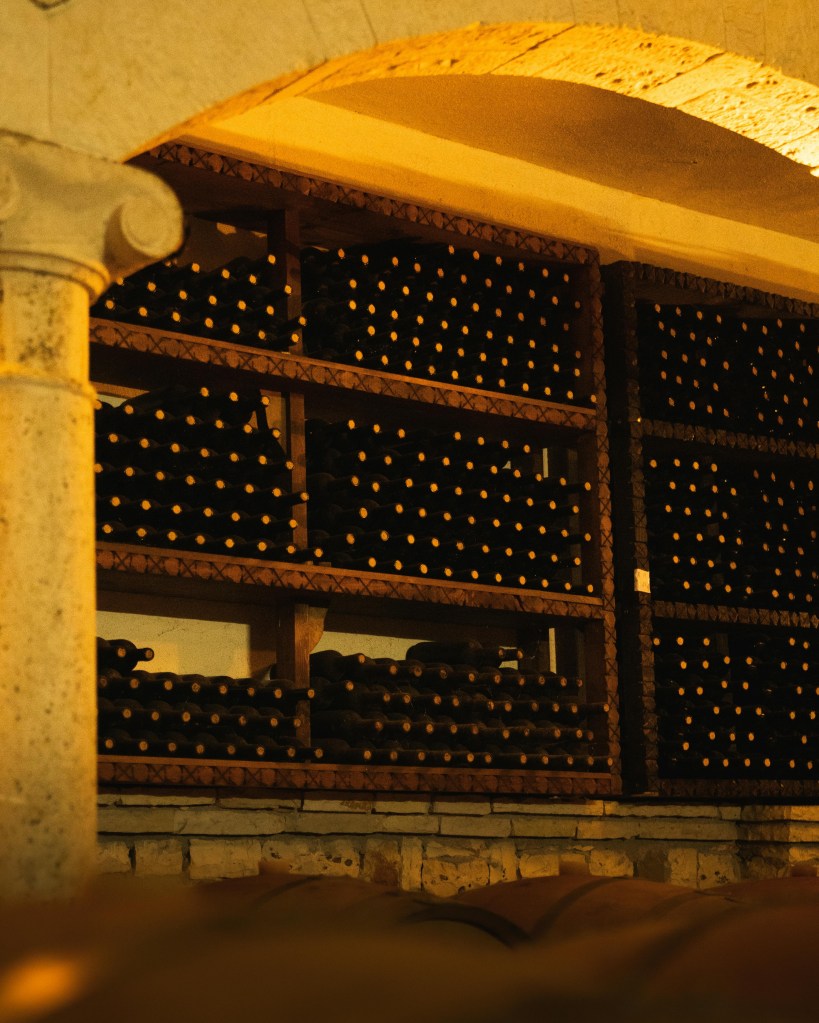
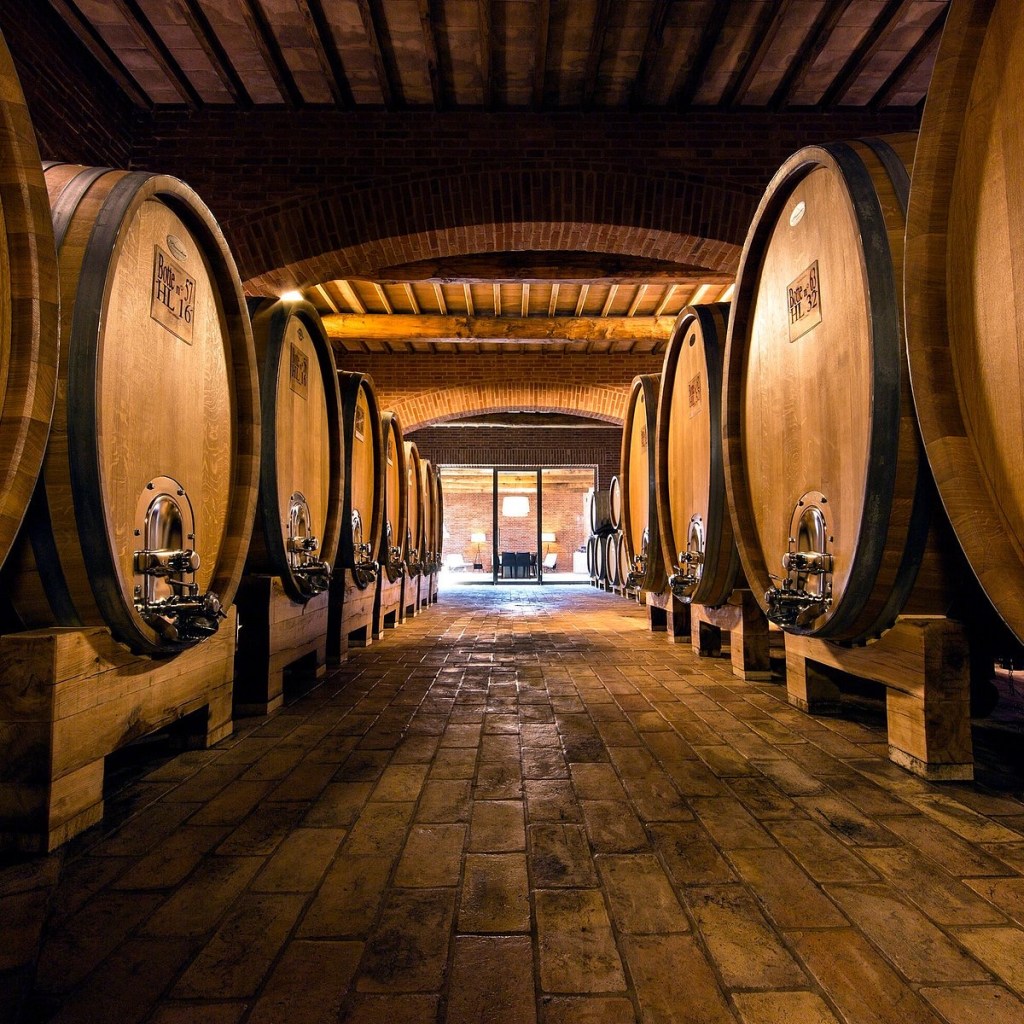
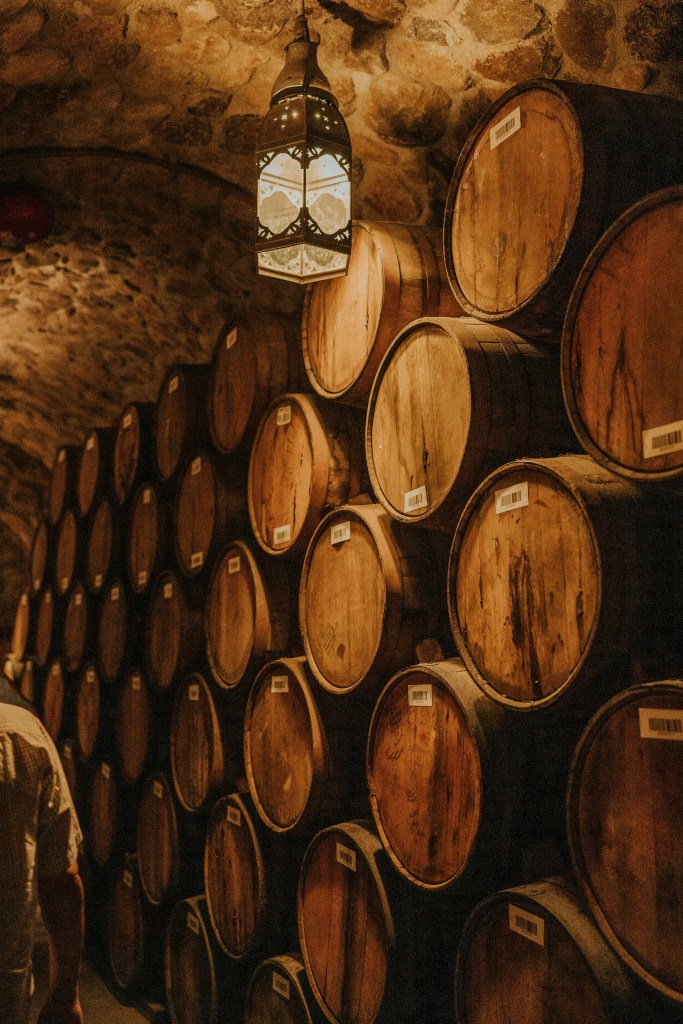
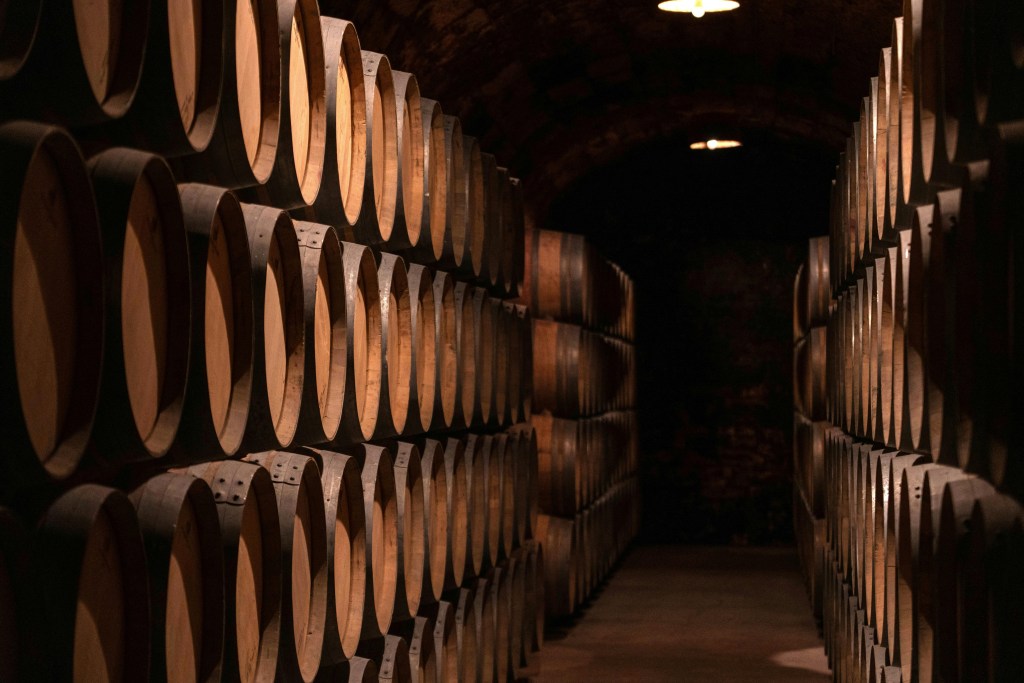
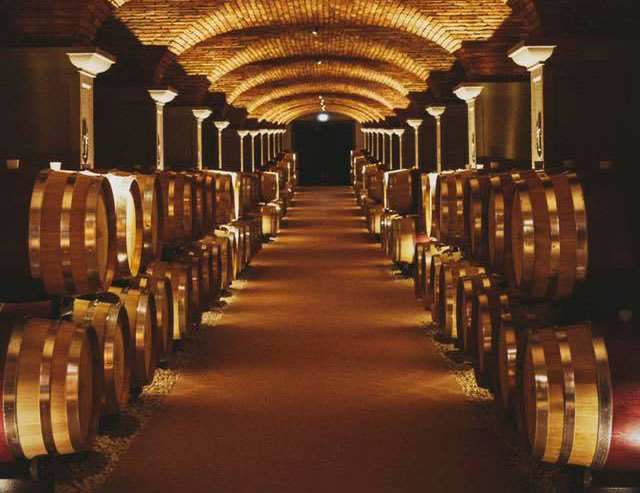
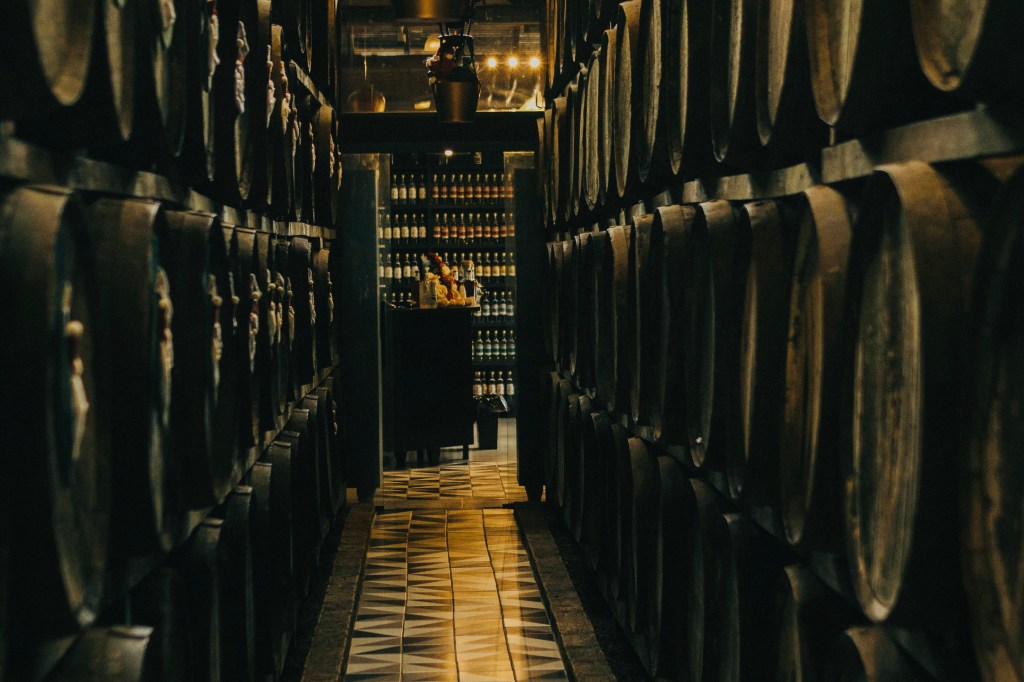
Beneath the winery lies a stunning cellar where barrels and bottles quietly mature. French oak is carefully selected for aging and each vintage is meticulously monitored. The cellar itself is designed not just for functionality but for beauty. Vaulted ceilings, precise temperature control and an atmosphere that reflects the reverence Castiglion del Bosco holds for its wines. 

The People Behind the Craft:

At the helm of the winemaking team is “Cecilia Leoneschi”, a passionate and highly skilled winemaker who has been crafting wines at Castiglion del Bosco since 2003. Her deep knowledge of Sangiovese and the Montalcino terroir is matched by her instinctive understanding of elegance and precision. Alongside Massimo Ferragamo, she ensures that every bottle that leaves the estate carries the hallmark of excellence. 

More Than Wine: A Destination of Dreams

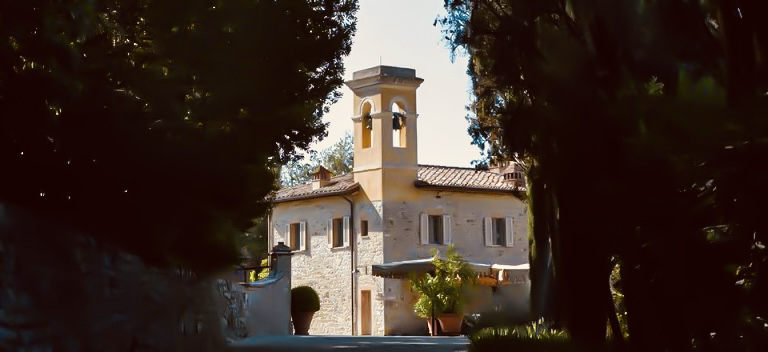
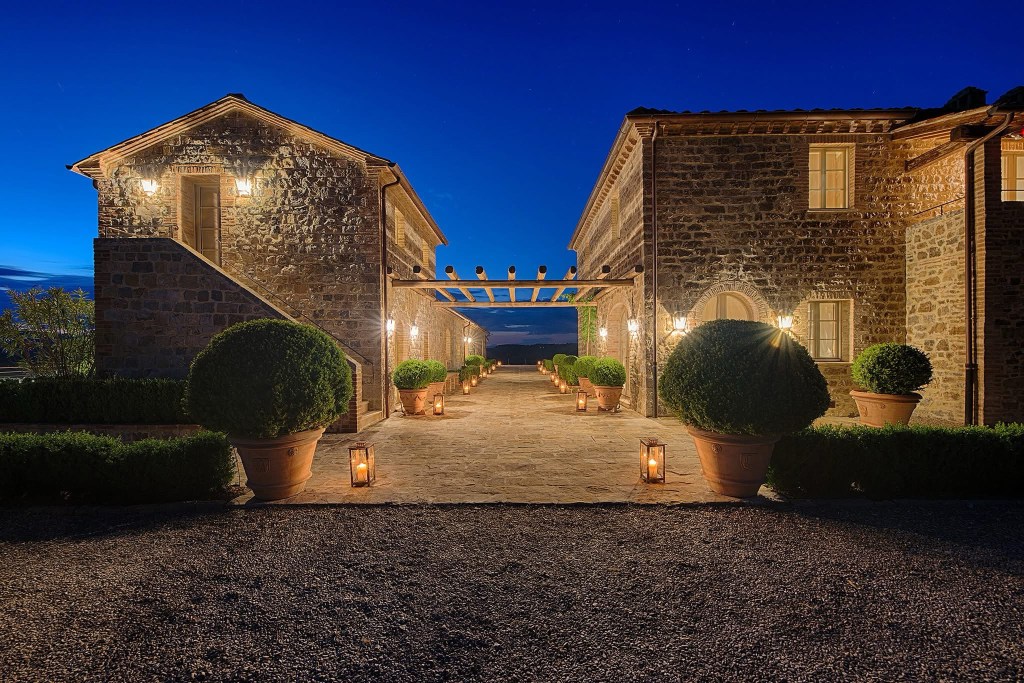
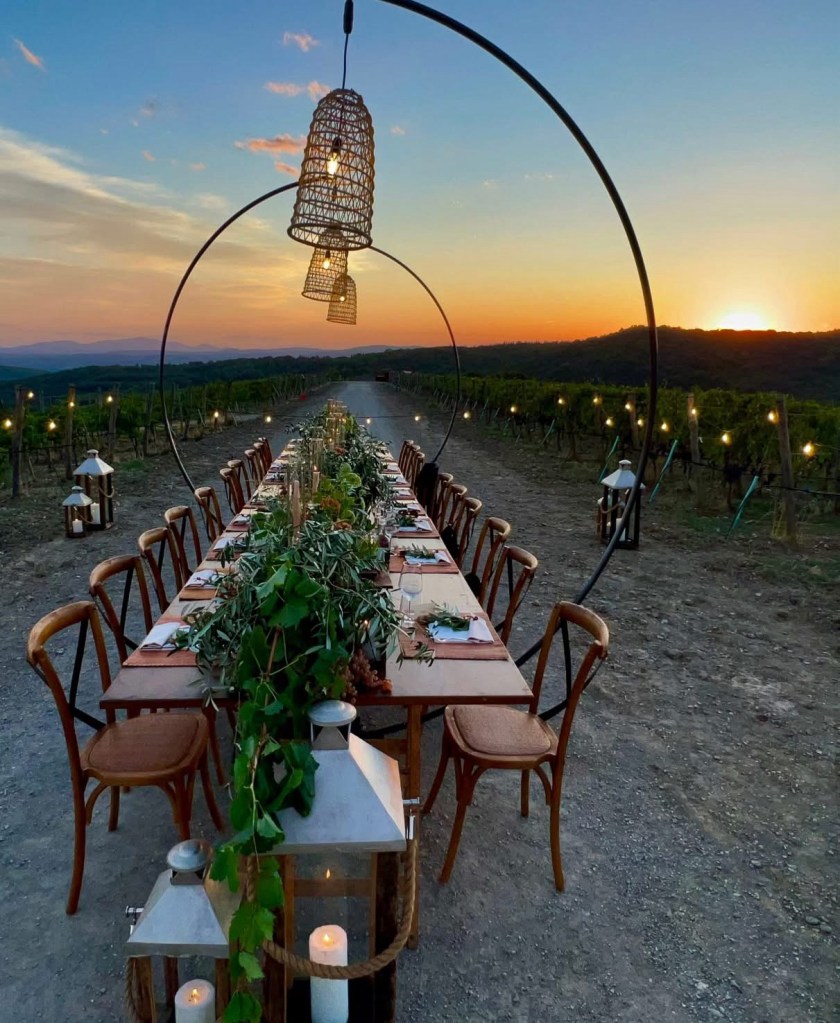
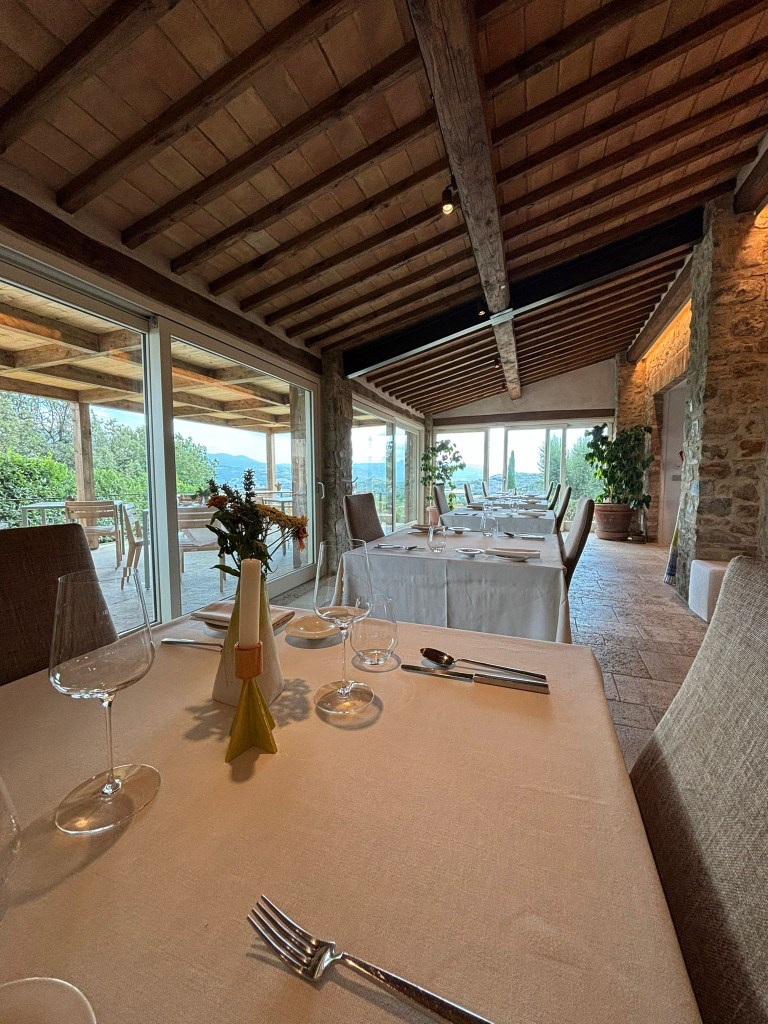
Beyond the winery, Castiglion del Bosco is a destination in its own right. The estate is home to “Rosewood Castiglion del Bosco, one of Tuscany’s most luxurious hotels/resorts. Nestled within the estate’s medieval village, the hotel offers a rare blend of rustic charm and refined elegance. 

The Rosewood Experience:

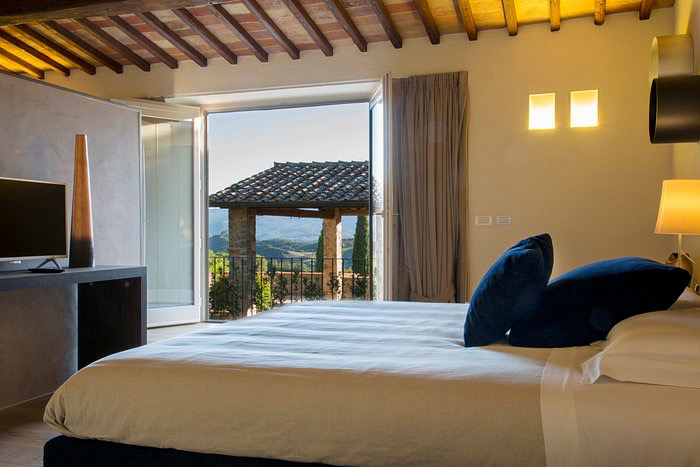
  • Luxury Rooms & Villas: Each suite and Villa is designed with understated opulence. Tuscan antiques, fine fabrics and sweeping views of the countryside. 
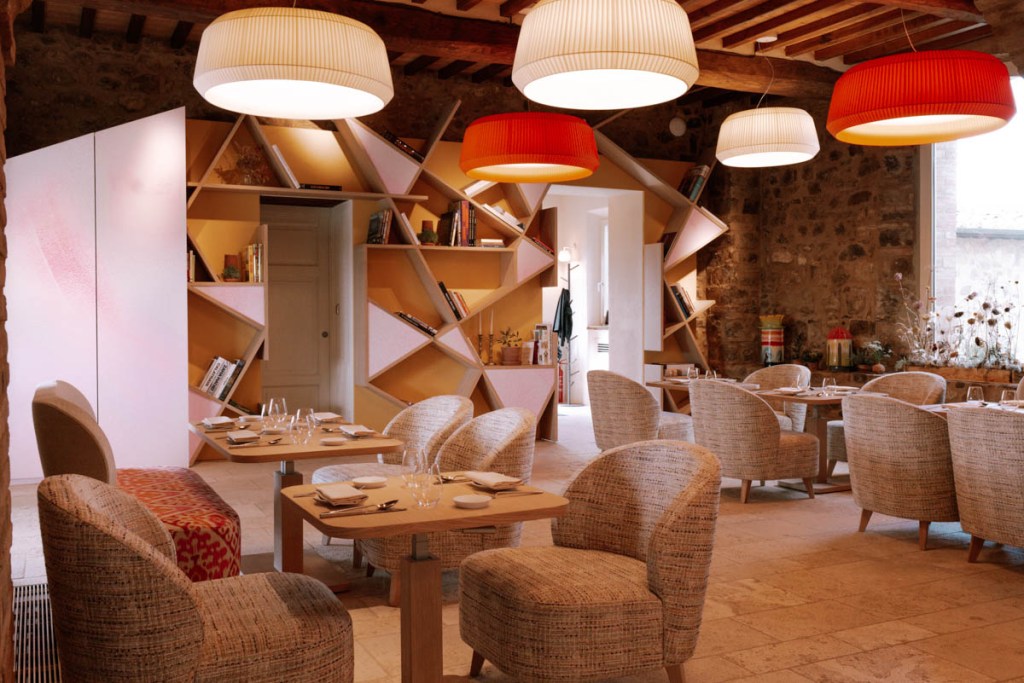
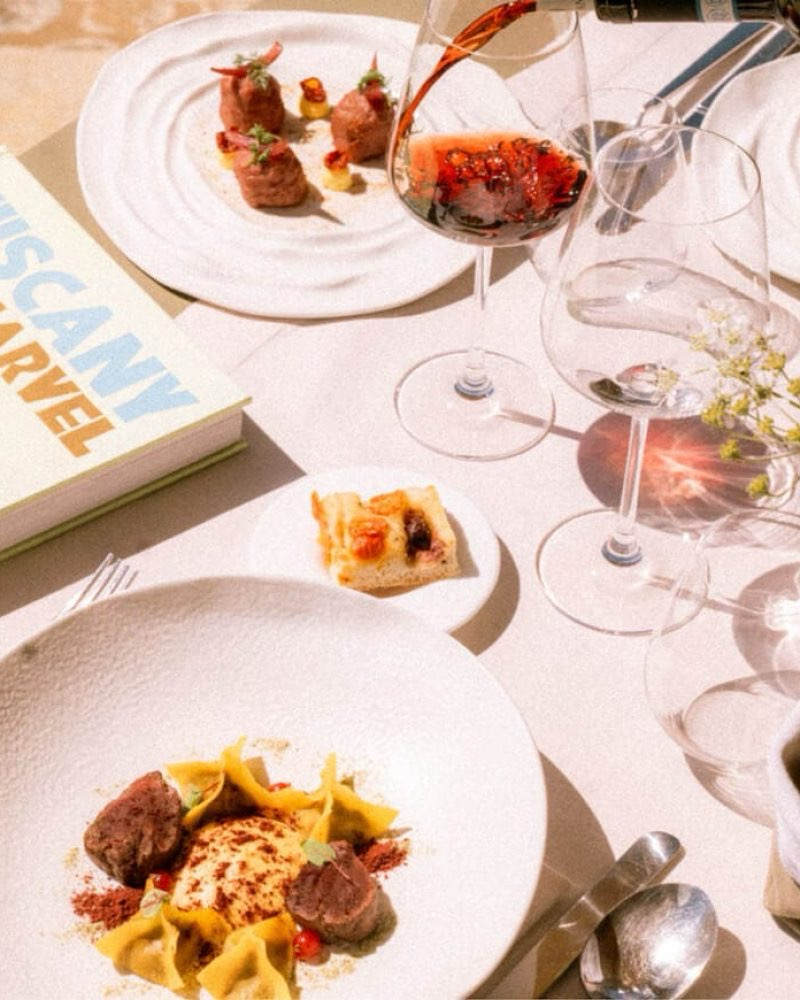
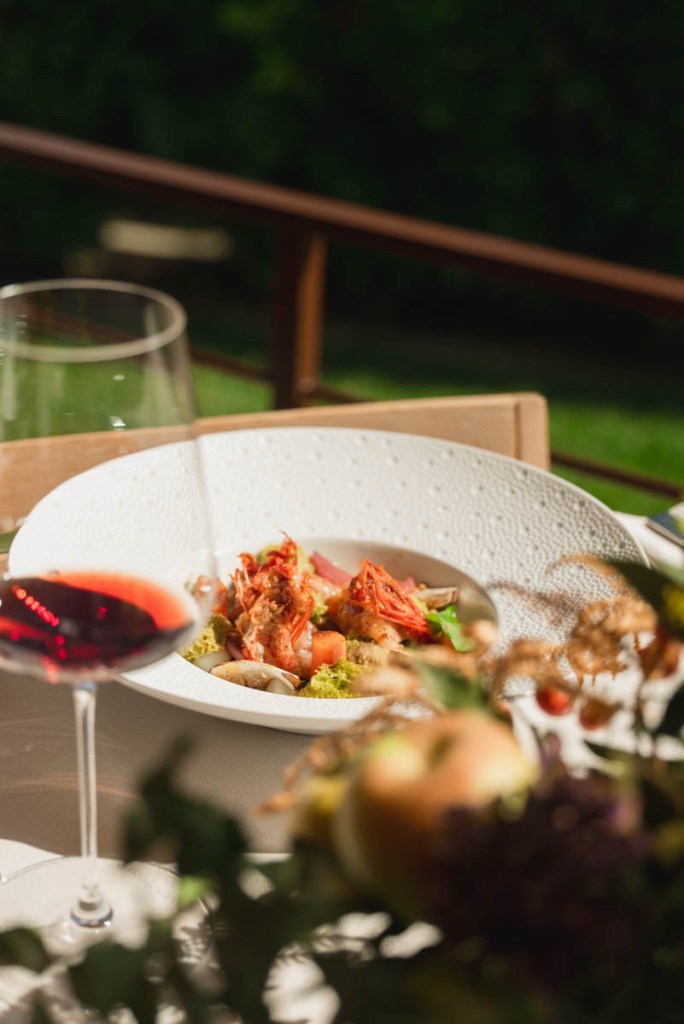
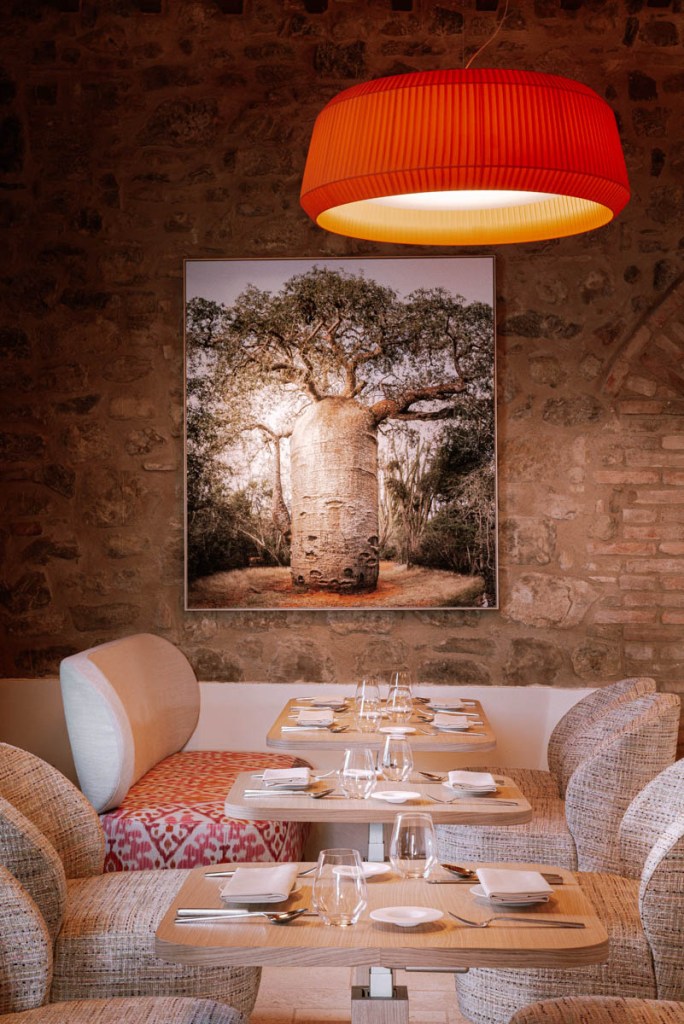
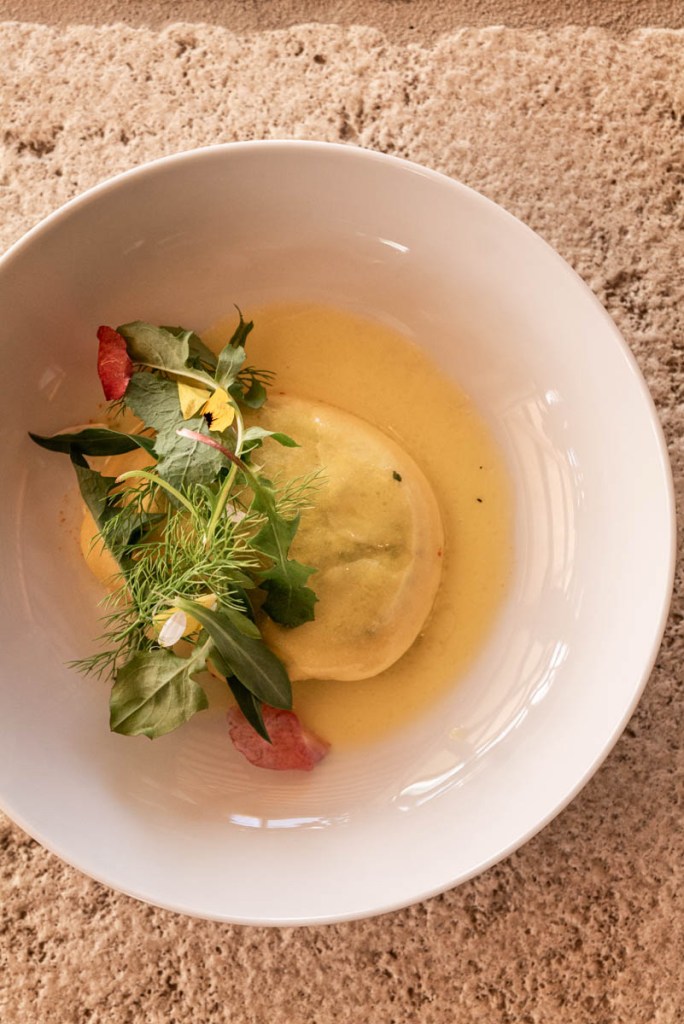
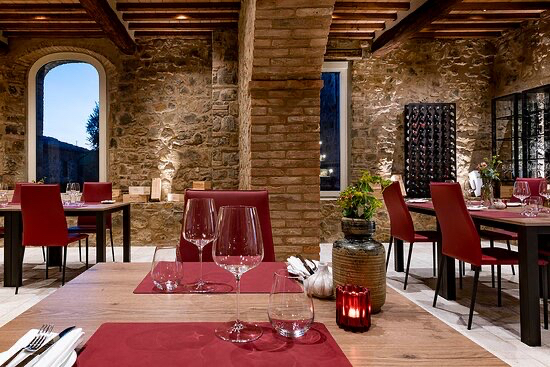
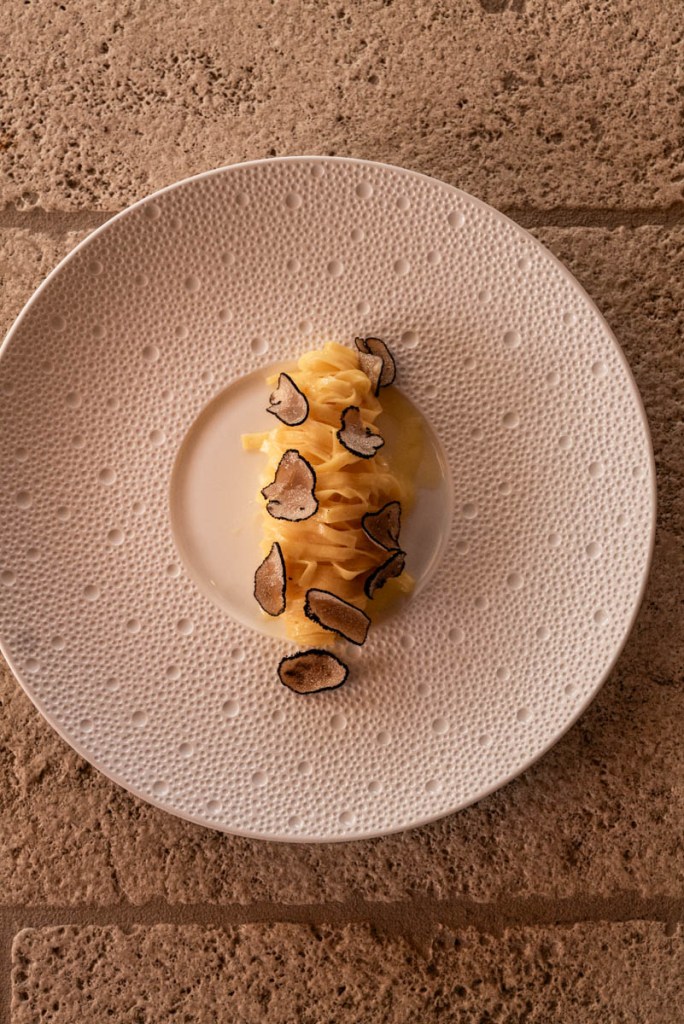
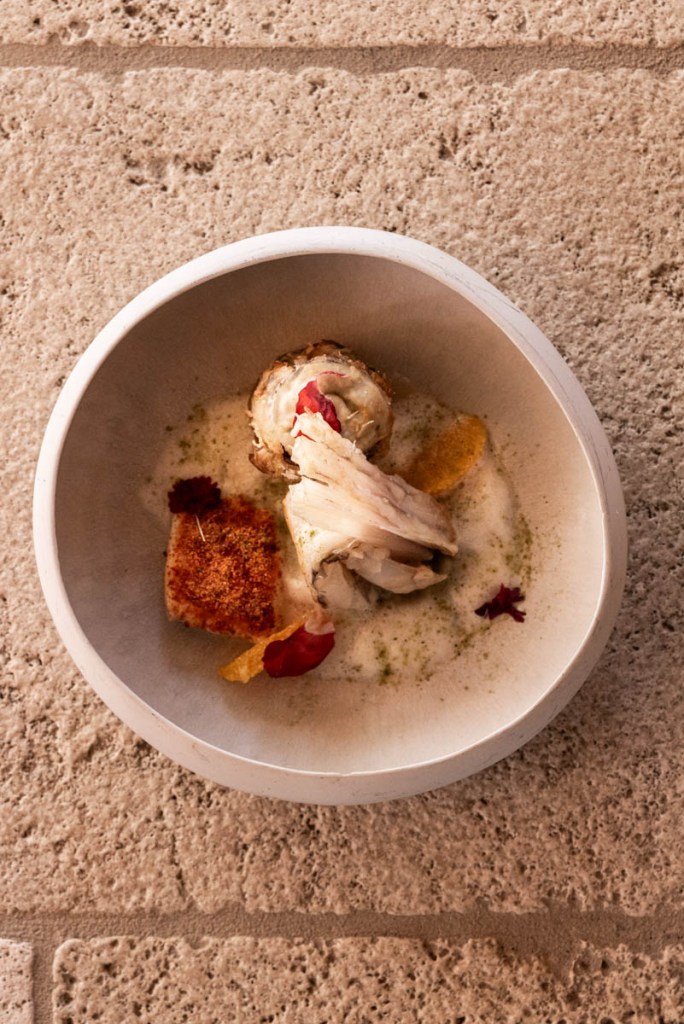
  • Culinary Excellence: Dining at “Osteria La Canonica” and the more formal “Campo Del Drago” restaurant is an exploration of Tuscan flavors, paired, of course, with the estate’s finest wines. 
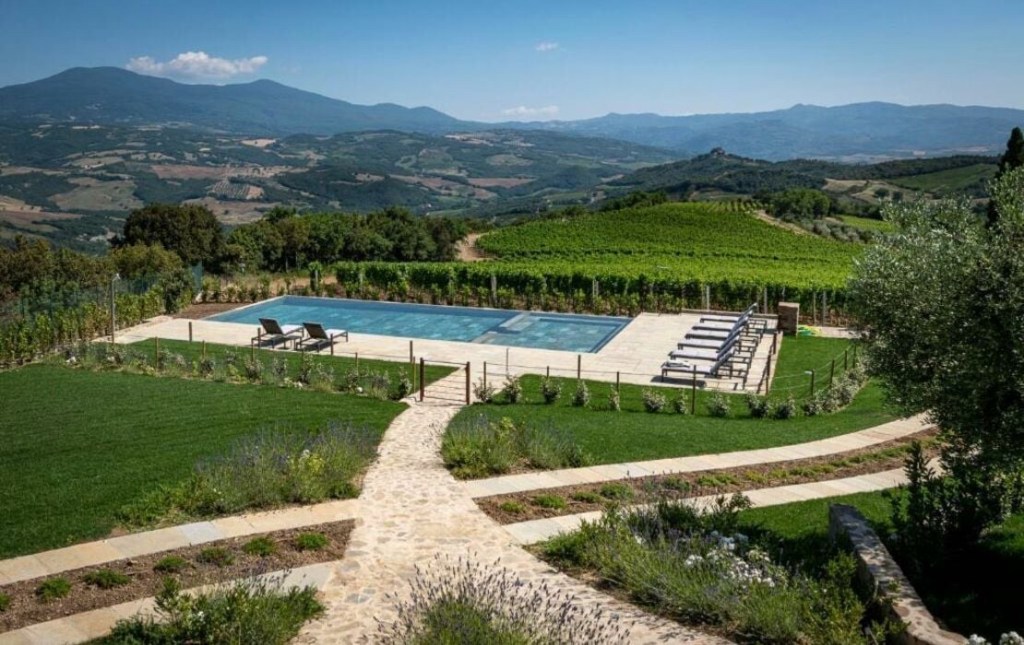
  • Spa & Wellness: Treatments inspired by nature, an infinity pool overlooking the valley and wellness offerings that reflect the estate’s ethos of balance and beauty. 

The Castiglion Del Bosco Golf Club: 

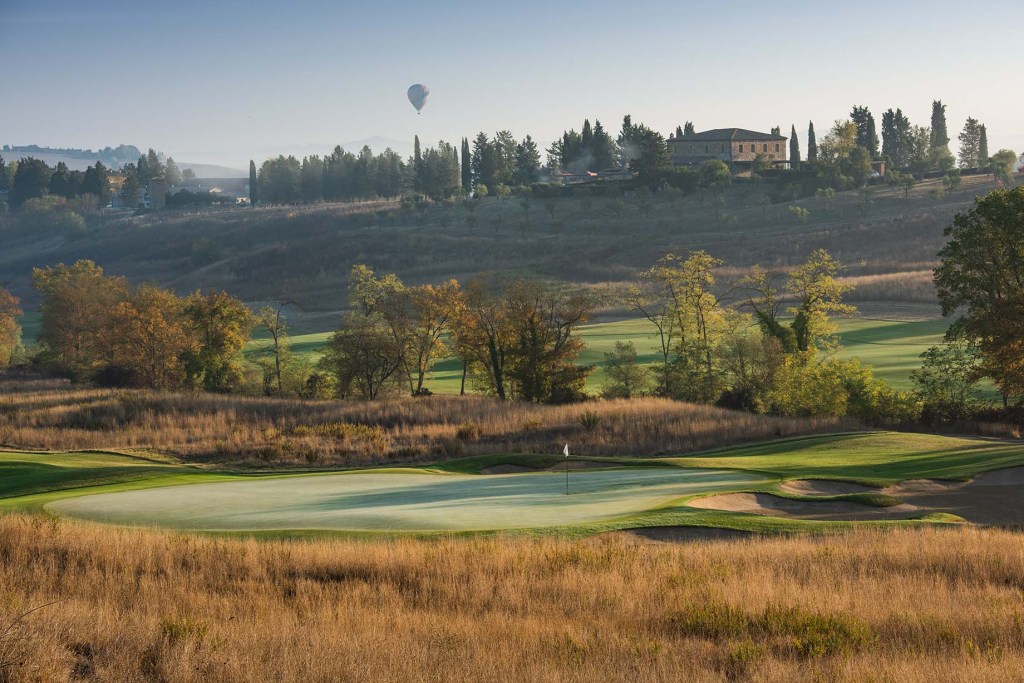
For lovers of sport and serenity, the estate offers something truly unique: Italy’s only private golf club within a UNESCO World heritage site. Designed by “Tom Weiskopf”, the 18 hole championship course blends seamlessly with the Tuscan landscape, offering a challenging yet breathtaking beautiful experience for golfers. 

Montalcino: A Jewel of Tuscany

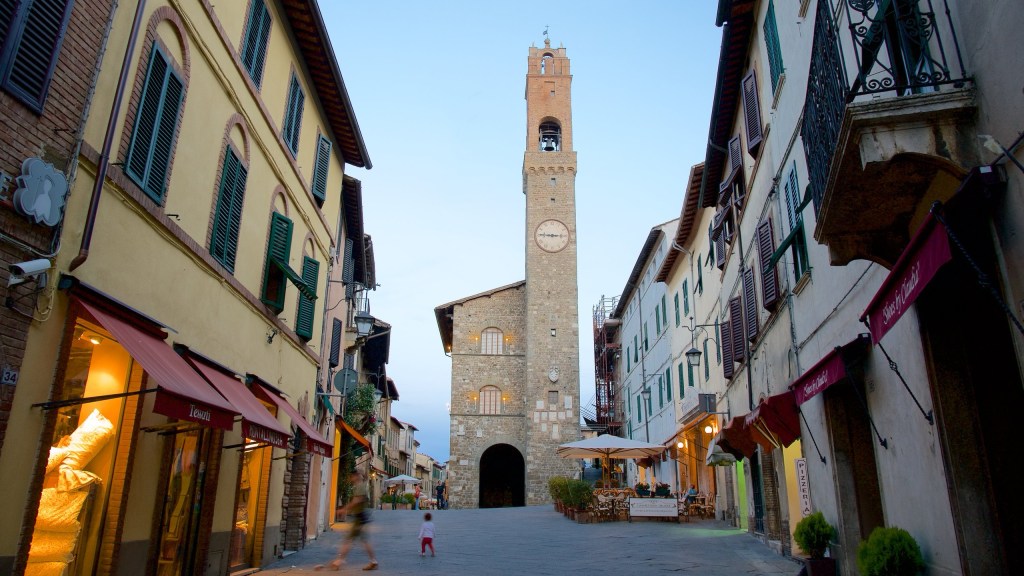
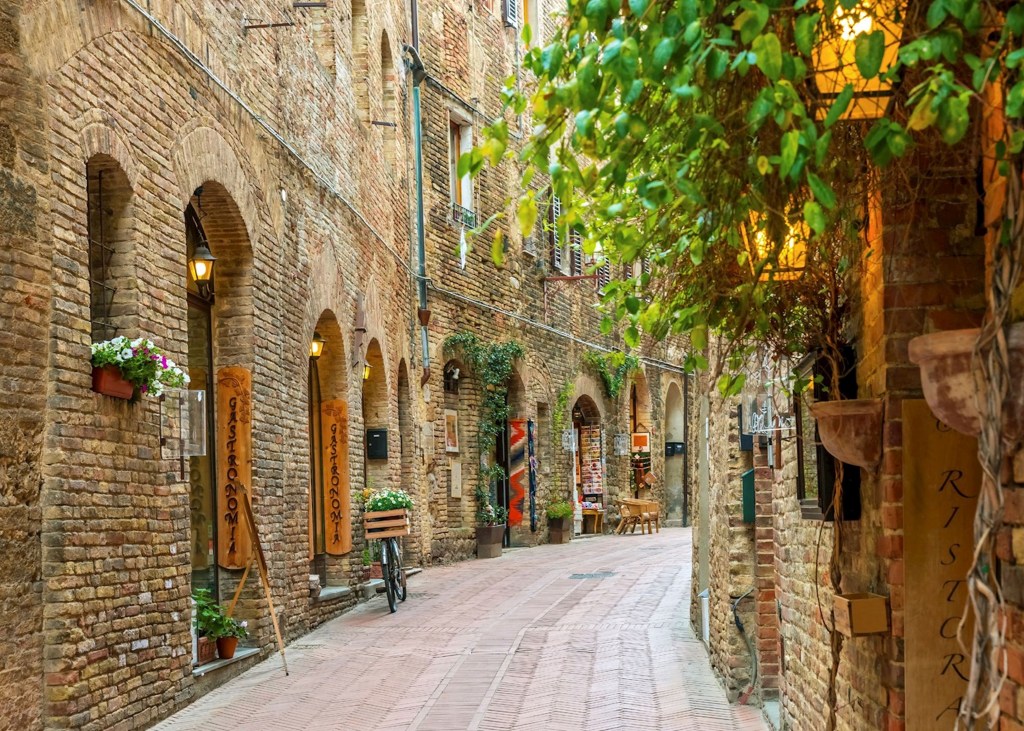
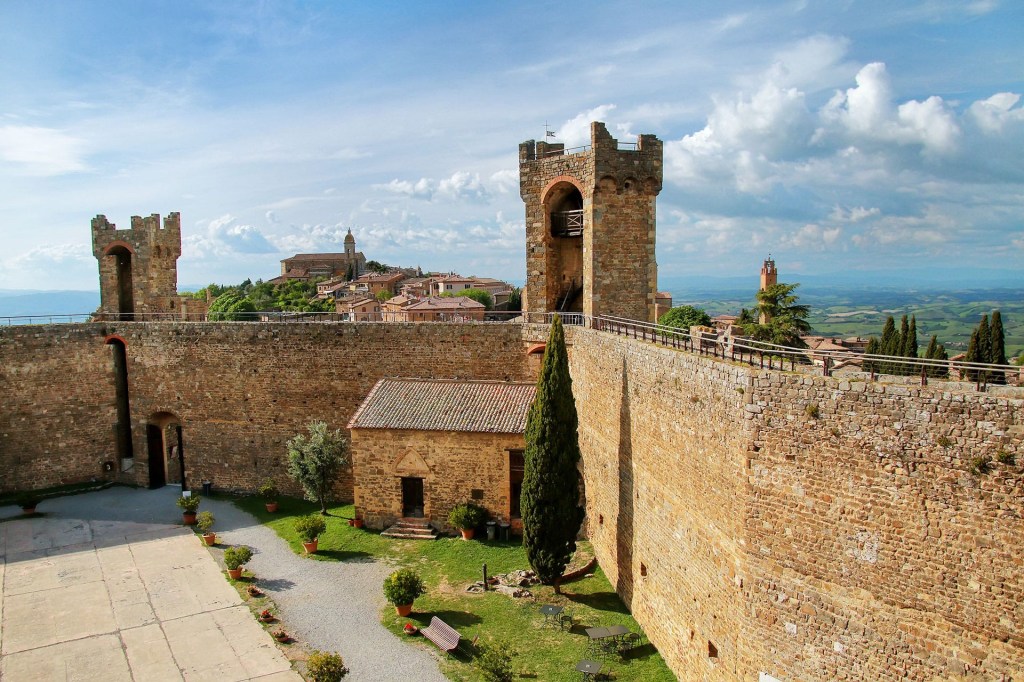
The town of Montalcino, just a short drive from the estate, is a postcard perfect village known for its medieval architecture, artisanal shops and of course Brunello. Whether you’re strolling through its cobbled streets, enjoying a glass of wine at an enoteca or exploring its historic fortress, Montalcino offers an authentic taste of Tuscan life. 

Final Thoughts:

Castiglion del Bosco is more than a winery. It’s a complete expression of Tuscany’s soul. From its award winning wines to its immersive and luxurious hospitality, from the whispers of history in its medieval walls to the modern luxury of its villas and golf course, the estate captures the essence of what makes Tuscany timeless.  Castiglion del Bosco invites you to step into a world where every detail tells a story and every glass is a celebration of excellence. 
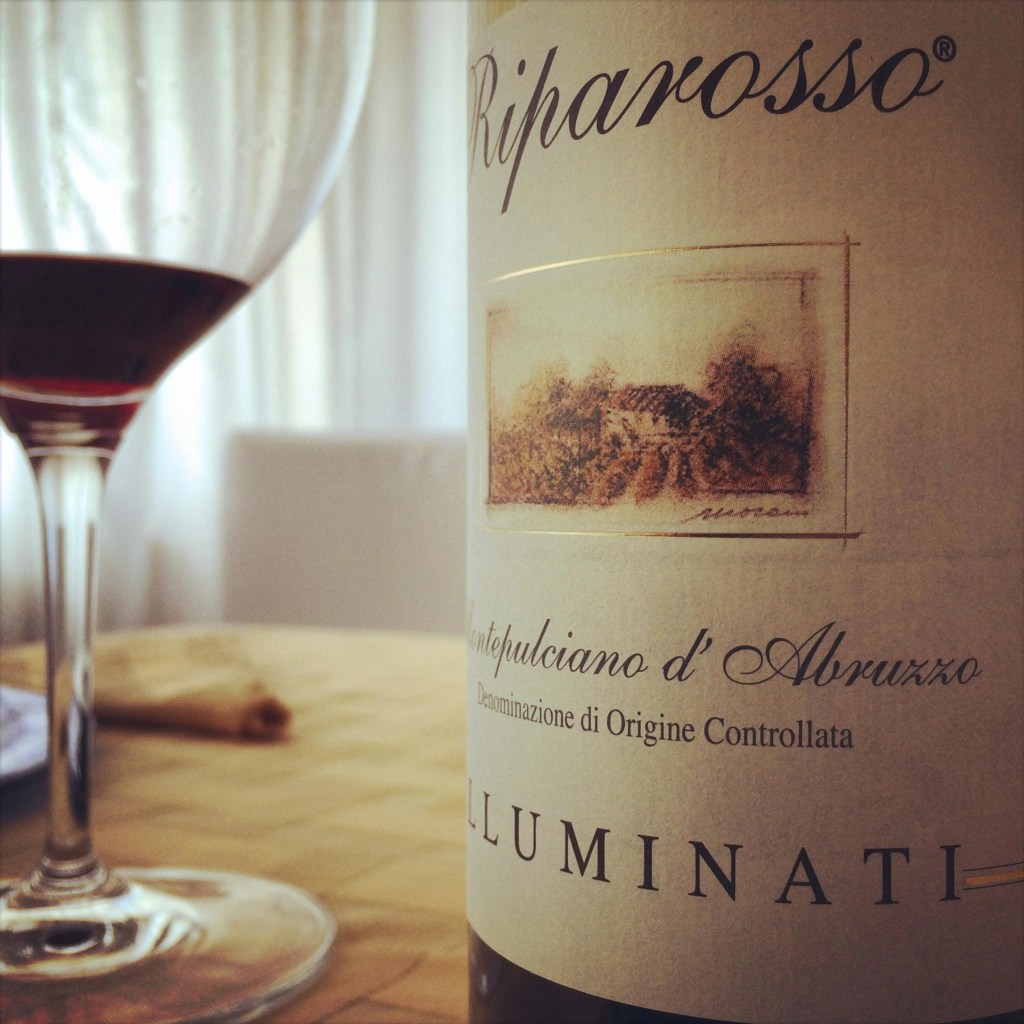
The Business of Wine 4.0

Uncorking strategic supply, the real market shift and Vinitaly 2025 

The wine industry today is not just about what’s in the bottle, it’s about how the bottle gets there, who controls its story and what the shifting forces of economics, supply chain and global trade mean for its future. The six key factors that are redefining the business of wine in 2025 and beyond. 

The Economics of a Bottle: What Really Determines the Price of Wine ? 

From Tuscany to Napa, the cost behind a single bottle of wine is layered. In Italy, the average cost to produce a mid range bottle can range from 2.50 Euro to 7.00 Euro, while in France, depending on the region and appellation, it ranges from 3 Euro to 9 Euro. In the US, due to higher labour and land costs, production can climb up to $ 12-15 per bottle even for mid tier wines. 

Key Components Include: 

  • Vineyard Operations: Labour intensive, especially in hand harvested regions. 
  • Winemaking and Cellaring: Barrels, storage, temperature control 
  • Packaging: Labels, Corks, capsules and bottles 
  • Distribution and Export Duties: Often 20-40% of the total cost
  • Marketing and Branding: Luxury perception can sometimes double the price 

What we see is that artisanal winemakers invest heavily in vineyard care and manual work, leading to higher upfront costs but better quality. In contrast, industrial wineries benefit from economic lies of scale, mechanisation and leaner distribution chains. 

Private Labels & Supermarket Wines: A Quiet Industry Power Move 

Private labels have quietly become a massive force. Carrefour, Lidl and Costco are commissioning wineries to produce exclusive wines under their own branding. These wines can undercut traditional labels by 20-40%, while offering attractive margins to retailers. 

The Result? 

  • Disruption to traditional brand loyalty 
  • Increased pressure on small wineries 
  • Tighter margins for legacy producers 

However, private labels are also giving rise to new partnerships between winemakers and retailers, sometimes granting small producers access to international shelves they otherwise couldn’t reach. 

The Rise of Cooperative Wineries and Their Role in the Modern Market 

At Vinitaly 2025, cooperatives from Emilia Romagna and Alto Adige to Languedoc stood tall. Why? Because cooperative models are empowering small growers to: 

  • Share equipment and production facilities 
  • Gain collective bargaining power 
  • Reach export markets with stronger branding 

For example, Caviro in Italy is now one of the country’s largest wine producers by volume, yet it’s built entirely on the contributions of small scale members. These models are not just survival, they’re about competing effectively in a consolidating global market. 

Glass, Labels, Corks : The Supply Chain Crisis You Never Heard About 

Post COVID logistics have exposed the fragility of wine packaging supply chains. From a shortage of glass bottles to delay in cork deliveries, many producers are struggling to meet demand. 

Some figures: 

  • Glass costs rose by 30-50% from 2021 to 2024
  • Cork prices have risen to 20% due to increased demand and climate impacts on cork oak forests. 

Sustainable packaging has become a focal point: 

  • Lighter bottles to reduce carbon footprint
  • Alternative closures like DIAM or screw caps
  • Recycled paper labels 

Luxury producers now face a paradox: maintaining prestige while embracing minimalist, eco friendly designs 

Wine Marketing: From Tradition to Targeted Luxury 

Heritage is no longer enough. The modern wine consumer, especially in the premium and luxury segments, wants connection, authenticity and experience. 

Emerging strategies:

  • Micro targeted storytelling on social media platforms
  • Data driven campaigns with geolocation targeting 
  • Digital sommelier services for high end clients 

Example: A Piedmont producer saw a 47% increase in online DTC sales after launching a mobile first luxury campaign with storytelling built around family legacy and vineyard specifics. 

Vinitaly 2025: Behind the Scenes of The Business of Wine 

This year’s edition of Vinitaly wasn’t just about tastings, it’s about strategy. B2B halls were filled with export agents, private equity firms, digital marketing consultants and packaging innovators. 

Trends Observed: 

  • Higher demand for wines from Southern Italy ( Campania, Puglia) driven by price value balance 
  • Rising interest in organic and biodynamic certifications as market differentiators
  • Increased visibility for cooperative wineries and sustainable packaging firms 

Final Pour:

The global wine business is at an inflection point. Price, packaging and perception are being redefined. Behind every bottle on the shelf lies a battle for relevance, shelf space and survival. From soaring glass costs to private label takeover and from cooperative resilience to marketing reinventions, the rules of the industry are being rewritten. 

The Business of Wine 3.0 : Inside the Global Wine Revolution 

Discover how innovation, nature and global markets are redefining the world of Wine. 

The Changing Face of the Wine Industry: Power, Climate and Innovation 

The global wine industry is evolving at an unprecedented pace. From billionaires reshaping the vineyard ownership to climate change forcing winemakers to relocate, the sector is witnessing seismic shifts. Add to this the growing emphasis on wine tourism, the rise of high altitude and volcanic wines and the fascination with centuries old bottles and it becomes clear that the wine industry is no longer just about tradition, it’s about adaptation, strategy and survival. Let’s delve into these key industry trends that are redefining the future of wine. 

Billionaire Vineyards: How the Super Rich are Changing the Wine Industry 

Over the past two decades, ultra high net worth individuals have increasingly invested in vineyards, particularly in prestigious regions such as Bordeaux, Tuscany and Napa Valley. The appeal is clear: wine estates offer not just financial returns but also prestige, legacy and a tangible connection to luxury living. 

  • Market Impact : Wealthy investors are driving up land prices. In Bordeaux, vineyard prices have surged by over 60% in the last decade, making it harder for family run wineries to compete. 
  • Consolidation: Smaller wineries are being acquired, leading to a shift from artisanal production to more corporate driven winemaking. 
  • Quality vs. Branding: With billionaire ownership, some wineries become status symbols rather than reflections of terroir. The question remains, are consumers paying for the wine or the brand behind it ? 

The Fight for Terroir: When Global Warming Forces Winemakers to Relocate 

Climate change is no longer a distant threat, it is reshaping winemaking today. Rising temperatures are altering harvest times, changing acidity levels and even making some regions unsuitable for traditional grape varieties. 

  • Temperature Increases: In some of the world’s most renowned wine regions, average temperatures have risen by 1.5 degree Celsius in the last 50 years, pushing harvest dates earlier by nearly a month. 
  • New Wine Regions: Areas like England and Sweden, once considered too cold for viticulture, are now producing high quality wines. 
  • Relocation and Innovation: Some producers are moving to higher altitudes or different latitudes. For example, parts of Chile and Argentina are seeing a surge in high altitude vineyards to maintain acidity and freshness. 

The Rise of Wine Tourism: More Than Just a Tasting Room Experience 

Wine travel has become an integral part of the industry, with destinations offering immersive experiences beyond simple tastings. Travelers are seeking vineyard stays, harvest participation and in depth pairing experiences.

  • Economic Impact : The global wine tourism industry is valued at over $8 billion, with a projected annual growth rate of 12%. 
  • Top Wine Destinations: 
  1. Italy : Tuscany’s rolling vineyards, Sicily’s volcanic wines and histories estates. 
  1. France: Bordeaux’s châteaux and Champagne’s underground cellars. 
  1. Spain: Rioja’s blend of tradition and modernity. 
  1. USA: Napa valley’s luxury estates and Oregon’s emerging Pinot Noir scene.
  1. South Africa: Stellenbosch’s dramatic landscapes and Wine safaris. 
  1. Australia: Barossa Valley’s bold reds and Margaret River’s cool climate whites. 

High Altitude Winemaking: How Elevation Shapes the Future of Wine 

Winemaking at high altitudes is gaining attention for its ability to produce wines with enhanced acidity, complexity and aging potential. 

  • Optimal Conditions: Higher altitudes (over 1,000m) provide cooler temperatures, slowing grape ripening and preserving acidity. 
  • Regions Leading the Way: 
  1. Argentina: The Uco Valley (1,500m) produces some of the world’s most structured Malbecs. 
  1. Italy: Etna’s volcanic slopes are yielding, mineral driven wines. 
  1. USA: High elevation vineyards in California are producing age worthy Cabernet Sauvignons. 

Volcanic Wines: The Unique Expression of Lava Soil Vineyards 

Volcanic wines, grown in soil formed from lava and ash, are among the most distinctive in the world. These wines often exhibit unique minerality, salinity and complexity. 

  • Notable Volcanic Wine Regions: 
  1. Sicily’s Mount Etna, Italy: Producing elegant Nerello Mascalese wines with deep mineral notes. 
  1. Santorini, Greece: Home to Assyrtiko, a crisp white wine with remarkable acidity. 
  1. Canary Islands, Spain: Volcanic Malvasia offering exotic aromatics and structure. 
  • Market Appeal: Due to their rarity and complexity, volcanic wines are gaining popularity among collectors and sommeliers. 

Extreme Aging: The Fascination with Centuries Old Wines: 

The idea of drinking a wine that has been aged for over 100 years is both romantic and scientifically intriguing. Shipwreck discoveries and historic cellars have brought ancient wines back into the spotlight. 

  • Historical Finds: Bottles from the Titanic era have been recovered and sold at auctions for over $100,000. 
  • 170 years old Champagne found in a Baltic Sea shipwreck was still drinkable due to underwater aging conditions. 
  • Scientific Insights: Older wines develop unique oxidative characteristics, with flavors of dried fruit, leather and caramel emerging over time. 

Final Thoughts: The Future of Wine is Evolving 

The wine Industry stands at a crossroads of tradition and transformation. Billionaire investments, climate adaptation, luxury tourism and innovative winemaking techniques are reshaping the landscape. Consumers are witnessing an era where wine is not just a beverage but a reflection of history, geography and human ingenuity. Whether you are an investor, winemaker or an enthusiast, the coming years are to be some of the most exciting in wine industry’s history. 

Mastrojanni Winery, Relais & Villa

Sip, Stay and Indulge in Timeless Tuscan Luxury 

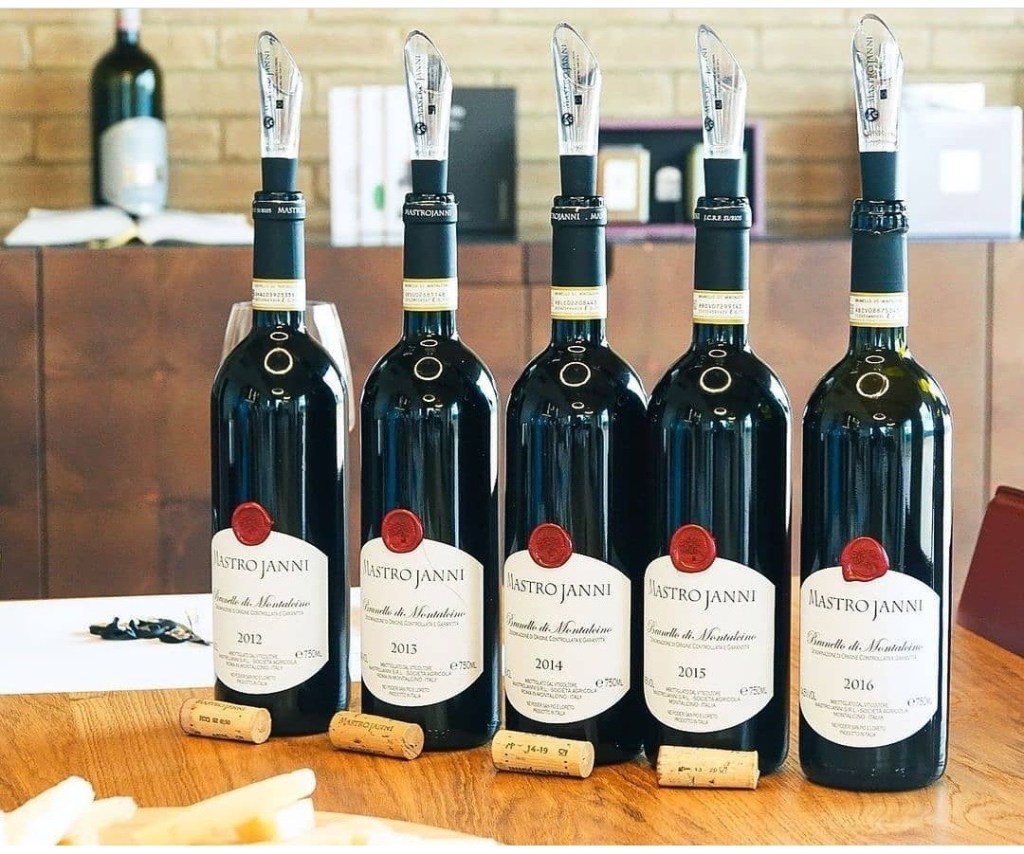
Nestled in the rolling hills of Montalcino, Tuscany, Mastrojanni winery is a name synonymous with elegance, tradition and an unwavering commitment to producing some of the finest Brunello di Montalcino wines in the world. Established in 1975, this prestigious estate has become a beacon of excellence, where history, terroir and art come together in perfect harmony. Beyond its legendary wines, Mastrojanni also offers an exquisite luxury hospitality experience, making it an irresistible travel destination for Wine lovers and connoisseurs alike. 

The Estate: Where Tradition Meets Innovation 

The  Mastrojanni estate is located in the southeastern part of Montalcino, in “San Pio” and “Castlenuovo dell’Abate”, a region known for its unique microclimate and exceptional terroir. The vineyards, spread across sun kissed hillsides, are blessed with clay limestone soils, optimal drainage and a perfect balance of warmth and cool evening breezes, allowing the “Sangiovese Grosso” grapes to thrive. 

The winery itself is a masterpiece, seamlessly blending rustic Tuscan charm with modern innovation. The carefully designed cellars, where the wines mature in large Slavonian oak barrels, are a testament to Mastrojanni’s philosophy of respecting while embracing the future. 

The Wines of Mastrojanni: A Symphony of Elegance and Power 

Mastrojanni is celebrated for producing some of the most refined and age worthy Brunellos in Montalcino. The Winery’s portfolio reflects both the power and finesse of its terroir, each bottle telling a story of passion and dedication. 

  • Brunello di Montalcino Vigna Loreto DOCG: A single vineyard expression of Brunello, Vigna Loreto is a true collector’s wine, showcasing refined tannins, deep concentration and extraordinary aging potential. Each sip unfolds layers of wild berries, leather and balsamic notes. 
  • Brunello di Montalcino Riserva DOCG: Only made in exceptional vintages, the riserva is the epitome of elegance and power, with extended aging that results in a Wine of incredible depth, structure and longevity. 
  • Brunello di Montalcino DOCG: The flagship Wine of Mastrojanni, Brunello di Montalcino, is crafted exclusively from Sangiovese Grosso, aged in large oak barrels to achieve unparalleled complexity, structure and longevity. This Wine exudes aromas of dark cherries, tobacco and spices, leading to a velvety and profound finish. 
  • Rosso di Montalcino DOC: A more approachable and youthful expression of Sangiovese, yet still carrying the signature finesse of Mastrojanni. Vibrant and fruit forward, this is an everyday luxury. 
  • San Pio Toscana IGT: A blend of Sangiovese and Cabernet Sauvignon, this super Tuscan showcases a rich, bold profile with velvety tannins and intense dark fruits flavours. 
  • Ciliegiolo Toscana IGT: A rare and distinctive Wine made from “Ciliegiolo” grape, offering bright cherry notes, floral aromas and an inviting freshness that is both unique and elegant. 

Mastrojanni Hospitality: A Luxurious Escape in the Heart of Montalcino 

Mastrojanni Relais & Villa: The Ultimate Wine Travel Destination 

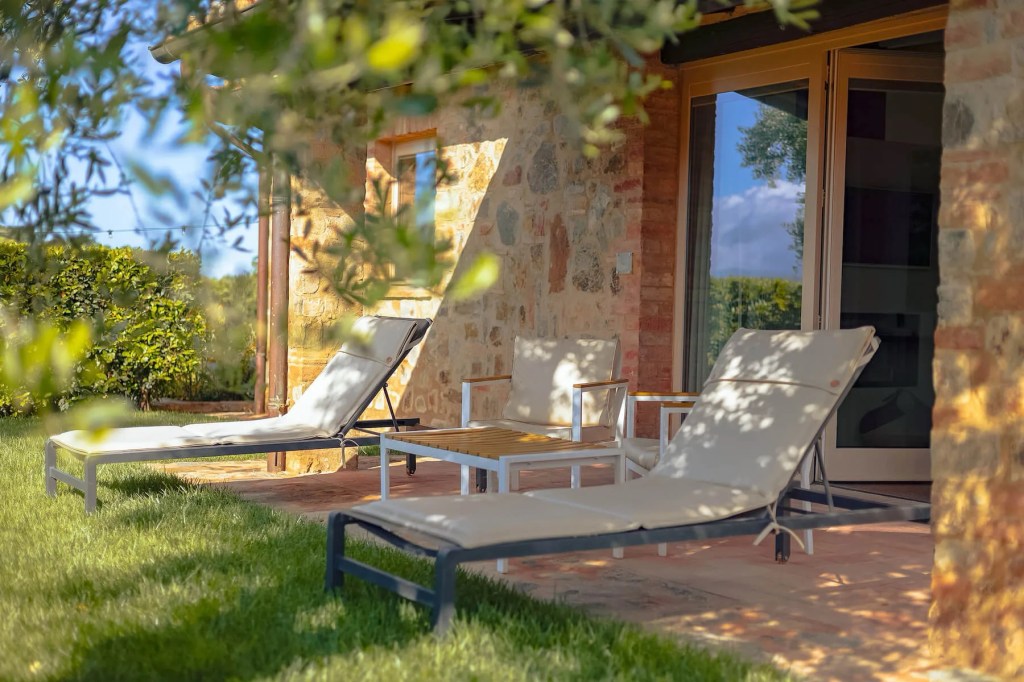
For those seeking the perfect blend of luxury, tranquility and immersive wine experiences, the Mastrojanni Relais & Villa offers a world class escape in the heart of Tuscany. The beautifully restored villa and Suites provide guests with an unparalleled stay, where history meets modern comfort. 

The Suites and Rooms: A Haven of Elegance

Each suite at the Mastrojanni Relais is designed to reflect the heritage and sophistication of the estate, with breathtaking vineyard views, antique furnishings and contemporary luxury. Guests can unwind in spacious rooms that exude timeless charm while enjoying the finest amenities. 

Mastrojanni Restaurant: A Culinary Experience Like No Other 

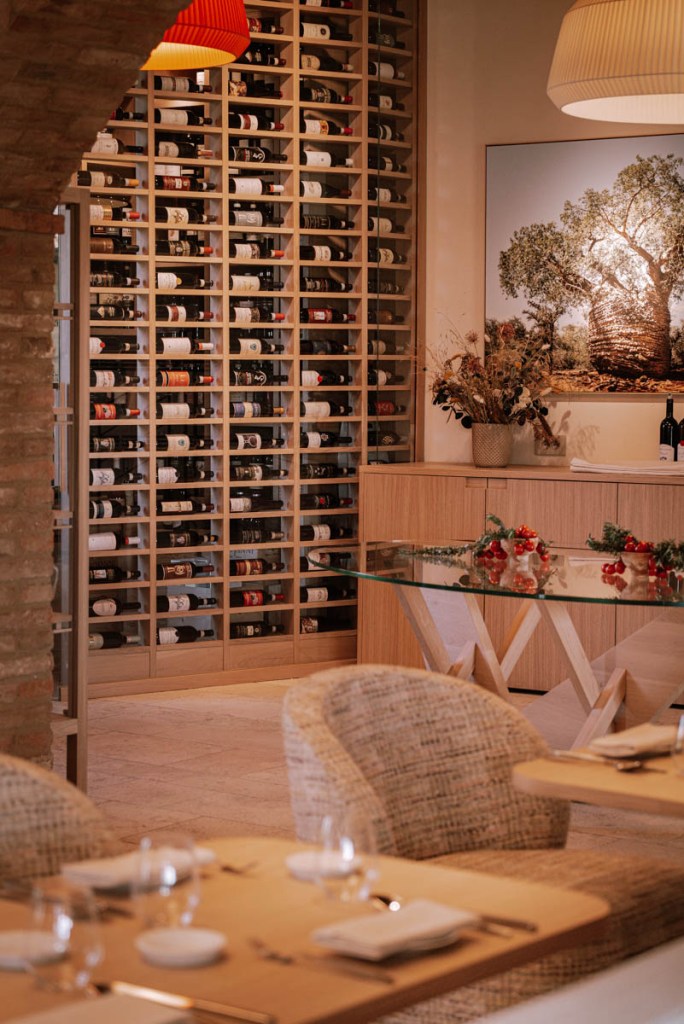
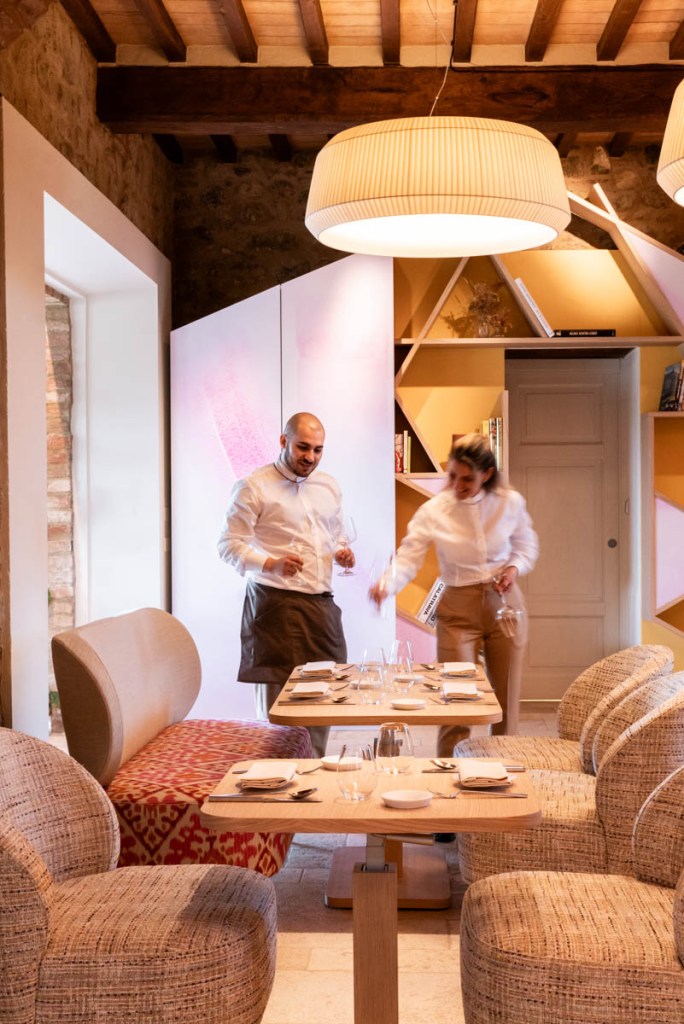
The on site restaurant is a true gastronomic delight, offering seasonal Tuscan cuisine perfectly paired with the estate’s prestigious wines. Every dish, crafted from locally sourced ingredients, reflects the region’s culinary heritage, enhancing the overall Wine and food experiences. 

The People Behind the Legacy: The Mastrojanni Family & Team 

At the heart of Mastrojanni’s success is a passionate team dedicated to maintaining the estate’s reputation for excellence. Founded by Gabriele Mastrojanni, the winery has flourished under the meticulous care of winemakers, agronomists and cellar masters, each bringing expertise and vision to every vintage. In 2008, Mastrojanni became part of the Illy Group, renowned for its dedication to quality and sustainability. With this, the estate has continued to elevate its winemaking practices, cementing its place among Italy’s most esteemed wineries. 

Montalcino & Tuscany: A wine lover’s Paradise 

Mastrojanni is more than just a winery, it’s an essential stop for any traveler exploring the enchanting landscapes of Tuscany. 

Exploring Montalcino: 

  • Home to Brunello di Montalcino, one of Italy’s most prestigious wines. 
  • Surrounded by medieval architecture, rolling vineyards and historic landmarks. 
  • Offers breathtaking views, authentic Tuscan cuisine and unforgettable wine tasting experiences. 

Beyond Montalcino: Discovering Tuscany

  • Siena, a historic city with Gothic architecture and vibrant pizzas. 
  • Pienza, a renaissance town known for its world famous Pecorino Cheese. 
  • Val d’Orcia, a UNESCO world heritage site with postcard perfect landscapes. 
  • Florence, the birthplace of the Renaissance, just a short drive away. 

A Timeless Journey of Wine & Luxury 

Mastrojanni Winery stands as a symbol of excellence in the world of fine wine. From its legendary Brunello di Montalcino to its luxurious hospitality experiences, the estate offers an unparalleled journey through the heart of Tuscany’s winemaking heritage. 

Santa Sofia Estate

From 1811 to the Future:  The Story of a Timeless Estate in Valpolicella 

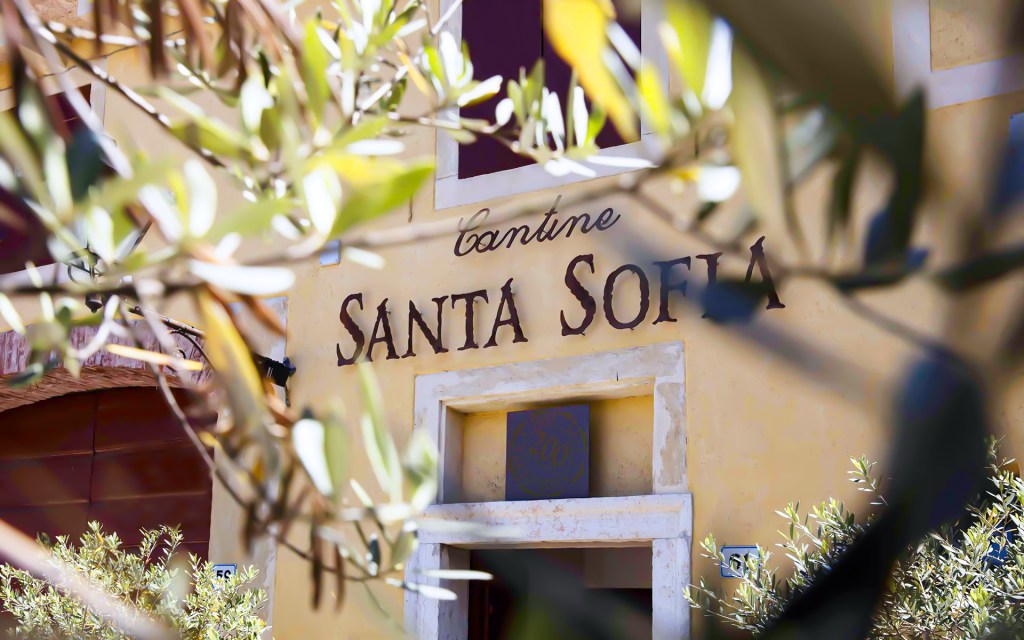
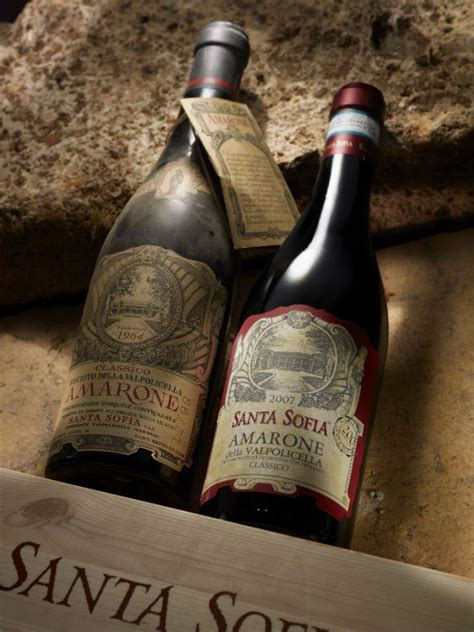
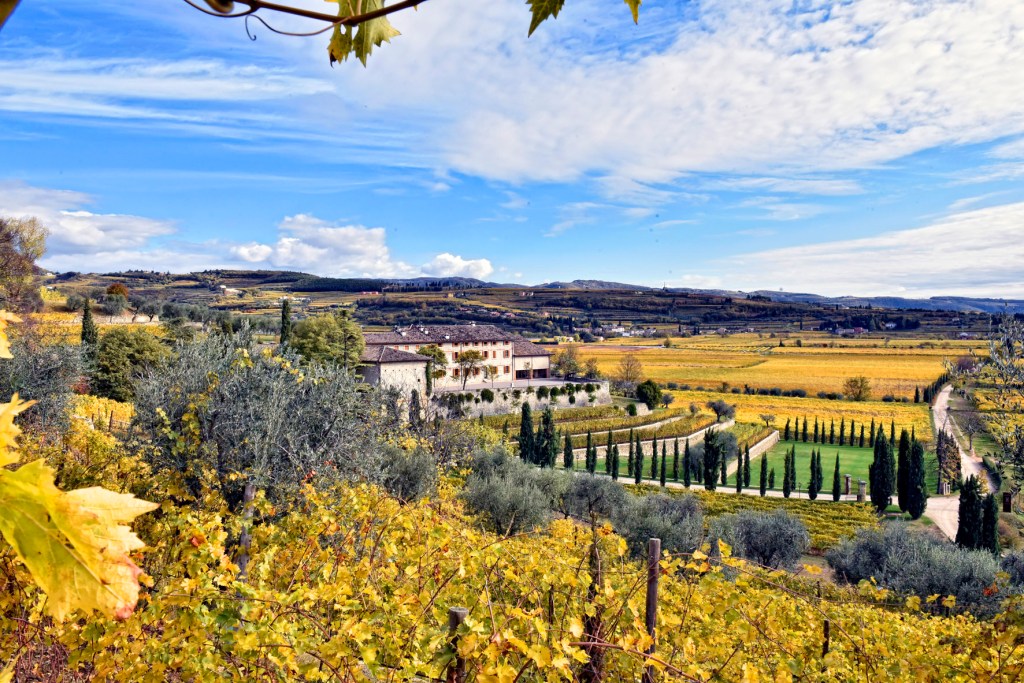
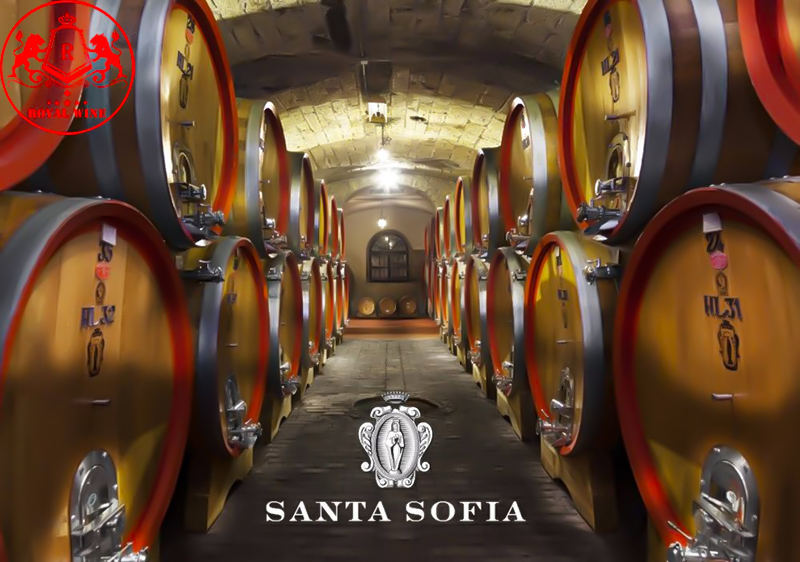
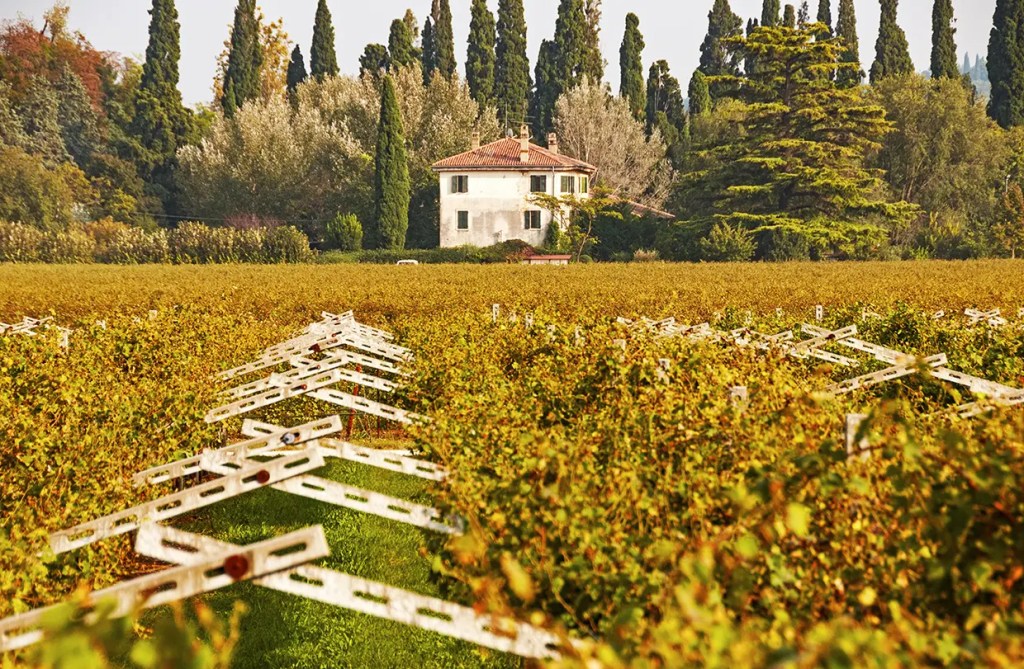
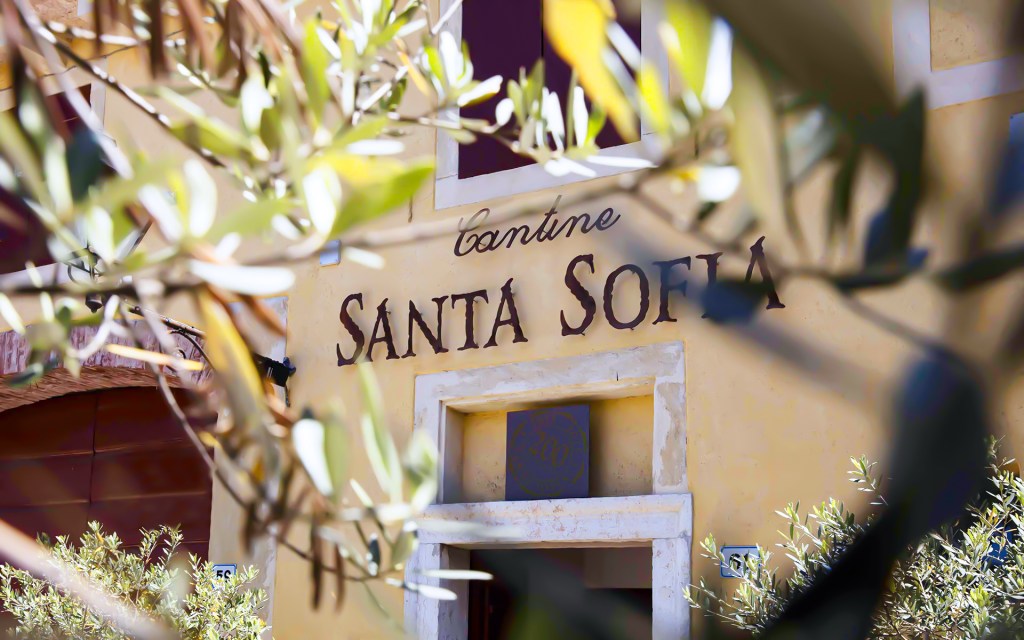
Tucked away in the picturesque heart of Valpolicella Classico, in San Pietro in Cariano, lies Santa Sofia Winery. A quiet legend in the world of Wine. With its roots tracing back to 1811, Santa Sofia isn’t just about producing wines, it’s about carrying forward the legacy that bridges centuries, cultures and generations. 

A Journey Through Time: The History of Santa Sofia 

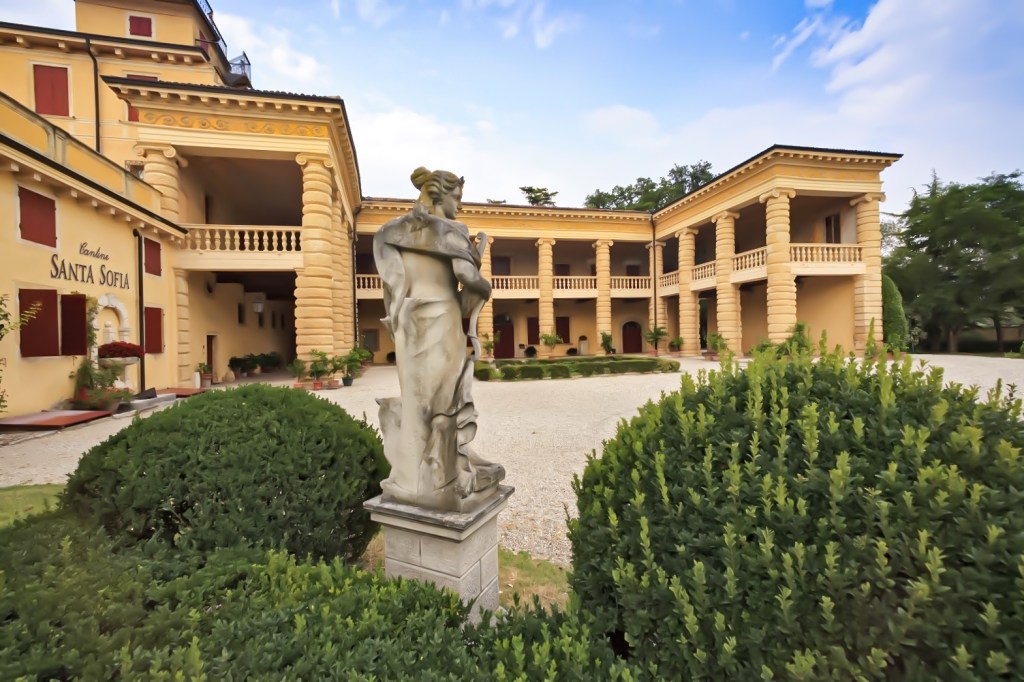
Santa Sofia’s story begins over two hundred years ago, on a property steeped in both historical and architectural significance. The estate’s Villa, attributed to Andrea Palladio, whispers of the Renaissance with its serene symmetry and grandeur. But the real soul of Santa Sofia has always been the wine that’s deep, structured and patient. 

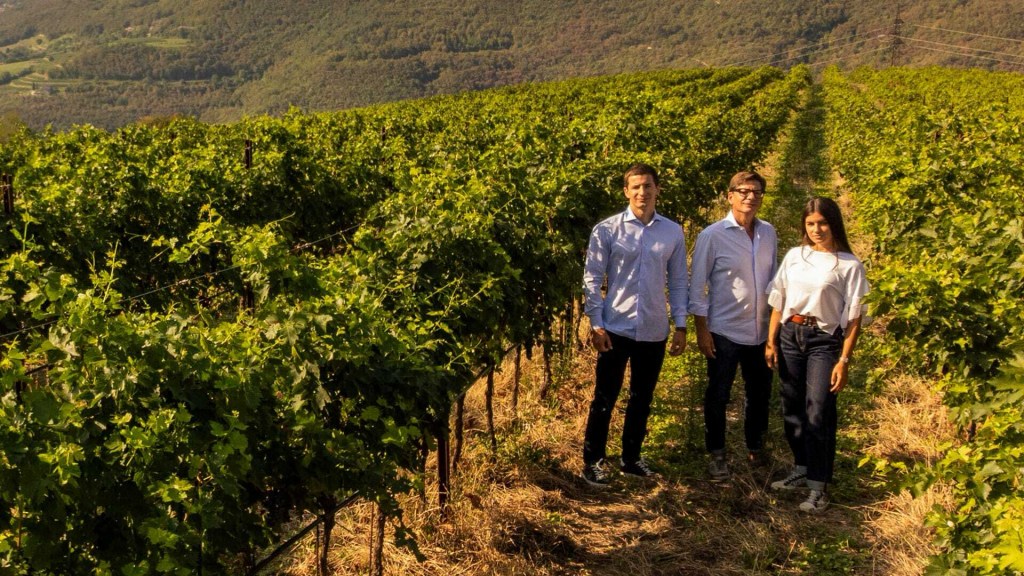
The Begnoni family took over the winery in the 1950s and with that the next chapter of Santa Sofia winery began. Under the visionary leadership of “Giancarlo Begnoni”, a winemaker with a rare blend of technical knowledge and intuitive flair, Santa Sofia wines rose to new heights. Today, his son Lucio Begnoni continues the mission with equal passion, ensuring the winery never strays from its roots while embracing innovation and modernity. 

The Wines of Santa Sofia: 

Santa Sofia produces a stunning range of wines, each one expressive of the terroir, the grapes and the careful hands that craft them. The portfolio includes: 

  • Valpolicella Classico
  • Valpolicella Superiore
  • Valpolicella Ripasso Superiore
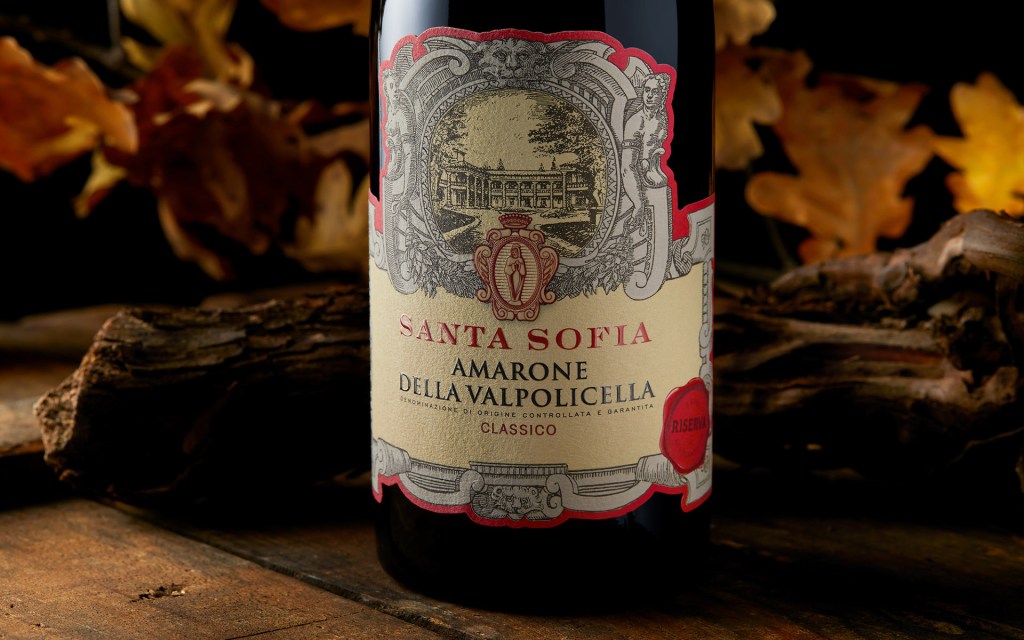
  • Amarone Della Valpolicella Classico
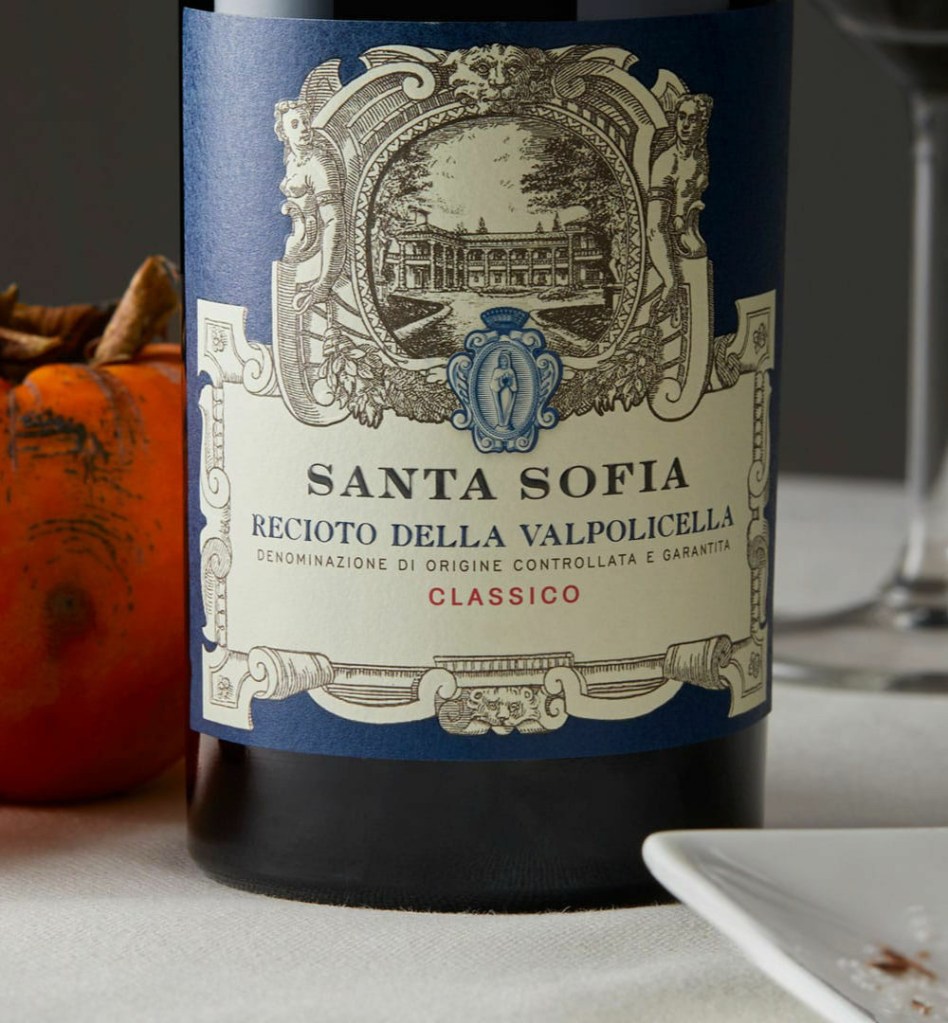
  • Recioto Della Valpolicella 
  • Bardolino, Soave, Lugana and Custoza 
  • IGT wines like Montegradella and Arlèo 

Each bottle of Santa Sofia is a reflection of Valpolicella’s diverse microclimates and the Begnoni Family’s dedication to harmony, balance and authenticity. 

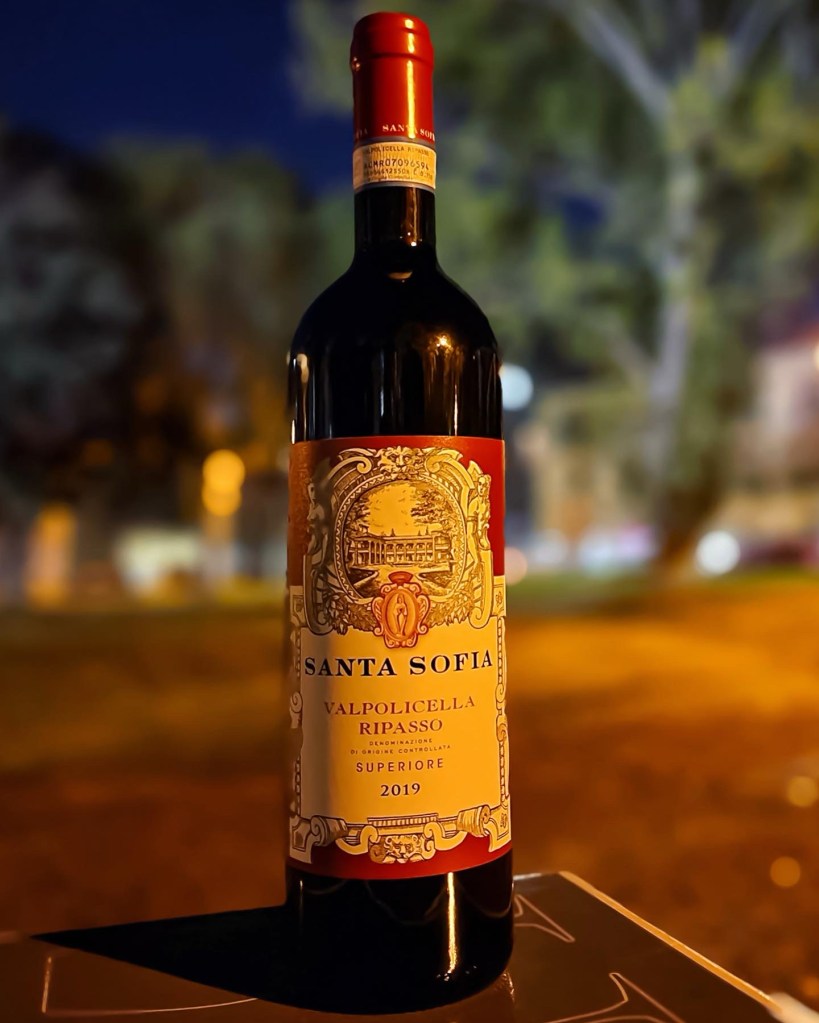
The Wine I Tasted : Santa Sofia Valpolicella Ripasso Superiore 2019. 

This was a wine that made me pause. Deep garnet in the glass, with warm aromas of dried cherries, leather and subtle spice. On the palate, it was silky but powerful with layers of dark fruit, tobacco and a touch of vanilla. It’s the kind of the wine that makes you want to know more about who made it. And that’s exactly what led me to dig deeper into Santa Sofia winery. 

The Region and the Grapes: 

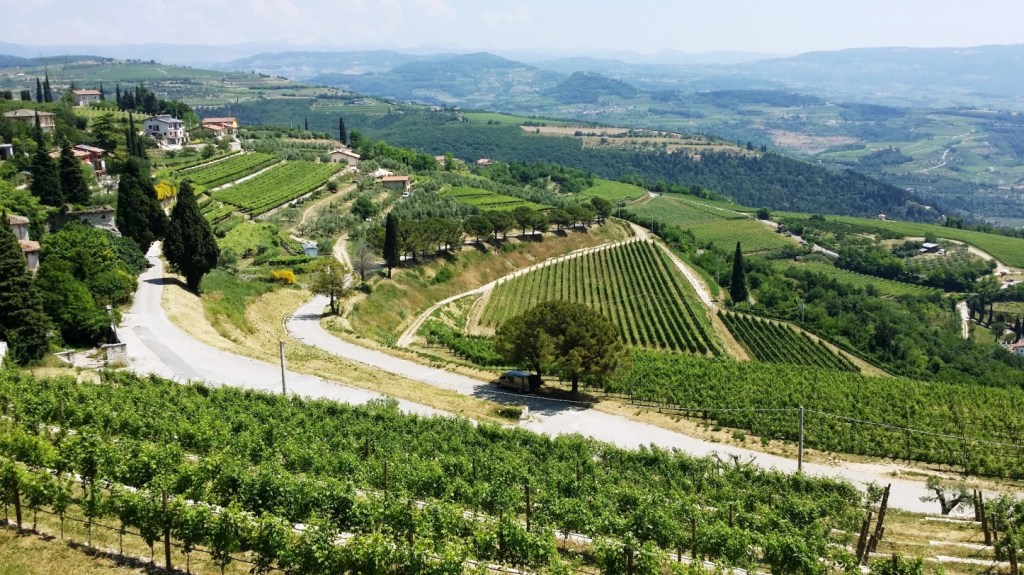
Valpolicella is a dream for winemakers and wine lovers alike. Nestled between Lake Garda and the Lessini Mountains, the region offers a microclimate that’s ideal for indigenous grapes like Corvina, Corvinone, Rondinella and Molinara. These grapes are the souls of Santa Sofia’s reds, shaped by sun, Wind and limestone rich soils. 

The New Winery Project:

Santa Sofia is a historic estate, but the Begnoni family is always thinking forward. Their new winery project launched recently, is a bold step into the future. A space designed for sustainability, innovation and even more precision in the winemaking process. Located just a few minutes from the historic cellar, this new facility allows the team to manage growing demand without compromising their artisanal approach. 

Santa Sofia Hospitality: More Than Wine 

Visiting Santa Sofia isn’t just a tasting, it’s an immersion. Their hospitality experience is warm, detailed and deeply rooted in sharing culture. Guests can tour the ancient cellars, walk through the Palladian villa and of course, taste a curated flight of wines that tell the story of the land. Whether you’re a seasoned oenophile or just beginning your wine journey, there’s a quiet magic in tasting wine where it was born.  

Awards and Global Recognition:

Santa Sofia has quietly amassed an impressive collection of accolades over the years. Their Amarone Classico regularly earns top scores from Decanter, Wine Spectator and Gambero Rosso. The Valpolicella Superiore and Ripasso are also consistent award winners, praised for their elegance and authenticity. These aren’t loud wines, they’re wines that age gracefully and win hearts over time. 

The People Behind Santa Sofia Winery:

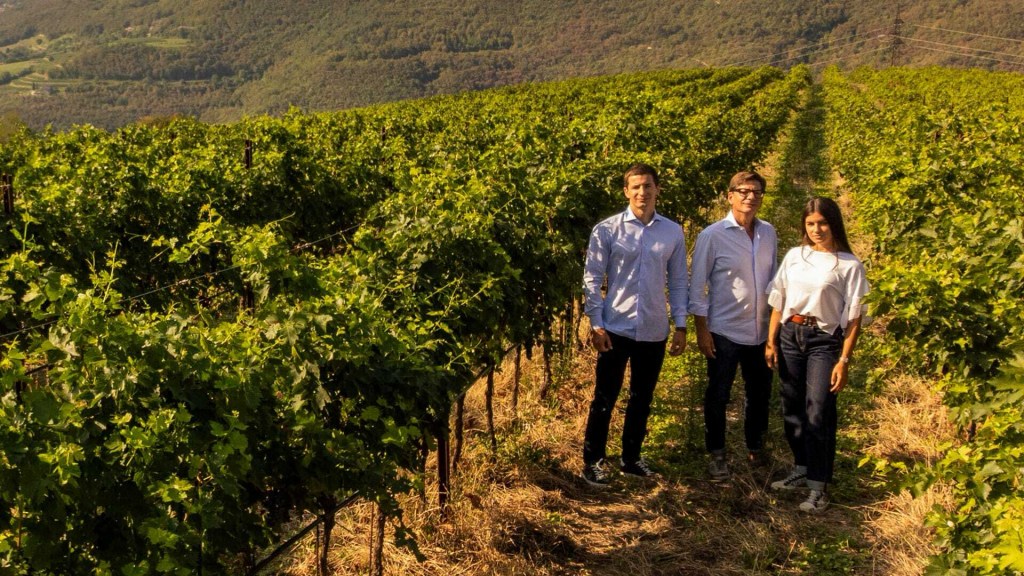
At the heart of Santa Sofia is the Begnoni family, Giancarlo Begnoni, the founding force, Lucio Begnoni, who now leads with equal parts head and heart and a close knit team that includes viticulturists, cellar masters and hospitality professionals, many of whom have been with the estate for decades. Their humility and quiet excellence echo through everything they do. 

This is a place where tradition isn’t a buzzword, it’s a rhythm. Everyone contributes. Everyone belongs. That’s part of what makes their wines feel so personal. 

In Closing: 

Santa Sofia winery isn’t just one of the oldest in Valpolicella, it’s one of the most soulful. Visiting, tasting and learning about the people behind it has been a reminder that great Wine isn’t made in a rush. It’s crafted through patience, integrity and a genuine love of the land. 

Written by someone who tasted the Wine and couldn’t stop thinking about it. Because some wines aren’t just drunk, they’re remembered !! 

Sagar S !! 

The Business of Wine 2.0. From Vine to Glass

How Global Trends and Policies are Reshaping the Wine Business ! 

The wine industry has always been a blend of tradition and commerce, but today, it’s navigating an era of profound transformation. From trade wars and taxation to the growing divide between luxury and mass market wines, the forces shaping the industry are more complex than ever. 

Small wineries struggle to compete against industrial giants, tariffs dictate what lands on our shelves. Meanwhile, global consumption trends reveal shifting preferences and the silent crisis of water scarcity is an issue many in the industry can no longer ignore. 

In this blog, we’ll explore these pressing challenges, backed by data and real world insights to understand where the global wine market is heading. Whether you’re a connoisseur, a Wine professional, a winemaker or someone who enjoys a good glass of wine, these issues impact the industry and your next bottle more than you think. 

Luxury Vs. Mass Produced Wine: 

Luxury wines are often associated with prestige, craftsmanship and heritage. While a bottle of a luxury wine fetches thousands, a mass produced wine at a fraction of the price may taste as pleasant to the average consumer. Studies indicate that price often skews perception. Blind tastings have shown people prefer average priced wines when unaware of the label. But does that mean high end wines are all hype ? Not necessarily. 

Luxury wines often involve lower yields, hand harvesting and meticulous aging processes. Mass produced wines on the other hand, prioritise volume over refinement, using advanced technology to create consistency. The real question is: Do consumers truly appreciate these differences or are they merely seduced by a brand name ? 

Wine, Trade Wars and Tariffs: How Politics decides What Ends Up in Your Glass 

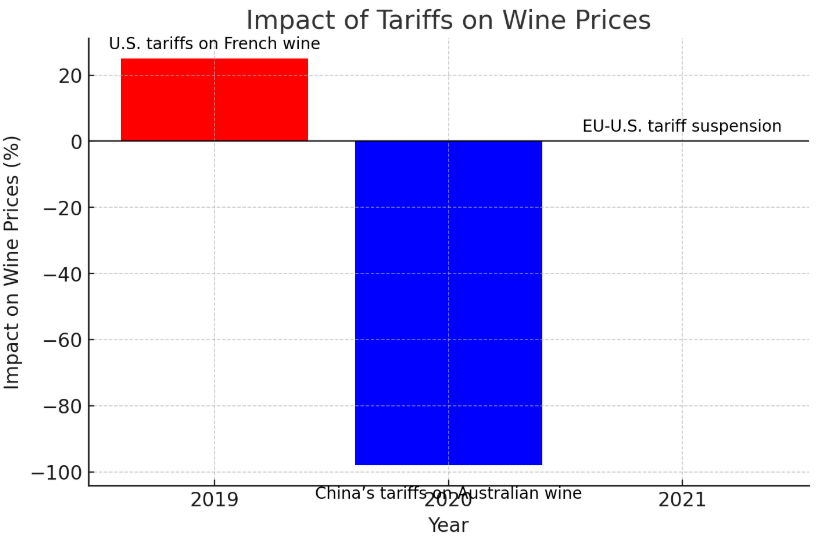
Wine is not just a product, it’s a geopolitical pawn. Recent trade wars have disrupted the global wine supply chain, making certain regions more expensive or inaccessible. Take the U.S – China trade war: China imposed a 93% tariff on Australian wines, causing exports to plummet. Similarly, the EU and US have exchanged tariff blows, impacting French, Italian and American wines alike. The irony ? These disputes hurt producers and consumers the most. 

With Wine deeply intertwined with international trade, consumers unknowingly pay the price of political decisions. The question is: Will these disputes continue to shape what is available on shelves ? 

The Struggle of Small Wineries Against Industrial Giants :

Small wineries, often family run for generations, are fighting an uphill battle against mass production behemoths. Large corporations buyout vineyards, controlling vast market shares while smaller producers struggle for distribution. For instance a global brand who is a major player, owns labels that appear artisanal but are part of a global conglomerate. Meanwhile, independent wineries face limited access to supermarket shelves and distribution channels. But, the rise of direct to consumer sales and boutique wine clubs are giving small producers a fighting chance. 

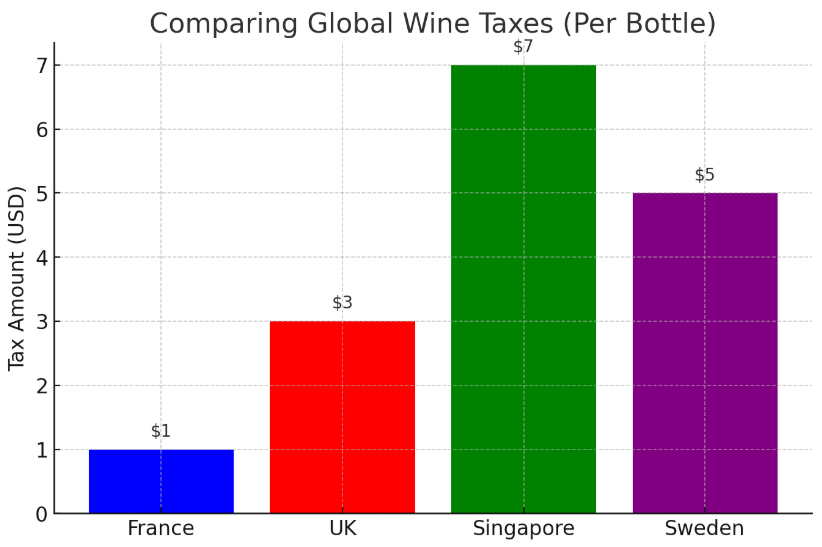
Wine Taxation: Why Some Countries Pay Double for the Same Bottle 

Why does a bottle of wine cost $10 in Spain but $30 in Singapore ? Wine taxation policies vary drastically and consumers rarely know the hidden costs they’re paying. High tax countries justify their policies with classifications, but ultimately, consumers bear the burden. Could taxation be restructured to support smaller producers while maintaining fair pricing ? 

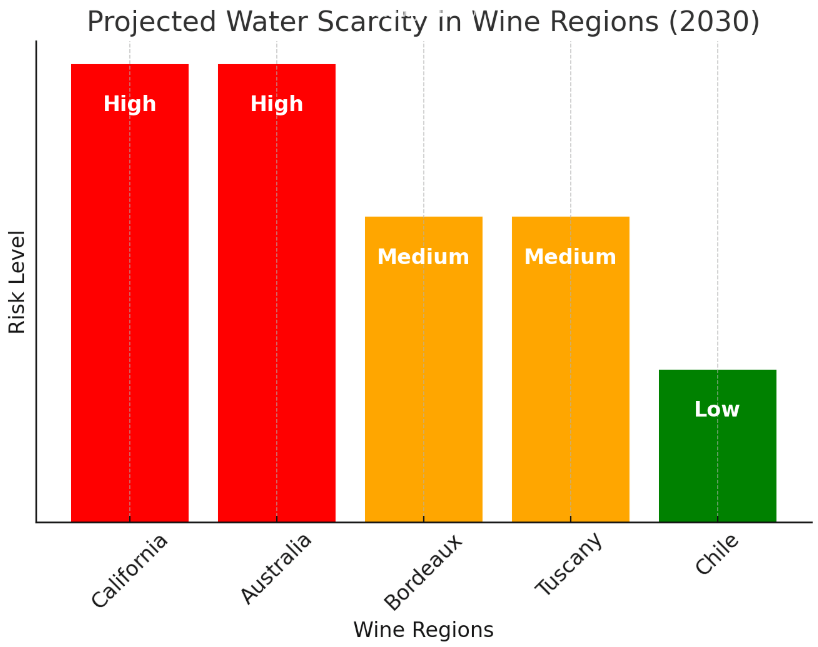
Water Wars in Vineyards: The Silent Crisis No One Talks About 

Water is the lifeblood of winemaking, but climate change and regional disputes are threatening supply. California, Bordeaux, Piedmont and Australia have all faced droughts, forcing wineries to adopt water saving techniques like dry farming and recycled irrigation. Meanwhile, some regions face conflicts over water rights, with industrial agriculture and urbanisation competing against vineyards. With water availability dwindling, the industry must innovate. The question remains: Can vineyards adapt before it’s too late? 

Global Wine Consumption Trends: What are people drinking ? 

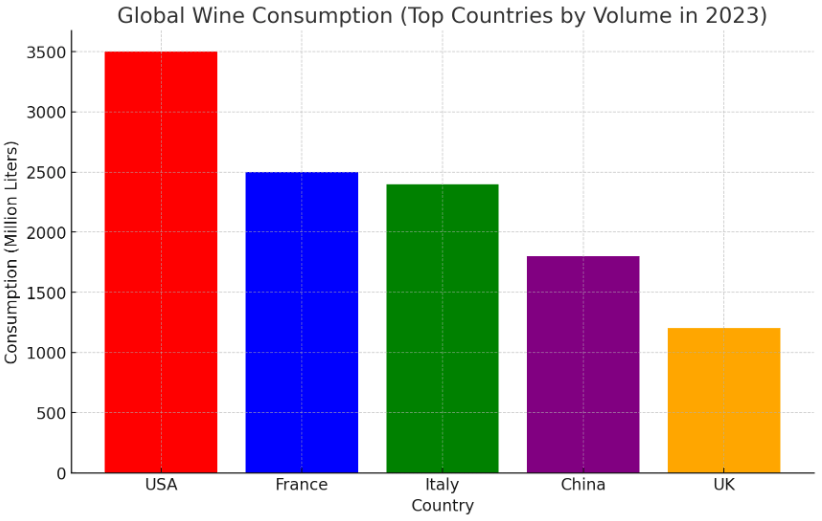
Consumer habits are shifting, influenced by trends, sustainability and economic conditions. While traditional markets like France, Italy see declining per capita consumption, emerging markets in Asia are booming. 

Trends Shaping the Future of Wine Consumption:

  • Premiumization: Consumers are drinking less but opting for higher quality wines. 
  • Organic & Biodynamic Wines: Sustainability is driving purchasing decisions. 

Final Thoughts: 

From taxation and tariffs to climate change and shifting consumer preferences, every bottle on the shelf tells a deeper story. As consumers, understanding these dynamics empowers us to make informed choices. Whether supporting small wineries, choosing sustainable options or simply appreciating the complexity behind every sip. 

One thing is clear: The Business of Wine is evolving and staying ahead means embracing the changes that shape the future of this timeless industry. 

The Business of Wine

Power, Profit, Climate Change, Blockchain, Counterfeiting and the Future of an industry in Flux

Wine has long been a symbol of culture, excellence and luxury, but behind every bottle lies a complex and evolving business. From climate change altering the world’s most famous vineyards to technological advancements redefining production, the wine industry is at a turning point. The question isn’t just what makes a great wine, it’s who controls the market, how profit flows and whether tradition can survive in an era of globalization and disruption. 

Technology is Reshaping Winemaking: 

The romantic vision of winemakers carefully tending their vines is being replaced by a data driven revolution. AI powered vineyard management, drone assisted monitoring and smart irrigation systems are transforming viticulture, reducing waste and optimising grape quality. Blockchain is now being used to verify authenticity of fine wines, combating the billion dollar fraud problem that has plagued collectors and investors. Yet, with these advancements comes a pressing question: Will technology enhance winemaking, or will it strip away craftsmanship that has defined the industry for centuries ? 

Climate Change: A Billion Dollar Threat to Vineyards 

Rising temperatures, erratic weather patterns and wildfires are rewriting the Wine map. Traditional powerhouses like Bordeaux, Napa and Tuscany are being forced to adapt, while new regions such as England and Scandinavia are emerging as serious wine contenders. Producers are experimenting with heat resistant grape varieties and shifting to higher altitudes, but is adaptation enough ? Climate change is no longer a distant threat, it is already determining which vineyards will thrive and which will disappear in the coming decades. For investors and producers alike, the future of winemaking hinges on resilience and strategic foresight. 

The Power Struggle: Who Really Controls the Wine Industry? 

Beyond the vineyards, the business of wine is dominated by a handful of powerful distributors, global corporations and luxury groups. A few key players dictate pricing, market access and which wines reach consumers, leaving independent wineries to fight for visibility. Small producers with terroir driven wines often struggle to compete in an industry where marketing and branding can outweigh quality. The rise of direct to consumer sales and boutique distribution models is challenging this monopoly, but will these alternatives be enough to break the stronghold of corporate giants ? 

The Influence of Oak ? Art or Marketing Hype ? 

French oak, American oak, Hungarian oak, each imparts distinct flavors to Wine, influencing everything from texture to complexity. But in an industry where perception is everything, how much of oak aging is about genuine craftsmanship and how much is clever marketing ? As alternative aging techniques, like concrete tanks and amphorae, gain traction, consumers are beginning to question whether traditional barrel aging is an art or an outdated luxury designed to justify premium pricing. 

The Forgotten Grapes Making a Comeback: 

As consumers demand authenticity and diversity, rare and indigenous grape varieties are stepping into the spotlight. Wines once overshadowed by international favorites like Cabernet Sauvignon and Chardonnay are making a quieter powerful return. Timorasso, Trousseau and Xinomavro grapes nearly lost to industrial winemaking are now finding their place in boutique cellars. This resurgence is not just a nod to tradition but a strategic move by winemakers looking to differentiate themselves in a crowded market. The real question is: Can these grapes carve out a lasting space or are they just another passing trend? 

The Truth About Wine Fraud and Counterfeiting:

The fine wine market has become a playground for counterfeiters, with collectors losing millions to expertly faked bottles. Some of the world’s most expensive wines have been exposed as frauds, raising serious concerns from investors. With digital tracking, blockchain verification and forensic testing becoming the new norm, the industry is fighting back. However, the underground network of counterfeiters is always one step ahead, making wine fraud a game of high stakes deception. 

Terroir: More Than Just a Marketing Buzzword !! 

Soil, climate, altitude and even microorganisms shape a wine’s character, but in an era of mass production, does terroir still matter ? Large scale producers strive for consistency, often blending wines across regions to meet consumer expectations. Meanwhile, terroir driven winemakers argue that true luxury in wine comes from its unique sense of place. As the wine industry continues to scale, the battle between authenticity and marketability is more critical than ever. 

The Rise of Wine Tourism: Business or Culture ? 

Wine tourism is no longer just about tastings, it has become a billion dollar industry. From Bordeaux’s grand châteaux to the rolling hills of Tuscany and the boutique estates of Argentina, wineries have transformed into luxury destinations. Hotels, Spas, fine dining and exclusive experiences now drive revenue just as much as bottle sales. But as wineries embrace commercialisation, some purists fear that the industry is losing its soul. Can a balance be struck between experience driven tourism and the preservation of winemaking heritage ? 
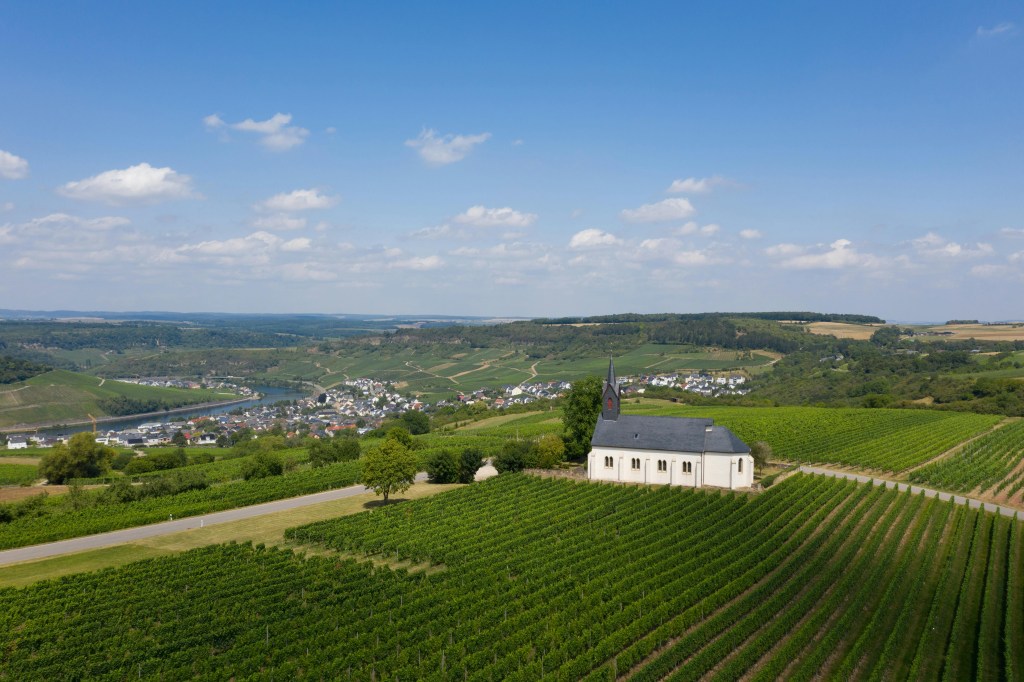
Final Thoughts: The Business of Wine is Changing – Are You Ready ?

The wine industry is at a crossroads, caught between tradition and transformation. Whether it’s the power dynamics of global corporations, the looming threat of climate change or the rise of technology driven viticulture, one thing is clear: those who adapt will thrive, while those who resist change may be left behind. For investors, producers and Wine lovers alike, understanding these shifts isn’t just interesting, it’s essential.  
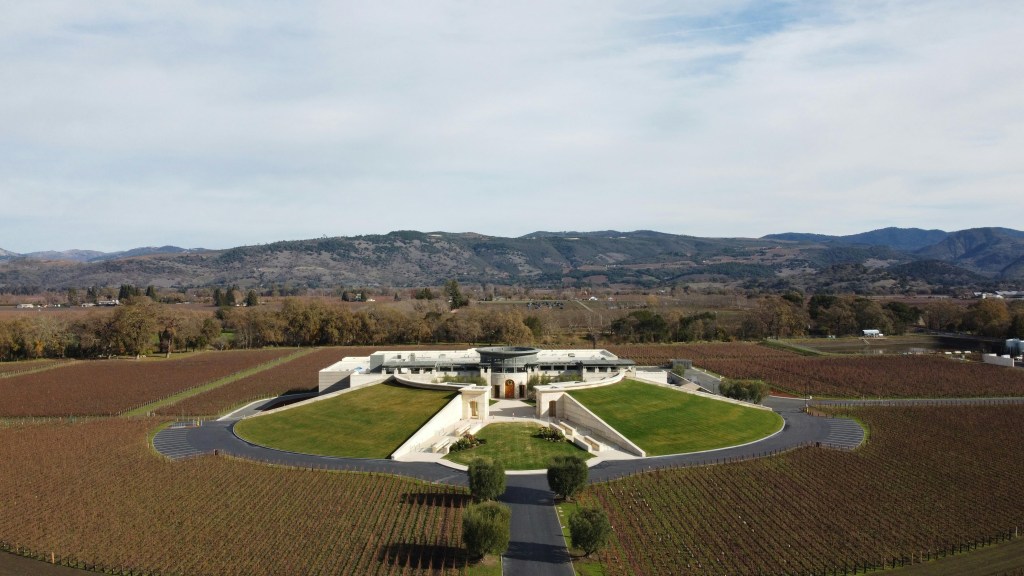
The Legacy of Tommasi Family Estates: Since 1902. A journey through History, Luxury and Fine Winemaking
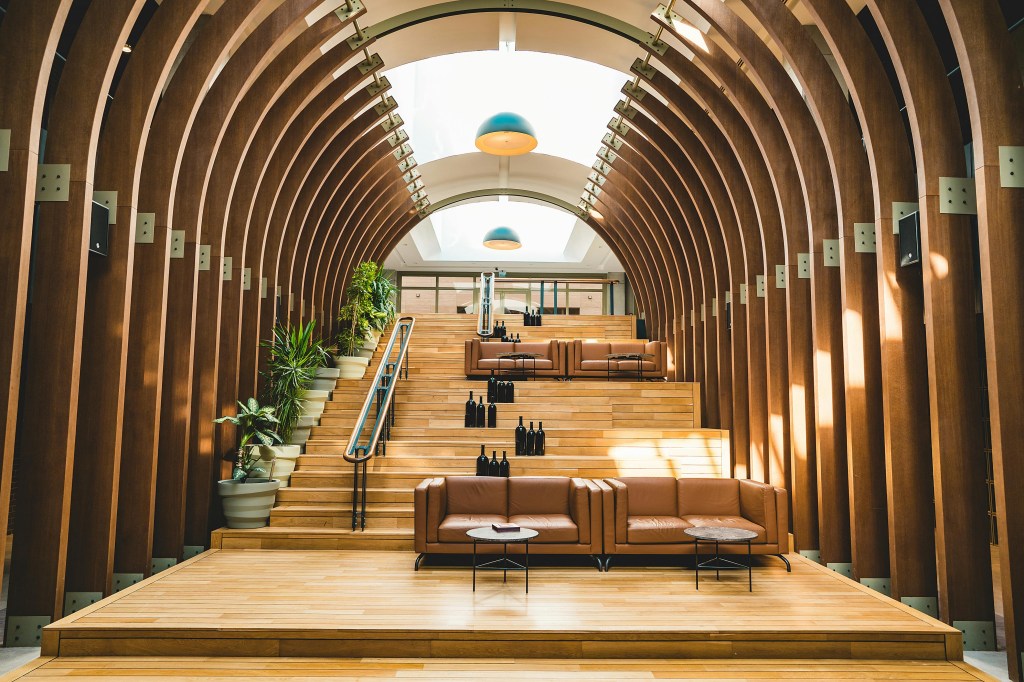
Tommasi Estates: 

For over a century, the Tommasi family has been crafting some of the finest wines in Italy, building a reputation that stretches beyond the borders of  Valpolicella into the global wine scene. Since 1902, their name has been synonymous with tradition, passion and excellence, making Tommasi Estate not only a must visit but also a significant player in the world of fine wine. 

The Legacy of Tommasi Family Estate: 

The story began in 1902 when Giacomo Tommasi established the family winery in Pedemonte, in the heart of Valpolicella Classico. Over the years, the business expanded, and today the fourth generation of the Tommasi Family continues to honour their great grandfather’s vision while innovating and adapting to modern winemaking techniques. 

The Wines of Tommasi Estate:

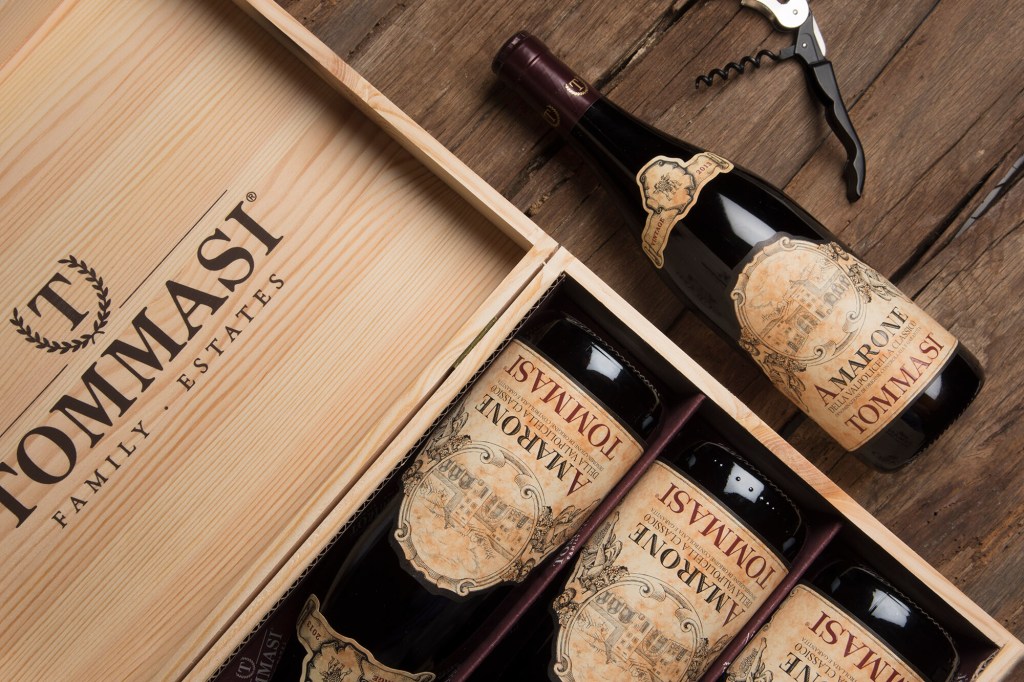
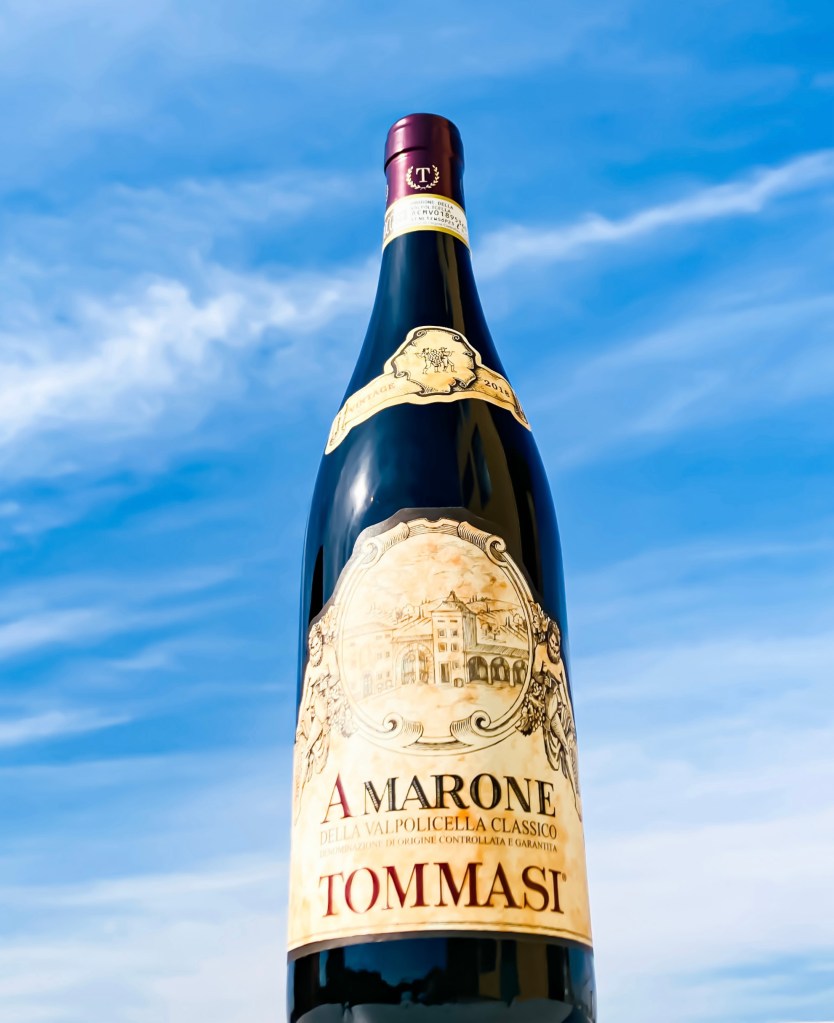
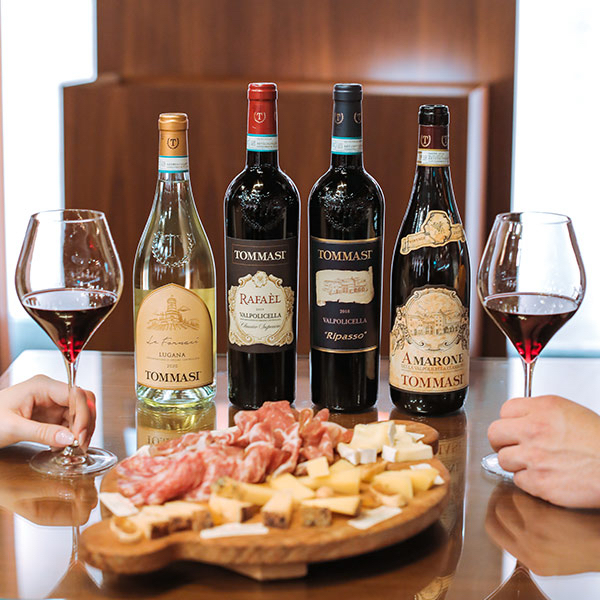
  1. Amarone Della Valpolicella: One of Italy’s most iconic wines, Amarone Della Valpolicella, is the crown jewel of Tommasi, crafted using the traditional Appassimento method, where grapes are dried for months before fermentation, the result is a Wine that is bold, intense and complex. I personally had the opportunity to taste Tommasi Amarone Della Valpolicella 2018, and it was truly an exceptional experience. The wine had deep aromas of dried cherries, chocolate and spice with a velvety texture and a long, elegant finish. A perfect representation of why Amarone is revered worldwide. 
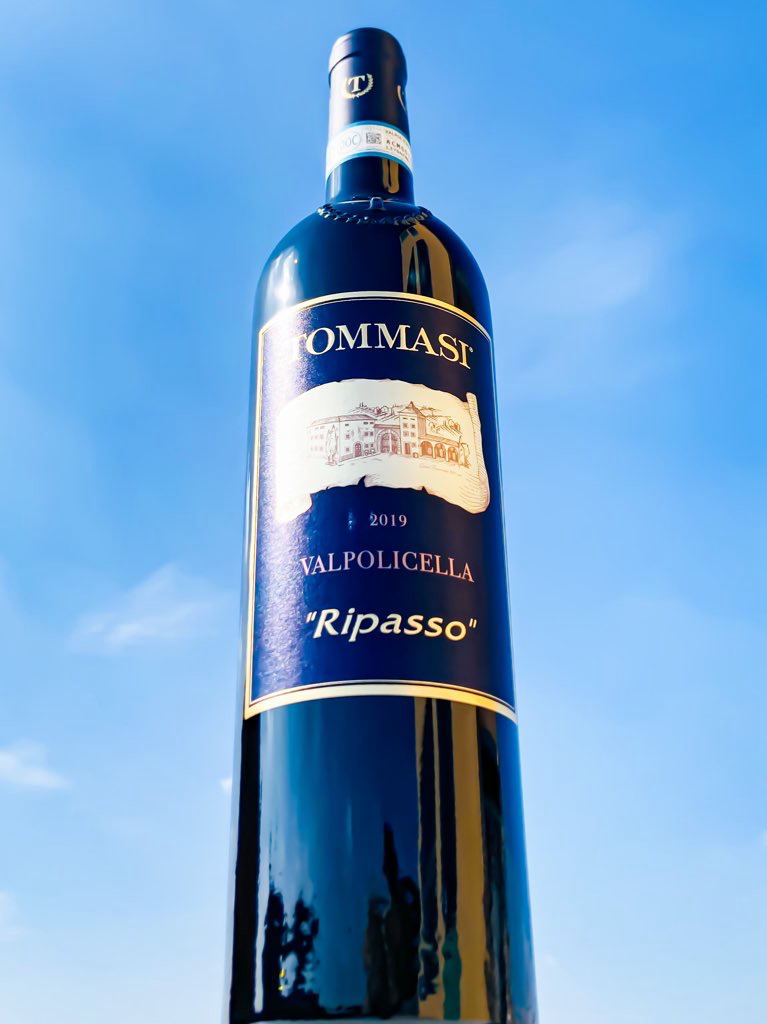
  1. Valpolicella Ripasso: Another stunning creation from Tommasi estate, the Valpolicella Ripasso, follows a unique winemaking technique where Valpolicella wine is re-fermented with the leftover Amarone grape skins, giving it extra depth and richness. The 2019 vintage had a vibrant cherry and plum aroma, with hints of spice and vanilla. 
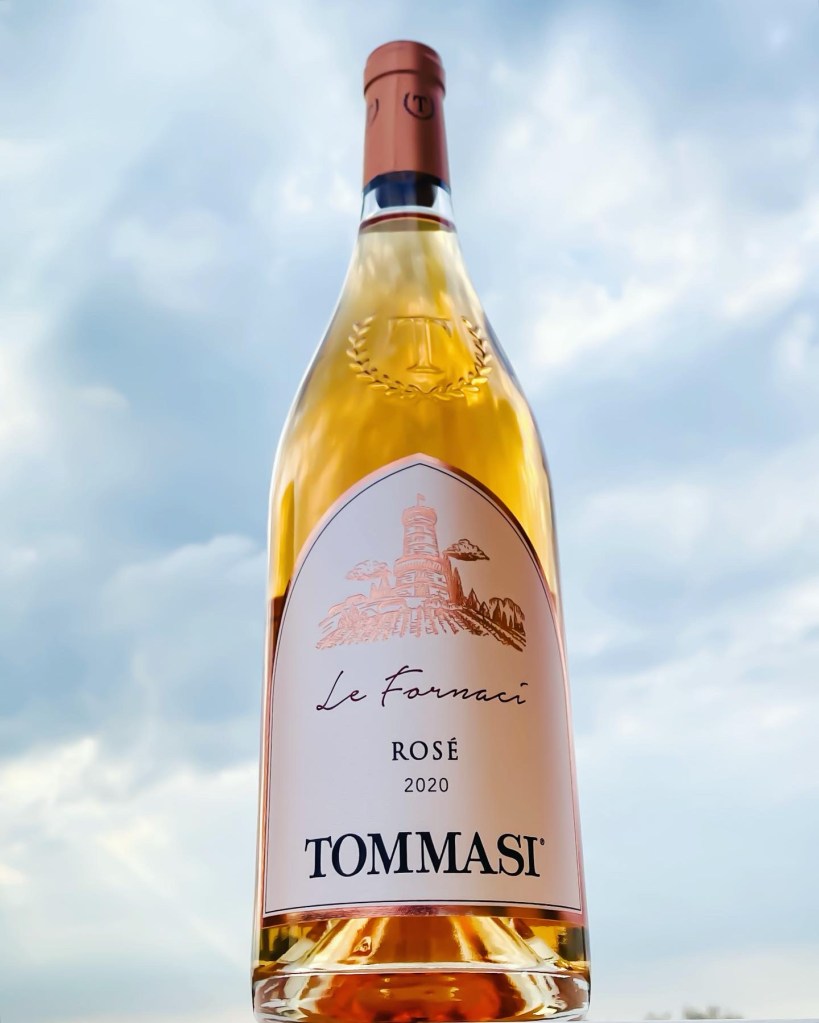
  1. Le Fornaci Rosé: For those who love elegant, refreshing Rosé wines, the Le Fornaci Rosé 2020 is a must try. Made from Turchetta, Corvina and Rondinella grapes, this rose was crisp and fresh, with flavors of red berries, citrus and floral notes.

The Estates: Tommasi Family’s Winemaking Legacy Across Italy. 

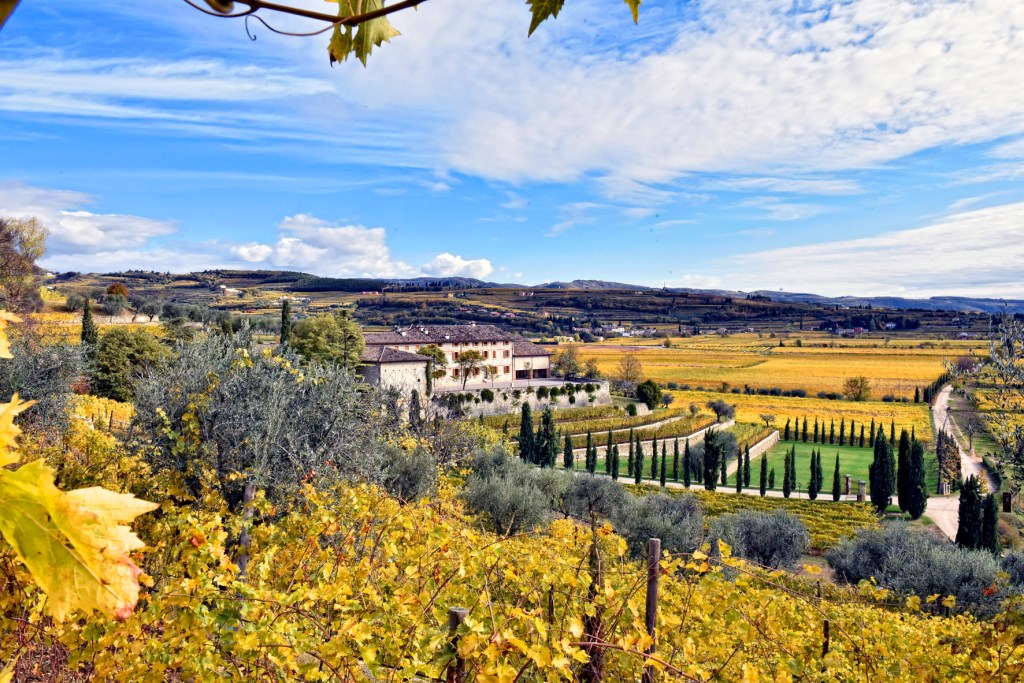
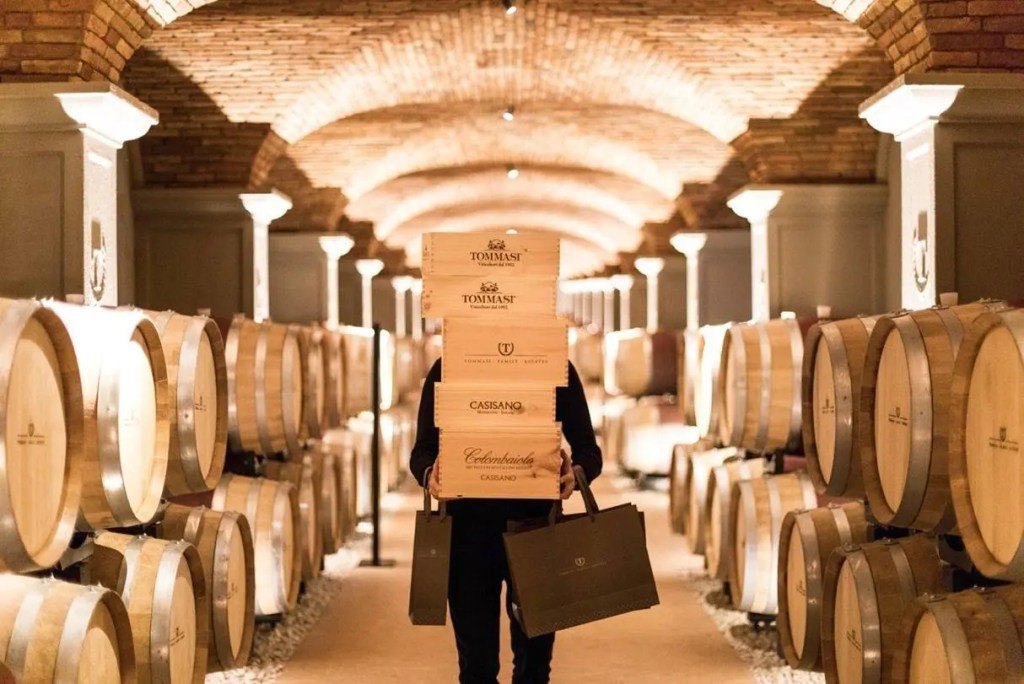
Tommasi Family Estate spans across the seven of Italy’s most prestigious wine regions, with each estate representing the unique terroir and winemaking tradition of its location: The star are:  Venteto – Tommasi Viticoltori (Headquarters, Valpolicella Classico), Maremma, Tuscany – Poggio Al Tufo, Oltrepò Pavese, Lombardy – Tenuta di Caseo, Manduria, Puglia – Masseria Surani, Vulture, Basilicata – Paternoster, Montalcino, Tuscany – Casisano, Etna, Sicily – Ammura. Tommasi Family Estate is more than just a single winery. It’s a vast and deeply rooted winemaking empire that spans across Italy covering a total of 800 hectares of vineyards. 

The Terroir: What makes Tommasi Wines Special? 

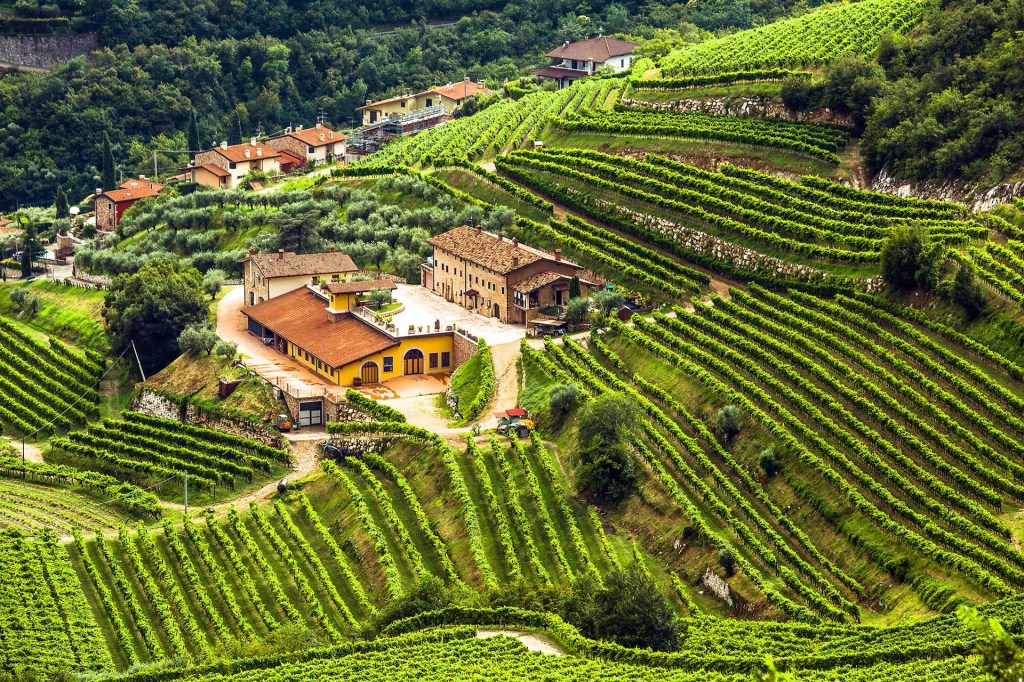
The success of Tommasi wines is rooted in the unique terroir of Valpolicella and beyond. 

  • Soil: The region’s soil is a mix of limestone, clay and volcanic origins, which gives structure and minerality to the wines. 
  • Climate: The area enjoys a mild, Mediterranean climate, with warm summers and cool breezes from Lake Garda, helping to create wines with perfect balance and aging potential. 
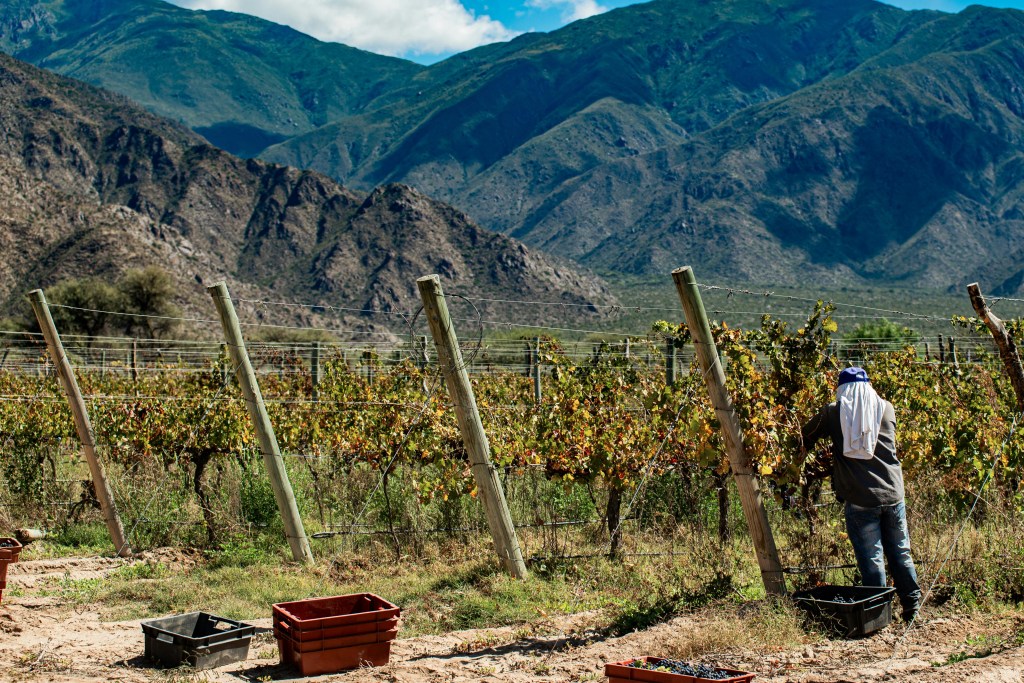
  • Altitude: Many Tommasi vineyards sit at high elevations, ensuring excellent sun exposure and natural acidity in the grapes. 

Tommasi Winery: A Wine and Travel Destination 

Beyond winemaking, Tommasi has embraced luxury wine tourism, offering visitors a chance to experience the magic of their estates. 

  • Vineyard Tours: Explore the lush vineyards and their unique approach to viticulture. 
  • Wine Tastings: Indulge in tastings of Amarone, Ripasso and other Tommasi specialities. 
  • Tommasi Wine Shop: Take home exclusive bottles that aren’t available anywhere else. 
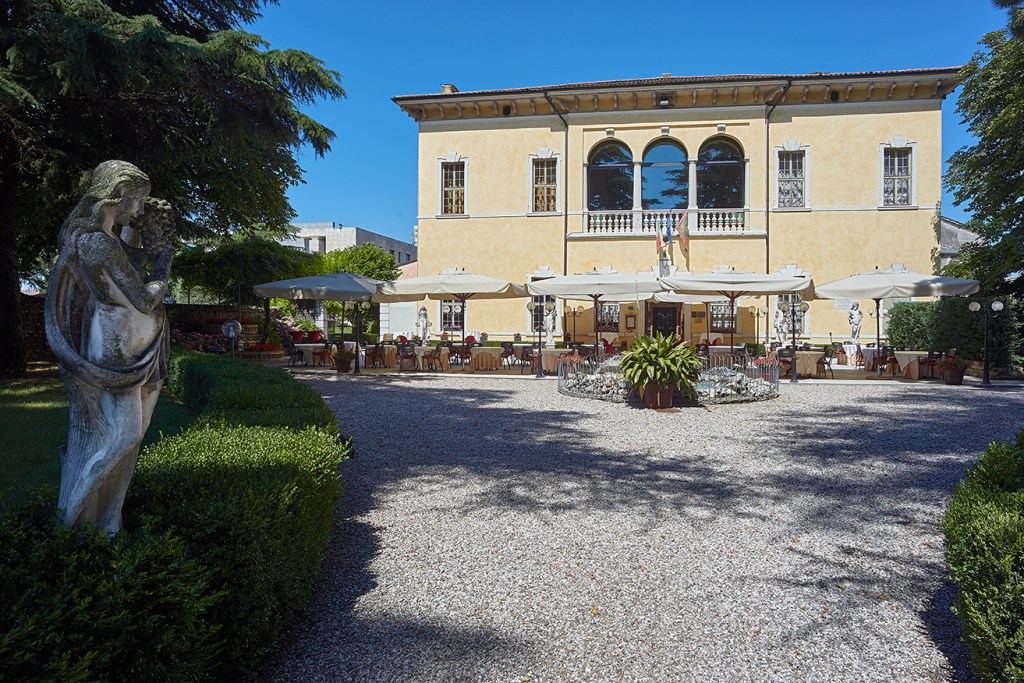
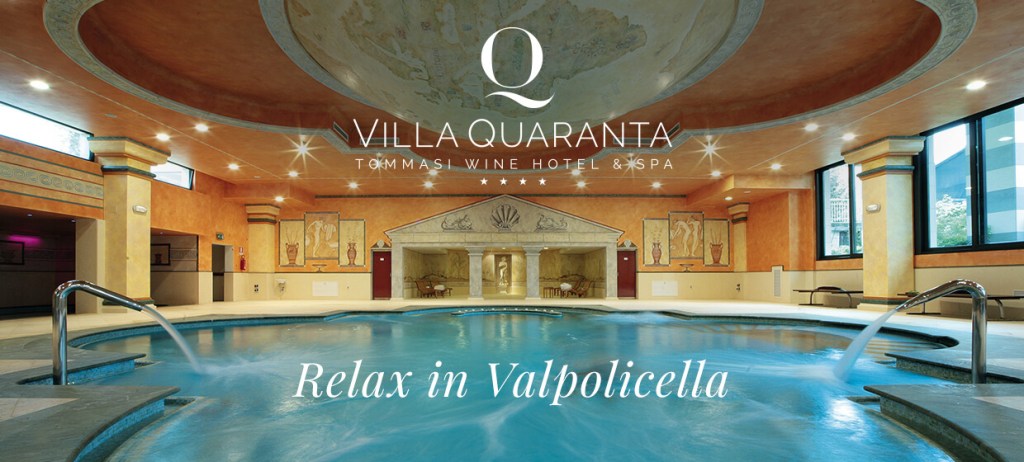
  • Luxury stay: The Tommasi hospitality experience extends to their stunning Villa Quaranta Tommasi Wine Hotel & Spa, offering a perfect retreat in the heart of Valpolicella. 

Villa Quaranta: Where Luxury, Wine and Wellness Come Together in the Heart of Valpolicella

Nestled in the breathtaking Valpolicella region, Villa Quaranta Tommasi Hotel & Spa is more than just a place to stay. It’s an experience that beautifully blends luxury, relaxation and the rich heritage of Tommasi wines. Set in the historic 17th century villa, this elegant retreat offers world class hospitality with deep rooted connections to the land, making it the perfect getaway for wine lovers, spa enthusiasts and travelers looking to immerse themselves in Italian culture. 

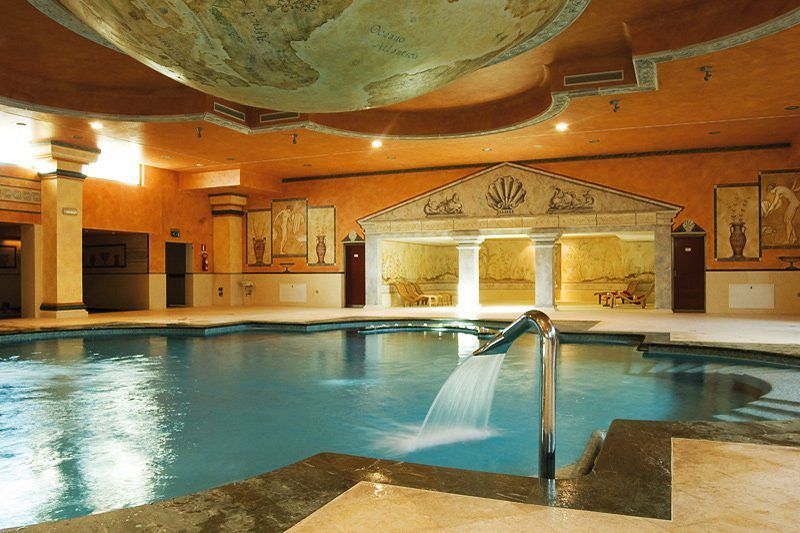
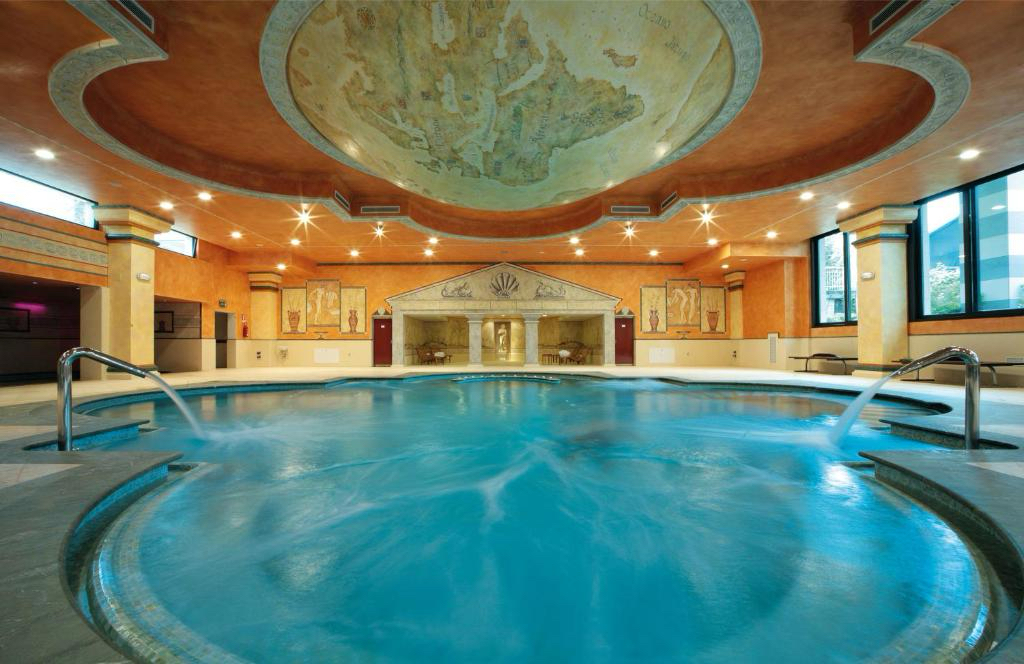
At Villa Quaranta, indulgence takes center stage. The “Terme Della Valpolicella Spa” is a sanctuary of wellness, featuring thermal pools, saunas and Vinotherapy treatments that harness the power of the local terroir. Guests can unwind in the stunning spa, sip on some of Tomassi’s finest wines and enjoy a culinary journey at Borgo Antico Restaurant, where local flavors and fine wines come together in perfect harmony. Whether you are planning a romantic escape, a Wine fueled adventure, a dreamy wedding, Villa Quaranta provides an unforgettable setting that exudes both charm and sophistication. 

Wine Tourism in Valpolicella & Beyond:

Valpolicella and the surrounding Veneto region are a paradise for wine enthusiasts. Whether you’re visiting for a luxury getaway, a deep dive into wine culture or simply to relax and enjoy the Italian countryside, this region has something for everyone. 

  • Sights to visit: Verona, Lake Garda and the rolling hills of Valpolicella 
  • Gastronomy: Enjoy authentic Risotto all’ Amarone or Pasta e Fagioli, paired with a perfect Tommasi Wine. 
  • Experiences: Vineyard rides, strolling through countryside or relaxing at a world class spa. 

The People Behind Tommasi Wines: 

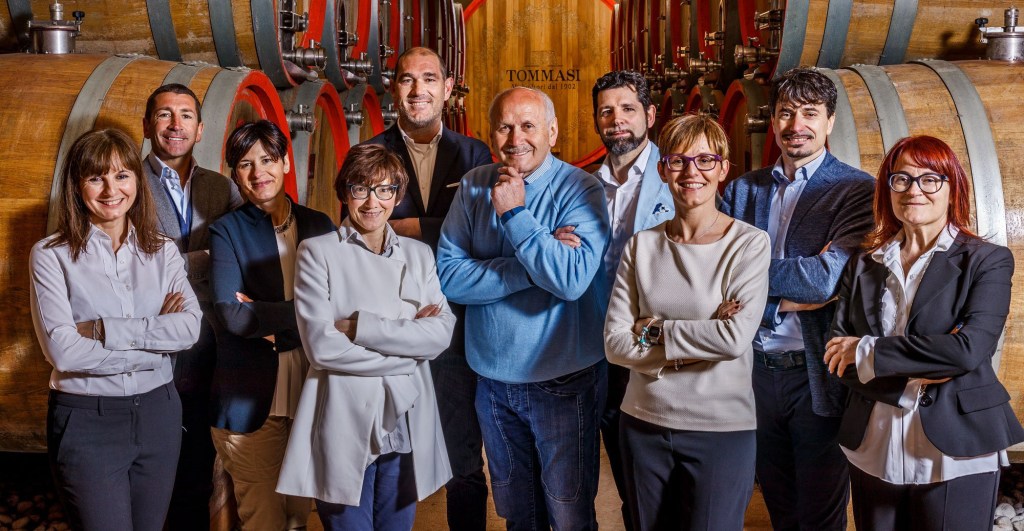
At the heart of Tommasi’s success is the dedicated family and passionate winemakers who work tirelessly to uphold their legacy. The fourth generation of the Tommasi family continues to expand their estates and innovate while maintaining the integrity of their wines. 

Tommasi Estate: A Timeless Icon of Fine Winemaking and Luxury Hospitality 

Tommasi is not just a winery, it’s an experience. A perfect blend of history, tradition and innovation. Whether you are a wine investor, collector or casual enthusiast, a visit to Tommasi Winery is a journey through the finest Italian winemaking . Each bottle of Tommasi winery tells a story of passion, craftsmanship and the beauty of Valpolicella. 

Wine as an asset, Wine Business & Wine Investment. Beyond the Bottle !

The Captivating world of wine. A lucrative business and investment opportunity. 

Wine has been long associated with luxury, culture and heritage. But beyond the pleasure of drinking it, wine has also become a significant business and investment opportunity. With global wine consumption growing and collectors turning rare vintages into financial assets, the wine industry has become a lucrative market for both wine enthusiasts and serious investors. 

In this blog, we’ll explore various aspects of the wine business and investment, from starting a collection to understanding the economics behind wine pricing and market trends. 

Starting your own collection:

  1. Research and Education: Understanding different wine regions, grape varieties and vintages is crucial. 
  1. Buy from Reputable sources: Whether it’s fine wine auctions like Sotheby’s or Christie’s or top wine merchants, authenticity and provenance matter. 
  1. Focus on Blue Chip Wine: Bordeaux First Growths, Burgundy Grand Crus and top Italian wines and Napa wines historically offer strong returns.
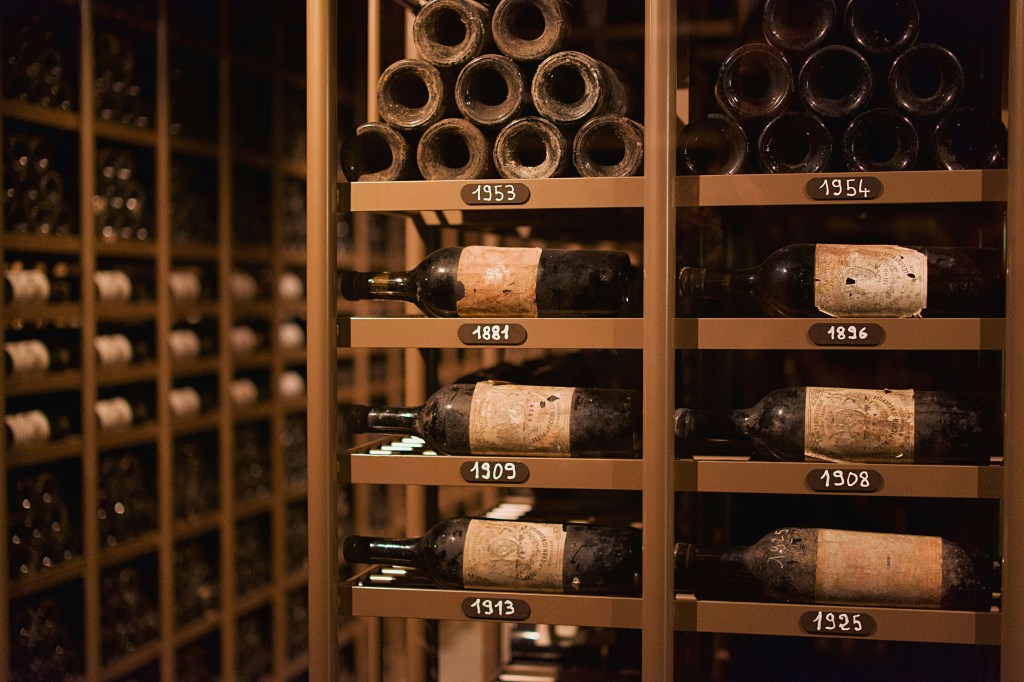
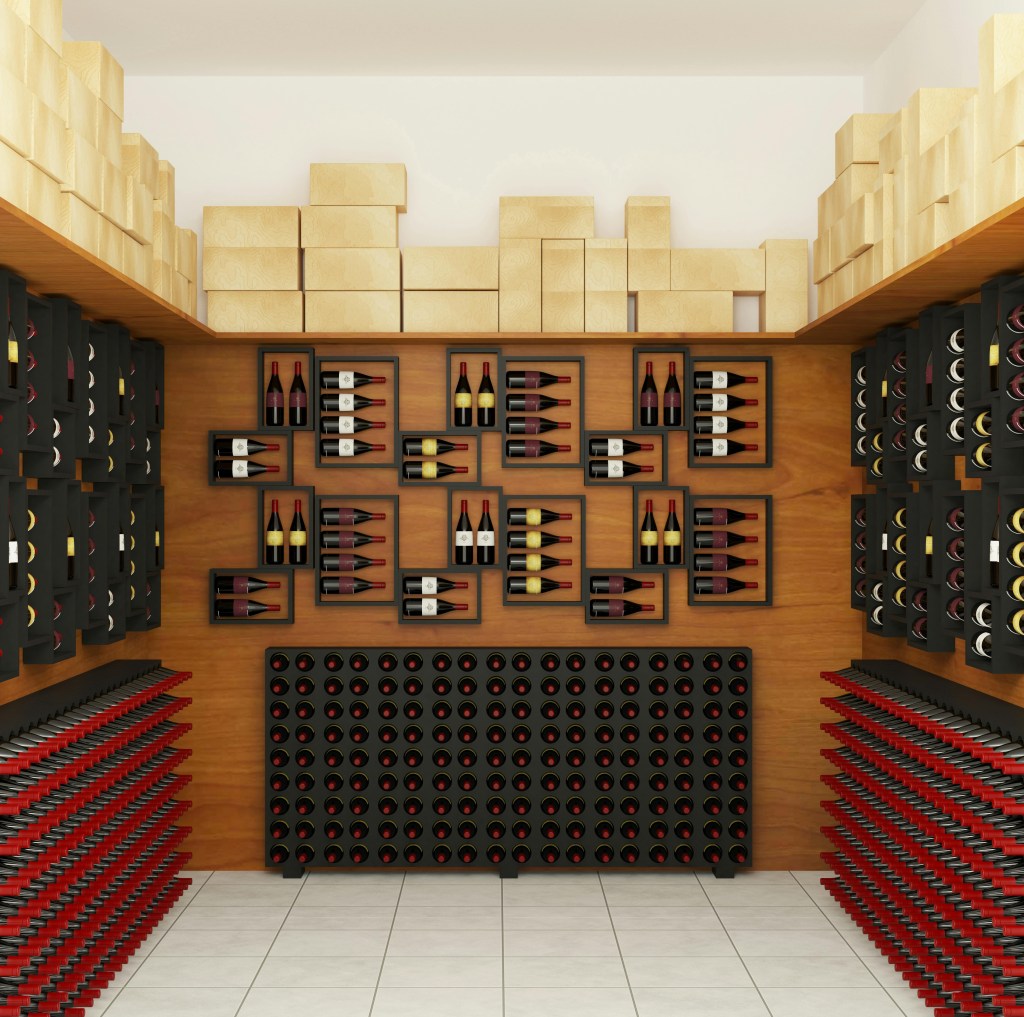
  1. Storage and Cellaring: Wine needs proper storage at around 55 degrees F (13 degrees C) and 70% humidity. Consider professional storage facilities to maintain value. 
  1. Diversify your portfolio: Don’t just focus on Bordeaux, explore Tuscan wines, Champagne and emerging regions like Argentina, Spain, South Africa 

Is Fine Wine Profitable ? Market trends and Insights :

Fine wine has outperformed traditional investments like stocks and gold in recent years. Let’s look at some key market insights:

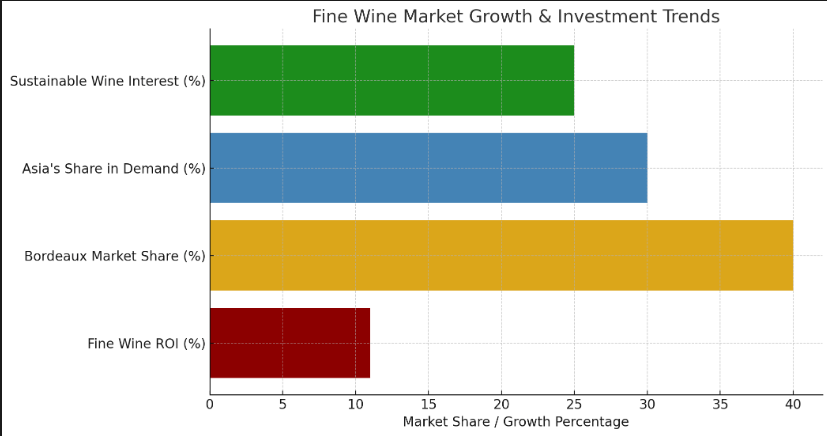
  • Fine Wine Market Growth: According to Liv-ex Fine wine 1000 index, fine wine investments have shown an average annual return of 10-12% over the past decade. 
  • Bordeaux Dominance: Bordeaux still represents nearly 40% of the secondary wine market. 
  • Global Demand: Asia, particularly China and Hong Kong, has become a major buyer of luxury wines, increasing the value of rare bottles.

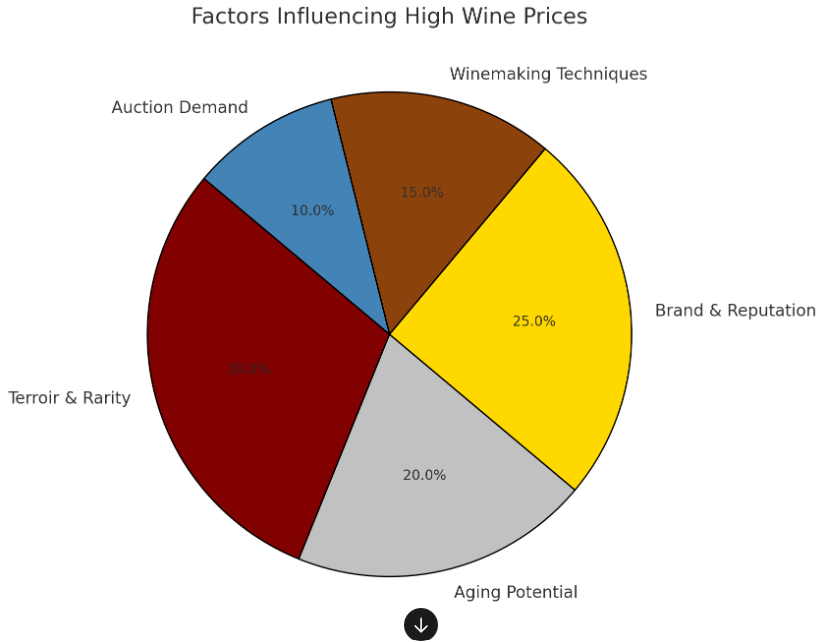
The Economics of Wine Pricing – What Makes Some Bottles Cost Thousands? 

  1. Terroir and Rarity: Wines from prestigious vineyards are scarce and highly sought after. 
  1. Aging Potential: Wine with long aging potential attracts collectors willing to pay a premium. 
  1. Brand and Reputation: Established estates like Château Lafite Rothschild or Domaine Leroy command higher prices due to legacy and quality. 
  1. Winemaking Techniques: Hand harvested, barrel aged and meticulously crafted wines often cost more. 
  1. Auction and Collector Demand: The resale market through Sotheby’s or Bonhams drives up prices for rare vintages. 

The Role Wine Critics and Ratings – How much influence do they have ?

Critics all around the globe have immense influence over wine prices and consumer demand. 

  • High Ratings = Higher Prices: A 95+ score from wine advocate can significantly increase a wine’s value overnight. 
  • Market Trends: Critics’ recommendations shape consumer preferences, shifting demand between regions and varieties. 
  • Investment Decisions: Many collectors and investors rely on critic scores to determine which wines to buy and hold. 

Other Key Aspects of Wine Business and Investment: 

  1. Wine Futures ( En Primeur) – Investing Before Bottling: Buying wine before it’s bottled allows investors to acquire top vintages at lower prices. Bordeaux’s En Primeur market is a prime example of how futures trading works in the wine industry.
  1. Wine Tourism and Experiential Investment: Luxury wine tourism is booming. Wineries in Napa Valley, Tuscany and Bordeaux offer exclusive vineyard experiences, driving both brand value and sales. 
  1. Technology and Blockchain in Wine Investment: New platforms use blockchain to verify wine authenticity and prevent counterfeiting, making investment safer for collectors. 

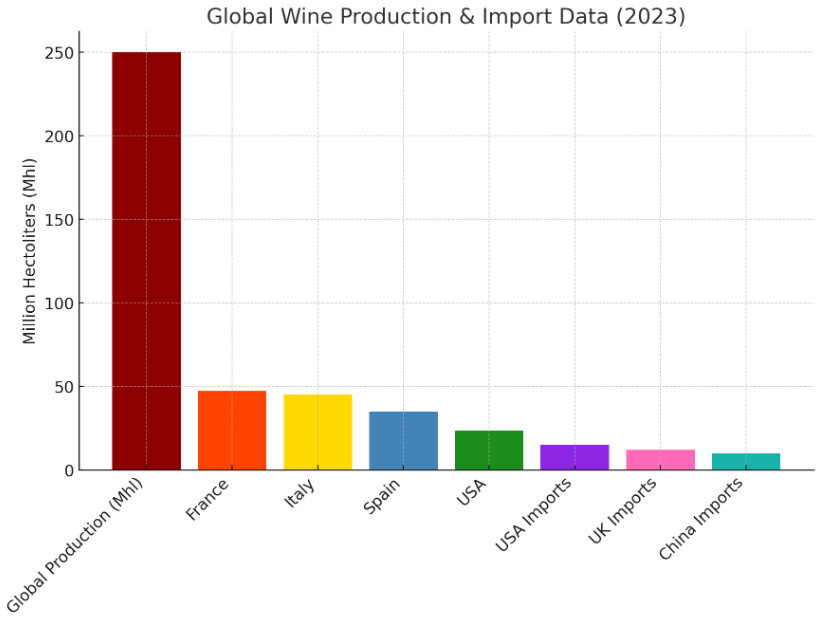
Global Wine Productions and Trade Data:

  • Global Wine Production (2023) : Approximately 250 million hectolitres (OIV data) 
  • Top Producing Countries: France, Italy, Spain, USA
  • Top Importing Countries: USA, UK, China 

Conclusion:

Wine business and investment require knowledge, patience and strategies. While fine Wine can yield impressive returns, it’s also a passion driven market where understanding the nuances of wine regions, aging potential and market trends is crucial. Whether you are looking to start a collection, invest in Wine funds or explore luxury wine tourism, the world of Wine offers endless opportunities for both profit and business.