
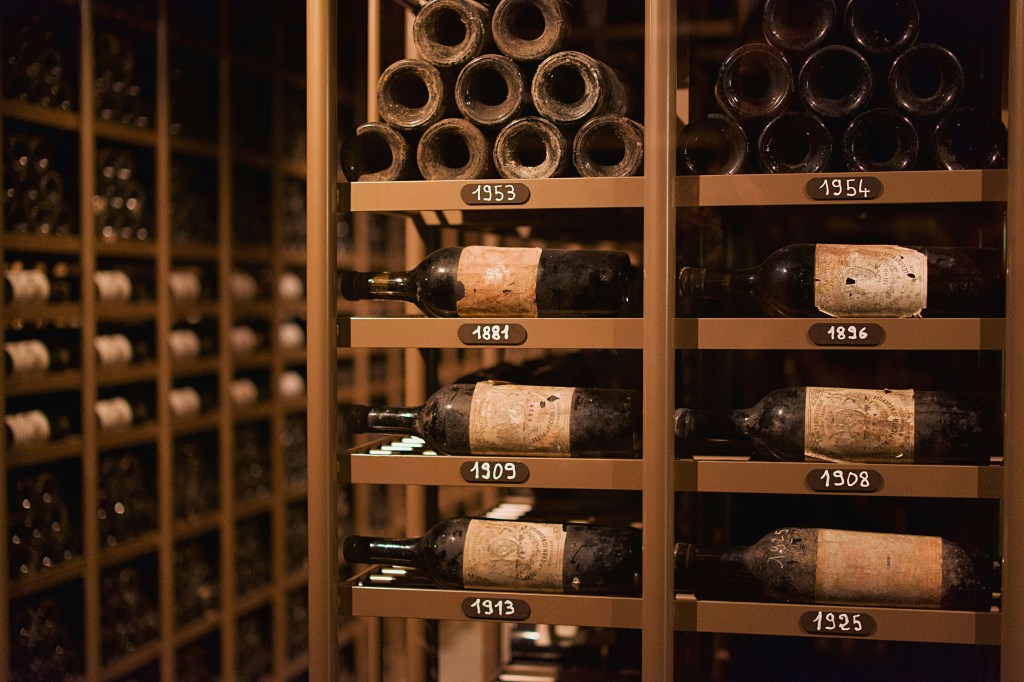
The Captivating world of wine. A lucrative business and investment opportunity.
Wine has been long associated with luxury, culture and heritage. But beyond the pleasure of drinking it, wine has also become a significant business and investment opportunity. With global wine consumption growing and collectors turning rare vintages into financial assets, the wine industry has become a lucrative market for both wine enthusiasts and serious investors.
In this blog, we’ll explore various aspects of the wine business and investment, from starting a collection to understanding the economics behind wine pricing and market trends.
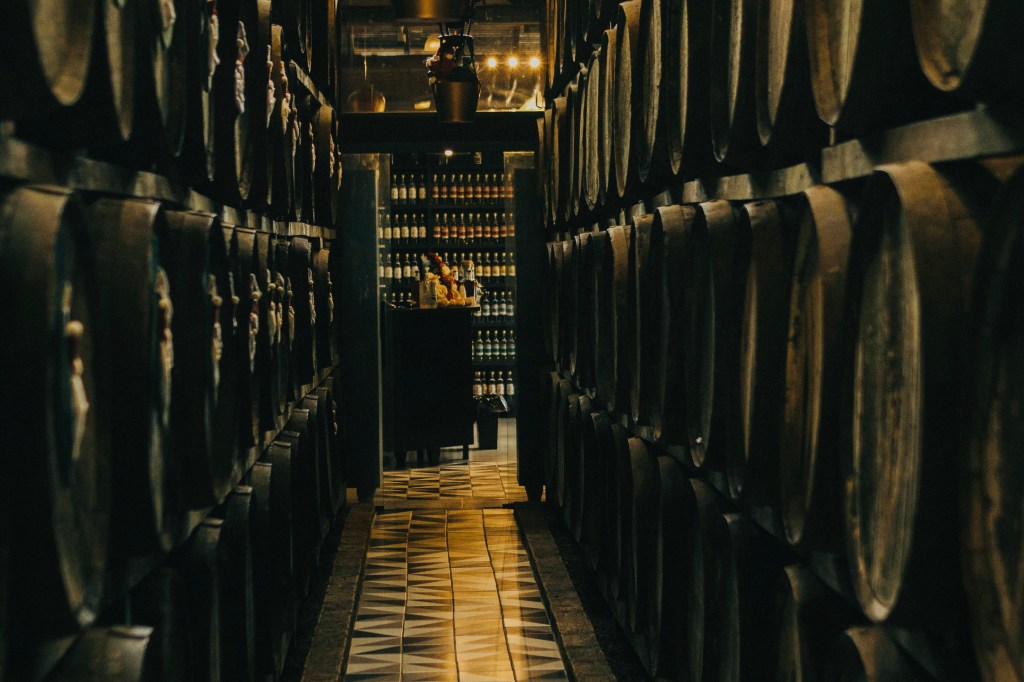
Starting your own collection:
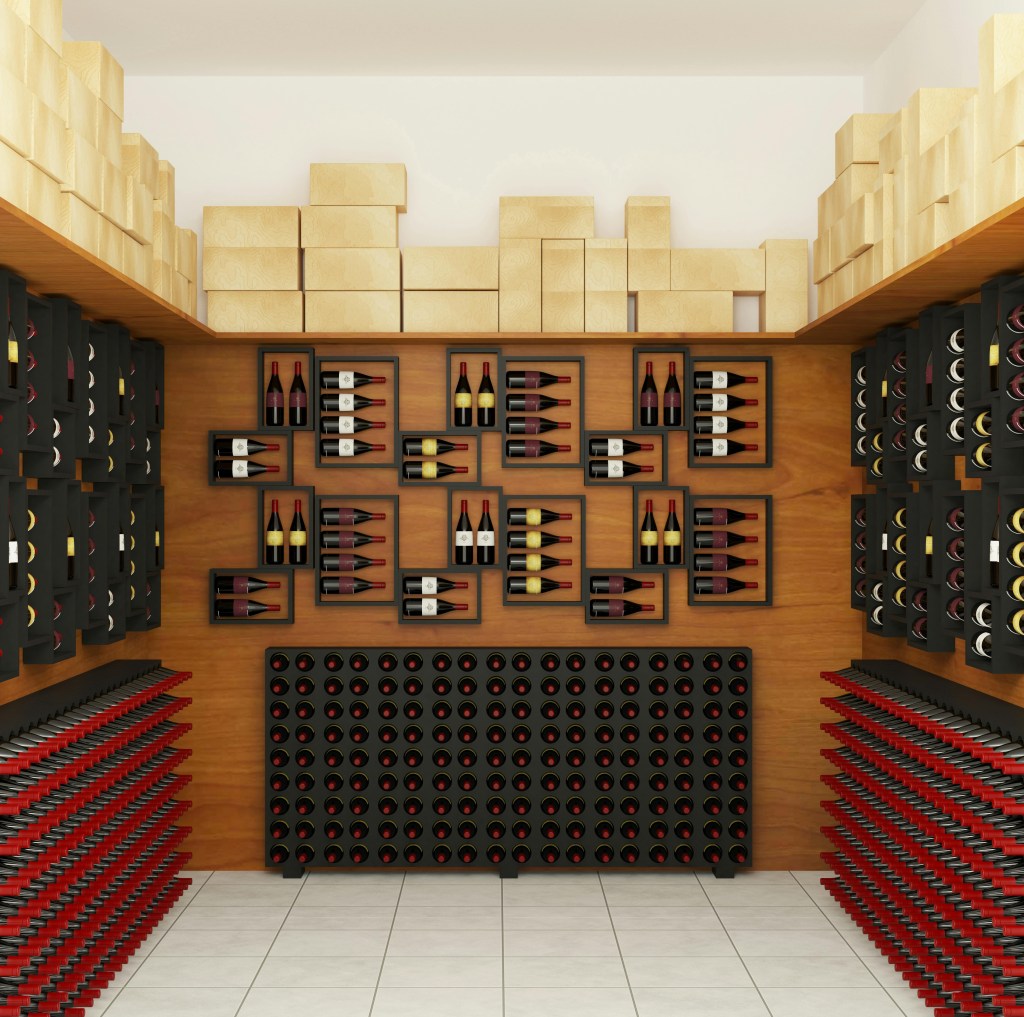
- Research and Education: Understanding different wine regions, grape varieties and vintages is crucial.
- Buy from Reputable sources: Whether it’s fine wine auctions like Sotheby’s or Christie’s or top wine merchants, authenticity and provenance matter.
- Focus on Blue Chip Wine: Bordeaux First Growths, Burgundy Grand Crus and top Italian wines and Napa wines historically offer strong returns.
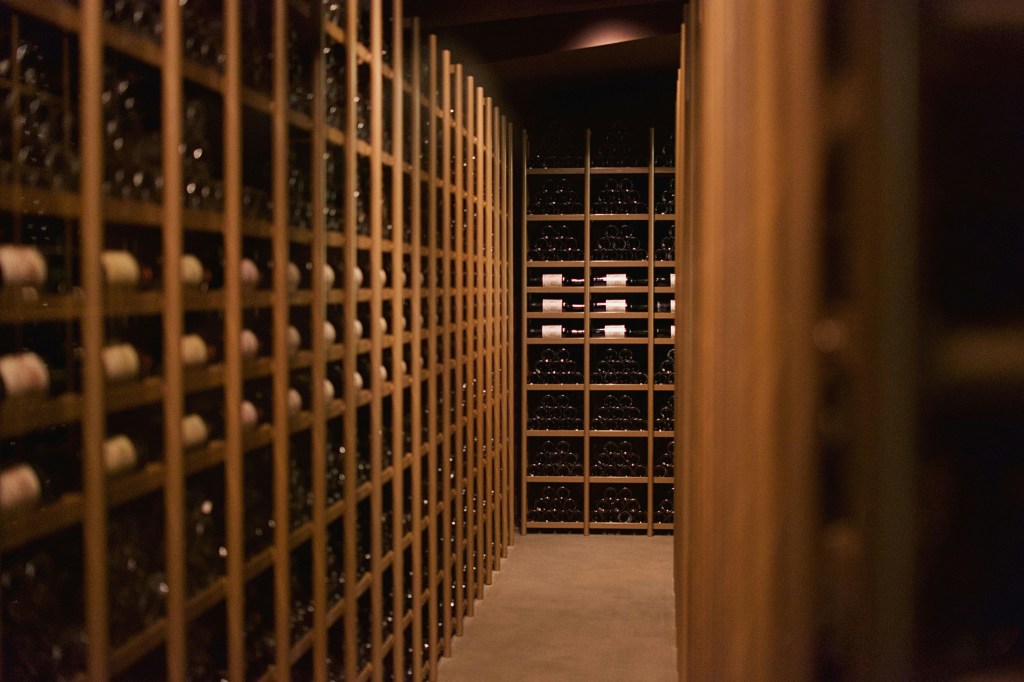
- Storage and Cellaring: Wine needs proper storage at around 55 degrees F (13 degrees C) and 70% humidity. Consider professional storage facilities to maintain value.
- Diversify your portfolio: Don’t just focus on Bordeaux, explore Tuscan wines, Champagne and emerging regions like Argentina, Spain, South Africa
Is Fine Wine Profitable ? Market trends and Insights :
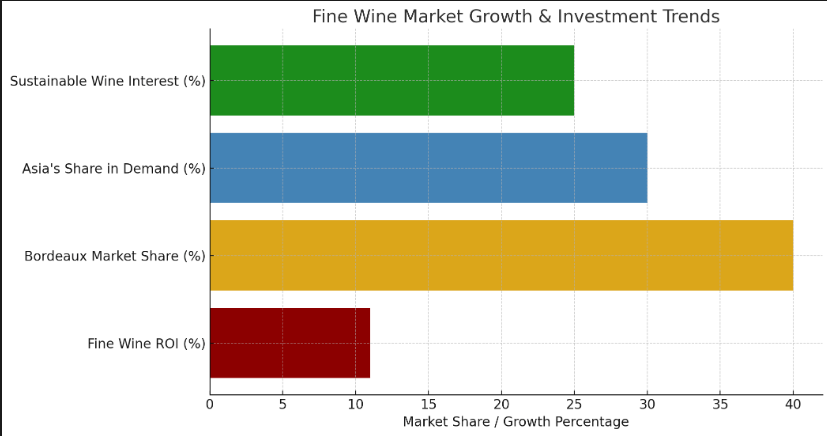
Fine wine has outperformed traditional investments like stocks and gold in recent years. Let’s look at some key market insights:
- Fine Wine Market Growth: According to Liv-ex Fine wine 1000 index, fine wine investments have shown an average annual return of 10-12% over the past decade.
- Bordeaux Dominance: Bordeaux still represents nearly 40% of the secondary wine market.
- Global Demand: Asia, particularly China and Hong Kong, has become a major buyer of luxury wines, increasing the value of rare bottles.
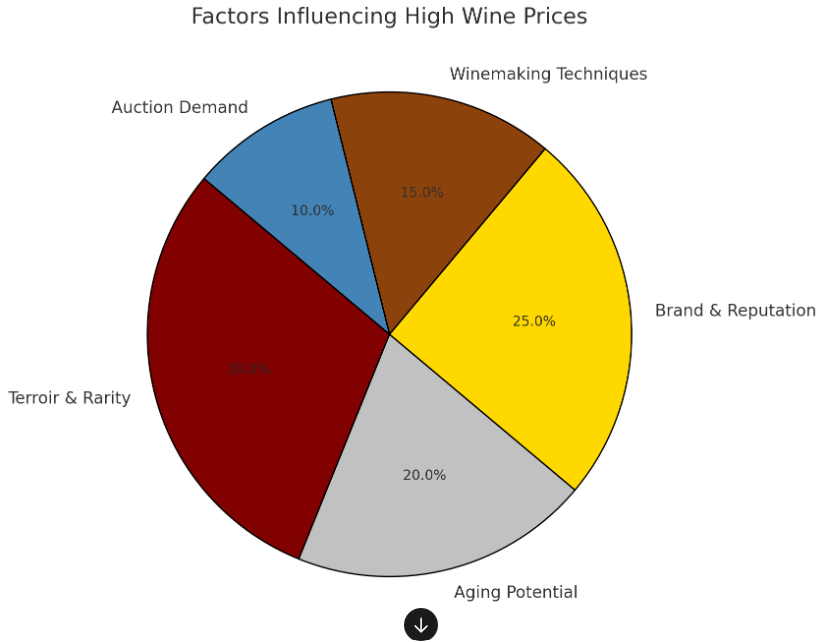
The Economics of Wine Pricing – What Makes Some Bottles Cost Thousands?
- Terroir and Rarity: Wines from prestigious vineyards are scarce and highly sought after.
- Aging Potential: Wine with long aging potential attracts collectors willing to pay a premium.
- Brand and Reputation: Established estates like Château Lafite Rothschild or Domaine Leroy command higher prices due to legacy and quality.
- Winemaking Techniques: Hand harvested, barrel aged and meticulously crafted wines often cost more.
- Auction and Collector Demand: The resale market through Sotheby’s or Bonhams drives up prices for rare vintages.
The Role Wine Critics and Ratings – How much influence do they have ?
Critics all around the globe have immense influence over wine prices and consumer demand.
- High Ratings = Higher Prices: A 95+ score from wine advocate can significantly increase a wine’s value overnight.
- Market Trends: Critics’ recommendations shape consumer preferences, shifting demand between regions and varieties.
- Investment Decisions: Many collectors and investors rely on critic scores to determine which wines to buy and hold.
Other Key Aspects of Wine Business and Investment:
- Wine Futures ( En Primeur) – Investing Before Bottling: Buying wine before it’s bottled allows investors to acquire top vintages at lower prices. Bordeaux’s En Primeur market is a prime example of how futures trading works in the wine industry.
- Wine Tourism and Experiential Investment: Luxury wine tourism is booming. Wineries in Napa Valley, Tuscany and Bordeaux offer exclusive vineyard experiences, driving both brand value and sales.
- Technology and Blockchain in Wine Investment: New platforms use blockchain to verify wine authenticity and prevent counterfeiting, making investment safer for collectors.
Global Wine Productions and Trade Data:
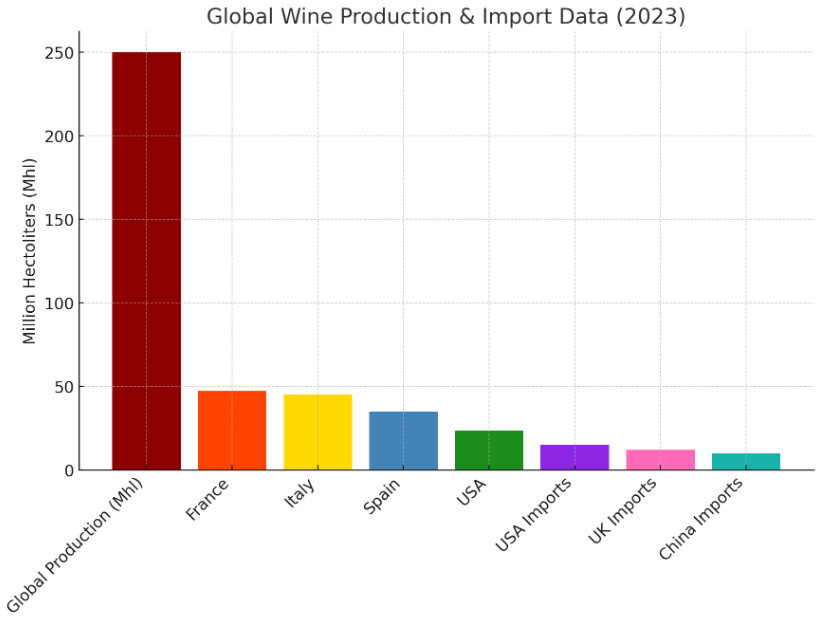
- Global Wine Production (2023) : Approximately 250 million hectolitres (OIV data)
- Top Producing Countries: France, Italy, Spain, USA
- Top Importing Countries: USA, UK, China
Conclusion:
Wine business and investment require knowledge, patience and strategies. While fine Wine can yield impressive returns, it’s also a passion driven market where understanding the nuances of wine regions, aging potential and market trends is crucial. Whether you are looking to start a collection, invest in Wine funds or explore luxury wine tourism, the world of Wine offers endless opportunities for both profit and business.
 sagarsareen_wis