
Uncorking strategic supply, the real market shift and Vinitaly 2025
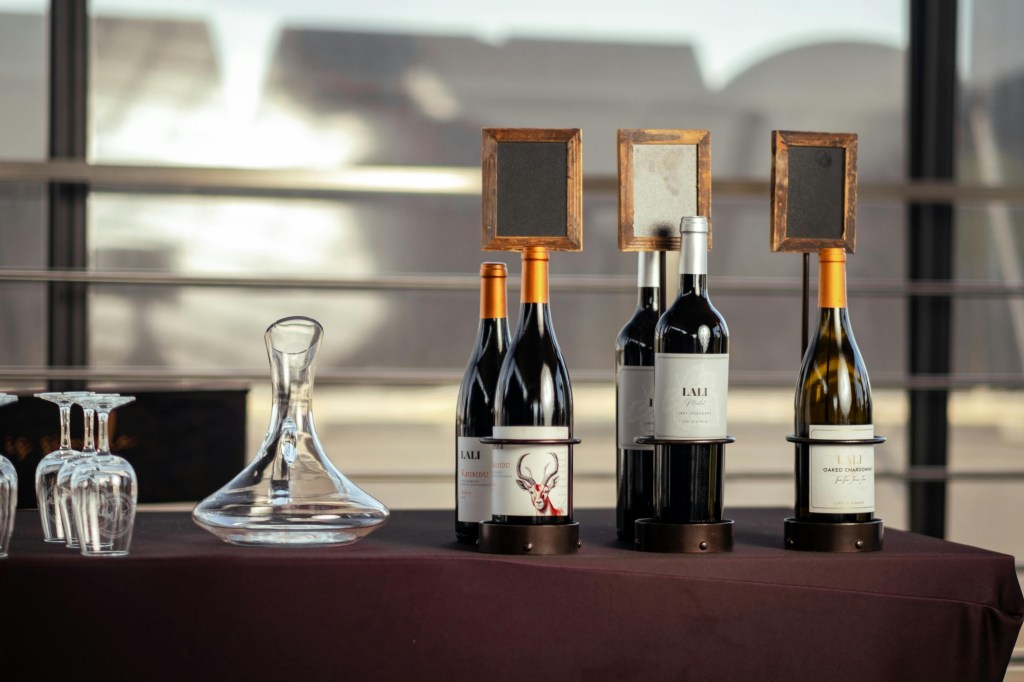
The wine industry today is not just about what’s in the bottle, it’s about how the bottle gets there, who controls its story and what the shifting forces of economics, supply chain and global trade mean for its future. The six key factors that are redefining the business of wine in 2025 and beyond.
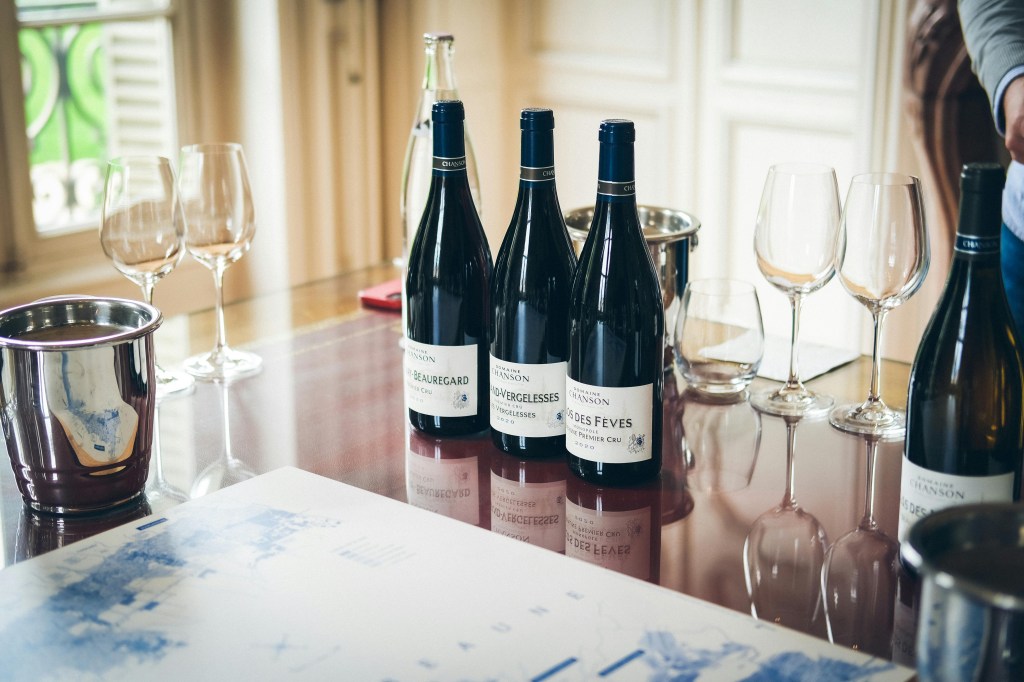
The Economics of a Bottle: What Really Determines the Price of Wine ?
From Tuscany to Napa, the cost behind a single bottle of wine is layered. In Italy, the average cost to produce a mid range bottle can range from 2.50 Euro to 7.00 Euro, while in France, depending on the region and appellation, it ranges from 3 Euro to 9 Euro. In the US, due to higher labour and land costs, production can climb up to $ 12-15 per bottle even for mid tier wines.
Key Components Include:
- Vineyard Operations: Labour intensive, especially in hand harvested regions.
- Winemaking and Cellaring: Barrels, storage, temperature control
- Packaging: Labels, Corks, capsules and bottles
- Distribution and Export Duties: Often 20-40% of the total cost
- Marketing and Branding: Luxury perception can sometimes double the price
What we see is that artisanal winemakers invest heavily in vineyard care and manual work, leading to higher upfront costs but better quality. In contrast, industrial wineries benefit from economic lies of scale, mechanisation and leaner distribution chains.
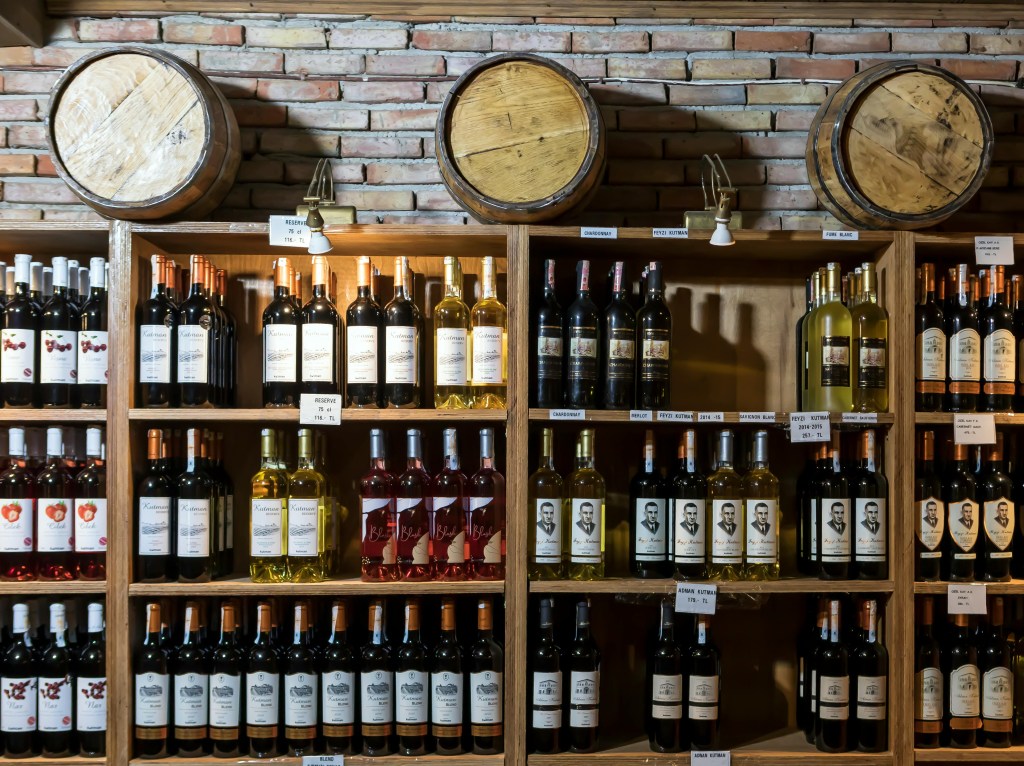
Private Labels & Supermarket Wines: A Quiet Industry Power Move
Private labels have quietly become a massive force. Carrefour, Lidl and Costco are commissioning wineries to produce exclusive wines under their own branding. These wines can undercut traditional labels by 20-40%, while offering attractive margins to retailers.
The Result?
- Disruption to traditional brand loyalty
- Increased pressure on small wineries
- Tighter margins for legacy producers
However, private labels are also giving rise to new partnerships between winemakers and retailers, sometimes granting small producers access to international shelves they otherwise couldn’t reach.
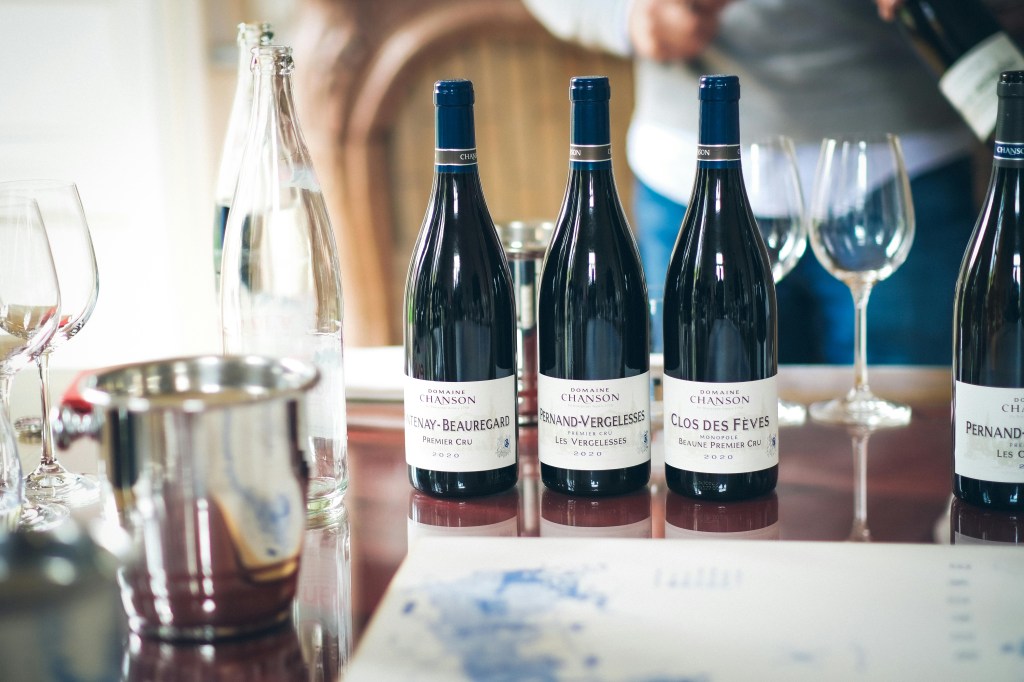
The Rise of Cooperative Wineries and Their Role in the Modern Market
At Vinitaly 2025, cooperatives from Emilia Romagna and Alto Adige to Languedoc stood tall. Why? Because cooperative models are empowering small growers to:
- Share equipment and production facilities
- Gain collective bargaining power
- Reach export markets with stronger branding
For example, Caviro in Italy is now one of the country’s largest wine producers by volume, yet it’s built entirely on the contributions of small scale members. These models are not just survival, they’re about competing effectively in a consolidating global market.
Glass, Labels, Corks : The Supply Chain Crisis You Never Heard About
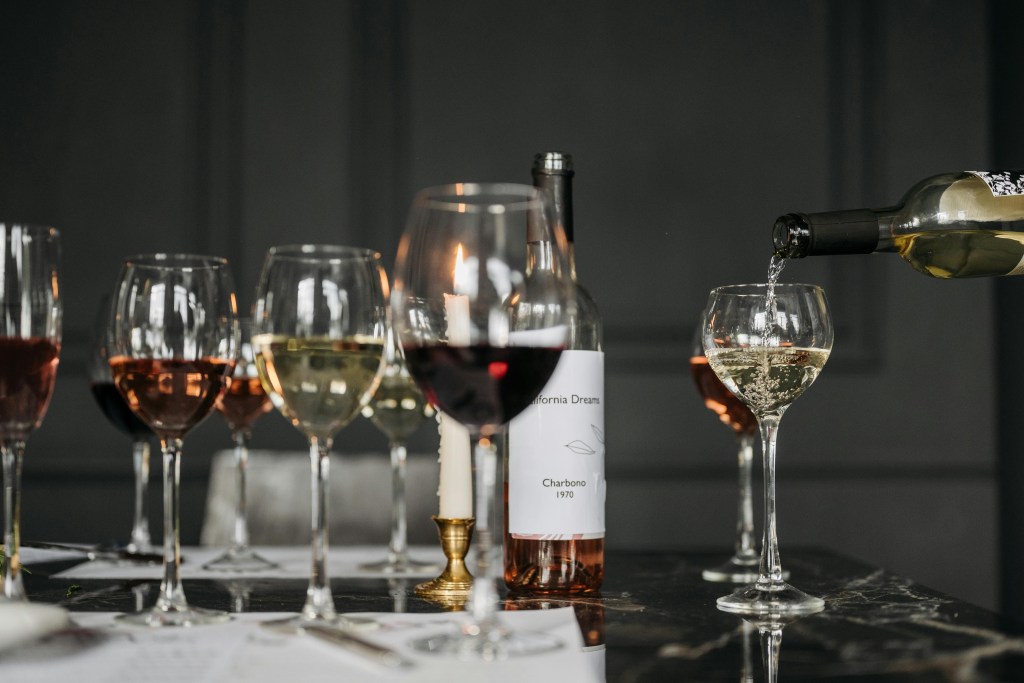
Post COVID logistics have exposed the fragility of wine packaging supply chains. From a shortage of glass bottles to delay in cork deliveries, many producers are struggling to meet demand.
Some figures:
- Glass costs rose by 30-50% from 2021 to 2024
- Cork prices have risen to 20% due to increased demand and climate impacts on cork oak forests.
Sustainable packaging has become a focal point:
- Lighter bottles to reduce carbon footprint
- Alternative closures like DIAM or screw caps
- Recycled paper labels
Luxury producers now face a paradox: maintaining prestige while embracing minimalist, eco friendly designs
Wine Marketing: From Tradition to Targeted Luxury
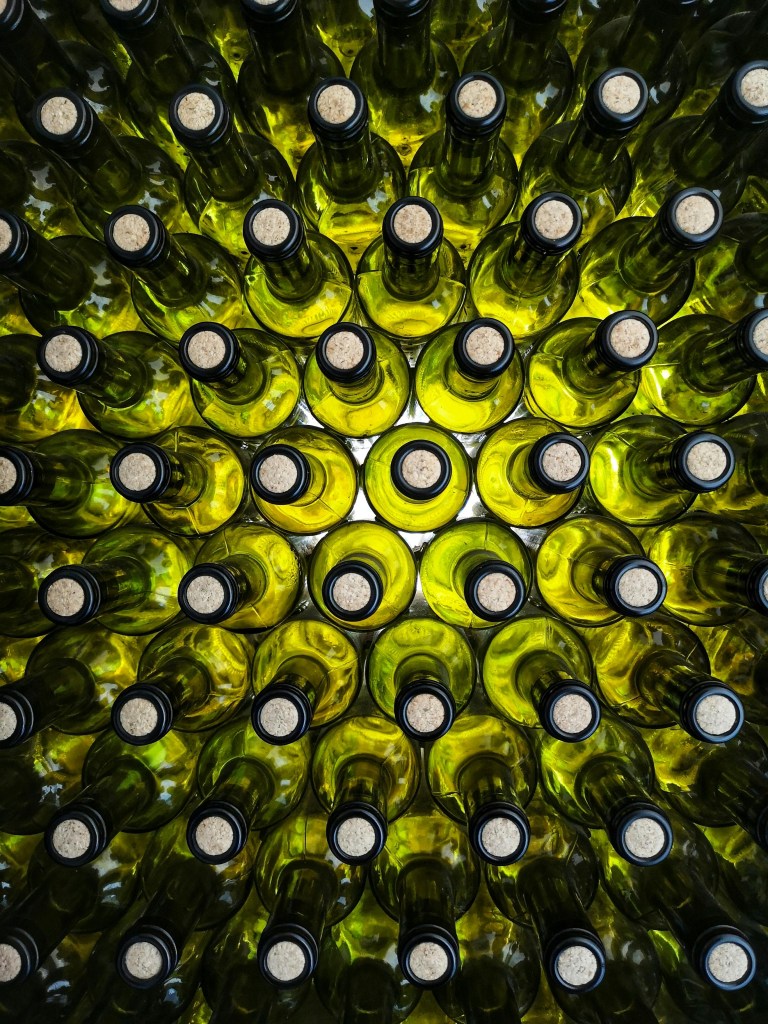
Heritage is no longer enough. The modern wine consumer, especially in the premium and luxury segments, wants connection, authenticity and experience.
Emerging strategies:
- Micro targeted storytelling on social media platforms
- Data driven campaigns with geolocation targeting
- Digital sommelier services for high end clients
Example: A Piedmont producer saw a 47% increase in online DTC sales after launching a mobile first luxury campaign with storytelling built around family legacy and vineyard specifics.


Vinitaly 2025: Behind the Scenes of The Business of Wine
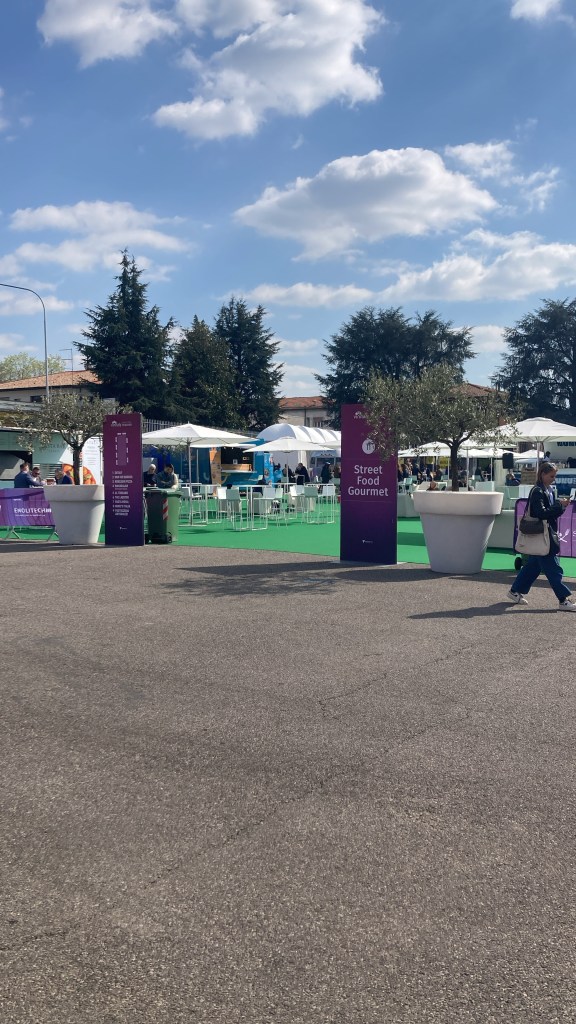
This year’s edition of Vinitaly wasn’t just about tastings, it’s about strategy. B2B halls were filled with export agents, private equity firms, digital marketing consultants and packaging innovators.
Trends Observed:
- Higher demand for wines from Southern Italy ( Campania, Puglia) driven by price value balance
- Rising interest in organic and biodynamic certifications as market differentiators
- Increased visibility for cooperative wineries and sustainable packaging firms
Final Pour:
The global wine business is at an inflection point. Price, packaging and perception are being redefined. Behind every bottle on the shelf lies a battle for relevance, shelf space and survival. From soaring glass costs to private label takeover and from cooperative resilience to marketing reinventions, the rules of the industry are being rewritten.

 sagarsareen_wis