
Power, Profit, Climate Change, Blockchain, Counterfeiting and the Future of an industry in Flux
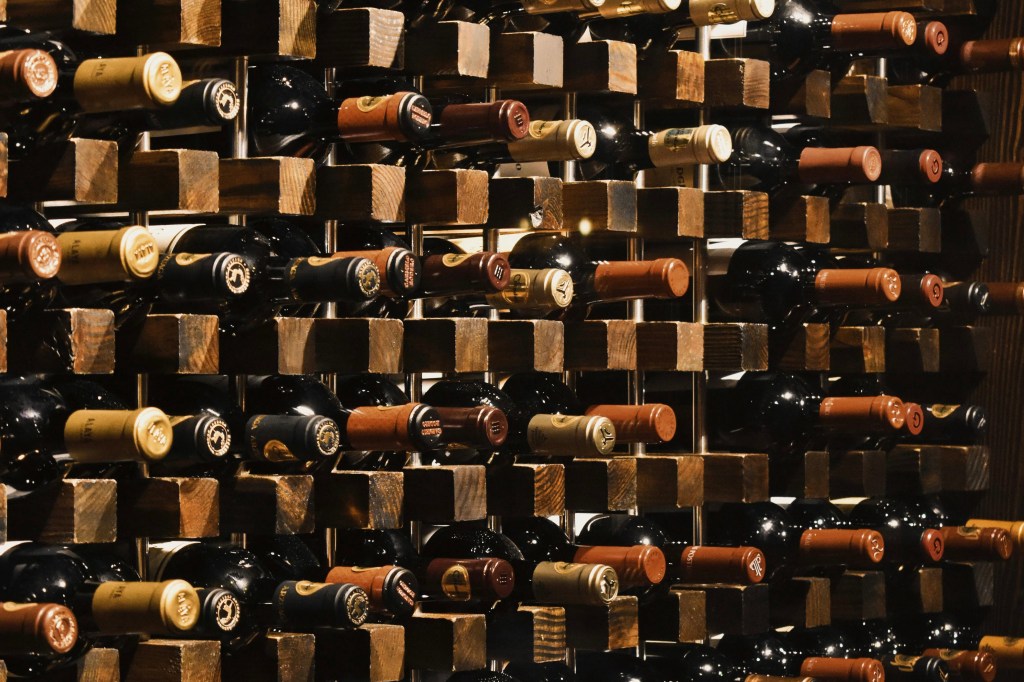
Wine has long been a symbol of culture, excellence and luxury, but behind every bottle lies a complex and evolving business. From climate change altering the world’s most famous vineyards to technological advancements redefining production, the wine industry is at a turning point. The question isn’t just what makes a great wine, it’s who controls the market, how profit flows and whether tradition can survive in an era of globalization and disruption.
Technology is Reshaping Winemaking:
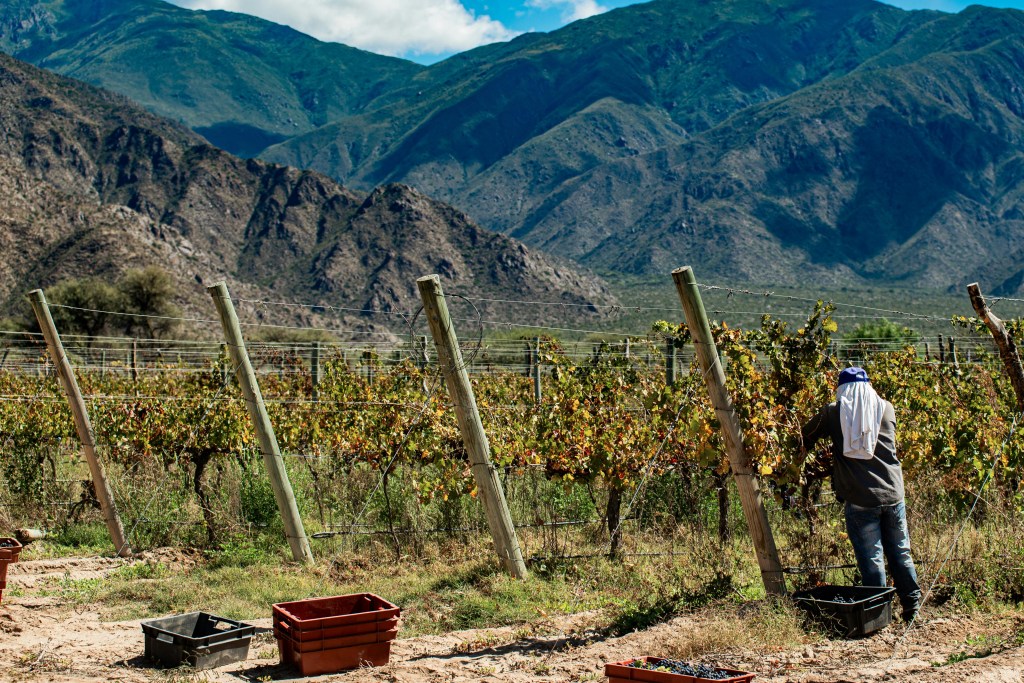
The romantic vision of winemakers carefully tending their vines is being replaced by a data driven revolution. AI powered vineyard management, drone assisted monitoring and smart irrigation systems are transforming viticulture, reducing waste and optimising grape quality. Blockchain is now being used to verify authenticity of fine wines, combating the billion dollar fraud problem that has plagued collectors and investors. Yet, with these advancements comes a pressing question: Will technology enhance winemaking, or will it strip away craftsmanship that has defined the industry for centuries ?


Climate Change: A Billion Dollar Threat to Vineyards
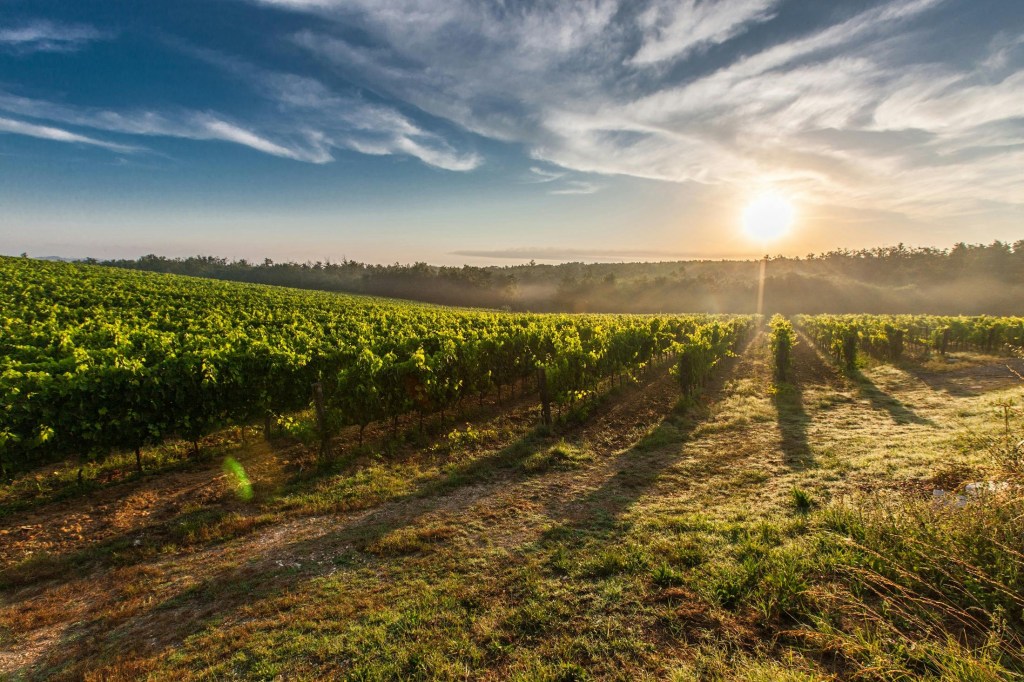
Rising temperatures, erratic weather patterns and wildfires are rewriting the Wine map. Traditional powerhouses like Bordeaux, Napa and Tuscany are being forced to adapt, while new regions such as England and Scandinavia are emerging as serious wine contenders. Producers are experimenting with heat resistant grape varieties and shifting to higher altitudes, but is adaptation enough ? Climate change is no longer a distant threat, it is already determining which vineyards will thrive and which will disappear in the coming decades. For investors and producers alike, the future of winemaking hinges on resilience and strategic foresight.

The Power Struggle: Who Really Controls the Wine Industry?
Beyond the vineyards, the business of wine is dominated by a handful of powerful distributors, global corporations and luxury groups. A few key players dictate pricing, market access and which wines reach consumers, leaving independent wineries to fight for visibility. Small producers with terroir driven wines often struggle to compete in an industry where marketing and branding can outweigh quality. The rise of direct to consumer sales and boutique distribution models is challenging this monopoly, but will these alternatives be enough to break the stronghold of corporate giants ?
The Influence of Oak ? Art or Marketing Hype ?
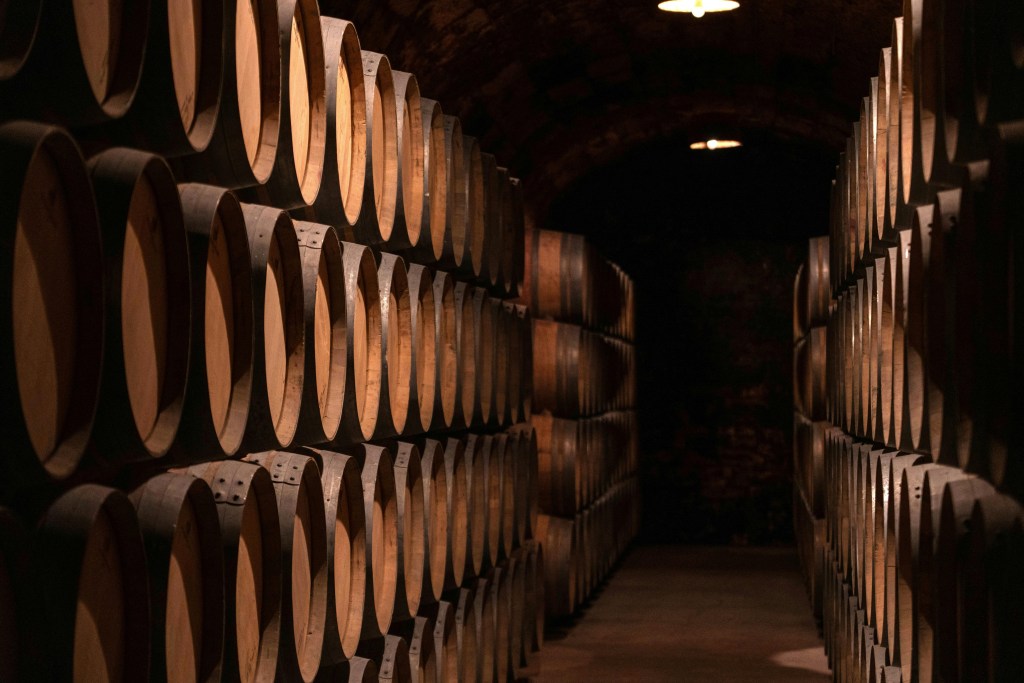
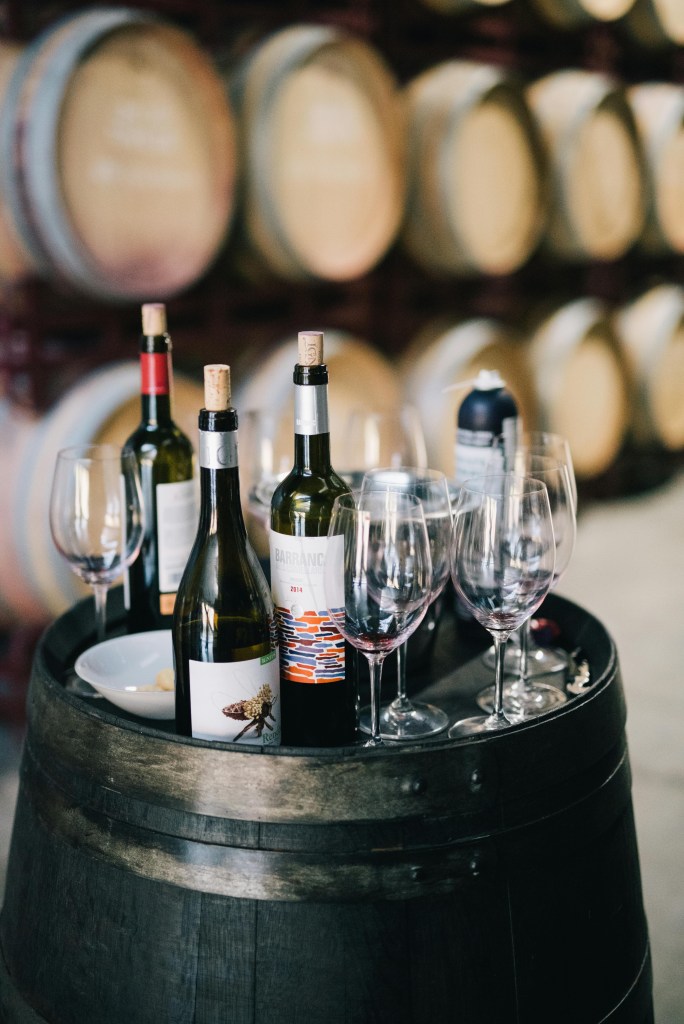
French oak, American oak, Hungarian oak, each imparts distinct flavors to Wine, influencing everything from texture to complexity. But in an industry where perception is everything, how much of oak aging is about genuine craftsmanship and how much is clever marketing ? As alternative aging techniques, like concrete tanks and amphorae, gain traction, consumers are beginning to question whether traditional barrel aging is an art or an outdated luxury designed to justify premium pricing.
The Forgotten Grapes Making a Comeback:
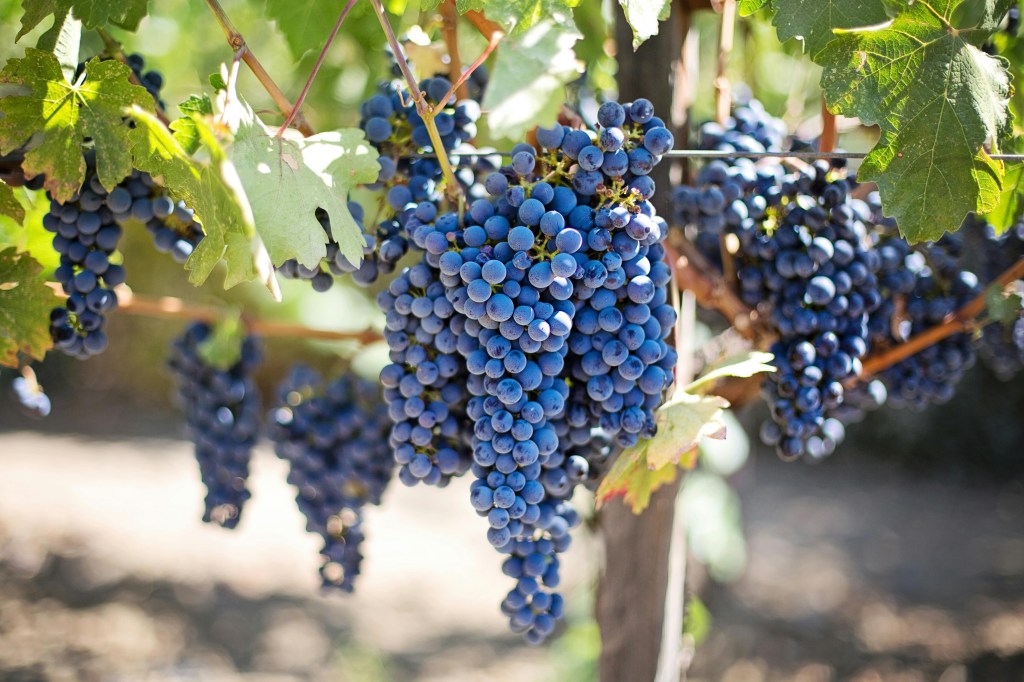
As consumers demand authenticity and diversity, rare and indigenous grape varieties are stepping into the spotlight. Wines once overshadowed by international favorites like Cabernet Sauvignon and Chardonnay are making a quieter powerful return. Timorasso, Trousseau and Xinomavro grapes nearly lost to industrial winemaking are now finding their place in boutique cellars. This resurgence is not just a nod to tradition but a strategic move by winemakers looking to differentiate themselves in a crowded market. The real question is: Can these grapes carve out a lasting space or are they just another passing trend?
The Truth About Wine Fraud and Counterfeiting:
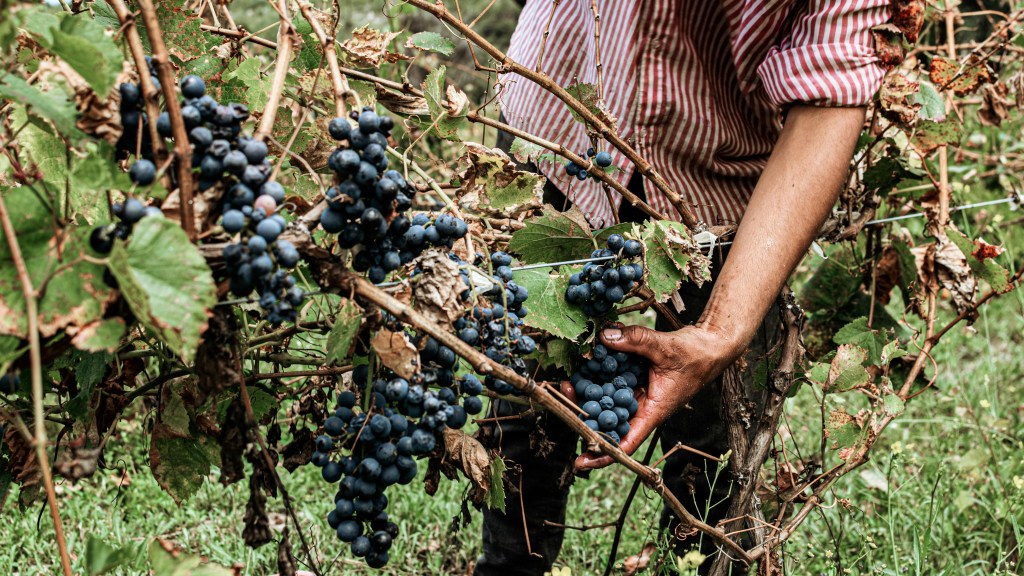
The fine wine market has become a playground for counterfeiters, with collectors losing millions to expertly faked bottles. Some of the world’s most expensive wines have been exposed as frauds, raising serious concerns from investors. With digital tracking, blockchain verification and forensic testing becoming the new norm, the industry is fighting back. However, the underground network of counterfeiters is always one step ahead, making wine fraud a game of high stakes deception.
Terroir: More Than Just a Marketing Buzzword !!
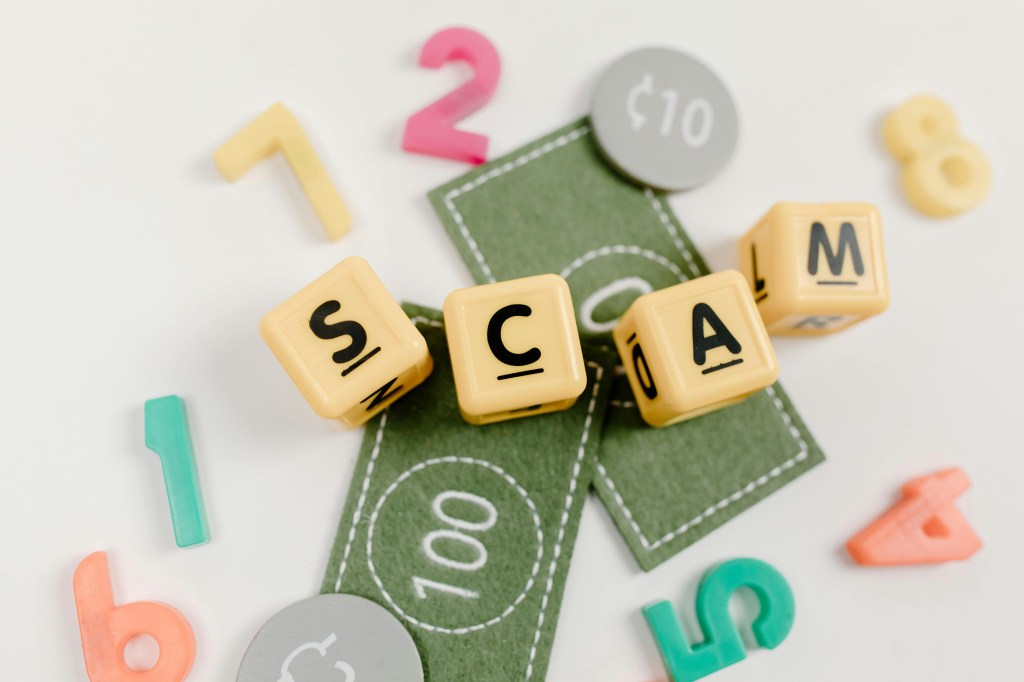
Soil, climate, altitude and even microorganisms shape a wine’s character, but in an era of mass production, does terroir still matter ? Large scale producers strive for consistency, often blending wines across regions to meet consumer expectations. Meanwhile, terroir driven winemakers argue that true luxury in wine comes from its unique sense of place. As the wine industry continues to scale, the battle between authenticity and marketability is more critical than ever.
The Rise of Wine Tourism: Business or Culture ?
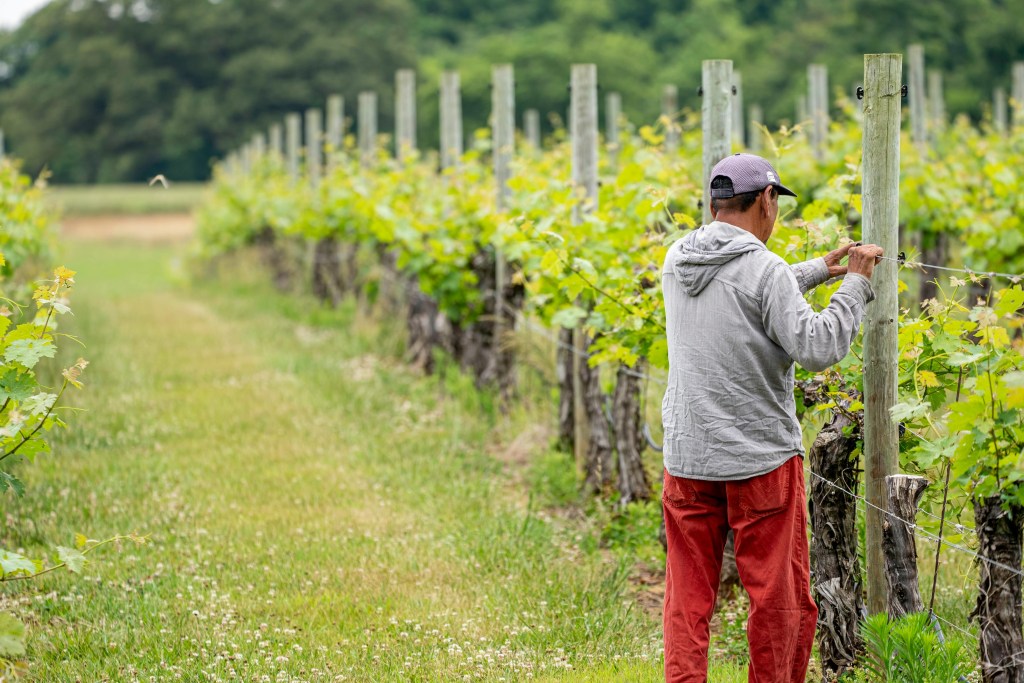
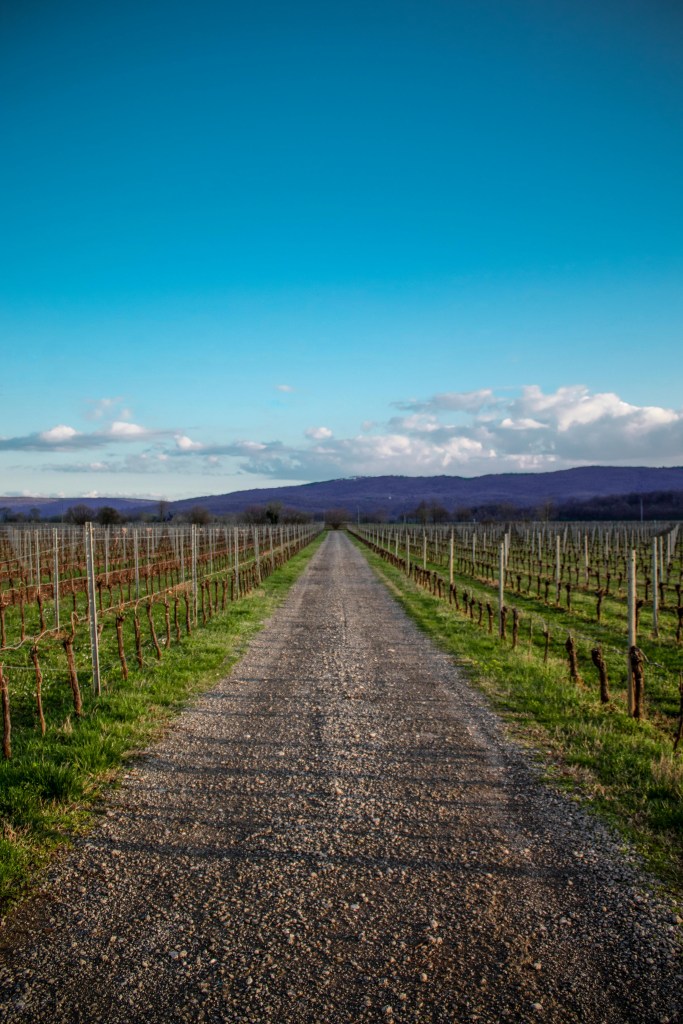
Wine tourism is no longer just about tastings, it has become a billion dollar industry. From Bordeaux’s grand châteaux to the rolling hills of Tuscany and the boutique estates of Argentina, wineries have transformed into luxury destinations. Hotels, Spas, fine dining and exclusive experiences now drive revenue just as much as bottle sales. But as wineries embrace commercialisation, some purists fear that the industry is losing its soul. Can a balance be struck between experience driven tourism and the preservation of winemaking heritage ?

Final Thoughts: The Business of Wine is Changing – Are You Ready ?
The wine industry is at a crossroads, caught between tradition and transformation. Whether it’s the power dynamics of global corporations, the looming threat of climate change or the rise of technology driven viticulture, one thing is clear: those who adapt will thrive, while those who resist change may be left behind. For investors, producers and Wine lovers alike, understanding these shifts isn’t just interesting, it’s essential.
 sagarsareen_wis