

How Global Trends and Policies are Reshaping the Wine Business !
The wine industry has always been a blend of tradition and commerce, but today, it’s navigating an era of profound transformation. From trade wars and taxation to the growing divide between luxury and mass market wines, the forces shaping the industry are more complex than ever.
Small wineries struggle to compete against industrial giants, tariffs dictate what lands on our shelves. Meanwhile, global consumption trends reveal shifting preferences and the silent crisis of water scarcity is an issue many in the industry can no longer ignore.
In this blog, we’ll explore these pressing challenges, backed by data and real world insights to understand where the global wine market is heading. Whether you’re a connoisseur, a Wine professional, a winemaker or someone who enjoys a good glass of wine, these issues impact the industry and your next bottle more than you think.

Luxury Vs. Mass Produced Wine:
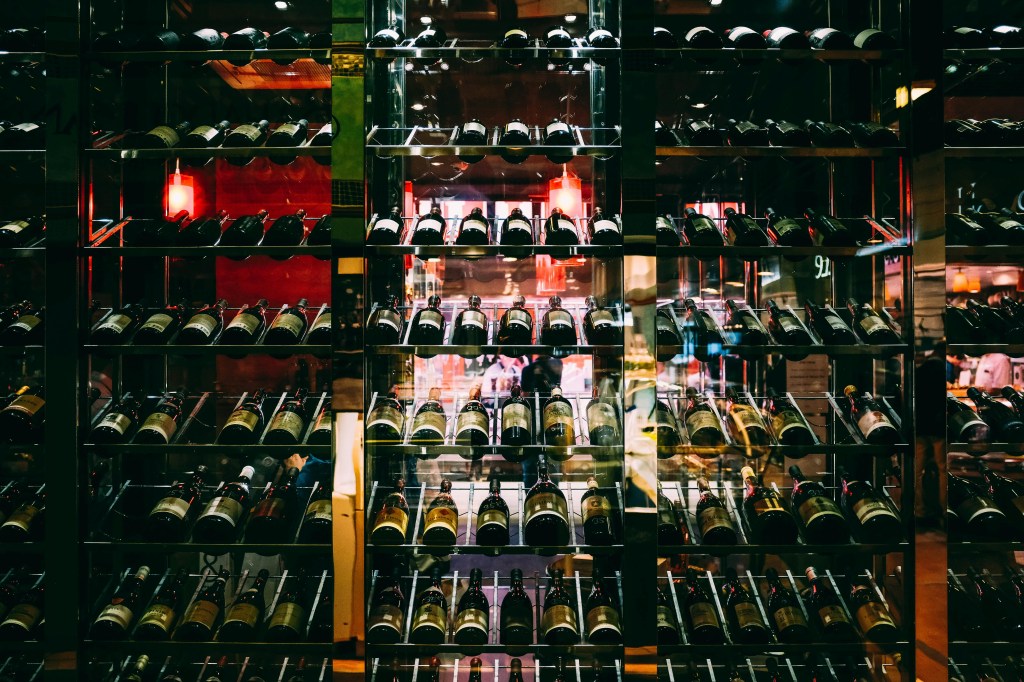
Luxury wines are often associated with prestige, craftsmanship and heritage. While a bottle of a luxury wine fetches thousands, a mass produced wine at a fraction of the price may taste as pleasant to the average consumer. Studies indicate that price often skews perception. Blind tastings have shown people prefer average priced wines when unaware of the label. But does that mean high end wines are all hype ? Not necessarily.
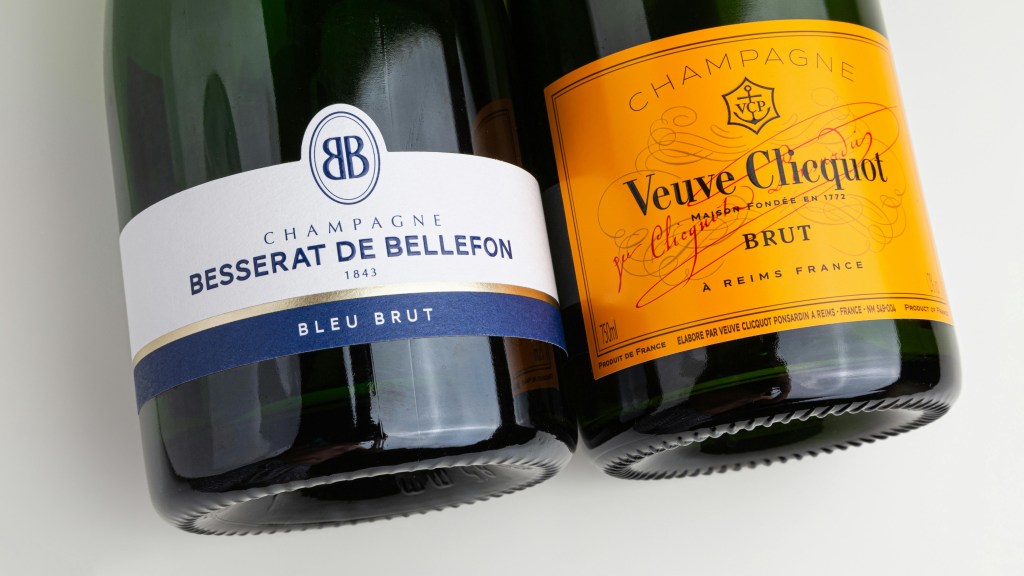
Luxury wines often involve lower yields, hand harvesting and meticulous aging processes. Mass produced wines on the other hand, prioritise volume over refinement, using advanced technology to create consistency. The real question is: Do consumers truly appreciate these differences or are they merely seduced by a brand name ?
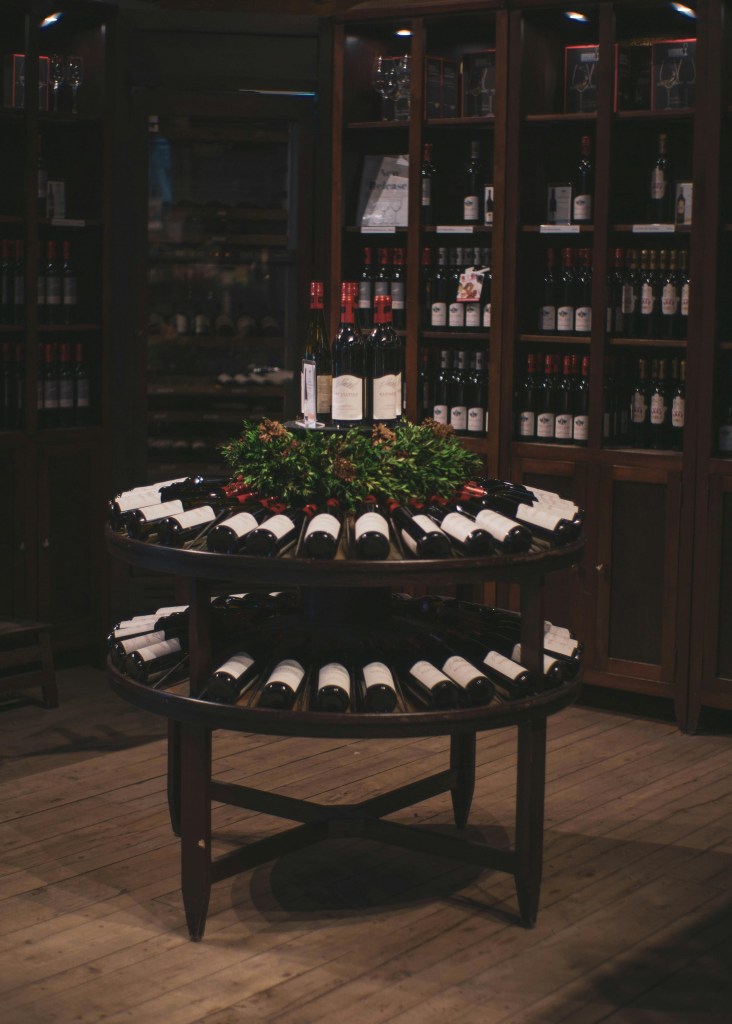
Wine, Trade Wars and Tariffs: How Politics decides What Ends Up in Your Glass
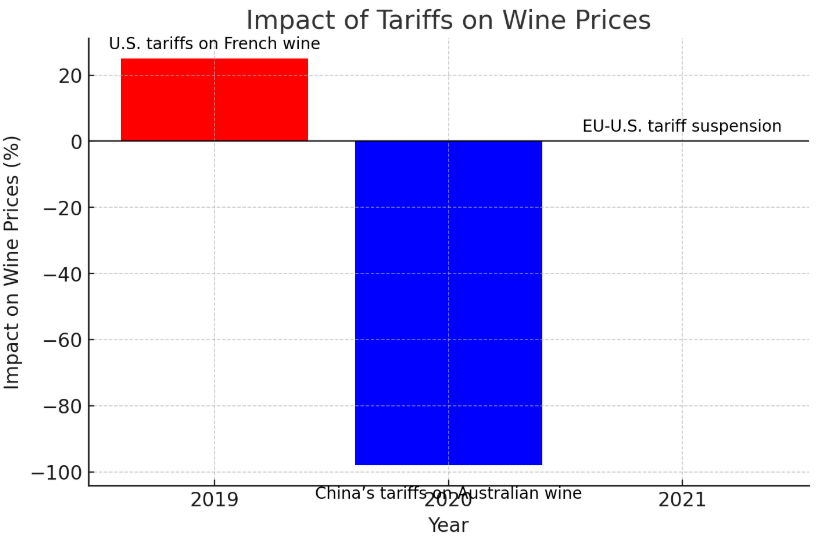
Wine is not just a product, it’s a geopolitical pawn. Recent trade wars have disrupted the global wine supply chain, making certain regions more expensive or inaccessible. Take the U.S – China trade war: China imposed a 93% tariff on Australian wines, causing exports to plummet. Similarly, the EU and US have exchanged tariff blows, impacting French, Italian and American wines alike. The irony ? These disputes hurt producers and consumers the most.
With Wine deeply intertwined with international trade, consumers unknowingly pay the price of political decisions. The question is: Will these disputes continue to shape what is available on shelves ?
The Struggle of Small Wineries Against Industrial Giants :
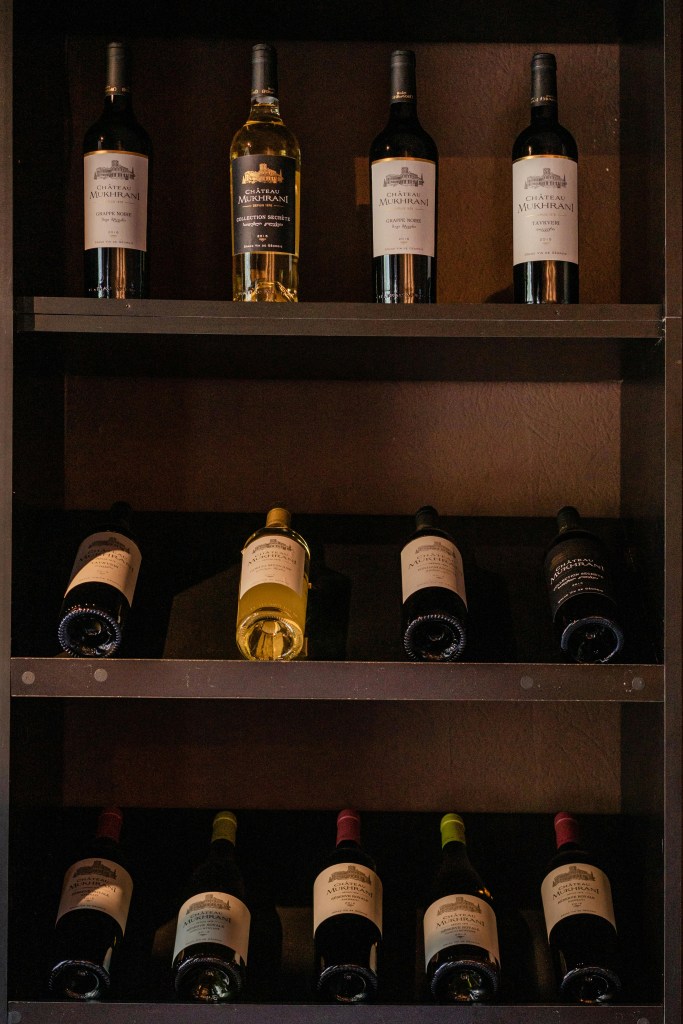
Small wineries, often family run for generations, are fighting an uphill battle against mass production behemoths. Large corporations buyout vineyards, controlling vast market shares while smaller producers struggle for distribution. For instance a global brand who is a major player, owns labels that appear artisanal but are part of a global conglomerate. Meanwhile, independent wineries face limited access to supermarket shelves and distribution channels. But, the rise of direct to consumer sales and boutique wine clubs are giving small producers a fighting chance.
Wine Taxation: Why Some Countries Pay Double for the Same Bottle
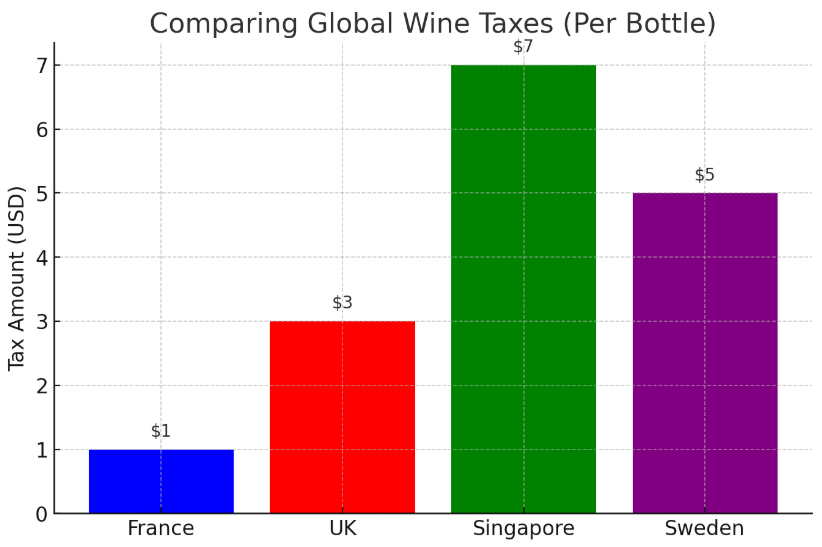
Why does a bottle of wine cost $10 in Spain but $30 in Singapore ? Wine taxation policies vary drastically and consumers rarely know the hidden costs they’re paying. High tax countries justify their policies with classifications, but ultimately, consumers bear the burden. Could taxation be restructured to support smaller producers while maintaining fair pricing ?
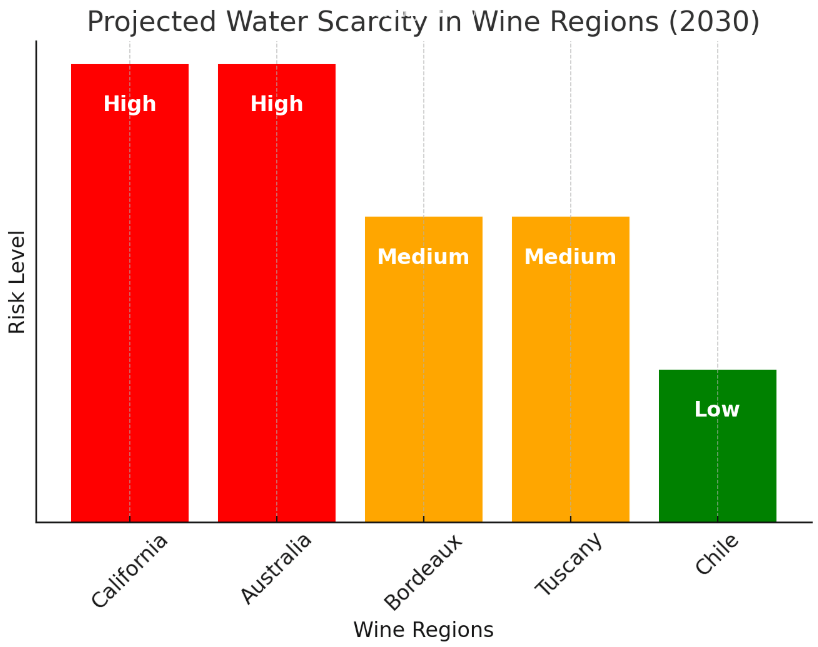
Water Wars in Vineyards: The Silent Crisis No One Talks About
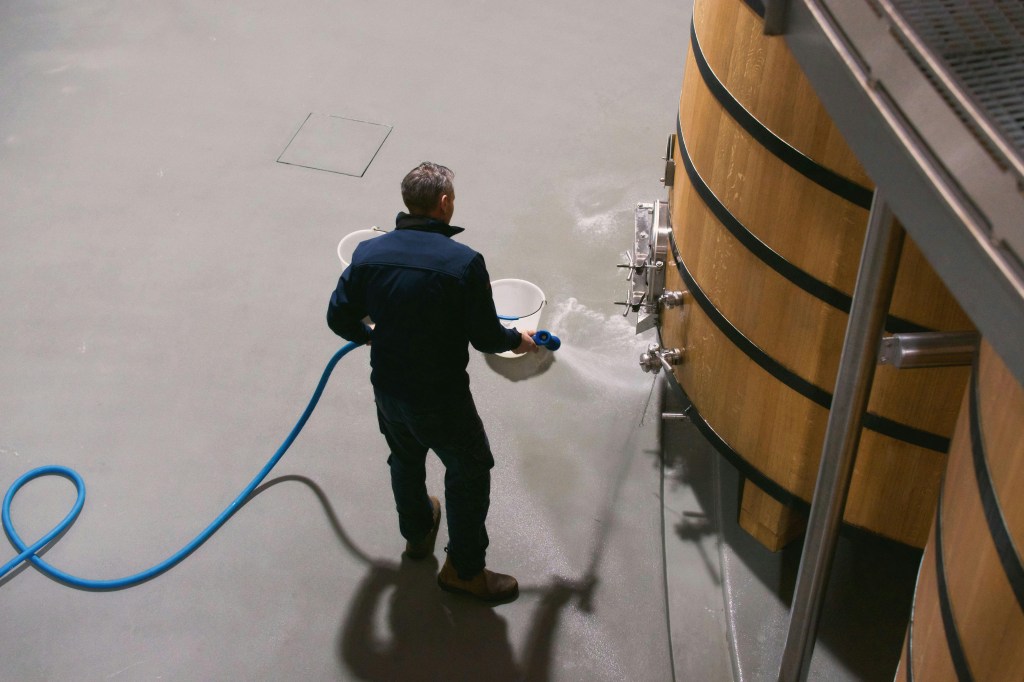
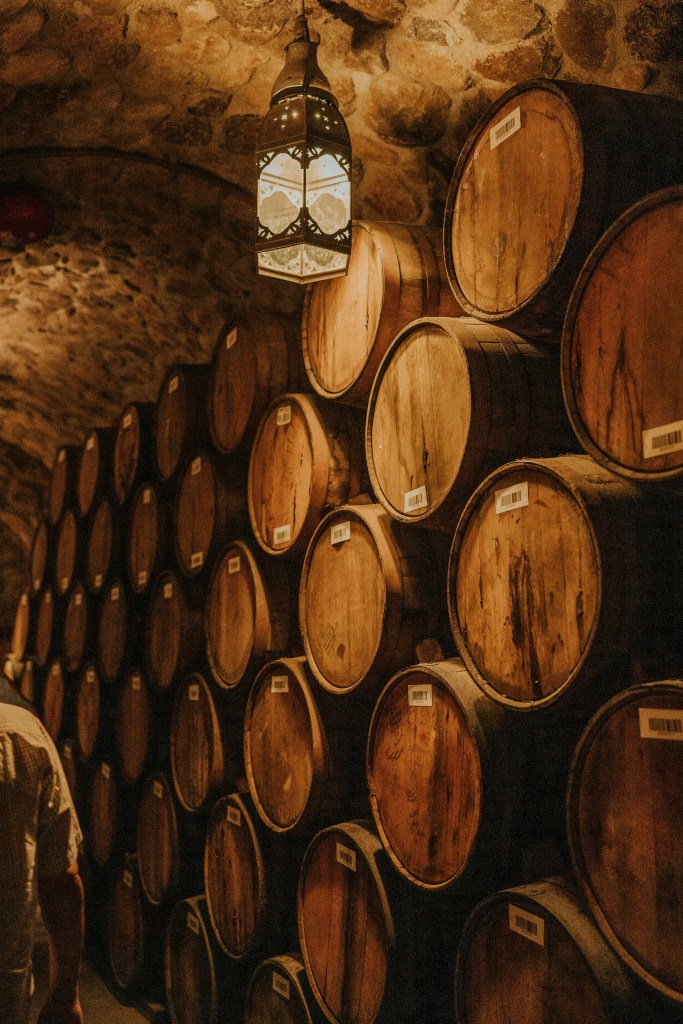
Water is the lifeblood of winemaking, but climate change and regional disputes are threatening supply. California, Bordeaux, Piedmont and Australia have all faced droughts, forcing wineries to adopt water saving techniques like dry farming and recycled irrigation. Meanwhile, some regions face conflicts over water rights, with industrial agriculture and urbanisation competing against vineyards. With water availability dwindling, the industry must innovate. The question remains: Can vineyards adapt before it’s too late?

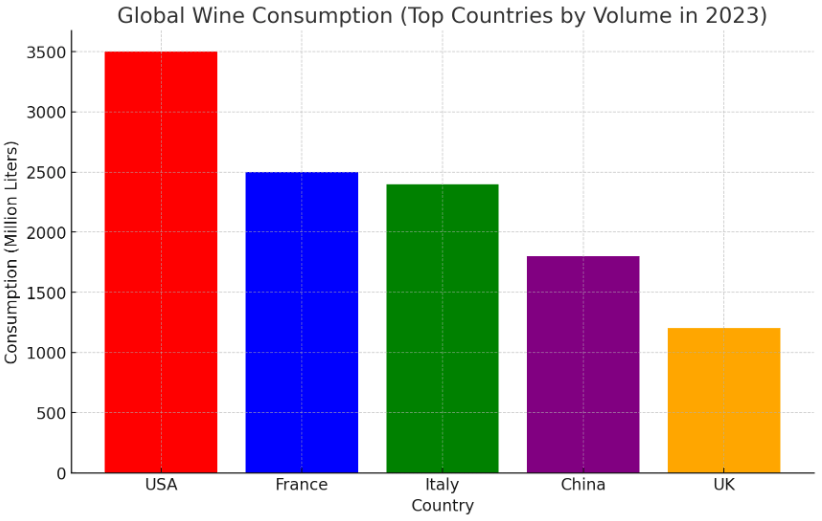
Global Wine Consumption Trends: What are people drinking ?
Consumer habits are shifting, influenced by trends, sustainability and economic conditions. While traditional markets like France, Italy see declining per capita consumption, emerging markets in Asia are booming.
Trends Shaping the Future of Wine Consumption:
- Premiumization: Consumers are drinking less but opting for higher quality wines.
- Organic & Biodynamic Wines: Sustainability is driving purchasing decisions.

Final Thoughts:
From taxation and tariffs to climate change and shifting consumer preferences, every bottle on the shelf tells a deeper story. As consumers, understanding these dynamics empowers us to make informed choices. Whether supporting small wineries, choosing sustainable options or simply appreciating the complexity behind every sip.
One thing is clear: The Business of Wine is evolving and staying ahead means embracing the changes that shape the future of this timeless industry.
 sagarsareen_wis