Castello di Meleto: Dal 1256

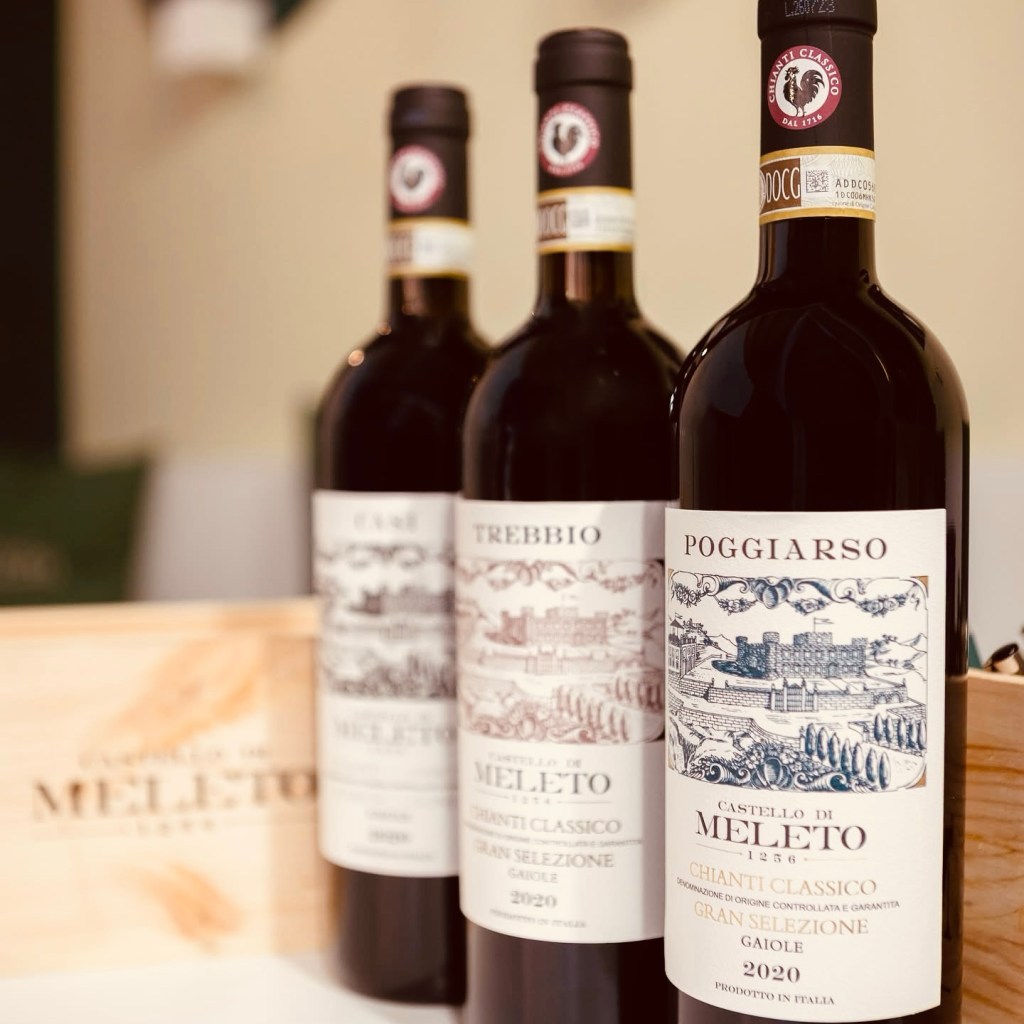
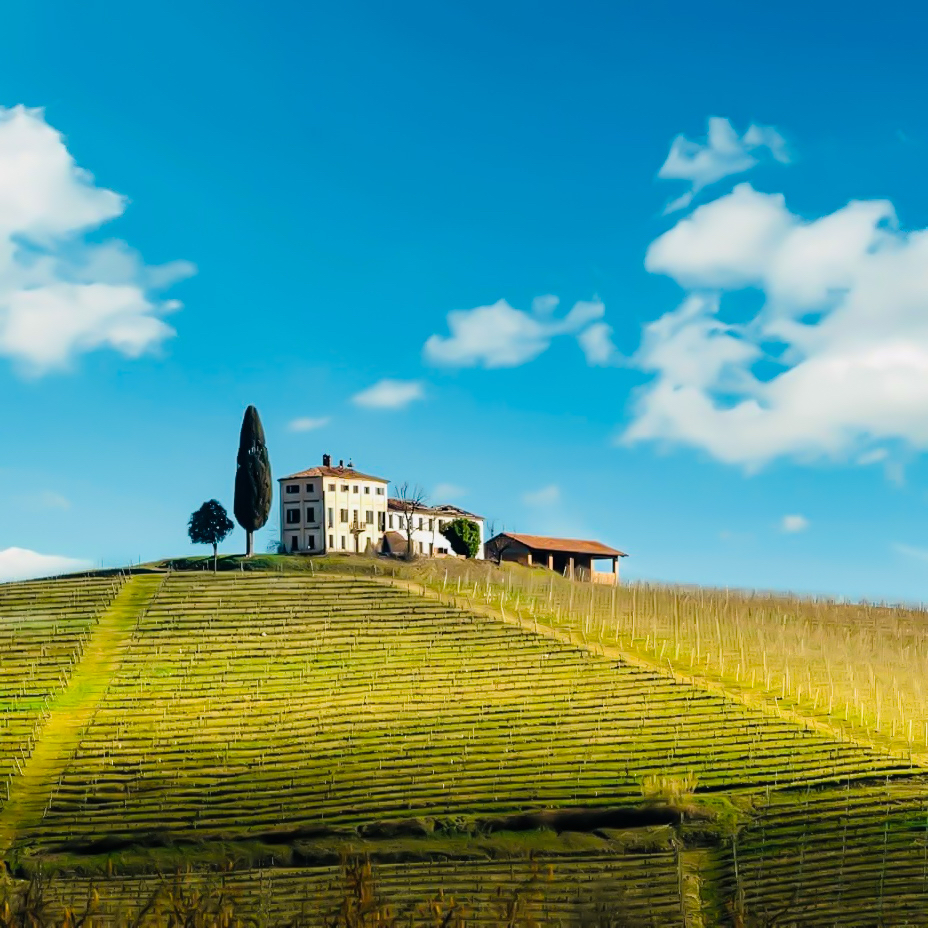
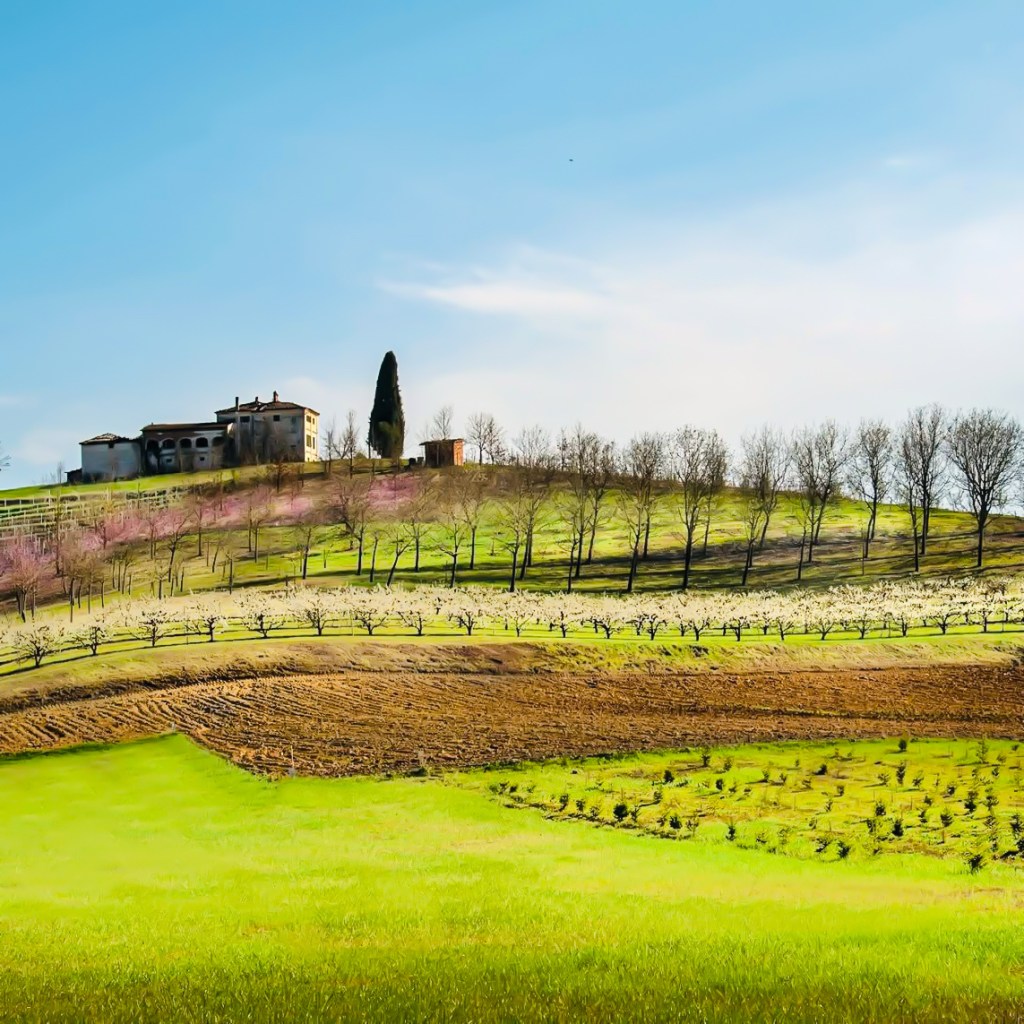
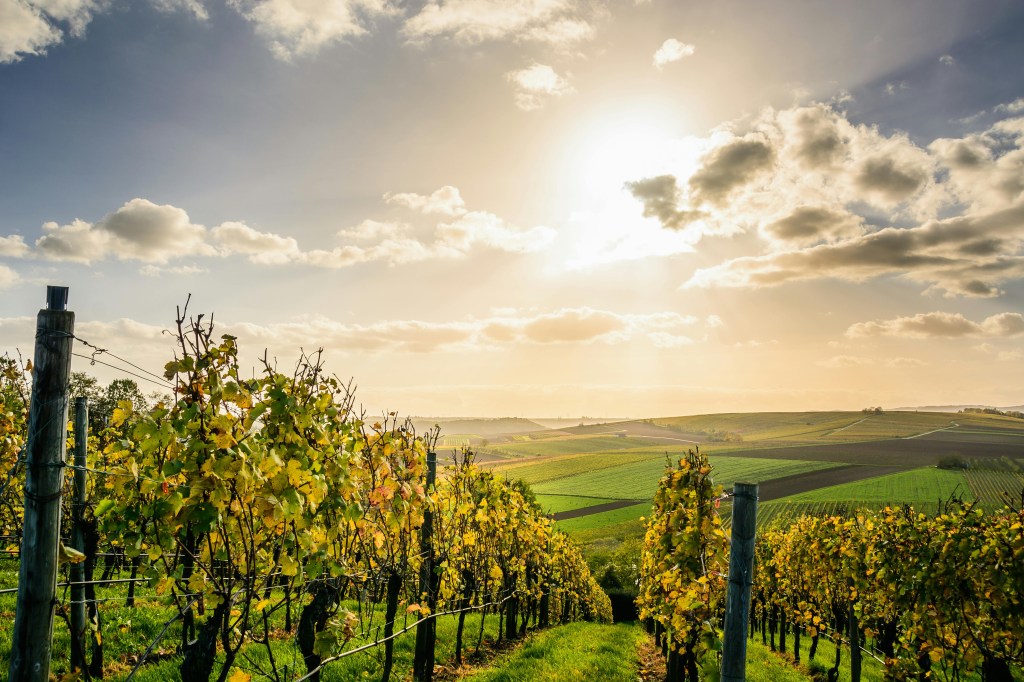
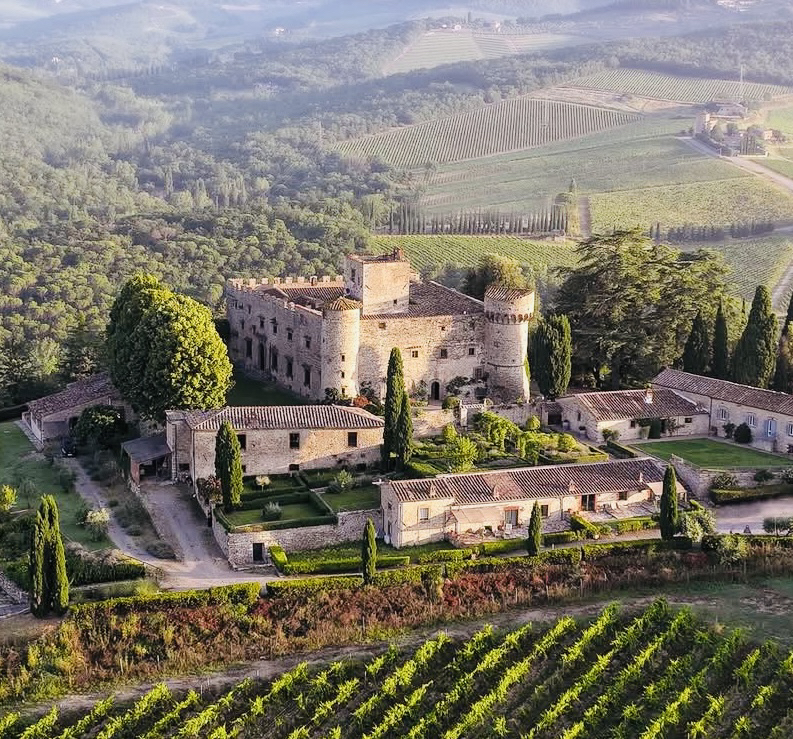
In the heart of Chianti Classico, Tuscany, where vineyards roll across sun soaked hills and medieval towers crown the horizon, lies “Castello di Meleto”. More than just a winery, it is a living chapter of Tuscan History. An estate that has guarded these lands since 1256 and today stands as one of Italy’s great wine and travel destinations. 
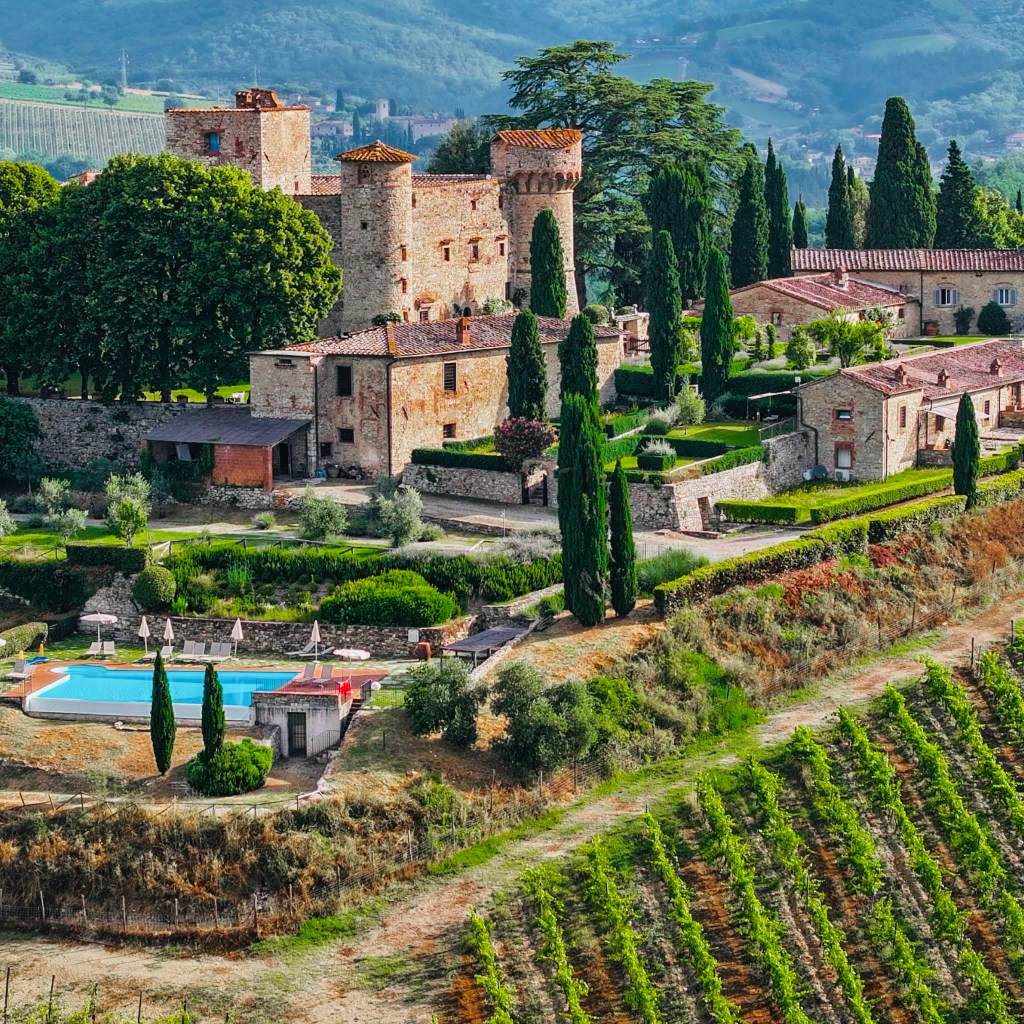
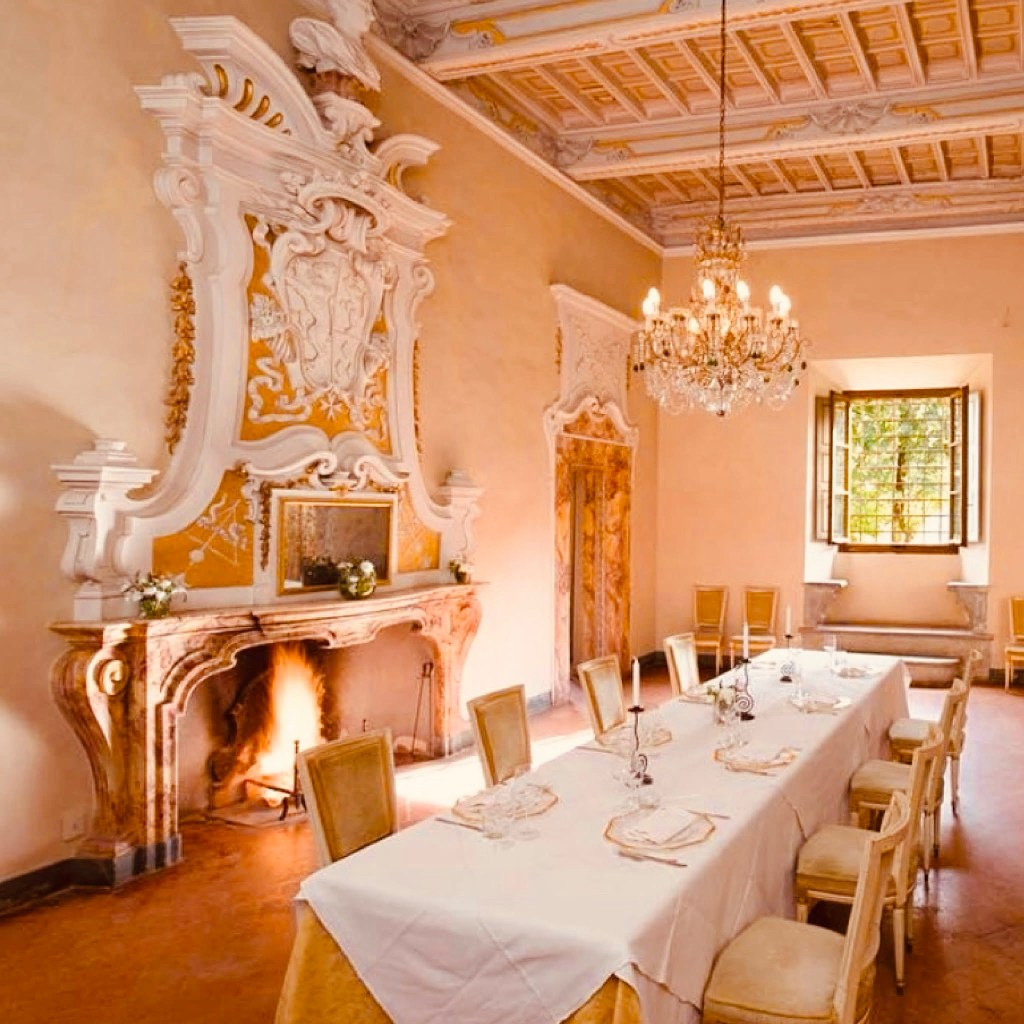
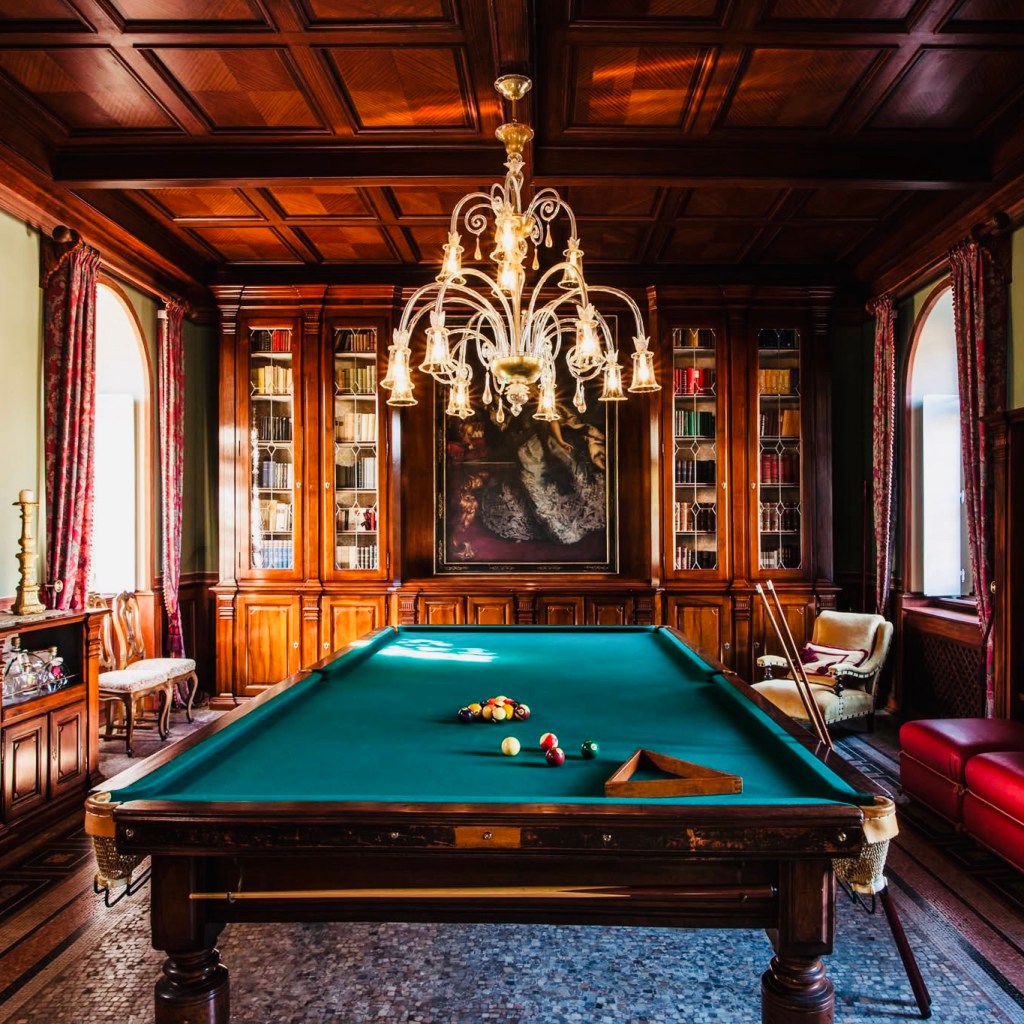
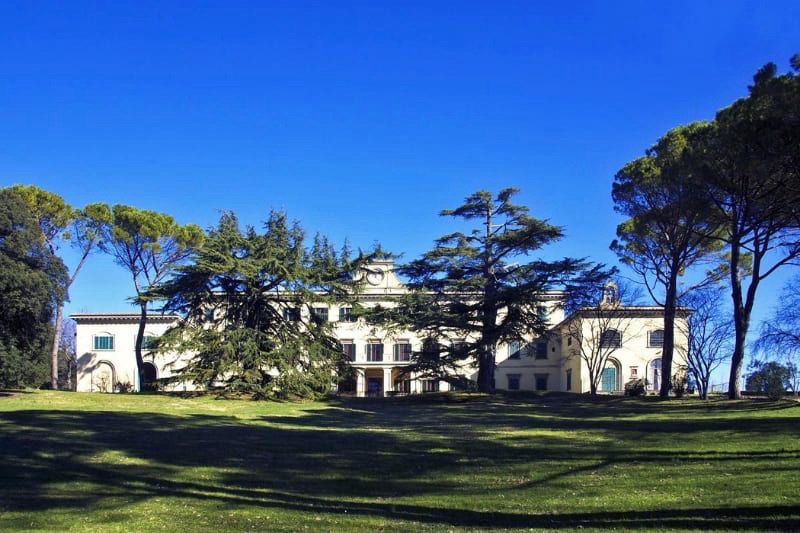
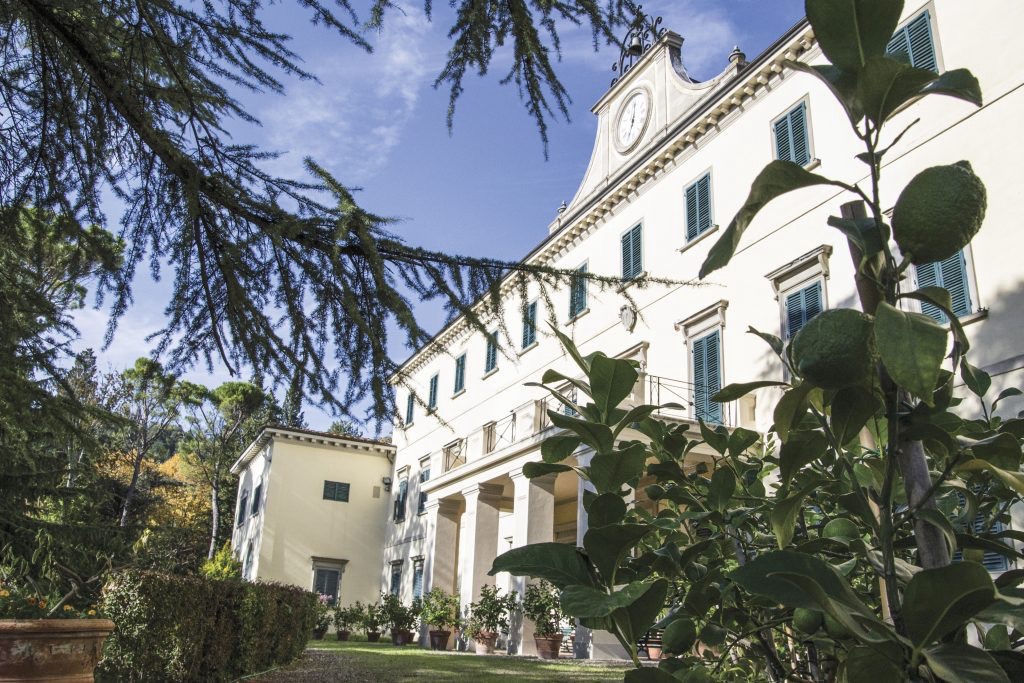
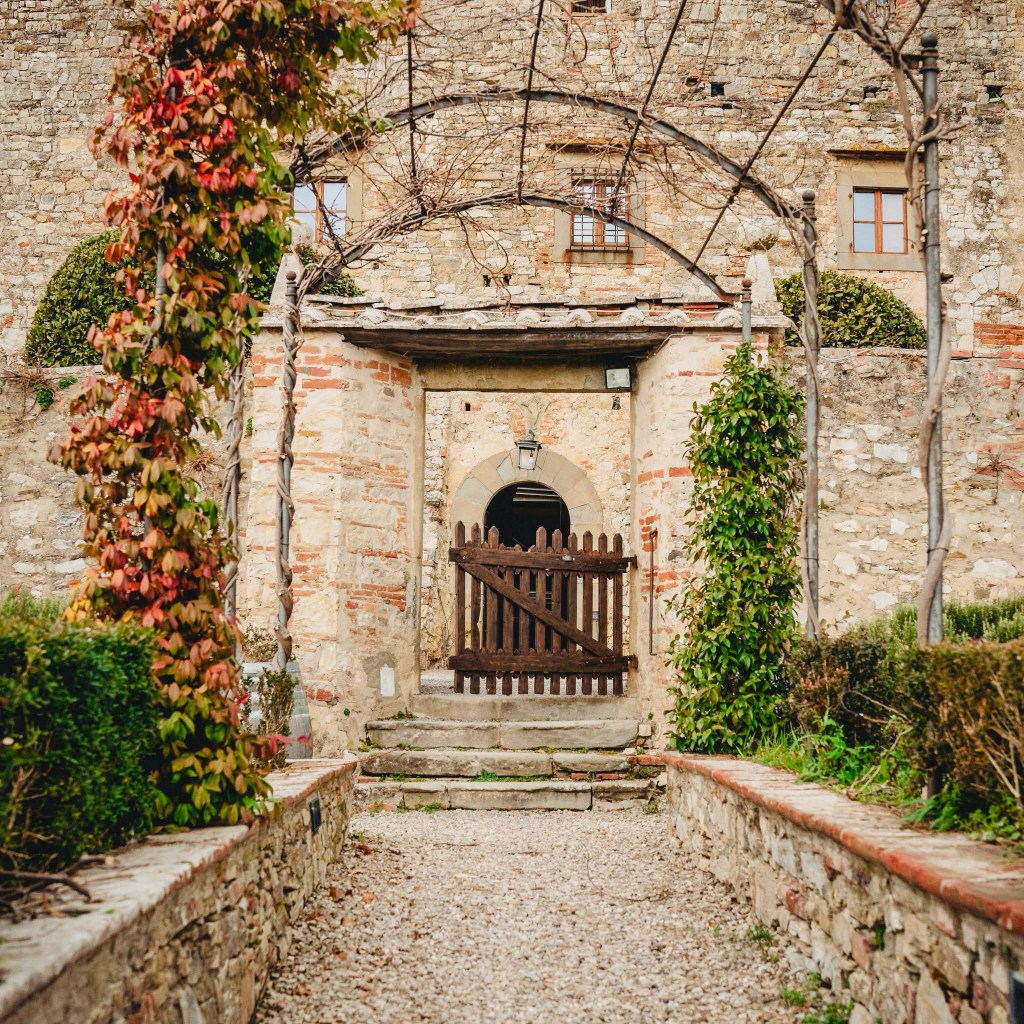
The earliest record of Castello di Meleto dates back to 1256, when it belonged to the Benedictine monks of Badia a Coltibuono before passing to the noble “Firidolfi Family”. For centuries, it was a Florentine stronghold, caught in the crossfire of Siena and Florence. The Aragonese occupied it in 1478. It was besieged again in 1529. And yet, the castle endured. By the 18th century, the once military fortress softened into a refined Villa, complete with frescoed halls and a delightful private theatre that still hosts events today. 
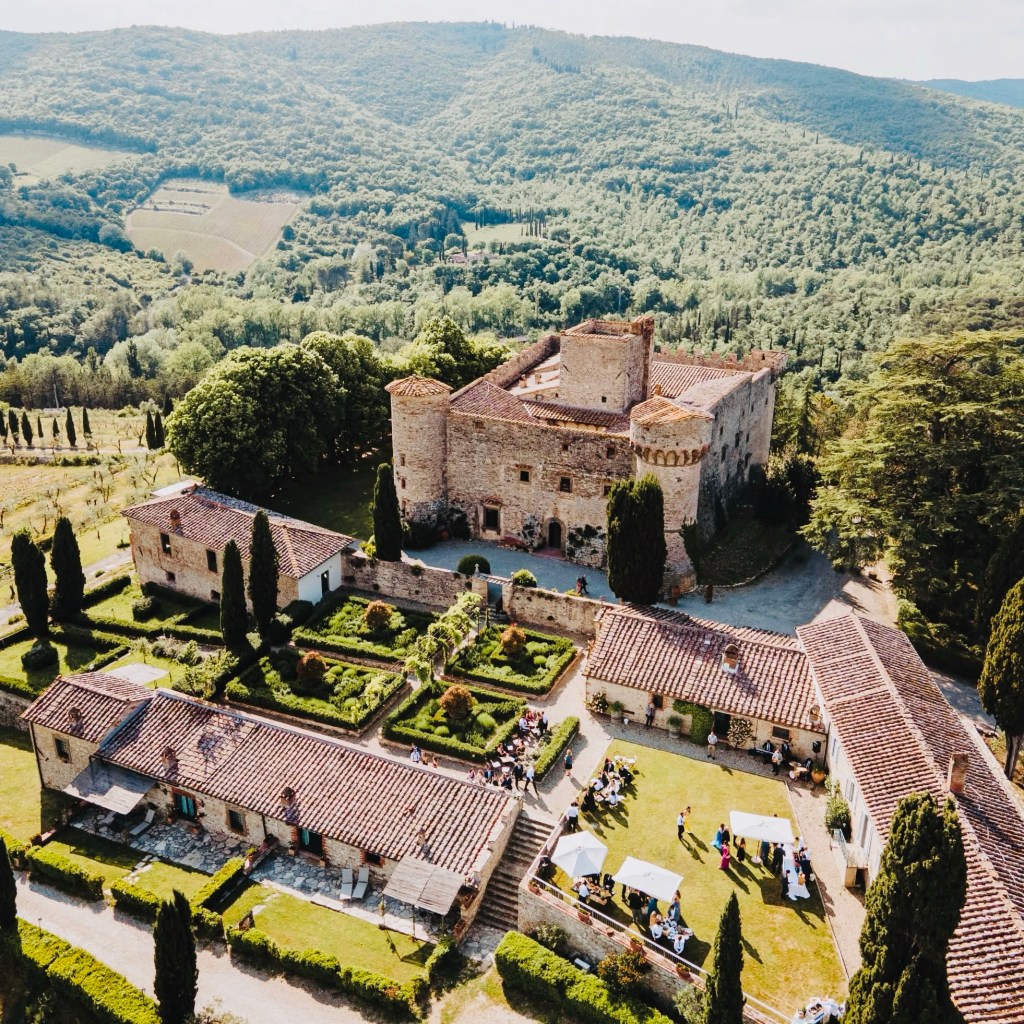
In modern times, Castello di Meleto was reborn through Viticola Toscana, a pioneering cooperative founded in the 1960s. This unique model brought together thousands of shareholders with one mission. To preserve the land, revive the vineyards and honor Tuscany’s winemaking heritage. Today, Castello di Meleto is managed with the same spirit. Its vision is rooted in sustainability, biodiversity and the balance between innovation and tradition. 
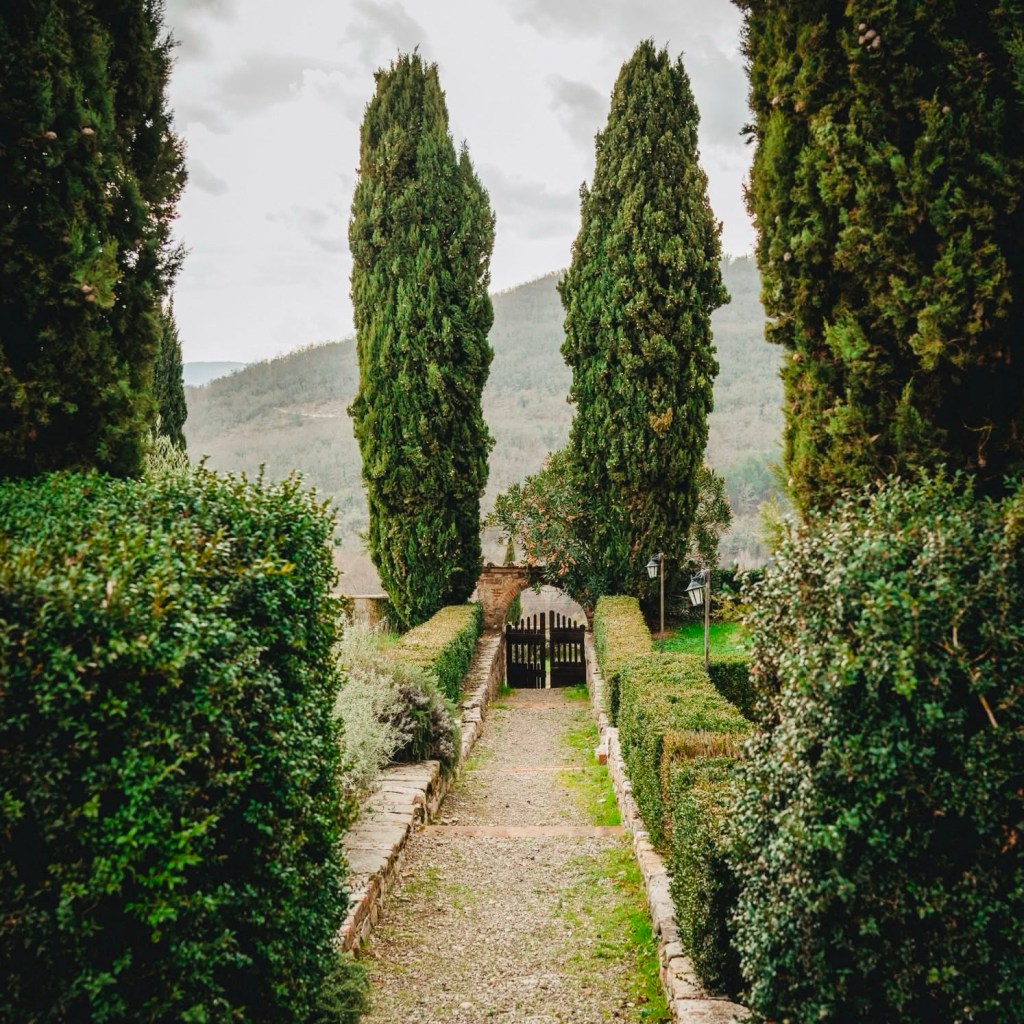
At its core, Castello di Meleto is dedicated to producing wines of authenticity while preserving the environment for future generations. The estate comprises nearly 1,600 hectares, with over 1,000 covered by forest, olive groves and beehives. As a member of the Chianti Biodistrict, Castello di Meleto practices organic farming, precision viticulture and nature based sustainability. 
The Vineyards & Terroir

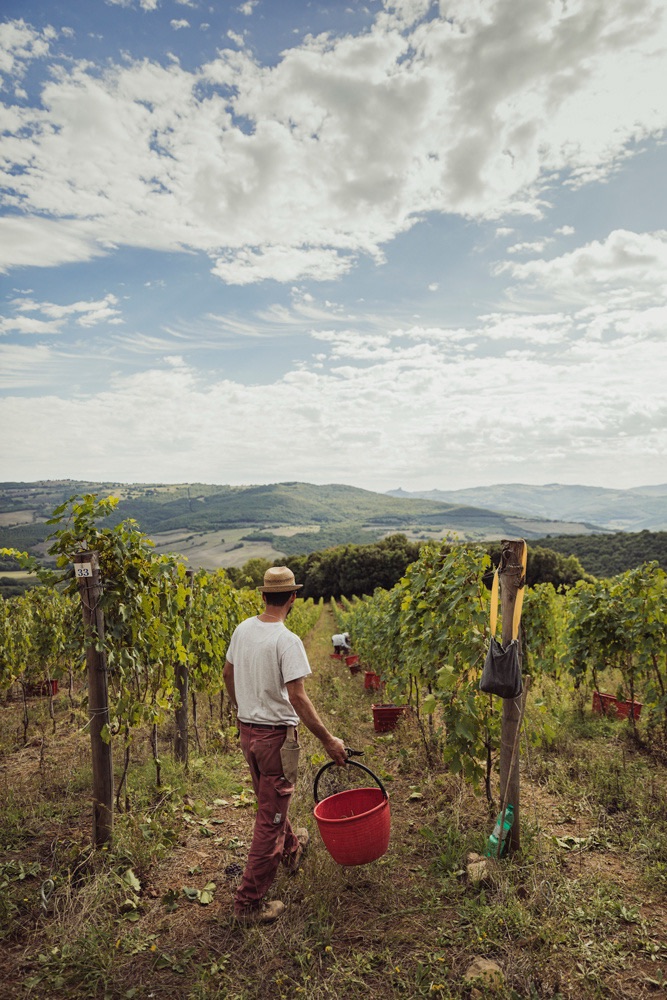
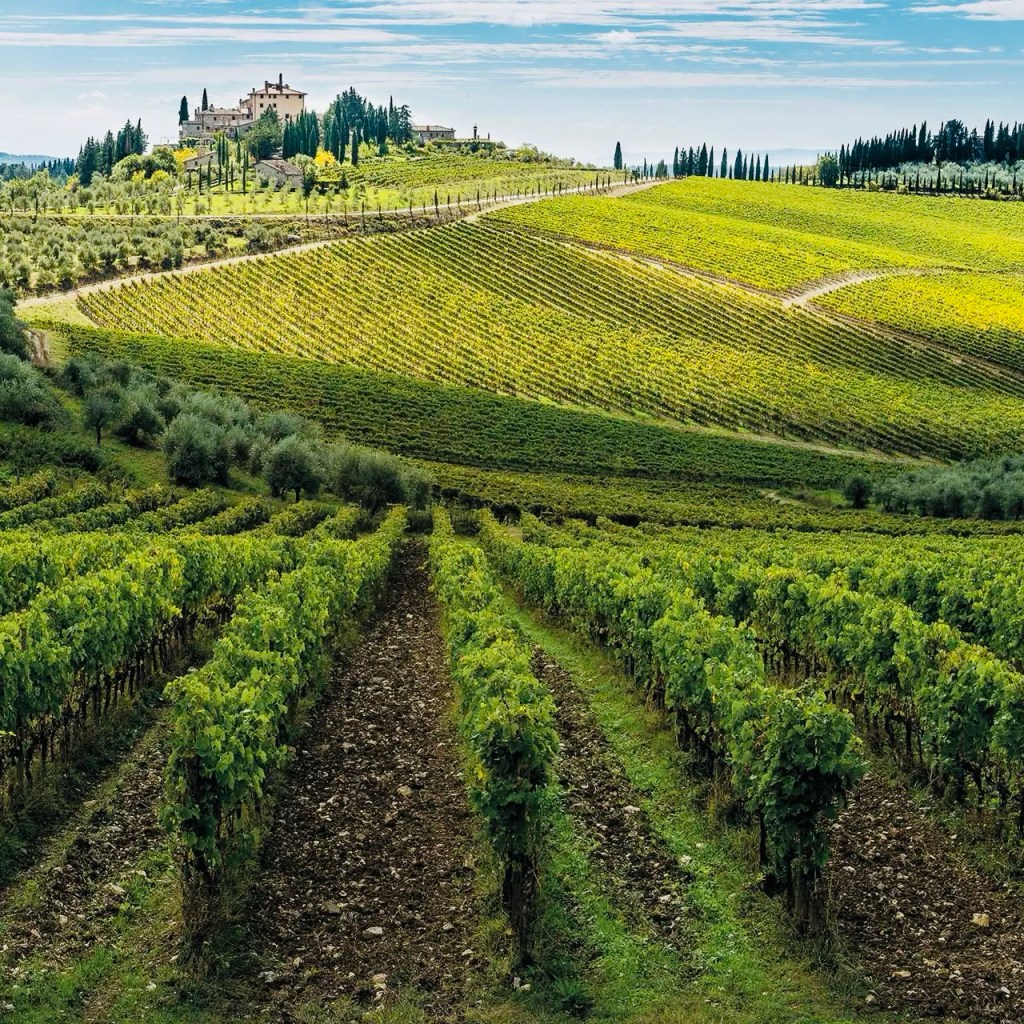
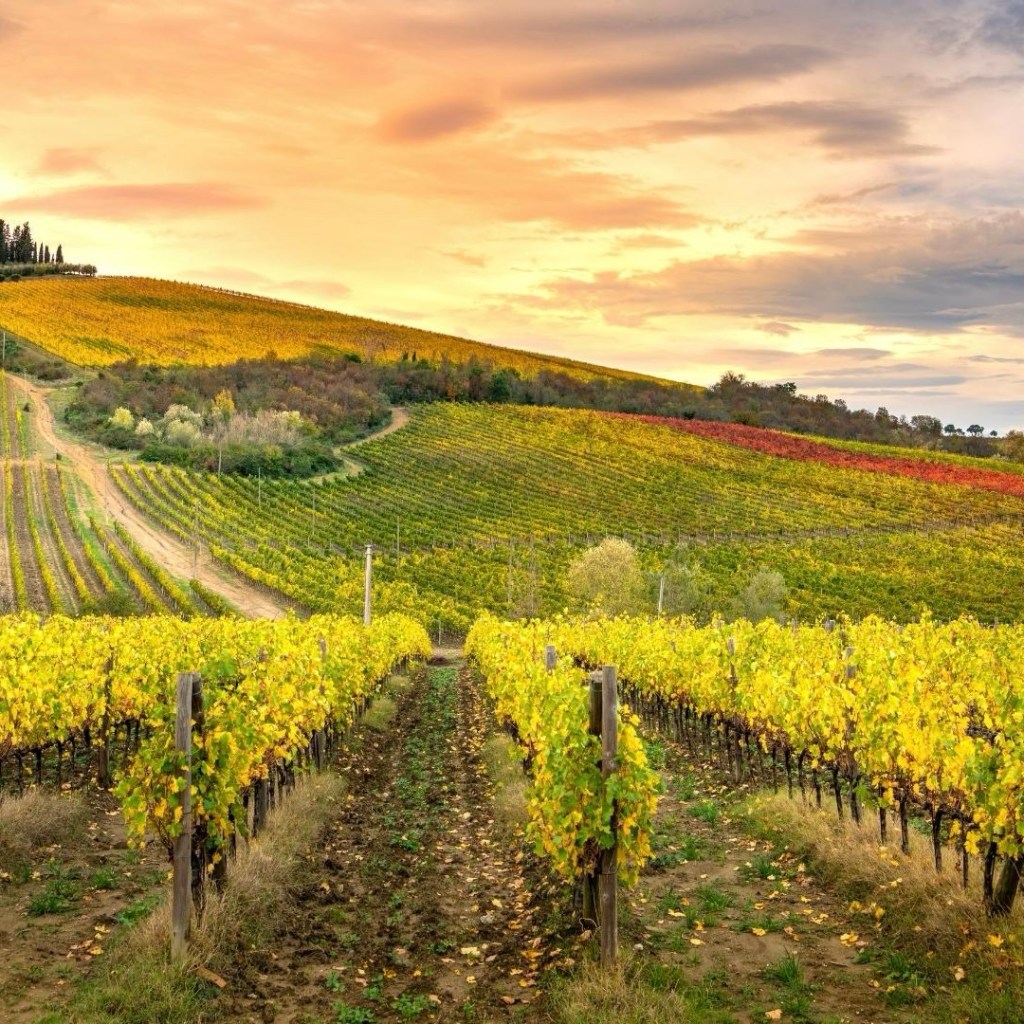
Around 160 hectares of vineyards ripple across the hills at an altitude of 350-600 metres. The soils are classic Chianti: a mix of galestro and alberese that yield freshness, structure and minerality. Sangiovese dominates, supported by Merlot, Cabernet Sauvignon, Vermentino and Malvasia Nera. Each vineyard:  Castello di Meleto, Trebbio, Poggiarso, San Piero, Cerreta, Parabuio – is harvested and vinified separately to preserve its identity. Harvest here is meticulous, with grapes selected twice. First by hand in the vineyard, then on sorting tables at the winery. Fermentations are spontaneous, sulphur is kept to a minimum and oak aging is tailored to each expression. 
The Wines of Castello di Meleto 

Meleto’s portfolio reflects both heritage and innovation 

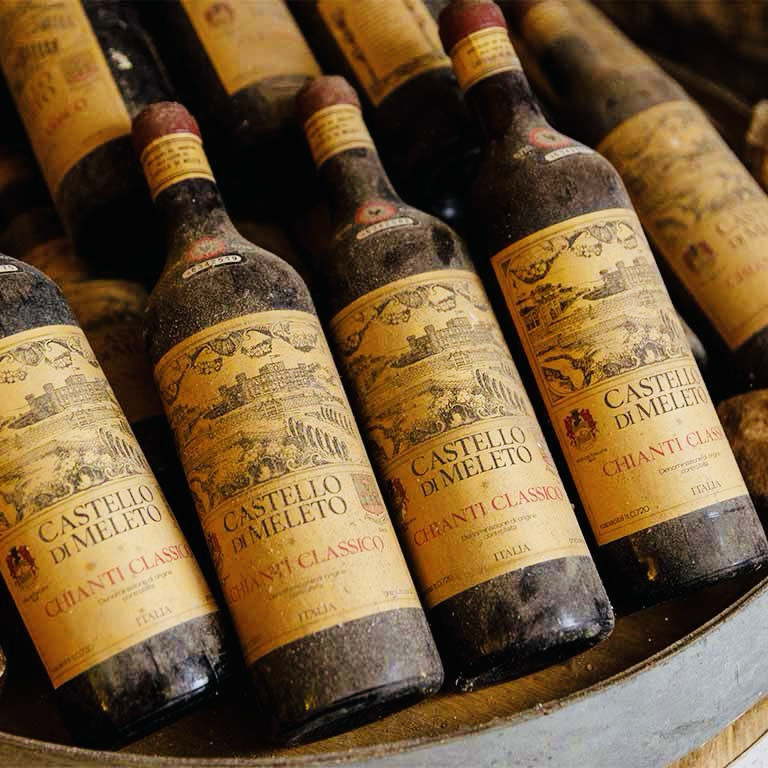
  • The Neo Classic Collection: Fresh, Vibrant Chianti Classico DOCG, Riserva and Gran Selezione. These wines capture the spirit of Sangiovese in all its layers from everyday elegance to age worthy complexity. 
  • The Crus Collection: Single vineyard Gran Selezione wines such as Vigna Casi and Vigna Poggiarso, highlighting the unique soil and exposure of each site. 
  • The Borgaio Collection: More contemporary blends, approachable yet refined, including reds and whites with an international touch. 
  • Specialities: Vin Santo del Chianti Classico DOC, spumante rosé and estate made grappa and olive oil. 
Staying at Castello di Meleto: A Castle life Experience 

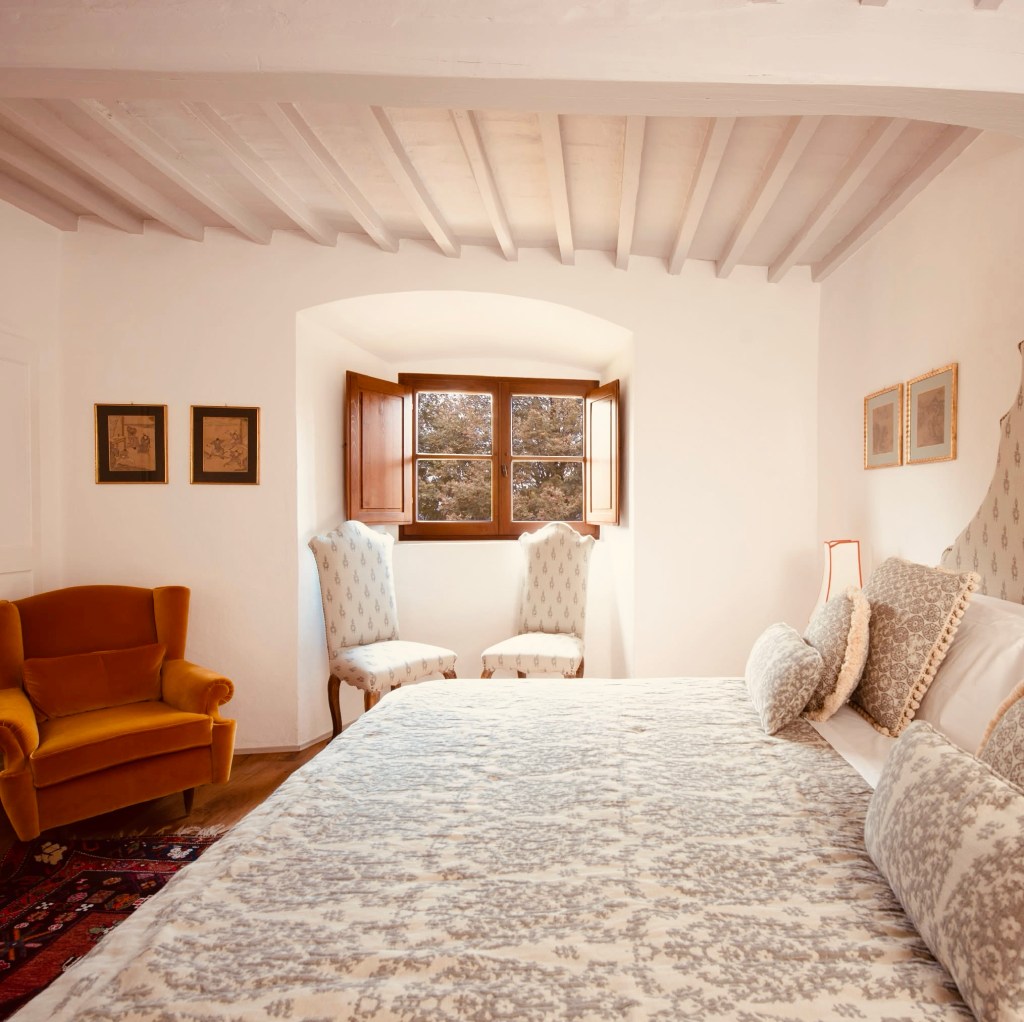
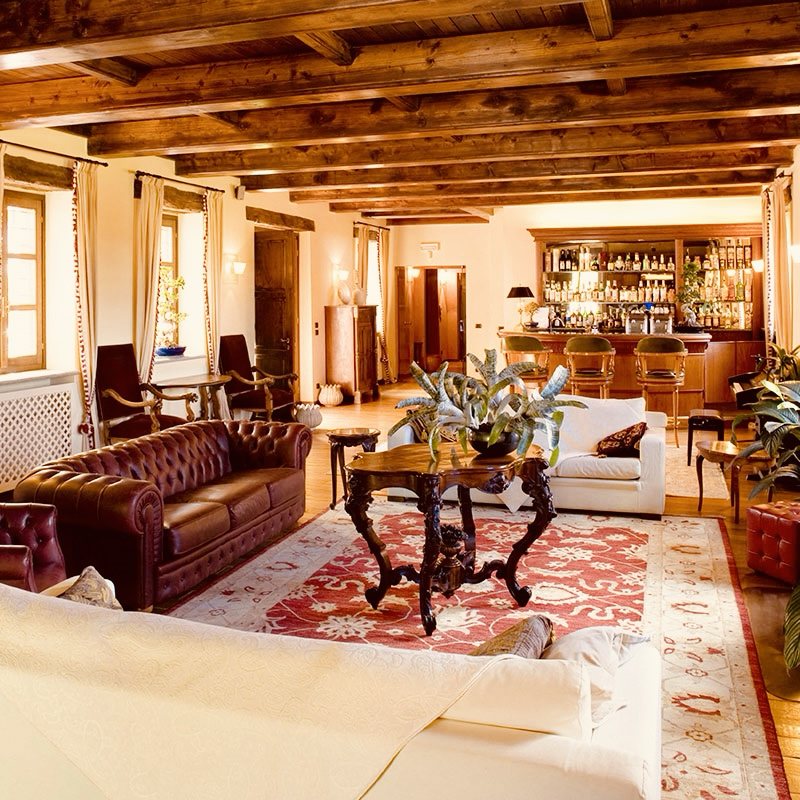
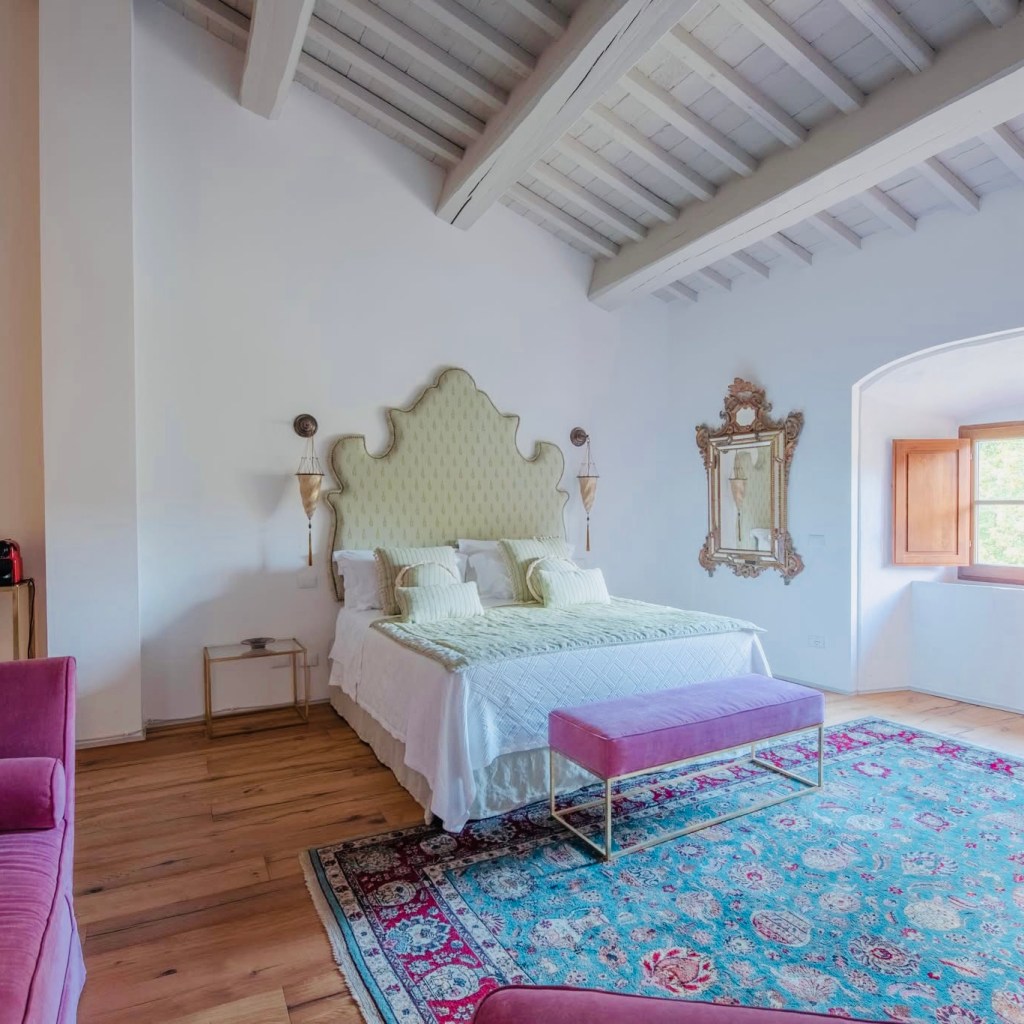
  • In the Castle: Rooms range from Superior and Deluxe to Family Suites and Luxury Suites in the medieval Guard Tower, combining history with comfort. 
  • Borgo Rooms: Classic and Classic Triple rooms in the nearby hamlet offer rustic charm. 
  • Apartments: Options include one bedroom and duplex apartments, two and three bedroom residences with kitchens and living spaces. 
  • Villas: Villa Ginestre and Villa Massellone are private havens, each with gardens, loggias and access to estate pools. 
Experiences That Go Beyond Wine 

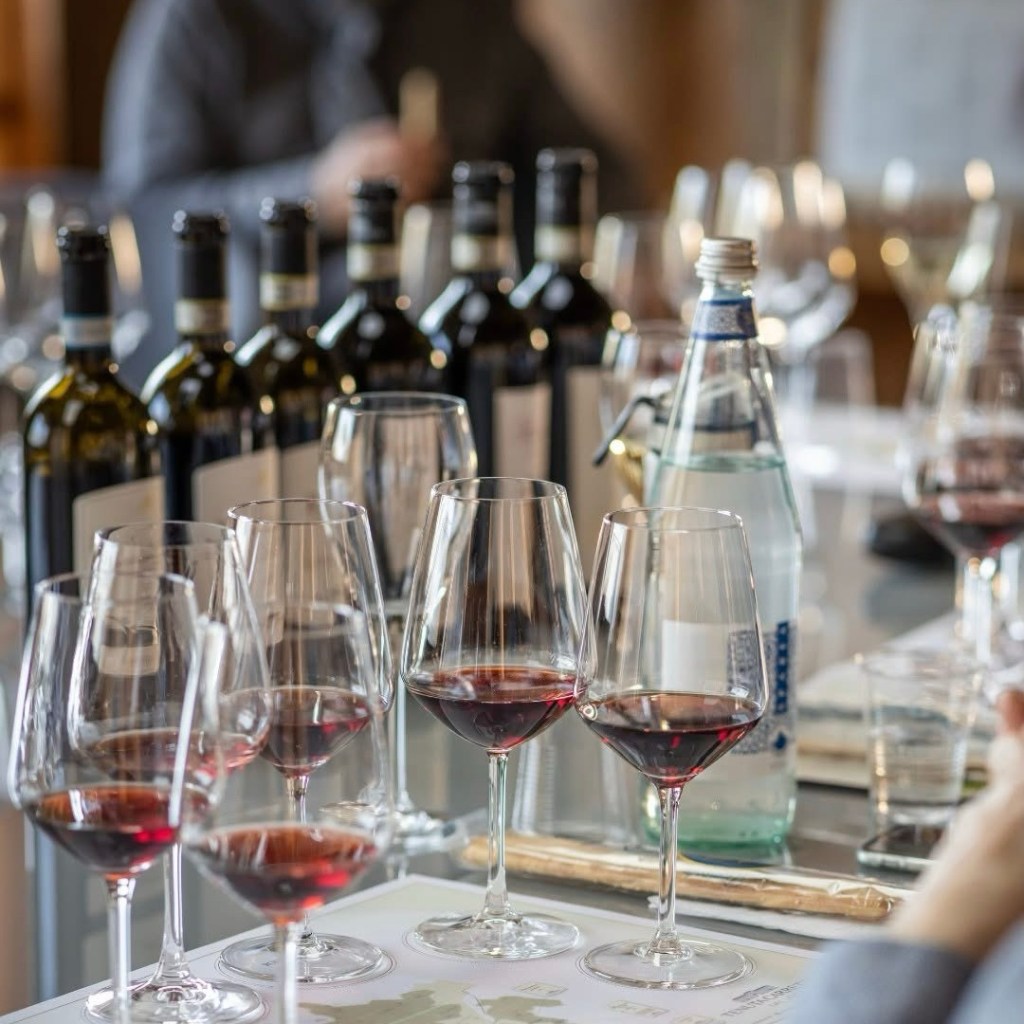
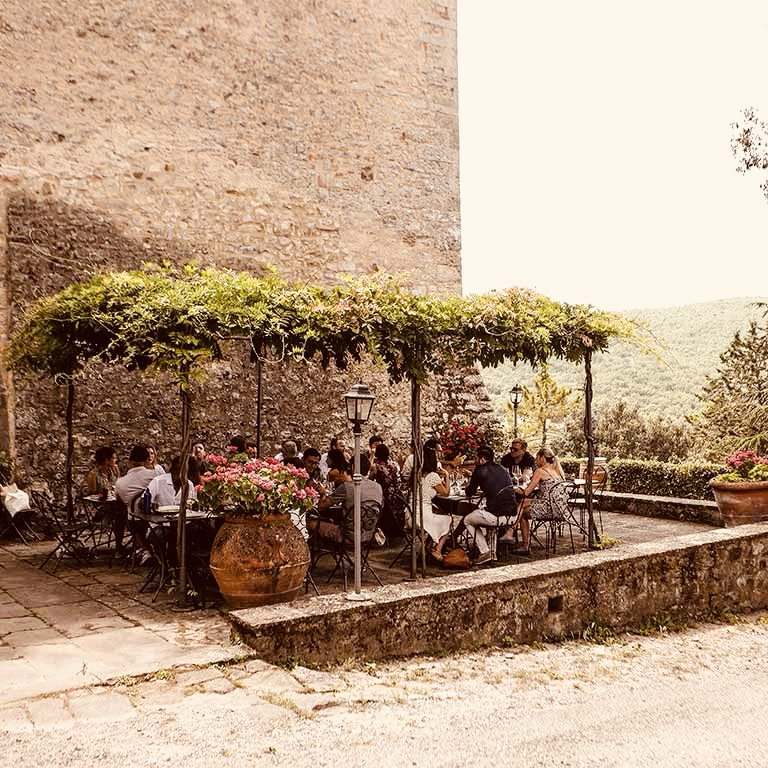
Castello di Meleto doesn’t just produce wines, it curates unforgettable experiences. You can join guided tastings at the Castle, explore vineyards with an agronomist or trek through the hills. There are blending sessions where you can create your own wine, as well as immersive tastings like the Parabuio Experience (blind in the dark) and the Gran Cru Experience with the estate’s top labels. The Castle also hosts unique cultural moments: open air movie nights, exclusive private dinners with a chef and classical music in the 18th century theater and the annual “In The Name of the Bee” event. A celebration of biodiversity and beekeeping scheduled on 13th September. 
The Hall of Wine, Wine Shop & Wine Club

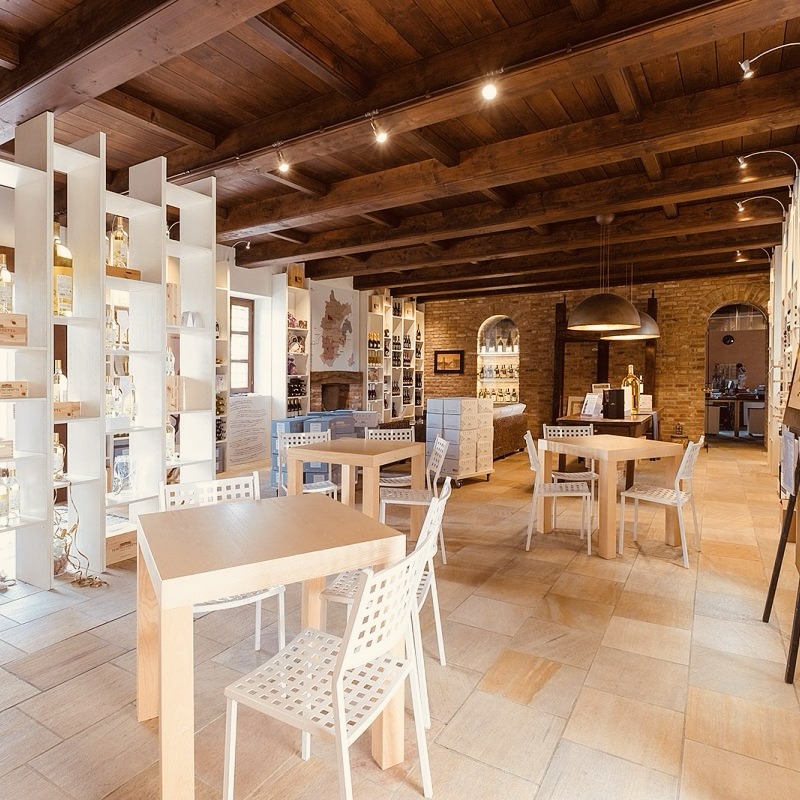
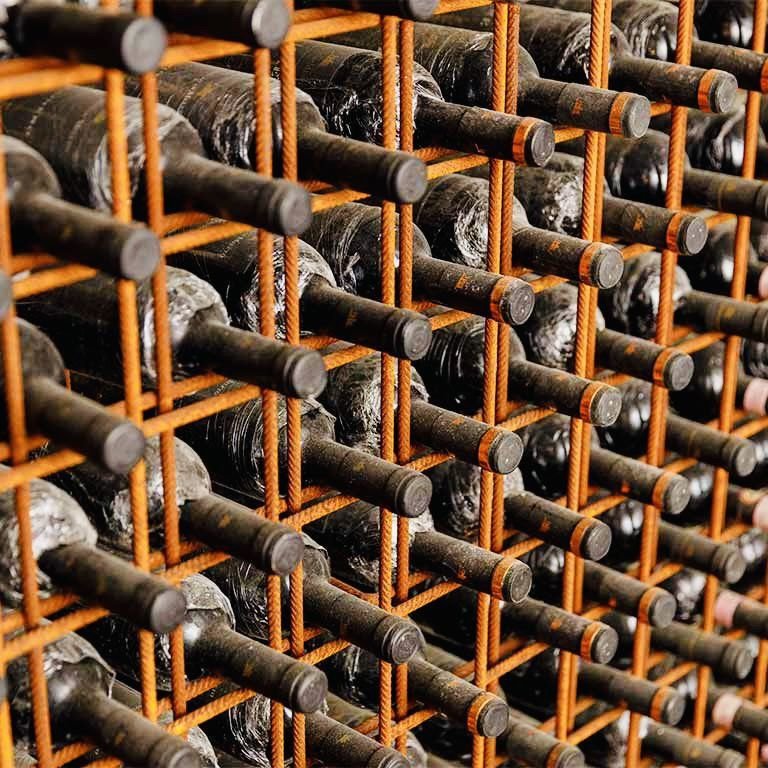
The Hall of Wine showcases Castello di Meleto’s production and history, while the Wine shop offers the full portfolio, including limited releases. The Wine Club connects international enthusiasts with the estate, offering access to special vintages and exclusive benefits. 
Castello di Meleto & Chianti Classico: A destination in itself

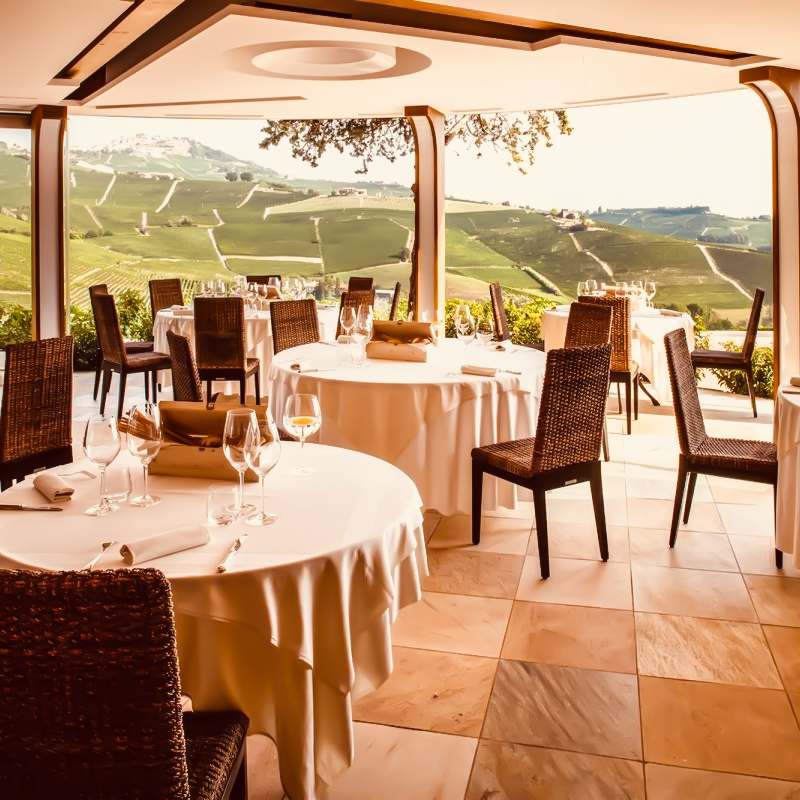
Chianti Classico is one of the world’s great wine regions, a landscape of medieval villages, cypress lined roads and vineyards that stretch as far as the eye can see. Castello di Meleto is both a gateway to this world and a destination of its own where you can taste terroir in your glass, sleep in the medieval fortress and experience Tuscany in its purest form. 
Castello di Meleto 

Castello di Meleto is a rare balance of history, agricultural and luxury living. From its medieval origins to its present day commitment to sustainability and fine wine, it offers an experience that is as authentic as it is elevated. 
Tenuta Carretta : Dal 1467. Wine, Heritage and Luxury

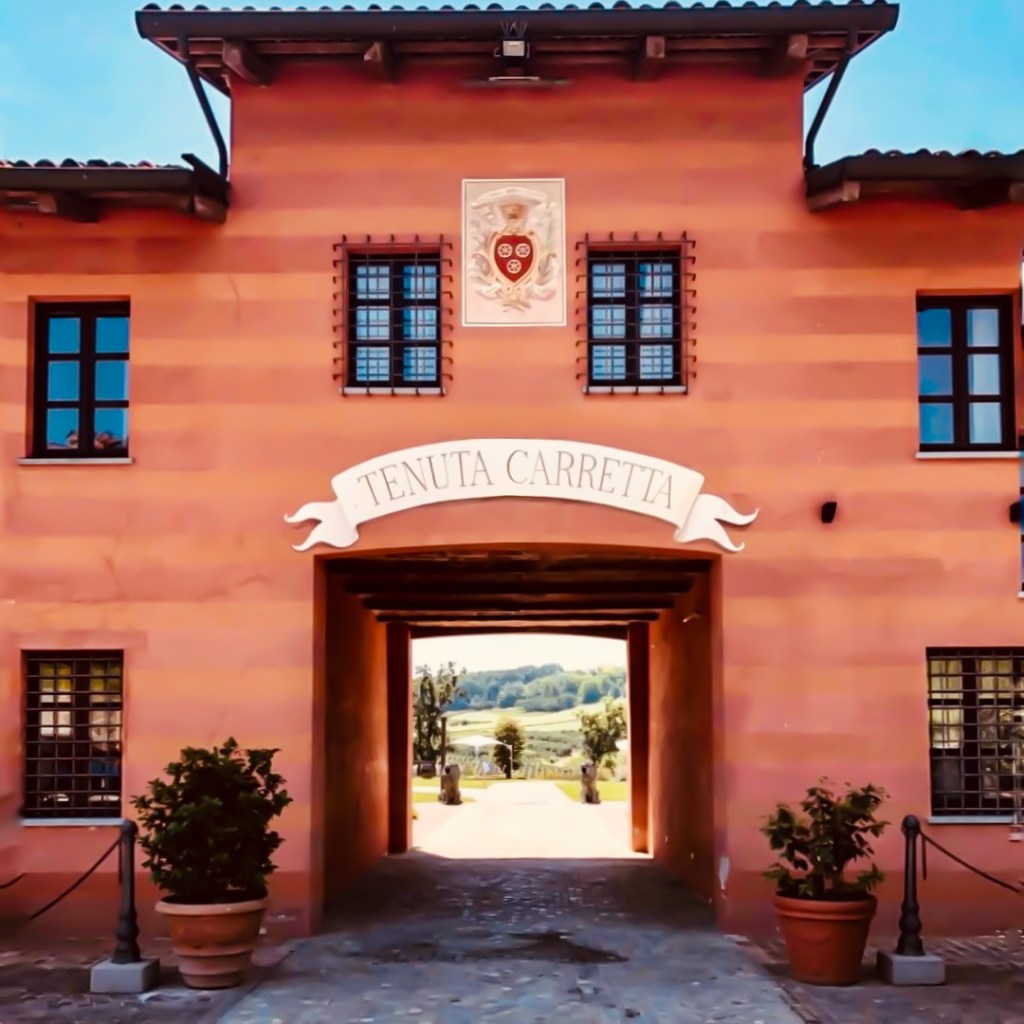
Nestled in Piobesi d’Alba, in the heart of Piedmont’s Langhe and Roero region, this estate represents not only the legacy of noble landowners and visionary winemakers but also the future of luxury wine tourism. From its origin in the 14th century to its present, Tenuta Carretta is a living story of vines, people and hospitality. 

A Legacy Rooted In History

The estate’s history begins in November 28, 1467, when written documents first attest to Tenuta Carretta’s vineyards. However, its roots stretch deeper in the Middle Ages. Originally thought to derive its name from the “Celtic” word car (“Stone”), linked to the chalk deposits near the property, recent archival research instead reveals its name comes from “DOMINA CARETA CONSTANZI”, a noblewoman and early landowner in Piobesi d’Alba. Records from 1334 and 1353 confirm her family’s presence and land transactions, cementing the idea that the estate’s identity is tied not just to the land, but to lineage and heritage. One of the estate’s crown jewels is the “PODIUM SERRAE” vineyards, historically known as a “Vineyard of Privilege”. This special site symbolises the estate’s uninterrupted winemaking tradition and enduring connection to its terroir. 

Vineyards and Terroir

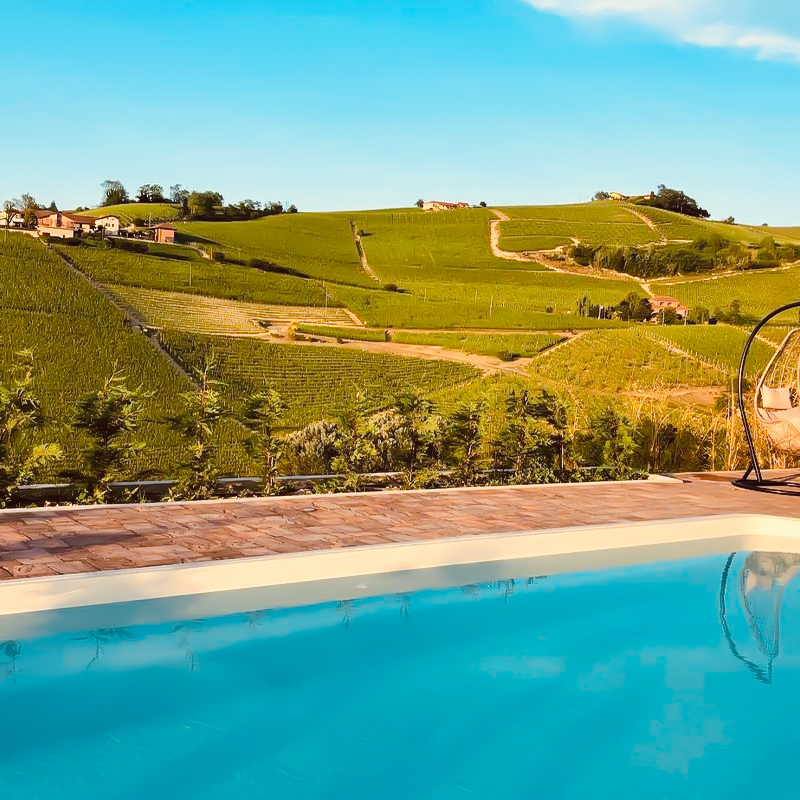
Today, Tenuta Carretta encompasses 80 hectares of vineyards, all with part of the “LANGHE-ROERO & MONFERRATO” district, designated UNESCO World Heritage Site in 2014. The land, shaped like a natural amphitheatre around the winery, provides unique exposure for grape cultivation. 

  • Roero Arneis (Cayega and Canorei): Crisp, elegant whites born from 35 hectares of Arneis vines. 
  • Nebbiolo (Roero Bric Paradiso): Noble, structured wines that embody Piedmont’s King grape.  
  • Barbera (Barbera d’Alba Bric Quercia): Vibrant, versatile reds with depth and intensity. 
  • Favorita (local name for Vermentino): A rare Roero gem, yielding wines with freshness and character. 

Every vineyard is meticulously farmed and harvested, with vinification occurring exclusively from estate grown grapes, ensuring authenticity and traceability. 

Families, Tradition and the Miriglio Family 

Over the centuries, Tenuta Carretta passed through the hands of noble families, each contributing to its expansion and prestige. Today, the estate is under the care of the Migrolio Family. The Migrolio family has successfully blended history with modernity, expanding Tenuta Carretta’s influence beyond Italy through their holding in Bulgaria and their leadership in international hospitality and wine experiences. 

The Wines of Tenuta Carretta 

The winery produces a wide and prestigious range: 

  • Barolo Cannubi Riserva: A benchmark expression of one of Italy’s most iconic crus. 
  • Great Vineyards Collection: Single vineyard masterpieces capturing Piedmont’s terroirs. 
  • The Crown’s Range: Rare, refined labels that symbolizes elegance. 
  • Authors’s Labels & The Classics: Accessible yet noble wines that carry the estate’s identity. 
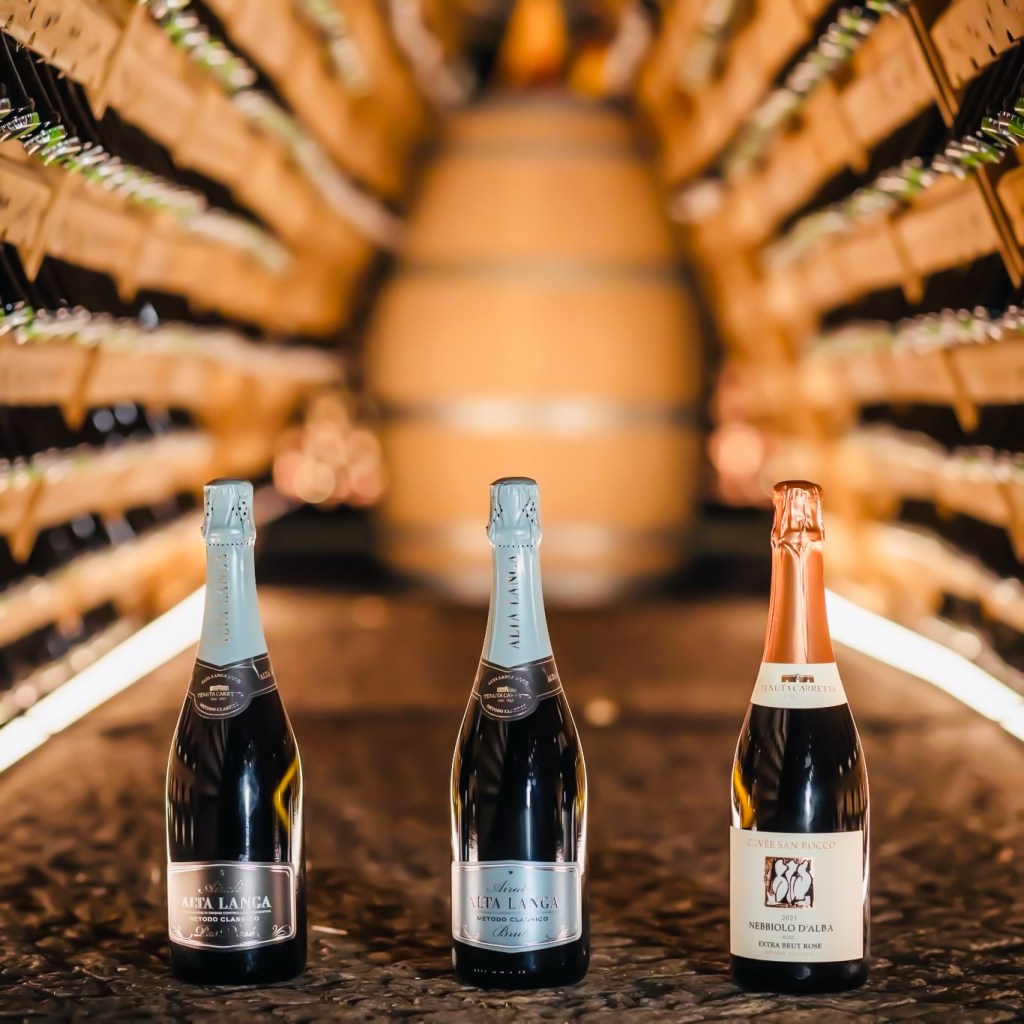
  • Sparkling Wines: Metodo Classico bubbles with finesse. 
  • Single Varietal Grappas & Sweet Wines: Crafted from estate grapes for complete expression. 

The Grape’s Road: An Immersive Vineyard Experience 

One of Tenuta Carretta’s most unique offerings is the Grape’s Road (La Strada del Vino), an immersive journey through its historic crus. Visitors walk among vineyards such as Campolungo, Campovirato, Bric Paradiso, Bric Quercia, Podium Serrae, and more tracing the geography, history and personality of each plot. This open air museum of vines transforms a vineyard stroll into an educational and sensory experience. 

The Hospitality & Luxury Dimension

Tenuta Carretta is not only a winery, it is a destination. Its hospitality and luxury offerings are as refined as its wines, creating a seamless luxury experience. 

  • Ristorante 21.9 : Led by Michelin Star Chef Flavio Costa, this fine dining restaurant reimagines Piedmontese tradition with creativity, pairing dishes with estate wines. 
  • Albergo di Charme: An intimate 10 suite boutique hotel, where each room is named after a Tenuta Carretta Wine. A refined retreat surrounded by vineyards, perfect for discovering Langhe and Roero. 
  • Villa Cereja: A historic residence within the estate, complete with pool private spaces, ideal for exclusive stays. 
  • Locanda Carretta in Cannubi (Barolo): Managed by the Bertolini family, this guesthouse with three rooms and panoramic restaurant in fret’s breathtaking views from the famed Cannubi hill. 
  • Villa Garassino (Treiso, Barbaresco hills): A modern farmhouse with a swimming pool and panoramic terraces. Perfect for weddings, conferences and gastronomic experiences. It also hosts Bistrovino, a contemporary restaurant dedicated to wine and food pairings. 

Beyond Piedmont: The Wider Miroglio Wine Universe 

Tenuta Carretta is part of the larger Gruppo Terre Miroglio, which includes: 

  • Malgrà (Monferrato, Asti): Specializing in Nizza DOCG, Barbera d’Asti e Moscato d’Asti. 
  • Edoardo Miroglio Winery (Elénovo, Bulgaria) : With 160 hectares of vineyards, producing both international varieties (Pinot Noir, Cabernet Sauvignon, Merlot, Sauvignon Blanc) and native Bulgarian grapes (Mavrud, Rubin, Bouquet) 

Experiences and Culture 

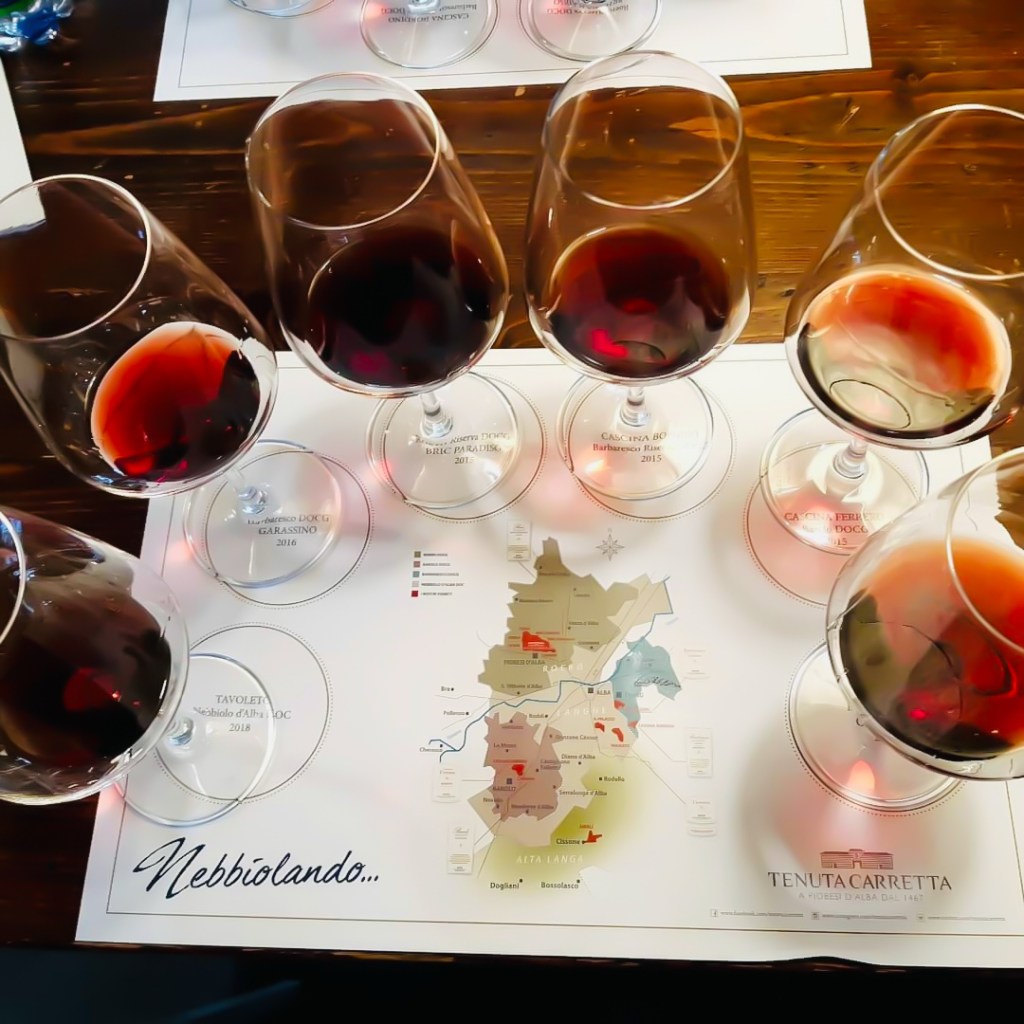
  • Nebbiolando: A unique tasting journey dedicated to Nebbiolo in all its forms. 
  • Wine Club: Exclusive access to rare vintages, special tastings and cultural events. 
  • The Grand Wine Tour: Membership in this elite circuit of luxury wineries reflects Tenuta Carretta’s international prestige. 

Piobesi d’Alba : The Setting 

The village of Piobesi d’Alba, near Alba, offers a tranquil backdrop to Tenuta Carretta. Surrounded by rolling hills, historic villages and vineyards, it is an ideal base for exploring Piedmont’s food and wine culture, including Barolo and Barbaresco. 

Tenuta Carretta: A Luxury Wine Destination 

Tenuta Carretta is not just a winery, it is an enduring symbol of Italian heritage, blending history, terroir, fine dining and luxury hospitality. From vineyards of Domina Careta Constanzi in the 14th century to the visionary leadership of the Migrolio family today, the estate continues to embody excellence. 

Tenuta Carretta is more than a destination. It is a timeless journey through Piedmont’s culture, flavors and landscapes !  

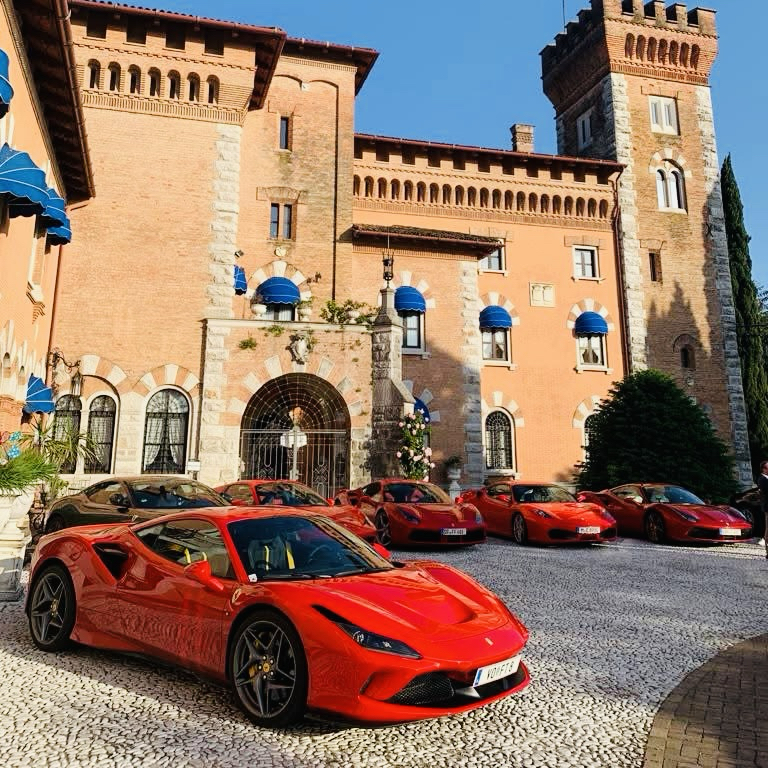
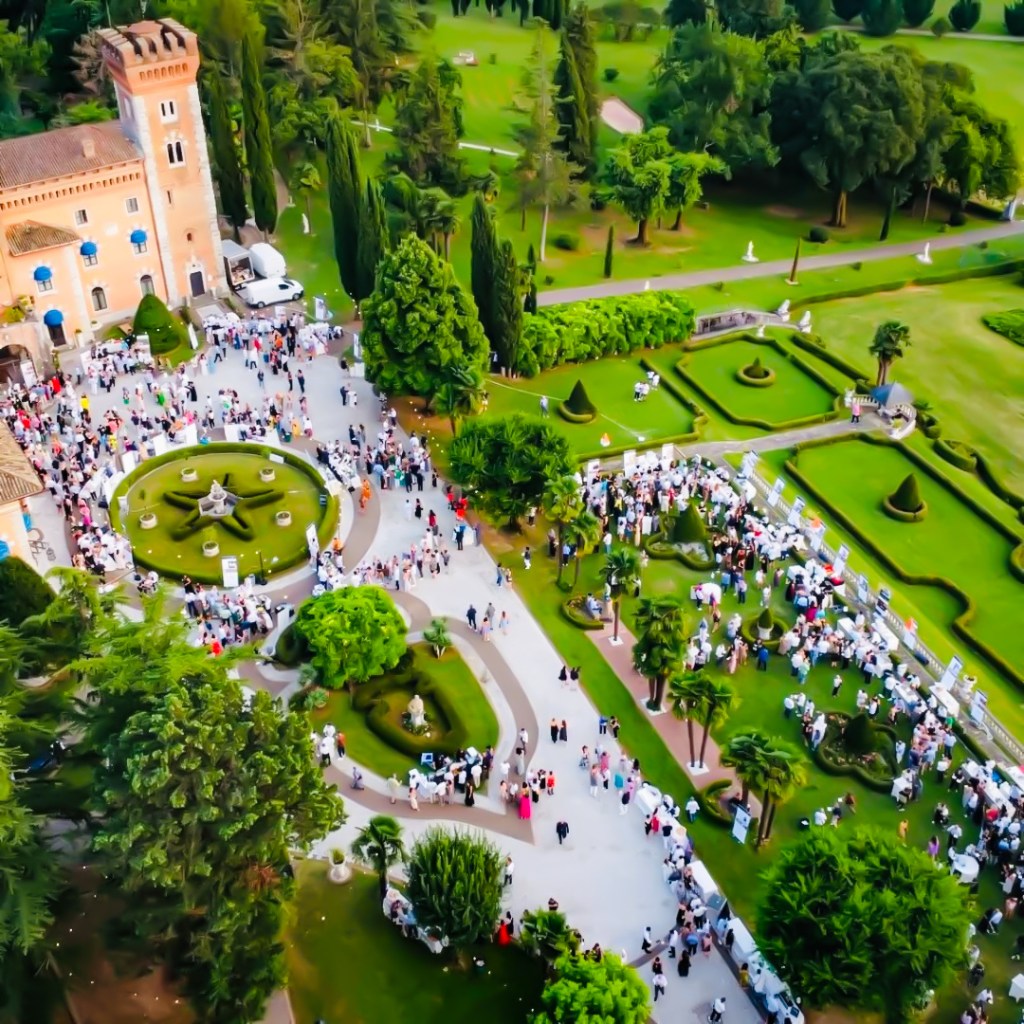
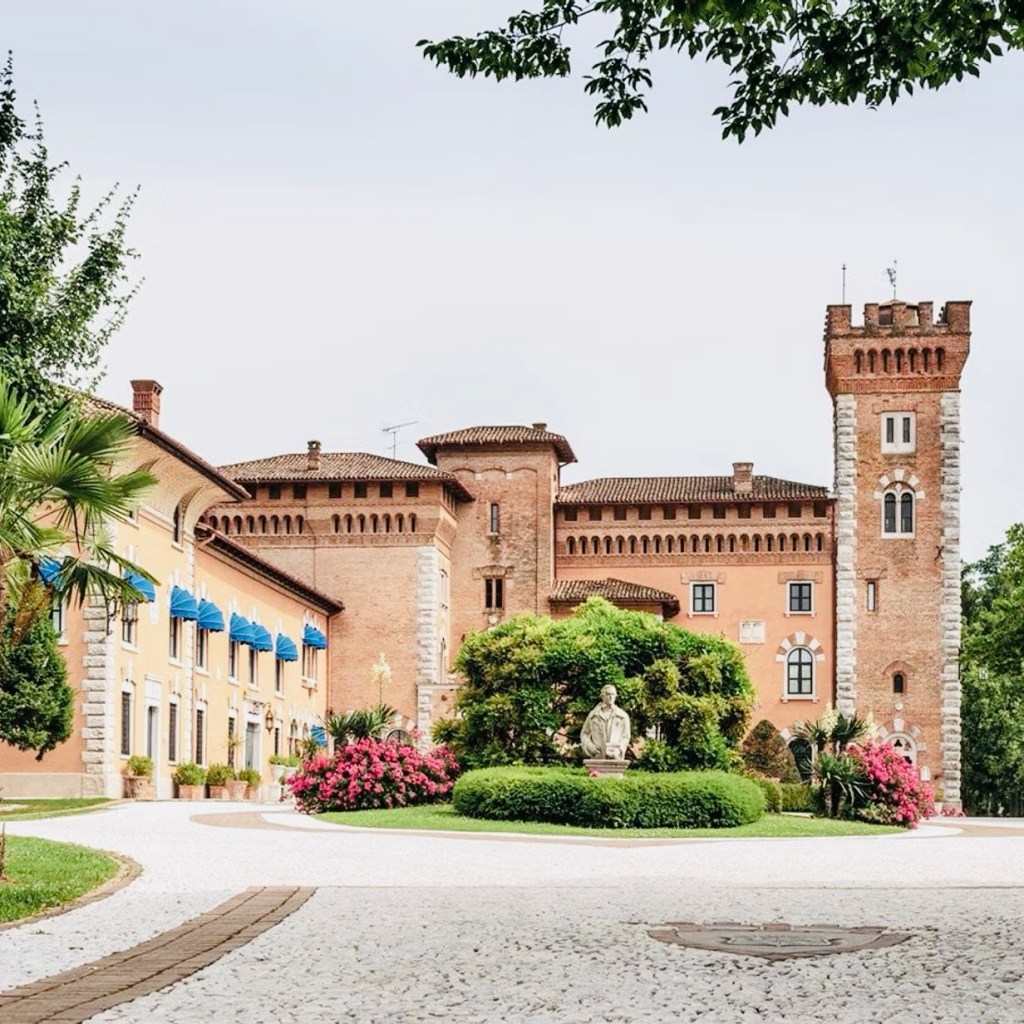
Castello Di Spessa Golf & Wine Resort: From 13th Century Walls to Fine Wine & Timeless Luxury 

A Storied Past and Timeless Heritage 

Castello di Spessa’s origins trace back to at least the 13th century, built upon even earlier Roman and Lombard settlements. Over the centuries, the estate passed through illustrious lineages – Durinbergo (Dornberg), Rassauer and the Della Torre Valsàssina family said to descend from Charlemagne. Such noble associations imbued the castle with cultural gravitas. In 1773, Giacomo Casanova spent two months at the estate and reflected on its excellent wine in his memoirs. 

It was in 1987 that Italian entrepreneur “Loretto Pali” acquired the castle and its vineyards, giving birth to what we know today as “Castello di Spessa” Golf & Wine Resort & SPA. 

The Pali Family : Guardians of Tradition & Innovation 

Loretto Pali embodied Friulian pride and entrepreneurial acumen. He expanded the estate, bringing together vineyards across “COLLIO and ISONZO”, and guided it toward global recognition. Enlisting the expertise of oenologist “Enrico Paternoster” in 2014 catalysed a renaissance in production quality, introducing refined wine lines like “Eccellenza del Conte” (for extended aging) alongside the traditional DOC Collio and DOC Isonzo wines. 

The Terroir & Vineyards: Nature’s Poetic Palette 

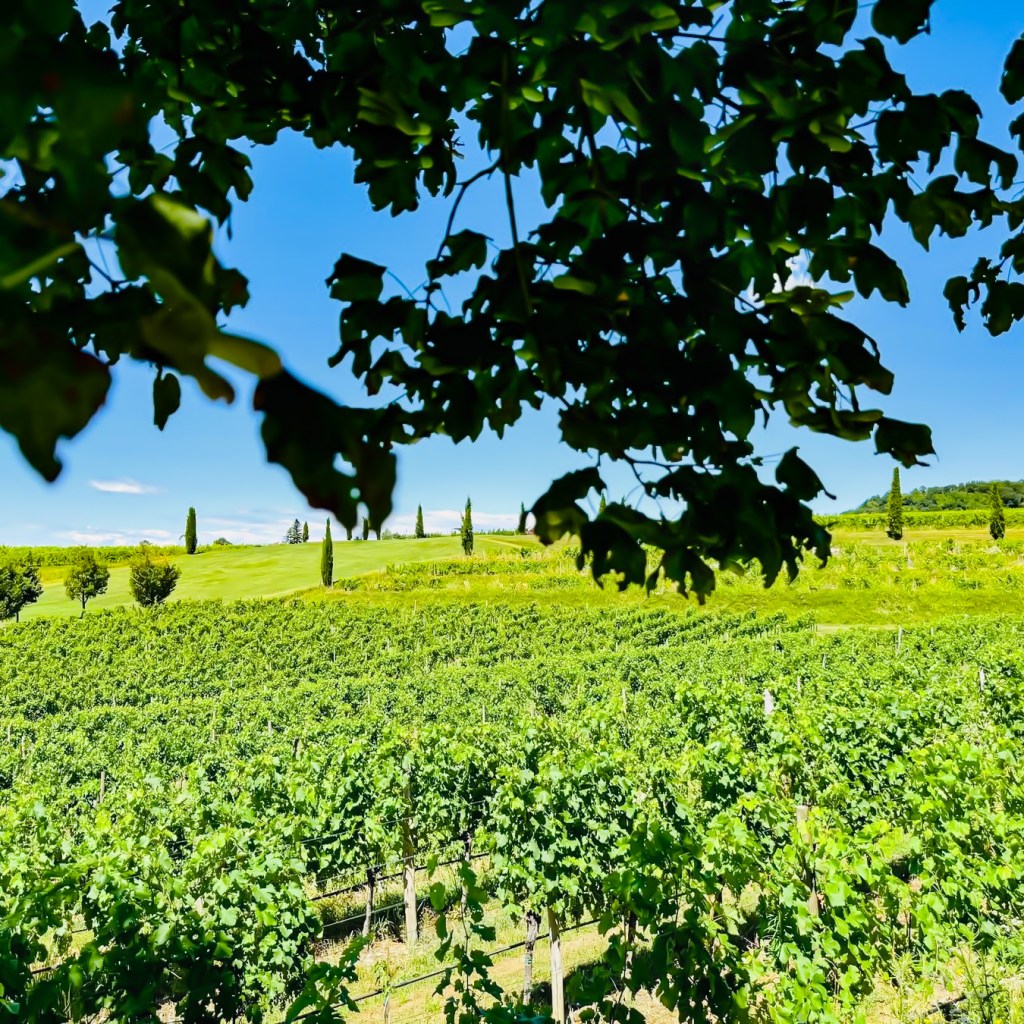
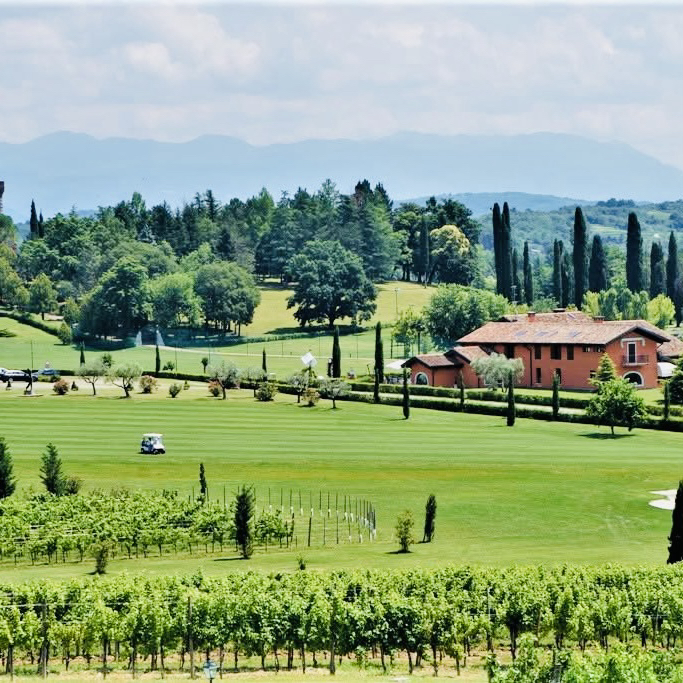
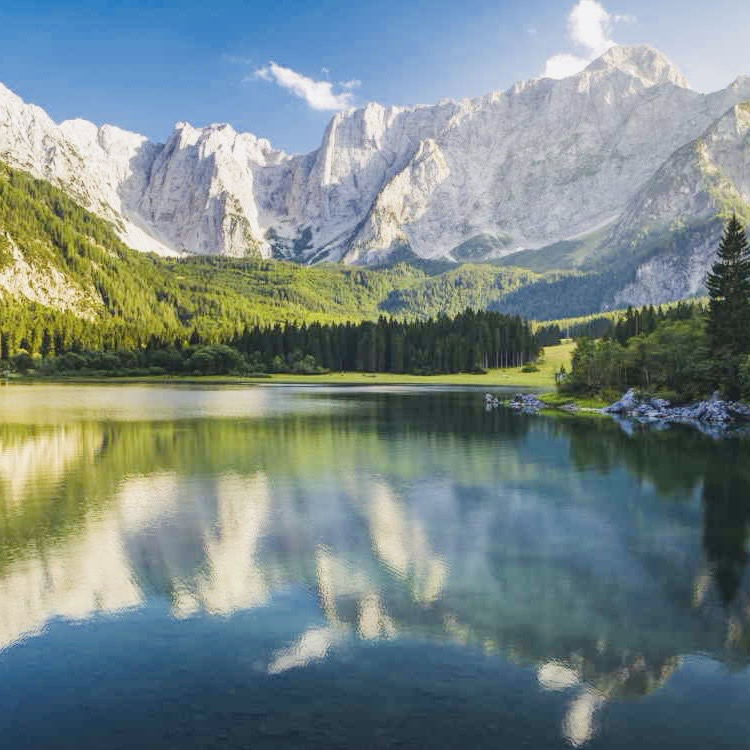
Nestled in Collio Goriziano, between the Julian Alps and the Adriatic, these rolling hills benefit from cool alpine breezes and maritime influences, ideal for growing nuanced grape varieties. Soils composed of Ponca, Eocene origin marl and sandstone lend minerality, structure and age worthiness to the wines. 

Vineyards: The estate spans approximately 83 hectares in Collio and 55 hectares in Isonzo. Grapes flourish under low yield, night harvest regimes with varietals such as :

  • Whites: Friulano, Ribolla Gialla, Sauvignon Blanc, Chardonnay, Pinot Bianco, Pinot Grigio 
  • Reds: Pinot Nero, Merlot, Cabernet Sauvignon 

Recent innovations include ultra premium Pinot plots: “VIGNA DEI 3 PINOT, cultivated with “Simonit & Sirch methods for Burgundy/Champagne level quality. 

Castello di Spessa Wines: From Classic to Crus 

Castello di Spessa’s wines are grouped into three principal categories: 

  1. Eccellenze del Conte: Crus intended for long term aging 
  2. DOC Collio & DOC Isonzo lines: Elegant, terroir expressive 
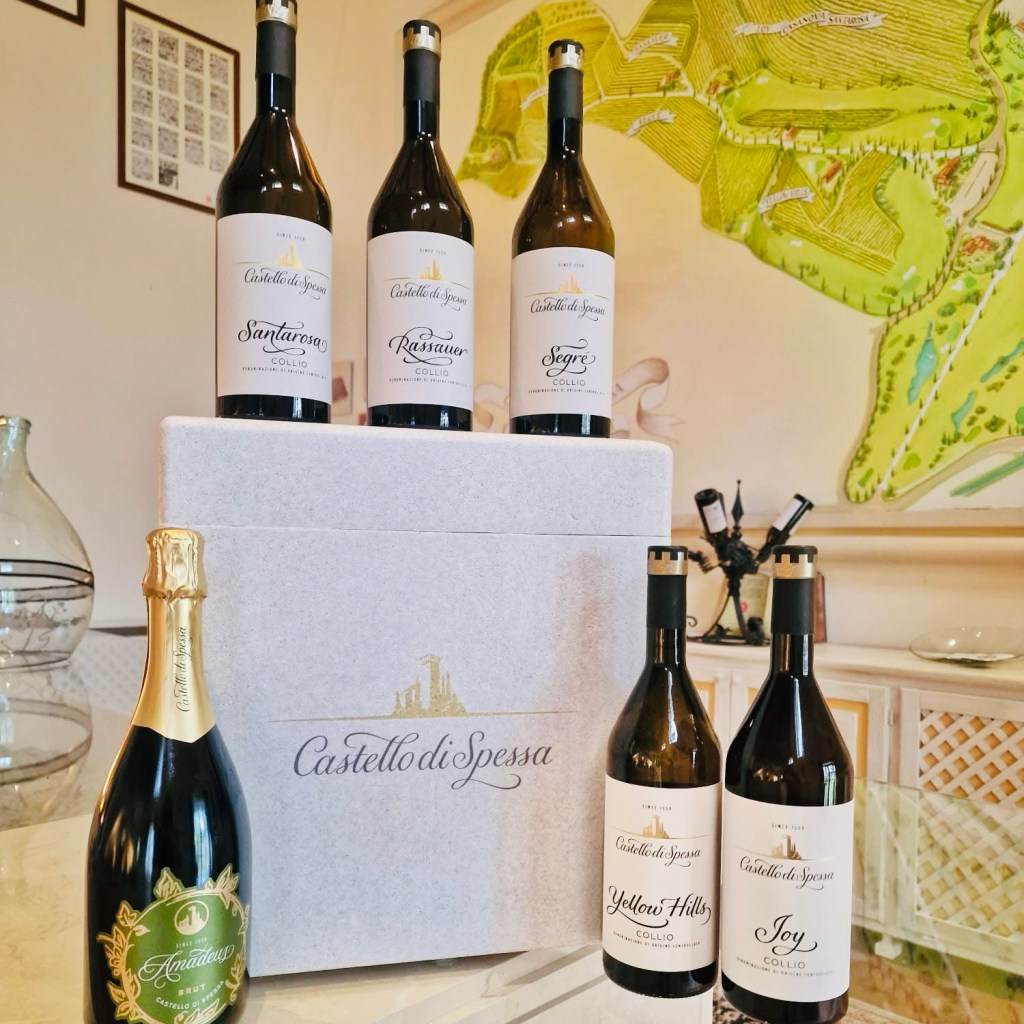
  3. Spumante and Other Specialties: Including method classic bubbles like “Amadeus” 

Signature Labels 

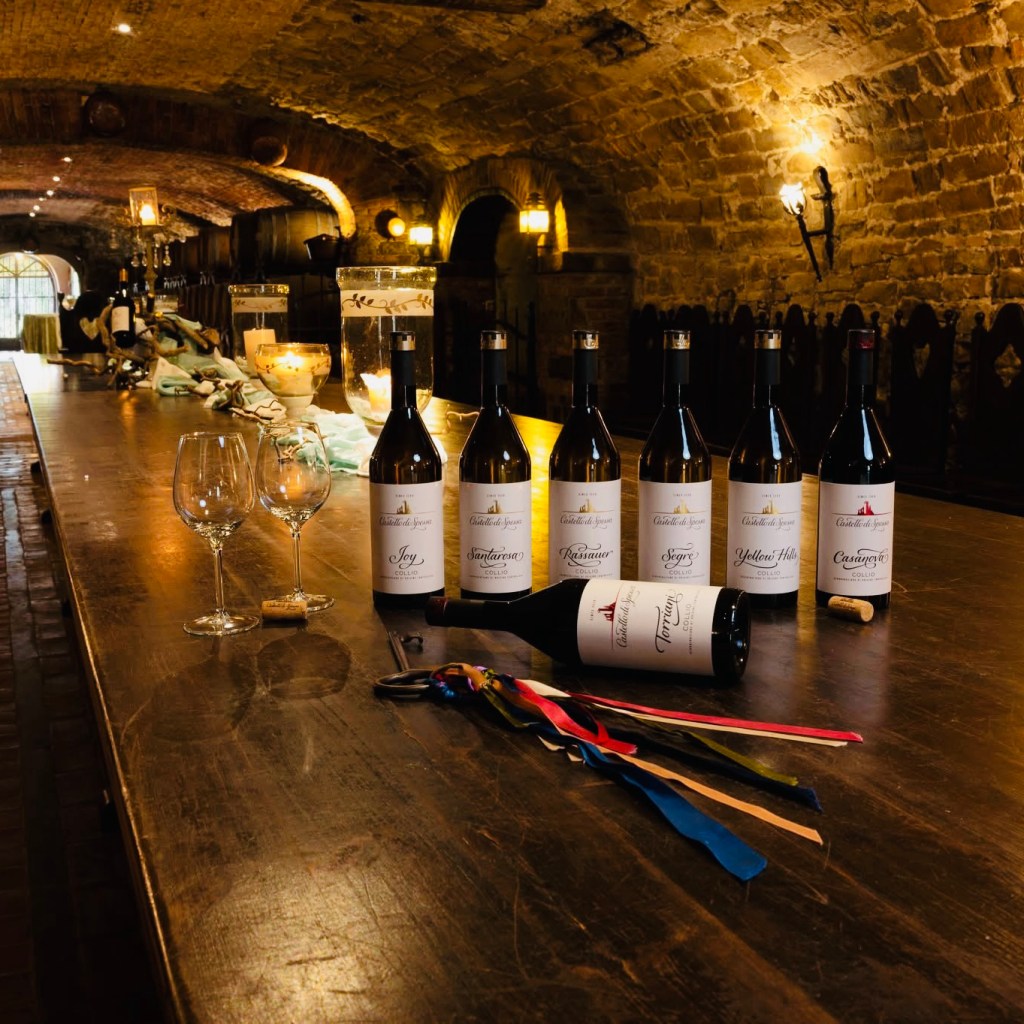
  1. Sauvignon Segré (2022) 
  1. Pinot Bianco Santarosa, Ramato Joy (Pinot Grigio), Ribolla Gialla “ Yellow Hills”, Friulano ‘Rassauer’, and Bianco Collio Riserva San Serff reflect district identities. 
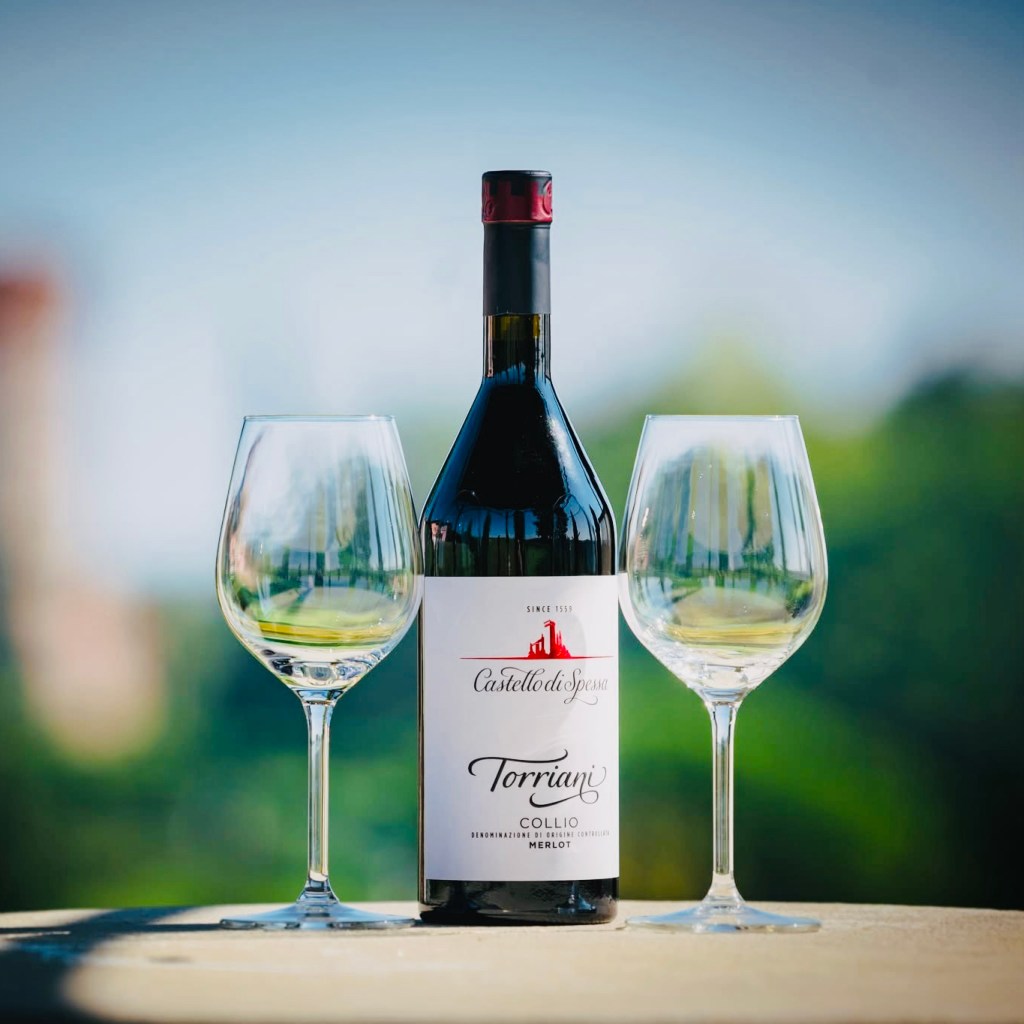
  1. For Reds: Merlot Torriani, Pinot Nero Casanova and Rosso Collio Riserva San Serff deliver structure and regional sophistication 
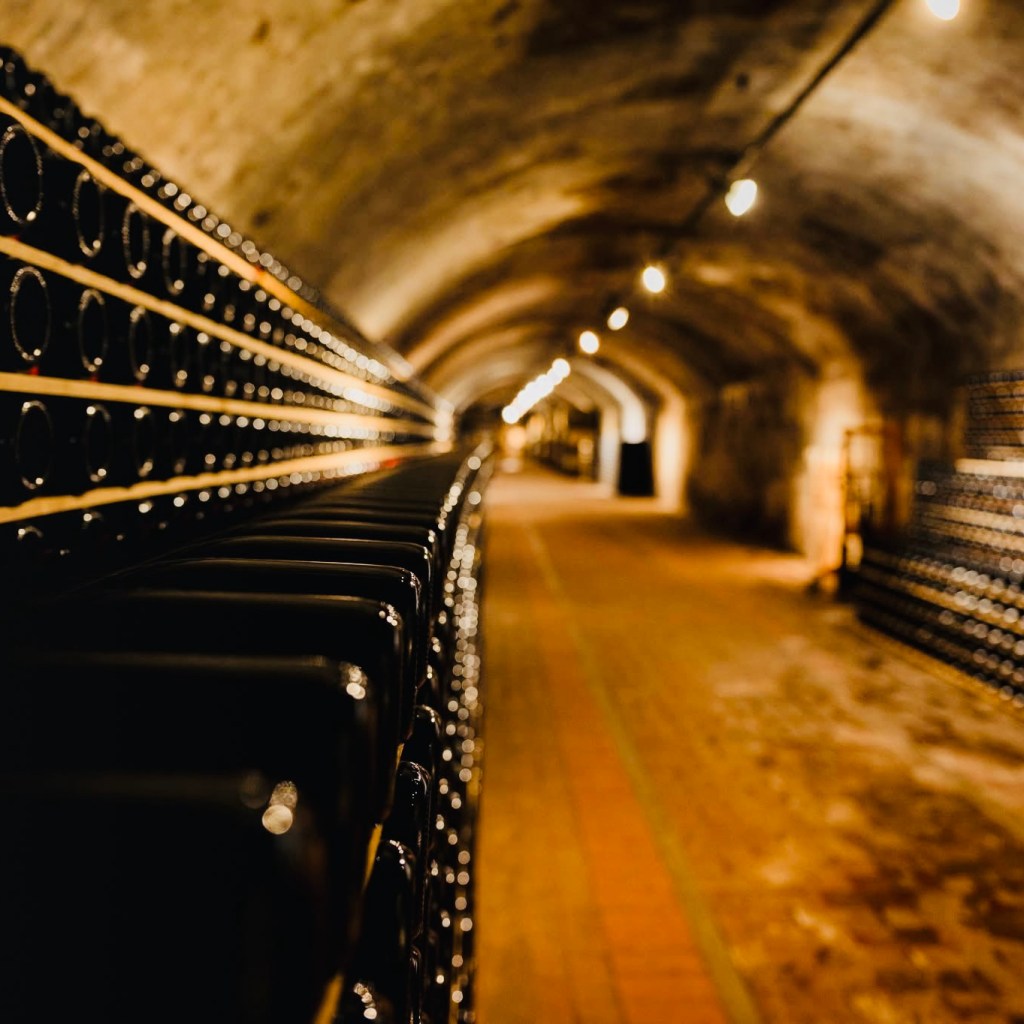
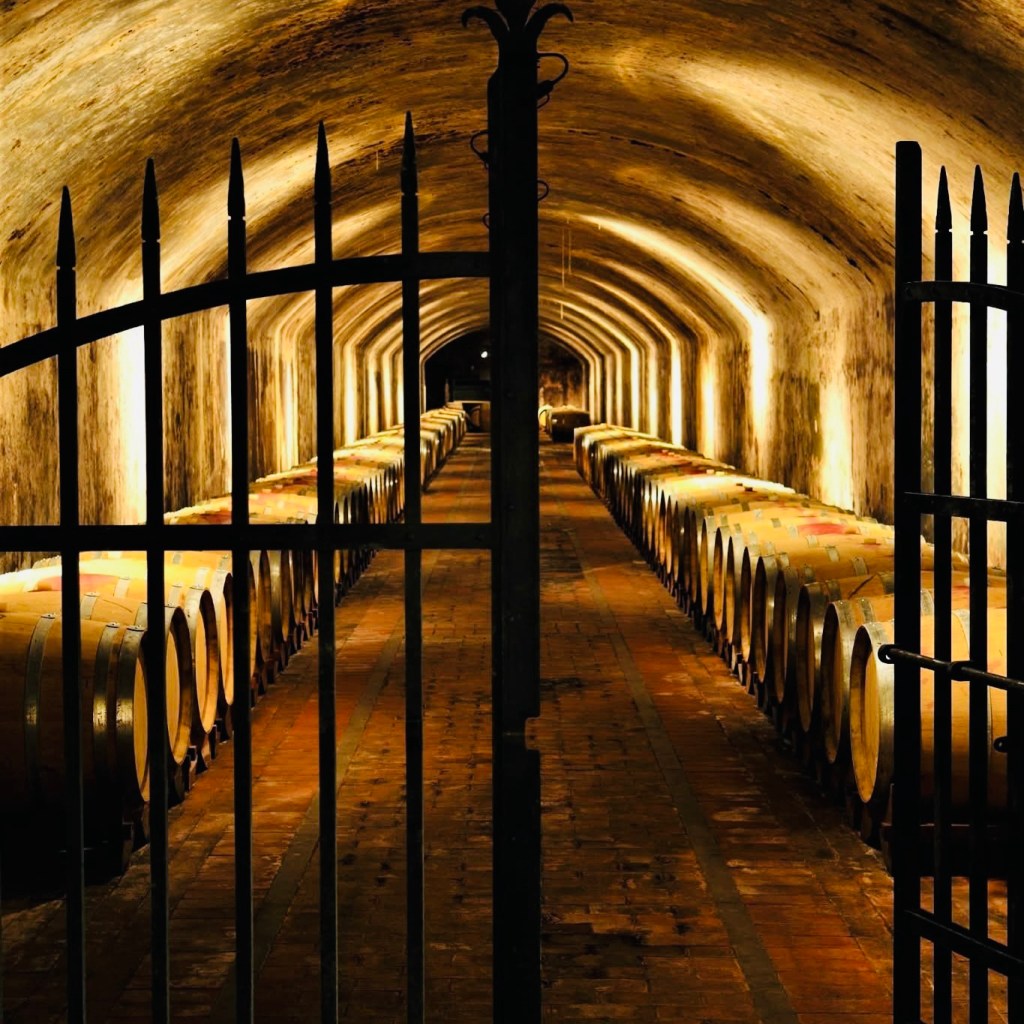
  1. The Medieval cellars and WWII era bunker (rediscovered in 1987) at 18 metres provide ideal constant 14 degrees Celsius for aging the “Cru” and spirits like Grappa Riserva Conte Ludovico. 

Wine Estates & Production:

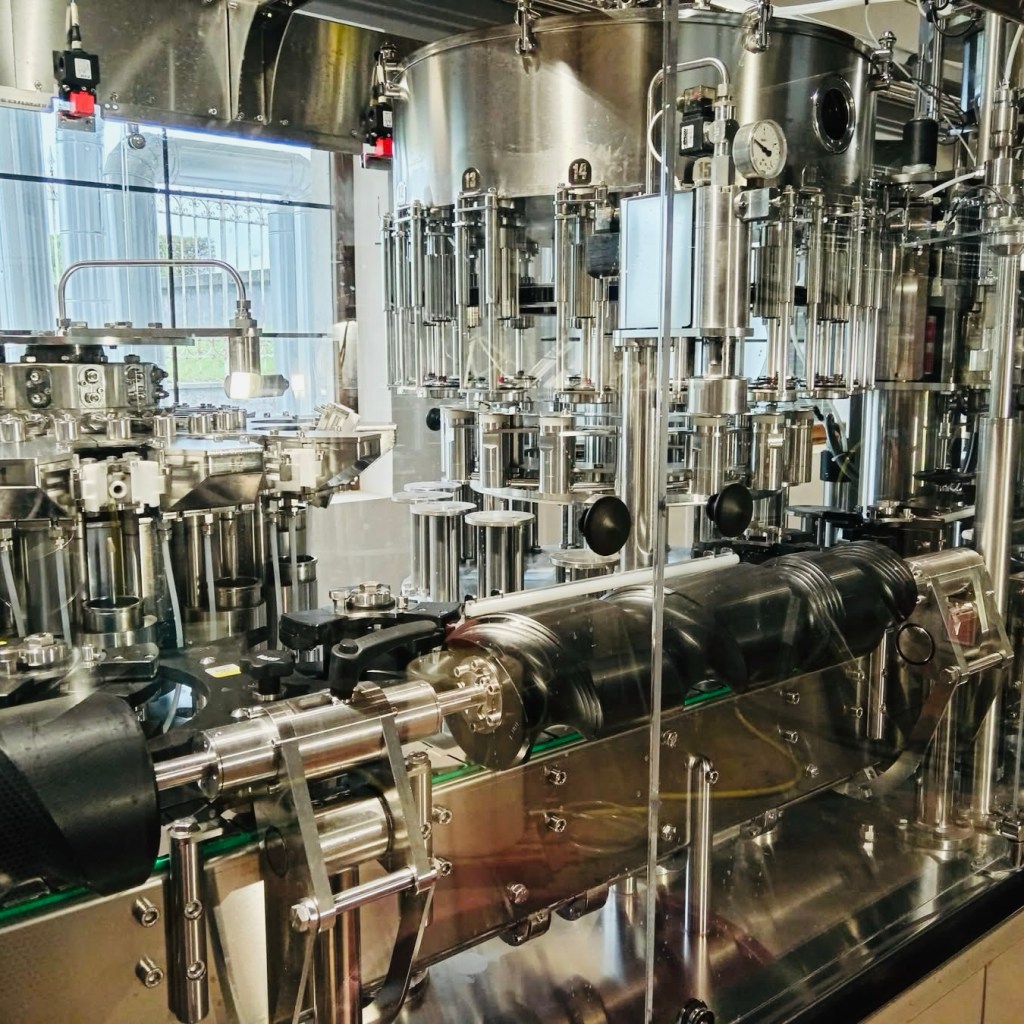
Vineyard cultivation, harvest, winemaking, bottling occurs in house. Night harvest preserves freshness, low yields focus aromatic intensity, varietal specific vinifications honor regional clarity. Annual production hovers around 450, 000 – 500,000 bottles. The medieval cellars and WWII bunker provide optimal aging conditions for superior wines and spirits. 

The Cellars & The Bunker: A Hidden Vintage Vault 

Castello di Spessa has two levels of Cellars: 

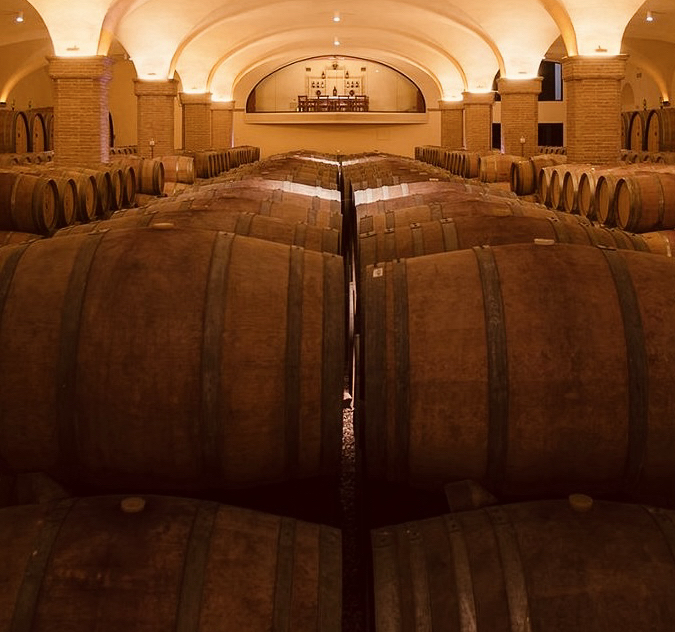
  • Barrel Cellars in medieval foundations
  • A subterranean WWII bunker, rediscovered in 1987 connected via stairway for aging fine wines and spirits. 

Experiences: Visits, Tasting & Immersion 

Explore guided wine tours through medieval cellars and the bunker, pairing tastings with delectable local fare in venues like “La Tavernetta al Castello” and “Hosteria del Castello”. 

  • Green Theatre: Open air cultural performances
  • High Vine Paths for walking amid vineyards 
  • A scenic heliport, and proximity to regional cultural treasures. 

The Luxury Resort: Castello, Tavern, Farmhouse & Apartments 

Accommodations:

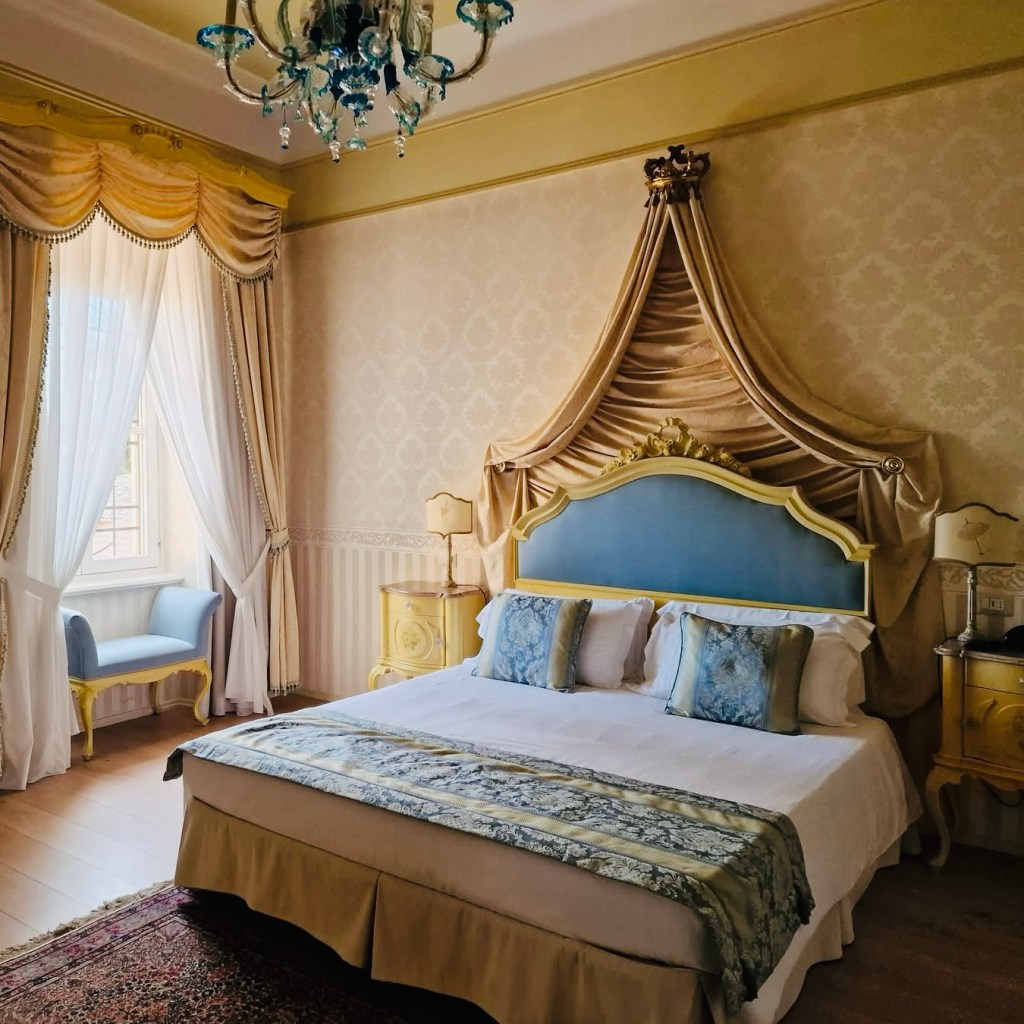
  • Castle Suites: Antique furnished junior suites evoking 18th century nobility and offering views over gardens and vineyards. 
  • The Tavernetta, Hosteria del Castello, and Bistrot II Gusto di Casanova. Three distinct yet unified culinary venues offering everything from refined dining to casual charm. 
  • Farmhouse on the Hill & Apartments in the Vineyards: Rustic, serene options for guests seeking tranquility.
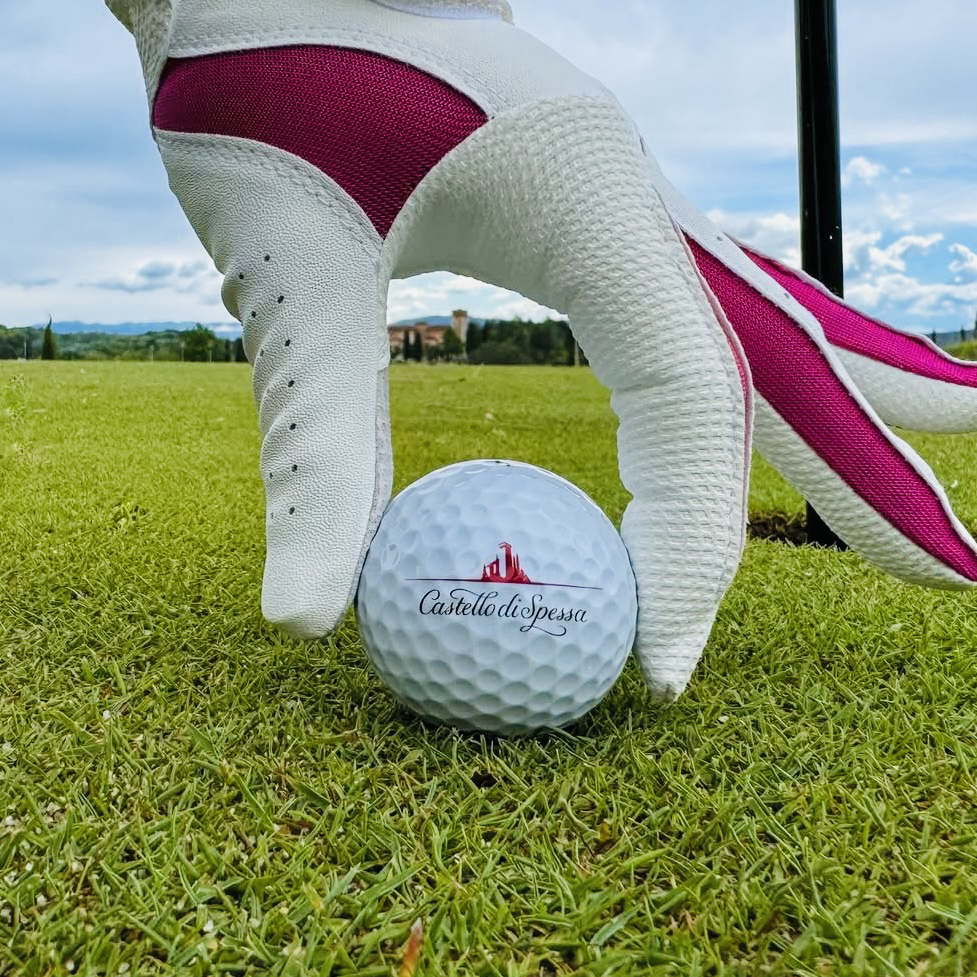
  • The estate also hosts an 18 hole “GOLF COURSE” that weaves through vineyards and wooded hills. A true blend of sports and serenity. 

Gastronomy & Venue: La Tavernetta & Castle Dining 

La Tavernetta al Castello offers refined gourmet dining with regional ingredients, while Hosteria del Castello and the bistro deliver informal yet elegant options. The team, guided by Chef “Antonino Venica”, tailor menus for events, galas, weddings or business. 

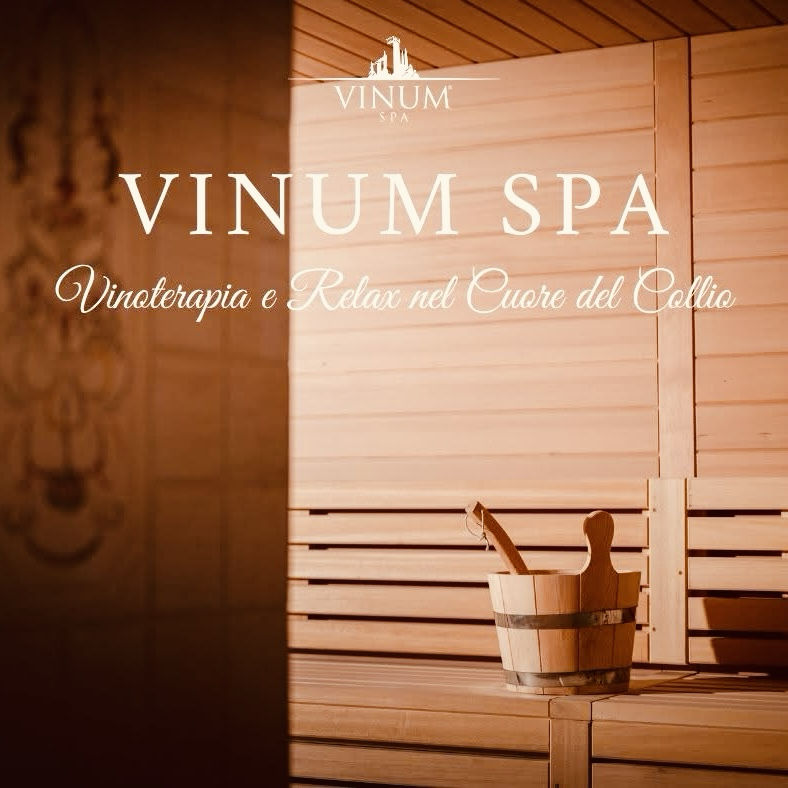
The VINUM SPA : Therapy in Luxury 

Nestled in the former stables, the VINUM SPA spans 2,000 m² and is entirely Vinotherapy focused. Includes Finnish Sauna and treatments use estate produced grape seed oil, wine creams and GRAPPATHERAPY”. 
“Loretto Pali” aptly summarises: “IN WINE THERE IS JOY, HEALTH & BEAUTY 

Friuli Venezia Giulia : A Luxurious Wine Land 

Friuli Venezia Giulia is a jewel among Italian wine regions. Where Alpine & Mediterranean climates meet and geologic diversity yields expressive, age worthy wines. Slow food traditions, artisanal craft and captivating landscapes have established the region as a sophisticated luxury travel destination. Castello di Spessa amplifies this by blending hospitality, heritage, romance and sensory luxury, creating a destination for connoisseurs and travellers. 

Castello di Spessa 

At its core, Castello di Spessa is a harmonious union: historic castle, lush vineyards, masterful winemaking, restorative Spa, epicurean dining, elegant lodging, cultural experiences and events infused with souls. It offers a deeply human, naturally luxurious escape within Italy’s most graceful landscapes. 

The Business of Wine 5.0

Prestige, Power Moves & the New Language of Wine 

The wine industry is not what it used to be. What was once a business of vineyards and vintages has now evolved into a multi billion dollar enterprise driven by branding, tech innovation, cross sector luxury partnerships and bold market strategies. Welcome to Business of Wine 5.0 an era where tradition meets disruption and the wine glass is no longer half full, it’s brimming with opportunity. 

Wine as a Global Asset: The Rise of Investment Bottles 

Wine is no longer just to sip, it’s to store, flip and invest. The fine wine market reached $6.1 billion in 2023 and platforms like Cult Wines, Vinovest and Rare Wines have democratised access to high end wine portfolios. Brands like Chǎteau Lafite Rothschild, Domaine de la Romanée-Conti now appear in financial portfolios alongside luxury watches and art. 

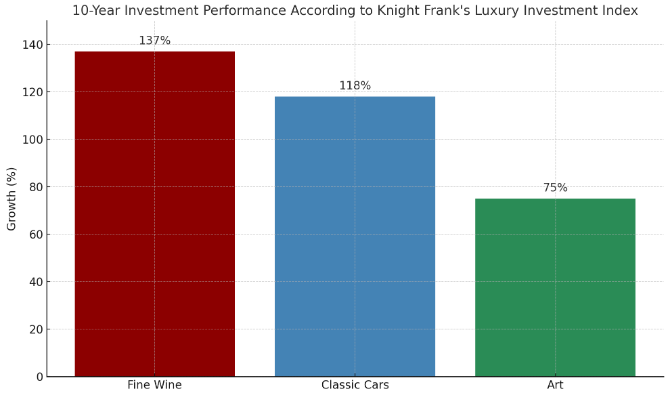
According to Knight Frank’s Luxury Investment Index, fine wine outperformed classic cars and art over a 10 year horizon. This shift is evident all over. Affluent consumers are investing in Super Tuscans, Bordeaux futures and Napa cult wines as part of wealth diversification strategies. 

Luxury Wine: Beyond Labels and Into Lifestyle 

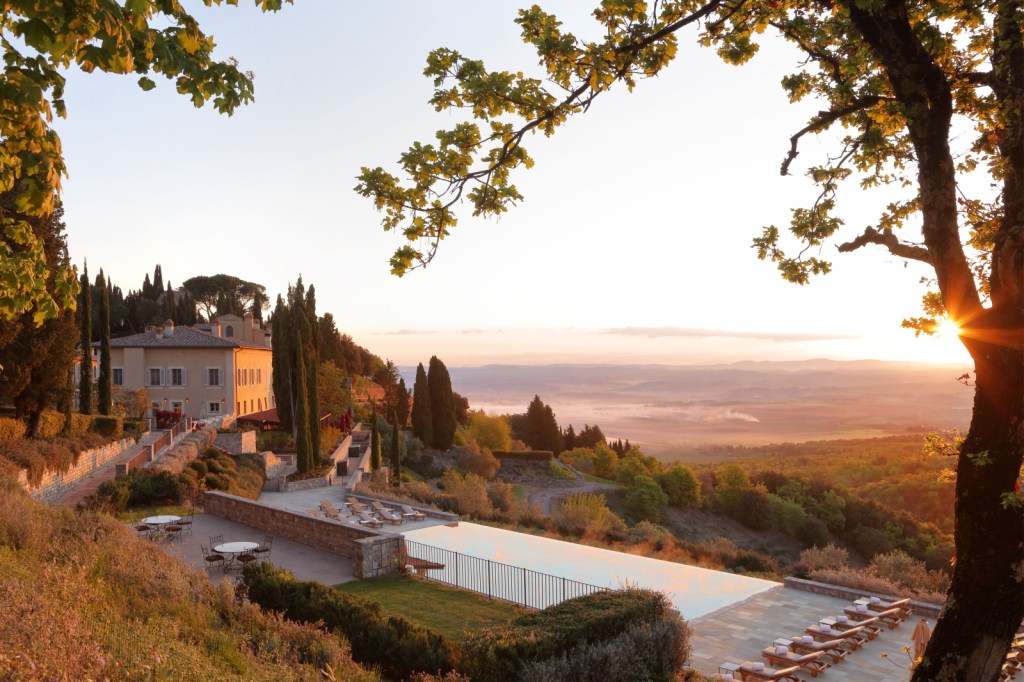
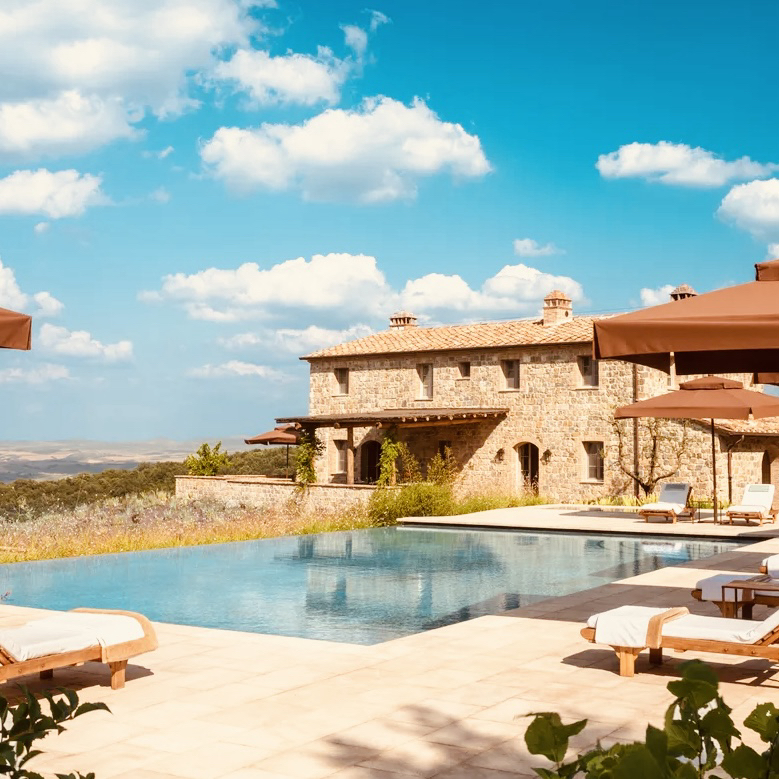
Wineries like Castiglion Del Bosco and Chǎteau Haut Lafitte aren’t just making wines, they’re crafting entire worlds. The Rosewood Castiglion Del Bosco Luxury Hotel and its 5,000 acre estate in Montalcino blur the lines between vineyard, spa, heritage and haute couture. Luxury consumers want more than exclusivity. They want storytelling, soul and access. 

Private Label Wines: Retail Giants are the New Wine Moguls 

From Costco’s Kirkland Signature Wines to Aldi’s award winning bottles under $10, private labels are shifting power away from traditional producers. Luxury hotels, too, are entering the game. Aman Resorts and Six Senses have begun curating private label wines to align with their brand ethos. The twist? Some private labels are using top tier wine consultants and even buying bulk from renowned vineyards, rebranding them under an exclusive house label. The quality is rising and so is consumer trust. 

Grey Market Maneuvers & Import Innovation:

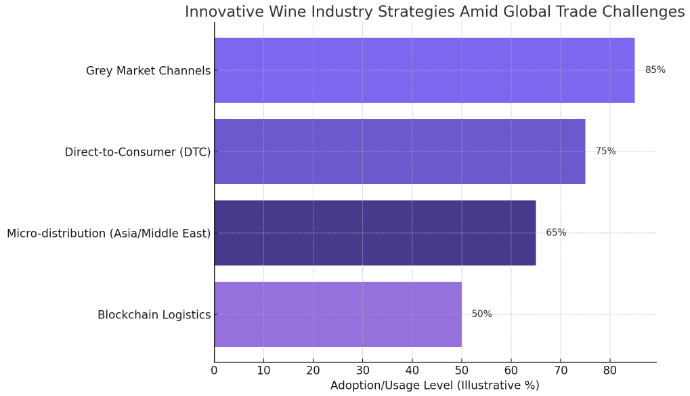
With shipping costs up 200% since 2021 and tariffs fluctuating in post-Brexit Europe and US-China tensions, brands are rewriting the import/export playbook. Some use grey market channels to reroute shipments to lower tax before entering primary markets. 

Others are experimenting with: 

  • Direct to Consumer (DTC) platforms 
  • Micro-distribution networks in Asia and the Middle East
  • Blockchain logistics to track provenance in real time. 

It’s not about cutting corners, it’s about cutting inefficiencies. 

Digital Cellars: Tech Disruption from Vine to Vintage 

Wine Tech is booming. Precision viticulture is using drones, AI and IoT soil sensors to predict yield, monitor disease and optimize irrigation. 

  • Tule Technologies helps vineyards in Napa save to over 20% water annually. 
  • Vivino, with over 60 million users, is using AI to recommend wines and reshape consumer behaviour. 
  • NFTs by brands like Yao Family Wines offer exclusive ownership and authentication. 

The smart cellar is here and it’s connected to the cloud. 
Hospitality X Wine: The New Synergy 

High end hospitality groups are leveraging wine like never before. 
  • The Ritz Paris now has curated wine concierge services. 
  • Belmond pairs each property with wines reflecting its region, a sensory passport.
  • Yacht charters like Aqua Expeditions now offer onboard sommeliers, exclusive vertical tastings and wine paired Michelin inspired cuisine. 

It’s a full bodied experience. 

The Influence of Culture & Couture 

Fashion and Wine have officially clinked glasses. Massimo Ferragamo’s influence at Castiglion Del Bosco is just the beginning. 

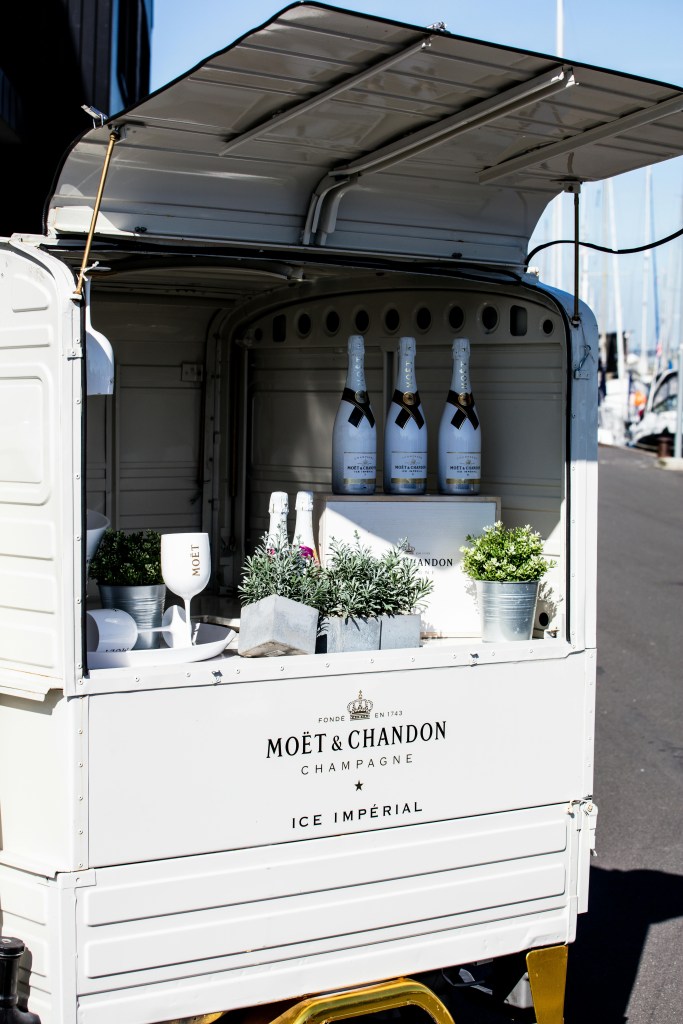
  • Moët. & Chandon is often front row at PFW
  • Penfolds collaborated with Saint Laurent and launched capsule collections. 
  • Champagne Armand de Brignac (Jay-Z’s label) redefined aspirational sipping. 

Luxury is a narrative and Wine is becoming part of the wardrobe. 

Global Tastes, Local Roots: Customization in Wine Marketing

Brands are adapting messaging for local palates. What sells in Sweden doesn’t sell in Shanghai. Luxury wineries are investing in market specific branding and experiential marketing. Torres in Spain launched a Chinese New Year Gran Reserva, While Napa’s Opus One partnered with luxury watch events in Tokyo. 

It’s about relevance without dilution. 

Final Pour: What Comes Next? 

The wine industry is not only evolving. It’s accelerating. From the terroirs of Tuscany to the Tech labs of Silicon Valley, Wine is now a luxury business, a data game and a lifestyle all at once. Whether you’re sipping a $5 Aldi red or aging a $50,000 Screaming Eagle, know this: Wine 5.0 has arrived, and it’s not just in the bottle. It’s in the strategy, the story and the soul. 

Wine as an asset, Wine Business & Wine Investment. Beyond the Bottle !

The Captivating world of wine. A lucrative business and investment opportunity. 

Wine has been long associated with luxury, culture and heritage. But beyond the pleasure of drinking it, wine has also become a significant business and investment opportunity. With global wine consumption growing and collectors turning rare vintages into financial assets, the wine industry has become a lucrative market for both wine enthusiasts and serious investors. 

In this blog, we’ll explore various aspects of the wine business and investment, from starting a collection to understanding the economics behind wine pricing and market trends. 

Starting your own collection:

  1. Research and Education: Understanding different wine regions, grape varieties and vintages is crucial. 
  1. Buy from Reputable sources: Whether it’s fine wine auctions like Sotheby’s or Christie’s or top wine merchants, authenticity and provenance matter. 
  1. Focus on Blue Chip Wine: Bordeaux First Growths, Burgundy Grand Crus and top Italian wines and Napa wines historically offer strong returns.
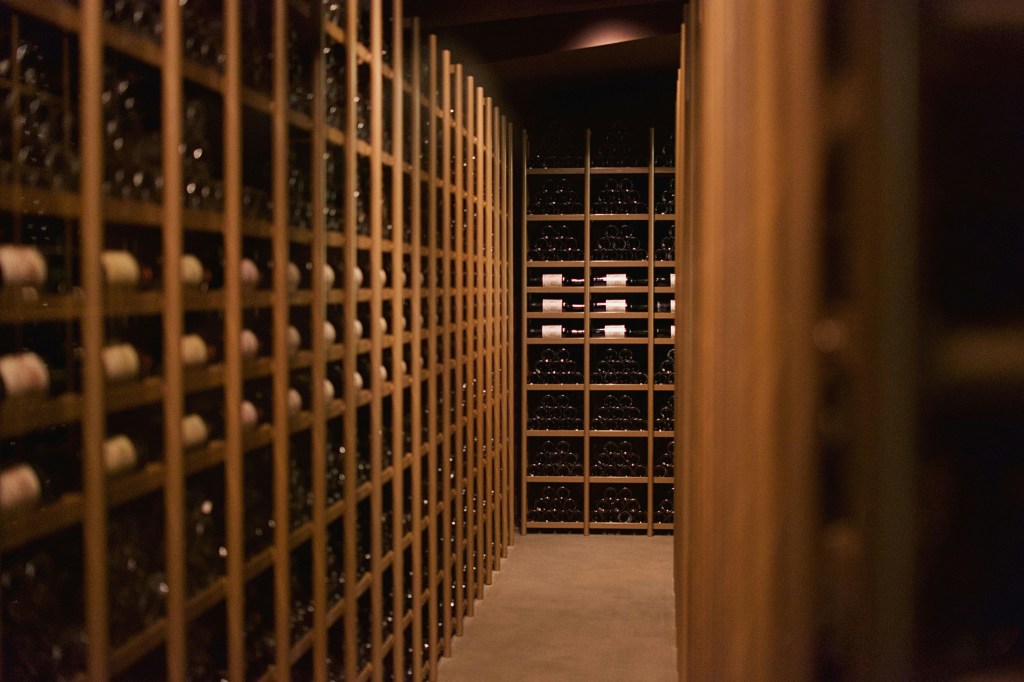
  1. Storage and Cellaring: Wine needs proper storage at around 55 degrees F (13 degrees C) and 70% humidity. Consider professional storage facilities to maintain value. 
  1. Diversify your portfolio: Don’t just focus on Bordeaux, explore Tuscan wines, Champagne and emerging regions like Argentina, Spain, South Africa 

Is Fine Wine Profitable ? Market trends and Insights :

Fine wine has outperformed traditional investments like stocks and gold in recent years. Let’s look at some key market insights:

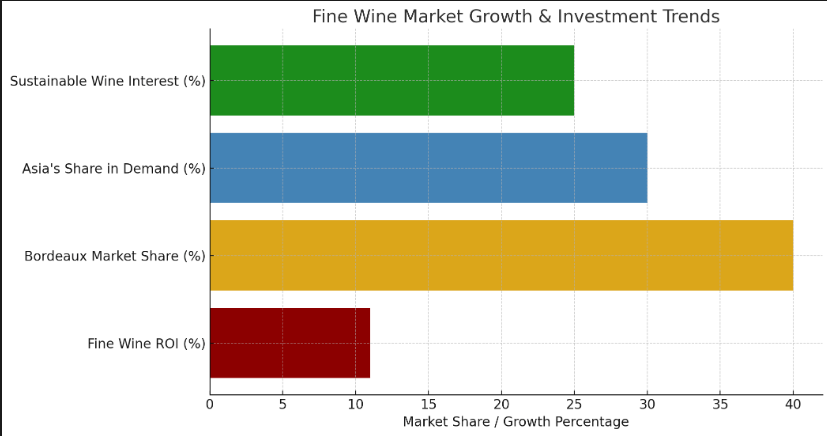
  • Fine Wine Market Growth: According to Liv-ex Fine wine 1000 index, fine wine investments have shown an average annual return of 10-12% over the past decade. 
  • Bordeaux Dominance: Bordeaux still represents nearly 40% of the secondary wine market. 
  • Global Demand: Asia, particularly China and Hong Kong, has become a major buyer of luxury wines, increasing the value of rare bottles.

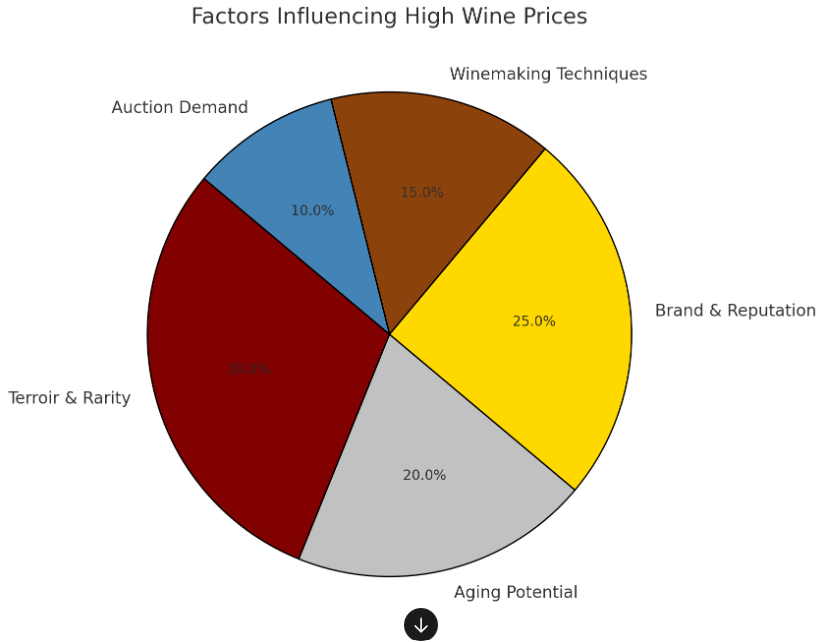
The Economics of Wine Pricing – What Makes Some Bottles Cost Thousands? 

  1. Terroir and Rarity: Wines from prestigious vineyards are scarce and highly sought after. 
  1. Aging Potential: Wine with long aging potential attracts collectors willing to pay a premium. 
  1. Brand and Reputation: Established estates like Château Lafite Rothschild or Domaine Leroy command higher prices due to legacy and quality. 
  1. Winemaking Techniques: Hand harvested, barrel aged and meticulously crafted wines often cost more. 
  1. Auction and Collector Demand: The resale market through Sotheby’s or Bonhams drives up prices for rare vintages. 

The Role Wine Critics and Ratings – How much influence do they have ?

Critics all around the globe have immense influence over wine prices and consumer demand. 

  • High Ratings = Higher Prices: A 95+ score from wine advocate can significantly increase a wine’s value overnight. 
  • Market Trends: Critics’ recommendations shape consumer preferences, shifting demand between regions and varieties. 
  • Investment Decisions: Many collectors and investors rely on critic scores to determine which wines to buy and hold. 

Other Key Aspects of Wine Business and Investment: 

  1. Wine Futures ( En Primeur) – Investing Before Bottling: Buying wine before it’s bottled allows investors to acquire top vintages at lower prices. Bordeaux’s En Primeur market is a prime example of how futures trading works in the wine industry.
  1. Wine Tourism and Experiential Investment: Luxury wine tourism is booming. Wineries in Napa Valley, Tuscany and Bordeaux offer exclusive vineyard experiences, driving both brand value and sales. 
  1. Technology and Blockchain in Wine Investment: New platforms use blockchain to verify wine authenticity and prevent counterfeiting, making investment safer for collectors. 

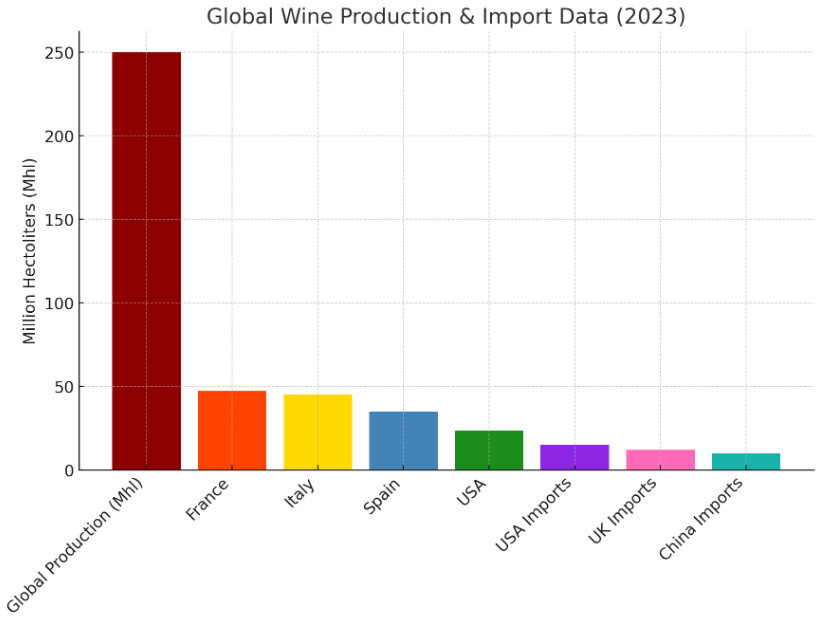
Global Wine Productions and Trade Data:

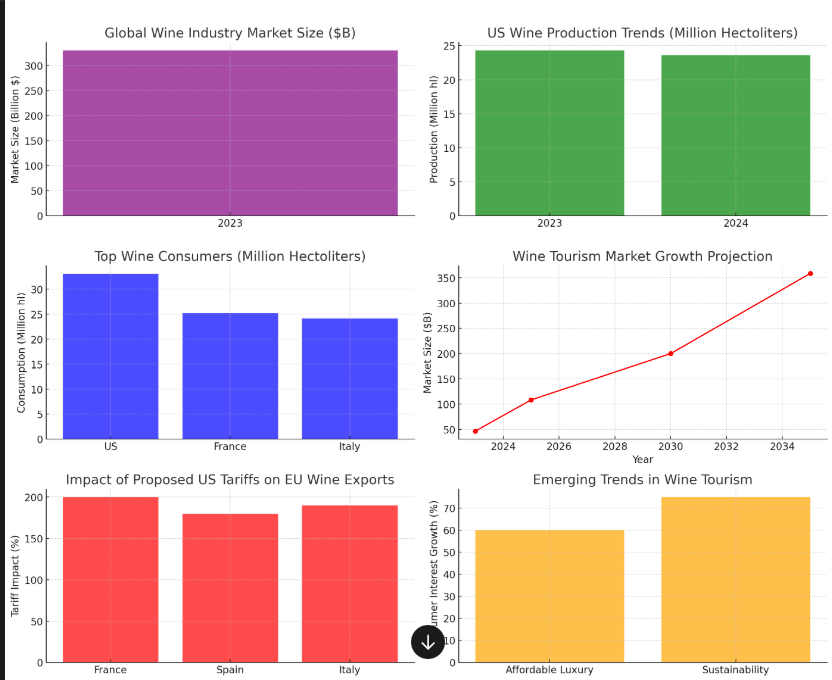
  • Global Wine Production (2023) : Approximately 250 million hectolitres (OIV data) 
  • Top Producing Countries: France, Italy, Spain, USA
  • Top Importing Countries: USA, UK, China 

Conclusion:

Wine business and investment require knowledge, patience and strategies. While fine Wine can yield impressive returns, it’s also a passion driven market where understanding the nuances of wine regions, aging potential and market trends is crucial. Whether you are looking to start a collection, invest in Wine funds or explore luxury wine tourism, the world of Wine offers endless opportunities for both profit and business. 

Wine, Luxury Tourism and Trade Wars.

Navigating Global Trends and U.S tariffs on European wines.

There was a time when wine tourism meant stopping by a vineyard for a quick tasting and heading out with a couple of bottles. But, today luxury wine tourism is an entirely different world. One where visitors aren’t just sipping wine but they are living it. The industry has transformed into a billion dollar industry that caters to the most. 

If you have ever wondered how the world of luxury travel and fine wine blend so seamlessly, let’s take a deep dive into the business of wine, luxury tourism and trade wars. 

The Growing business of Wine and Luxury Tourism: 

Luxury wine tourism is no longer just about the wine, it’s about the experience. The industry has seen a massive boom in recent years, with more travelers seeking high end personalised encounters with winemakers, breathtaking landscapes and the history behind each bottle. 

Market and Revenue Potential:

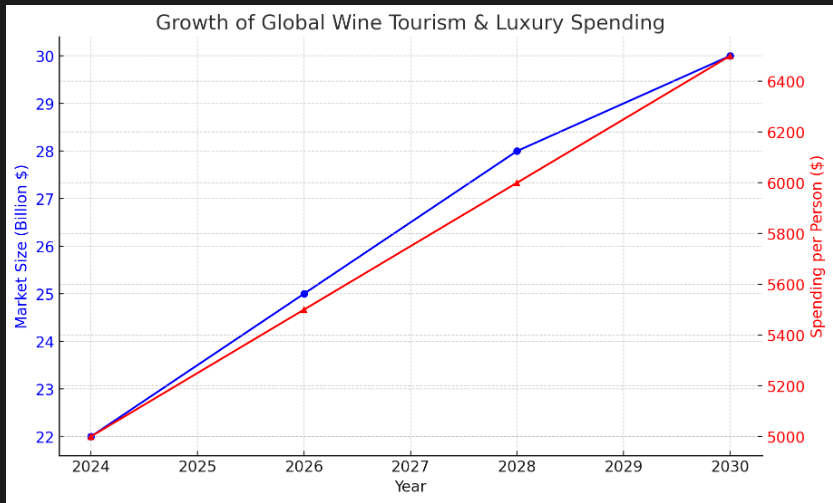
  • The global wine tourism industry is projected to surpass $30 billion by 2030. 
  • Luxury travelers are spending $5000 + per person on premium wine experiences. 
  • Countries like France, Italy, Spain, US and Argentina dominate the luxury wine travel market. 

For wineries, the business isn’t just about selling bottles anymore. It’s also about creating premium experiences that add value to their brand and increase direct to customers (DTC) wine sales. 

The Impact of U.S Tariffs on European Wines:

The global wine industry is currently facing a significant challenge as the United States has proposed imposing tariffs up to 200% on European alcohol imports. This move, if enacted, could severely impact wine producers across France, Italy and Spain. The three largest exporters of fine wines to the United States. Market analysis suggests that such a tariff hike would make European wines considerably more expensive for American consumers. 

For wine tourism and luxury experiences, the ripple effect on these tariffs could extend beyond pricing. Many American travelers visit Europe specifically to explore its renowned wine regions, often purchasing exclusive vintage to bring home. If prices soar due to tariffs, both the tourism industry and wine exports may experience a downturn. Additionally, smaller boutique wineries in Europe that lack the financial resilience of large scale producers may find it challenging to absorb the impact. As the debate over these tariffs continues, the global wine industry watches closely, hoping for negotiations that preserve trade balance and protect centuries old viticulture heritage. 

The Business Model Behind Wine and Luxury Tourism:

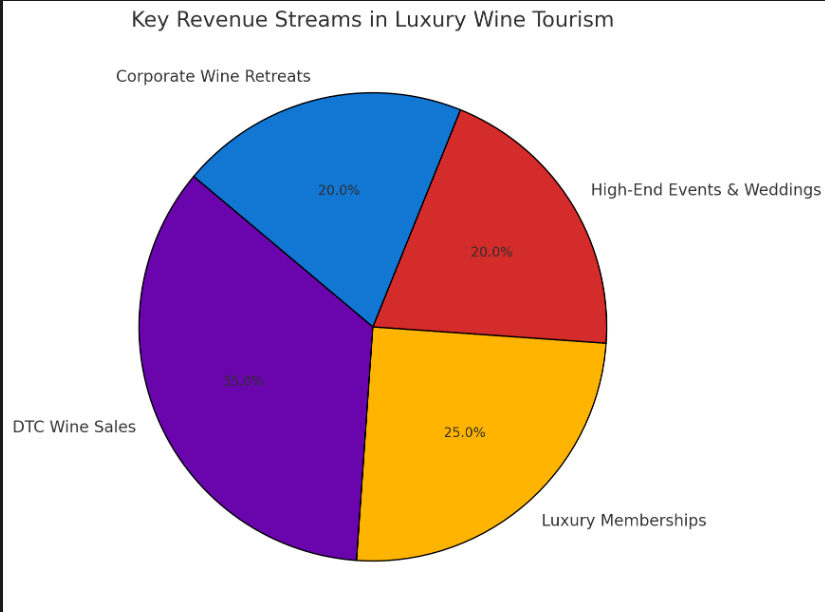
Wineries aren’t just making business from selling bottles, they have diversified their revenue streams to include exclusive memberships, high end events and personalised concierge services. 

Key Revenue Stream:

  • Direct to Consumers (DTC) Wine sales: High end wineries sell directly to visitors increasing profits
  • Luxury Membership Programs: Private wine clubs offering rare allocations and VIP events 
  • High End Events and Weddings: Estate wineries serve as ultra exclusive wedding and event venues.

Luxury Wine Destinations and Their Offerings:

Some of the most sought after wine regions around the world have mastered the art of Luxury Wine Experiences 

  1. Italy 🇮🇹 : Tuscany’s rolling vineyards, Piedmont’s Barolo and Sicily’s volcanic wine experiences 
  1. France 🇫🇷 : The home of Bordeaux’s grand châteaux and Champagne’s exclusive. 
  1. Spain 🇪🇸 : Rioja’s luxury wineries and Andalusia’s hidden gems 
  1. South Africa 🇿🇦 : Stellenbosch’s fine wine scene paired with African safari luxury. 

The Role of Personalization and Exclusivity in Wine Tourism:

The ultra wealthy aren’t looking for mass market tours, they want once in a lifetime experiences that cannot be found on google. This is where personalization and exclusivity become the backbone of luxury wine tourism. 

How Wineries are elevating personalisation ?

  • Private Wine and Food Pairing Dinners: Michelin star chefs curating bespoke menus
  • Limited Edition Barrel Tastings: Sampling wines before they are even bottled
  • Personalised Wine Labels: Custom bottles for high end clientele. 

Future Trends in Luxury Wine Tourism:

The industry continues to evolve, with new trends shaping the future of high end wine travel. 

  1. Wine Wellness and Vinotherapy: Luxury travelers are embracing spa treatments infused with grape extracts. A trend made famous by Caudalie’s Vinothérapie Spa in Bordeaux. 
  1. Sustainable and Eco Luxury Wine Tourism: More wineries are going green focusing on biodynamic viticulture and sustainability. 
  1. Ultra High End Wine Investment: Travelers aren’t just drinking wine, they are investing in rare vintages and vineyard ownership. 

Final Thoughts: 

The fusion of luxury travel and fine wines has transformed the industry into a powerhouse of unparalleled experiences. For wineries, embracing luxury tourism isn’t just about selling wine. It is about crafting experiences that turn guests into lifelong patrons. 

Fattoria di Grignano

Fattoria di Grignano: A Tuscan winery steeped in History and Passion. 

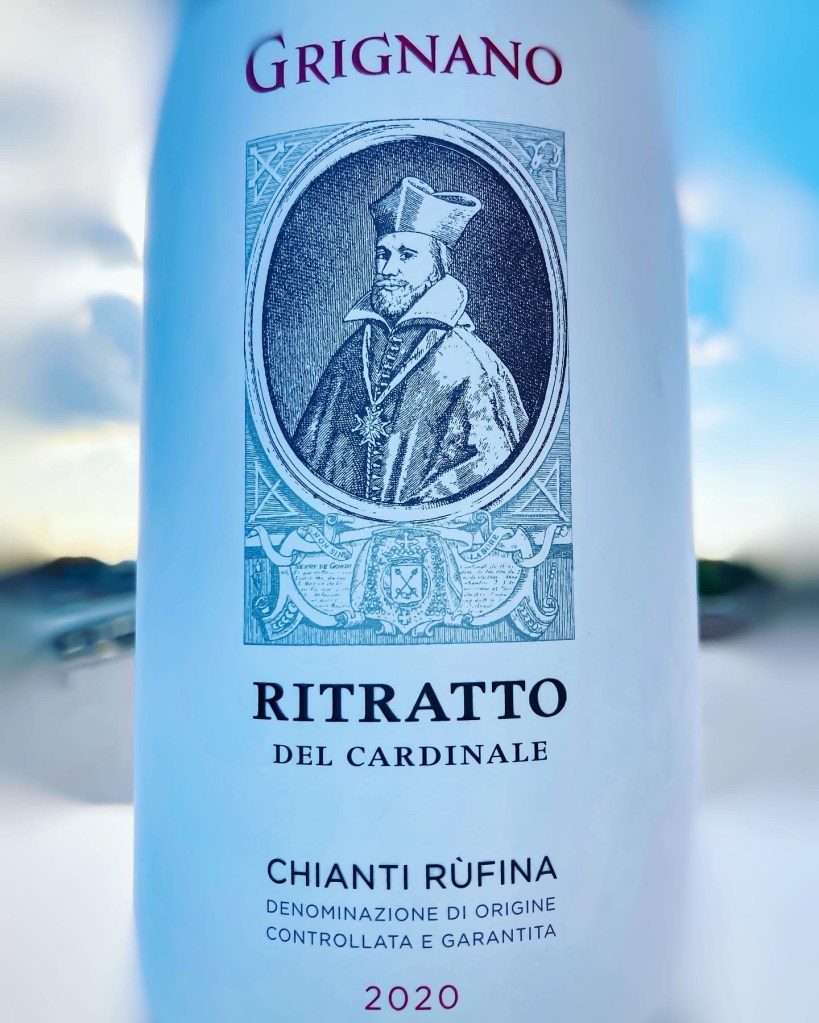
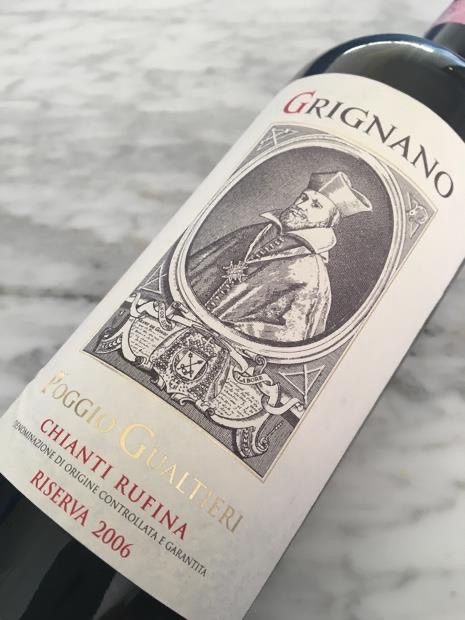
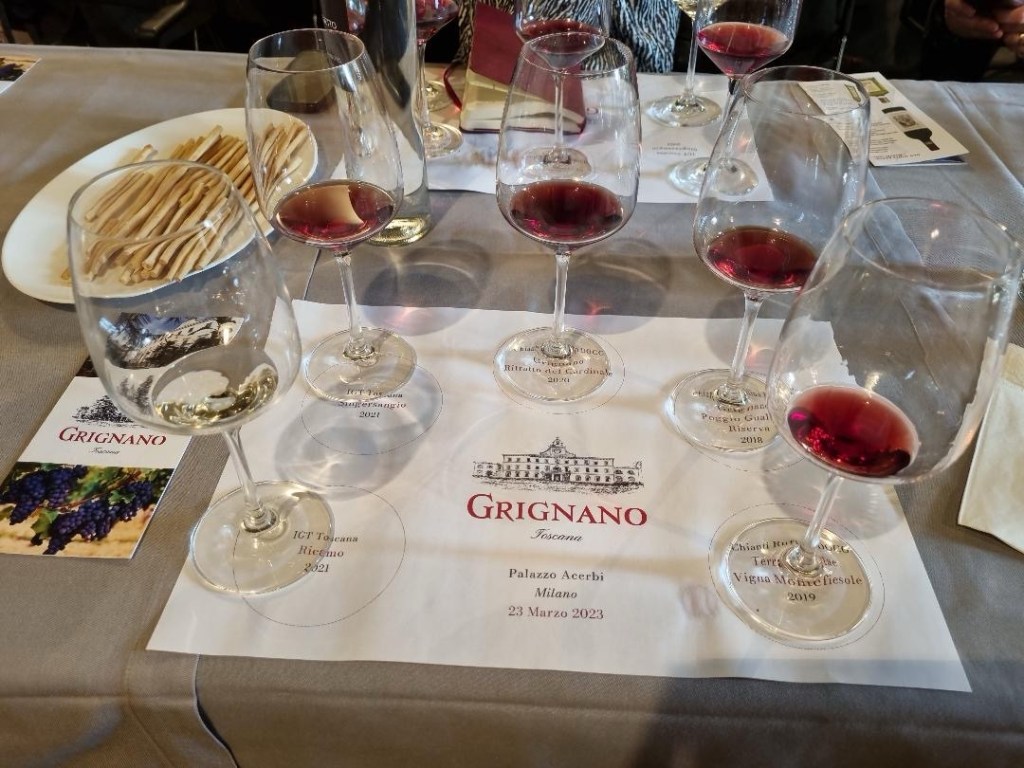
There’s something special about Tuscany, the rolling hills, the golden sunsets and the wines. Among the many wineries across the region, Fattoria di Grignano holds a special place. Nestled in the CHIANTI RUFINA region, this estate has been producing wines for centuries, carrying forward a rich legacy of tradition, innovation and deep respect for the land. 

A Winery with a Story:

The estate’s origins can be traced back to the renaissance era, when the noble families of Florence sought out the region’s fertile lands to cultivate vines and olives. Over time, it came under the ownership of the Inghirami Family, a well respected Italian business and fashion circles. But beyond the grandeur of its past, what truly defines Grinano is its commitment to winemaking, one that seamlessly blends tradition with modern expertise. Walking through the estate you get the sense that every wine, every barrel and every bottle has a story to tell. 

The Chianti Rufina Terroir: What makes it special? 

You might have heard of Chianti Classico, but Chianti Rufina, the sub region where Grignano is located, is the hidden gem of Tuscany. Though it’s smaller in size, the wines produced here are known for their elegance, structure and aging potential. 

Here’s what sets Chianti Rufina apart: 

  • Altitude & Climate: Vineyards sit at around 250 to 400 metres above sea level, giving the wine a fresher, more refined character. 
  • Soil Composition: A mix of clay, Karl and limestone provides excellent drainage, which enhances grape concentration.
  • Cooler Temperatures: Compared to Chianti Classico, Rufina’s climate allows for longer ripening periods, giving wines a vibrant acidity and depth. 

These conditions create wines that age beautifully, developing complexity over time. 

The Wines of Grignano: 

Grignano’s winemaking philosophy is straightforward: Respect the land , cherish the grapes and craft wines that tell a story. Their portfolio reflects the best of Sangiovese while incorporating international varietals for added depth. 

  1. Chianti Rufina DOCG: The heart and soul of the estate, this wine is a classic expression of Sangiovese, offering bright cherry, wild berries and hints of spice. Perfect for pairing with Pasta, Grilled meat and aged cheese. 
  1. Chianti Rufina Riserva DOCG: A step up in complexity, the Riserva spends extra time aging in the oak, developing deep flavours of dark fruit, tobacco, leather and vanilla. This is a wine that evolves beautifully in the bottle. 
  1. Grignano IGT: For those who love bold, structured wines, this blend of Sangiovese, Cabernet Sauvignon and Merlot delivers richness, power and elegance. 

The People behind the Wine: 

From the viticulturists who nurture the vines to winemakers who carefully blend and age each vintage, there’s an unmistakable dedication here. Sustainability is a big part of their ethos. The team prioritises organic farming methods, ensuring that the land remains healthy for future generations. They believe in minimal intervention, letting the grapes shine in their purest form. 

Why Fattoria di Grignano stands out: 

In a region filled with incredible wineries, what makes Grignano special? It’s not just the wines, it’s the feeling you get when you step onto the estate. The richness of its history and the undeniable sense of place that each bottle captures. For anyone who loves authentic Tuscan wines, Grignano offers something truly special. Each sip is a reminder of the passion and dedication that goes into every bottle. 

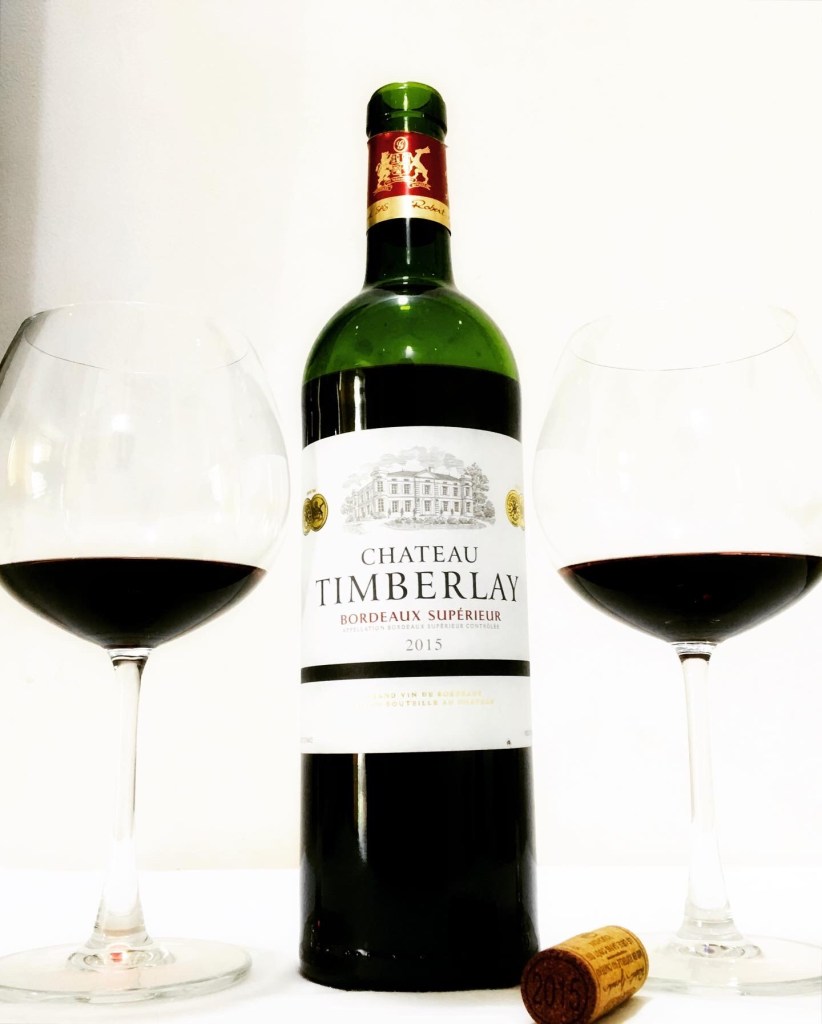
Le Supérieur de Bordeaux. Château Timberlay.

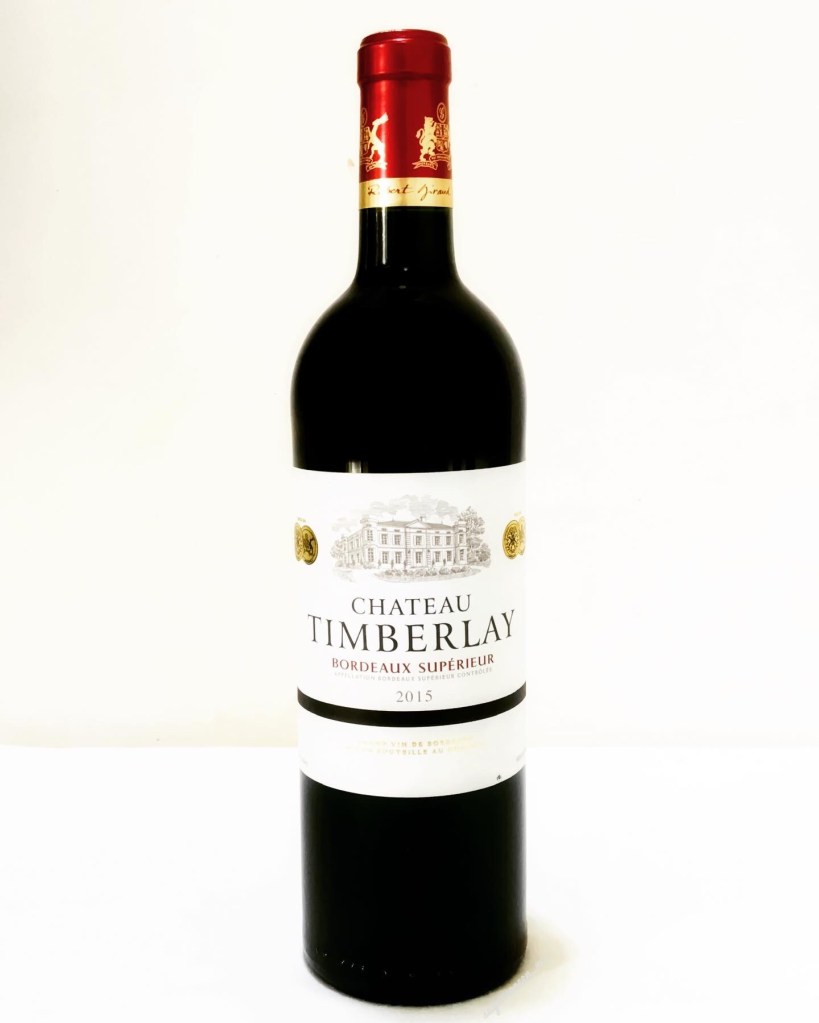
𝐋𝐞 𝐒𝐮𝐩é𝐫𝐢𝐞𝐮𝐫 𝐝𝐞 𝐁𝐨𝐫𝐝𝐞𝐚𝐮𝐱. Connoisseur spécial. Bordeaux Supérieur 2015 (Blend of Cabernet Sauvignon, Merlot and Cabernet Franc) from Château Timberlay by Robert Giraud SAS, Bordeaux, France.

The Winery: 𝐂𝐡â𝐭𝐞𝐚𝐮 𝐓𝐢𝐦𝐛𝐞𝐫𝐥𝐚𝐲. Established in 1366. One of the most seasoned 𝐂𝐇Â𝐓𝐄𝐀𝐔𝐬 in Bordeaux. The family possessed a wine organization with several ages of wine making. The properties are totally overseen and advertised by “Robert Giraud SAS”. A grounded domain with feet in the global market. Having 125 hectares of domain, today Château Timberlay produces remarkable blends like Bordeaux Supérieur, Bordeaux Blanc and Bordeaux Clairet. The domain is driven by its Red Bordeaux Supérieur. 

𝐁𝐨𝐫𝐝𝐞𝐚𝐮𝐱 𝐒𝐮𝐩é𝐫𝐢𝐞𝐮𝐫 𝐁𝐥𝐞𝐧𝐝:- The prevalent variant of Bordeaux label. To have the wine characterized and named as Supérieur, the winemakers need to keep explicit standards and guidelines to meet the necessities. A gigantic space of 11,375 hectares has been committed to the creation of Bordeaux Supérieur wines. At least a year of barrel maturing is needed to make Bordeaux Supérieur. 

Wine: Bordeaux Supérieur 2015, (85% 𝐌𝐞𝐫𝐥𝐨𝐭, 10% 𝐂𝐚𝐛𝐞𝐫𝐧𝐞𝐭 𝐒𝐚𝐮𝐯𝐢𝐠𝐧𝐨𝐧 𝐞𝐭 5% 𝐂𝐚𝐛𝐞𝐫𝐧𝐞𝐭 𝐅𝐫𝐚𝐧𝐜). A full bodied wine. Solid and complex on the nose. Dry on the sense of taste with woody and zesty notes. A very much organized wine with consolidated tannins.

Photography, Content and presented by Sagar Sareen

𝐋𝐞 𝐒𝐮𝐩é𝐫𝐢𝐞𝐮𝐫 𝐝𝐞 𝐁𝐨𝐫𝐝𝐞𝐚𝐮𝐱. Connoisseur spécial. Bordeaux Supérieur 2015 (Blend of Cabernet Sauvignon, Merlot and Cabernet Franc) from Château Timberlay by Robert Giraud SAS, Bordeaux, France

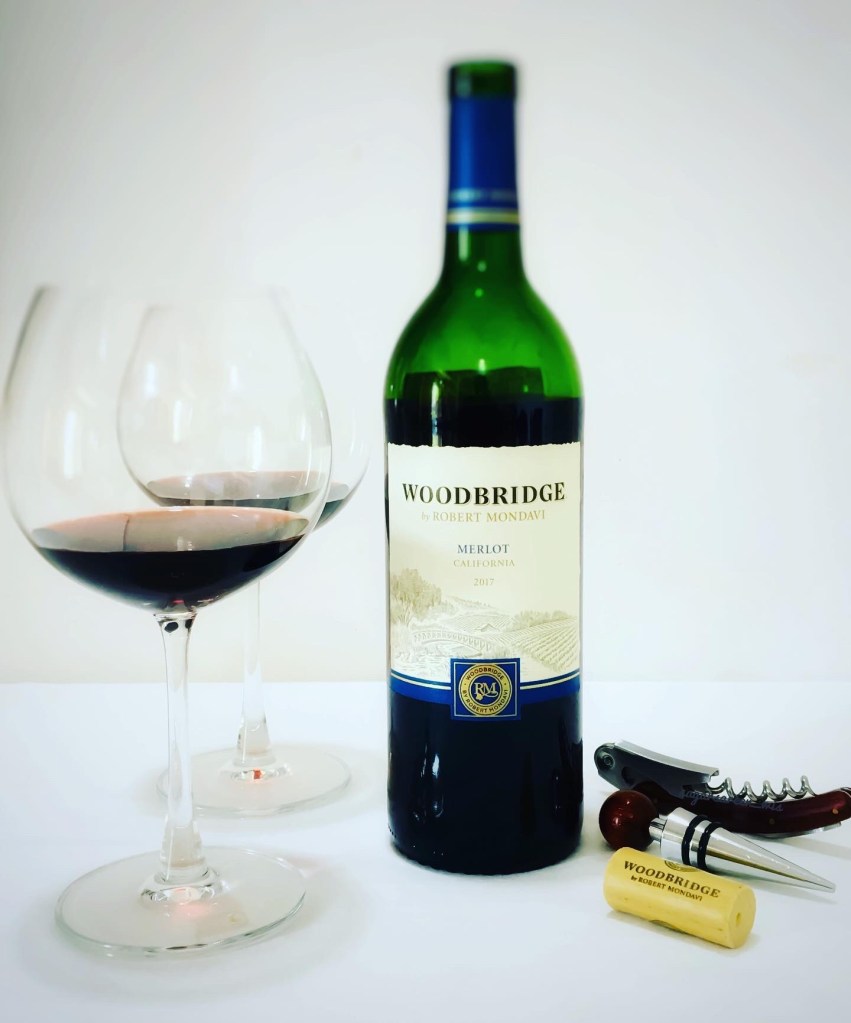
Merlot, Woodbridge Wines. Robert Mondavi

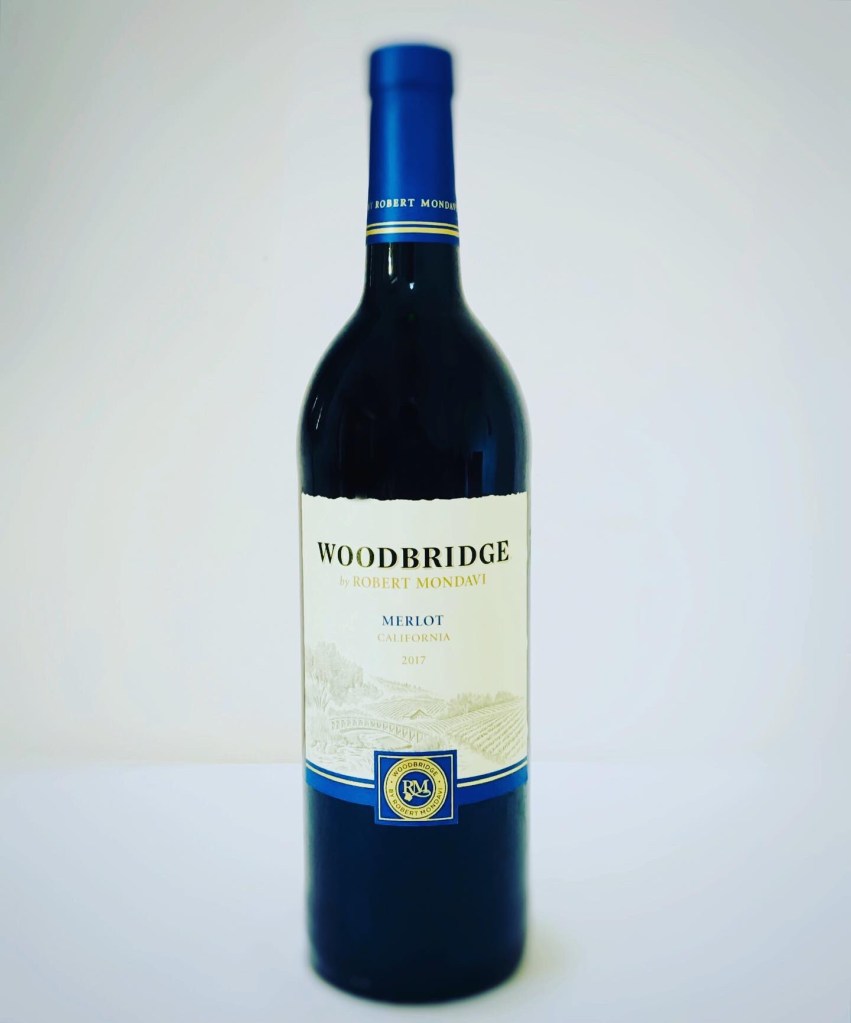
Connoisseur special:- Merlot 2017 from Woodbridge Wines by “Robert Mondavi”, Lodi, California, USA.

The Winery:- 1966 to the current day. Beginning with the historic and iconic Robert Mondavi WINERY in 1966 in California. The principal significant winery to be set up in the Napa Valley. Pushing ahead in 1979, the Woodbridge winery was set up in the Lodi area of California. More than 40 years of winemaking, today Woodbridge winery is one of the significant wineries to create astounding even wines with exceptional flavors. 

Wine Region and Californian Merlot:- LODI, California. A significant grape developing region since the 1850s. An aggregate of 18% grape creation comes from this locale. Today LODI has more than 80 wineries. A very notable wine locale for the development of grapes and creation of wines. CALIFORNIAN MERLOT: A purple grape with solid mocha and chocolate notes alongside notes of raspberry and blackberries. Today, California alone has planted more than 40,000 sections of land of MERLOT. 

The Wine:- 100% Merlot 2017. A full bodied wine. Fruity on the sense of taste with kinds of dim organic products like plum and furthermore kinds of cocoa. Very much matured wine with traces of zest. The wine has an unpredictable character in it with an incredible surface.

Photography, Content and presented by Sagar Sareen

Connoisseur special:- Merlot 2017 from Woodbridge Wines by “Robert Mondavi”, Lodi, California, USA

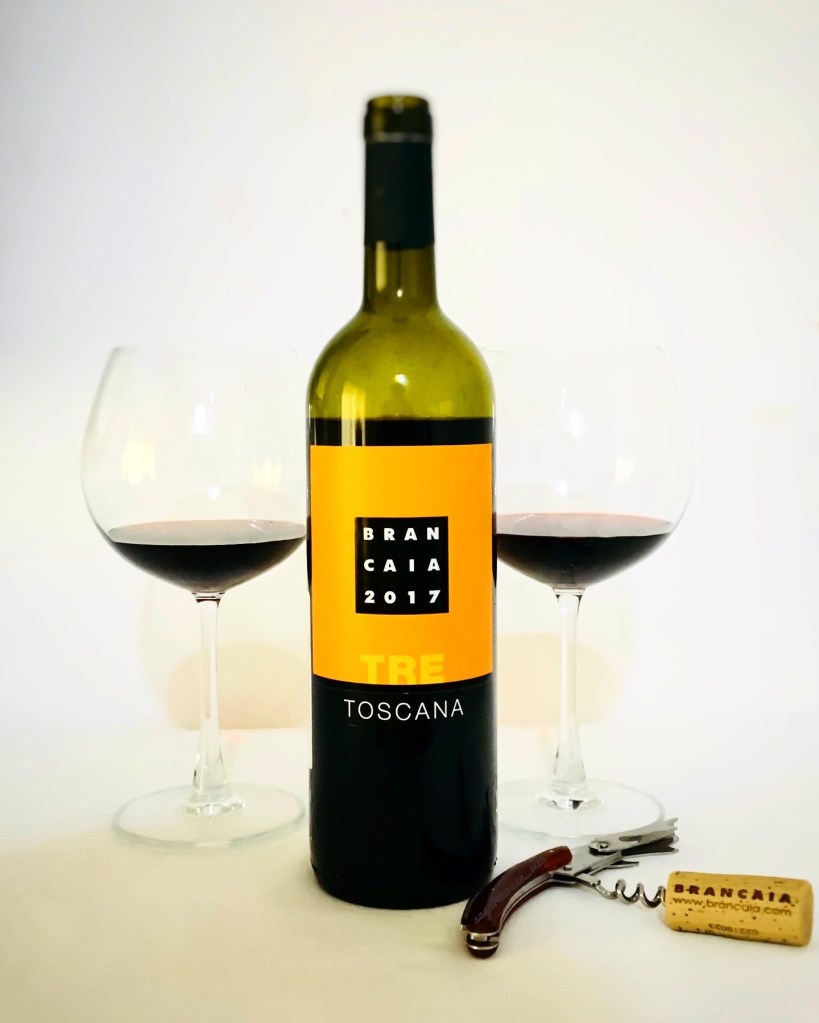
Super Tuscan TRE. Brancaia Winery.

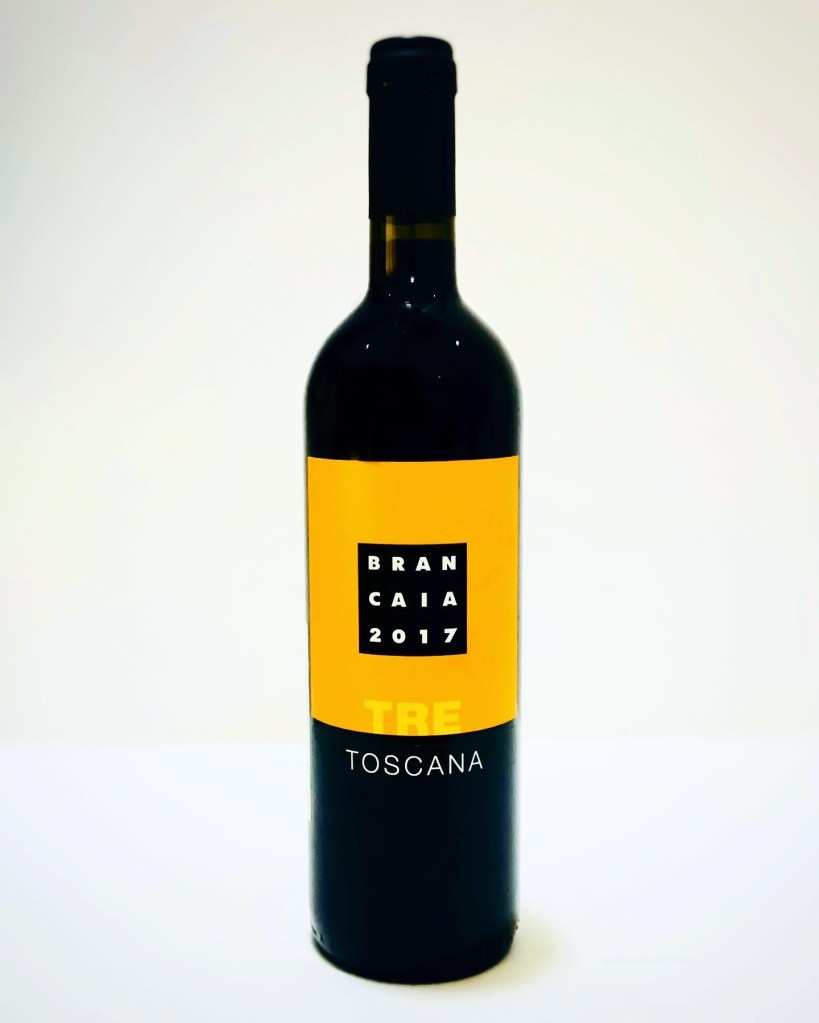
Connoisseur special:- SUPER TUSCAN: I had a great talk and a virtual meeting with the owner and chief winemaker of Brancaia winery, Barbara Widmer. Raise your glass for all the “Women Winemakers” around the globe. TRE Super Tuscan 2017 (Blend of three grape varietals: Sangiovese, Merlot and Cabernet Sauvignon by Brancaia Winery, Radda, Chianti, Italy.

The Brancaia winery: 40 years of winemaking at the Brancaia winery. Begun in 1981 with the acquisition of BRANCAIA ESTATE, an abandoned winery which was transformed into a worldwide top wine organization. The organization has three domain grape plantations, Brancaia bequest and Poppi both in slopes of CHIANTI CLASSICO and Brancaia in MAREMMA, in the Mediterranean coast. The winery produces phenomenal global blends with exemplary grape varietals. The three ages of the “Widmer” family and the group behind it led to the excellent and phenomenal standing for the organization. 

Wine Region (Tuscany/Tuscan), Geographical sign: One of the most socially rich areas in Italy. The wine district TUSCANY is acclaimed for its art, culture and architecture. The area’s wine scene isn’t just intricate, yet powerful also. Tuscany produces superb fine red wines dependent on Sangiovese grapes. Aside from simply TUSCAN wines, there’s an alternate style called as SUPER TUSCAN, which is a mix of Sangiovese with non local grapes. Tuscany creates over 10% of Italian wine production. 

Wine: TRE 2017 is a mix of three grape varietals, 80% Sangiovese, 10% Merlot and 10% Cabernet Sauvignon. Additionally known for its three Tuscan grape plantations ( Maremma, Castellina and Radda). A medium bodied wine with fruity and earthy fragrances. Strong on the nose with red natural product flavors. The wine is matured for a year in French tonneaux and concrete. An all around organized wine, exquisite with long completion.

Photography, Content and presented by Sagar Sareen

Connoisseur special:- TRE Super Tuscan 2017 (Blend of three grape varietals: Sangiovese, Merlot and Cabernet Sauvignon by Brancaia Winery, Radda, Chianti, Italy.