
Discover how innovation, nature and global markets are redefining the world of Wine.
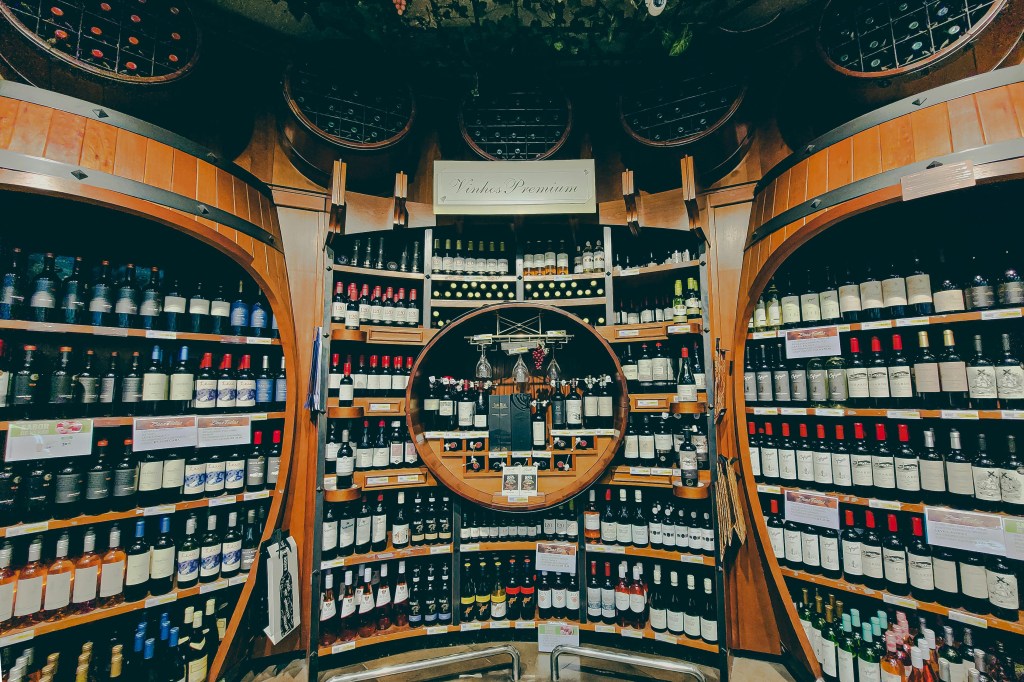
The Changing Face of the Wine Industry: Power, Climate and Innovation
The global wine industry is evolving at an unprecedented pace. From billionaires reshaping the vineyard ownership to climate change forcing winemakers to relocate, the sector is witnessing seismic shifts. Add to this the growing emphasis on wine tourism, the rise of high altitude and volcanic wines and the fascination with centuries old bottles and it becomes clear that the wine industry is no longer just about tradition, it’s about adaptation, strategy and survival. Let’s delve into these key industry trends that are redefining the future of wine.
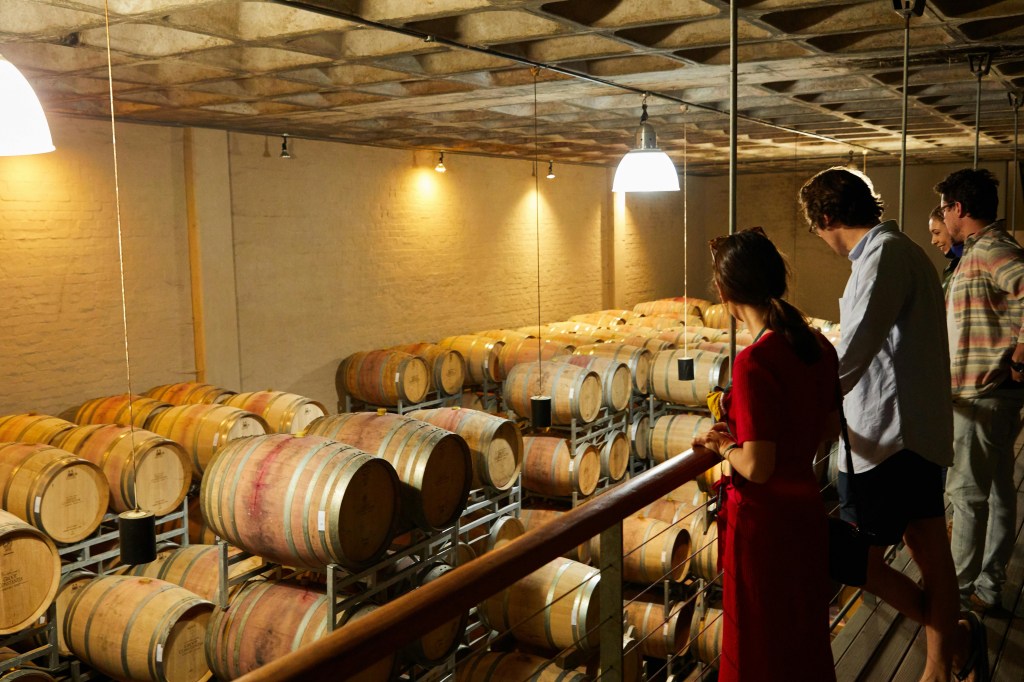
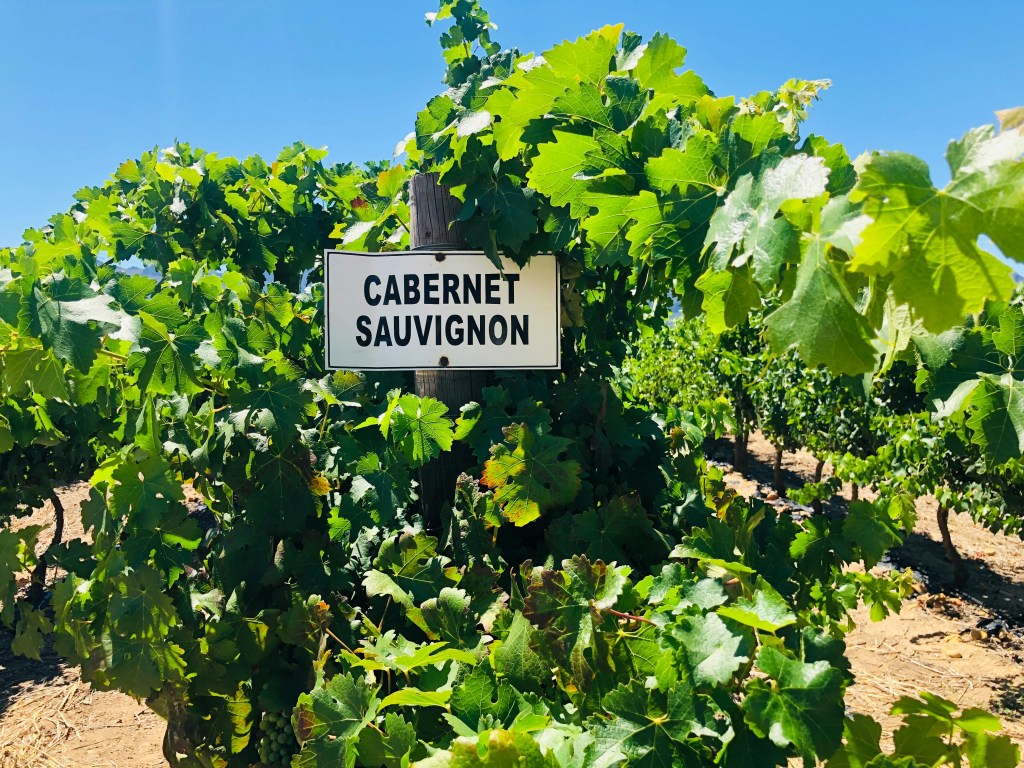
Billionaire Vineyards: How the Super Rich are Changing the Wine Industry
Over the past two decades, ultra high net worth individuals have increasingly invested in vineyards, particularly in prestigious regions such as Bordeaux, Tuscany and Napa Valley. The appeal is clear: wine estates offer not just financial returns but also prestige, legacy and a tangible connection to luxury living.

- Market Impact : Wealthy investors are driving up land prices. In Bordeaux, vineyard prices have surged by over 60% in the last decade, making it harder for family run wineries to compete.
- Consolidation: Smaller wineries are being acquired, leading to a shift from artisanal production to more corporate driven winemaking.
- Quality vs. Branding: With billionaire ownership, some wineries become status symbols rather than reflections of terroir. The question remains, are consumers paying for the wine or the brand behind it ?
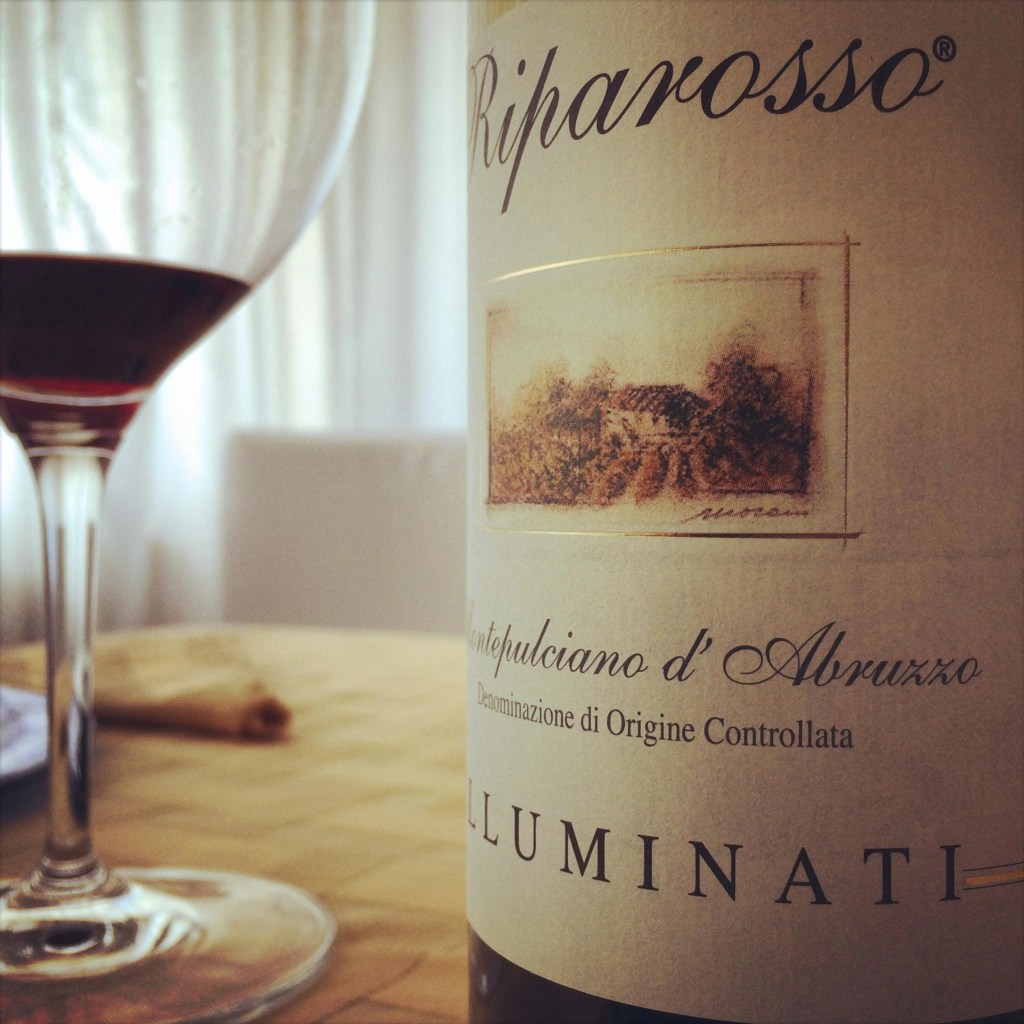
The Fight for Terroir: When Global Warming Forces Winemakers to Relocate
Climate change is no longer a distant threat, it is reshaping winemaking today. Rising temperatures are altering harvest times, changing acidity levels and even making some regions unsuitable for traditional grape varieties.
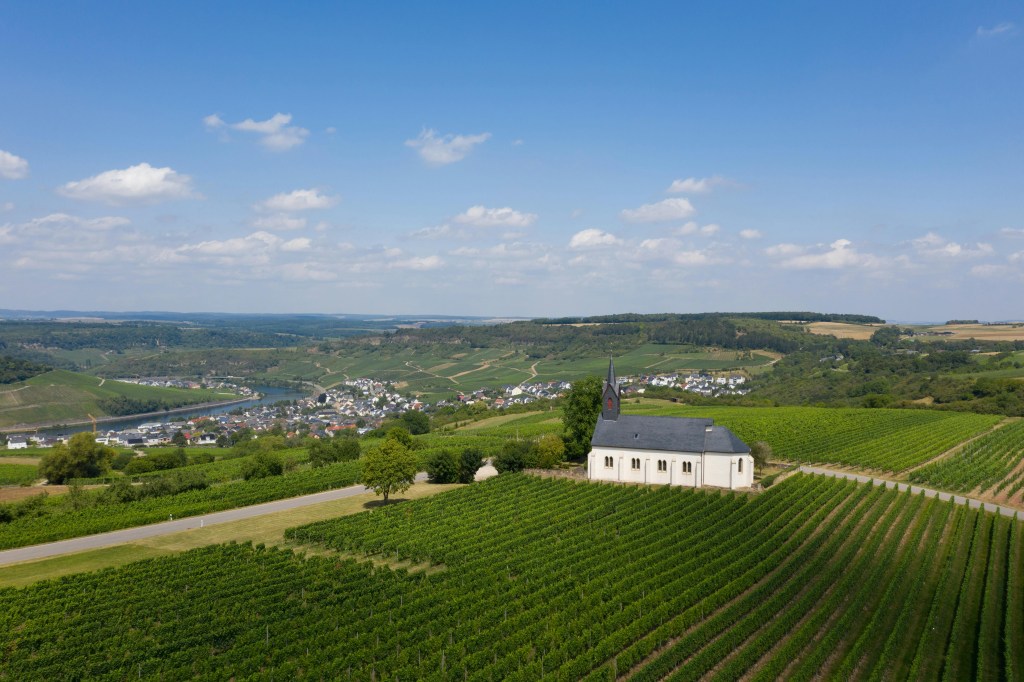
- Temperature Increases: In some of the world’s most renowned wine regions, average temperatures have risen by 1.5 degree Celsius in the last 50 years, pushing harvest dates earlier by nearly a month.
- New Wine Regions: Areas like England and Sweden, once considered too cold for viticulture, are now producing high quality wines.
- Relocation and Innovation: Some producers are moving to higher altitudes or different latitudes. For example, parts of Chile and Argentina are seeing a surge in high altitude vineyards to maintain acidity and freshness.
The Rise of Wine Tourism: More Than Just a Tasting Room Experience
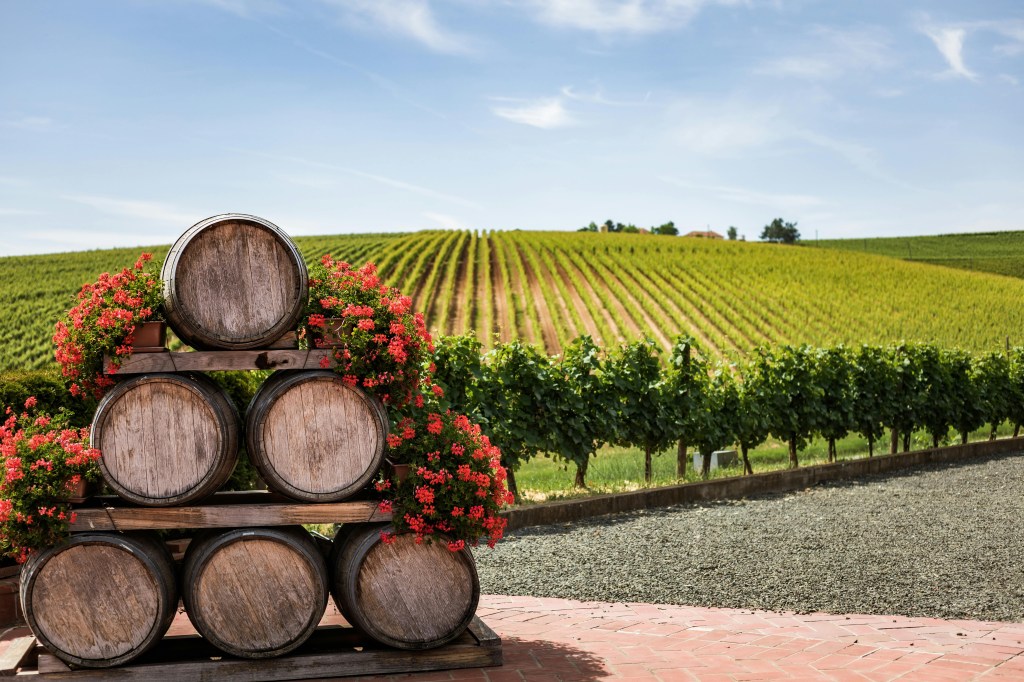
Wine travel has become an integral part of the industry, with destinations offering immersive experiences beyond simple tastings. Travelers are seeking vineyard stays, harvest participation and in depth pairing experiences.
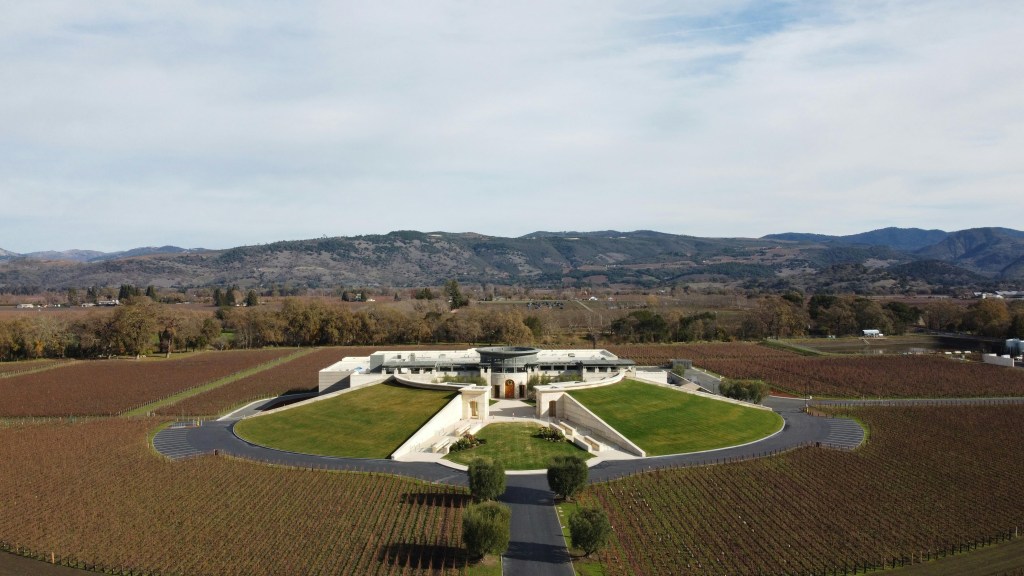
- Economic Impact : The global wine tourism industry is valued at over $8 billion, with a projected annual growth rate of 12%.
- Top Wine Destinations:
- Italy : Tuscany’s rolling vineyards, Sicily’s volcanic wines and histories estates.
- France: Bordeaux’s châteaux and Champagne’s underground cellars.
- Spain: Rioja’s blend of tradition and modernity.
- USA: Napa valley’s luxury estates and Oregon’s emerging Pinot Noir scene.
- South Africa: Stellenbosch’s dramatic landscapes and Wine safaris.
- Australia: Barossa Valley’s bold reds and Margaret River’s cool climate whites.

High Altitude Winemaking: How Elevation Shapes the Future of Wine
Winemaking at high altitudes is gaining attention for its ability to produce wines with enhanced acidity, complexity and aging potential.
- Optimal Conditions: Higher altitudes (over 1,000m) provide cooler temperatures, slowing grape ripening and preserving acidity.
- Regions Leading the Way:
- Argentina: The Uco Valley (1,500m) produces some of the world’s most structured Malbecs.
- Italy: Etna’s volcanic slopes are yielding, mineral driven wines.
- USA: High elevation vineyards in California are producing age worthy Cabernet Sauvignons.
Volcanic Wines: The Unique Expression of Lava Soil Vineyards
Volcanic wines, grown in soil formed from lava and ash, are among the most distinctive in the world. These wines often exhibit unique minerality, salinity and complexity.
- Notable Volcanic Wine Regions:
- Sicily’s Mount Etna, Italy: Producing elegant Nerello Mascalese wines with deep mineral notes.
- Santorini, Greece: Home to Assyrtiko, a crisp white wine with remarkable acidity.
- Canary Islands, Spain: Volcanic Malvasia offering exotic aromatics and structure.
- Market Appeal: Due to their rarity and complexity, volcanic wines are gaining popularity among collectors and sommeliers.
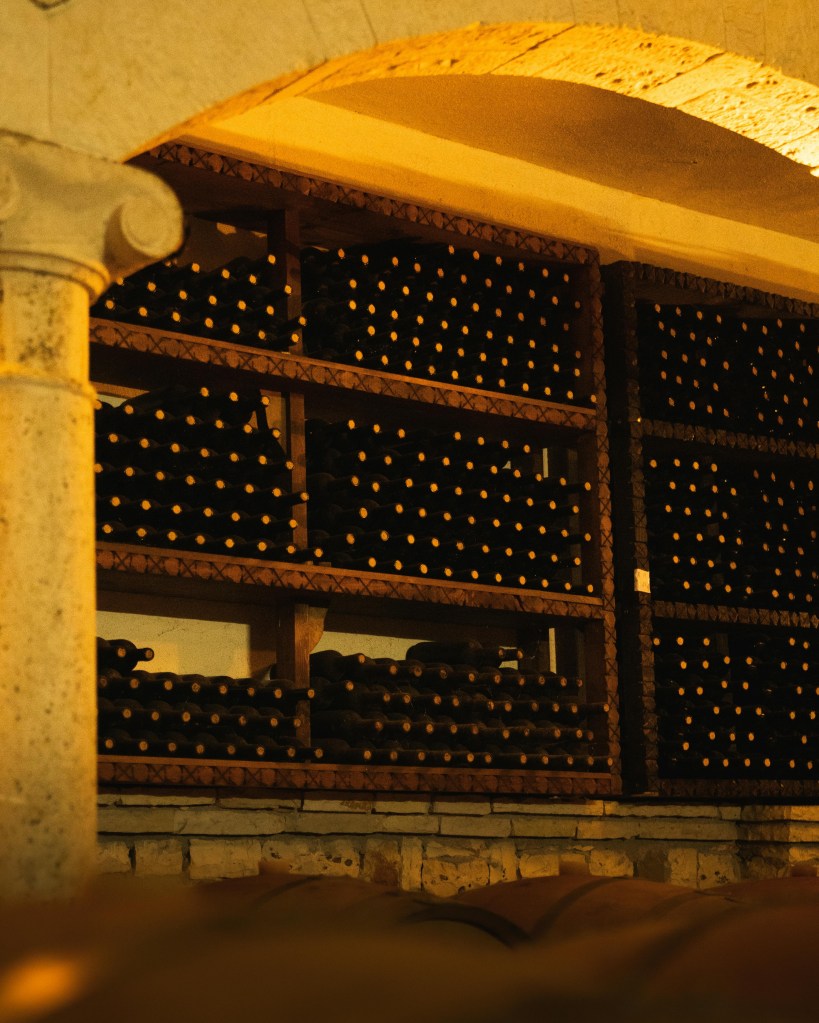
Extreme Aging: The Fascination with Centuries Old Wines:
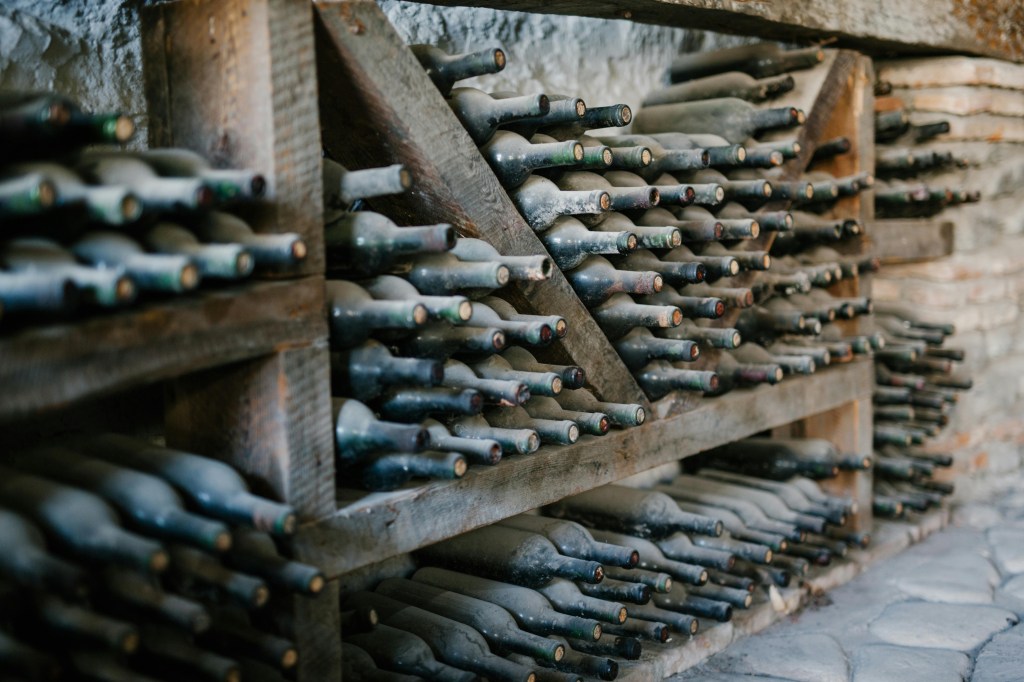
The idea of drinking a wine that has been aged for over 100 years is both romantic and scientifically intriguing. Shipwreck discoveries and historic cellars have brought ancient wines back into the spotlight.
- Historical Finds: Bottles from the Titanic era have been recovered and sold at auctions for over $100,000.
- 170 years old Champagne found in a Baltic Sea shipwreck was still drinkable due to underwater aging conditions.
- Scientific Insights: Older wines develop unique oxidative characteristics, with flavors of dried fruit, leather and caramel emerging over time.
Final Thoughts: The Future of Wine is Evolving
The wine Industry stands at a crossroads of tradition and transformation. Billionaire investments, climate adaptation, luxury tourism and innovative winemaking techniques are reshaping the landscape. Consumers are witnessing an era where wine is not just a beverage but a reflection of history, geography and human ingenuity. Whether you are an investor, winemaker or an enthusiast, the coming years are to be some of the most exciting in wine industry’s history.
 sagarsareen_wis