The Business of Wine 5.0

Prestige, Power Moves & the New Language of Wine 
The wine industry is not what it used to be. What was once a business of vineyards and vintages has now evolved into a multi billion dollar enterprise driven by branding, tech innovation, cross sector luxury partnerships and bold market strategies. Welcome to Business of Wine 5.0 an era where tradition meets disruption and the wine glass is no longer half full, it’s brimming with opportunity. 
Wine as a Global Asset: The Rise of Investment Bottles 

Wine is no longer just to sip, it’s to store, flip and invest. The fine wine market reached $6.1 billion in 2023 and platforms like Cult Wines, Vinovest and Rare Wines have democratised access to high end wine portfolios. Brands like Chǎteau Lafite Rothschild, Domaine de la Romanée-Conti now appear in financial portfolios alongside luxury watches and art. 

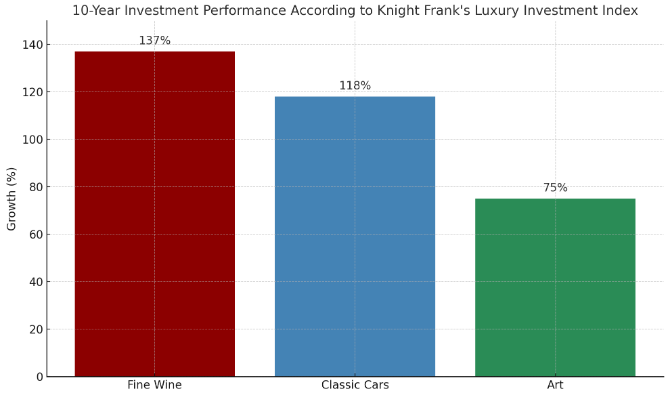
According to Knight Frank’s Luxury Investment Index, fine wine outperformed classic cars and art over a 10 year horizon. This shift is evident all over. Affluent consumers are investing in Super Tuscans, Bordeaux futures and Napa cult wines as part of wealth diversification strategies. 
Luxury Wine: Beyond Labels and Into Lifestyle 

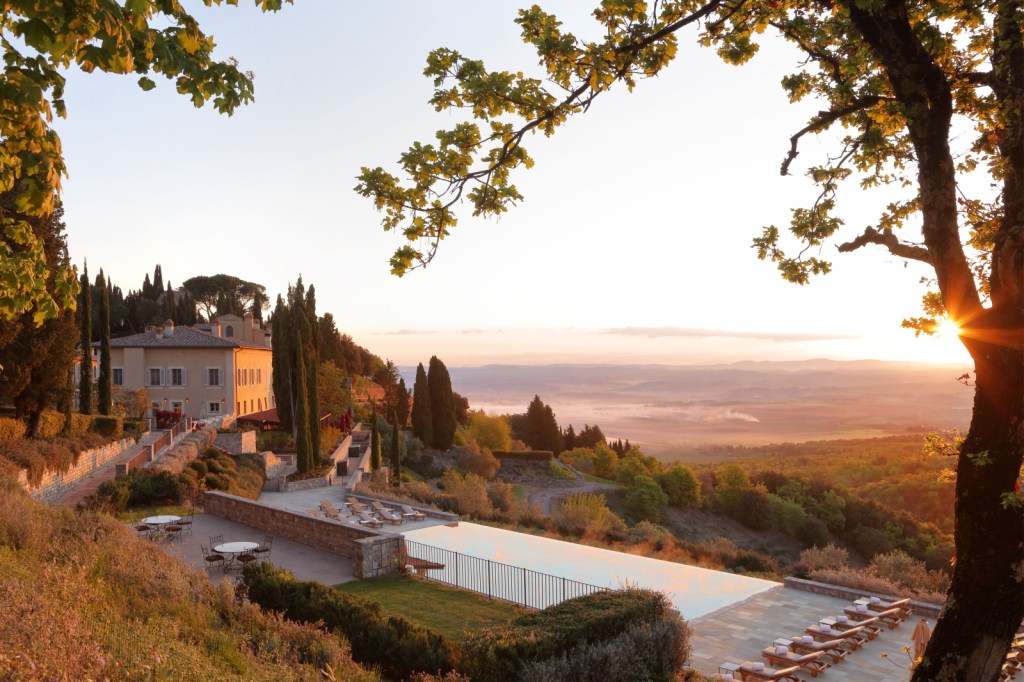
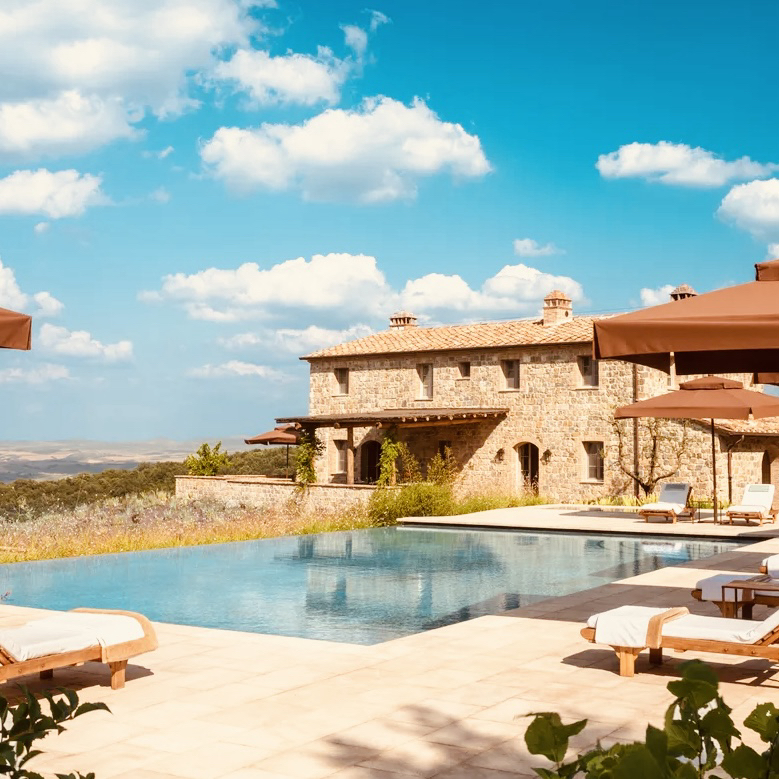
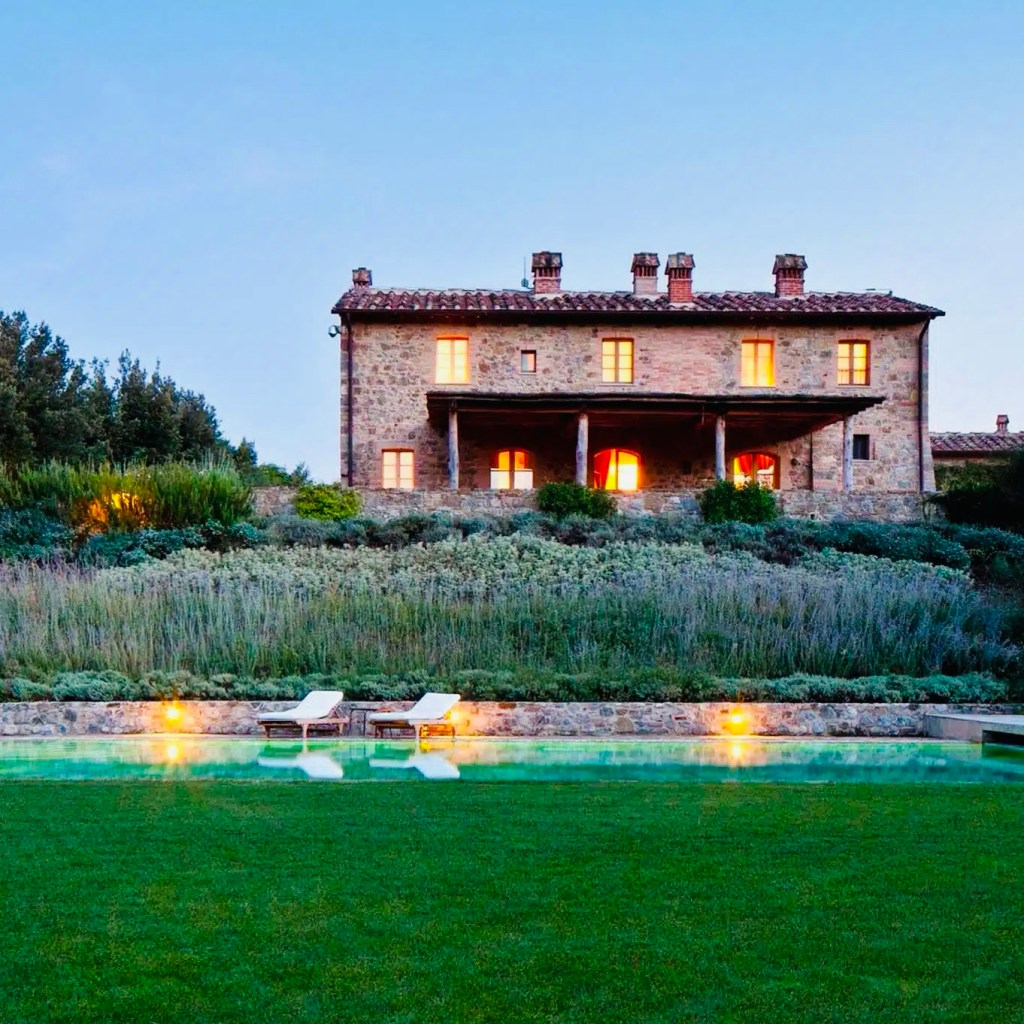
Wineries like Castiglion Del Bosco and Chǎteau Haut Lafitte aren’t just making wines, they’re crafting entire worlds. The Rosewood Castiglion Del Bosco Luxury Hotel and its 5,000 acre estate in Montalcino blur the lines between vineyard, spa, heritage and haute couture. Luxury consumers want more than exclusivity. They want storytelling, soul and access. 
Private Label Wines: Retail Giants are the New Wine Moguls 

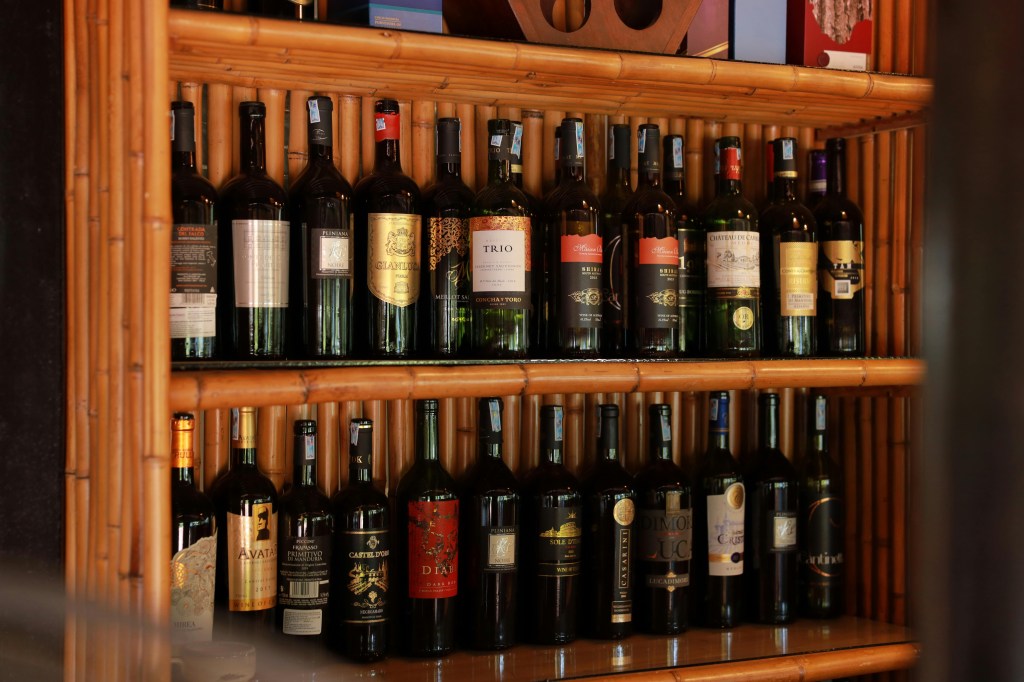
From Costco’s Kirkland Signature Wines to Aldi’s award winning bottles under $10, private labels are shifting power away from traditional producers. Luxury hotels, too, are entering the game. Aman Resorts and Six Senses have begun curating private label wines to align with their brand ethos. The twist? Some private labels are using top tier wine consultants and even buying bulk from renowned vineyards, rebranding them under an exclusive house label. The quality is rising and so is consumer trust. 
Grey Market Maneuvers & Import Innovation:

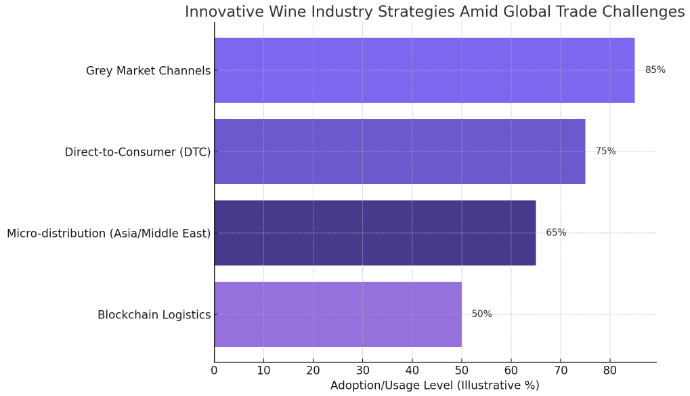
With shipping costs up 200% since 2021 and tariffs fluctuating in post-Brexit Europe and US-China tensions, brands are rewriting the import/export playbook. Some use grey market channels to reroute shipments to lower tax before entering primary markets. 

Others are experimenting with: 

  • Direct to Consumer (DTC) platforms 
  • Micro-distribution networks in Asia and the Middle East
  • Blockchain logistics to track provenance in real time. 

It’s not about cutting corners, it’s about cutting inefficiencies. 
Digital Cellars: Tech Disruption from Vine to Vintage 

Wine Tech is booming. Precision viticulture is using drones, AI and IoT soil sensors to predict yield, monitor disease and optimize irrigation. 

  • Tule Technologies helps vineyards in Napa save to over 20% water annually. 
  • Vivino, with over 60 million users, is using AI to recommend wines and reshape consumer behaviour. 
  • NFTs by brands like Yao Family Wines offer exclusive ownership and authentication. 

The smart cellar is here and it’s connected to the cloud. 

Hospitality X Wine: The New Synergy 

High end hospitality groups are leveraging wine like never before. 

  • The Ritz Paris now has curated wine concierge services. 
  • Belmond pairs each property with wines reflecting its region, a sensory passport.
  • Yacht charters like Aqua Expeditions now offer onboard sommeliers, exclusive vertical tastings and wine paired Michelin inspired cuisine. 

It’s a full bodied experience. 
The Influence of Culture & Couture 

Fashion and Wine have officially clinked glasses. Massimo Ferragamo’s influence at Castiglion Del Bosco is just the beginning. 

  • Moët. & Chandon is often front row at PFW
  • Penfolds collaborated with Saint Laurent and launched capsule collections. 
  • Champagne Armand de Brignac (Jay-Z’s label) redefined aspirational sipping. 

Luxury is a narrative and Wine is becoming part of the wardrobe. 
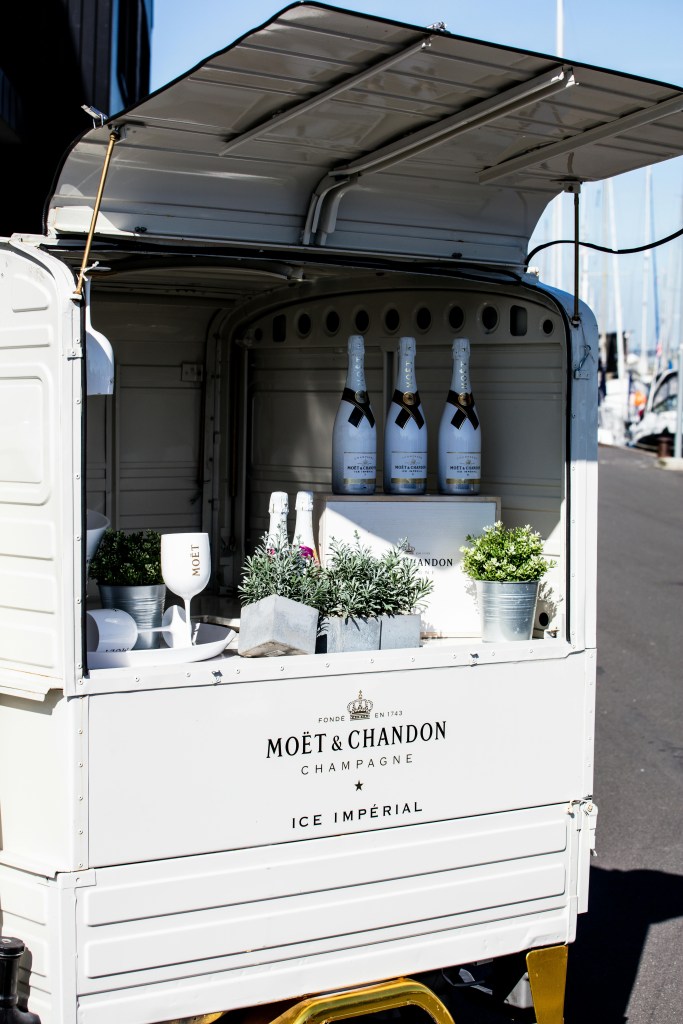
Global Tastes, Local Roots: Customization in Wine Marketing

Brands are adapting messaging for local palates. What sells in Sweden doesn’t sell in Shanghai. Luxury wineries are investing in market specific branding and experiential marketing. Torres in Spain launched a Chinese New Year Gran Reserva, While Napa’s Opus One partnered with luxury watch events in Tokyo. 

It’s about relevance without dilution. 
Final Pour: What Comes Next? 

The wine industry is not only evolving. It’s accelerating. From the terroirs of Tuscany to the Tech labs of Silicon Valley, Wine is now a luxury business, a data game and a lifestyle all at once. Whether you’re sipping a $5 Aldi red or aging a $50,000 Screaming Eagle, know this: Wine 5.0 has arrived, and it’s not just in the bottle. It’s in the strategy, the story and the soul. 
Wine as an asset, Wine Business & Wine Investment. Beyond the Bottle !

The Captivating world of wine. A lucrative business and investment opportunity. 

Wine has been long associated with luxury, culture and heritage. But beyond the pleasure of drinking it, wine has also become a significant business and investment opportunity. With global wine consumption growing and collectors turning rare vintages into financial assets, the wine industry has become a lucrative market for both wine enthusiasts and serious investors. 

In this blog, we’ll explore various aspects of the wine business and investment, from starting a collection to understanding the economics behind wine pricing and market trends. 

Starting your own collection:

  1. Research and Education: Understanding different wine regions, grape varieties and vintages is crucial. 
  1. Buy from Reputable sources: Whether it’s fine wine auctions like Sotheby’s or Christie’s or top wine merchants, authenticity and provenance matter. 
  1. Focus on Blue Chip Wine: Bordeaux First Growths, Burgundy Grand Crus and top Italian wines and Napa wines historically offer strong returns.
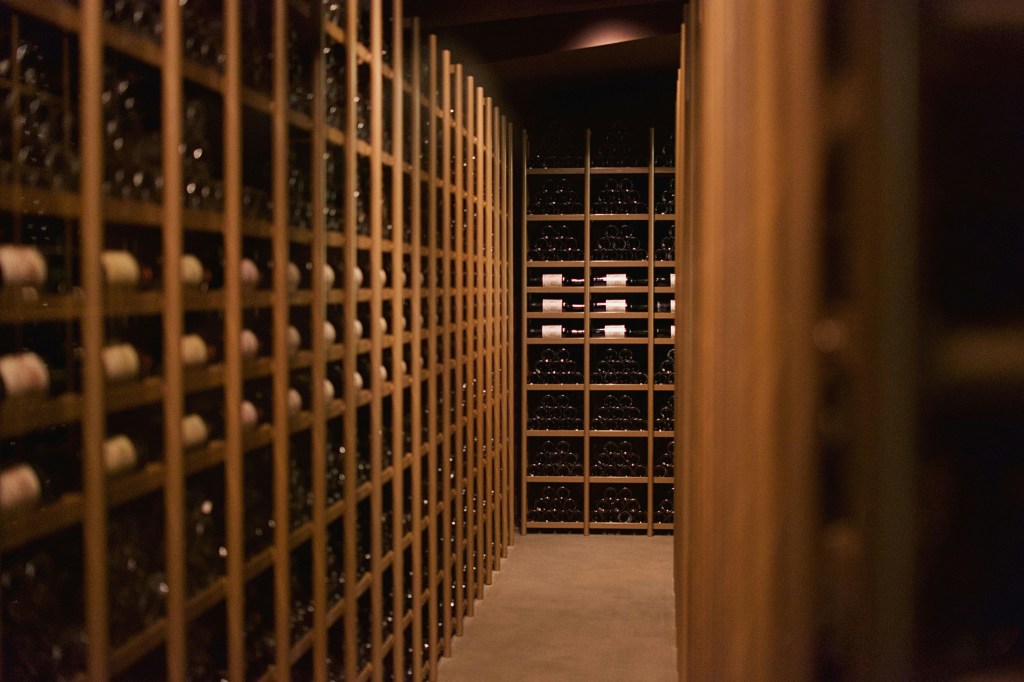
  1. Storage and Cellaring: Wine needs proper storage at around 55 degrees F (13 degrees C) and 70% humidity. Consider professional storage facilities to maintain value. 
  1. Diversify your portfolio: Don’t just focus on Bordeaux, explore Tuscan wines, Champagne and emerging regions like Argentina, Spain, South Africa 

Is Fine Wine Profitable ? Market trends and Insights :

Fine wine has outperformed traditional investments like stocks and gold in recent years. Let’s look at some key market insights:

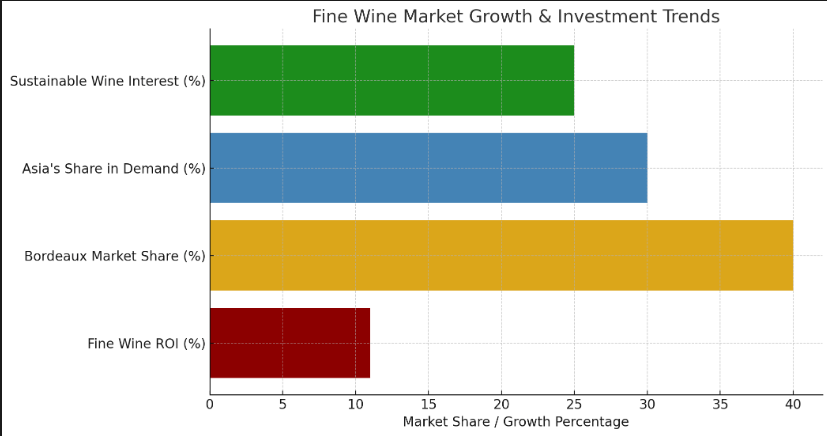
  • Fine Wine Market Growth: According to Liv-ex Fine wine 1000 index, fine wine investments have shown an average annual return of 10-12% over the past decade. 
  • Bordeaux Dominance: Bordeaux still represents nearly 40% of the secondary wine market. 
  • Global Demand: Asia, particularly China and Hong Kong, has become a major buyer of luxury wines, increasing the value of rare bottles.

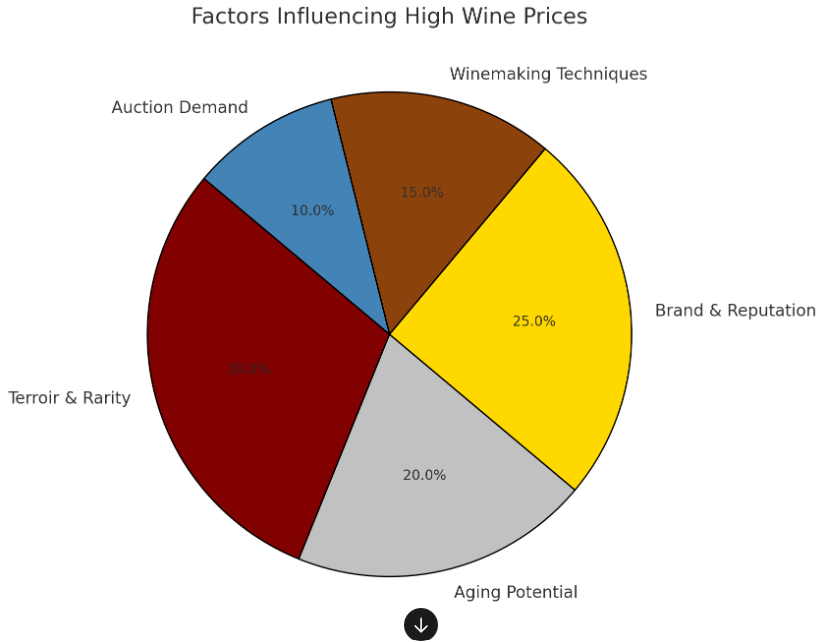
The Economics of Wine Pricing – What Makes Some Bottles Cost Thousands? 

  1. Terroir and Rarity: Wines from prestigious vineyards are scarce and highly sought after. 
  1. Aging Potential: Wine with long aging potential attracts collectors willing to pay a premium. 
  1. Brand and Reputation: Established estates like Château Lafite Rothschild or Domaine Leroy command higher prices due to legacy and quality. 
  1. Winemaking Techniques: Hand harvested, barrel aged and meticulously crafted wines often cost more. 
  1. Auction and Collector Demand: The resale market through Sotheby’s or Bonhams drives up prices for rare vintages. 

The Role Wine Critics and Ratings – How much influence do they have ?

Critics all around the globe have immense influence over wine prices and consumer demand. 

  • High Ratings = Higher Prices: A 95+ score from wine advocate can significantly increase a wine’s value overnight. 
  • Market Trends: Critics’ recommendations shape consumer preferences, shifting demand between regions and varieties. 
  • Investment Decisions: Many collectors and investors rely on critic scores to determine which wines to buy and hold. 

Other Key Aspects of Wine Business and Investment: 

  1. Wine Futures ( En Primeur) – Investing Before Bottling: Buying wine before it’s bottled allows investors to acquire top vintages at lower prices. Bordeaux’s En Primeur market is a prime example of how futures trading works in the wine industry.
  1. Wine Tourism and Experiential Investment: Luxury wine tourism is booming. Wineries in Napa Valley, Tuscany and Bordeaux offer exclusive vineyard experiences, driving both brand value and sales. 
  1. Technology and Blockchain in Wine Investment: New platforms use blockchain to verify wine authenticity and prevent counterfeiting, making investment safer for collectors. 

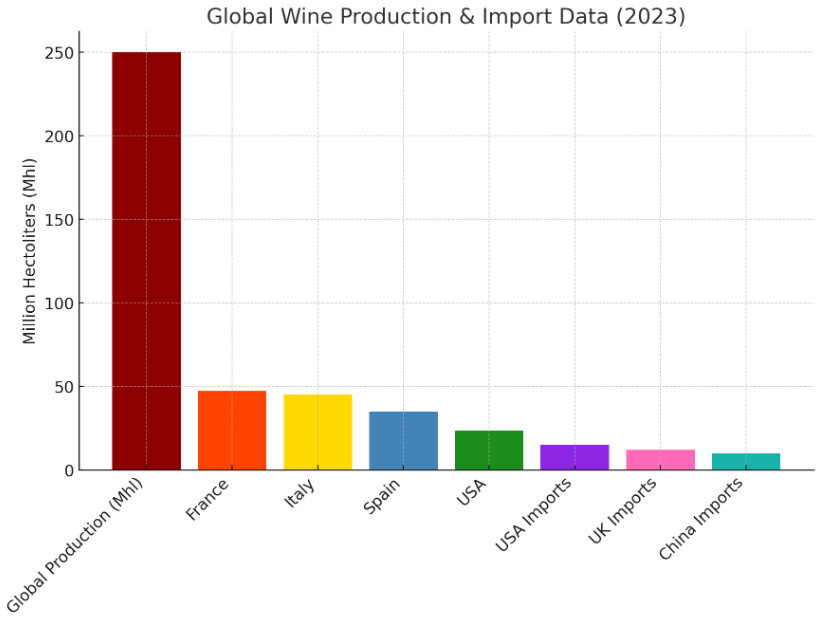
Global Wine Productions and Trade Data:

  • Global Wine Production (2023) : Approximately 250 million hectolitres (OIV data) 
  • Top Producing Countries: France, Italy, Spain, USA
  • Top Importing Countries: USA, UK, China 

Conclusion:

Wine business and investment require knowledge, patience and strategies. While fine Wine can yield impressive returns, it’s also a passion driven market where understanding the nuances of wine regions, aging potential and market trends is crucial. Whether you are looking to start a collection, invest in Wine funds or explore luxury wine tourism, the world of Wine offers endless opportunities for both profit and business. 

Cavit : Cantina Viticoltori Trentini

Cavit Group ( The Heartbeat of Trentino’s Wine Culture) 

As one of the most influential wine cooperatives in the region, Cavit has played a key role in shaping the identity of TRENTINO’s wine culture, while staying deeply connected to its land, people and history. Nestled in the breathtaking landscapes of Trentino, Italy, Cavit ( Cantina Viticoltori Trentini) isn’t just a cooperative, it’s a symbol of passion, tradition and innovation. Cavit offers a world of discovery. Let’s dive into the story of Trentino’s winemaking pride and what makes CAVIT so extraordinary. 

A Legacy of Trentino’s Wine Heritage:

Cavit’s story began in 1950, when a group of passionate winemakers from Trentino came together with a shared vision to create world class wines while preserving the authenticity of the Alpine Terroir. Today, Cavit is a cooperative of 11 wineries, bringing together over 5,250 winegrowers who cultivate their vineyards across 7,000 hectares of Trentino’s finest wine producing areas. This cooperative model allowed Cavit to champion small, family run vineyards while ensuring that every bottle reflects the region’s rich traditions. Through generations of dedication, Cavit has become a leader in Italian winemaking, producing wines that are celebrated both nationally and internationally. 

Exploring Cavit’s Vineyards and Terroir: 

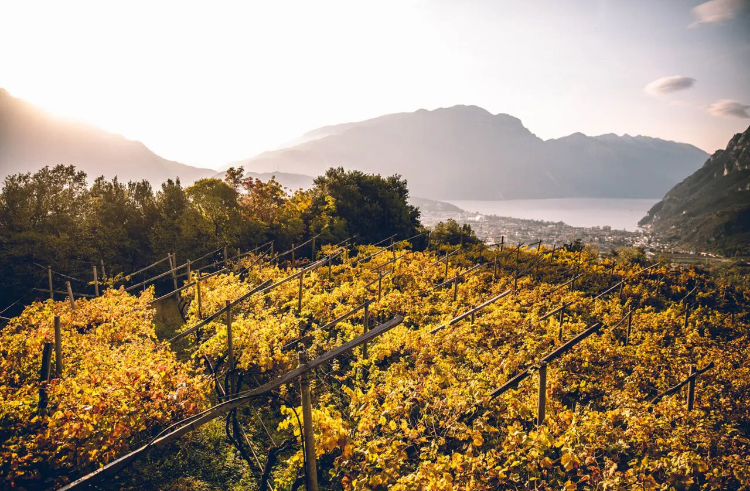
One of the biggest reasons for Cavit’s success lies in Trentino’s unique terroir. The region sits in northern Italy, where the towering Dolomites mountain meets rolling vineyards, creating an extraordinary environment for grape cultivation. 

Terroir and Climate: The Secret Behind Cavit’s Wines 

  • Altitude and Mountains: The vineyards spread between 200 and 800 metres above sea level , benefiting from cool Alpine Breezes and warm daytime sunshine, leading to perfectly balanced  grapes with vibrant acidity. 
  • Soil Composition: The diversity of volcanic, limestone and glacial soils adds complexity and minerality to the wines. 
  • Trentino’s Microclimate: The day night temperature variation enhances the development of intense aromas and crisp freshness in white and sparkling wines. 

This perfect harmony of nature and winemaking expertise allows Cavit to produce wines that are elegant, aromatic and deeply expressive of Trentino’s land. 

The Wines of Cavit: A journey through Trentino’s Flavors 

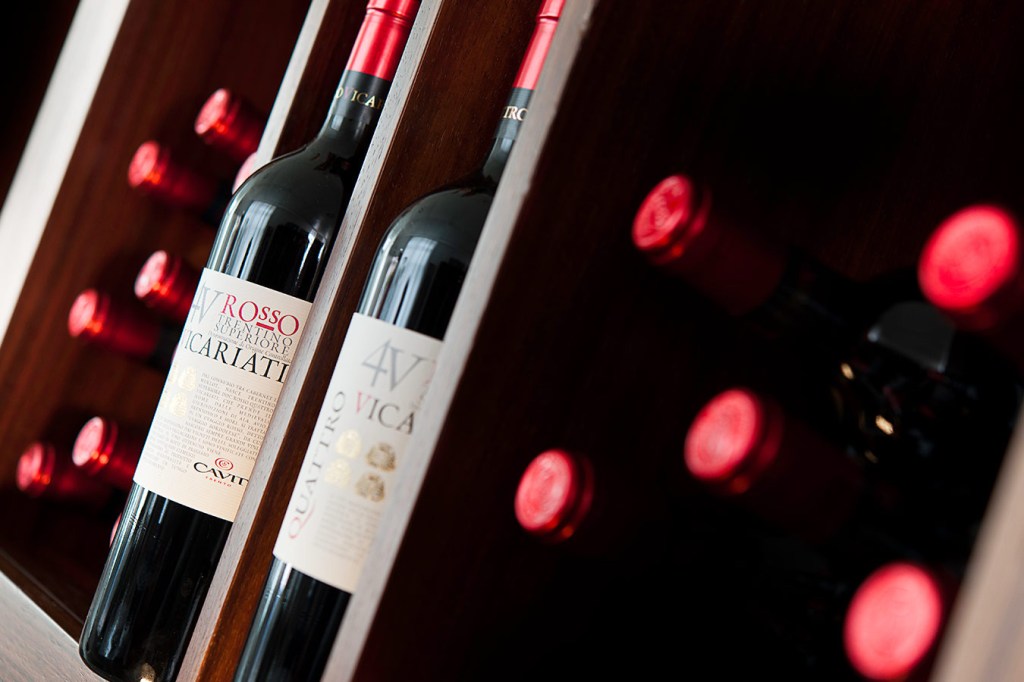
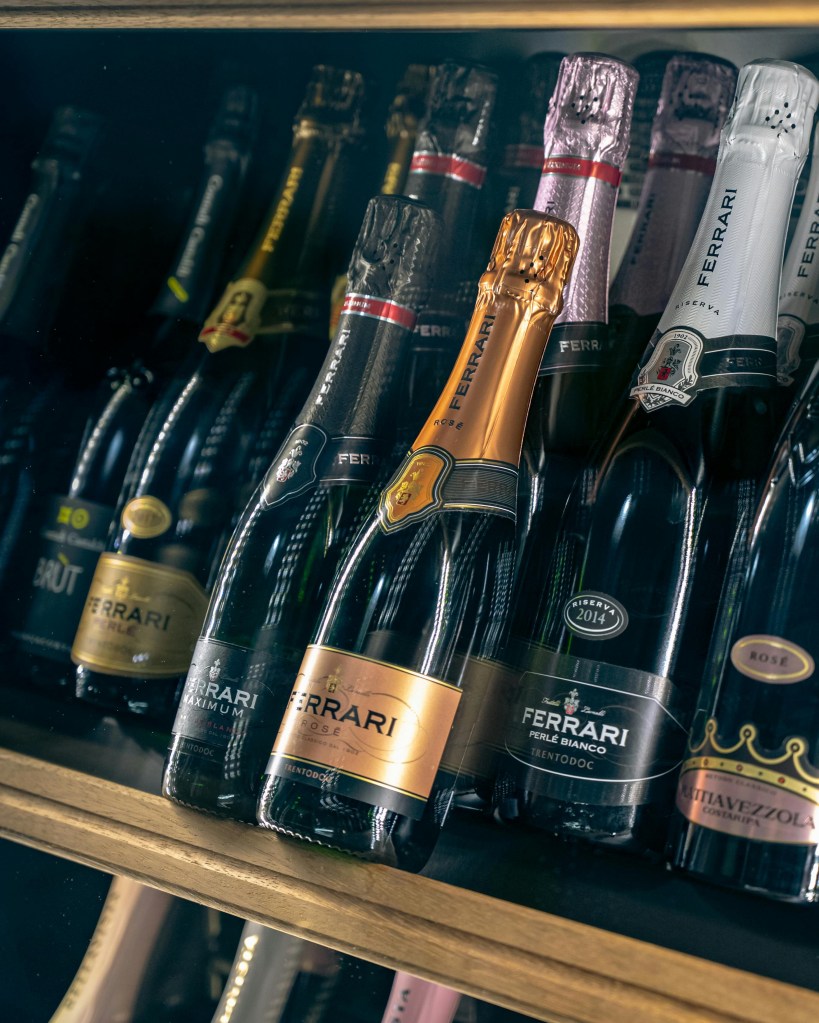
Cavit’s portfolio is a true celebration of Trentino’s diversity from elegant Trentodoc sparkling wines to fresh and crisp white wines and deep , complex reds. Let’s explore some of their most iconic wines 

Trentodoc Sparkling Wines: Cavit group’s Premium Sparkling Wine Label, “Altemasi”

Among Cavit group’s esteemed wine portfolio, Altemasi stands out as its prestigious Trentodoc sparkling wine label. Crafted using Metodo Classico (traditional method). These wines are renowned for their refined bubbles, crisp acidity and elegance. 

  • Altemasi Trentodoc: A signature sparkling wine with delicate citrus notes, minerality and a toasty complexity 
  • Altemasi Riserva Graal: A premium vintage Trentodoc that showcases aged finesse, creaminess and vibrant freshness 

White Wines: Crisp, Aromatic and Elegant

Trentino’s cool climate is ideal for white grape varieties, creating wines that are zesty, mineral driven and aromatic 

  • Pinot Grigio: Fresh, floral and fruit forward, this is one of Cavit’s most famous exports
  • Muller Thurgau: Grown at high altitudes, this wine is intensely aromatic with bright citrus and herbal notes. 
  • Chardonnay : Elegant and well structured, with hints of apple, pear and vanilla 

Red Wines: Rich, Bold and Complex 

  • Teroldego Rotaliano: Known as the “PRINCE OF TRENTINO”, this indigenous variety delivers deep dark fruit flavors, spice and velvety tannins 
  • Lagrein: A robust, full bodied wine with rich blackberry notes and a hint of earthiness. 
  • Marzemino: A historic variety with floral aromas and juicy red berry flavors, famously praised in Mozart’s opera “DON GIOVANNI” 

Each of these wines embodies Trentino’s winemaking excellence, making Cavit a must try for any wine lover. 

Cavit Winery: A Must Visit Wine Destination 

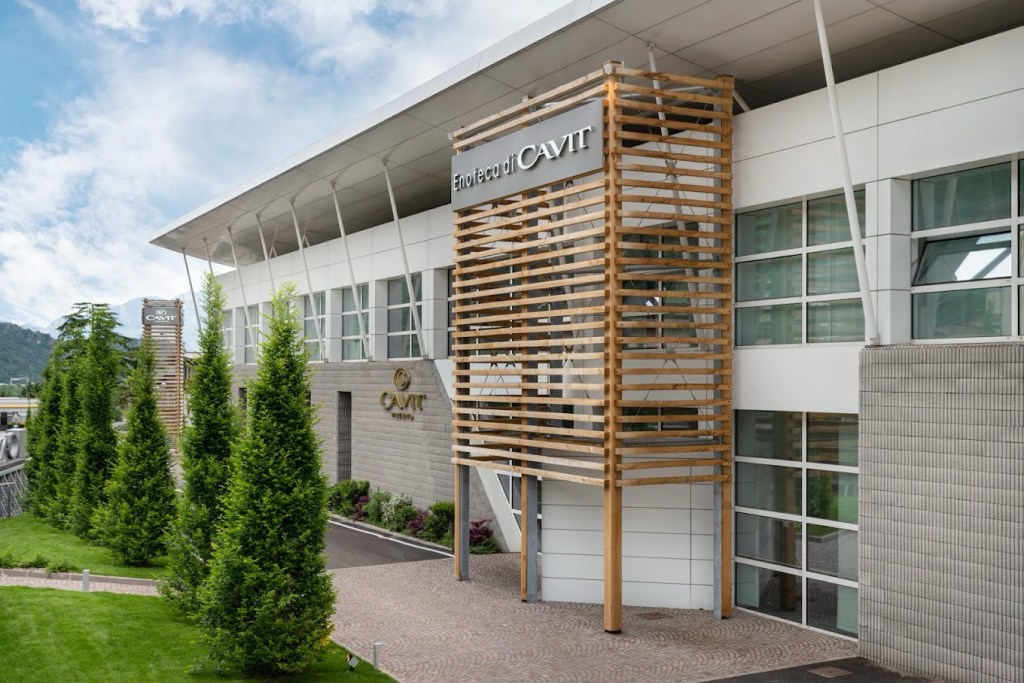
Cavit gives you an unforgettable experience. The winery is a fusion of tradition and modern innovation, with state of art cellars and a strong focus on sustainable winemaking. 

  • Exclusive Wine Tastings: Taste a wide range of Cavit’s wines, from fresh whites to premium trentodoc sparkling wines. 
  • Vineyard Tour: Explore the scenic vineyards, where Alpine beauty meets viticulture. 
  • Meet the Winemakers: Learn from passionate producers who craft these exceptional wines. 
  • Sustainability Practices : Discover how Cavit champions eco friendly viticulture and organic farming. 

Trentino: The Paradise 

Beyond Cavit, Trentino itself is a dream destination for anyone. 

  • Breathtaking Scenery: The dramatic Dolomites, vine covered hills and glacial lakes crate an awe inspiring landscape 
  • Rich cultural heritage: Discover medieval castles, charming villas and ancient winemaking traditions 
  • Outdoor adventures: Enjoy hiking, skiing and Lake Garda’s natural beauty alongside world class tasting 
  • Local Cuisine: Pair Cavit with Trentino’s famous cheese Speck ( Cured Ham) and Polenta dishes. 

Final Thoughts: Why Cavit Deserves a Spot in Your Glass 

Cavit isn’t just a winery, it’s a living legacy of Trentino’s winemaking heritage. From the high altitude vineyards to the passionate producers behind every bottle, this cooperative has mastered the art of creating wines that captures the spirit of Trentino. Cheers to great wines, breathtaking landscapes and the timeless traditions of Trentino !! 

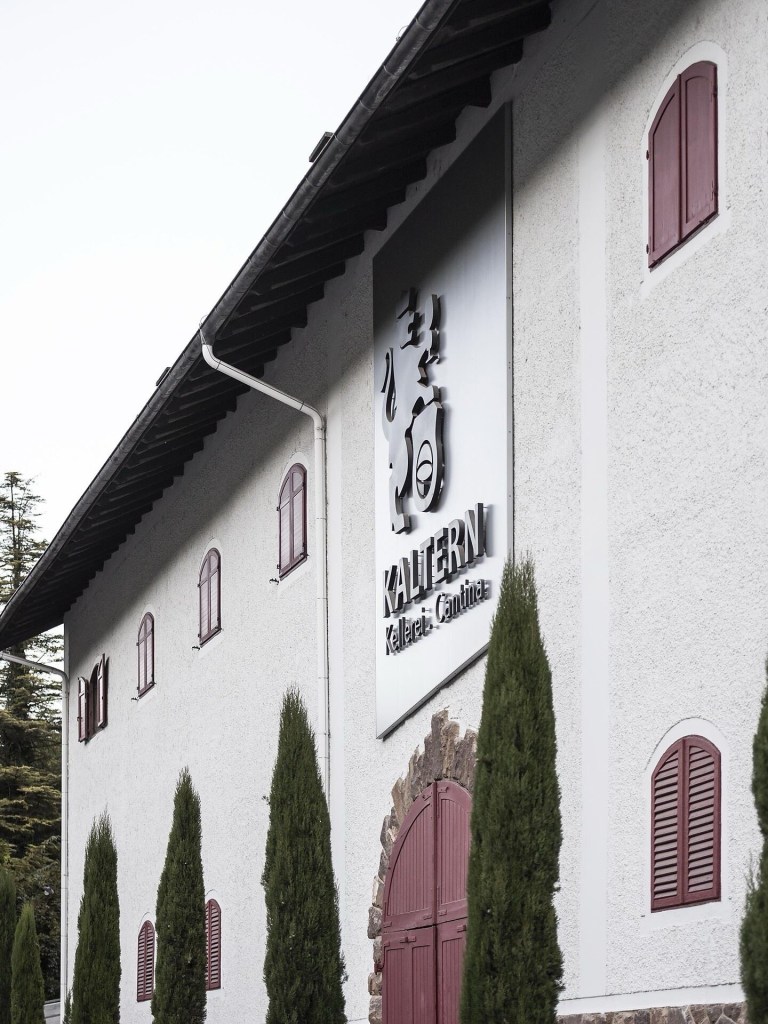
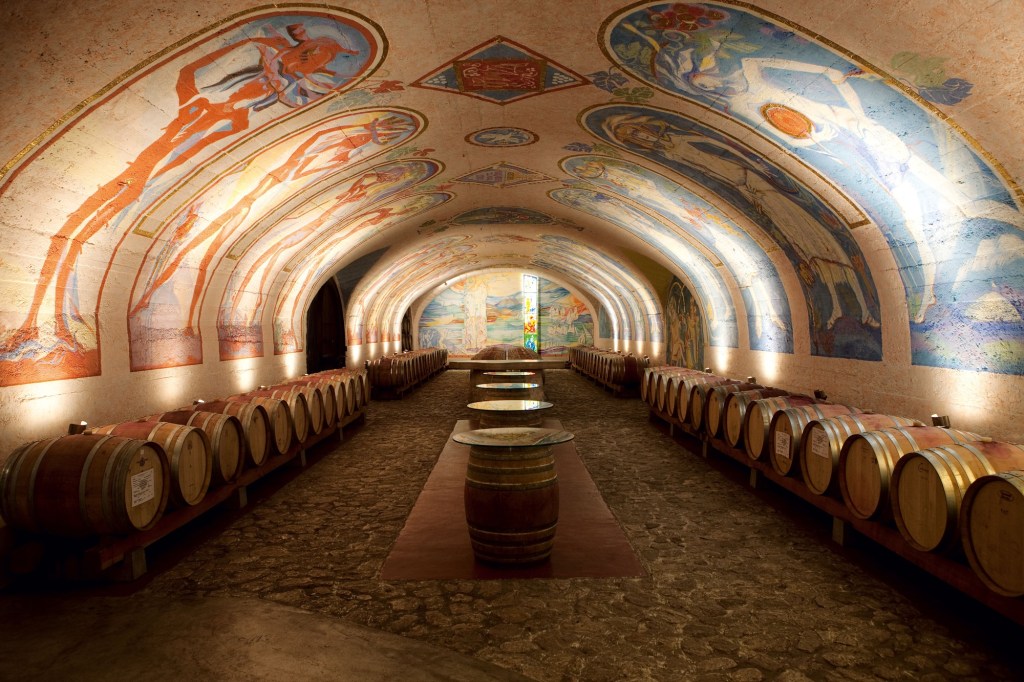
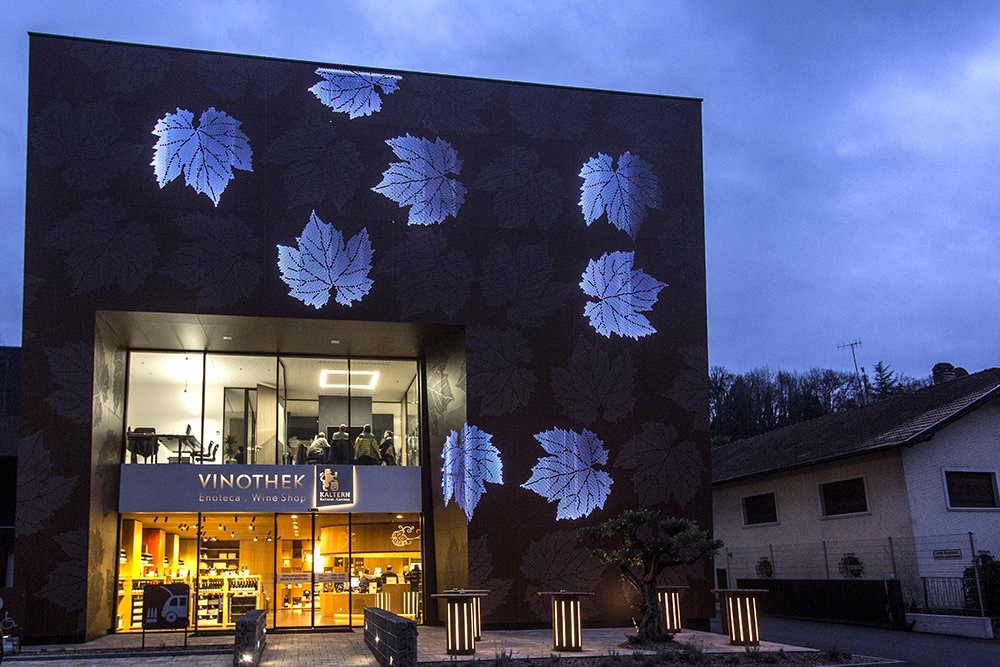
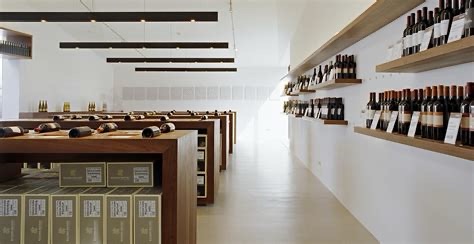
Kellerei Cantina Kaltern

Kellerei Cantina Kaltern: A legacy of wine, passion and community. 

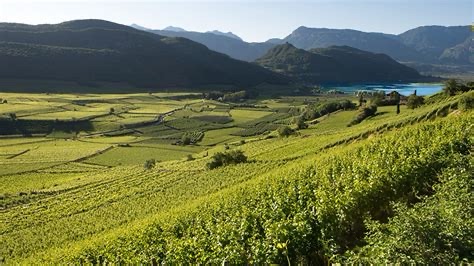
Situated in the picturesque landscape of Alto Adige, Italy, Cantina Kaltern stands as a symbol of winemaking tradition and community. It’s the beating heart of a winemaking community that has thrived for generations. The village of Kaltern, with its picturesque lake, rolling vineyards and Alpine Mediterranean climate, set the stage for some of Italy’s most refined and expressive wines. 

A cooperative rooted in history: 

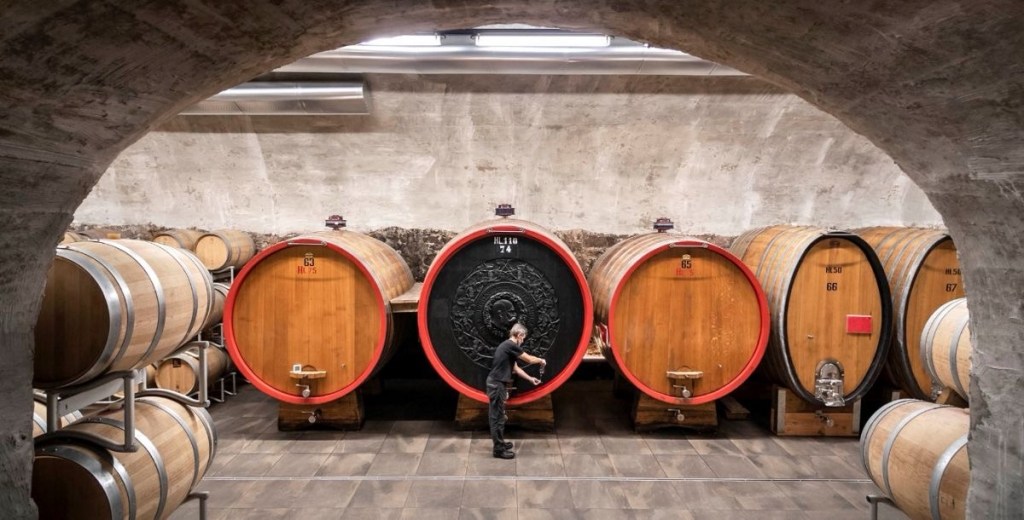
Cantina Kaltern stands apart because of its deep sense of tradition and unity. It is a cooperative, a collective effort of around 590 wine growing families who have come together to create something greater. This philosophy of shared knowledge, combined with a meticulous focus on quality, has shaped the winery’s reputation as one of Alto Adige’s finest. The roots of Cantina Kaltern stretch back over a century, when independent vintners first realised that working together could elevate their wines to new heights. Over the years, the cooperative has not only preserved its traditional winemaking methods but also embraced modern innovations to ensure every bottle reflects the unique terroir of the region. 

The Terroir of Alto Adige:

The vineyards sit between 200 and 600 metres above sea level, where the cool mountain breezes meet the warmth of the Mediterranean sun. This striking contrast creates an environment where grapes ripen slowly, developing intense aromas and balanced acidity. The soils here are a mix of limestone, clay and volcanic porphyry, adding layers of complexity to the wines. These natural conditions, combined with the expertise of the winery’s growers, result in wines that are elegant, well structured and full of character. 

Cantina Kaltern Wines: 

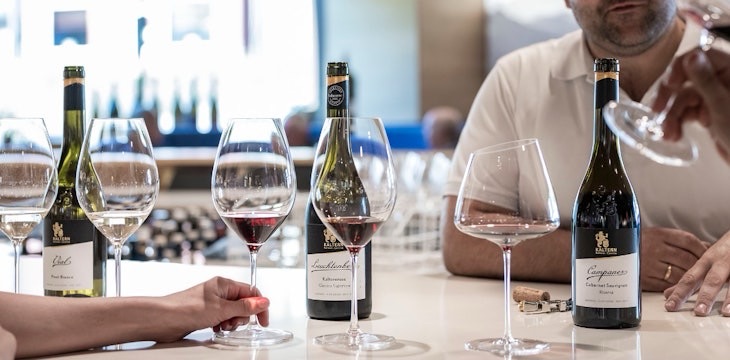
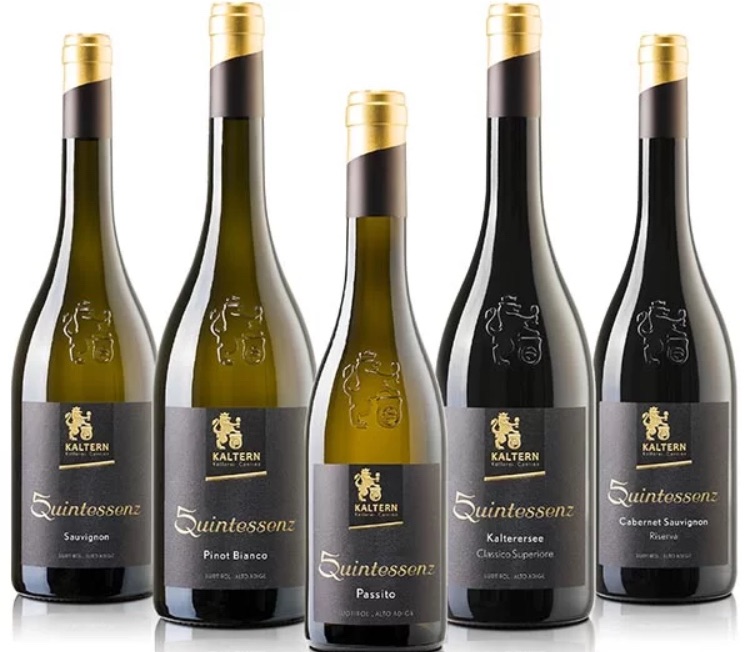
Cantina Kaltern’s wines tell a story. A story of patience, passion and dedication. The winery is best known for its Schiava (Kalterersee), a delicate and vibrant red wine that beautifully expresses the region’s signature varietal. But the offerings go beyond that: 

  • Schiava (Kalterersee DOC)- A light fresh red wine with aromas of wild berries. 
  • Lagrein- A deeper, more intense red wine with dark fruit flavours and hints of spice. 
  • Pinot Bianco and Pinot Grigio- Crisp, mineral driven white wines that reflect the Alpine freshness of the region. 
  • Gewürztraminer- A fragrant, full bodied white wine with exotic fruit notes and a touch of spice. 
  • Chardonnay and Sauvignon Blanc- Expressive and elegant, these wines highlight the winery’s expertise in white winemaking. 

The People behind the bottle: 

The cooperative’s members pour their heart and soul into every vintage, ensuring that each bottle is a testament to their hard work and passion. From vineyard caretakers to cellar masters, every hand that touches the winemaking process plays a vital role in shaping the final product. Cantina Kaltern’s commitment to sustainability is also a reflection of its people. Their philosophy is simple: Great wine starts with great respect for nature, land, tradition and for the people who make it all possible. 

A taste of tradition and innovation:

Cantina Kaltern is a winery that beautifully balances tradition with modernity. While it stays true to its deep rooted history and the art of cooperative winemaking, it also embraces innovation ensuring that each bottle reflects the best of Alto Adige. 

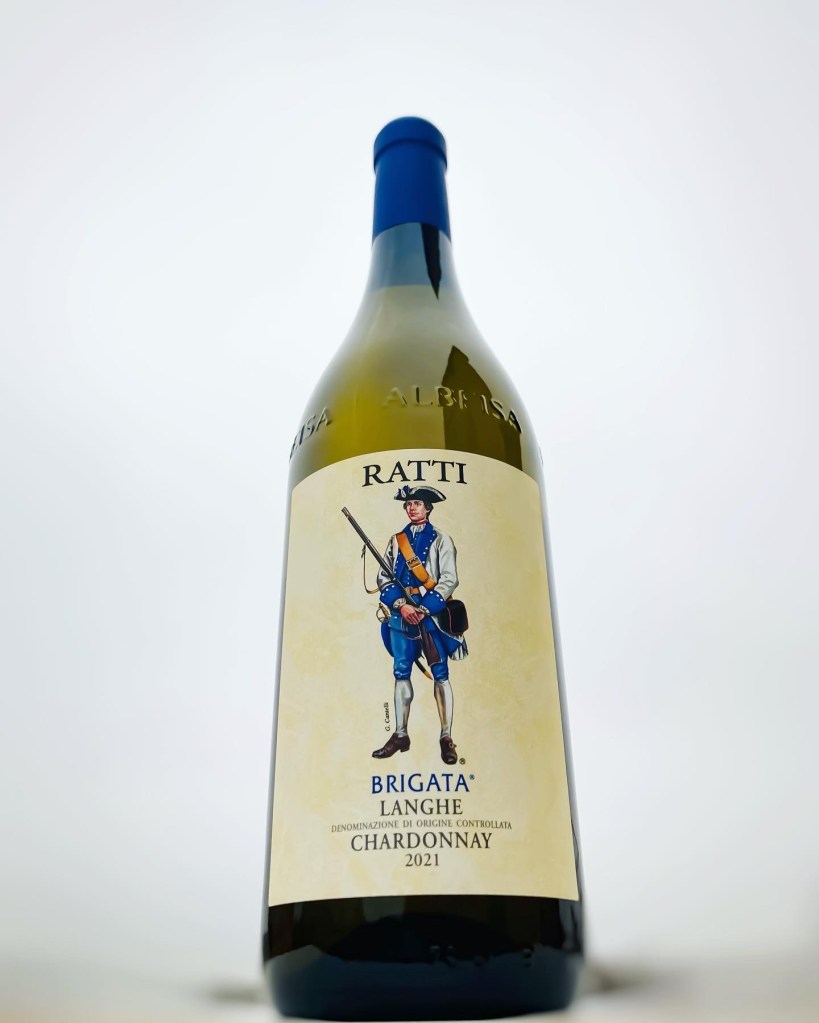
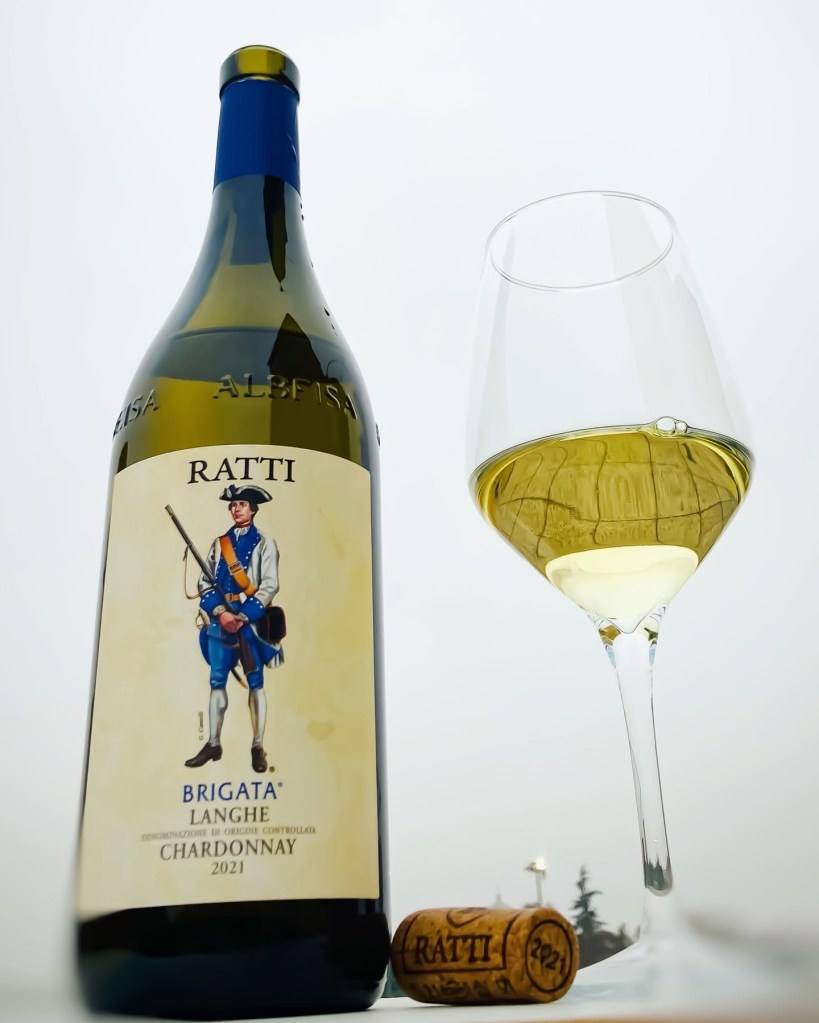
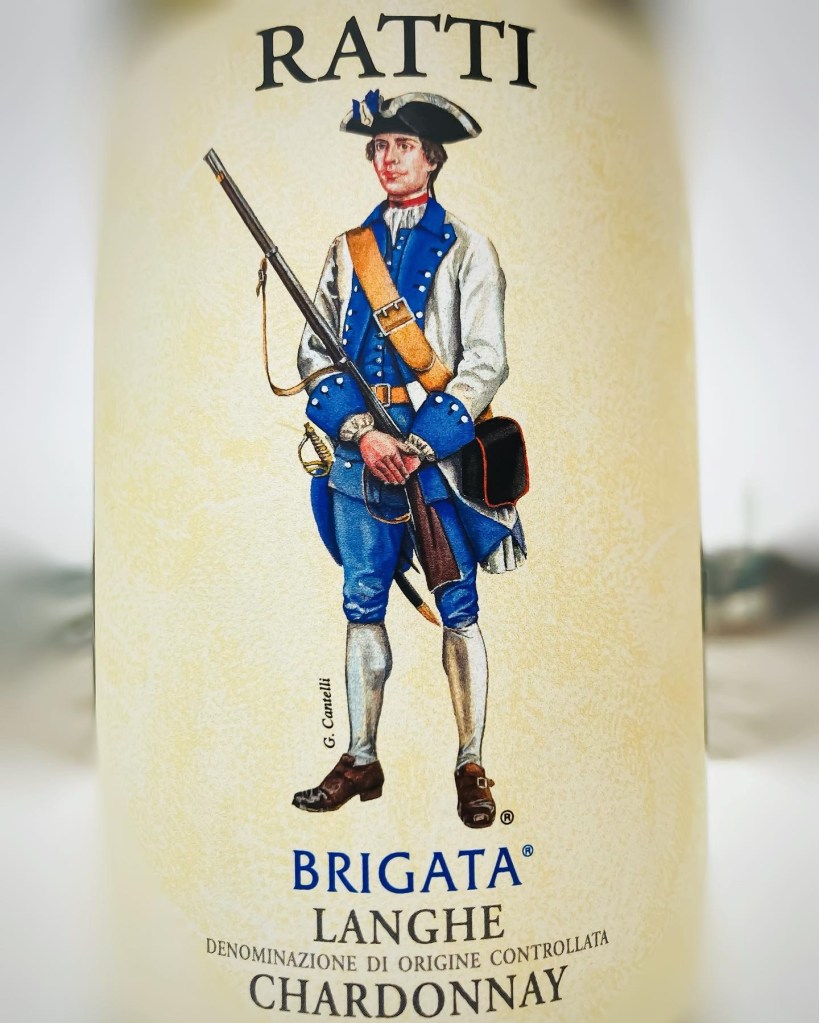
Another one from Renato Ratti Winery. Langhe Chardonnay DOC Brigata (Brigade) 2021, Piedmont

Wine Tasting: Another one from Renato Ratti Winery. Langhe Chardonnay DOC Brigata (Brigade) 2021, Piedmont

Renato Ratti Winery: Started in 1965 to create Barolo. In order to showcase Barolo and Langhe wines, the “Ratti dei Vini di Alba” museum was established in the 1970s. One of Piedmont’s most important museums. The embedded “ALBEISA,” which was produced in 1973, is an iconic bottle for Piedmont wines. The winery was the primary architect of the cultural and technical revolution in the world of Italian and Piedmontese wines. The vineyards of Cantina Ratti can be found in Dogliani, Mango & Costigliole d’Asti, and La Morra. The company is now in the hands of Pietro Ratti, who has a passion for high-quality research and wines.

Langhe Wine Region: This UNESCO world legacy site is the home and beginning for Italy’s longest resided wines. Because it is a subregion of the Piedmont appellation, Langhe has been producing wines that are truly exceptional. Langhe has earned the title of “King of Wines” because of its reputation as Italy’s most fascinating wine region.

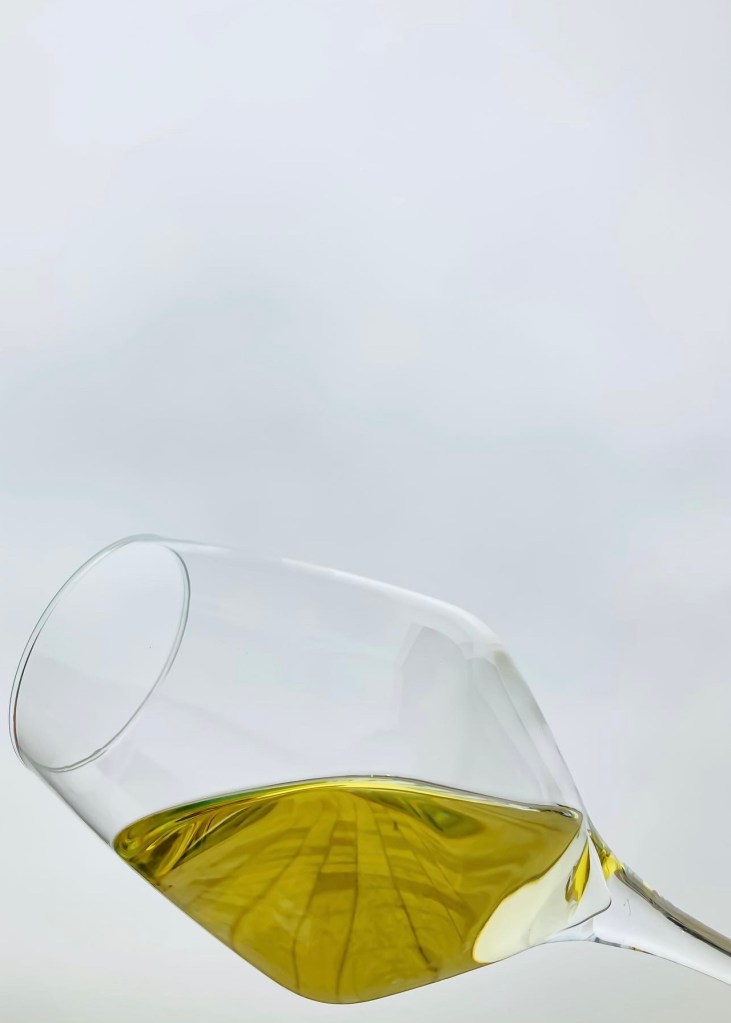
Wine: Langhe Chardonnay DOC Brigata 2021. A straw-yellow wine with a body that ranges from medium to full. Aroma of grapefruit, peach, and tropical fruits. On the palate, it is crisp and savory. Made entirely from Chardonnay grapes. A superb white from the Piemonte region.

Born West. Bear Creek Winery

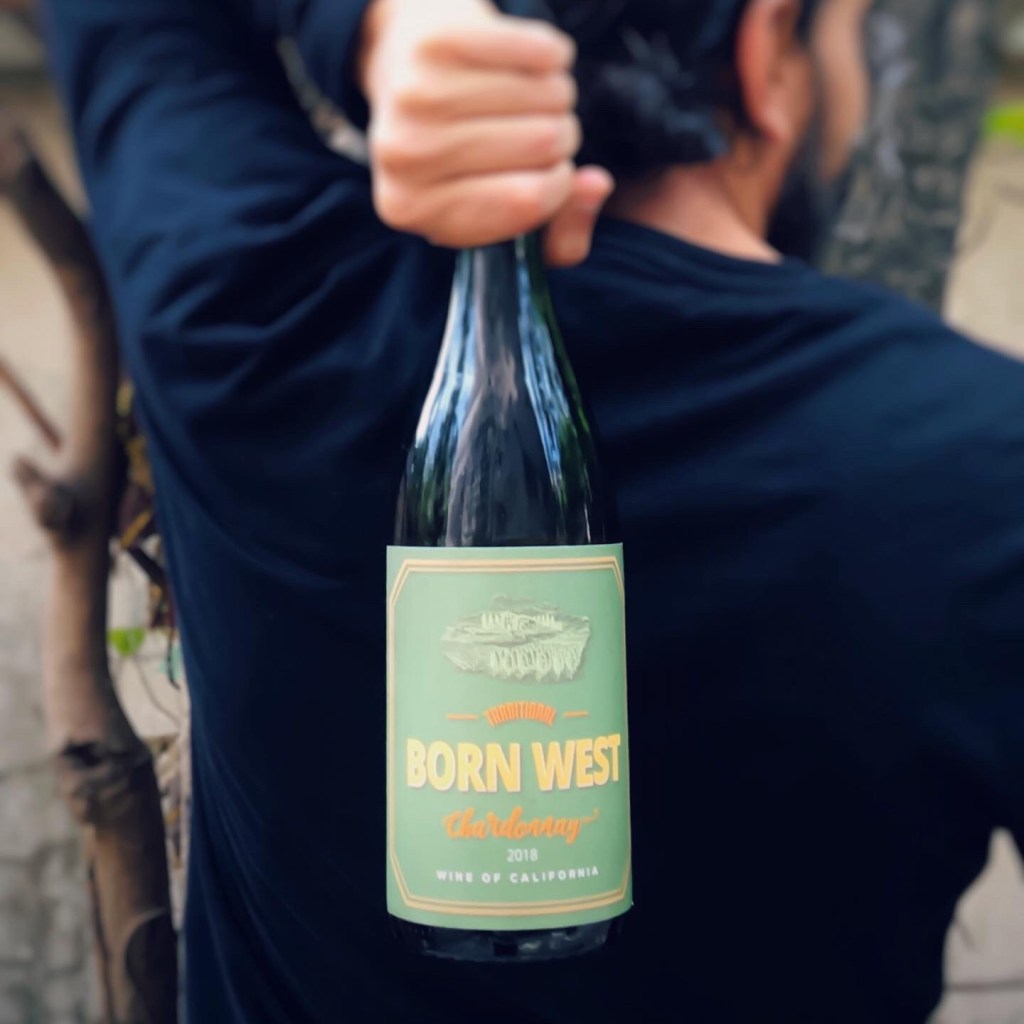
Born West, 2018 Chardonnay, Traditional by Bear Creek Winery, California, USA .

Winery: An exceptional winery with expertise in chief custom wine makers in California. As a union the winery was procured by the Kautz family in 1997. Pushing ahead the winery was transformed into a best in class wine creation organization. 

Bear Creek winery is perceived as the most favored rethinking accomplice in the world. Having more than 7,000 sections of land of grape plantations in Lodi and Sierra, the Kautz family has become the significant provider of wine grapes to the California wine industry. Today Bear Creek Winery is the sixth biggest family owned winery.  

The wine, Born West 2018 Chardonnay:- A light bodied wine, fruity and citrusy on the nose. Dry on the sense of taste with a superb sensation in the mouth. The citrusy Flavor impeccably balances the apricot, giving it a tasty flavor and a smooth completion.

Photography, Content and presented by Sagar Sareen

Born West, 2018 Chardonnay, Traditional by Bear Creek Winery, California, USA