Borgo San Felice: Winery & Resort, Toscana

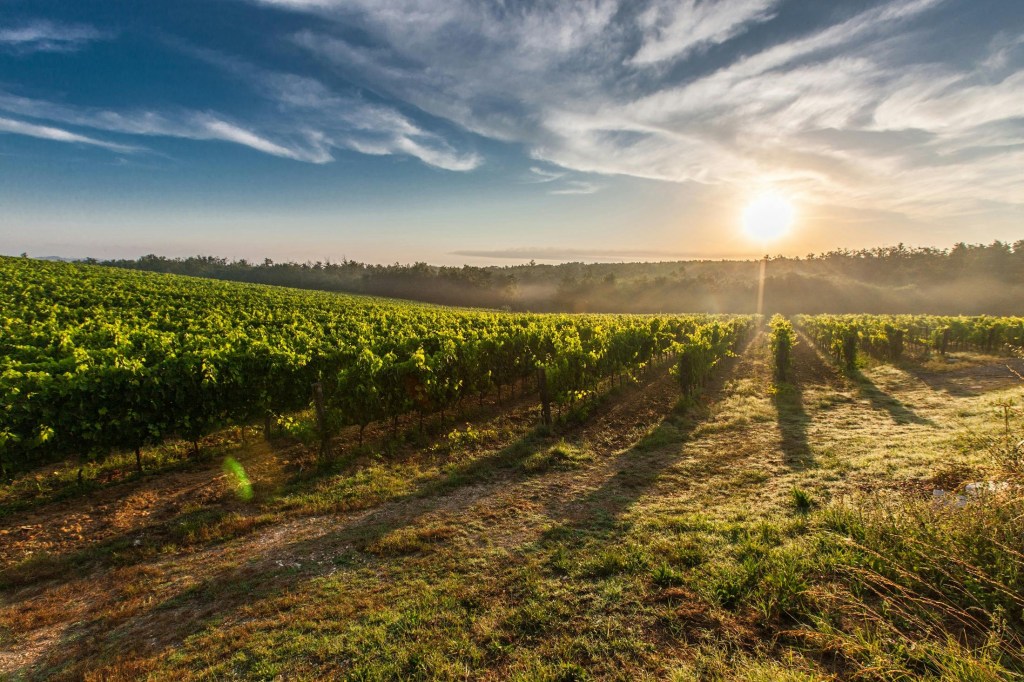
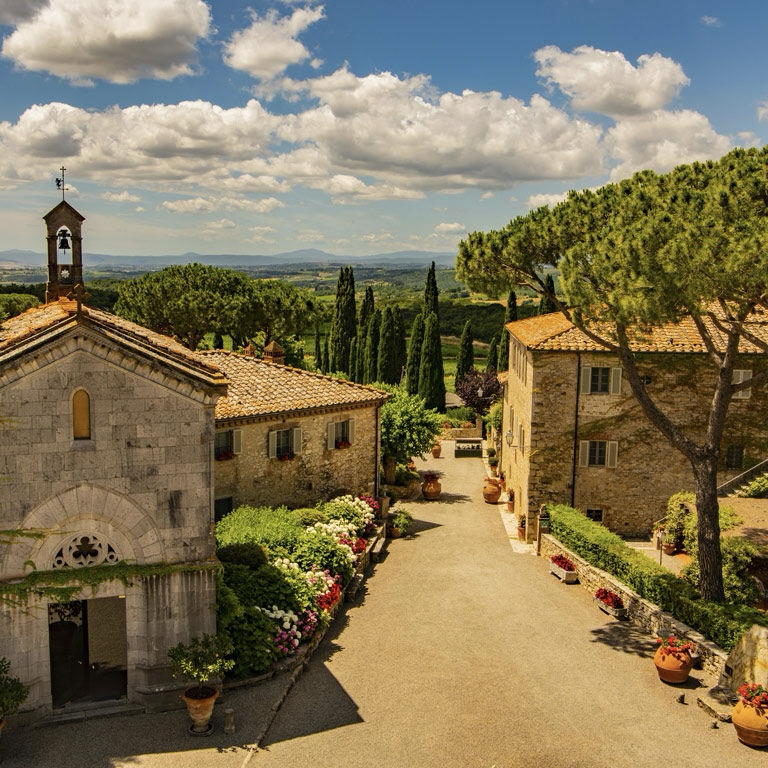
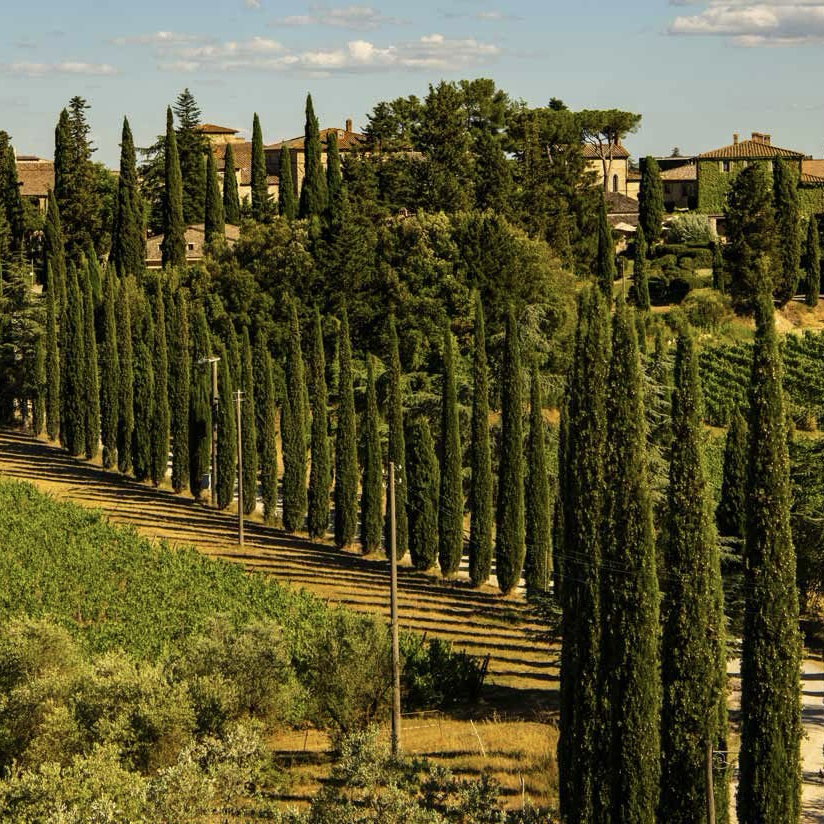
Perched amid the rolling hills of Chianti Classico, just south of Siena, Borgo San Felice is one of Tuscany’s most evocative luxury destinations. A place where centuries old history converged with world class viticulture, exceptional cuisine and bespoke hospitality. More than a resort or winery,  this iconic estate tells a layered story of landscape, innovation, culture and oenological expertise. 
From Ancient Hamlet to Luxury Estates: A History
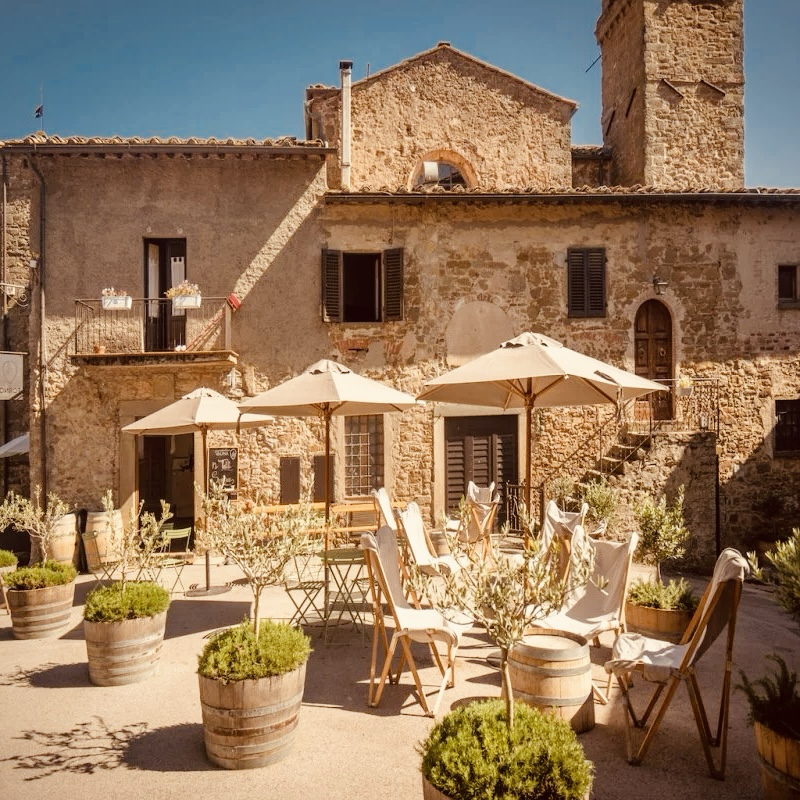
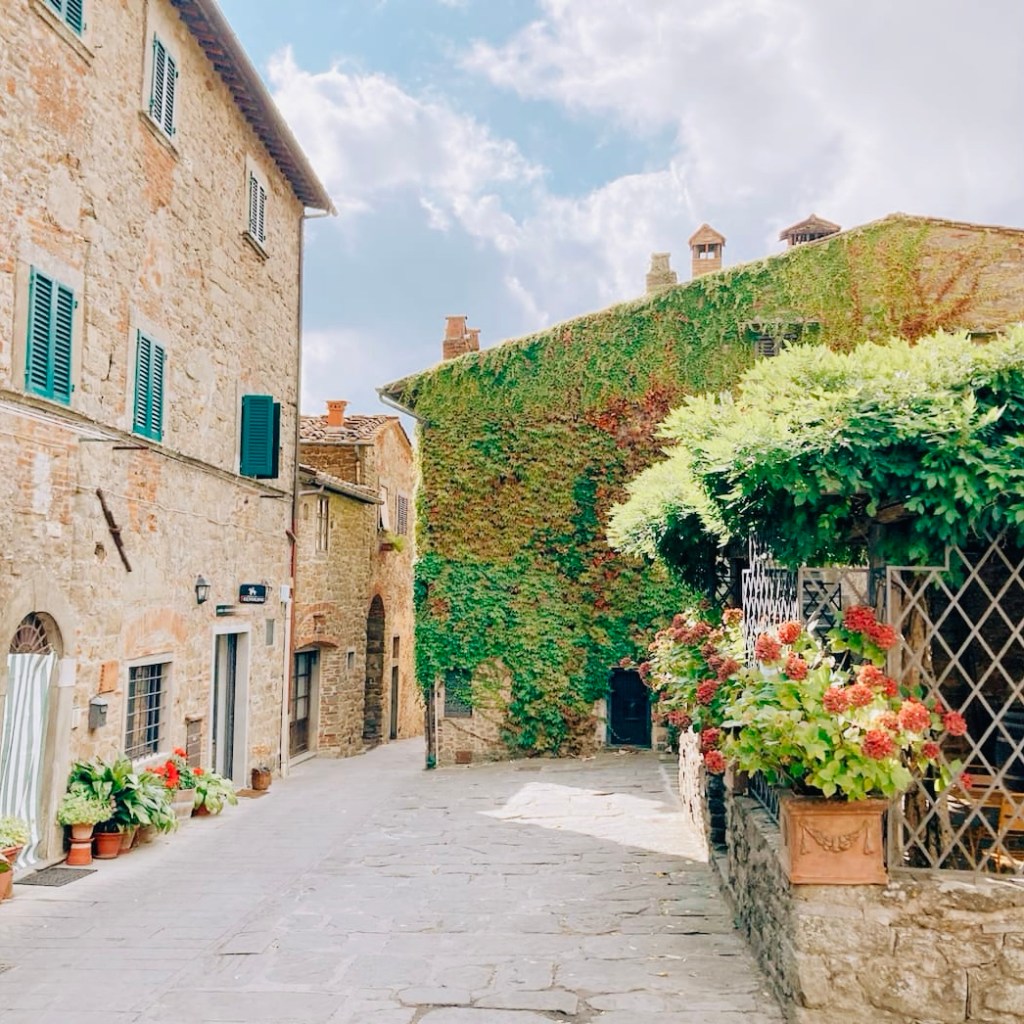
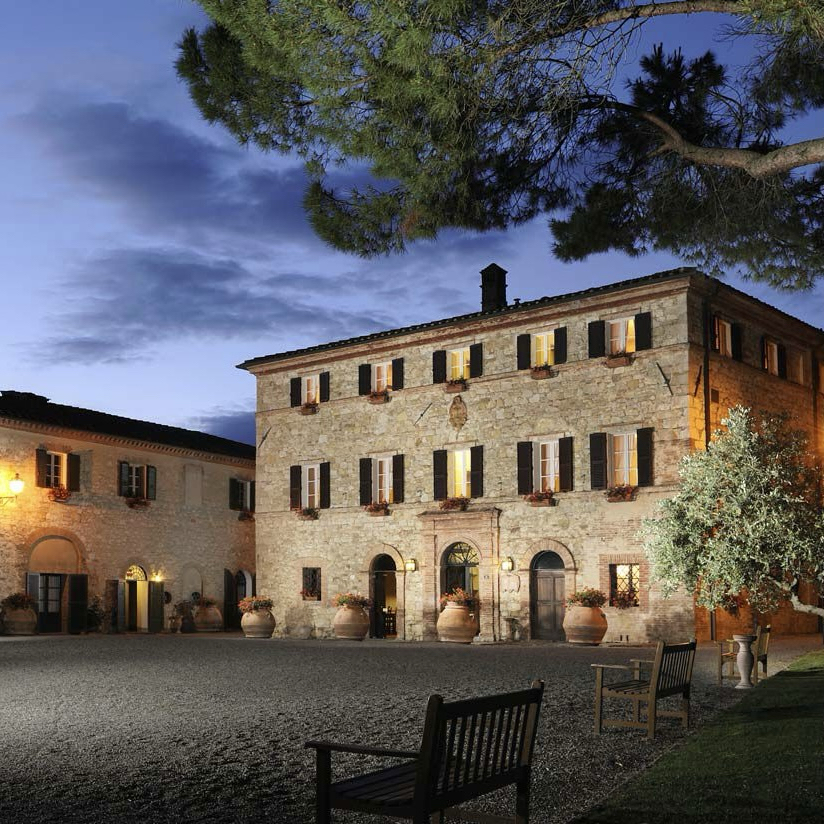
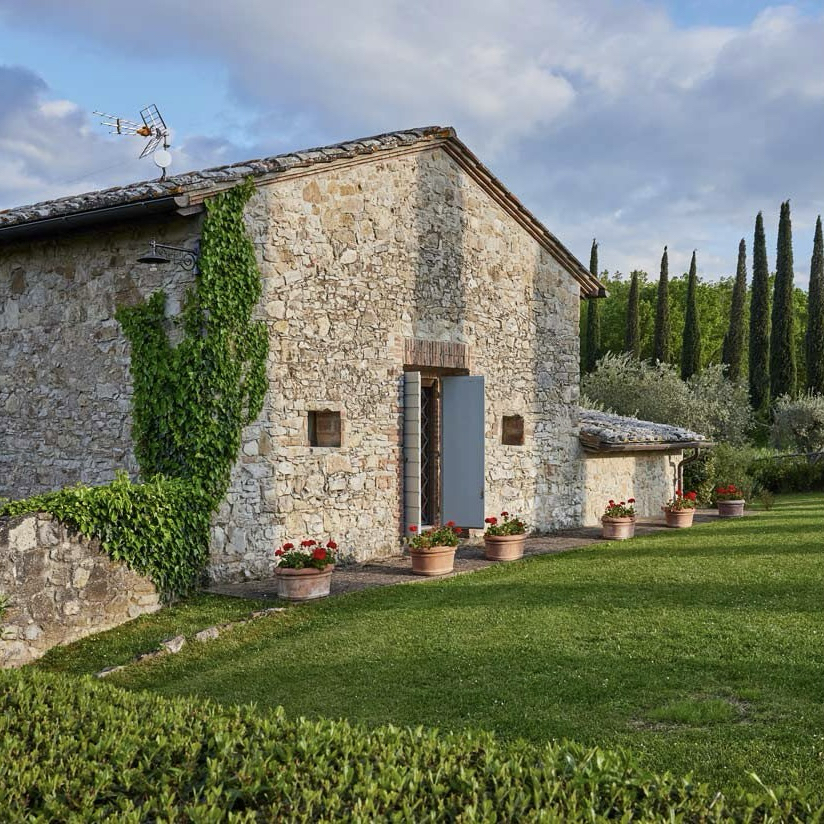
The origins of Borgo San Felice trace back to the early medieval period. The village is documented as early as 714 CE in Tuscan records, where it played a role in local ecclesiastical disputes and rural life in the Castelnuovo Berardenga region area. By the 18th century, the estate was under the guidance of the Grisaldi del Taja family, a local noble lineage deeply rooted in the region’s agricultural traditions. Members of this family helped shape early efforts to formalise Chianti Classico as a wine growing region. In the mid 20th century, the dynamics of rural Italy shifted. Depopulation led many hamlets like San Felice to empty. Yet in 1978, visionary leadership recognized the potential of this historic village. Over the following decades, the village’s stone streets, historic piazza and old agricultural buildings were meticulously restored, balancing architectural integrity with contemporary comfort. By 1992, Borgo San Felice became the first Relais & Chateaux property in Chianti Classico. An accolade signaling its arrival on the global luxury stage. 
The People Behind the Estates: 

Today, Borgo San Felice operates as a sophisticated integration of wine, enterprise and hospitality. At the heart of the winery’s vinous direction are its winemaking teams, viticulturists and cellar masters whose collective expertise shapes wines that resonate with terroir, tradition and innovation. San Felice is also engaged in long term viticultural research including the preservation and reintroduction of ancient Tuscan grape varieties like Pugnitelli. In the culinary realm, Borgo San Felice’s restaurants, especially Poggio Rosso are guided by celebrated chefs who bring creative vision and disciplined craftsmanship to every plate. 
A Triad of Tuscan Vineyards: The Wine Estates of Borgo San Felice 

San Felice’s wine story is not confined to Chianti Classico. It’s woven across three of Tuscany’s most revered terroirs, each with its own character, tradition and promise. 

Borgo San Felice: Chianti Classico

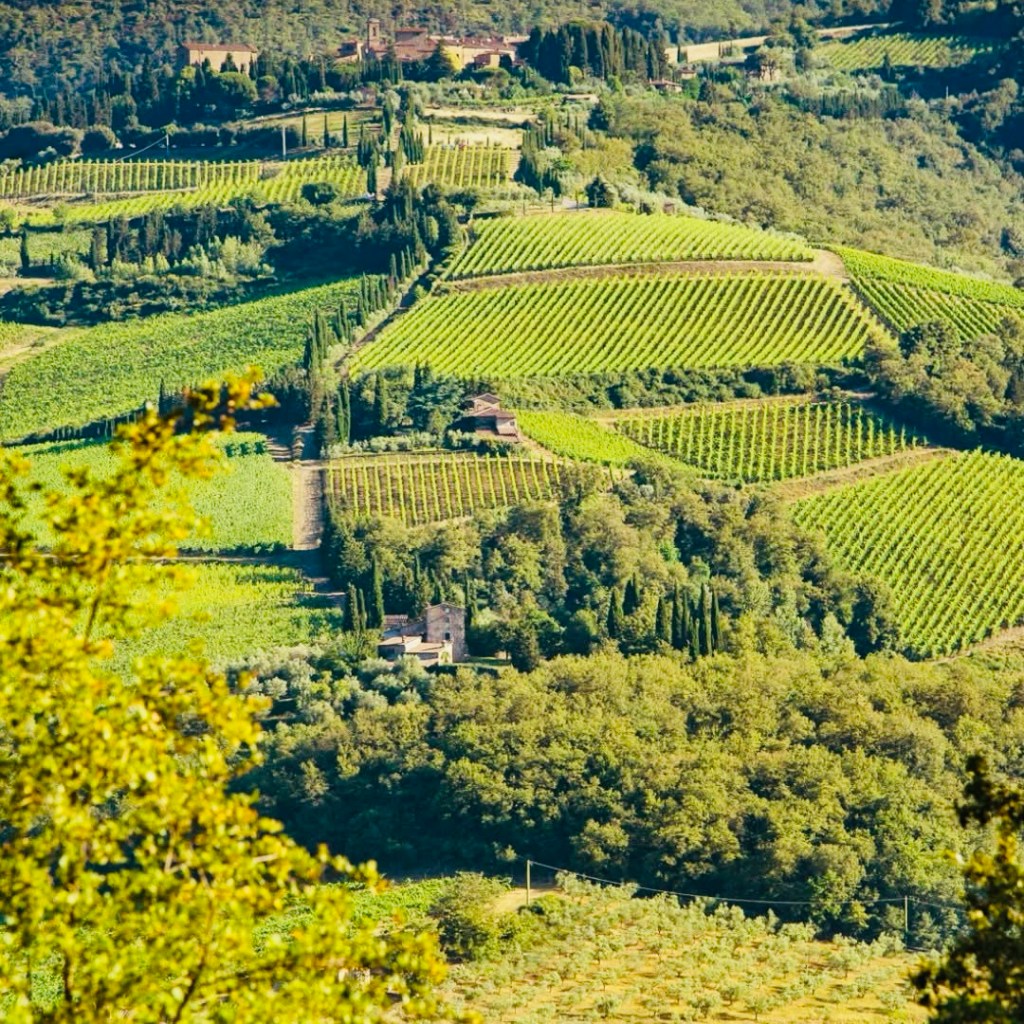
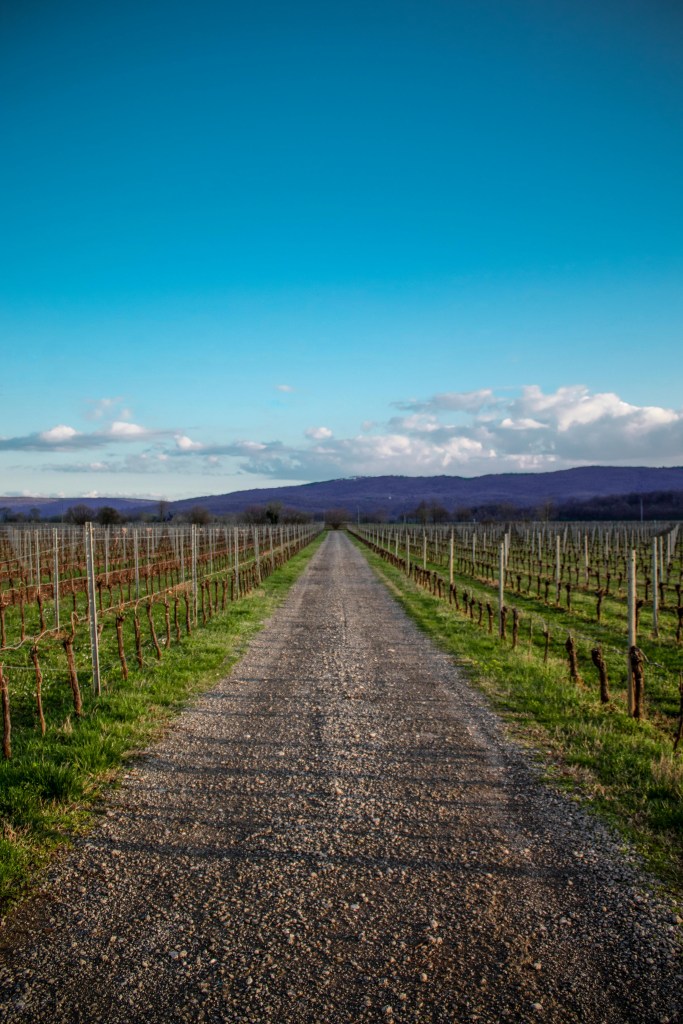
At the core of the estate lies its historic heartland, where vineyards surround the original hamlet. These slopes of limestones and clay, kissed by the Mediterranean climate, offer ideal conditions for Sangiovese, the backbone of Tuscany’s iconic reds as well as other indigenous varieties like Pugnitello. 
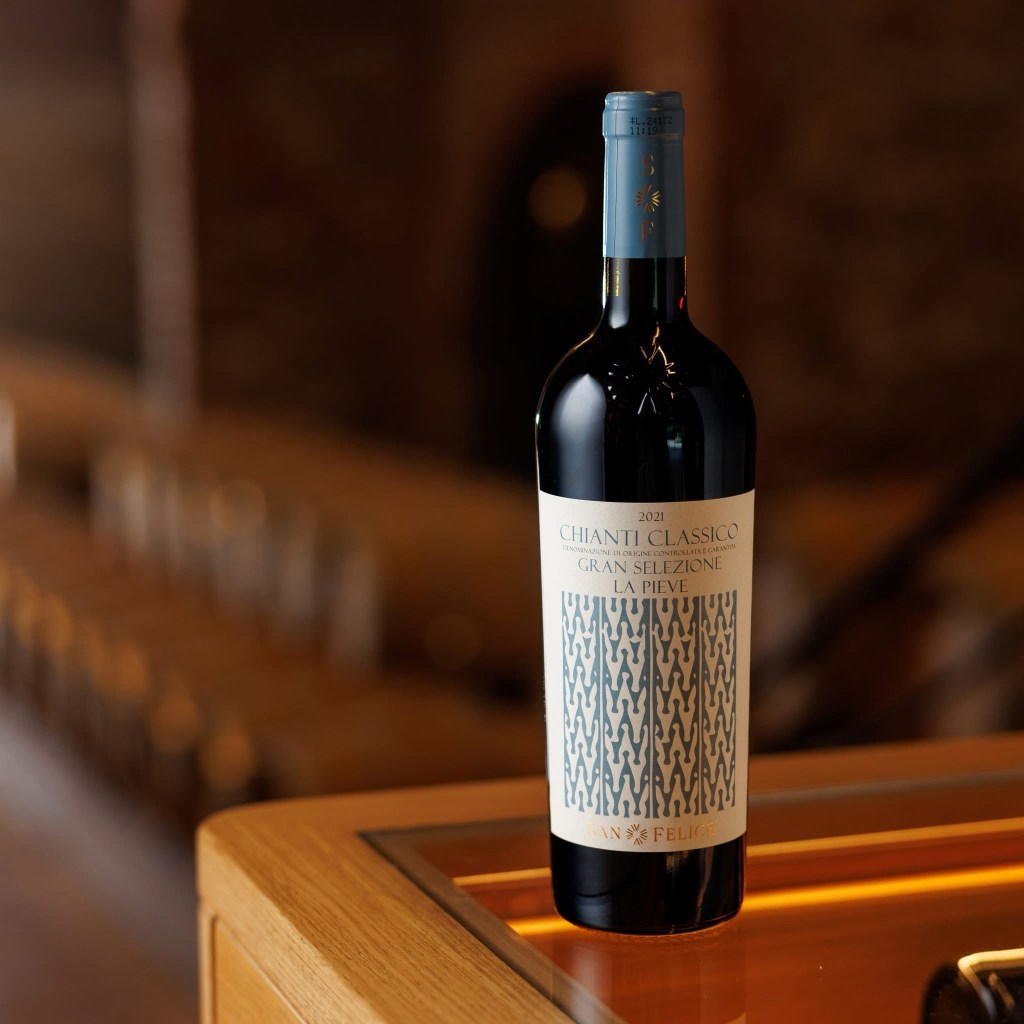
Here, San Felice produces an array of Chianti Classico wines including: 

  1. Chianti Classico DOCG “Borgo”: Pure and expressive, showcasing terroir driven fruit and tradition  
  1. Chianti Classico Riserva “Il Grigio”: Refined, layered and age worthy. A signature expression of the estate. 
  1. Chianti Classico Gran Selezione “Poggio Rosso”: Elegant, concentrated and rare, representing the pinnacle of this terroir.
  1. Vigorello: Historically significant as one of Chianti’s earliest Super Tuscans. First produced in 1968 and continually refined over decades. 
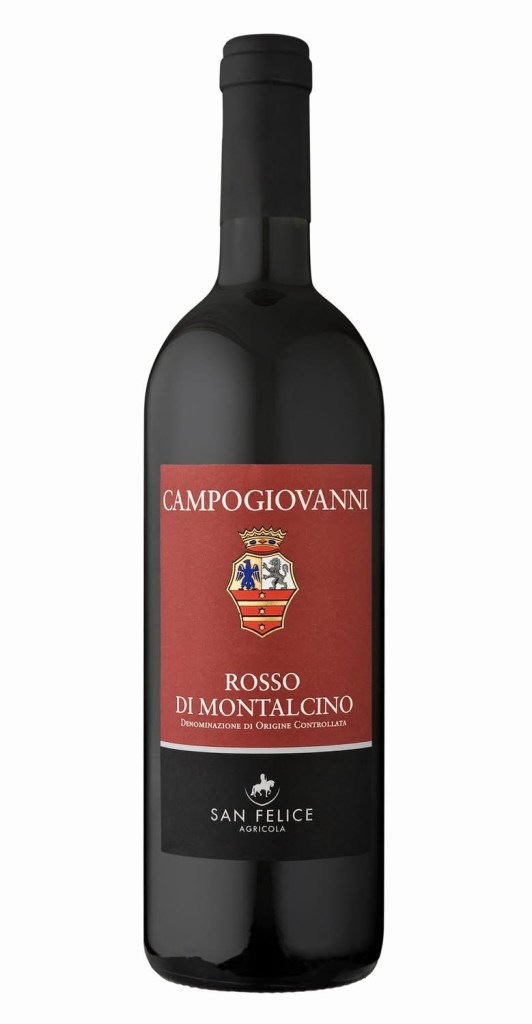
Campogiovanni – Brunello di Montalcino:

In Montalcino, a region synonymous with Brunello, San Felice’s Campogiovanni estate anchors its presence in this revered DOCG territory. With vineyards planted in  prime sites on the southwestern slopes of the hill town. This estate focuses on producing Brunello di Montalcino DOCG. Rich, structured and capable of long aging, along with its Rosso counterpart. 
Bell’Aja – Bolgheri: 

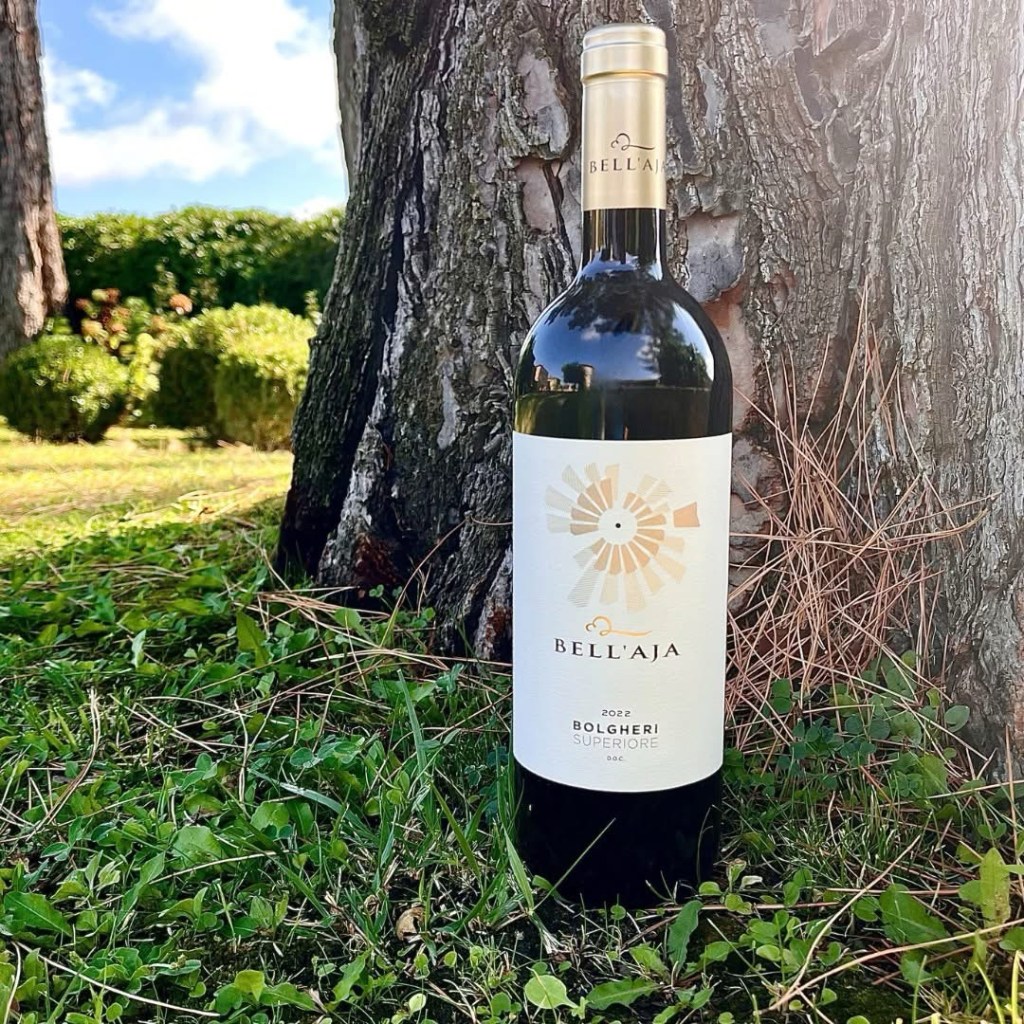
San Felice’s most recent venture took shape on the Tuscan coast of Bolgheri, where a small but prestigious estate Bell’Aja sits within striking proximity to the Tyrrhenian Sea. 
Terroir & Vineyard: The Land That Shapes the Wine: 

Across these estates, distinct terroirs define distinct wines. 

  1. Chianti Classico: Rolling hills of limestone and clay, warm days and cool nights create vibrant red fruit, balanced acidity and structural finesse in Sangiovese based wines. 
  1. Montalcino: South facing slopes and mineral rich soils lend power and elegance to Brunello, with firm tannins and depth. 
  1. Bolgheri: Coastal breezes, gravelly clay and Mediterranean exposure favor varieties, yielding rich color, aromatic complexity and aging potential. 
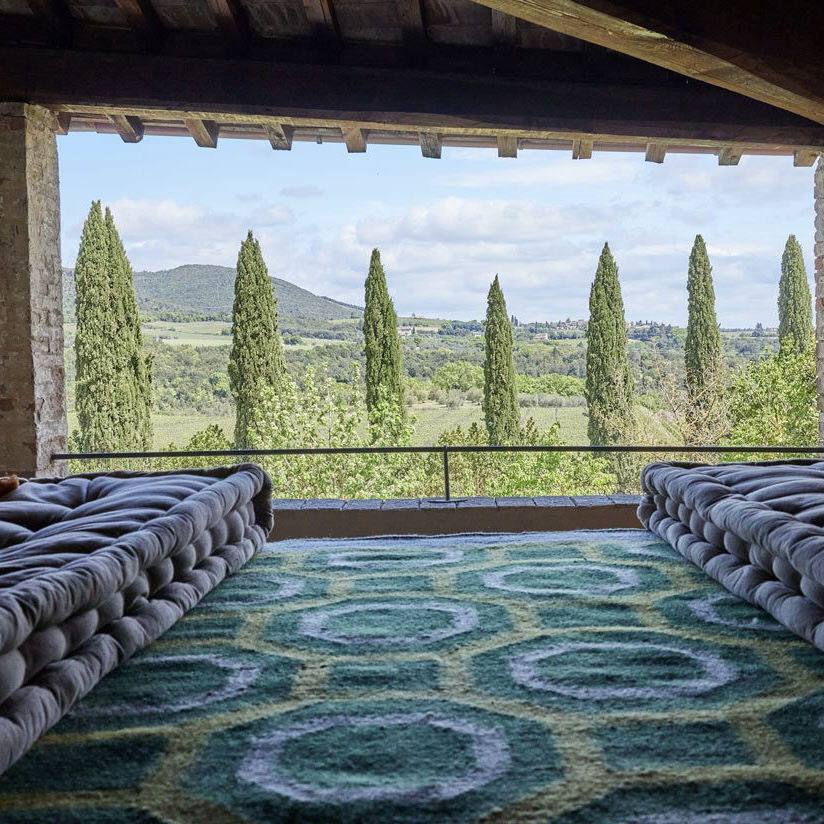
Borgo San Felice Resort: A Feast for the Senses 

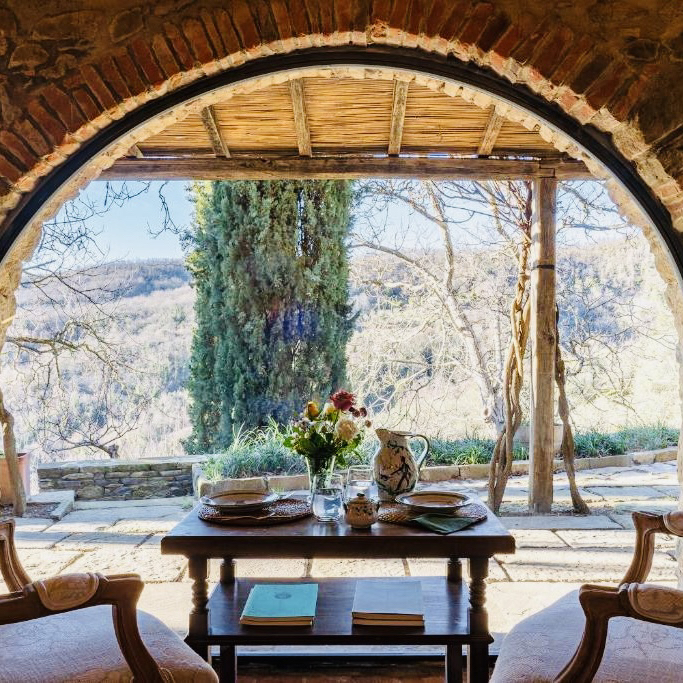
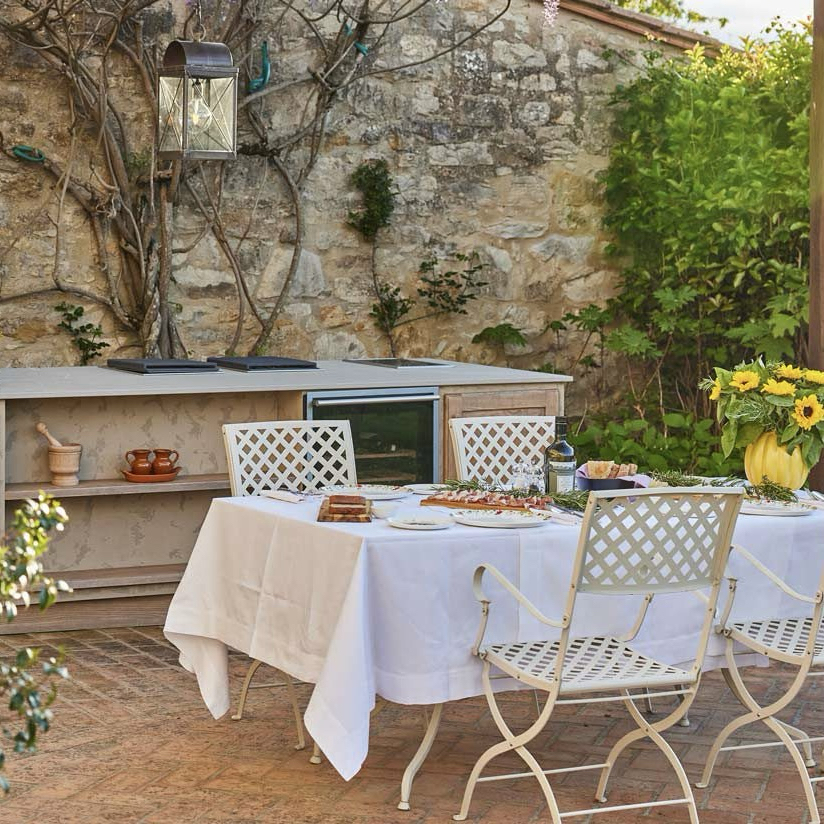
Nestled within the restored medieval hamlet. Designed to immerse guests in Tuscan Character 
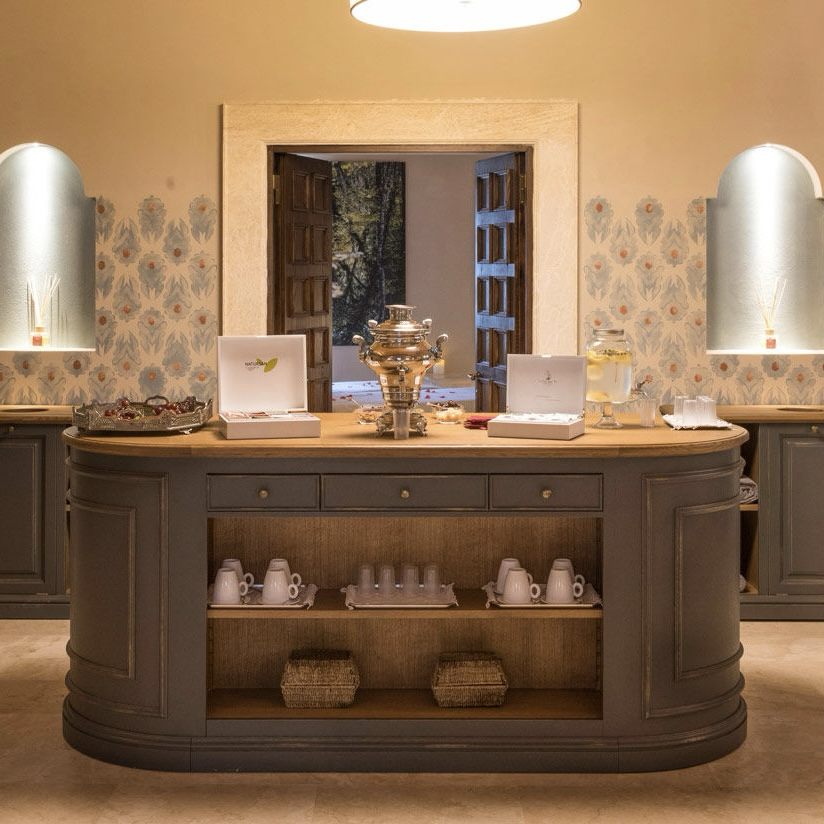
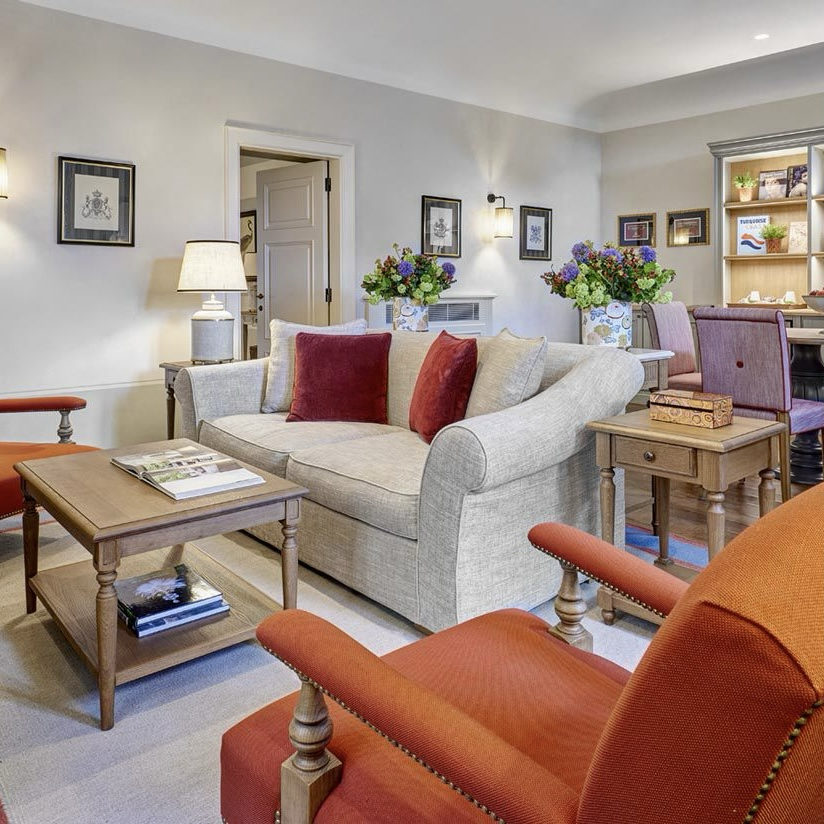
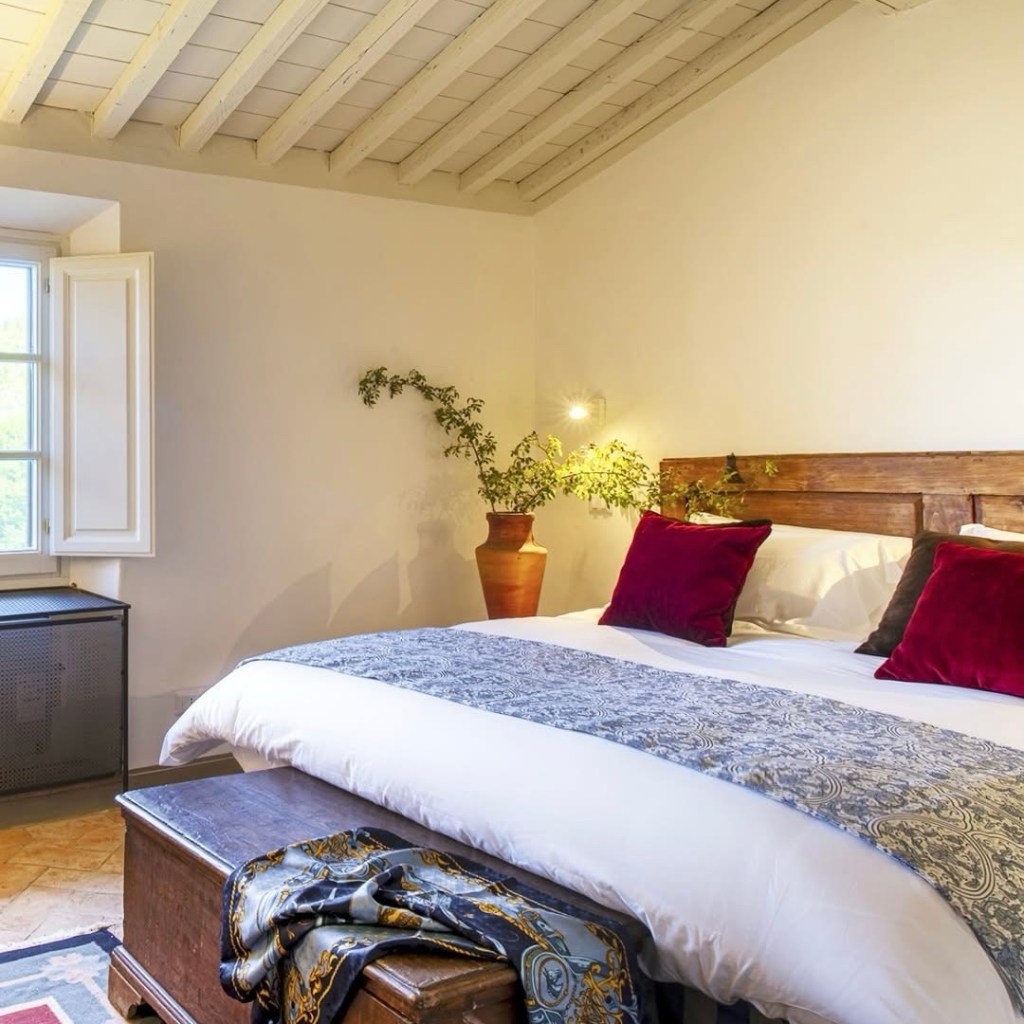
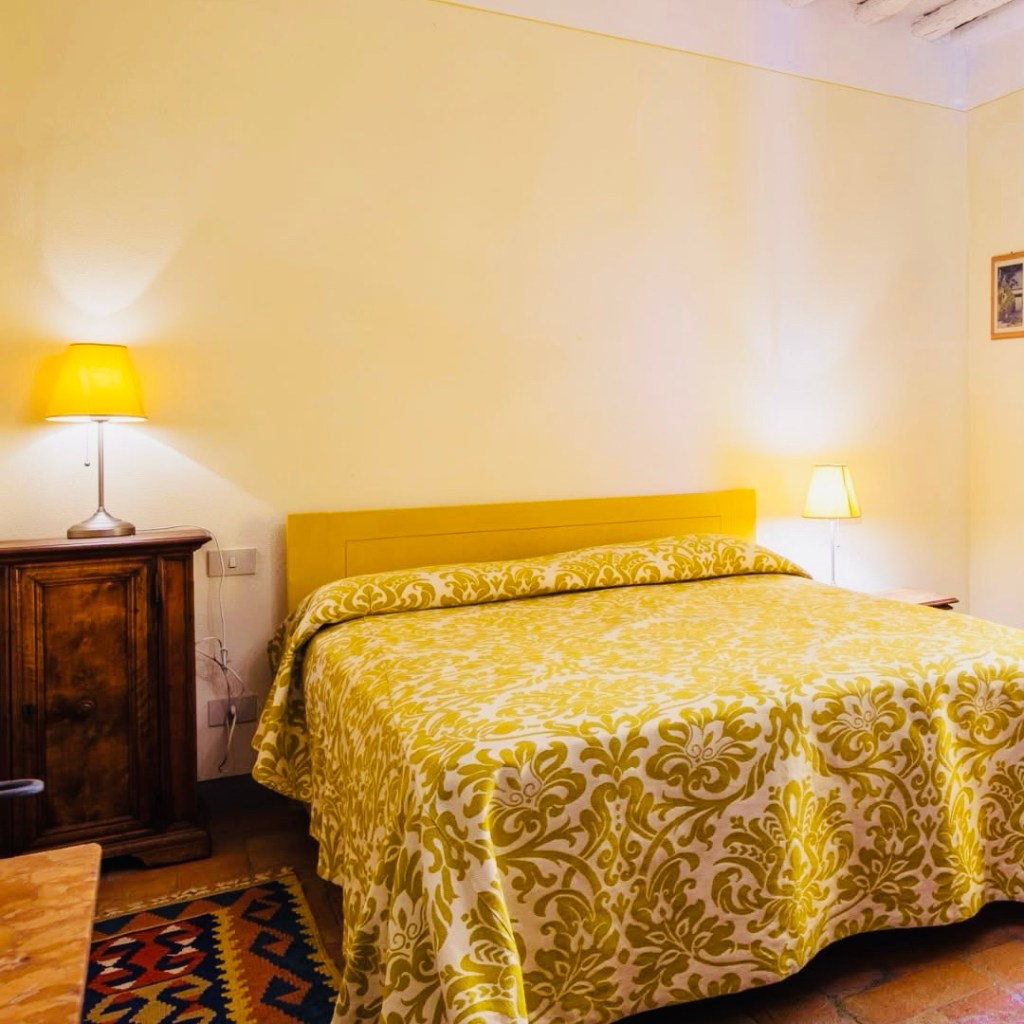
  1. Premium Deluxe & Prestige Rooms: Elegant spaces with vineyard or village views, rich material and modern comforts. 
  1. Suites & Premium Suites: Spacious retreats with distinctive decor, separate living area and expansive vistas. 
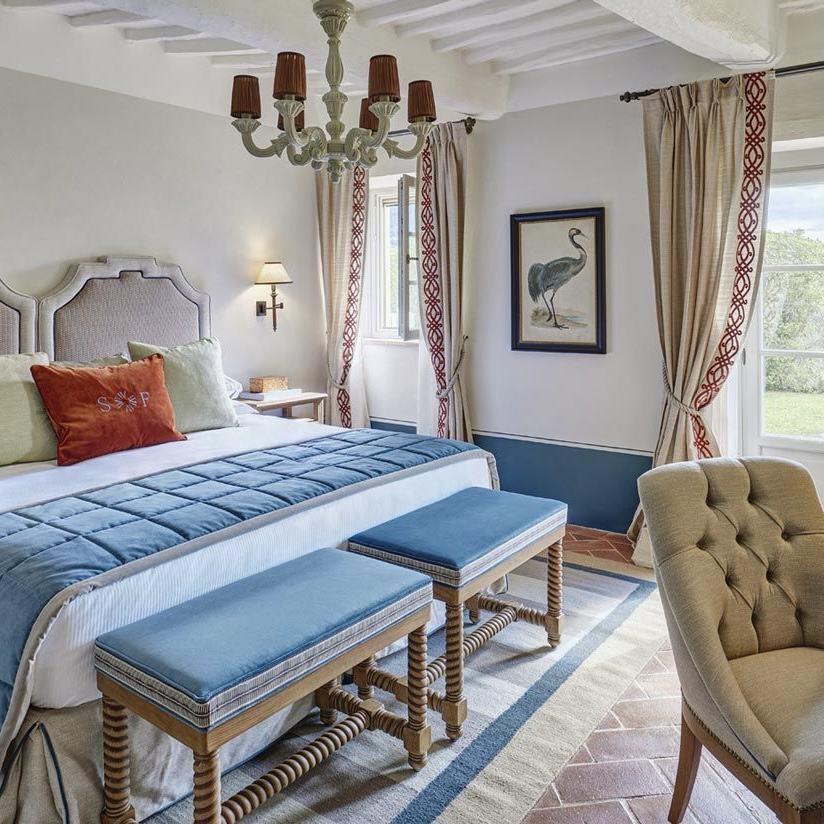
  1. Signature Suites: Elevated experiences with bespoke touches and luxurious appointments.
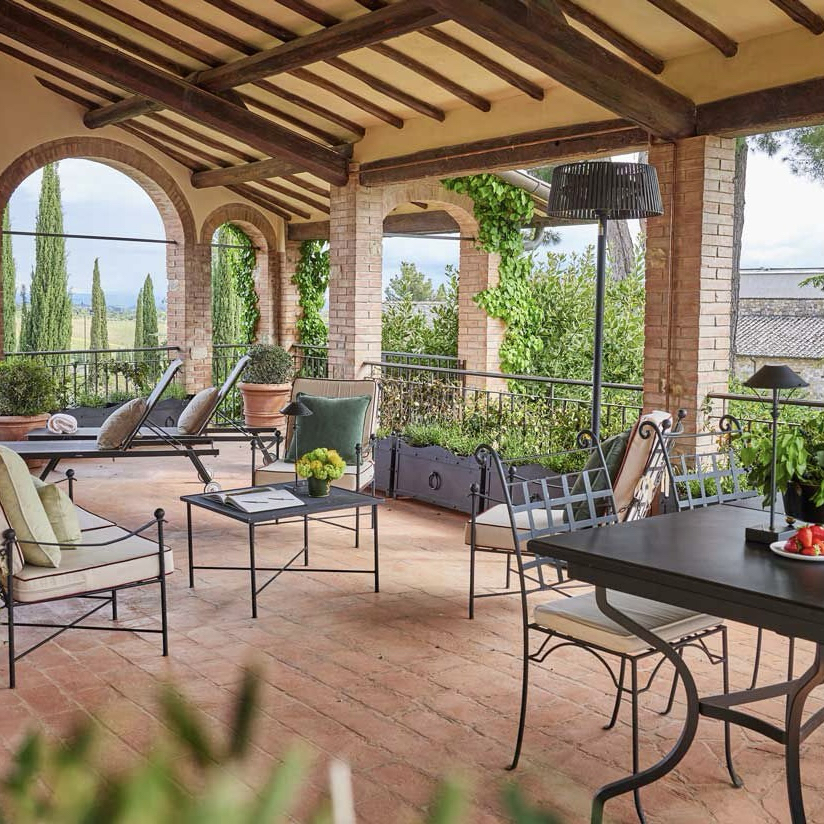
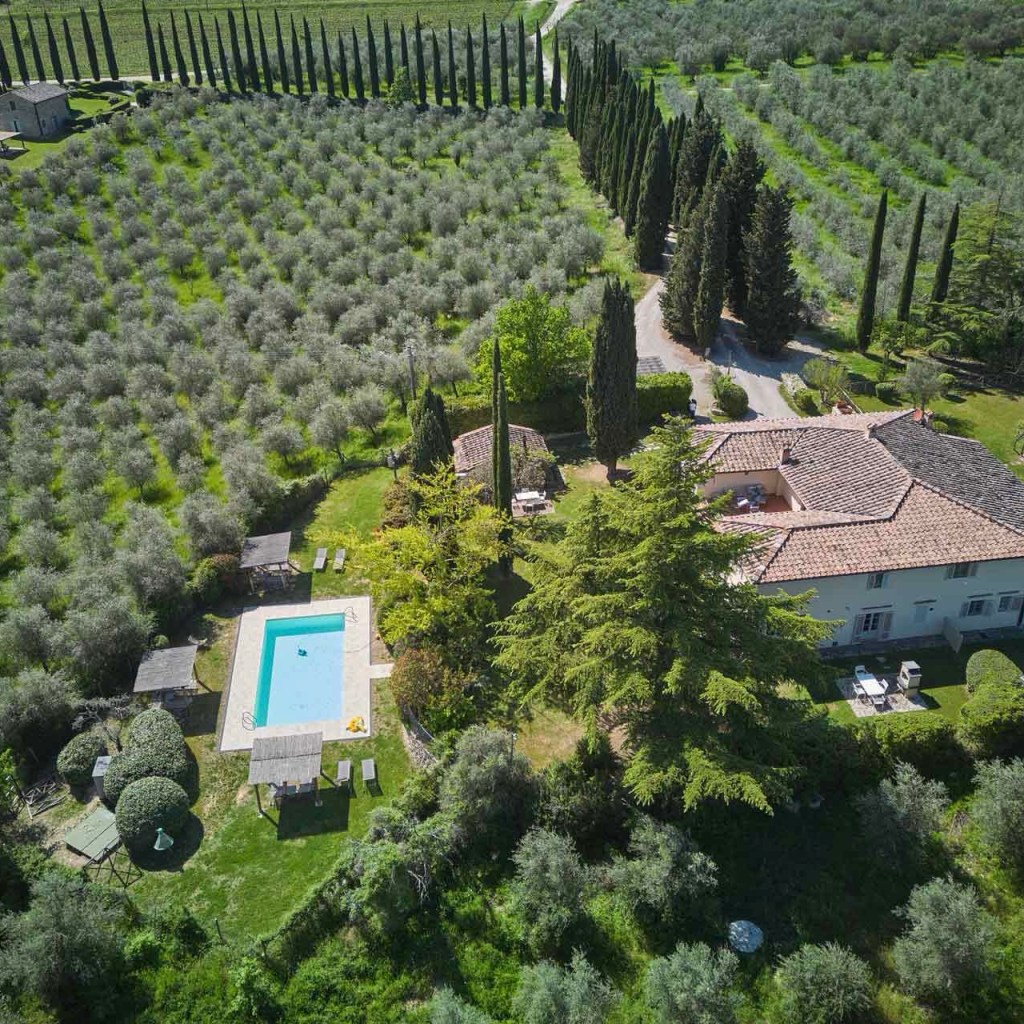
  1. Villas : Private estate houses, each with multiple bedrooms and secluded pools, perfect for families or exclusivity. 
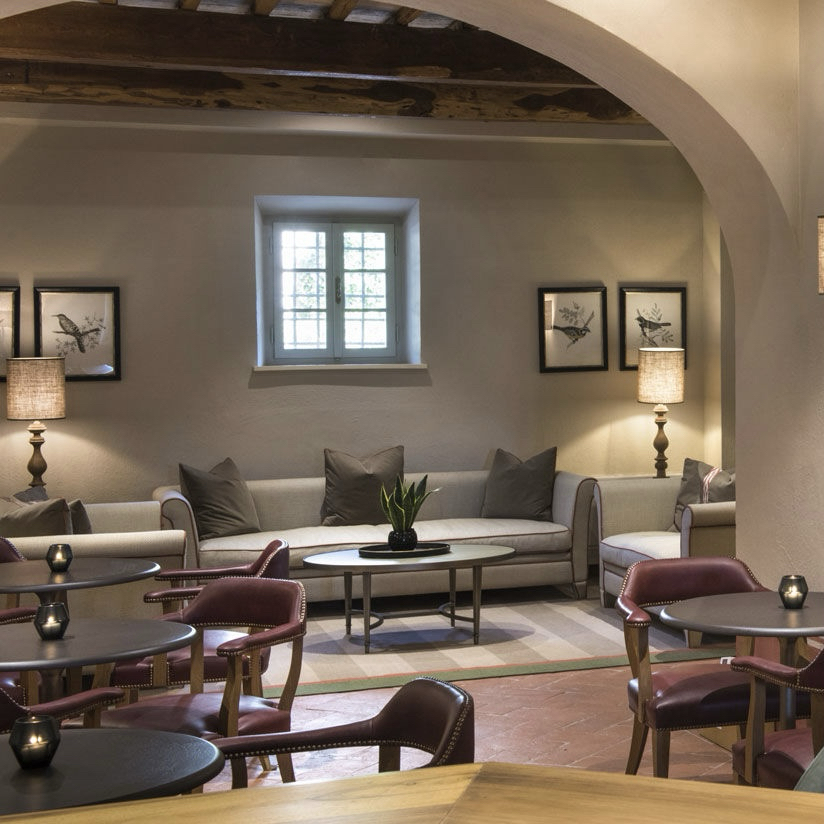
Epicurean Experiences: Restaurants & Beyond

Borgo San Felice’s gastronomic canvas is anchored by two standout restaurants: 
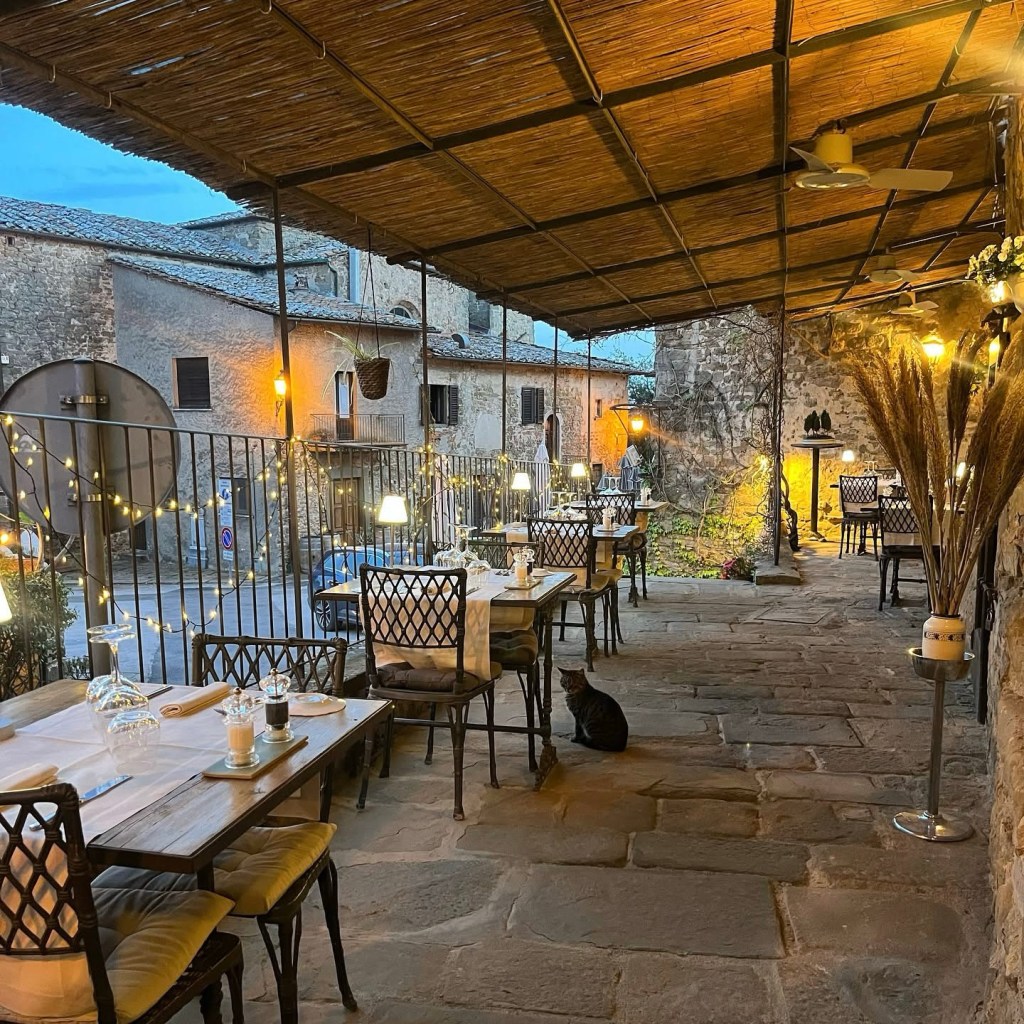
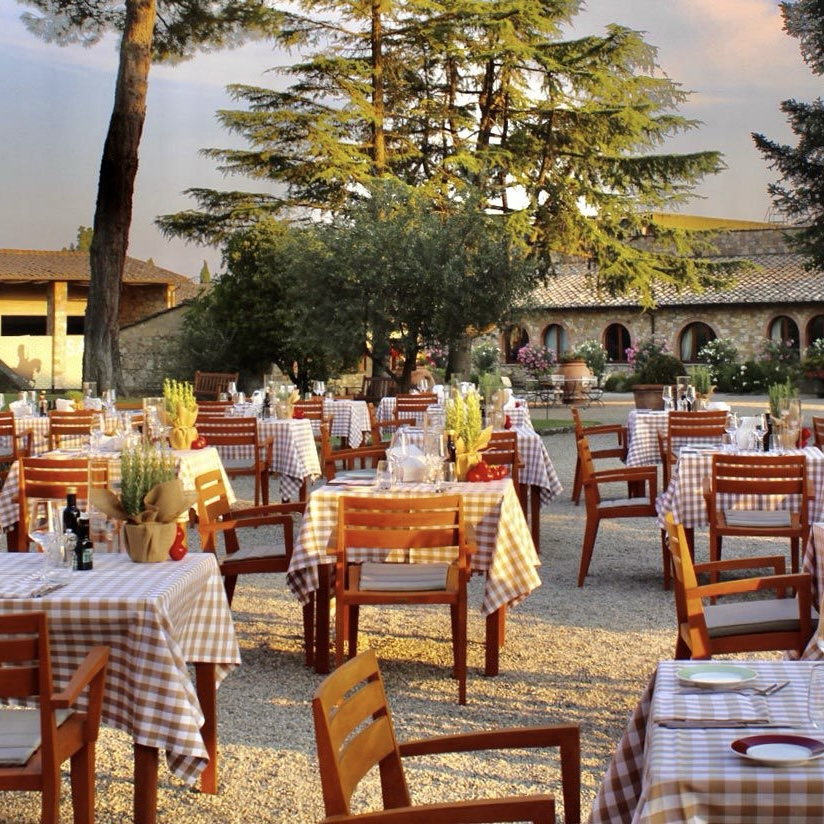
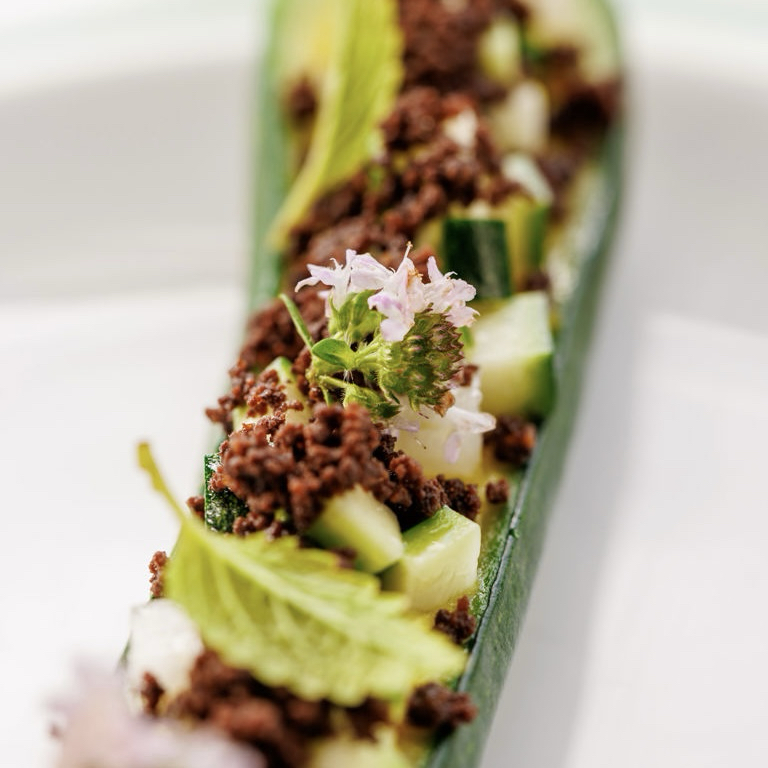
  1. Poggio Rosso: A Michelin starred destination where modern Italian cuisine enriched by international influences meets seasonal Tuscan produce. Guests enjoy tasting menus that showcase local ingredients, artisanal flavors and creative execution. 
  1. Osteria Il Grigio: A convivial, rustic celebrating classic Tuscan fare.
  1. Orto & Aia Felice: A garden and social project, supplies both restaurants and fresh herbs, vegetables and inspiration. Connecting land directly with the plate. 
  1. The estate also hosts Bar Archi and a herb garden, enriching the sensory experience and reinforcing the link between terroir and hospitality. 
Wine Tasting & Enotourism:

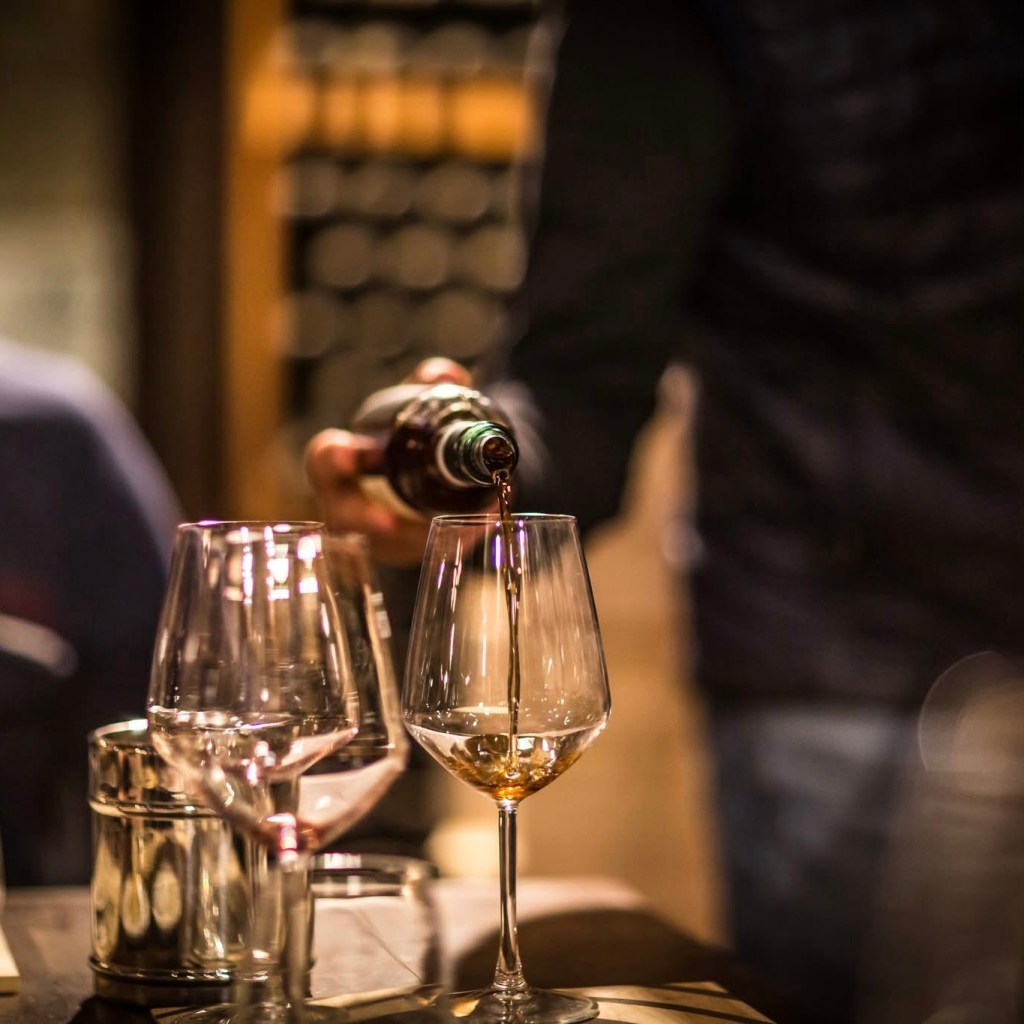
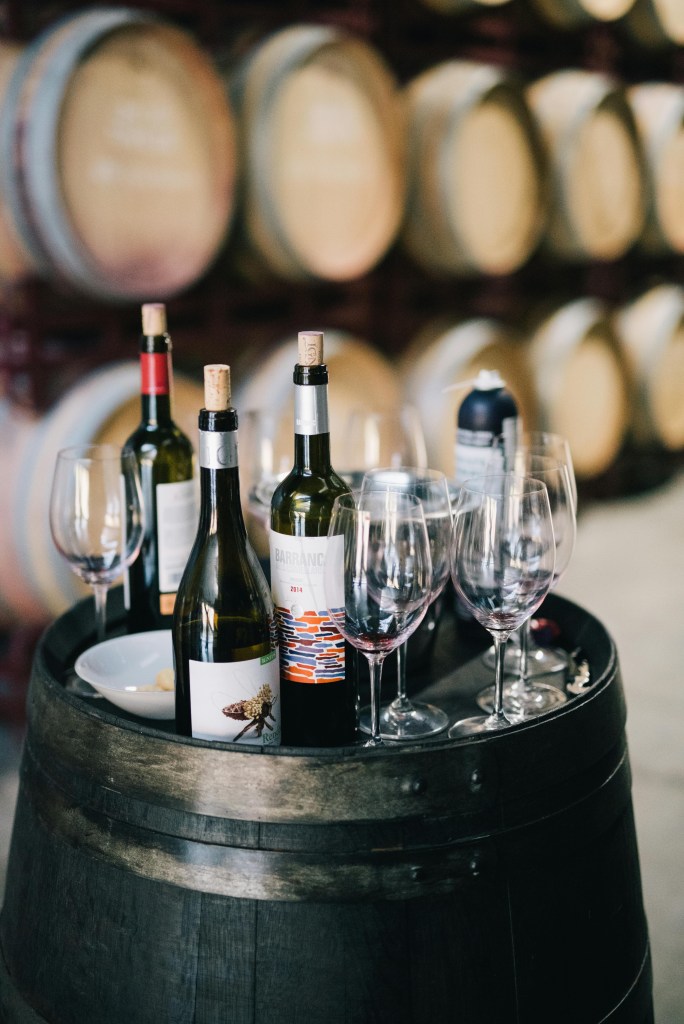
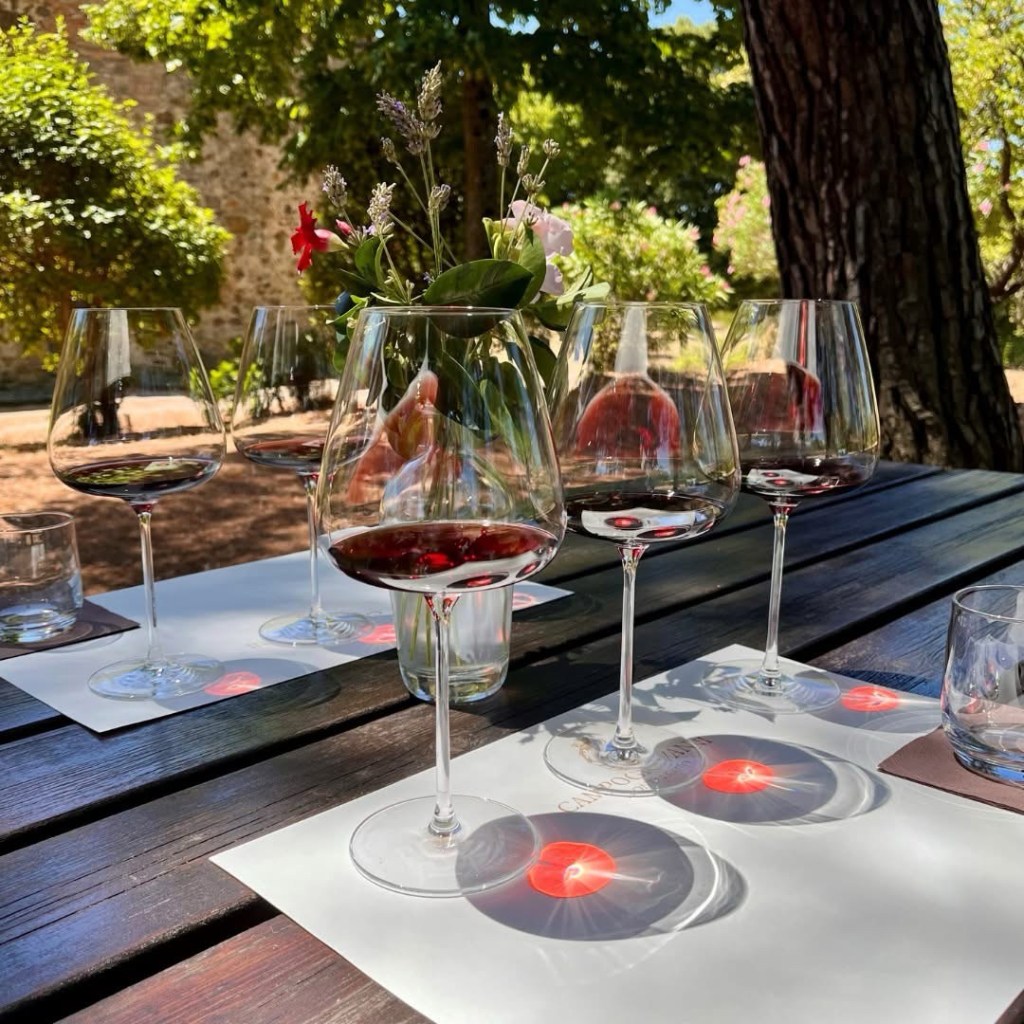
For wine lovers, Borgo San Felice is a destination in itself. Experts led tours and tastings. Underground cellars, vineyard vistas and curated experiences. From introductory tastings of the core Chianti Classico range to deeper dives into Brunello, Bolgheri and historic labels like Vigorello. 
A Destination Beyond Stay: 

Borgo San Felice transcends the definition of a hotel or winery. Here within a living medieval village, you step into layers of Tuscan life, historic stone streets, fragrant vineyards, olive groves, cultural programs, artisan markets and a curated suite of bespoke experiences. 
Borgo San Felice: A Symphony of Heritage, Wine & Hospitality:

At Borgo San Felice, tradition and innovation walk hand in hand. From its medieval origins to its contemporary embodiment as a luxury winery resort, every aspect of the estate reflects a singular philosophy, reference for terroir, commitment to excellence and an uncompromising love for hospitality. 
CASTELLO DI VOLPAIA 

1172 to the Present day: An Architectural and Viticultural Legacy in the Heart of “CHIANTI CLASSICO 

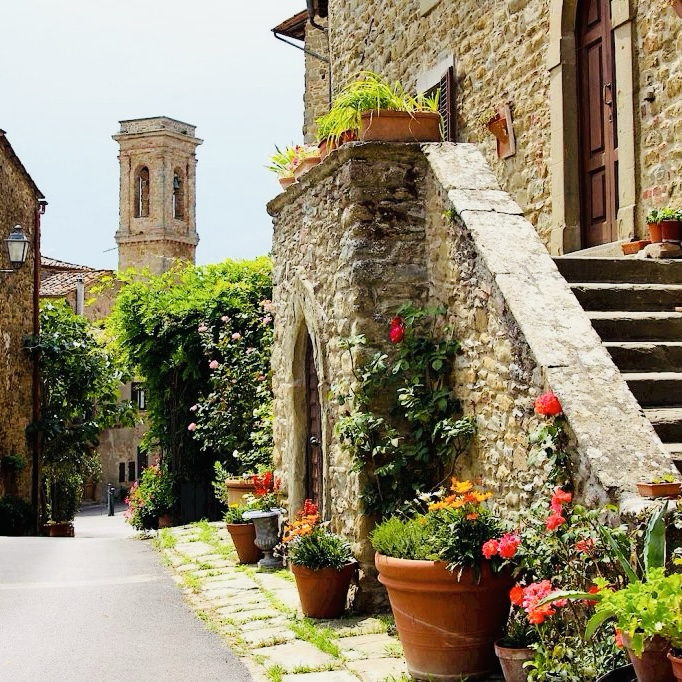
Nestled high in the rolling hills of Tuscany, between olive groves, cypress lined drives and sun drenched vineyards, lies one of Italy’s most treasured wine estates: CASTELLO DI VOLPAIA. Not just a winery, but an entire medieval hamlet turned into a living, breathing celebration of Tuscan history, wine and hospitality. With a history dating back to the 12th century, Volpaia is more than just a destination, it’s a story that continues to unfold through every bottle, every stone, every guest who sets foot on its ancient cobbled paths. 

A Legacy Rooted in Time: The History of Castello di Volpaia 

The origins of Volpaia trace back to 1172, when it served as a fortified medieval village perched at 600 metres above sea level in the heart of Chianti Classico. The name “VOLPAIA” is thought to derive from “LUPI”, or wolves, which once roamed the woods surrounding the castle. Over centuries, Volpaia played a significant role in the power struggles between Florence and Siena, its watchtowers guarding the region against invaders. 

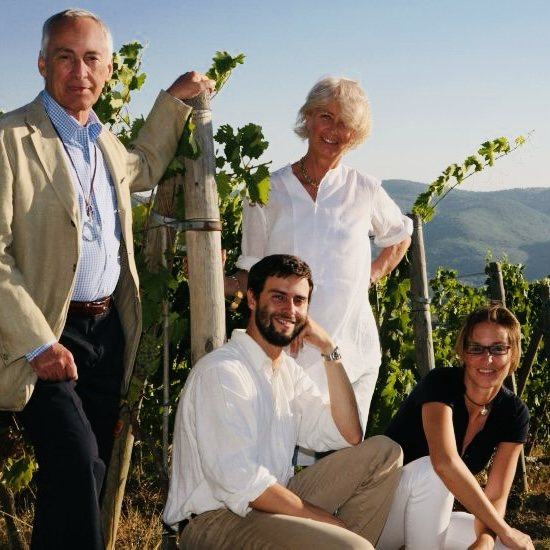
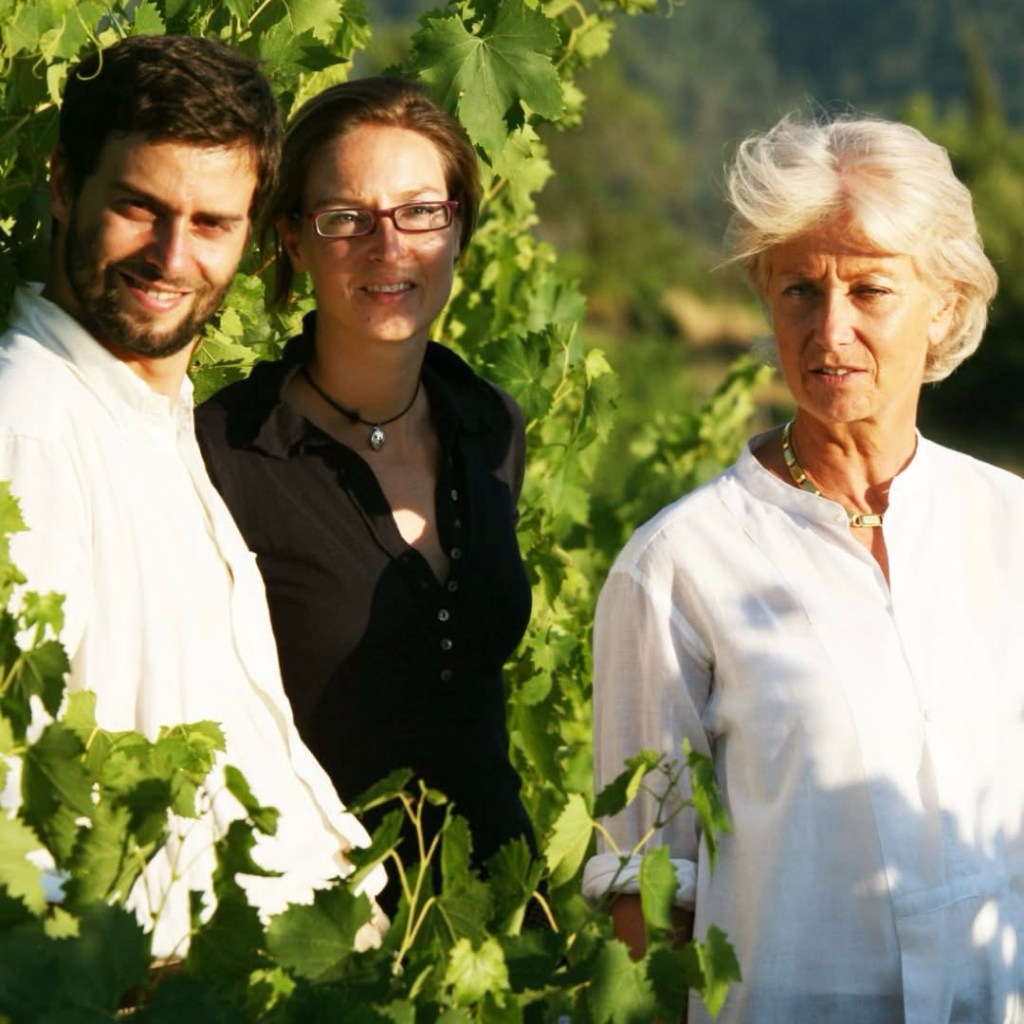
In the 20th century, the village began its transformation into one of Italy’s most fascinating examples of sustainable restoration. But the true magic began when the “MASCHERONI STIANTI FAMILY took ownership of the estate. The family, particularly “Giovanni Stianti” and his daughter “Giovanella Stianti Mascheroni”, not only presented Volpaia’s architectural integrity but brought the village back to life with vineyards, hospitality and authentic Tuscan spirit. Today, the estate is run by Giovannella Stianti and her children Niccolò Mascheroni Stianti and Federica Mascheroni Stianti, who embody a perfect balance of tradition and innovation, passion and precision. 

The Soul of Volpaia: The Wines, The Terroir, The Craft 

Chianti Classico: The Region That Defined Italian Wine 

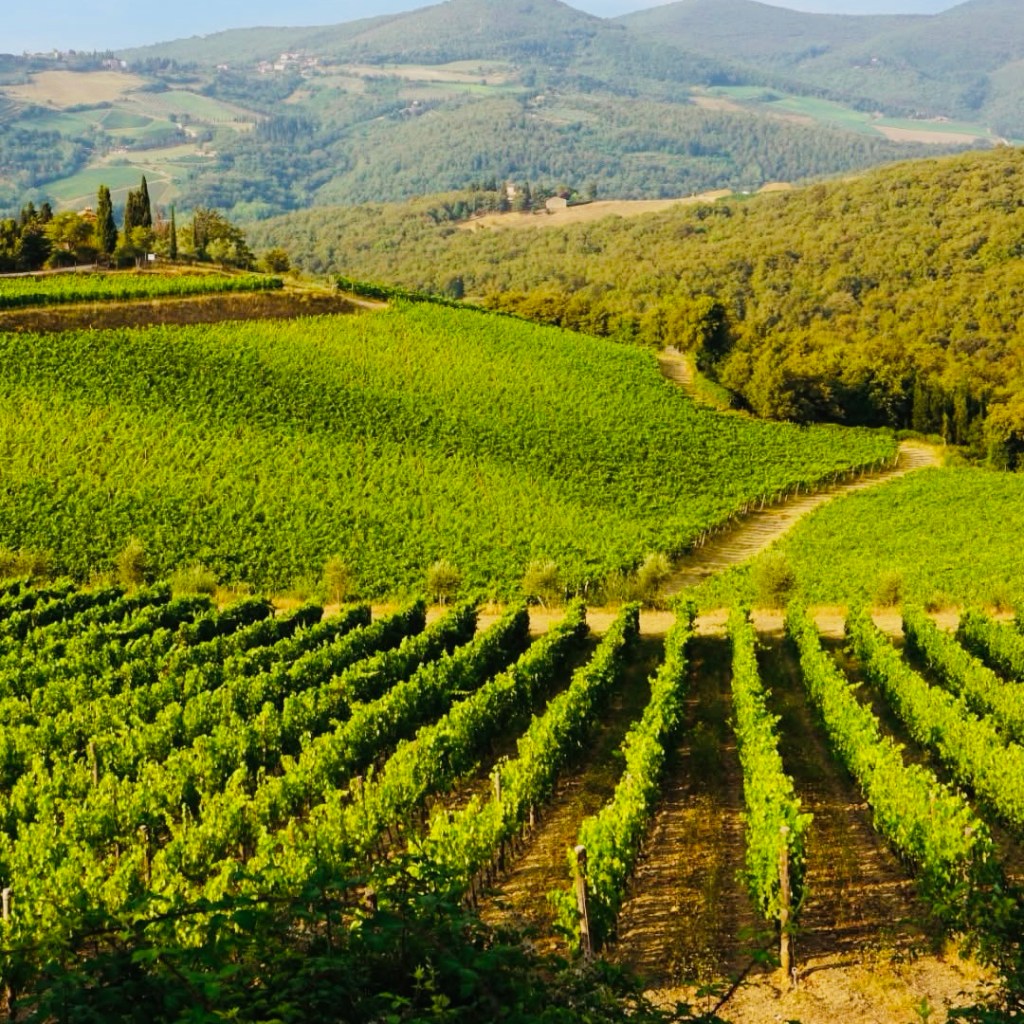
Volpaia is located within the Chianti Classico DOCG, a subregion in Tuscany that has long been synonymous with quality Italian red wines. Characterized by Sangiovese grapes, Chianti Classico wines are known for their structure, bright acidity and earthy notes with cherry like flavours. Volpaia’s vineyards are among the highest in the region, sitting between 400-650 metres above sea level. This elevation, combined with galestro (marl) and sandstone soils, cooler temperatures and organic farming, gives their wines a distinct freshness, elegance and longevity. 

Volpaia’s Vineyards and Estates:

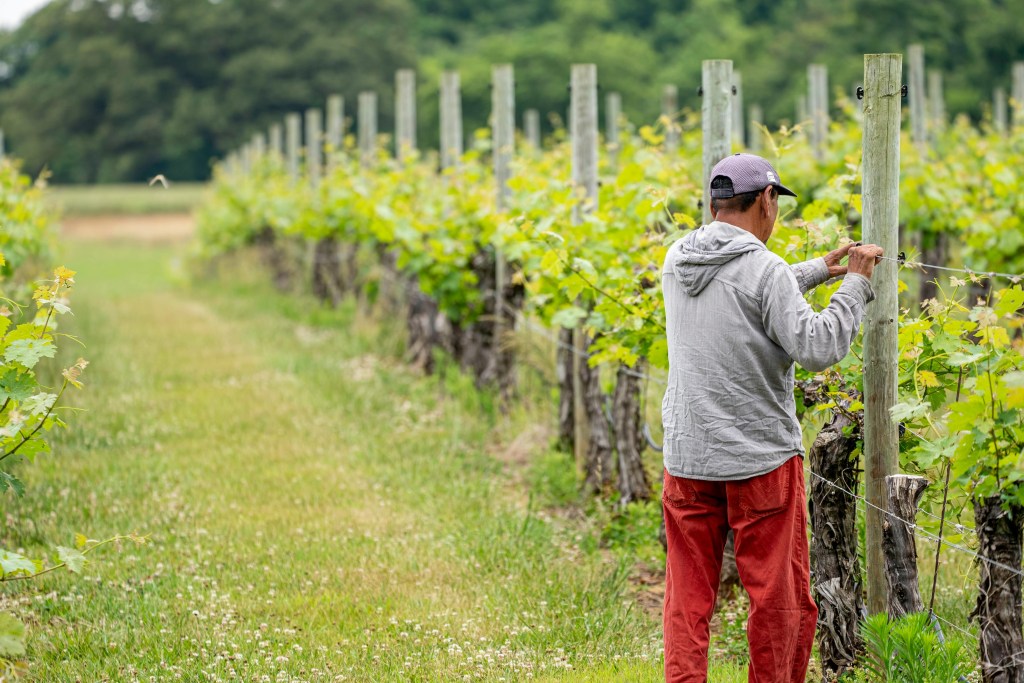
Castello di Volpaia spans over 45 hectares of vineyards, all organically farmed. The estate is certified organic and places deep respect on biodiversity, hand harvesting and traditional winemaking techniques blended with gentle technology. 

But the Volpaia story doesn’t stop in Chianti. 

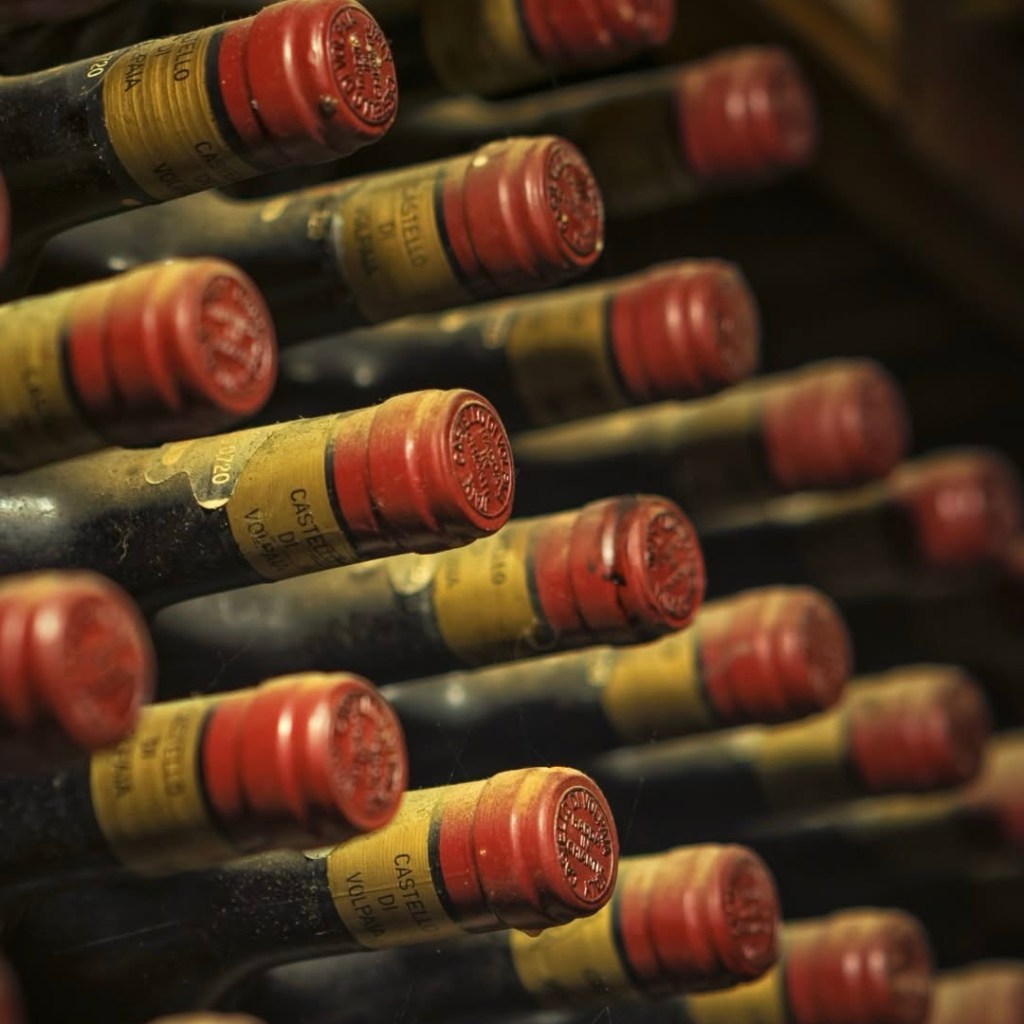
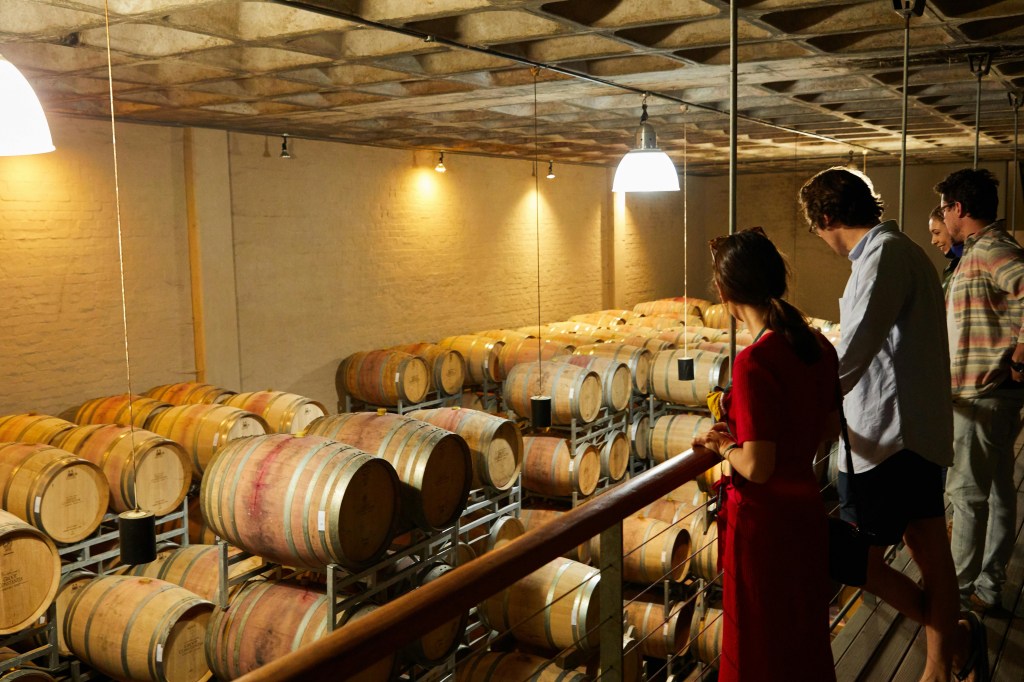
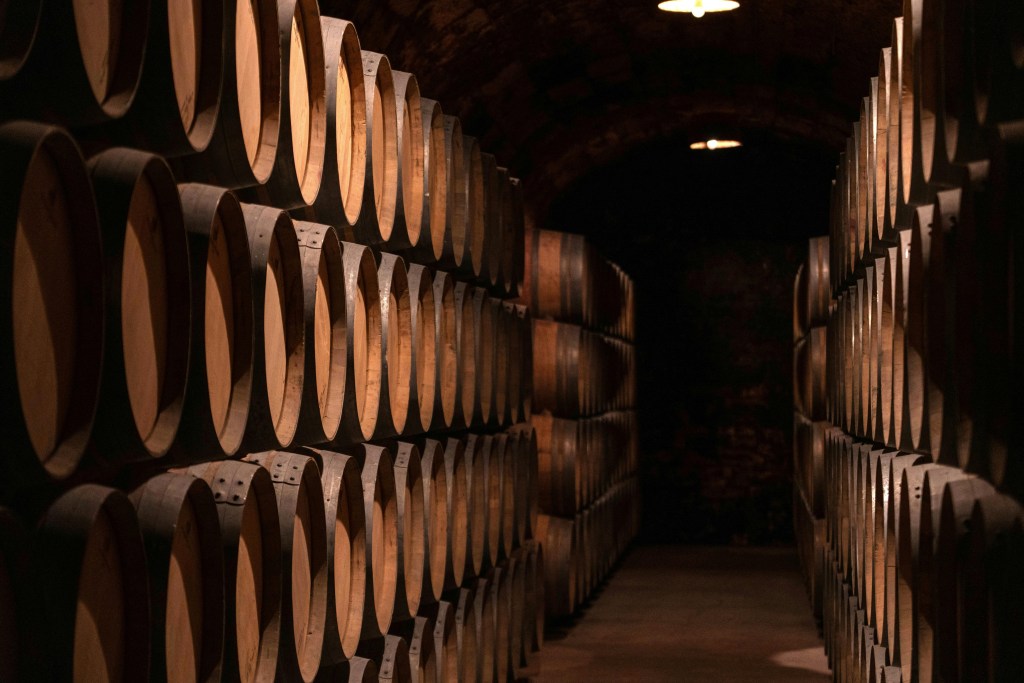
  • Volpaia Castle: The original heart of the winery, where wines are aged in old buildings and underground tunnels cleverly built into the ancient walls of the hamlet. 
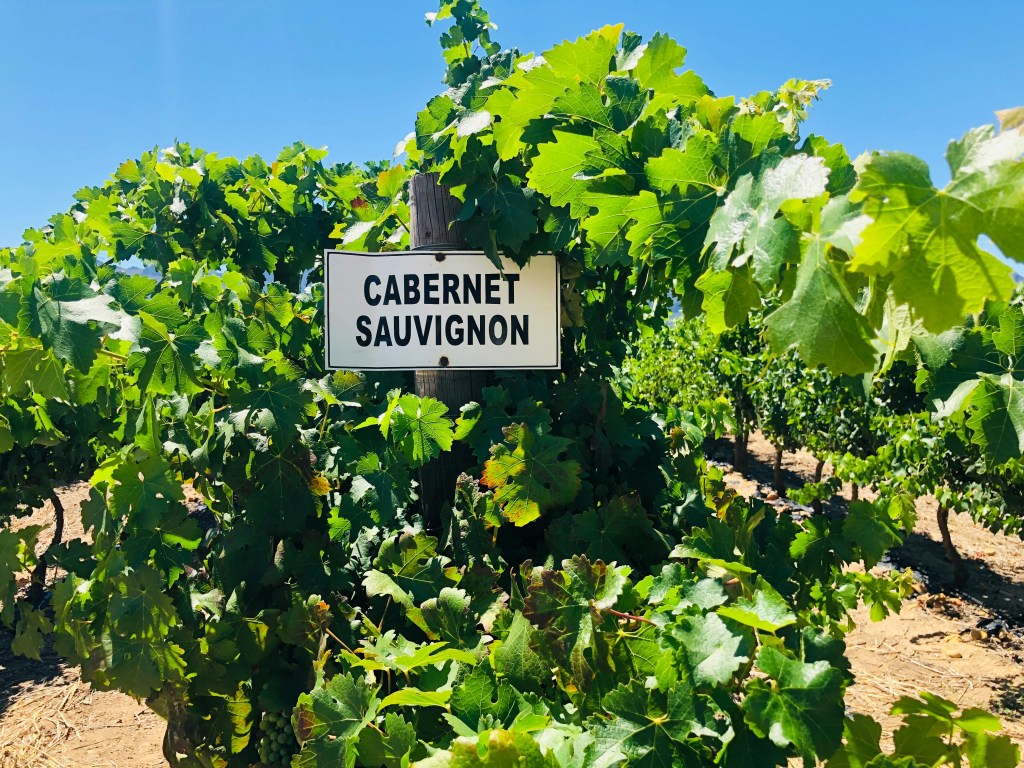
  • Castelprile Estate: Located in the coastal area of Maremma, Tuscany, this estate allows Volpaia to explore new varieties like Cabernet Sauvignon and Vermentino, bringing a new dimension to their Wine portfolio. 
  • Nika Estate (Montecucco): This rising star in Southern Tuscany enables them to experiment with Montecucco DOC grapes and new terroir driven expressions. 

Signature Wines of Castello di Volpaia:

  1. Chianti Classico DOCG: 100% Sangiovese. Elegant, fresh with red berry and violet notes. 
  1. Chianti Classico Riserva: Aged longer in oak, this wine is deeper and more structured with notes of spice, tobacco and cherry. 
  1. Chianti Classico Gran Selezione “COLTASSALA” : A jewel in their crown. Powerful, age worthy and layered. 
  1. Balifico: A bold Super Tuscan blend of Sangiovese and Cabernet Sauvignon. Modern, international, yet deeply Tuscan at heart. 
  1. Prelius (From Castelprile): Vermentino, Cabernet Sauvignon and more , from coastal Tuscany, showing freshness and depth. 
  1. Vin Santo del Chianti Classico: An iconic Tuscan dessert Wine, aged for years in “CARATELLI” barrels, honeyed and luscious. 

Sleep in Style: The Hospitality of Volpaia 

Castello Di Volpaia is not just a place to visit, it’s a place to live. For a day, a week or longer. The estate offers a collection of restored villas, apartments and boutique rooms that immerse guests in Tuscan life, with views that stretch across vineyards and valleys. 

Villas & Apartments in the Village:

  • La Pozza
  • Casavecchia 
  • Casa Nuova
  • Casa Lorenzo 
  • Casa Baldo
  • Casa Merlo

Each villa is tastefully restored, featuring traditional Tuscan décor, modern kitchens, spacious living areas and often private pools and gardens. 

Apartments and Rooms:

  • Country room
  • Country Superiore
  • Country Superiore 2 Beds
  • Junior Suite
  • Suite with Garden 

Stone walls, antique furniture and views of the Chianti hills make an escape into Tuscan romance. 

La Locanda – Volpaia’s Boutique Hotel 

Just 3 Kms from the main village, La Locanda is a peaceful hilltop retreat offering: 

  • Country Superior Rooms
  • Junior Suites
  • Country Superior View Rooms

Surrounded by olive groves and woods, the Locanda promises seclusion, luxury and panoramic views over Volpaia. Many guests describe their stay as “an exclusive and unforgettable experience in the heart of Chianti”. 

Osteria Volpaia Restaurant – A Celebration of Tuscan Flavours 

At the heart of Volpaia lies its beloved restaurant, “Osteria Volpaia (also known as La Bottega di Volpaia). Whether you’re enjoying handmade pici pasta with wild boar ragù, sipping a glass of Coltassala on the terrace, or tasting freshly baked “Focaccia” from the wood fired oven, dining here is a sensory journey. Run by locals with heartfelt hospitality, the restaurant is a proud showcase of seasonal, organic ingredients, many from the estate’s own garden. The menu evolved with the rhythm of the land and every dish is paired effortlessly with Volpaia’s wines. 

The People Behind the Passion:

The heart of Castello di Volpaia is its people:

  • Giovannella Mascheroni Stianti: The matriarch, whose passion and dedication transformed a near abandoned hamlet into a world class winery and retreat. 
  • Niccolò and Federica Mascheroni Stianti: The next generation, continuing the family legacy with innovation and humility. 
  • The Winemaking team: A close knit group who farm the land organically, ferment with precision and age wines in cellars built within ancient walls. 
  • The Hospitality staff: From villa managers to chefs and housekeepers, every individual is committed to making each guest feel like part of the Volpaia family
  • Restaurant and Hotel Team: Known for warm Tuscan hospitality, intimate knowledge of food and wine, and a genuine love for sharing Volpaia’s story. 

Volpaia: Where Wine, History and Hospitality Meet 

To visit Castello di Volpaia is to walk through centuries of Tuscan history while sipping wines that reflect the soul of the land. It is where ancient stones hold the wisdom of generation and modern travelers find serenity among wines and views. Volpaia is not just a place to visit and stay and sip wines, it is a place to feel !! 

Salute🍷🍷

The Business of Wine 4.0

Uncorking strategic supply, the real market shift and Vinitaly 2025 

The wine industry today is not just about what’s in the bottle, it’s about how the bottle gets there, who controls its story and what the shifting forces of economics, supply chain and global trade mean for its future. The six key factors that are redefining the business of wine in 2025 and beyond. 

The Economics of a Bottle: What Really Determines the Price of Wine ? 

From Tuscany to Napa, the cost behind a single bottle of wine is layered. In Italy, the average cost to produce a mid range bottle can range from 2.50 Euro to 7.00 Euro, while in France, depending on the region and appellation, it ranges from 3 Euro to 9 Euro. In the US, due to higher labour and land costs, production can climb up to $ 12-15 per bottle even for mid tier wines. 

Key Components Include: 

  • Vineyard Operations: Labour intensive, especially in hand harvested regions. 
  • Winemaking and Cellaring: Barrels, storage, temperature control 
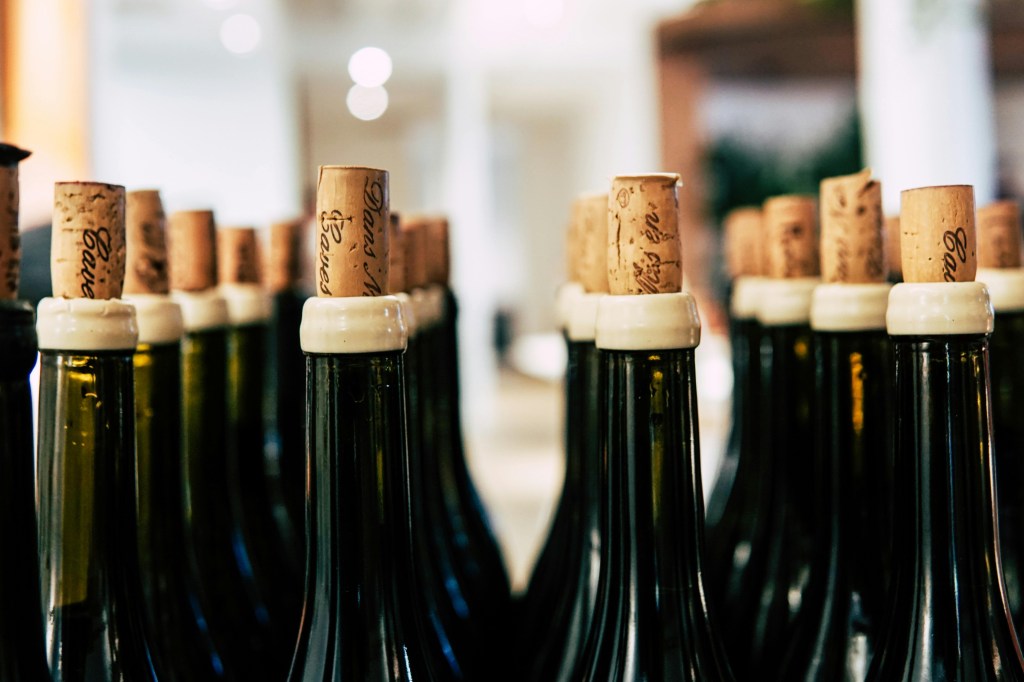
  • Packaging: Labels, Corks, capsules and bottles 
  • Distribution and Export Duties: Often 20-40% of the total cost
  • Marketing and Branding: Luxury perception can sometimes double the price 

What we see is that artisanal winemakers invest heavily in vineyard care and manual work, leading to higher upfront costs but better quality. In contrast, industrial wineries benefit from economic lies of scale, mechanisation and leaner distribution chains. 
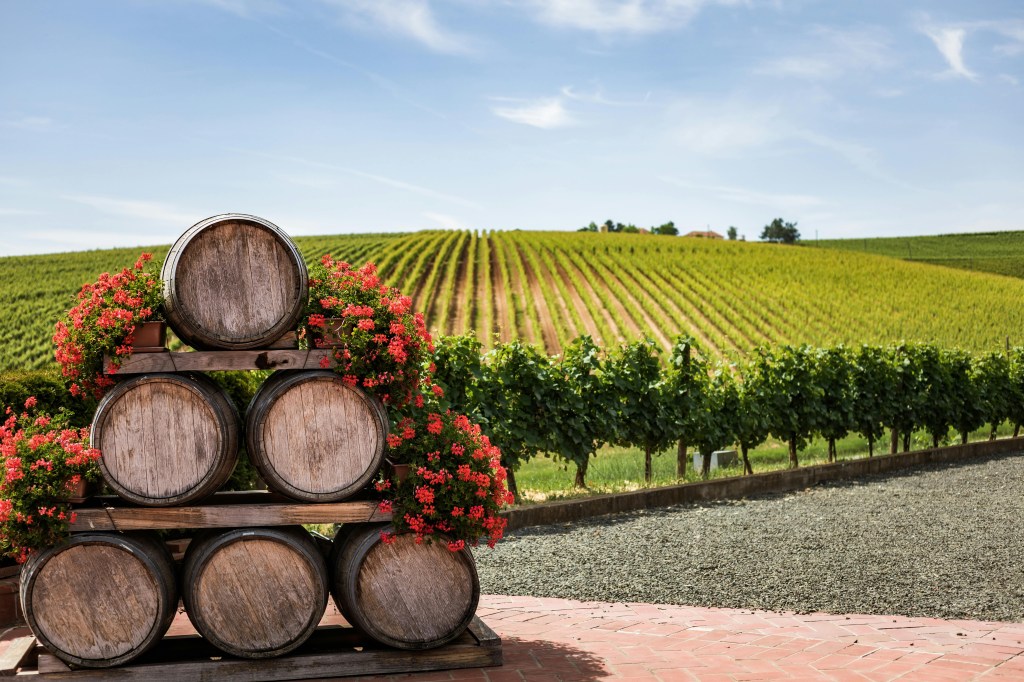
Private Labels & Supermarket Wines: A Quiet Industry Power Move 

Private labels have quietly become a massive force. Carrefour, Lidl and Costco are commissioning wineries to produce exclusive wines under their own branding. These wines can undercut traditional labels by 20-40%, while offering attractive margins to retailers. 

The Result? 

  • Disruption to traditional brand loyalty 
  • Increased pressure on small wineries 
  • Tighter margins for legacy producers 

However, private labels are also giving rise to new partnerships between winemakers and retailers, sometimes granting small producers access to international shelves they otherwise couldn’t reach. 

The Rise of Cooperative Wineries and Their Role in the Modern Market 

At Vinitaly 2025, cooperatives from Emilia Romagna and Alto Adige to Languedoc stood tall. Why? Because cooperative models are empowering small growers to: 

  • Share equipment and production facilities 
  • Gain collective bargaining power 
  • Reach export markets with stronger branding 

For example, Caviro in Italy is now one of the country’s largest wine producers by volume, yet it’s built entirely on the contributions of small scale members. These models are not just survival, they’re about competing effectively in a consolidating global market. 

Glass, Labels, Corks : The Supply Chain Crisis You Never Heard About 

Post COVID logistics have exposed the fragility of wine packaging supply chains. From a shortage of glass bottles to delay in cork deliveries, many producers are struggling to meet demand. 

Some figures: 

  • Glass costs rose by 30-50% from 2021 to 2024
  • Cork prices have risen to 20% due to increased demand and climate impacts on cork oak forests. 

Sustainable packaging has become a focal point: 

  • Lighter bottles to reduce carbon footprint
  • Alternative closures like DIAM or screw caps
  • Recycled paper labels 

Luxury producers now face a paradox: maintaining prestige while embracing minimalist, eco friendly designs 

Wine Marketing: From Tradition to Targeted Luxury 

Heritage is no longer enough. The modern wine consumer, especially in the premium and luxury segments, wants connection, authenticity and experience. 

Emerging strategies:

  • Micro targeted storytelling on social media platforms
  • Data driven campaigns with geolocation targeting 
  • Digital sommelier services for high end clients 

Example: A Piedmont producer saw a 47% increase in online DTC sales after launching a mobile first luxury campaign with storytelling built around family legacy and vineyard specifics. 

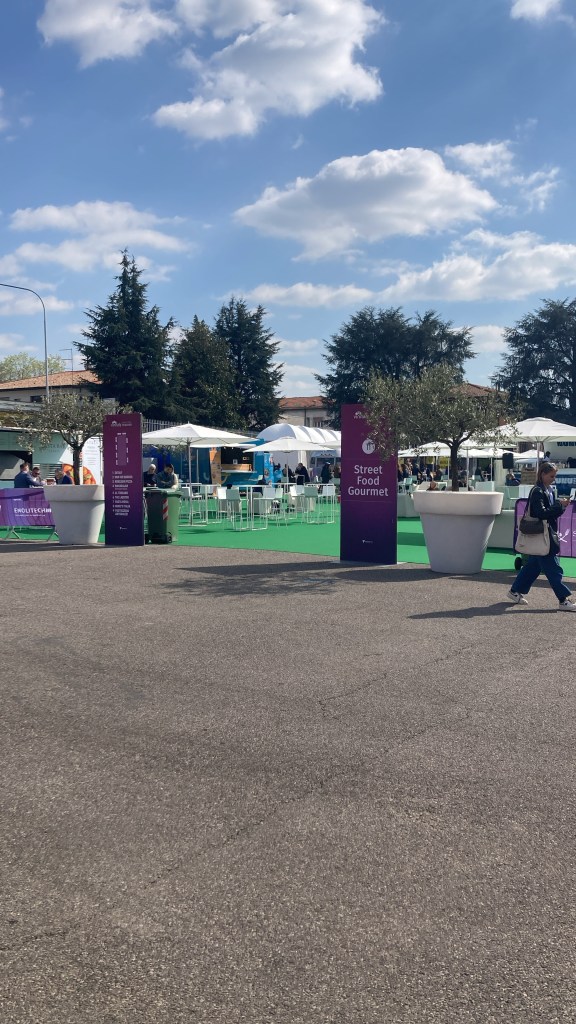
Vinitaly 2025: Behind the Scenes of The Business of Wine 

This year’s edition of Vinitaly wasn’t just about tastings, it’s about strategy. B2B halls were filled with export agents, private equity firms, digital marketing consultants and packaging innovators. 

Trends Observed: 

  • Higher demand for wines from Southern Italy ( Campania, Puglia) driven by price value balance 
  • Rising interest in organic and biodynamic certifications as market differentiators
  • Increased visibility for cooperative wineries and sustainable packaging firms 

Final Pour:

The global wine business is at an inflection point. Price, packaging and perception are being redefined. Behind every bottle on the shelf lies a battle for relevance, shelf space and survival. From soaring glass costs to private label takeover and from cooperative resilience to marketing reinventions, the rules of the industry are being rewritten. 

The Business of Wine 3.0 : Inside the Global Wine Revolution 

Discover how innovation, nature and global markets are redefining the world of Wine. 

The Changing Face of the Wine Industry: Power, Climate and Innovation 

The global wine industry is evolving at an unprecedented pace. From billionaires reshaping the vineyard ownership to climate change forcing winemakers to relocate, the sector is witnessing seismic shifts. Add to this the growing emphasis on wine tourism, the rise of high altitude and volcanic wines and the fascination with centuries old bottles and it becomes clear that the wine industry is no longer just about tradition, it’s about adaptation, strategy and survival. Let’s delve into these key industry trends that are redefining the future of wine. 

Billionaire Vineyards: How the Super Rich are Changing the Wine Industry 

Over the past two decades, ultra high net worth individuals have increasingly invested in vineyards, particularly in prestigious regions such as Bordeaux, Tuscany and Napa Valley. The appeal is clear: wine estates offer not just financial returns but also prestige, legacy and a tangible connection to luxury living. 

  • Market Impact : Wealthy investors are driving up land prices. In Bordeaux, vineyard prices have surged by over 60% in the last decade, making it harder for family run wineries to compete. 
  • Consolidation: Smaller wineries are being acquired, leading to a shift from artisanal production to more corporate driven winemaking. 
  • Quality vs. Branding: With billionaire ownership, some wineries become status symbols rather than reflections of terroir. The question remains, are consumers paying for the wine or the brand behind it ? 

The Fight for Terroir: When Global Warming Forces Winemakers to Relocate 

Climate change is no longer a distant threat, it is reshaping winemaking today. Rising temperatures are altering harvest times, changing acidity levels and even making some regions unsuitable for traditional grape varieties. 

  • Temperature Increases: In some of the world’s most renowned wine regions, average temperatures have risen by 1.5 degree Celsius in the last 50 years, pushing harvest dates earlier by nearly a month. 
  • New Wine Regions: Areas like England and Sweden, once considered too cold for viticulture, are now producing high quality wines. 
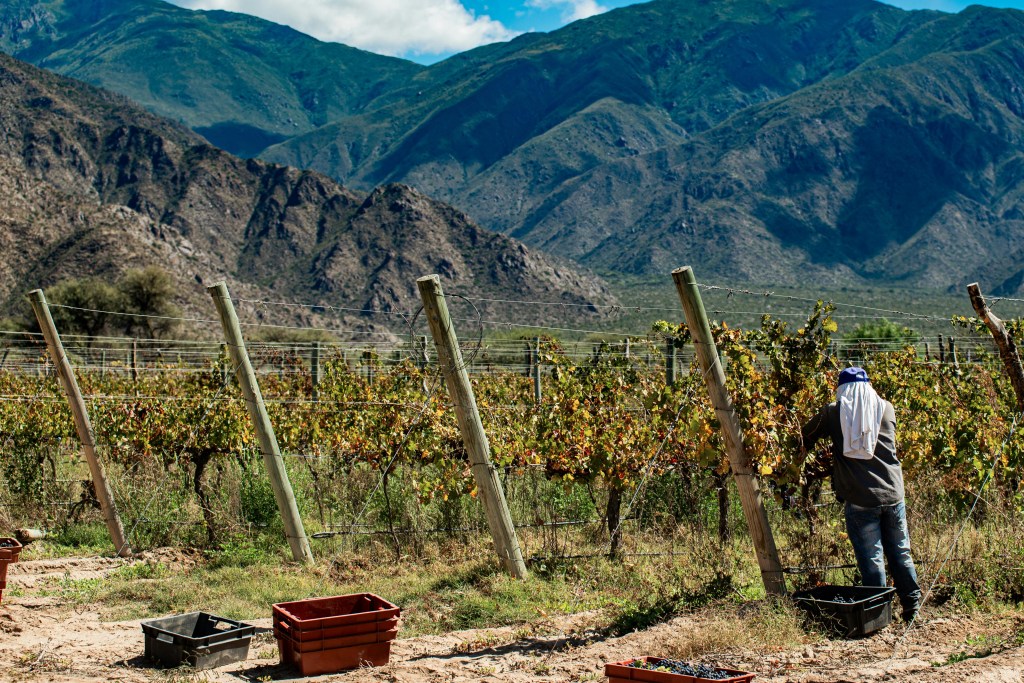
  • Relocation and Innovation: Some producers are moving to higher altitudes or different latitudes. For example, parts of Chile and Argentina are seeing a surge in high altitude vineyards to maintain acidity and freshness. 

The Rise of Wine Tourism: More Than Just a Tasting Room Experience 

Wine travel has become an integral part of the industry, with destinations offering immersive experiences beyond simple tastings. Travelers are seeking vineyard stays, harvest participation and in depth pairing experiences.

  • Economic Impact : The global wine tourism industry is valued at over $8 billion, with a projected annual growth rate of 12%. 
  • Top Wine Destinations: 
  1. Italy : Tuscany’s rolling vineyards, Sicily’s volcanic wines and histories estates. 
  1. France: Bordeaux’s châteaux and Champagne’s underground cellars. 
  1. Spain: Rioja’s blend of tradition and modernity. 
  1. USA: Napa valley’s luxury estates and Oregon’s emerging Pinot Noir scene.
  1. South Africa: Stellenbosch’s dramatic landscapes and Wine safaris. 
  1. Australia: Barossa Valley’s bold reds and Margaret River’s cool climate whites. 

High Altitude Winemaking: How Elevation Shapes the Future of Wine 

Winemaking at high altitudes is gaining attention for its ability to produce wines with enhanced acidity, complexity and aging potential. 

  • Optimal Conditions: Higher altitudes (over 1,000m) provide cooler temperatures, slowing grape ripening and preserving acidity. 
  • Regions Leading the Way: 
  1. Argentina: The Uco Valley (1,500m) produces some of the world’s most structured Malbecs. 
  1. Italy: Etna’s volcanic slopes are yielding, mineral driven wines. 
  1. USA: High elevation vineyards in California are producing age worthy Cabernet Sauvignons. 

Volcanic Wines: The Unique Expression of Lava Soil Vineyards 

Volcanic wines, grown in soil formed from lava and ash, are among the most distinctive in the world. These wines often exhibit unique minerality, salinity and complexity. 

  • Notable Volcanic Wine Regions: 
  1. Sicily’s Mount Etna, Italy: Producing elegant Nerello Mascalese wines with deep mineral notes. 
  1. Santorini, Greece: Home to Assyrtiko, a crisp white wine with remarkable acidity. 
  1. Canary Islands, Spain: Volcanic Malvasia offering exotic aromatics and structure. 
  • Market Appeal: Due to their rarity and complexity, volcanic wines are gaining popularity among collectors and sommeliers. 

Extreme Aging: The Fascination with Centuries Old Wines: 

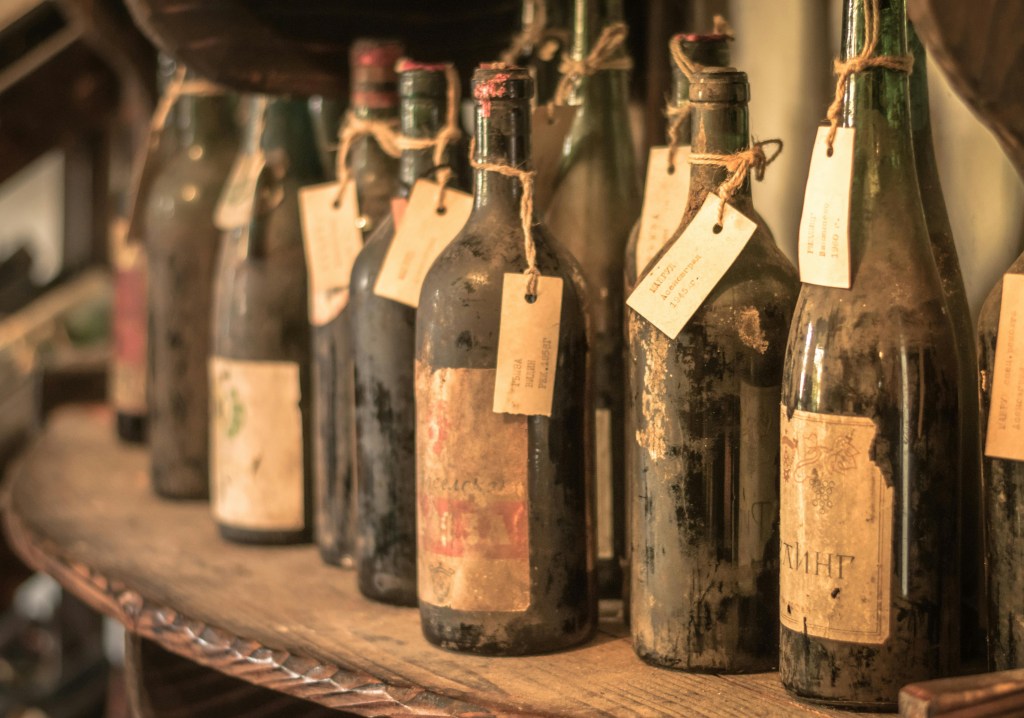
The idea of drinking a wine that has been aged for over 100 years is both romantic and scientifically intriguing. Shipwreck discoveries and historic cellars have brought ancient wines back into the spotlight. 

  • Historical Finds: Bottles from the Titanic era have been recovered and sold at auctions for over $100,000. 
  • 170 years old Champagne found in a Baltic Sea shipwreck was still drinkable due to underwater aging conditions. 
  • Scientific Insights: Older wines develop unique oxidative characteristics, with flavors of dried fruit, leather and caramel emerging over time. 

Final Thoughts: The Future of Wine is Evolving 

The wine Industry stands at a crossroads of tradition and transformation. Billionaire investments, climate adaptation, luxury tourism and innovative winemaking techniques are reshaping the landscape. Consumers are witnessing an era where wine is not just a beverage but a reflection of history, geography and human ingenuity. Whether you are an investor, winemaker or an enthusiast, the coming years are to be some of the most exciting in wine industry’s history. 

The Business of Wine

Power, Profit, Climate Change, Blockchain, Counterfeiting and the Future of an industry in Flux

Wine has long been a symbol of culture, excellence and luxury, but behind every bottle lies a complex and evolving business. From climate change altering the world’s most famous vineyards to technological advancements redefining production, the wine industry is at a turning point. The question isn’t just what makes a great wine, it’s who controls the market, how profit flows and whether tradition can survive in an era of globalization and disruption. 

Technology is Reshaping Winemaking: 

The romantic vision of winemakers carefully tending their vines is being replaced by a data driven revolution. AI powered vineyard management, drone assisted monitoring and smart irrigation systems are transforming viticulture, reducing waste and optimising grape quality. Blockchain is now being used to verify authenticity of fine wines, combating the billion dollar fraud problem that has plagued collectors and investors. Yet, with these advancements comes a pressing question: Will technology enhance winemaking, or will it strip away craftsmanship that has defined the industry for centuries ? 
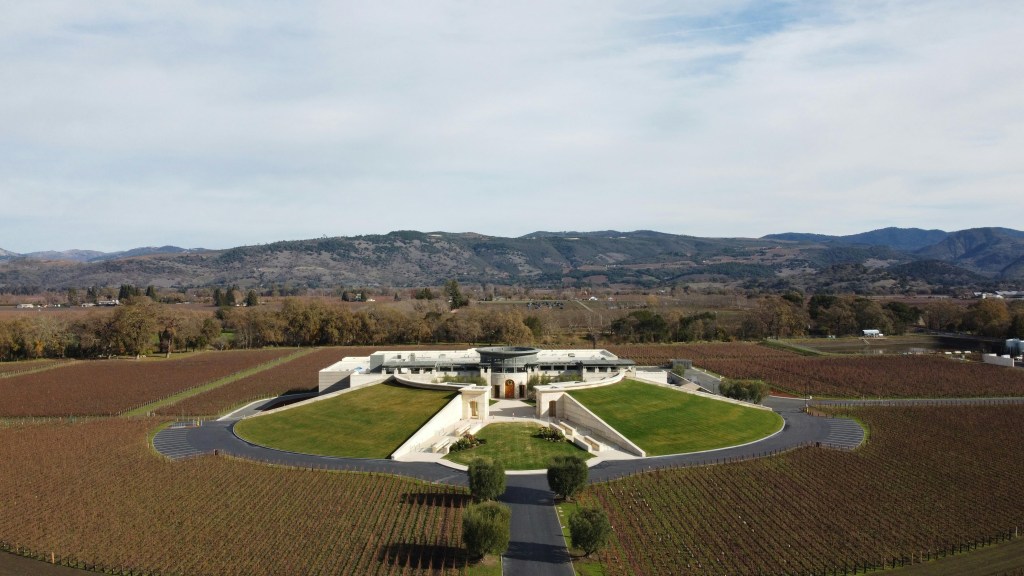
Climate Change: A Billion Dollar Threat to Vineyards 

Rising temperatures, erratic weather patterns and wildfires are rewriting the Wine map. Traditional powerhouses like Bordeaux, Napa and Tuscany are being forced to adapt, while new regions such as England and Scandinavia are emerging as serious wine contenders. Producers are experimenting with heat resistant grape varieties and shifting to higher altitudes, but is adaptation enough ? Climate change is no longer a distant threat, it is already determining which vineyards will thrive and which will disappear in the coming decades. For investors and producers alike, the future of winemaking hinges on resilience and strategic foresight. 

The Power Struggle: Who Really Controls the Wine Industry? 

Beyond the vineyards, the business of wine is dominated by a handful of powerful distributors, global corporations and luxury groups. A few key players dictate pricing, market access and which wines reach consumers, leaving independent wineries to fight for visibility. Small producers with terroir driven wines often struggle to compete in an industry where marketing and branding can outweigh quality. The rise of direct to consumer sales and boutique distribution models is challenging this monopoly, but will these alternatives be enough to break the stronghold of corporate giants ? 
The Influence of Oak ? Art or Marketing Hype ? 

French oak, American oak, Hungarian oak, each imparts distinct flavors to Wine, influencing everything from texture to complexity. But in an industry where perception is everything, how much of oak aging is about genuine craftsmanship and how much is clever marketing ? As alternative aging techniques, like concrete tanks and amphorae, gain traction, consumers are beginning to question whether traditional barrel aging is an art or an outdated luxury designed to justify premium pricing. 
The Forgotten Grapes Making a Comeback: 

As consumers demand authenticity and diversity, rare and indigenous grape varieties are stepping into the spotlight. Wines once overshadowed by international favorites like Cabernet Sauvignon and Chardonnay are making a quieter powerful return. Timorasso, Trousseau and Xinomavro grapes nearly lost to industrial winemaking are now finding their place in boutique cellars. This resurgence is not just a nod to tradition but a strategic move by winemakers looking to differentiate themselves in a crowded market. The real question is: Can these grapes carve out a lasting space or are they just another passing trend? 

The Truth About Wine Fraud and Counterfeiting:

The fine wine market has become a playground for counterfeiters, with collectors losing millions to expertly faked bottles. Some of the world’s most expensive wines have been exposed as frauds, raising serious concerns from investors. With digital tracking, blockchain verification and forensic testing becoming the new norm, the industry is fighting back. However, the underground network of counterfeiters is always one step ahead, making wine fraud a game of high stakes deception. 

Terroir: More Than Just a Marketing Buzzword !! 

Soil, climate, altitude and even microorganisms shape a wine’s character, but in an era of mass production, does terroir still matter ? Large scale producers strive for consistency, often blending wines across regions to meet consumer expectations. Meanwhile, terroir driven winemakers argue that true luxury in wine comes from its unique sense of place. As the wine industry continues to scale, the battle between authenticity and marketability is more critical than ever. 

The Rise of Wine Tourism: Business or Culture ? 

Wine tourism is no longer just about tastings, it has become a billion dollar industry. From Bordeaux’s grand châteaux to the rolling hills of Tuscany and the boutique estates of Argentina, wineries have transformed into luxury destinations. Hotels, Spas, fine dining and exclusive experiences now drive revenue just as much as bottle sales. But as wineries embrace commercialisation, some purists fear that the industry is losing its soul. Can a balance be struck between experience driven tourism and the preservation of winemaking heritage ? 

Final Thoughts: The Business of Wine is Changing – Are You Ready ?

The wine industry is at a crossroads, caught between tradition and transformation. Whether it’s the power dynamics of global corporations, the looming threat of climate change or the rise of technology driven viticulture, one thing is clear: those who adapt will thrive, while those who resist change may be left behind. For investors, producers and Wine lovers alike, understanding these shifts isn’t just interesting, it’s essential.