The Business of Wine 5.0

Prestige, Power Moves & the New Language of Wine 
The wine industry is not what it used to be. What was once a business of vineyards and vintages has now evolved into a multi billion dollar enterprise driven by branding, tech innovation, cross sector luxury partnerships and bold market strategies. Welcome to Business of Wine 5.0 an era where tradition meets disruption and the wine glass is no longer half full, it’s brimming with opportunity. 
Wine as a Global Asset: The Rise of Investment Bottles 

Wine is no longer just to sip, it’s to store, flip and invest. The fine wine market reached $6.1 billion in 2023 and platforms like Cult Wines, Vinovest and Rare Wines have democratised access to high end wine portfolios. Brands like Chǎteau Lafite Rothschild, Domaine de la Romanée-Conti now appear in financial portfolios alongside luxury watches and art. 

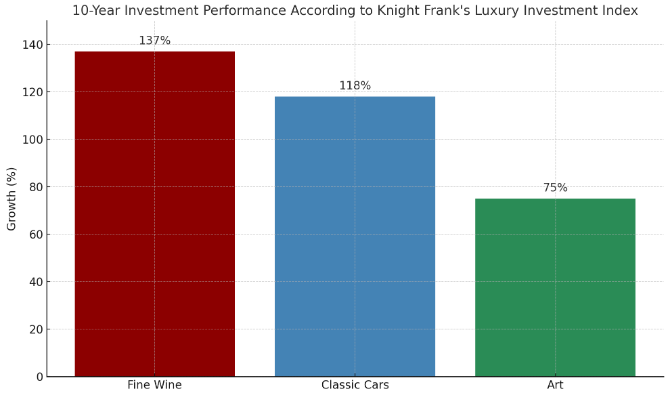
According to Knight Frank’s Luxury Investment Index, fine wine outperformed classic cars and art over a 10 year horizon. This shift is evident all over. Affluent consumers are investing in Super Tuscans, Bordeaux futures and Napa cult wines as part of wealth diversification strategies. 
Luxury Wine: Beyond Labels and Into Lifestyle 

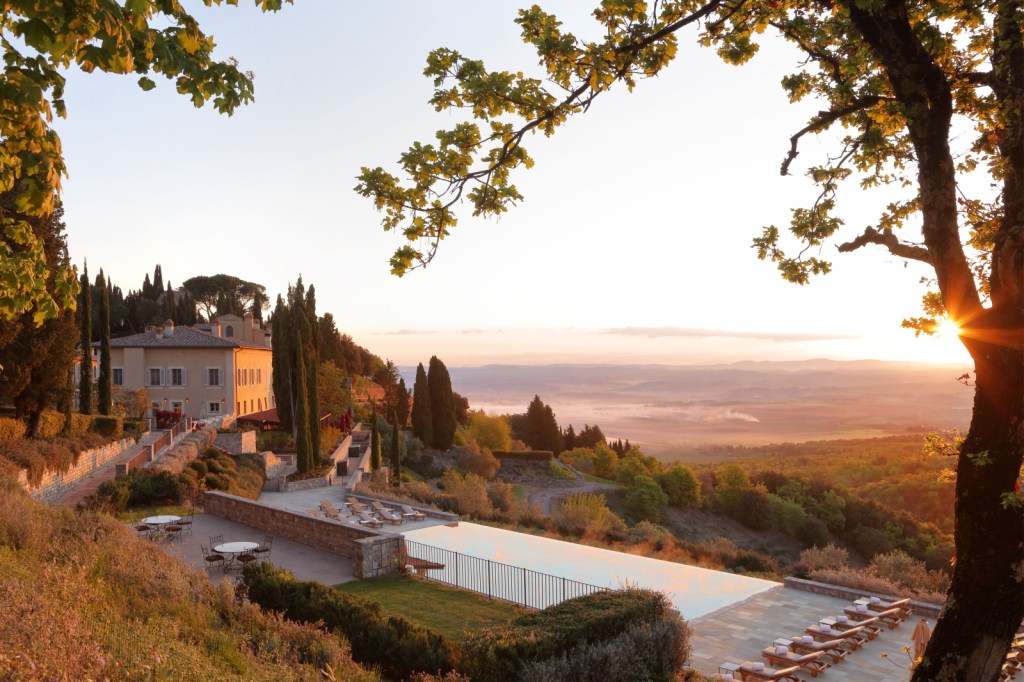
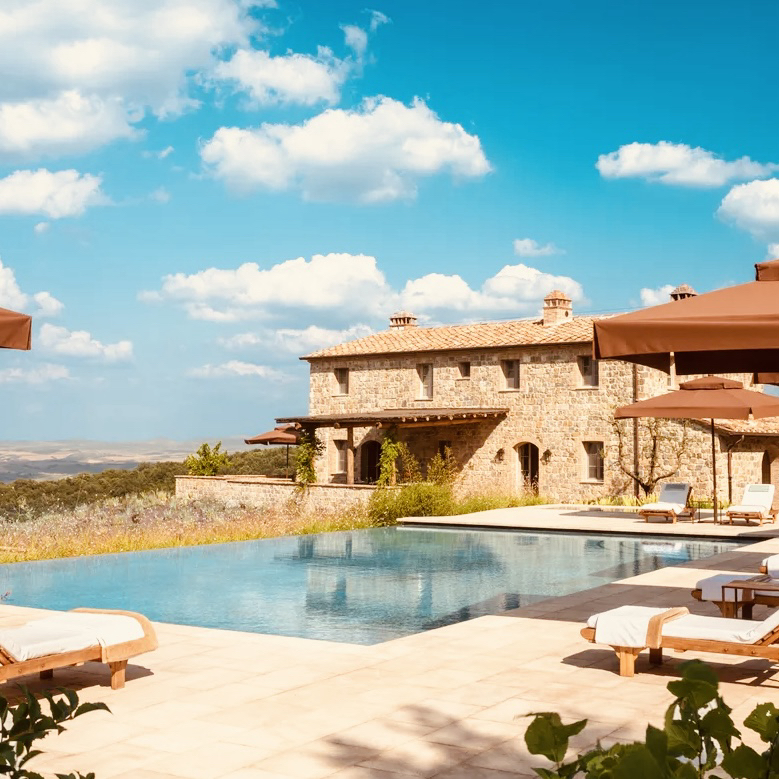
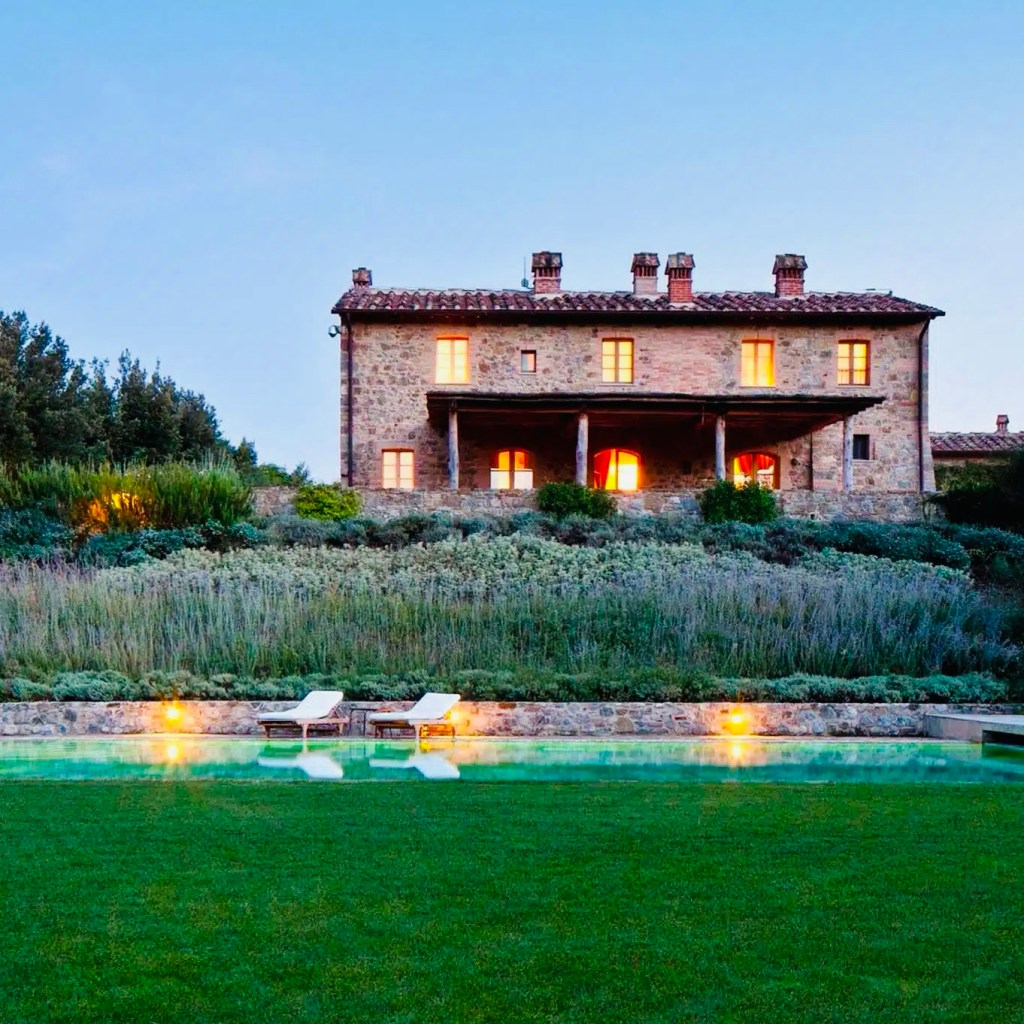
Wineries like Castiglion Del Bosco and Chǎteau Haut Lafitte aren’t just making wines, they’re crafting entire worlds. The Rosewood Castiglion Del Bosco Luxury Hotel and its 5,000 acre estate in Montalcino blur the lines between vineyard, spa, heritage and haute couture. Luxury consumers want more than exclusivity. They want storytelling, soul and access. 
Private Label Wines: Retail Giants are the New Wine Moguls 

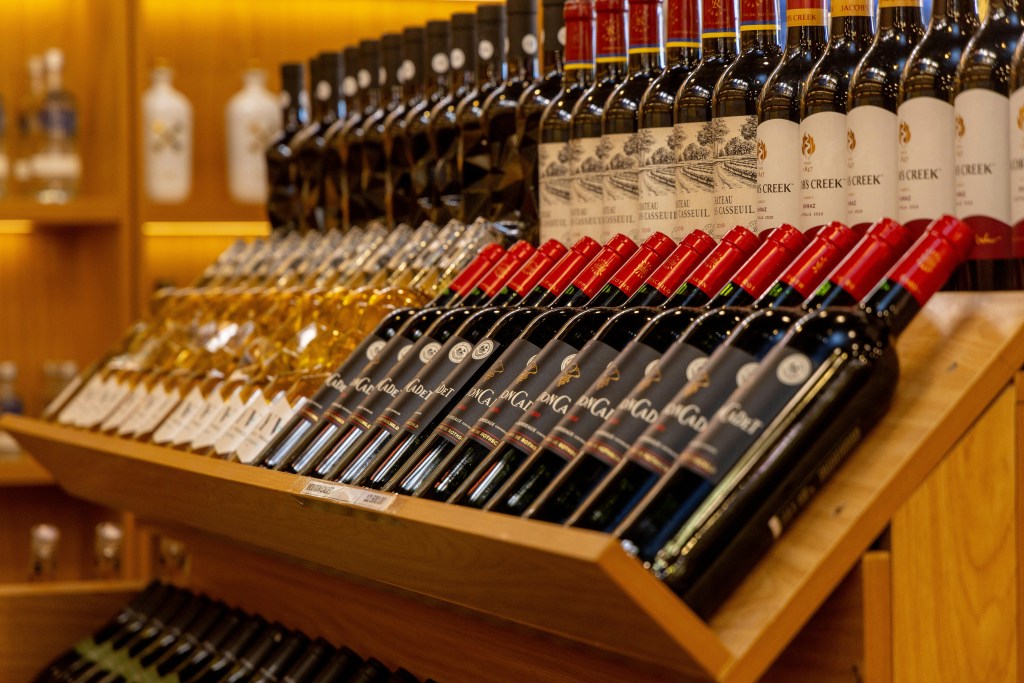
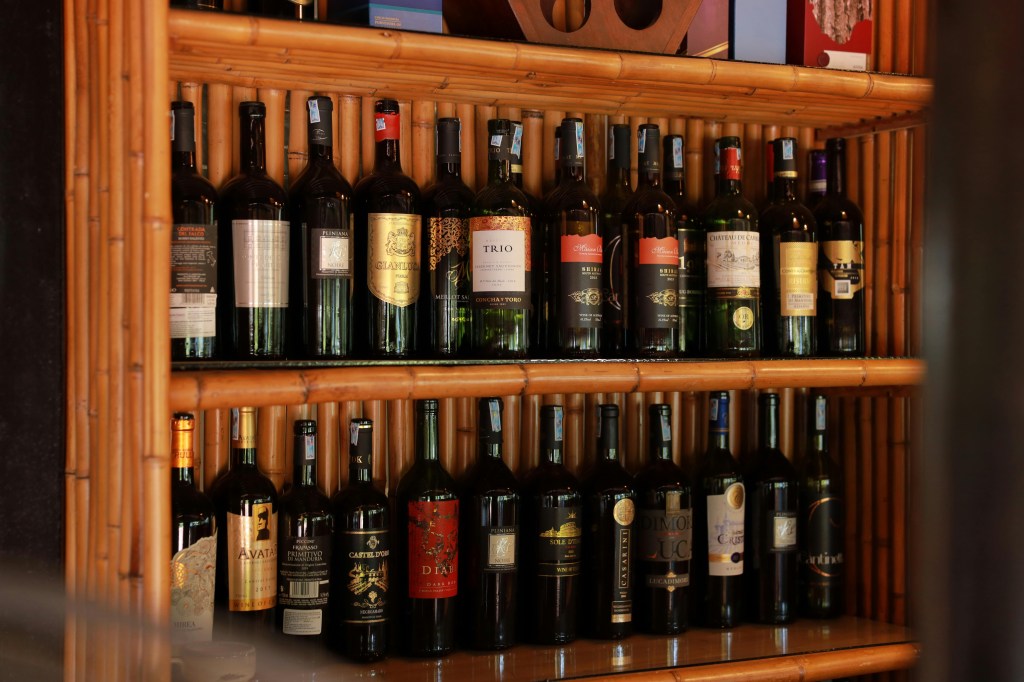
From Costco’s Kirkland Signature Wines to Aldi’s award winning bottles under $10, private labels are shifting power away from traditional producers. Luxury hotels, too, are entering the game. Aman Resorts and Six Senses have begun curating private label wines to align with their brand ethos. The twist? Some private labels are using top tier wine consultants and even buying bulk from renowned vineyards, rebranding them under an exclusive house label. The quality is rising and so is consumer trust. 
Grey Market Maneuvers & Import Innovation:

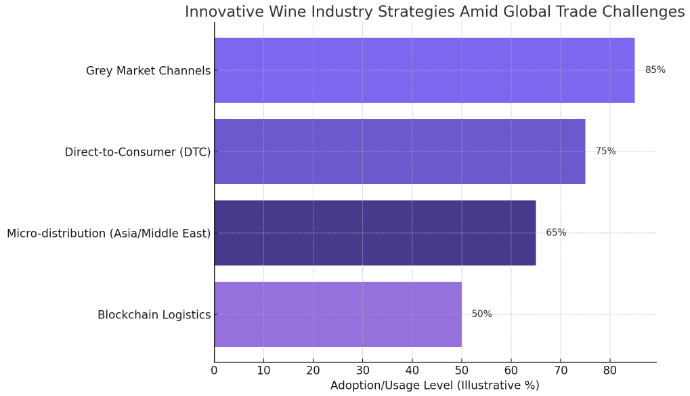
With shipping costs up 200% since 2021 and tariffs fluctuating in post-Brexit Europe and US-China tensions, brands are rewriting the import/export playbook. Some use grey market channels to reroute shipments to lower tax before entering primary markets. 

Others are experimenting with: 

  • Direct to Consumer (DTC) platforms 
  • Micro-distribution networks in Asia and the Middle East
  • Blockchain logistics to track provenance in real time. 

It’s not about cutting corners, it’s about cutting inefficiencies. 
Digital Cellars: Tech Disruption from Vine to Vintage 

Wine Tech is booming. Precision viticulture is using drones, AI and IoT soil sensors to predict yield, monitor disease and optimize irrigation. 

  • Tule Technologies helps vineyards in Napa save to over 20% water annually. 
  • Vivino, with over 60 million users, is using AI to recommend wines and reshape consumer behaviour. 
  • NFTs by brands like Yao Family Wines offer exclusive ownership and authentication. 

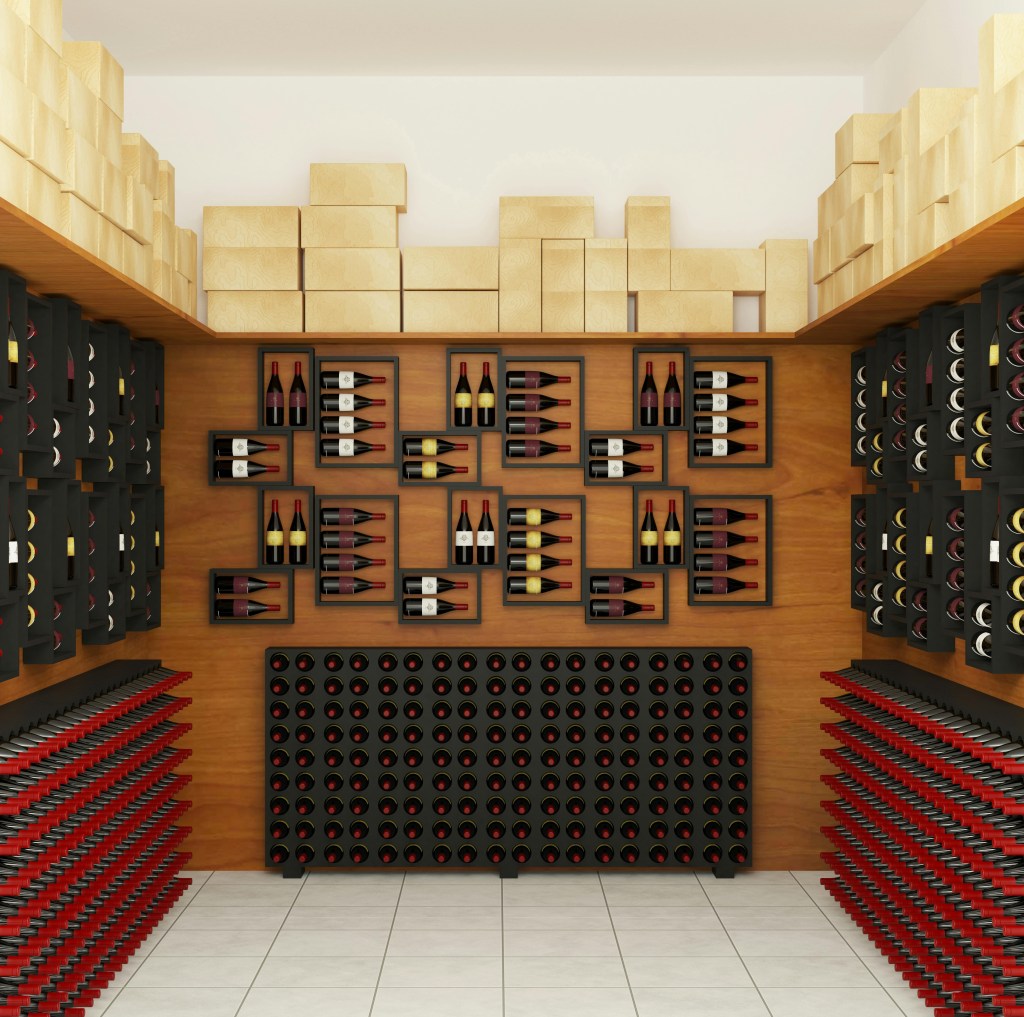
The smart cellar is here and it’s connected to the cloud. 
Hospitality X Wine: The New Synergy 

High end hospitality groups are leveraging wine like never before. 

  • The Ritz Paris now has curated wine concierge services. 
  • Belmond pairs each property with wines reflecting its region, a sensory passport.
  • Yacht charters like Aqua Expeditions now offer onboard sommeliers, exclusive vertical tastings and wine paired Michelin inspired cuisine. 

It’s a full bodied experience. 
The Influence of Culture & Couture 

Fashion and Wine have officially clinked glasses. Massimo Ferragamo’s influence at Castiglion Del Bosco is just the beginning. 

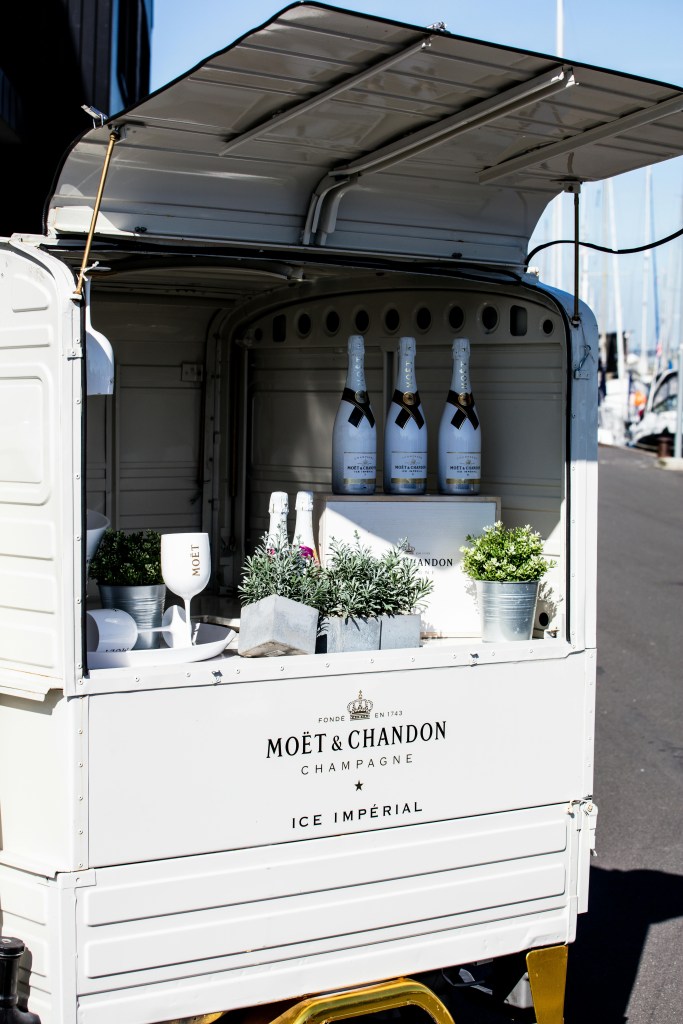
  • Moët. & Chandon is often front row at PFW
  • Penfolds collaborated with Saint Laurent and launched capsule collections. 
  • Champagne Armand de Brignac (Jay-Z’s label) redefined aspirational sipping. 

Luxury is a narrative and Wine is becoming part of the wardrobe. 
Global Tastes, Local Roots: Customization in Wine Marketing

Brands are adapting messaging for local palates. What sells in Sweden doesn’t sell in Shanghai. Luxury wineries are investing in market specific branding and experiential marketing. Torres in Spain launched a Chinese New Year Gran Reserva, While Napa’s Opus One partnered with luxury watch events in Tokyo. 

It’s about relevance without dilution. 
Final Pour: What Comes Next? 

The wine industry is not only evolving. It’s accelerating. From the terroirs of Tuscany to the Tech labs of Silicon Valley, Wine is now a luxury business, a data game and a lifestyle all at once. Whether you’re sipping a $5 Aldi red or aging a $50,000 Screaming Eagle, know this: Wine 5.0 has arrived, and it’s not just in the bottle. It’s in the strategy, the story and the soul. 
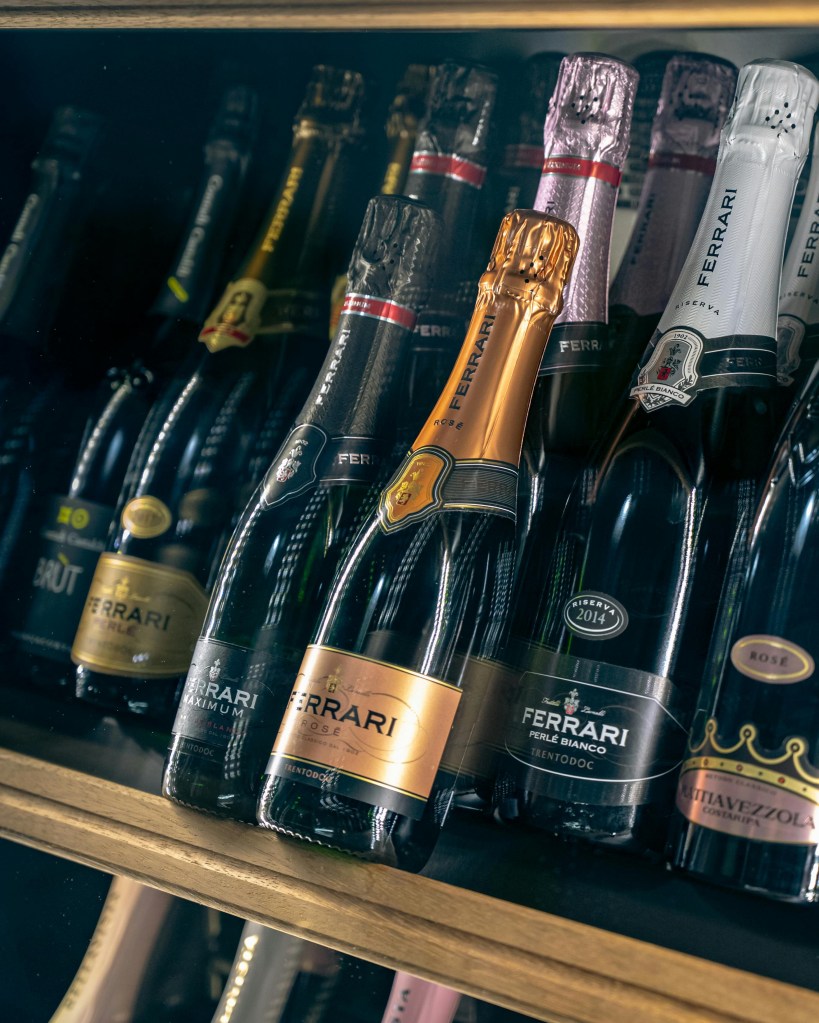
Wine as an asset, Wine Business & Wine Investment. Beyond the Bottle !

The Captivating world of wine. A lucrative business and investment opportunity. 

Wine has been long associated with luxury, culture and heritage. But beyond the pleasure of drinking it, wine has also become a significant business and investment opportunity. With global wine consumption growing and collectors turning rare vintages into financial assets, the wine industry has become a lucrative market for both wine enthusiasts and serious investors. 

In this blog, we’ll explore various aspects of the wine business and investment, from starting a collection to understanding the economics behind wine pricing and market trends. 

Starting your own collection:

  1. Research and Education: Understanding different wine regions, grape varieties and vintages is crucial. 
  1. Buy from Reputable sources: Whether it’s fine wine auctions like Sotheby’s or Christie’s or top wine merchants, authenticity and provenance matter. 
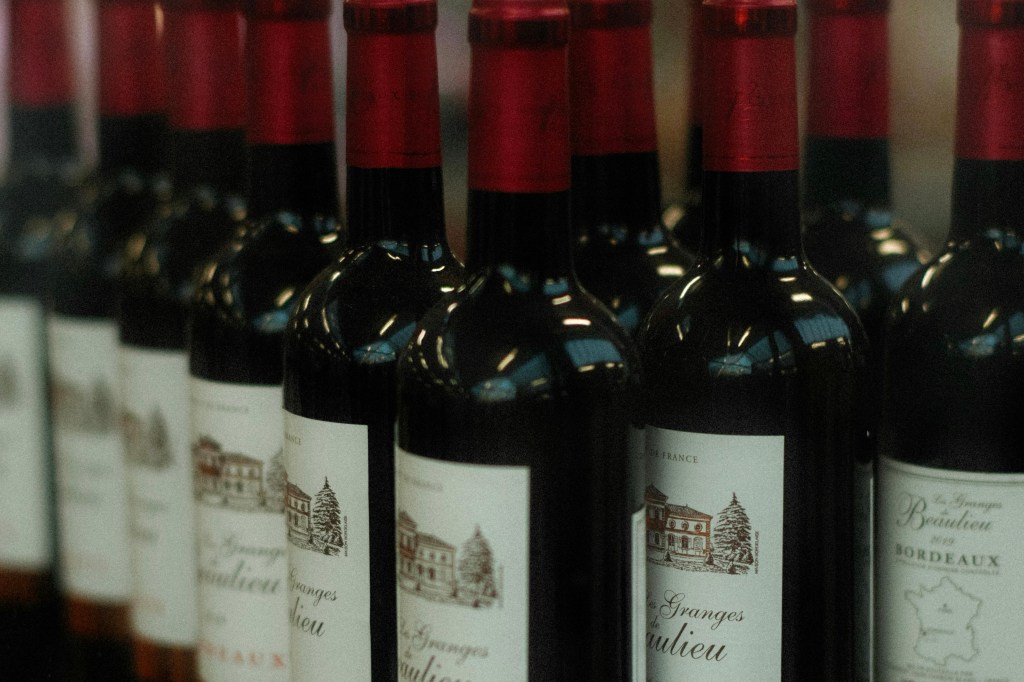
  1. Focus on Blue Chip Wine: Bordeaux First Growths, Burgundy Grand Crus and top Italian wines and Napa wines historically offer strong returns.
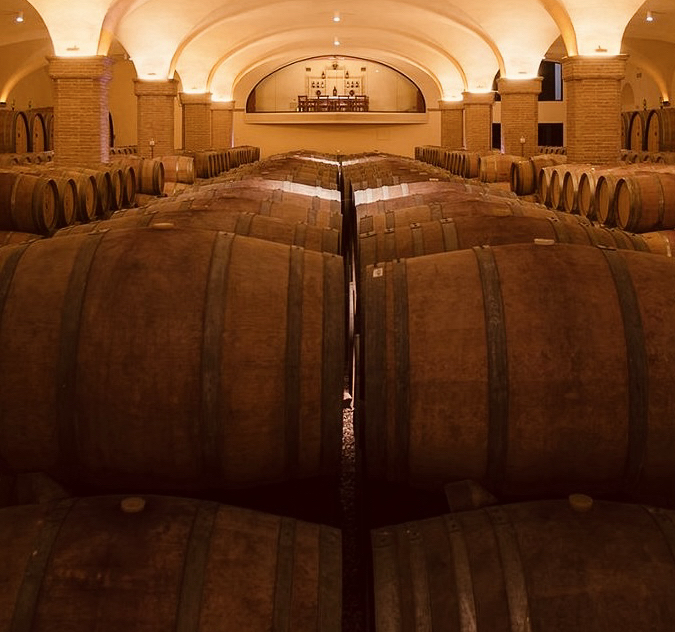
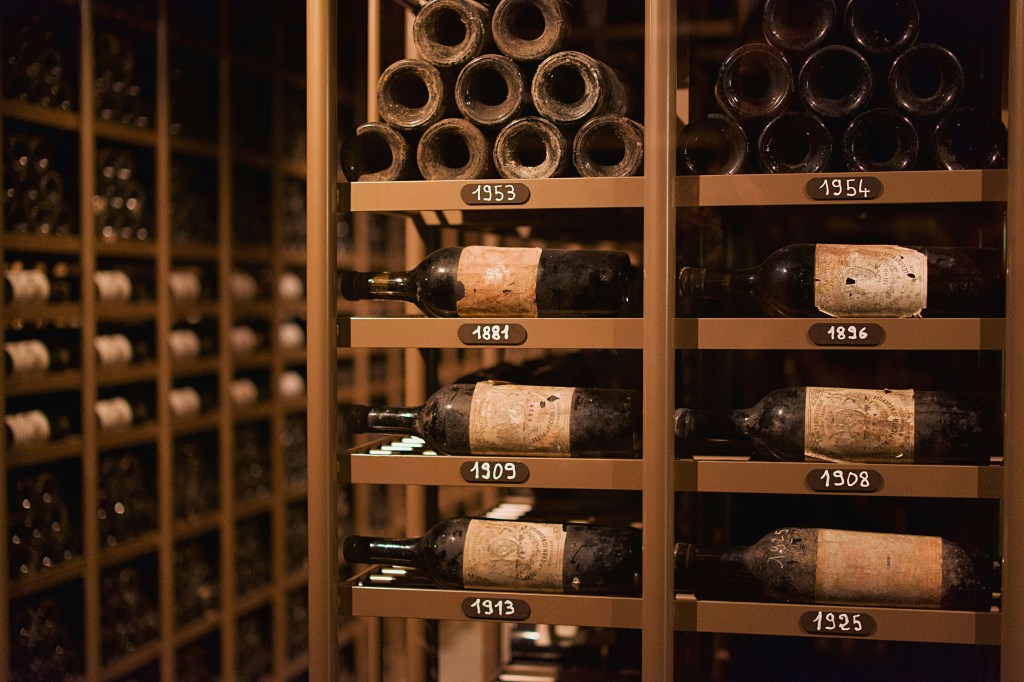
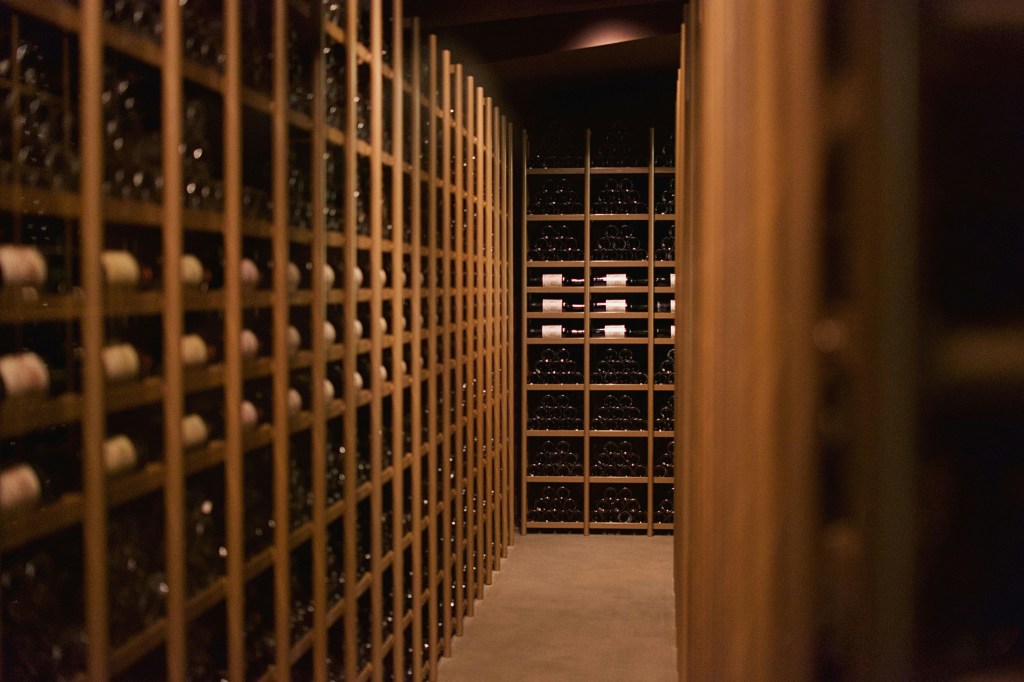
  1. Storage and Cellaring: Wine needs proper storage at around 55 degrees F (13 degrees C) and 70% humidity. Consider professional storage facilities to maintain value. 
  1. Diversify your portfolio: Don’t just focus on Bordeaux, explore Tuscan wines, Champagne and emerging regions like Argentina, Spain, South Africa 

Is Fine Wine Profitable ? Market trends and Insights :

Fine wine has outperformed traditional investments like stocks and gold in recent years. Let’s look at some key market insights:

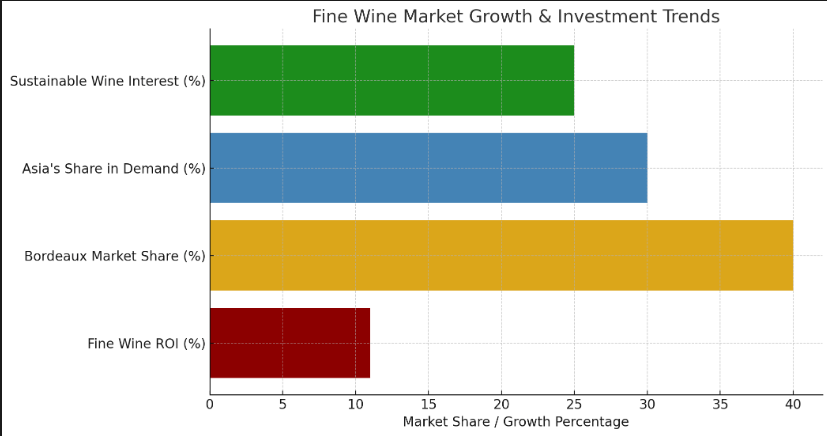
  • Fine Wine Market Growth: According to Liv-ex Fine wine 1000 index, fine wine investments have shown an average annual return of 10-12% over the past decade. 
  • Bordeaux Dominance: Bordeaux still represents nearly 40% of the secondary wine market. 
  • Global Demand: Asia, particularly China and Hong Kong, has become a major buyer of luxury wines, increasing the value of rare bottles.

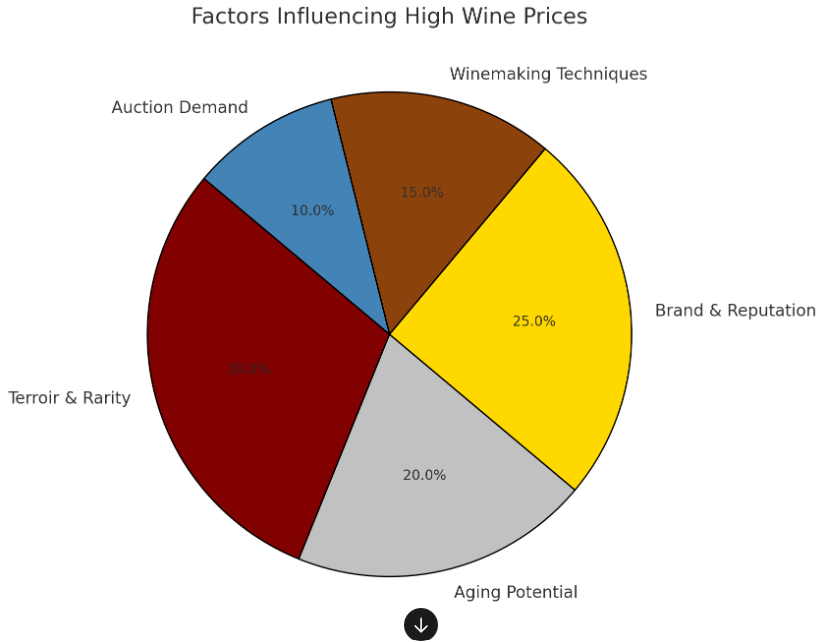
The Economics of Wine Pricing – What Makes Some Bottles Cost Thousands? 

  1. Terroir and Rarity: Wines from prestigious vineyards are scarce and highly sought after. 
  1. Aging Potential: Wine with long aging potential attracts collectors willing to pay a premium. 
  1. Brand and Reputation: Established estates like Château Lafite Rothschild or Domaine Leroy command higher prices due to legacy and quality. 
  1. Winemaking Techniques: Hand harvested, barrel aged and meticulously crafted wines often cost more. 
  1. Auction and Collector Demand: The resale market through Sotheby’s or Bonhams drives up prices for rare vintages. 

The Role Wine Critics and Ratings – How much influence do they have ?

Critics all around the globe have immense influence over wine prices and consumer demand. 

  • High Ratings = Higher Prices: A 95+ score from wine advocate can significantly increase a wine’s value overnight. 
  • Market Trends: Critics’ recommendations shape consumer preferences, shifting demand between regions and varieties. 
  • Investment Decisions: Many collectors and investors rely on critic scores to determine which wines to buy and hold. 

Other Key Aspects of Wine Business and Investment: 

  1. Wine Futures ( En Primeur) – Investing Before Bottling: Buying wine before it’s bottled allows investors to acquire top vintages at lower prices. Bordeaux’s En Primeur market is a prime example of how futures trading works in the wine industry.
  1. Wine Tourism and Experiential Investment: Luxury wine tourism is booming. Wineries in Napa Valley, Tuscany and Bordeaux offer exclusive vineyard experiences, driving both brand value and sales. 
  1. Technology and Blockchain in Wine Investment: New platforms use blockchain to verify wine authenticity and prevent counterfeiting, making investment safer for collectors. 

Global Wine Productions and Trade Data:

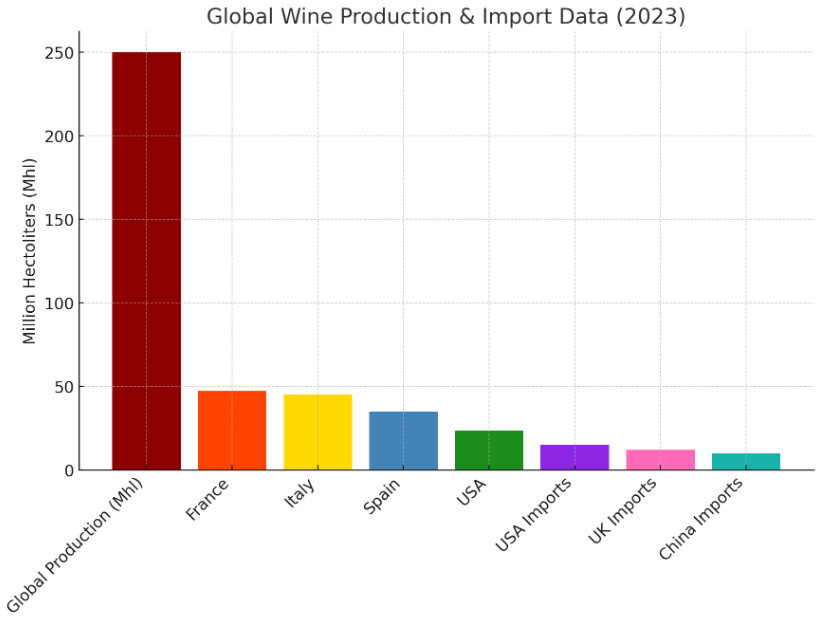
  • Global Wine Production (2023) : Approximately 250 million hectolitres (OIV data) 
  • Top Producing Countries: France, Italy, Spain, USA
  • Top Importing Countries: USA, UK, China 

Conclusion:

Wine business and investment require knowledge, patience and strategies. While fine Wine can yield impressive returns, it’s also a passion driven market where understanding the nuances of wine regions, aging potential and market trends is crucial. Whether you are looking to start a collection, invest in Wine funds or explore luxury wine tourism, the world of Wine offers endless opportunities for both profit and business. 

Wine, Luxury Tourism and Trade Wars.

Navigating Global Trends and U.S tariffs on European wines.

There was a time when wine tourism meant stopping by a vineyard for a quick tasting and heading out with a couple of bottles. But, today luxury wine tourism is an entirely different world. One where visitors aren’t just sipping wine but they are living it. The industry has transformed into a billion dollar industry that caters to the most. 

If you have ever wondered how the world of luxury travel and fine wine blend so seamlessly, let’s take a deep dive into the business of wine, luxury tourism and trade wars. 

The Growing business of Wine and Luxury Tourism: 

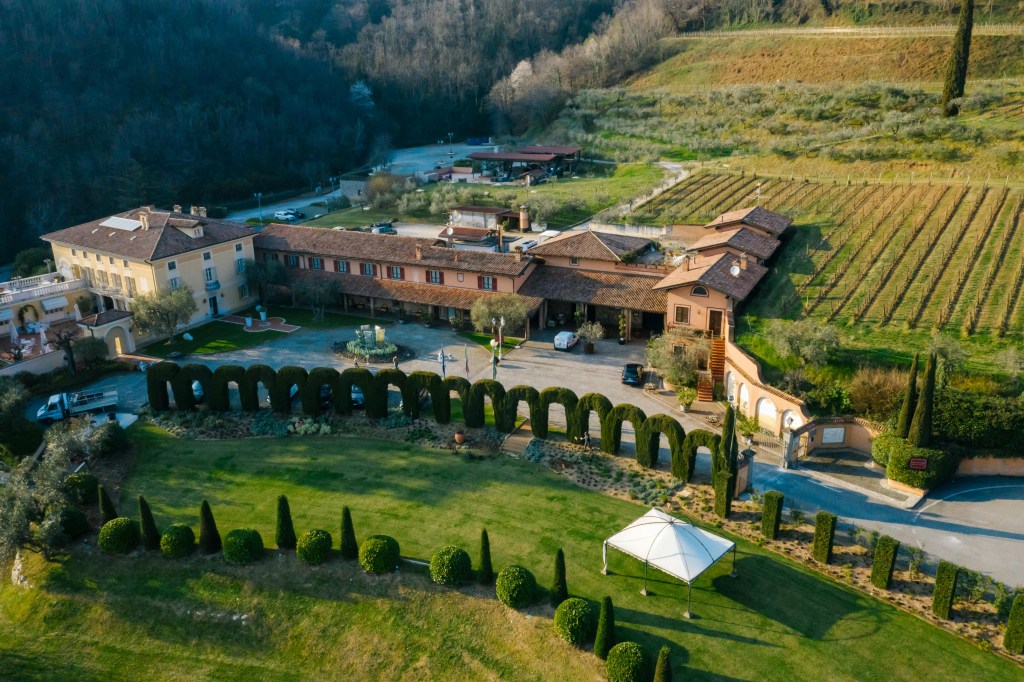
Luxury wine tourism is no longer just about the wine, it’s about the experience. The industry has seen a massive boom in recent years, with more travelers seeking high end personalised encounters with winemakers, breathtaking landscapes and the history behind each bottle. 

Market and Revenue Potential:

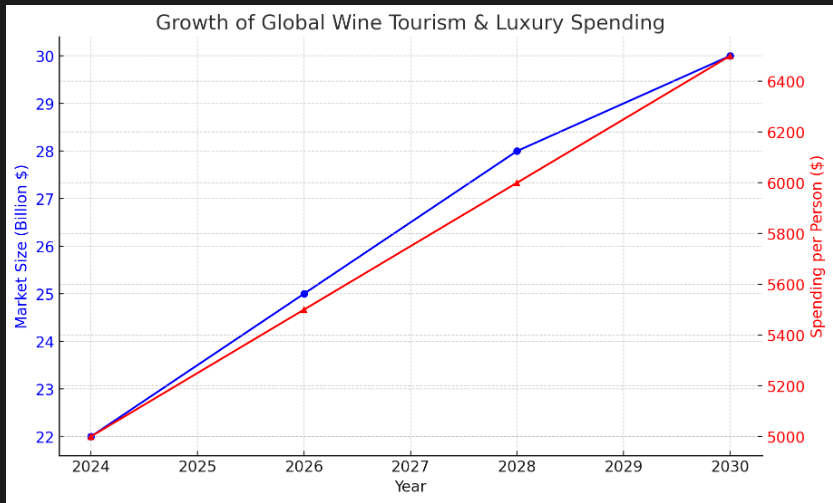
  • The global wine tourism industry is projected to surpass $30 billion by 2030. 
  • Luxury travelers are spending $5000 + per person on premium wine experiences. 
  • Countries like France, Italy, Spain, US and Argentina dominate the luxury wine travel market. 

For wineries, the business isn’t just about selling bottles anymore. It’s also about creating premium experiences that add value to their brand and increase direct to customers (DTC) wine sales. 

The Impact of U.S Tariffs on European Wines:

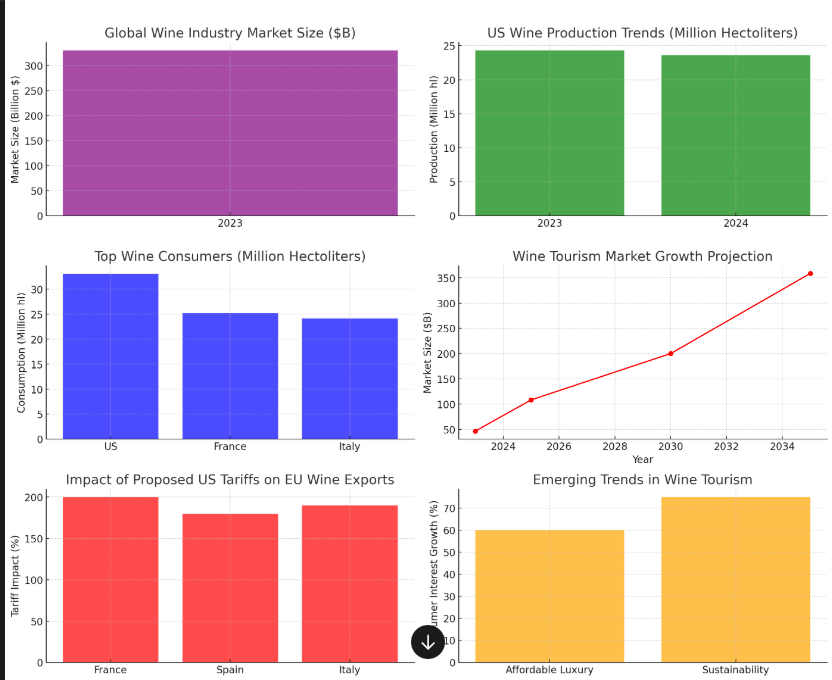
The global wine industry is currently facing a significant challenge as the United States has proposed imposing tariffs up to 200% on European alcohol imports. This move, if enacted, could severely impact wine producers across France, Italy and Spain. The three largest exporters of fine wines to the United States. Market analysis suggests that such a tariff hike would make European wines considerably more expensive for American consumers. 

For wine tourism and luxury experiences, the ripple effect on these tariffs could extend beyond pricing. Many American travelers visit Europe specifically to explore its renowned wine regions, often purchasing exclusive vintage to bring home. If prices soar due to tariffs, both the tourism industry and wine exports may experience a downturn. Additionally, smaller boutique wineries in Europe that lack the financial resilience of large scale producers may find it challenging to absorb the impact. As the debate over these tariffs continues, the global wine industry watches closely, hoping for negotiations that preserve trade balance and protect centuries old viticulture heritage. 

The Business Model Behind Wine and Luxury Tourism:

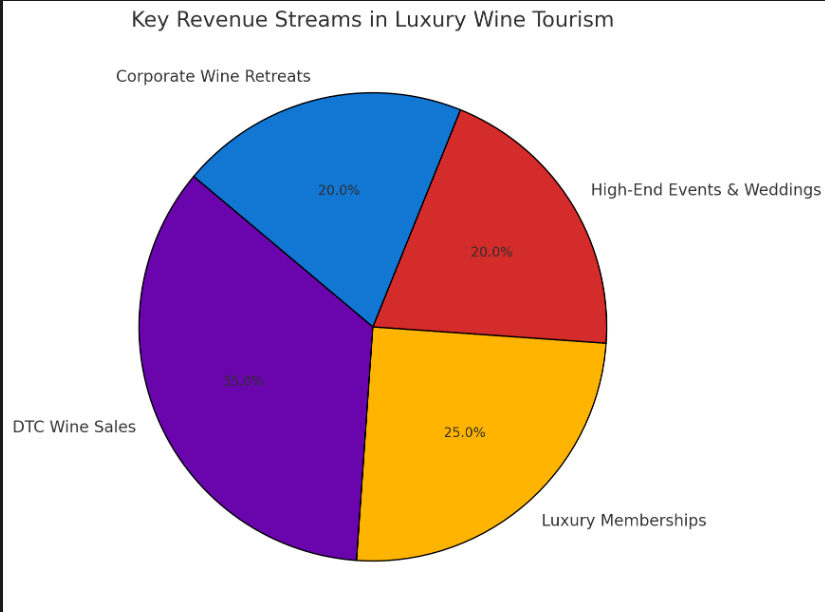
Wineries aren’t just making business from selling bottles, they have diversified their revenue streams to include exclusive memberships, high end events and personalised concierge services. 

Key Revenue Stream:

  • Direct to Consumers (DTC) Wine sales: High end wineries sell directly to visitors increasing profits
  • Luxury Membership Programs: Private wine clubs offering rare allocations and VIP events 
  • High End Events and Weddings: Estate wineries serve as ultra exclusive wedding and event venues.

Luxury Wine Destinations and Their Offerings:

Some of the most sought after wine regions around the world have mastered the art of Luxury Wine Experiences 

  1. Italy 🇮🇹 : Tuscany’s rolling vineyards, Piedmont’s Barolo and Sicily’s volcanic wine experiences 
  1. France 🇫🇷 : The home of Bordeaux’s grand châteaux and Champagne’s exclusive. 
  1. Spain 🇪🇸 : Rioja’s luxury wineries and Andalusia’s hidden gems 
  1. South Africa 🇿🇦 : Stellenbosch’s fine wine scene paired with African safari luxury. 

The Role of Personalization and Exclusivity in Wine Tourism:

The ultra wealthy aren’t looking for mass market tours, they want once in a lifetime experiences that cannot be found on google. This is where personalization and exclusivity become the backbone of luxury wine tourism. 

How Wineries are elevating personalisation ?

  • Private Wine and Food Pairing Dinners: Michelin star chefs curating bespoke menus
  • Limited Edition Barrel Tastings: Sampling wines before they are even bottled
  • Personalised Wine Labels: Custom bottles for high end clientele. 

Future Trends in Luxury Wine Tourism:

The industry continues to evolve, with new trends shaping the future of high end wine travel. 

  1. Wine Wellness and Vinotherapy: Luxury travelers are embracing spa treatments infused with grape extracts. A trend made famous by Caudalie’s Vinothérapie Spa in Bordeaux. 
  1. Sustainable and Eco Luxury Wine Tourism: More wineries are going green focusing on biodynamic viticulture and sustainability. 
  1. Ultra High End Wine Investment: Travelers aren’t just drinking wine, they are investing in rare vintages and vineyard ownership. 

Final Thoughts: 

The fusion of luxury travel and fine wines has transformed the industry into a powerhouse of unparalleled experiences. For wineries, embracing luxury tourism isn’t just about selling wine. It is about crafting experiences that turn guests into lifelong patrons. 

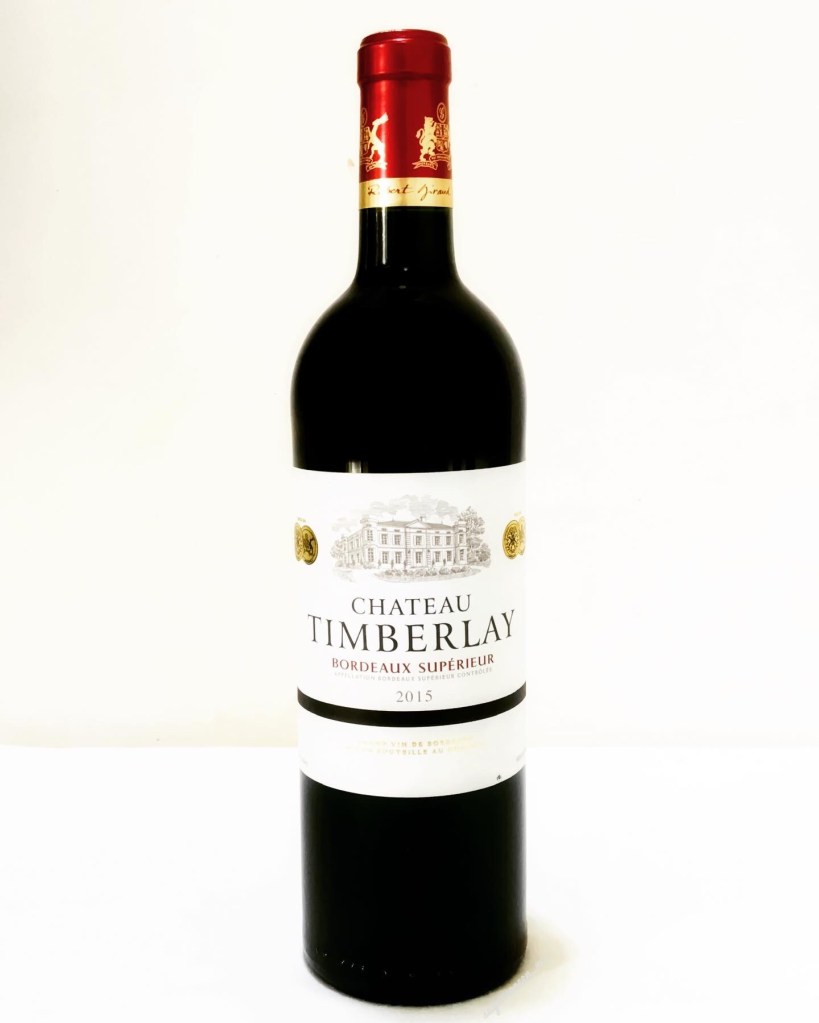
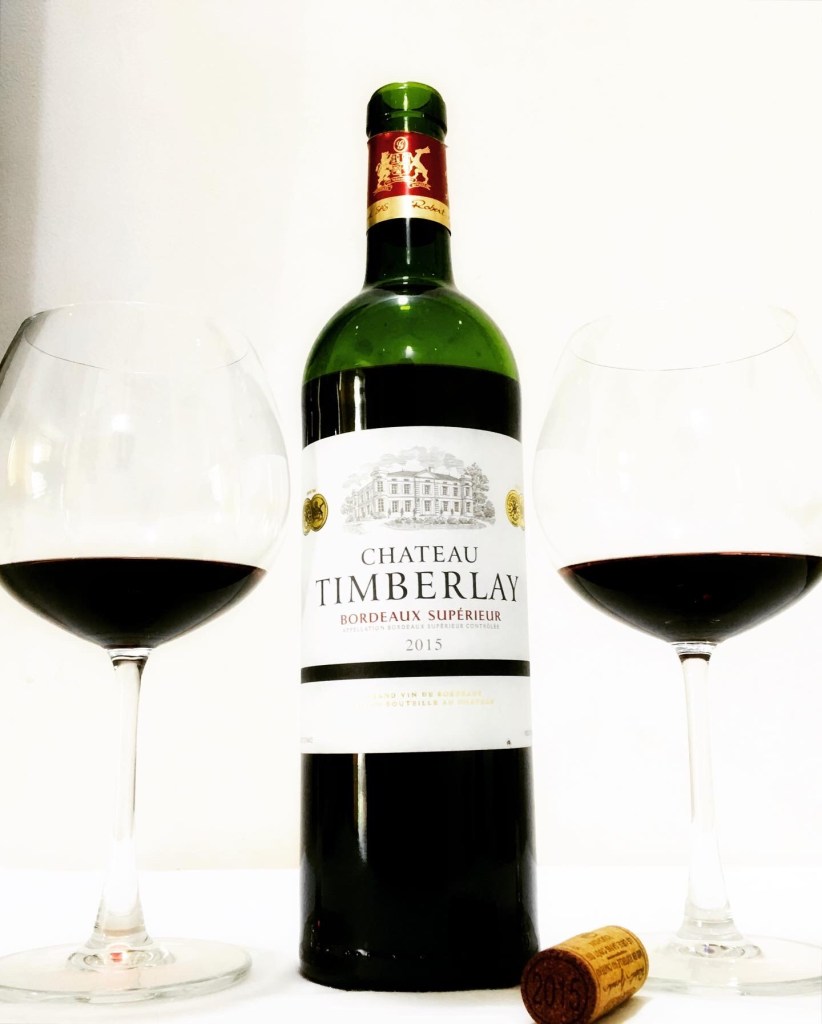
Le Supérieur de Bordeaux. Château Timberlay.

𝐋𝐞 𝐒𝐮𝐩é𝐫𝐢𝐞𝐮𝐫 𝐝𝐞 𝐁𝐨𝐫𝐝𝐞𝐚𝐮𝐱. Connoisseur spécial. Bordeaux Supérieur 2015 (Blend of Cabernet Sauvignon, Merlot and Cabernet Franc) from Château Timberlay by Robert Giraud SAS, Bordeaux, France.

The Winery: 𝐂𝐡â𝐭𝐞𝐚𝐮 𝐓𝐢𝐦𝐛𝐞𝐫𝐥𝐚𝐲. Established in 1366. One of the most seasoned 𝐂𝐇Â𝐓𝐄𝐀𝐔𝐬 in Bordeaux. The family possessed a wine organization with several ages of wine making. The properties are totally overseen and advertised by “Robert Giraud SAS”. A grounded domain with feet in the global market. Having 125 hectares of domain, today Château Timberlay produces remarkable blends like Bordeaux Supérieur, Bordeaux Blanc and Bordeaux Clairet. The domain is driven by its Red Bordeaux Supérieur. 

𝐁𝐨𝐫𝐝𝐞𝐚𝐮𝐱 𝐒𝐮𝐩é𝐫𝐢𝐞𝐮𝐫 𝐁𝐥𝐞𝐧𝐝:- The prevalent variant of Bordeaux label. To have the wine characterized and named as Supérieur, the winemakers need to keep explicit standards and guidelines to meet the necessities. A gigantic space of 11,375 hectares has been committed to the creation of Bordeaux Supérieur wines. At least a year of barrel maturing is needed to make Bordeaux Supérieur. 

Wine: Bordeaux Supérieur 2015, (85% 𝐌𝐞𝐫𝐥𝐨𝐭, 10% 𝐂𝐚𝐛𝐞𝐫𝐧𝐞𝐭 𝐒𝐚𝐮𝐯𝐢𝐠𝐧𝐨𝐧 𝐞𝐭 5% 𝐂𝐚𝐛𝐞𝐫𝐧𝐞𝐭 𝐅𝐫𝐚𝐧𝐜). A full bodied wine. Solid and complex on the nose. Dry on the sense of taste with woody and zesty notes. A very much organized wine with consolidated tannins.

Photography, Content and presented by Sagar Sareen

𝐋𝐞 𝐒𝐮𝐩é𝐫𝐢𝐞𝐮𝐫 𝐝𝐞 𝐁𝐨𝐫𝐝𝐞𝐚𝐮𝐱. Connoisseur spécial. Bordeaux Supérieur 2015 (Blend of Cabernet Sauvignon, Merlot and Cabernet Franc) from Château Timberlay by Robert Giraud SAS, Bordeaux, France

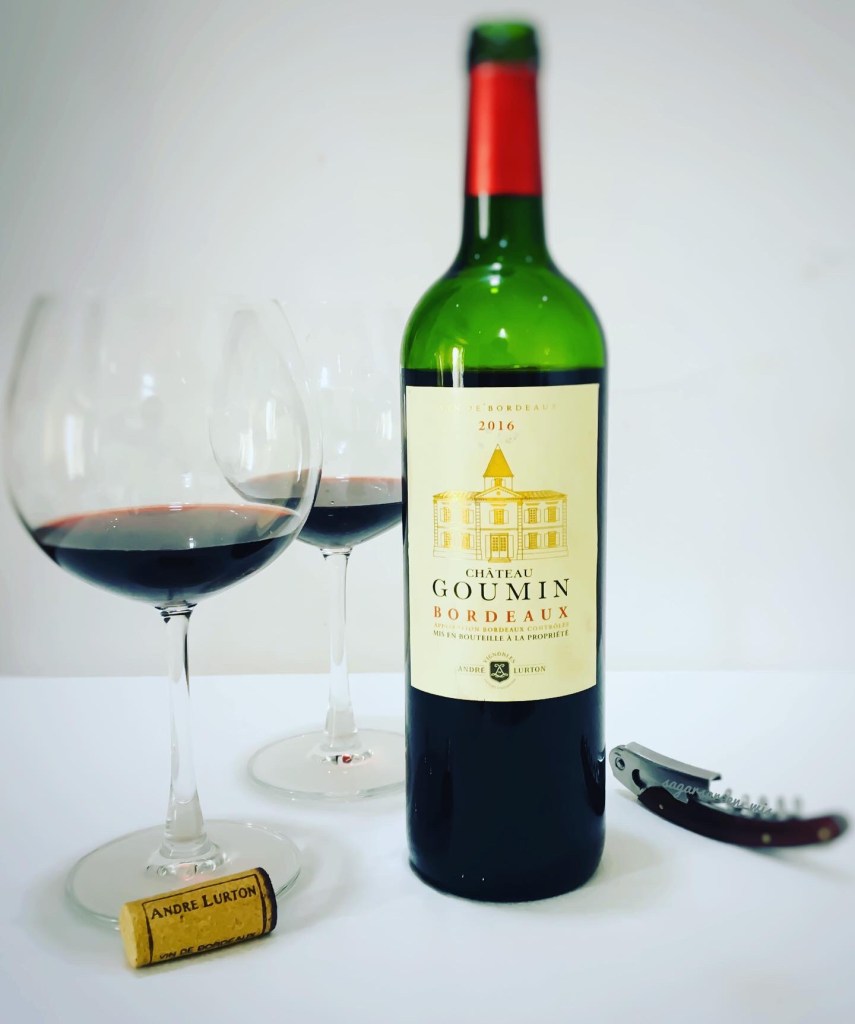
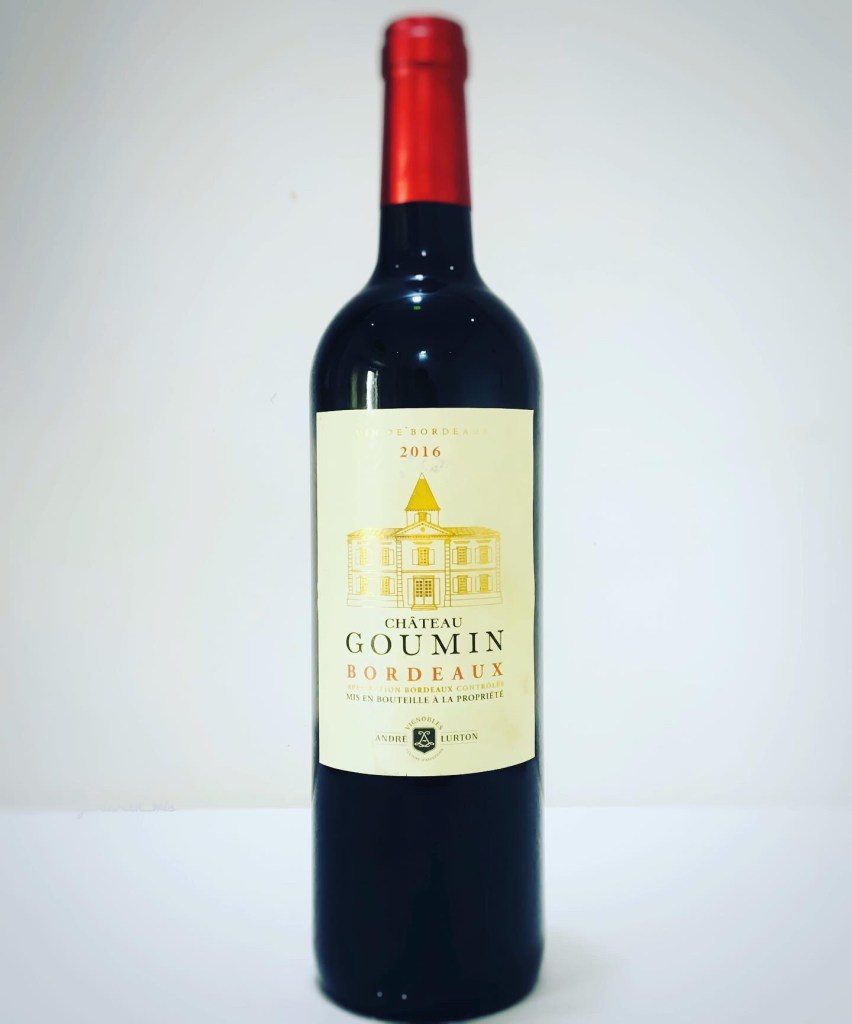
Bordeaux Red. Château Goumin. Vignobles Andre Lurton.

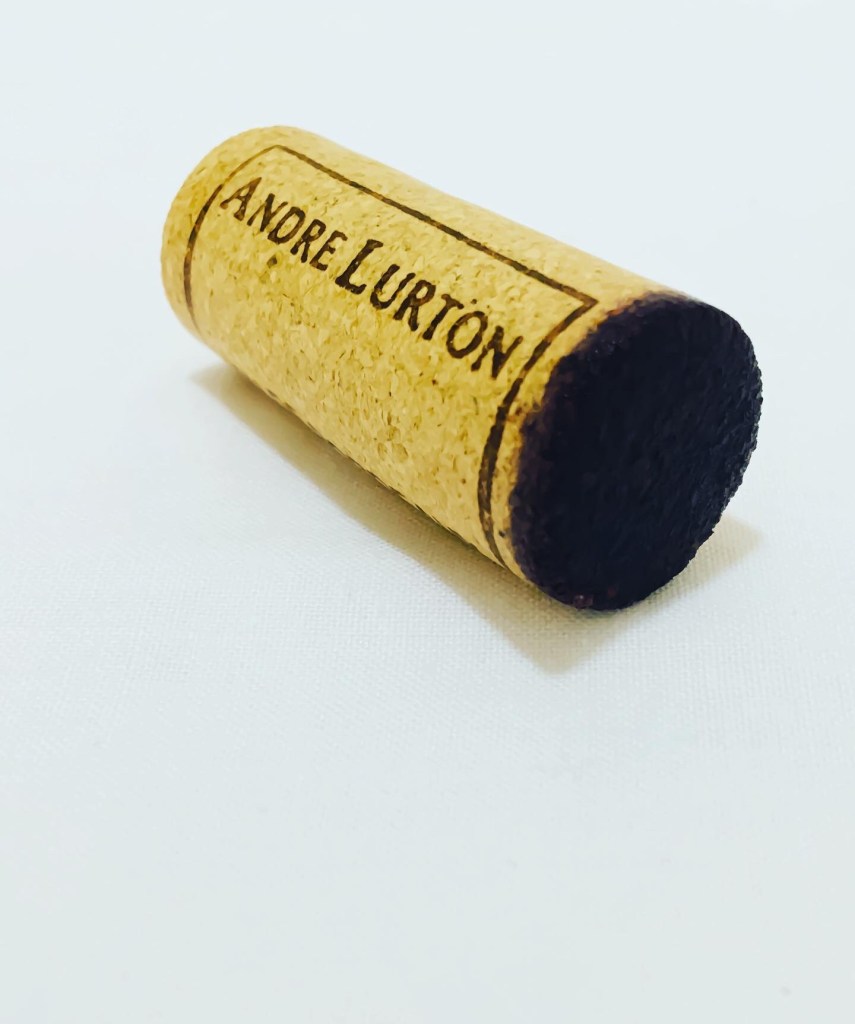
Connoisseur special:- Bordeaux red mix 2016 (50% Cabernet Sauvignon and 50% Merlot) from Château Goumin by Vignobles Andre Lurton, Bordeaux, France.

The Winery: 1953 to the current day. Beginning with the acquisition of Château Bonnet in Grézillac in 1897, the Lurton family proceeded with the remarkable winemaking begun by their granddad. Vignobles André Lurton is one of the biggest wine dynasties on the planet. CHÂTEAU GOUMIN is a home claimed by the incomparable Lurton family.

Château Goumin is situated on a slant pointing toward the south and has an unprecedented terroir which assists with creating wines with a smooth surface and makes it unpretentious. Today the organization claims more than 1500 sections of land of grape plantations in the Bordeaux area. 

Wine: Bordeaux Red Blend, A full bodied wine with fragrances of dim organic products. Rich on the sense of taste with an astonishing dry completion. Very even and matured wine. An exemplary red Bordeaux with consolidated notes of eucalyptus and green pepper. Tannins on the lower side, balanced and elegant wine.

Photography, Content and presented by Sagar Sareen

Connoisseur special:- Bordeaux red mix 2016 (50% Cabernet Sauvignon and 50% Merlot) from Château Goumin by Vignobles Andre Lurton, Bordeaux, France

Lègende Bordeaux Red. Château Lafite Rothschild

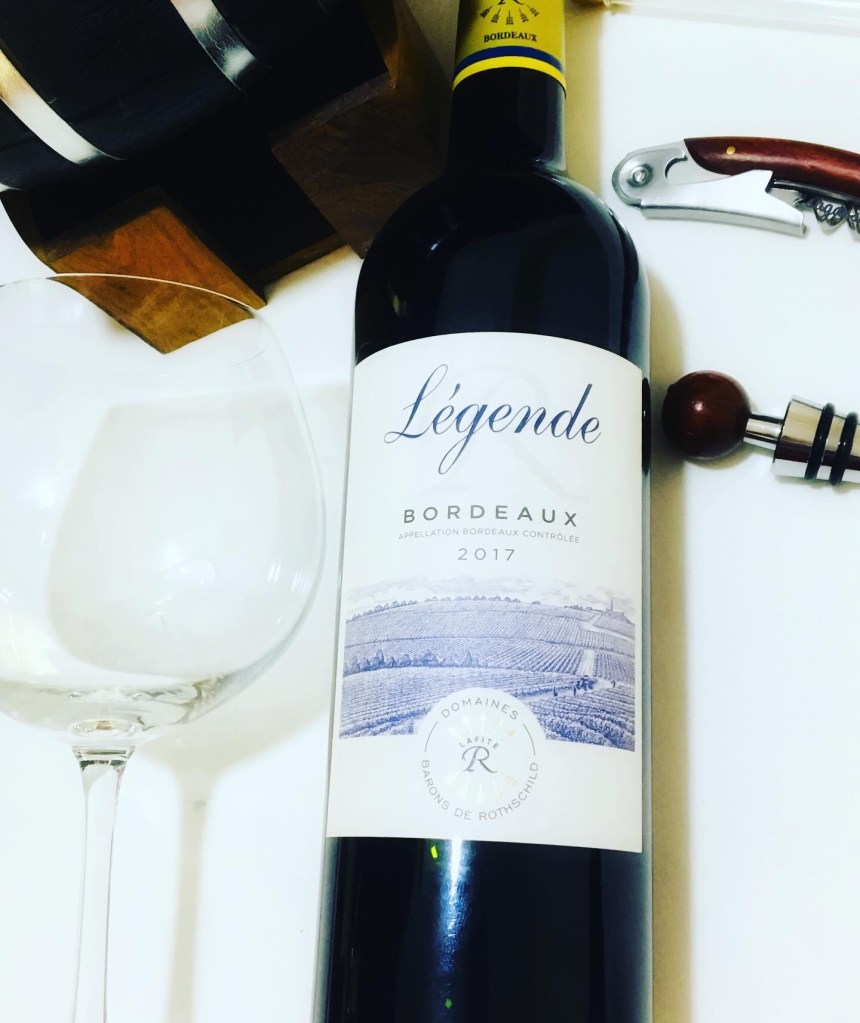
Domaines Barons De Rothschild, Légende, Bordeaux Red Blend, 2017. A blend of 60% Cabernet Sauvignon and 40% Merlot by The Domaines & Château Lafite Rothschild, Bordeaux, France.

History : 1868 to the current day. In 1868 Château Lafite was acquired by the Rothschild family. Pushing ahead in 1946, the new age of the Rothschild family acquired Château Lafite Rothschild. In 1974, the fifth era took over the organization and stretched out Lafitte’s aptitude to an unheard of level with new properties and wines. Every one of the long stretches of difficult work and uncommon winemaking by the Rothschild family and the group behind, has made the organization the best winemakers on the planet. Today the sixth era of the Rothschild family has taken over the organization and are heading the winery operations. 

Wine (Bordeaux Red Blend): AOC( Appellation Bordeaux Contrôlée), demonstrates the topographical territory for the wine grape varietals. Bordeaux red mix is a blend of at least two grape assortments. The wine is a full bodied wine with smells of dim natural products. Oaky on the button and dry on the sense of taste with an exceptional fruity character. An even and very much mixed wine with grape assortments comprising 60% Cabernet Sauvignon and 40% Merlot. Matured in tanks and 40% with oak. An extremely rich wine with excellent characters.

Photography, Content and presented by Sagar Sareen

Domaines Barons De Rothschild, Légende, Bordeaux Red Blend, 2017. by The Domaines & Château Lafite Rothschild, Bordeaux, France.