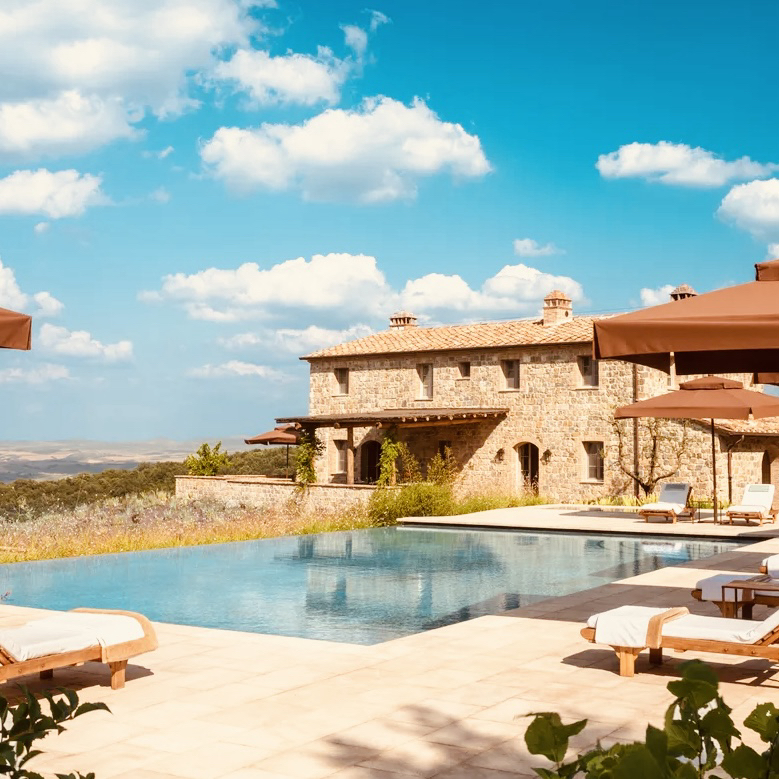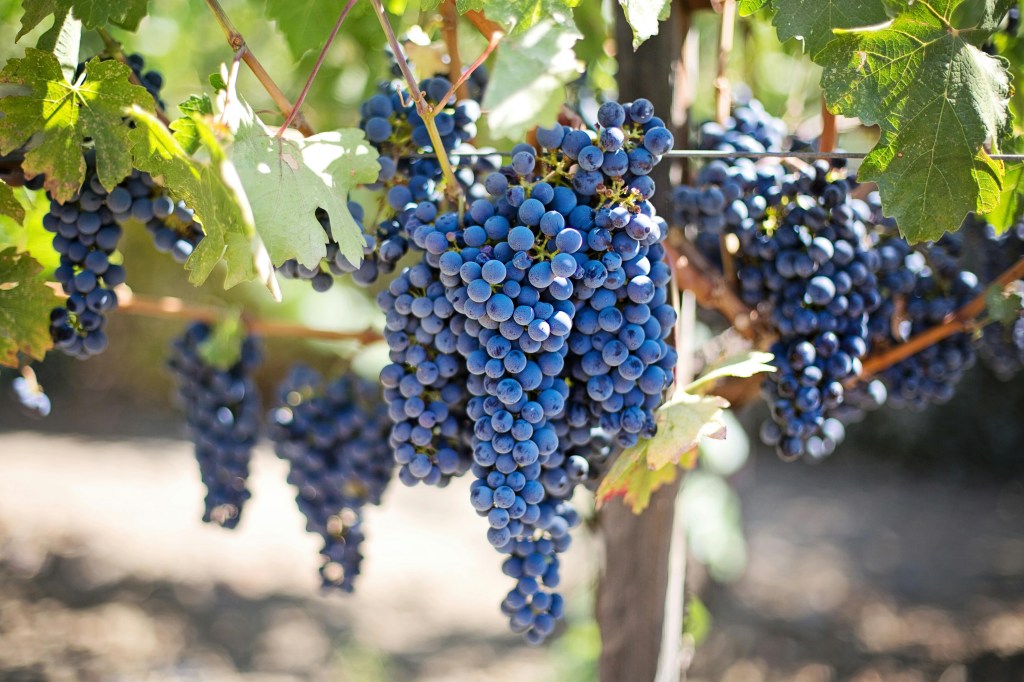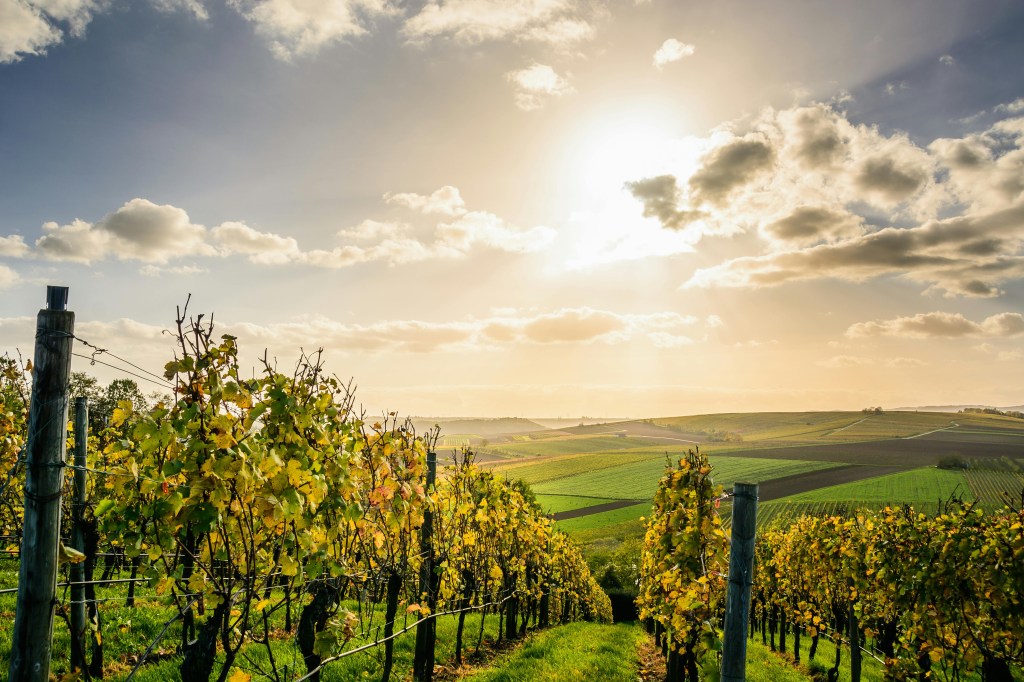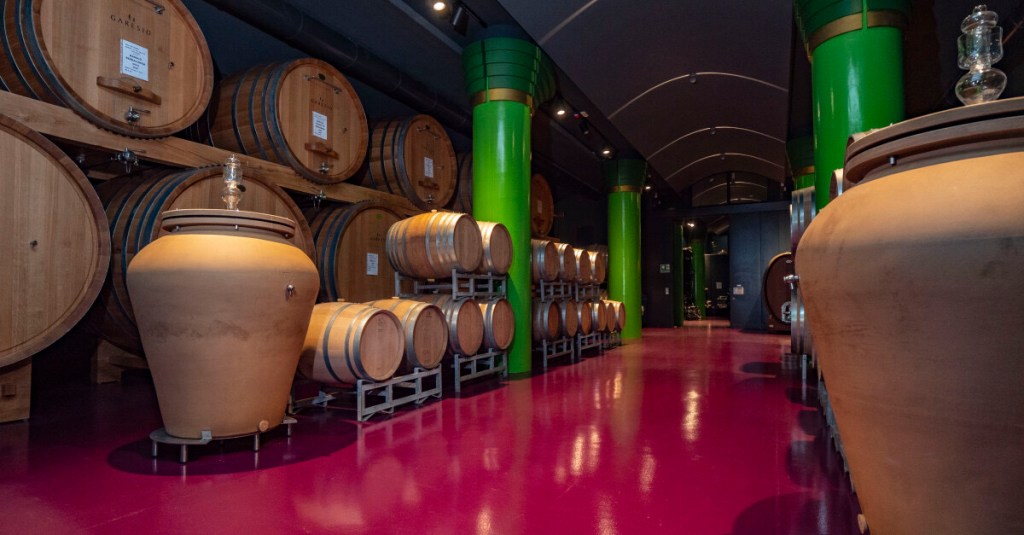
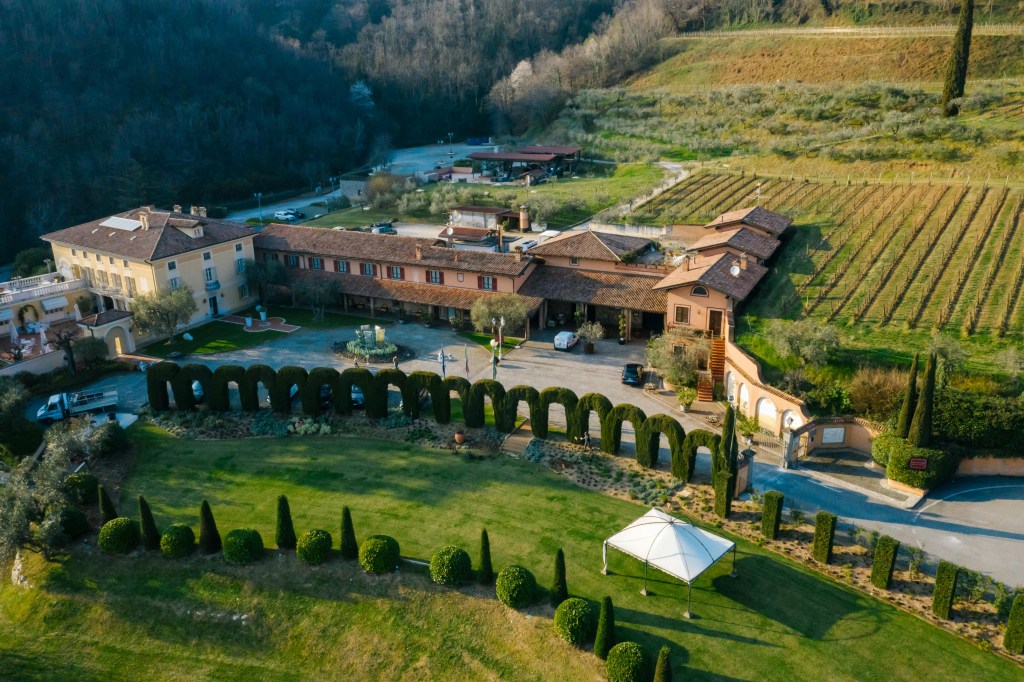
Fontanafredda: 1858 to the present. Founded by the first King of Italy.  Born of a Royal Love Story

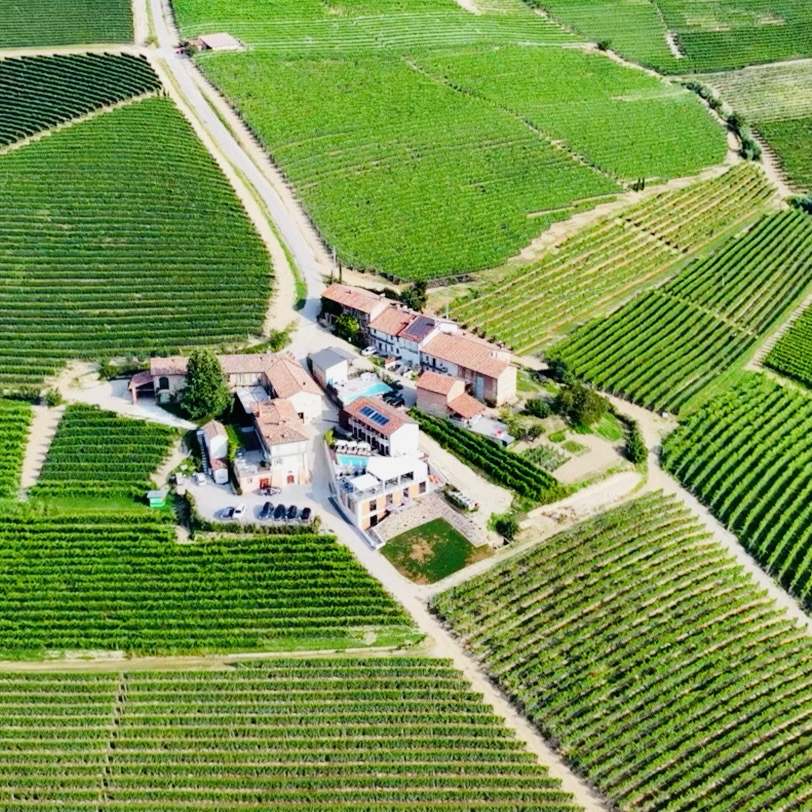
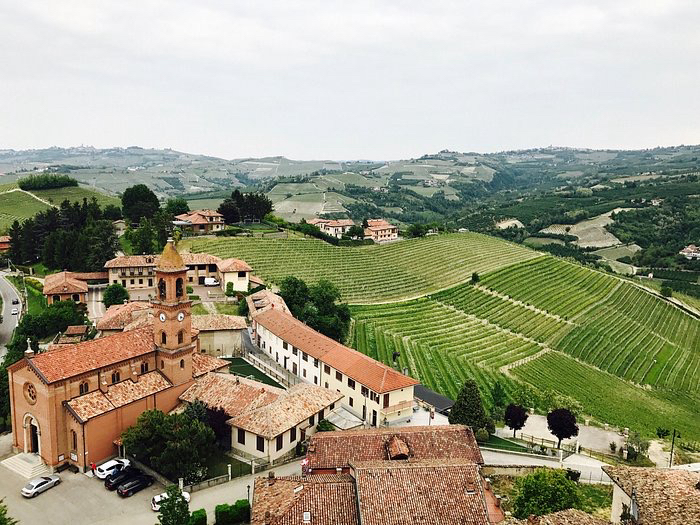
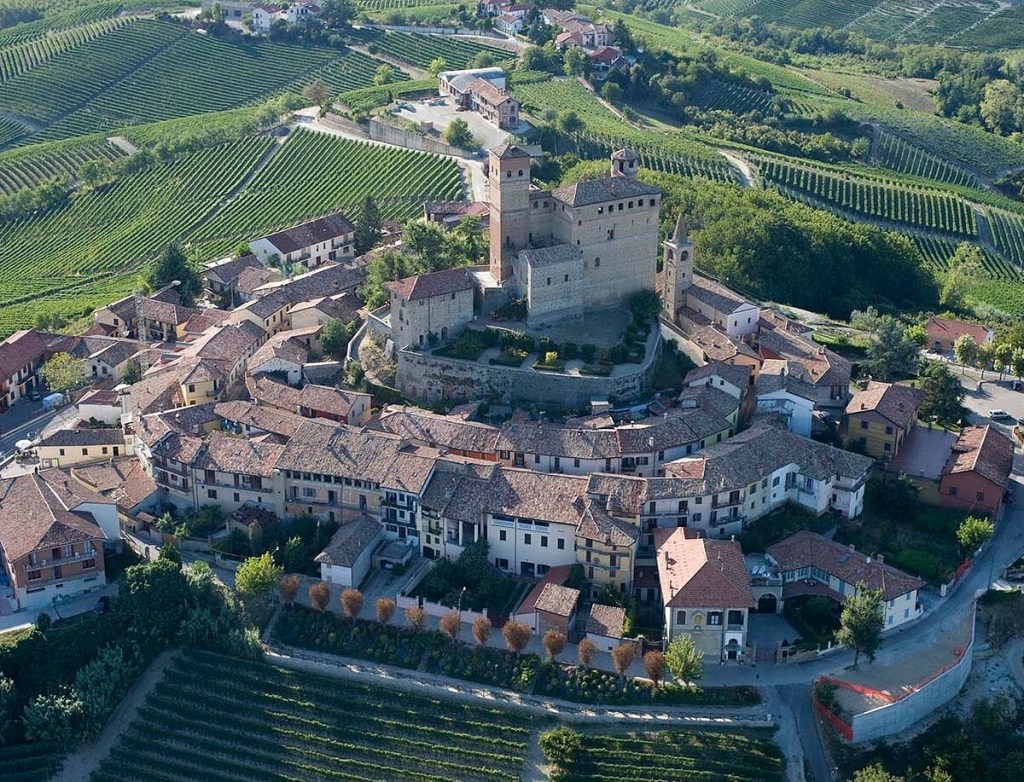
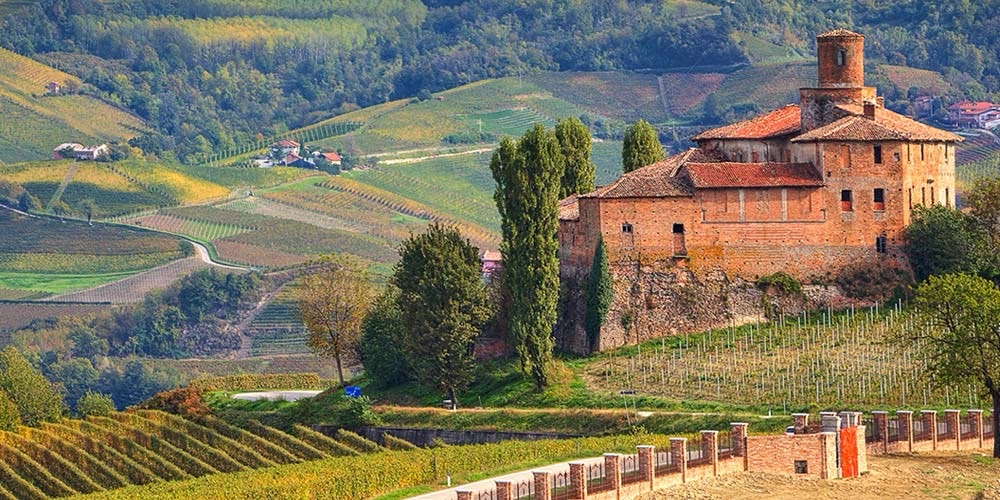
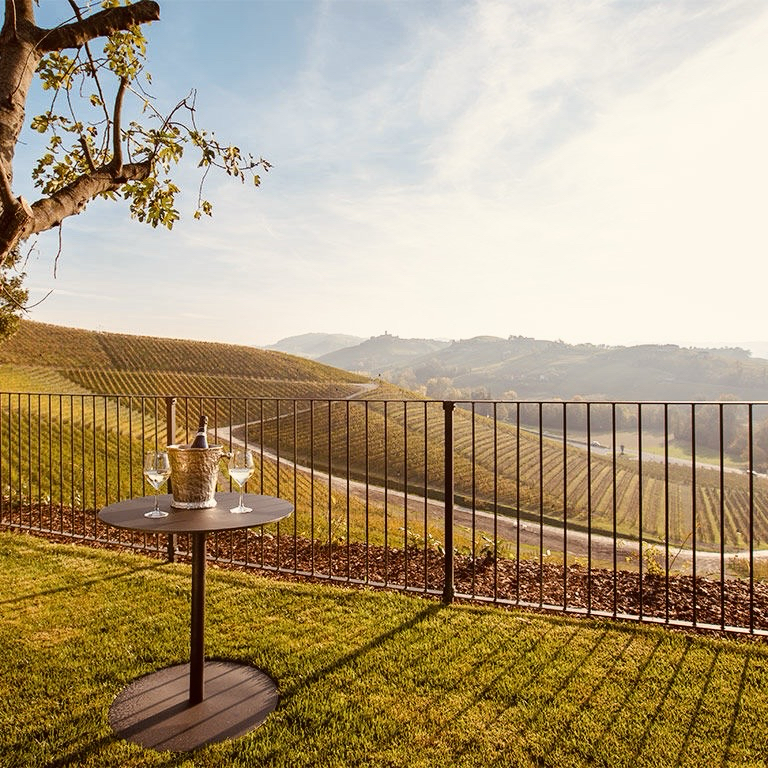
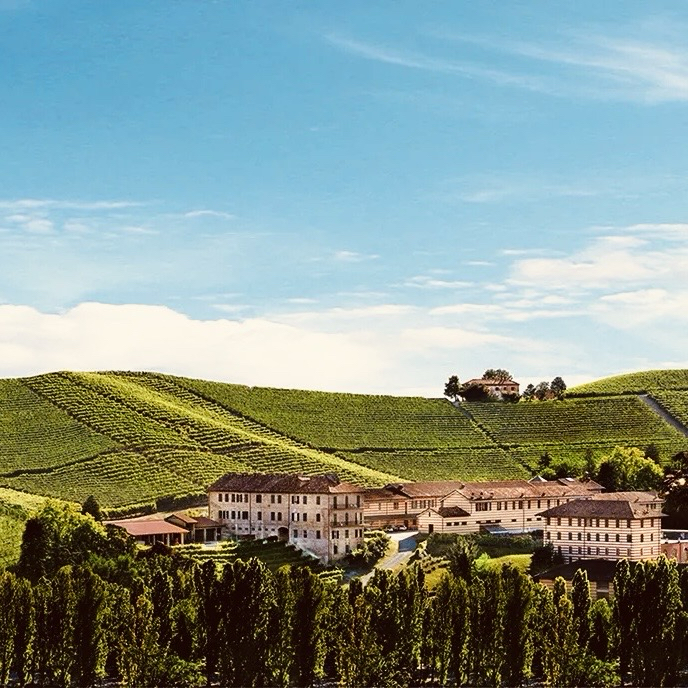
If there’s a single estate that captures the romance, power and evolving spirit of Barolo, it is Fontanafredda. This is a place where history isn’t just told, it’s lived in the vine rows that stripe Serraluna d’Alba’s hillsides, in the underground cathedrals of the historic cellars and in a 120 hectare organic estate that has turned sustainability into culture. What began as a Royal Love Story in 1858 has become one of the world’s most compelling luxury wine destinations today. 
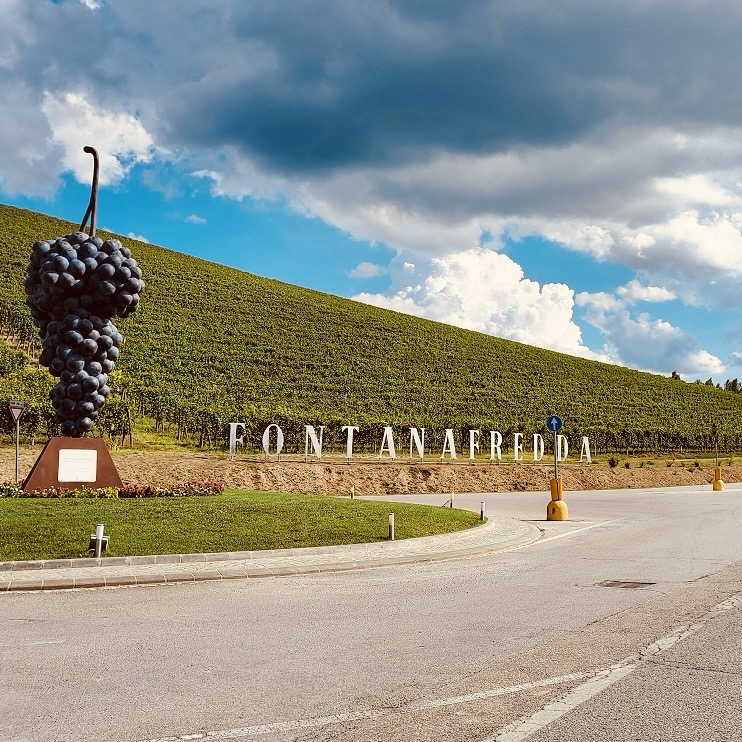
1858: Born of King’s Love 

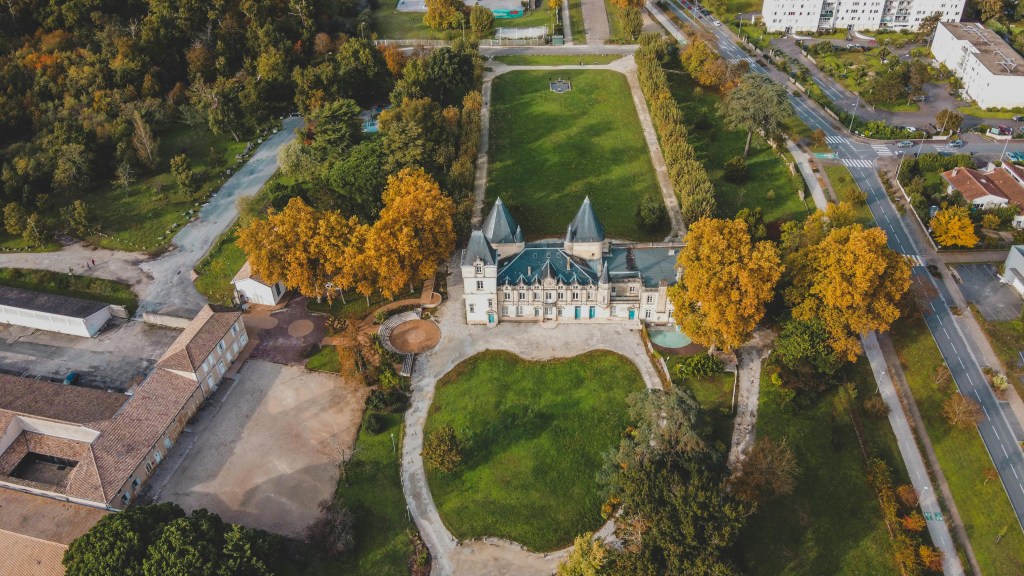
Fontanafredda’s origin is inseparable from Italy’s national story. In 1858, before the final unification of the country, VITTORIO EMANUELE II who was soon to be proclaimed the first KING of Italy acquired a beautiful estate in the Langhe as a romantic refuge for himself and ROSA VERCELLANA, known affectionately as “la Bela Rosin’. Their bond seeded a project that was both intimate and visionary. A working estate with noble ambition set amid woods and vineyards, meant to last for generations. 
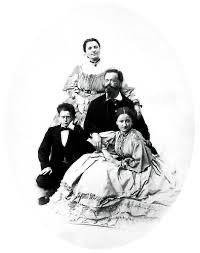
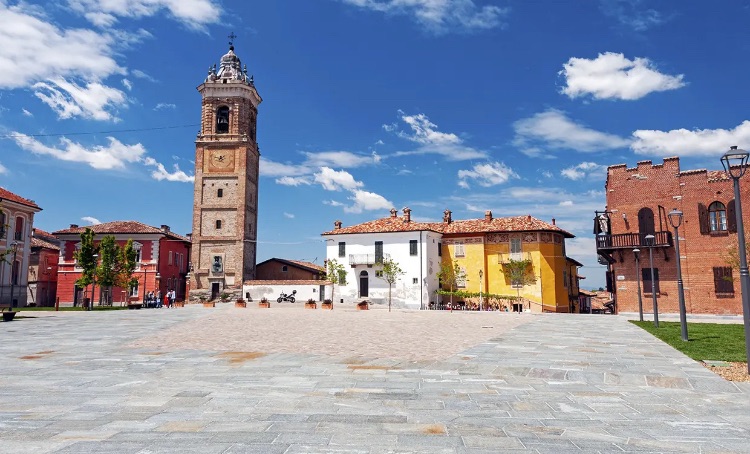
Their son, Emanuele Alberto di Mirafiore, would carry that ambition forward with entrepreneurial zeal. He professionalised the wine operations, gave structure to the estate and founded “Casa E. di Mirafiore”, a name that still stands for classic, site driven Barolo. Around cellars and farmhouses he built a real community, a “Village” where families lived, worked and studied, the first draft of what we now experience as the VILLAGGIO NARRANTE, the Narrative Village. 
From Crisis to Comeback: The Making of a Barolo Icon 

Like all great wine dynasties, Fontanafredda weathered storms. The late arrival of phylloxera in Piedmont and the economic crisis that followed forced changes in the early twentieth century. Yet the estate’s soul , the vineyards, the cellars, the knowledge endured. In the modern era, Fontanafredda reasserted itself not only as a historic Barolo house, but as a leader in hospitality and sustainability, opening its gates to the world. 
The Green Renaissance: Sustainability as a Culture 

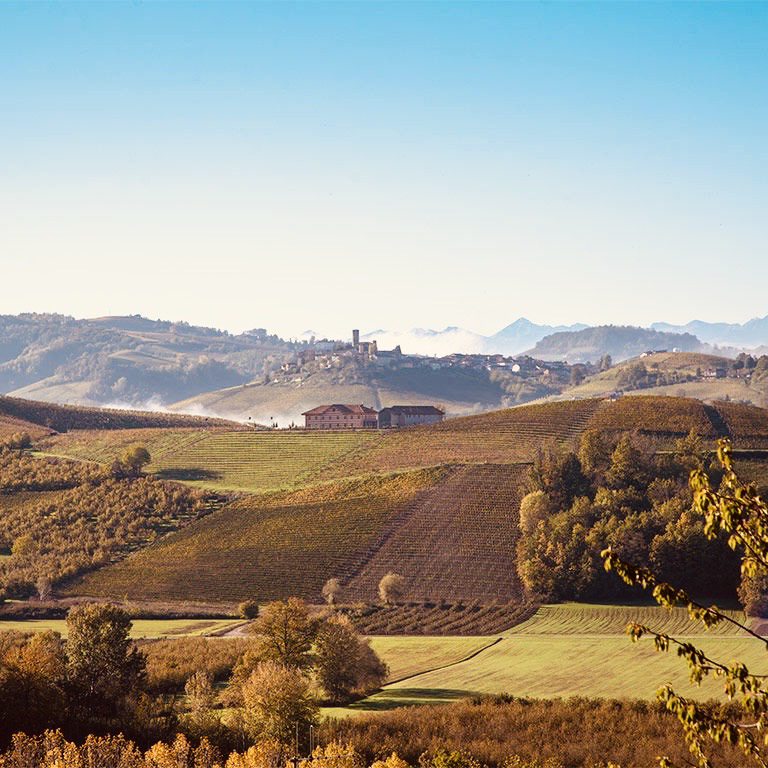
Fontanafredda calls its sustainability program the Green Renaissance and it’s far more than a slogan. The estate farms approximately 120 hectares organically, stewarding soils and canopy with the long view in mind and nurturing biodiversity in and around the vineyards. Also includes Biodiversity corridors that include one of Langhe’s most storied woodlands, the Bosco dei Pensieri (Forest of Thoughts), the last significant forest of the Barolo Langa, home to century old trees, native flora and the quiet that only woods can give. Along with it, it also has the heritage cellars restored not as museum pieces but as working, breathing spaces where classic Barolo élevage time in large oak. 
The Wines of Fonatanafredda: A Complete Spectrum of the Langhe 

Fontanafredda’s range is unusually broad, but there’s a logic to it. The great NEBBIOLO expressions to historic sparkling wines and  Piedmontese classics for everyday pleasure. 
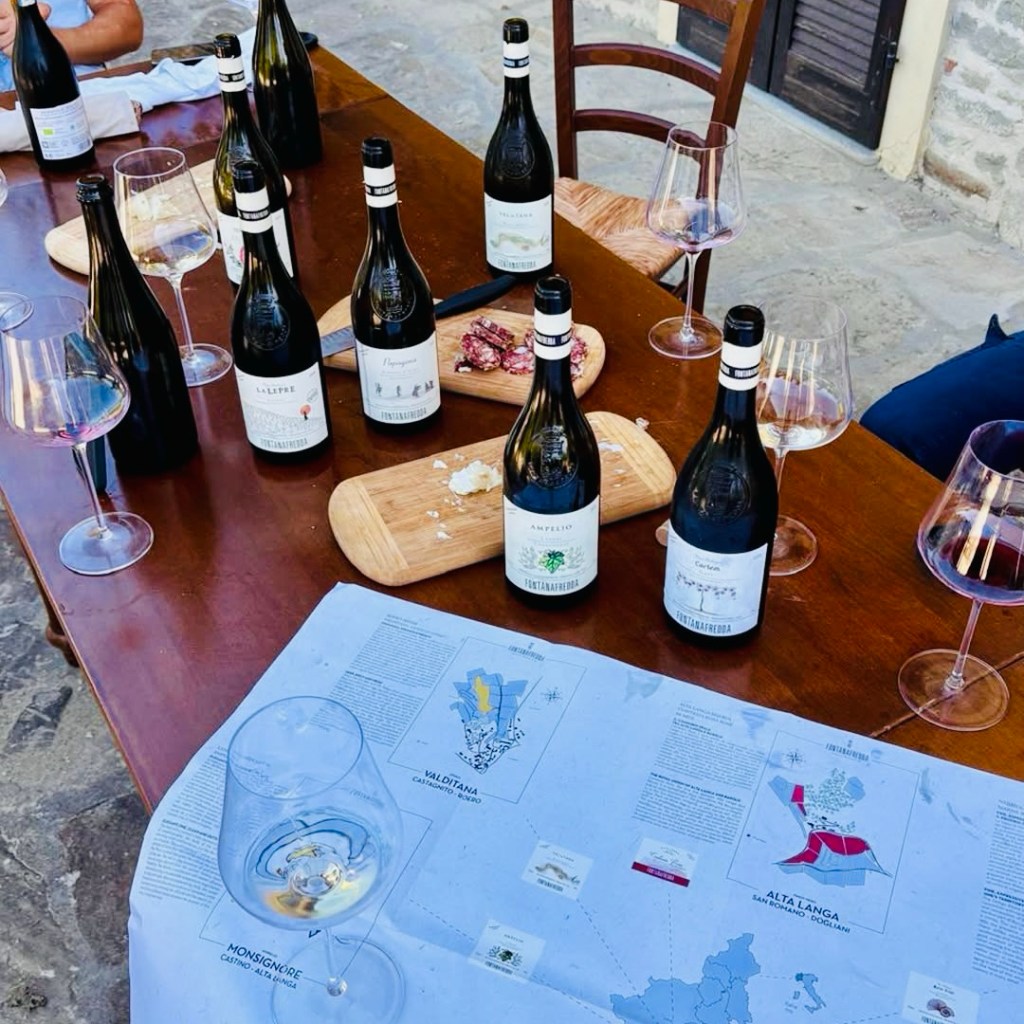
  • Renaissance: A thematic collection that symbolises Fontanafredda’s new era. Wines that read as contemporary while remaining deeply tied to place. Expect precision of fruit, fine tannins and an emphasis on drinkability without sacrificing depth. 
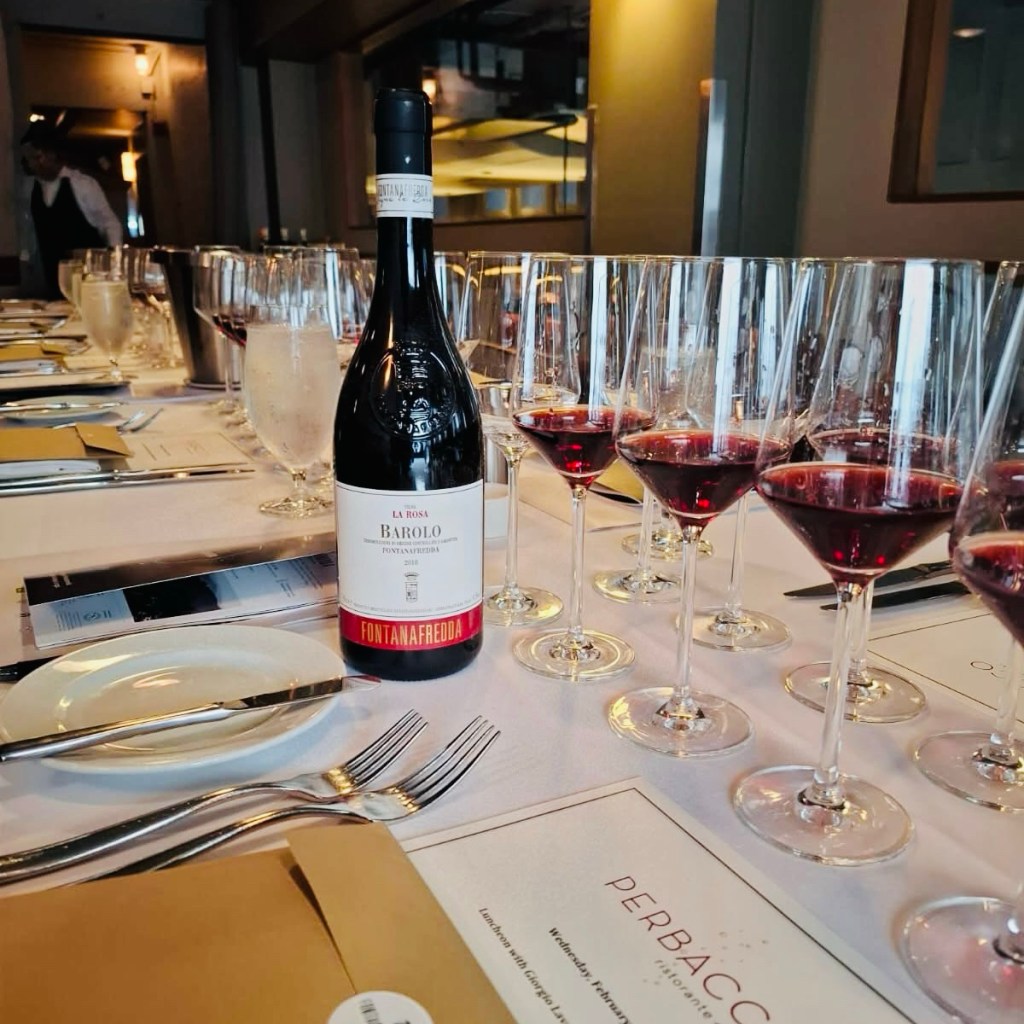
  • Barolo: This is the estate’s calling card, with bottlings that trace the Serralunga d’Alba terroir. Compact marl and sandstone, naturally giving structure, tension and longevity. Styles range from classically blended Barolo to cru expressions and riservas.
  • Vini Fini: The “fine wines” of the house, selection bottlings that highlight single vineyards, special parcels and long aged cuvées. This is where collectors find the most intricate, cellar worthy expressions, including top Nebbiolo and other rare releases that speak to the estate’s haute couture side. 
  • Vini Classic: Everyday Piedmont, elevated. Dolcetto, Barbera, Nebbiolo, Arnies, Cortese and more grape varieties that stock local tables, expressed with purity, typicity and balance. These panels offer a gateway into the Langhe’s flavors and are built for the table. 
  • Alta Langa (Classic Method): Piedmont’s historic “Metodo Classico” sparkling category has become one of Italy’s most exciting appellations. Fontanafredda crafts traditional method wines(often from Pinot Noir and Chardonnay) that rest extensively on the less for depth, creaminess and a finely etched bead. 
  • Charmat Method: Aromatic Piedmontese classics. Asti, Moscato, Brachetto made by the tank method to preserve floral lift and fruit purity. 
  • Specially: A cellar drawer of distinctive expressions. Rare grapes, limited editions and historical curiosities that celebrate Piedmont’s diversity and the estate’s willingness to explore while remaining grounded. 
Barolo and the Barolo Renaissance 

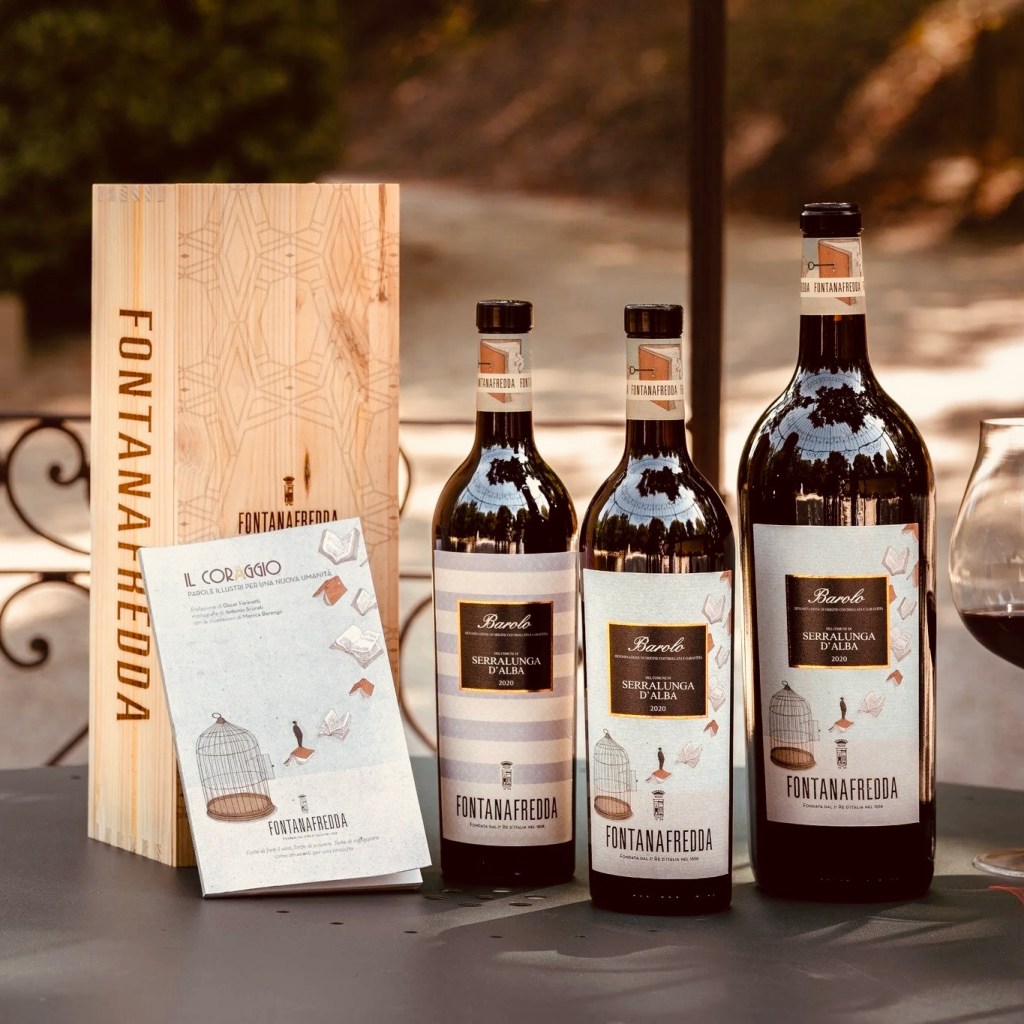
In the past two decades, Barolo has undergone a quiet revolution. Call it a renaissance of nuance. Vinegrowers farm more precisely. Wineries prize transparency and terroir. Fontanafredda helped lead this return to measured extraction, large format wood and time that three ingredients that led Nebbiolo’s perfume and filigree tannin shine. 
The Wine Shop: La Bottega

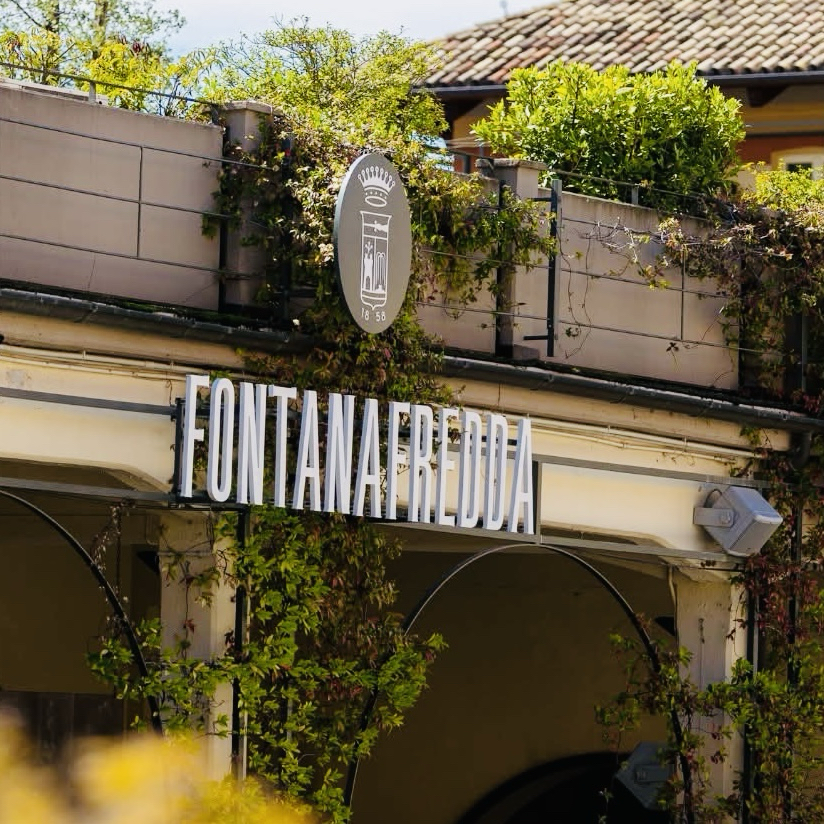
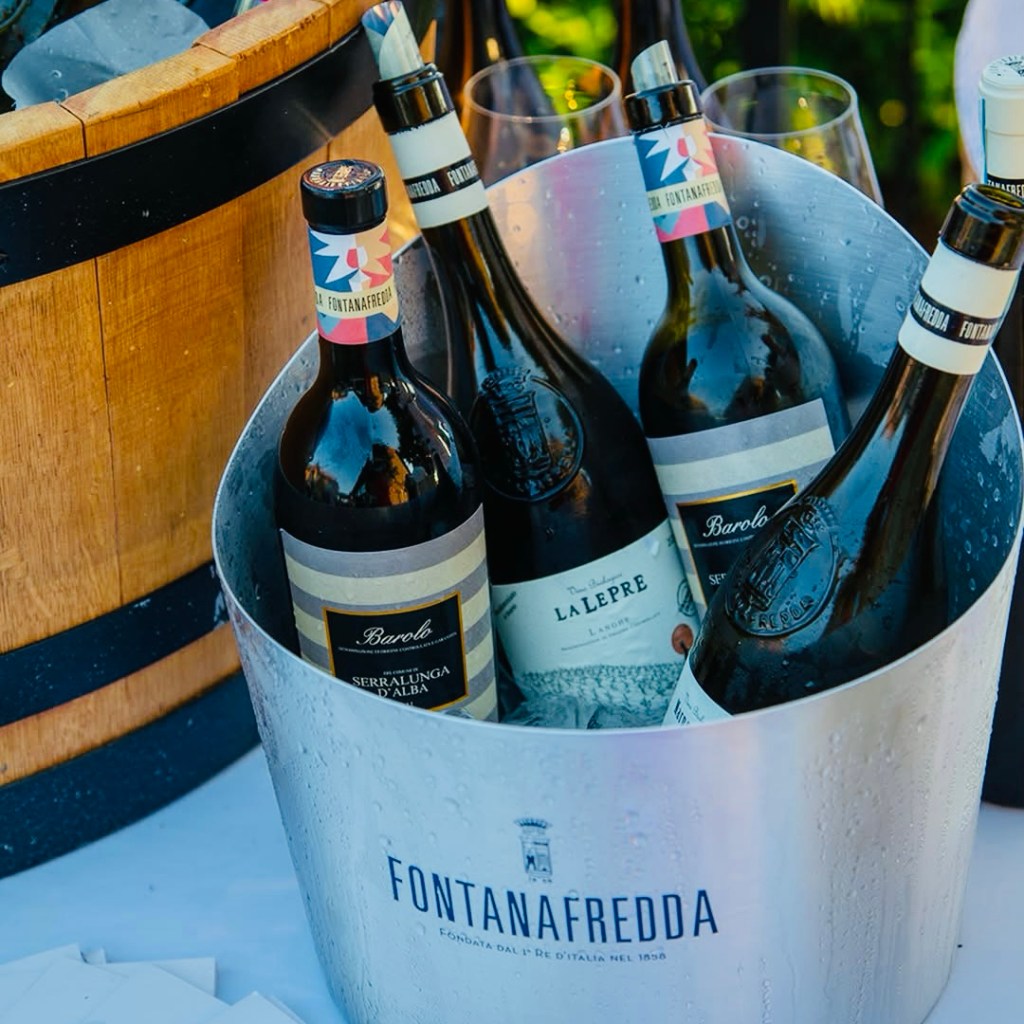
Under the arcades of the village sits “La Bottega”, Fontanafredda’s wine shop. A curated stage for the estate’s full range. It’s more than a point of sale. It’s where tastings begin, where you can compare vintages, explore method and terroir side by side and pick up library releases and large formats that rarely travel beyond the estate. 
The People: Heritage, Visionary and Hands on Craft 

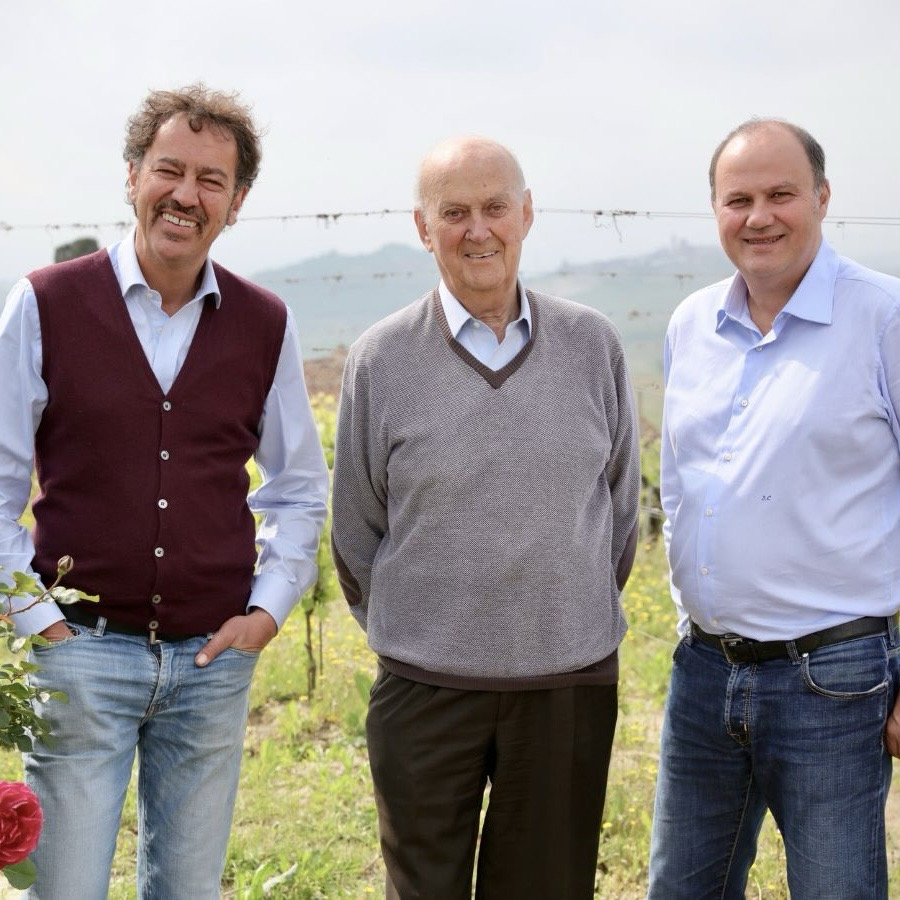
The estate’s modern revitalisation has been driven by “Oscar Farinetti and Luca Baffigo Filangieri, whose stewardship since the late 2000s has combined respect for tradition with an unambiguous push toward sustainability and hospitality. Members of the Farinetti family, including Andrea Farinetti are actively involved in the broader group and in the sister historic Casa E. di Mirafiore. A continuity that links the present to “Emanuele Alberto’s founding vision. 
Winemaking and Vineyard Team

Giorgio Lavagna serves as the Technical Director and Chief Winemaker, guiding the cellar with a classically minded touch. In the vineyards, longtime chief agronomist Alberto Grasso leads the organic program and parcel by parcel Viticulture that underpins the estate’s quality. 

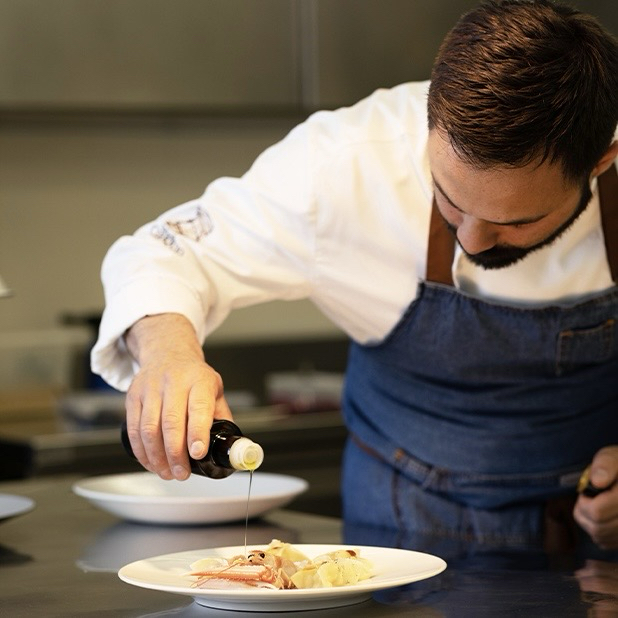
The culinary experience at the village is entrusted to the”Alciati” family. Ugo Alciati, a Michelin star chef, carries forward a culinary lineage begun by “Guido Alciati” and “Lidia Vanzino” in the 1960, articulating Piedmontese cuisine that is both rooted and refined. 
The Villaggio Narrante: A Narrative Village Devoted to Wine, Culture and Hospitality 

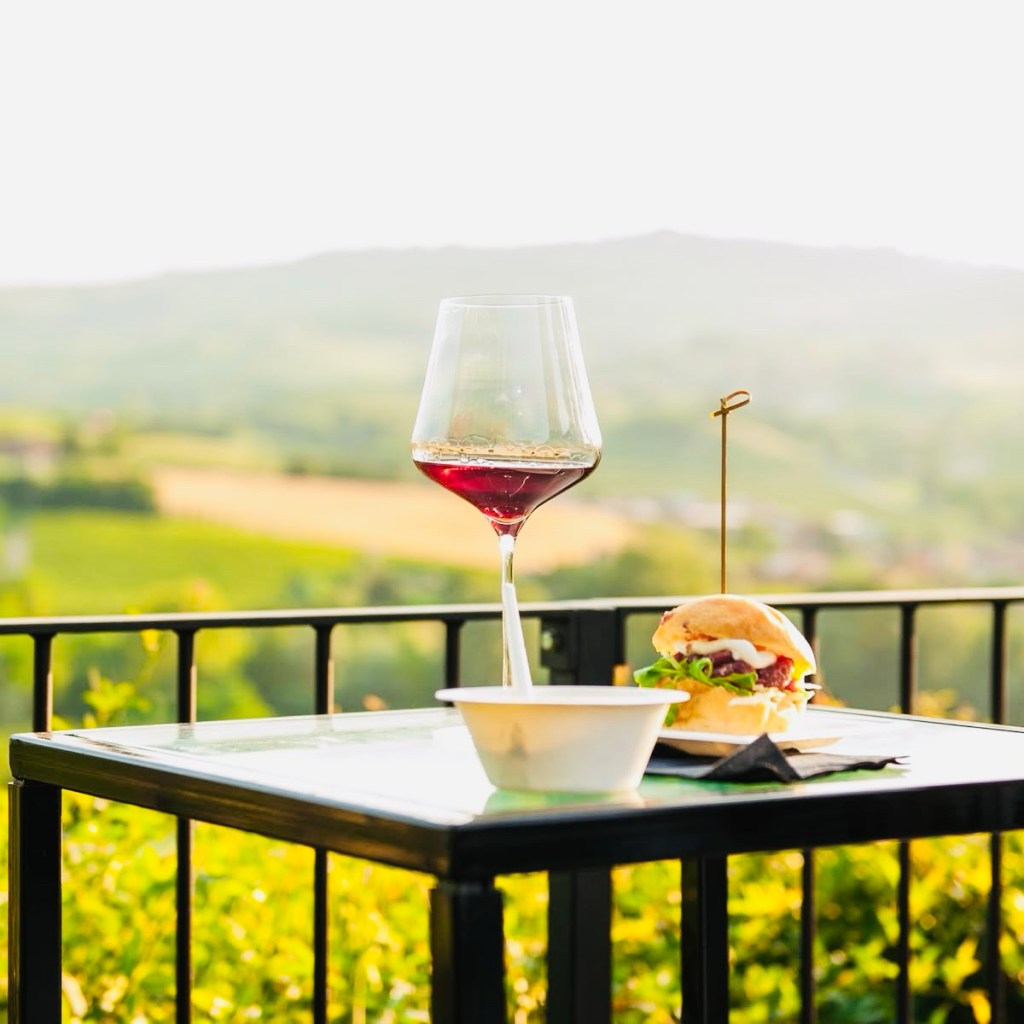
The historic heart of Fontanafredda has evolved into the Villaggio Narrante in Fontanafredda & Casa E. di Mirafiore. A complete destination that invites to eat, visit and love the Langhe in residence rather than in passing. 
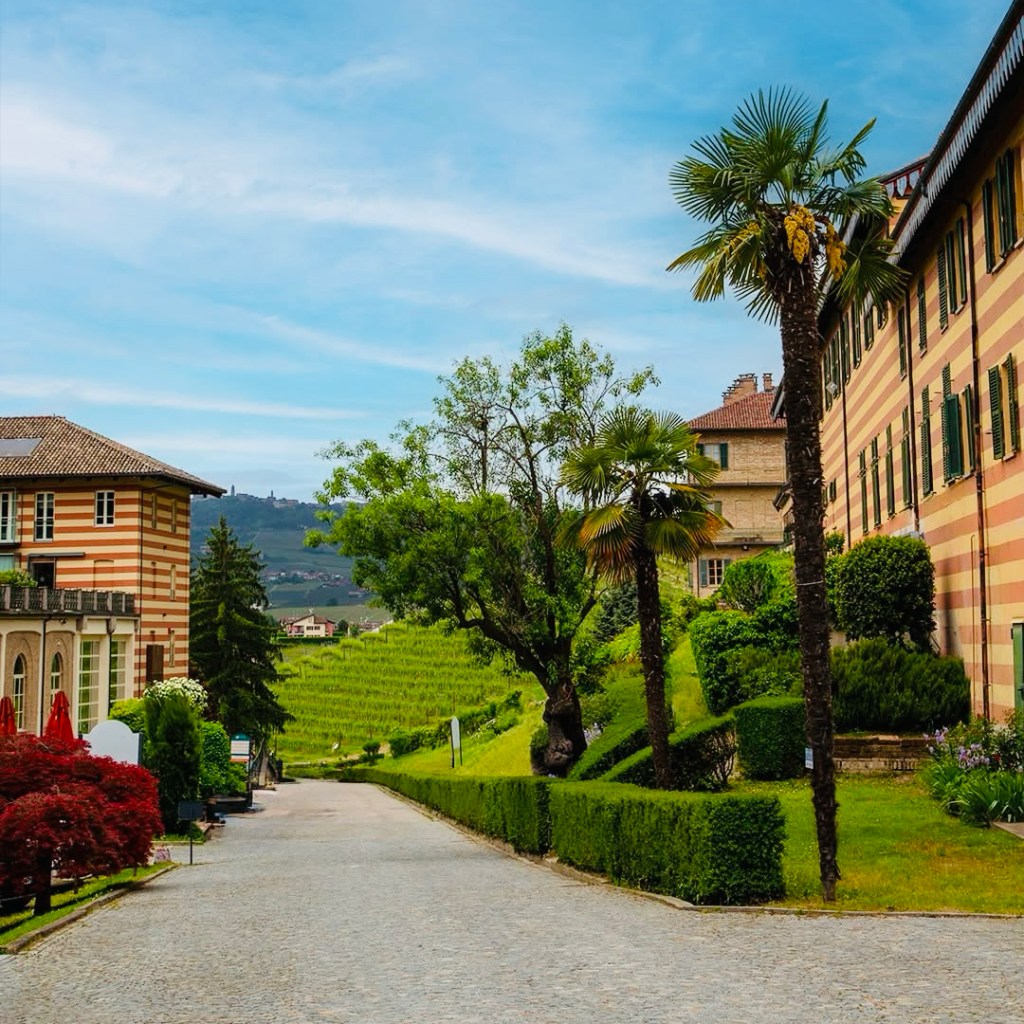
Hotels & Retreats 

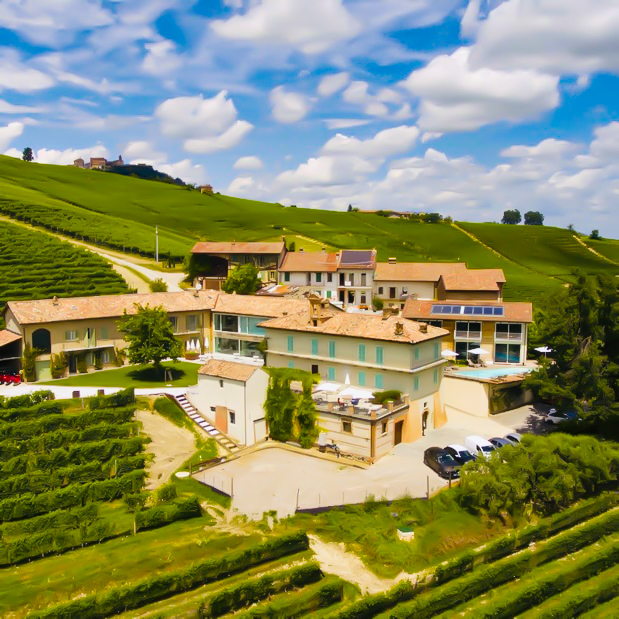
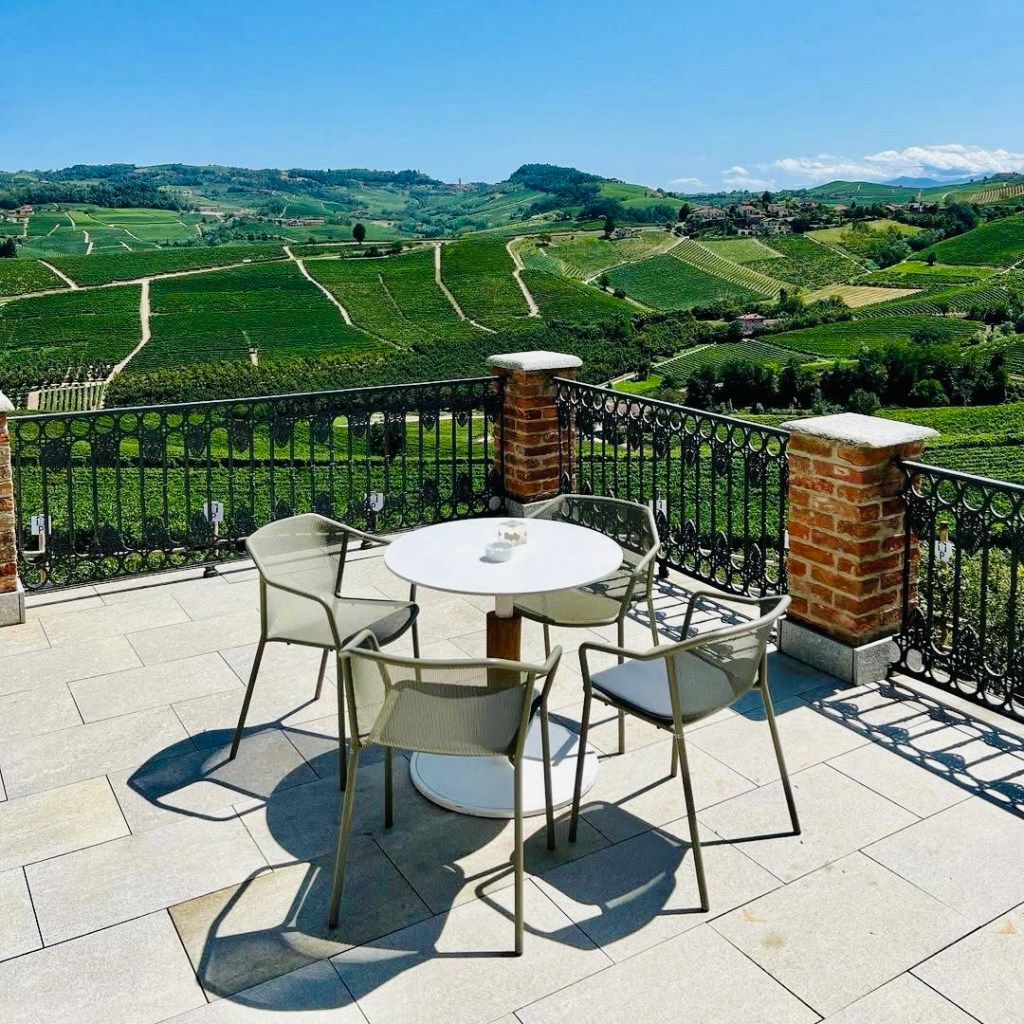
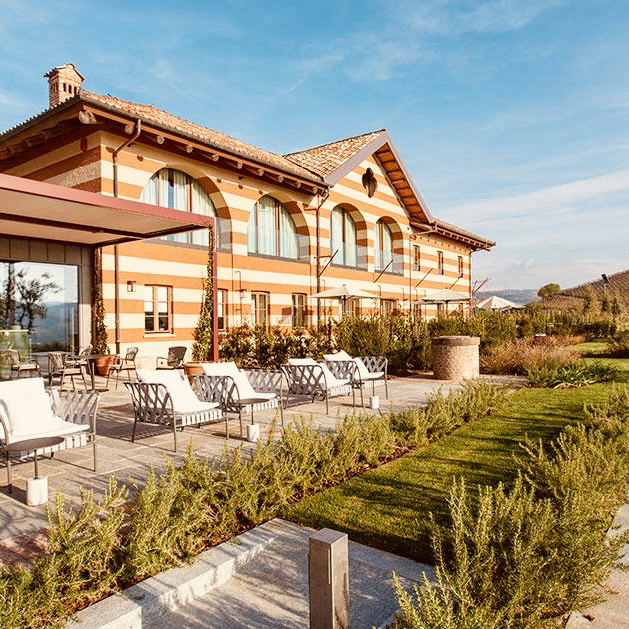
  • Hotel Le Case dei Conti Mirafiore: A refined stay amid UNESCO World Heritage Site. Le Case dei Conti Mirafiore is a terrace over the vine rows that blends period character with contemporary comforts. Think classic Piedmontese architecture, elegant rooms and expansive vineyard views. 
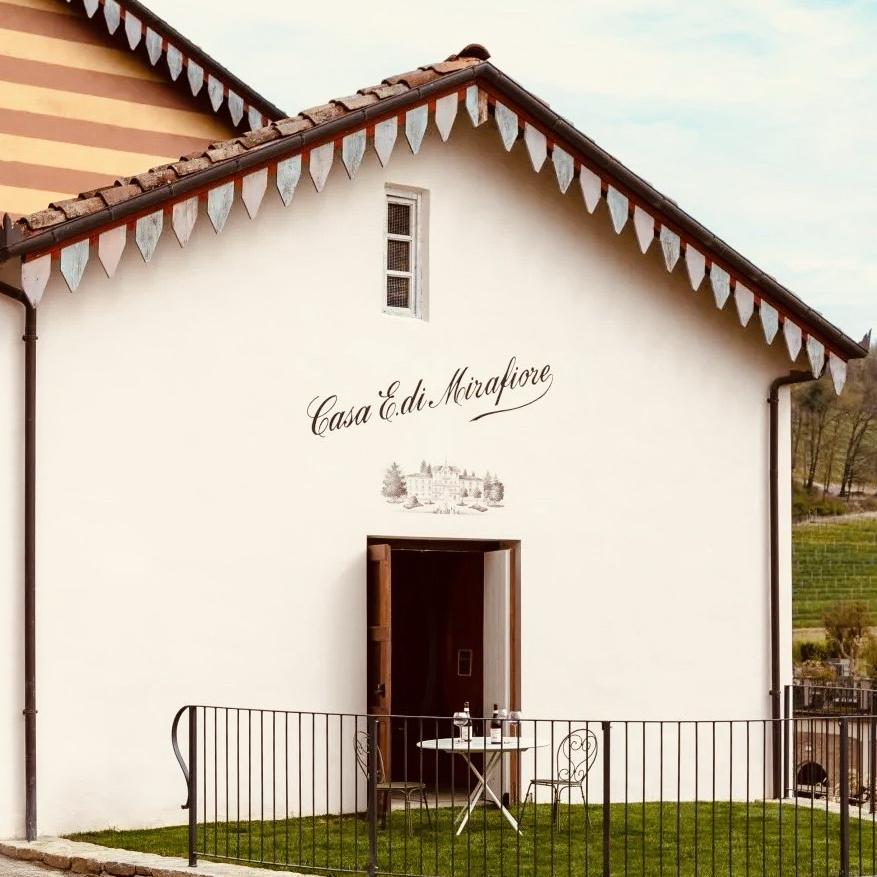
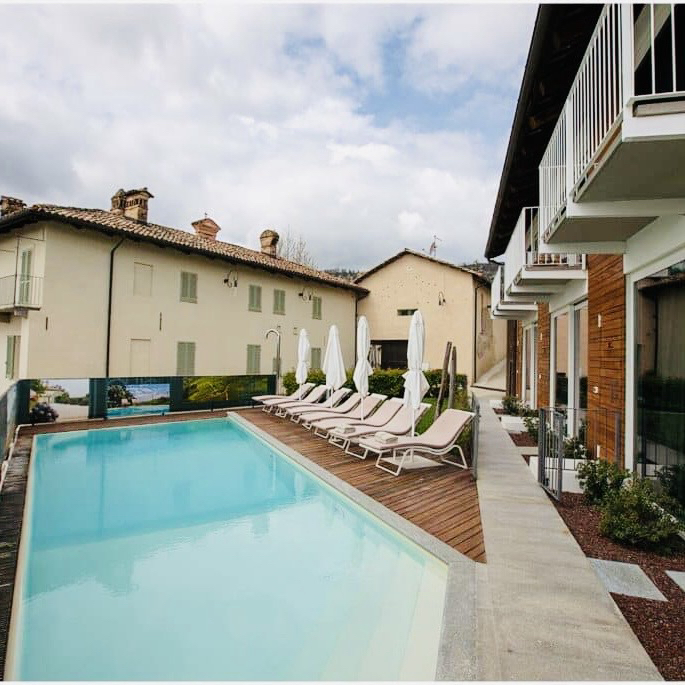
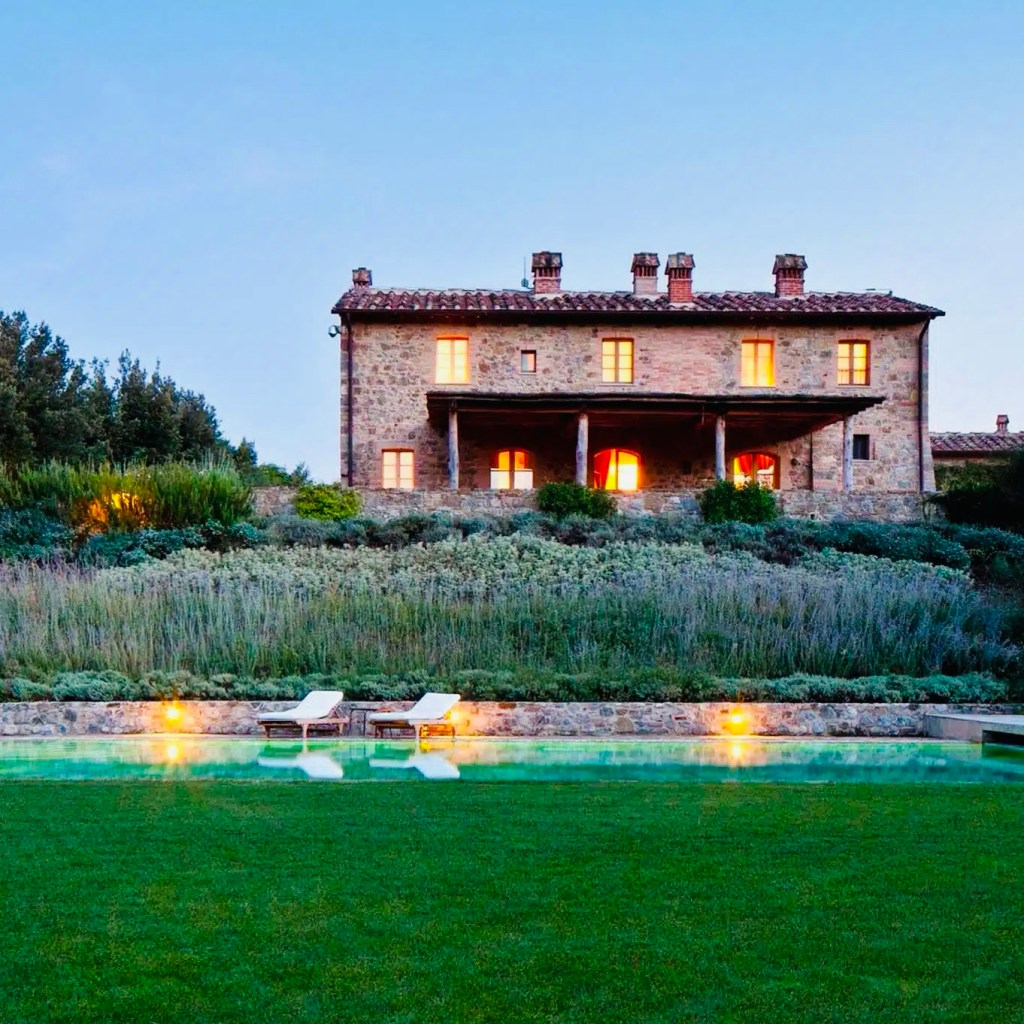
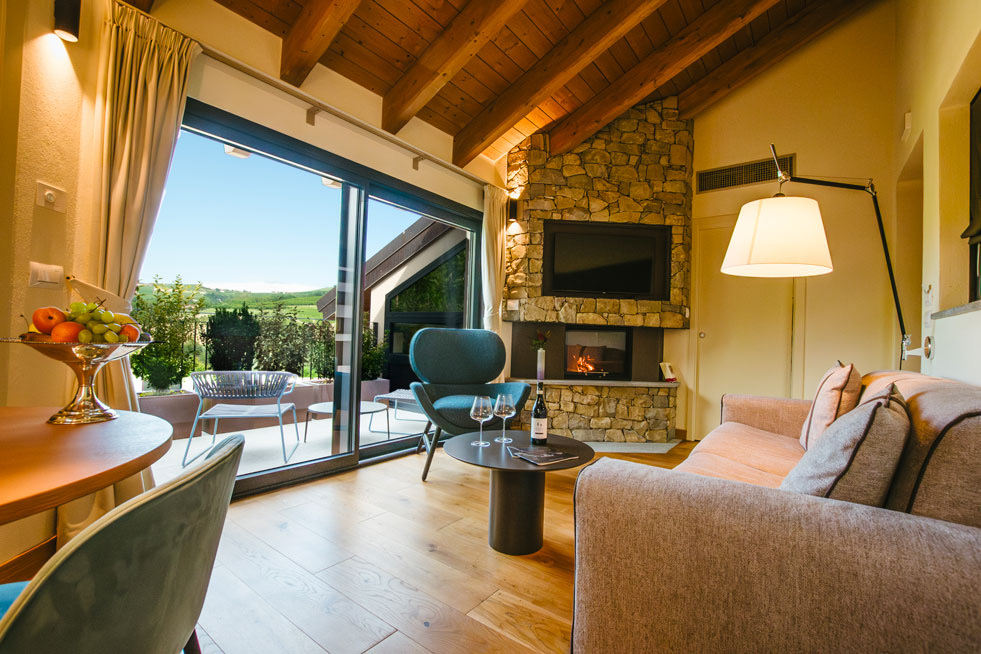
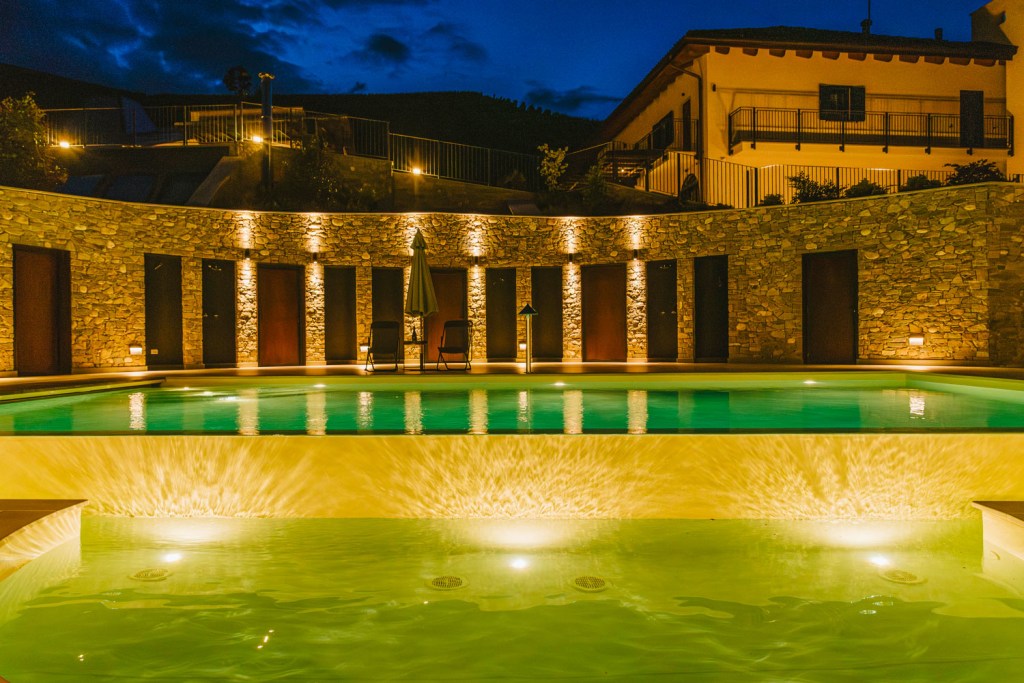
  • Cascina Galarej – Hotel & Spa: What was once a romantic refuge in 1858 for Vittorio Emant II and Rosa Vercellana now welcomes guests as “Cascina Galarej” a boutique hotel and spa where suites frame the vineyards and wellness rituals echo the landscape’s calm. It’s the estate’s most intimate address. 
  • Foresteria delle Vigne: A charming house style foresteria (guesthouse) where time slows down. Polished yet unpretentious, it’s ideal for travelers who want the vineyard life at arm’s length. 
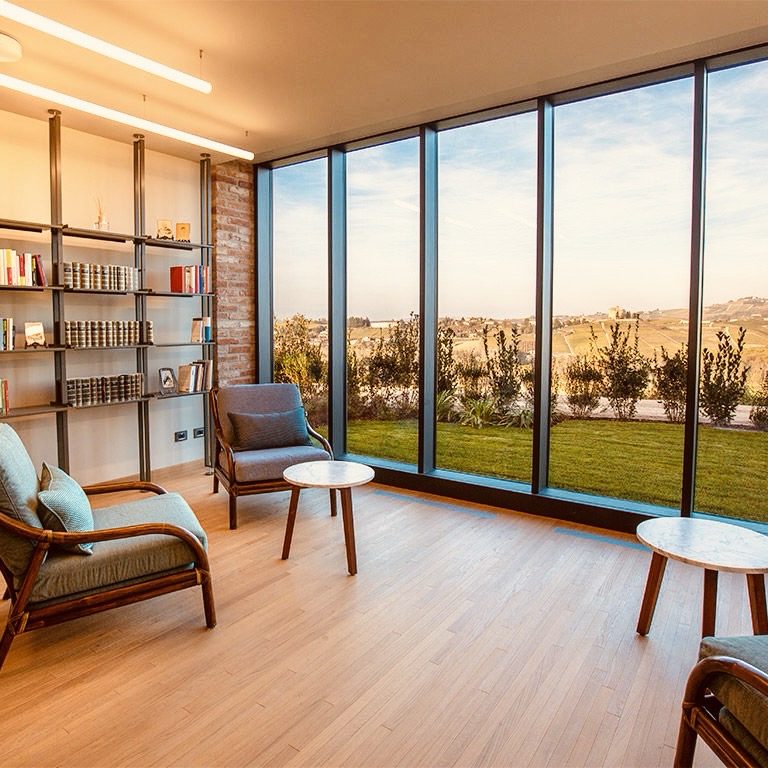
Restaurants & Bars 

  • Guido Ristorante – A Michelin Star in the Royal Villa: Housed in the Royal Villa, Guido Ristorante brings a Michelin star to the village. Founded in 1960 in Costigliole d’Asti by Guido Alciati and Lidia Vanzino, it now thrives under Ugo Alciati. 
  • Osteria Disguido – The Simple Tastes of Tradition: An ode to the local trattoria. Seasonal produce, regional recipes, generous hospitality. The menu is bright with Langhe staples and the wine list spans the estate’s full spectrum. 
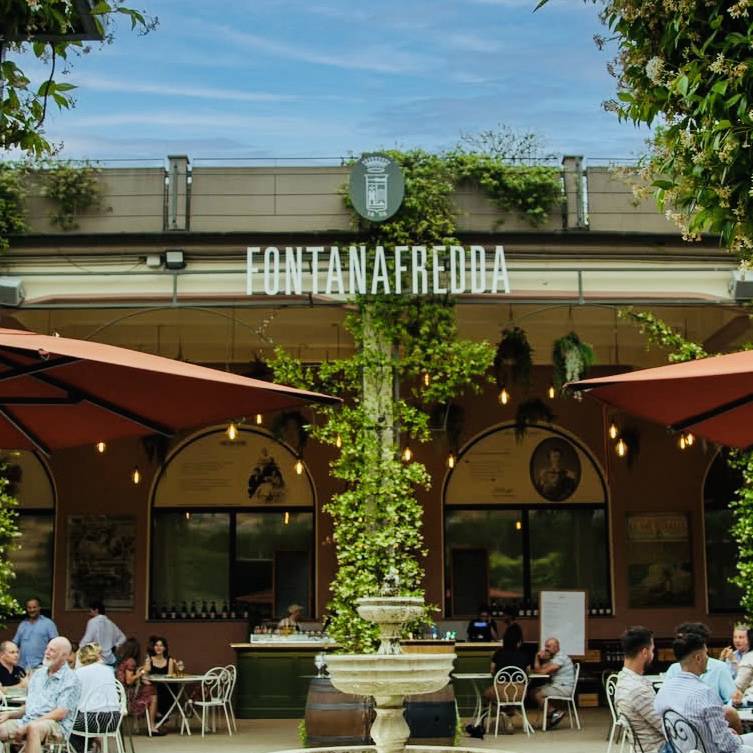
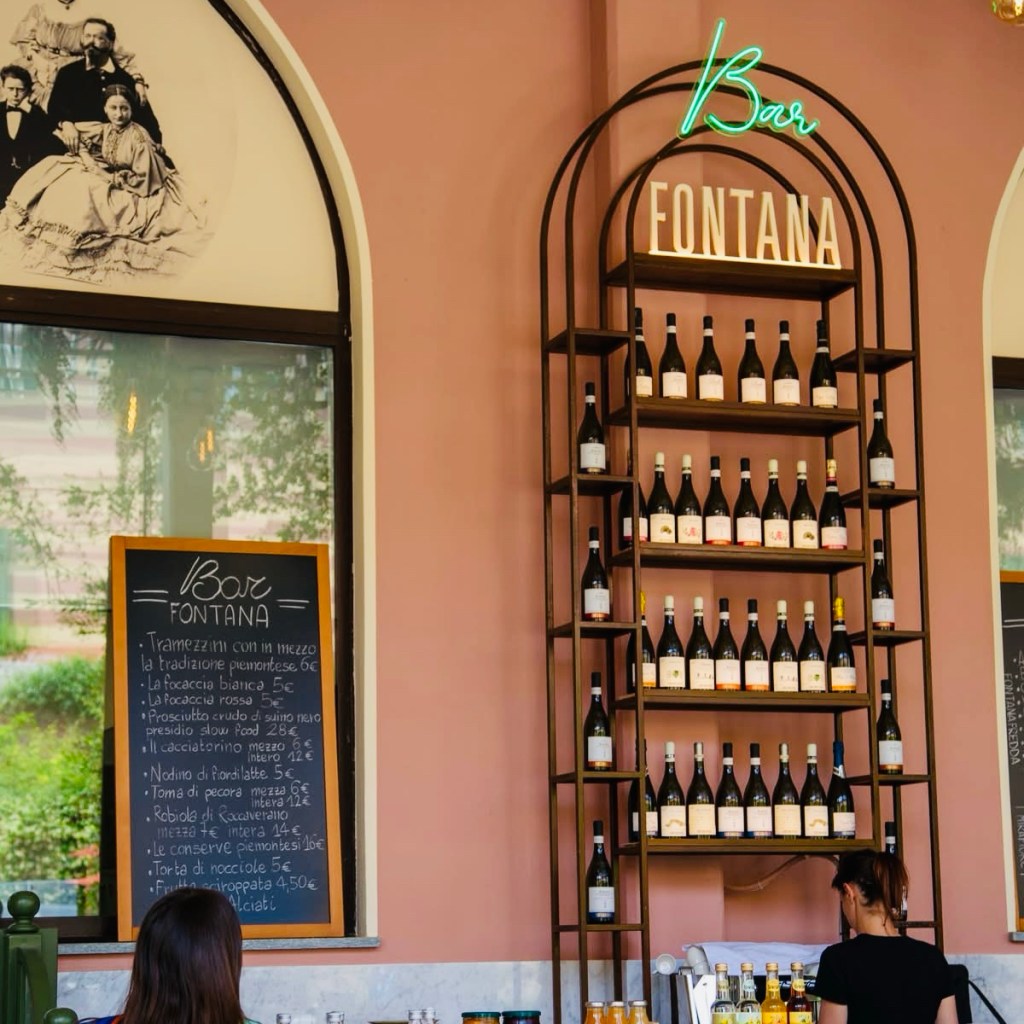
  • Bar Fontana by Ugo Alciati – The Authentic Taste of Langhe: Under the village arcades, Bar Fontana offers pastries in the morning, aperitivo before dinner and a terrace vantage point to watch village life unfold. 
The Historic Cellars & The Royal Icehouse (King’s Refrigerator) 

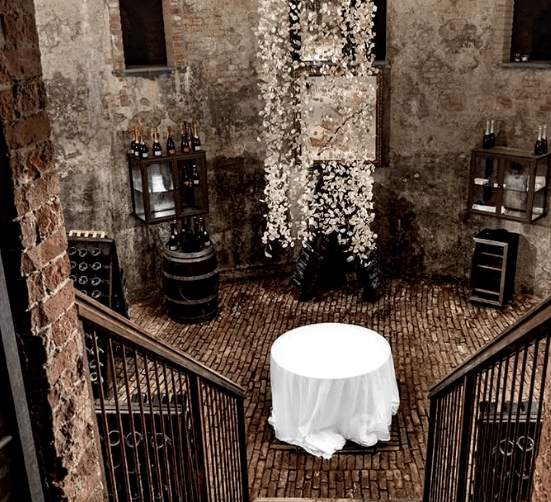
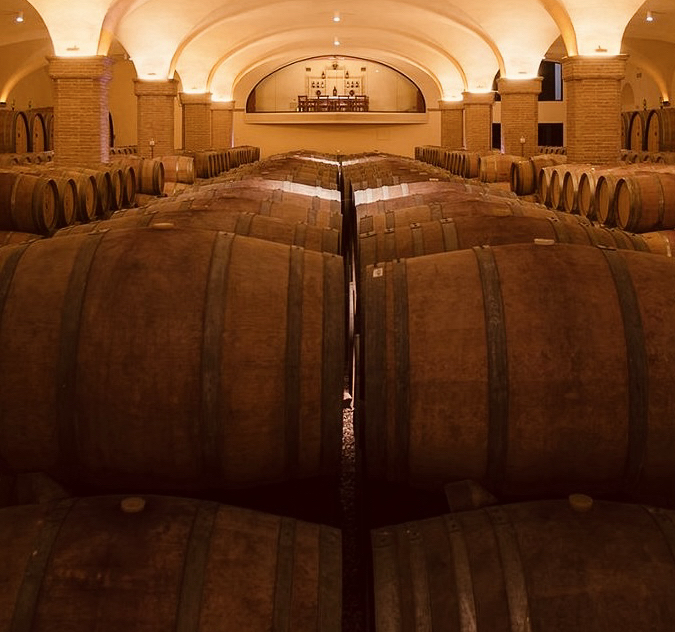
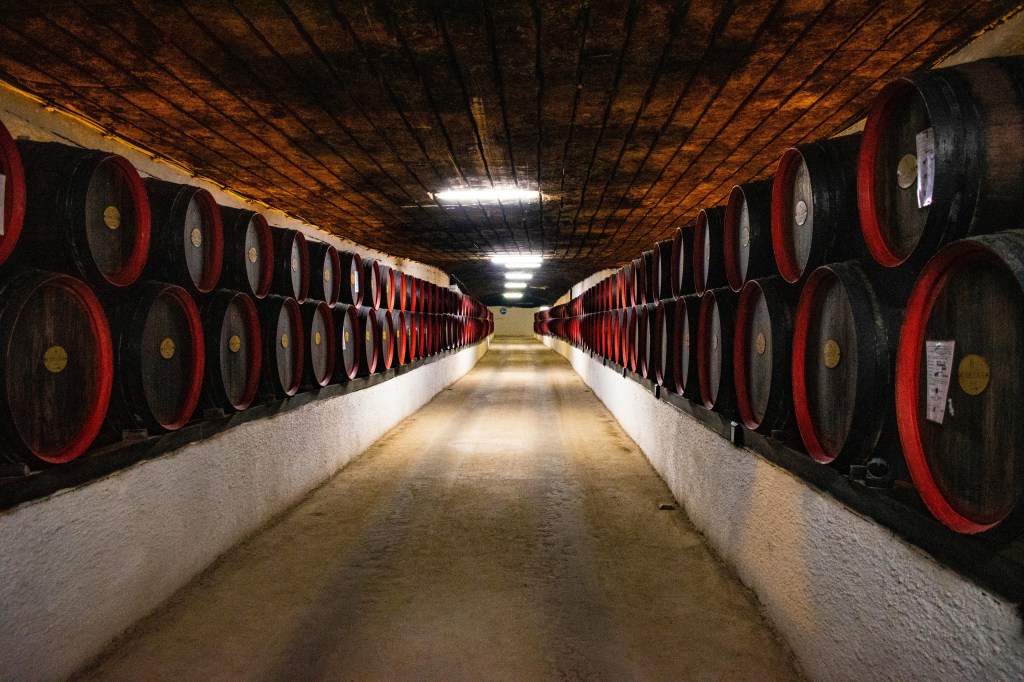
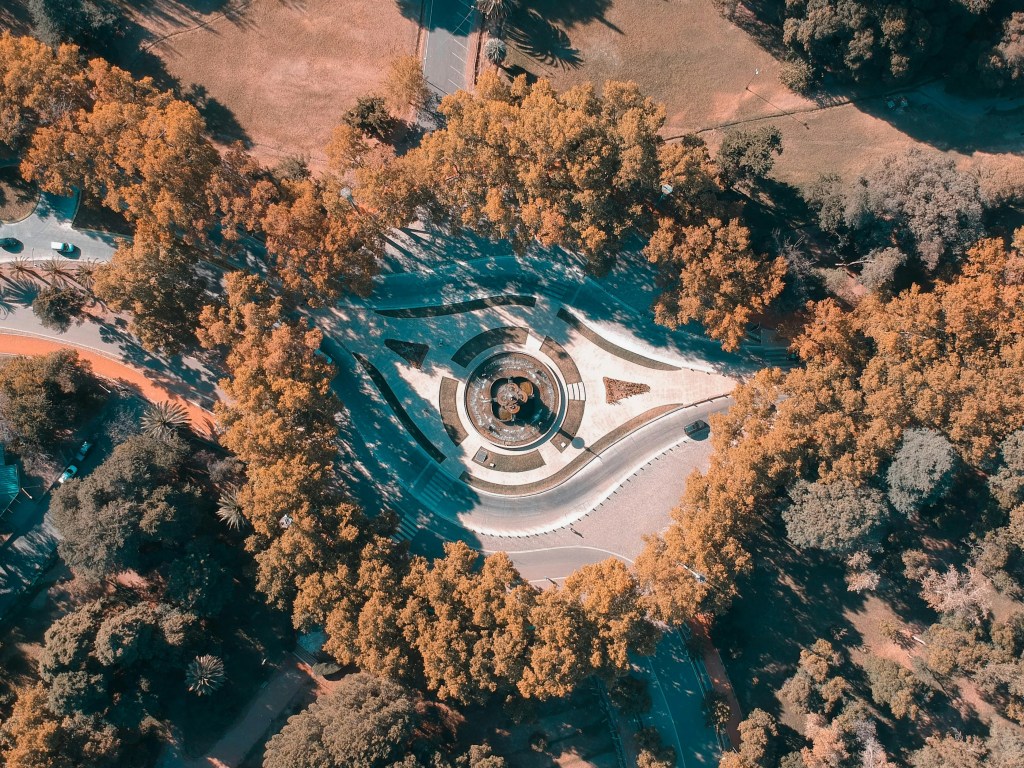
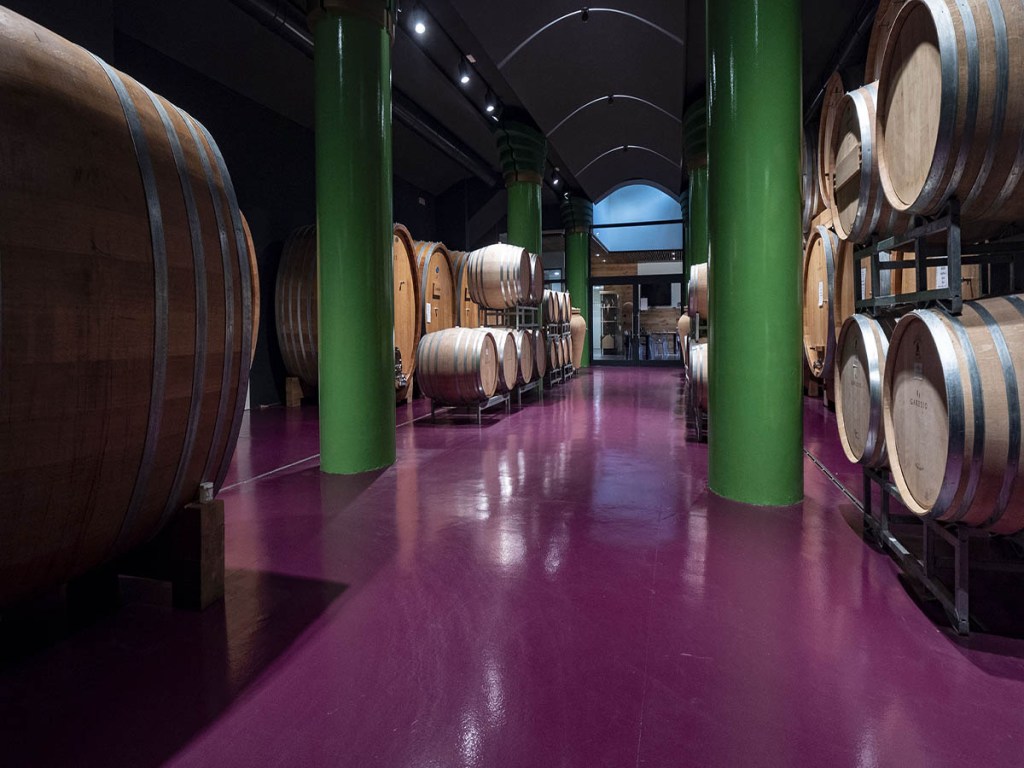
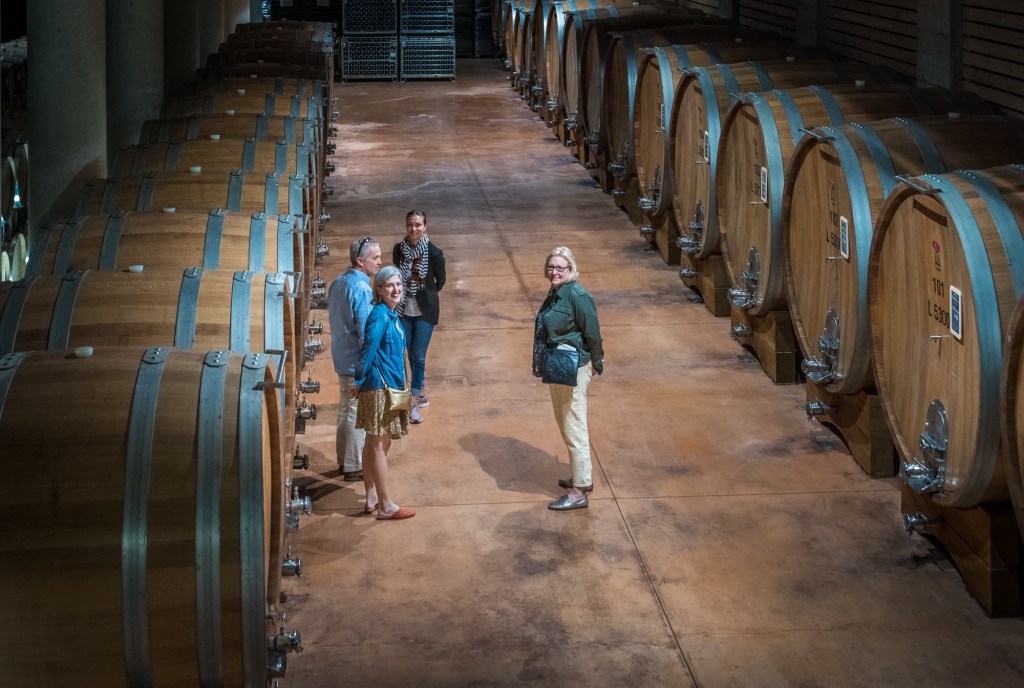
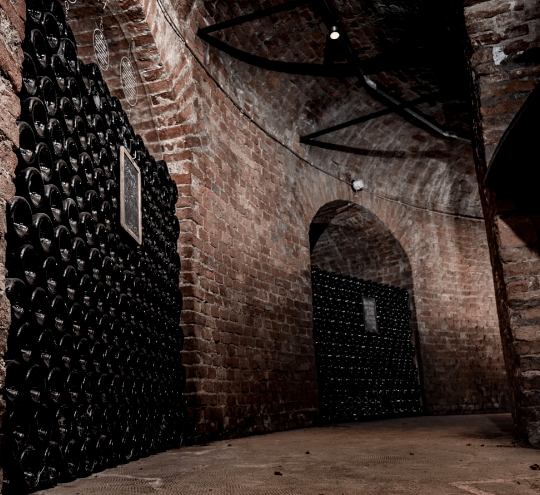
Fontanafredda’s cellars: arched, cool and still have a working heritage. Here, you walk among barrels that have shaped generations of Barolo and you feel the patience that Nebbiolo demands. Nearby stands a curiosity of nineteenth century ingenuity: “THE ROYAL ICEHOUSE” (The King’s Refrigerator), built in 1881. A circular brick structure designed to store winter ice for year round cooling. It’s a time capsule of royal life and a testament to how innovation and comfort were sought long before electricity made them easy. 
The Last Forest of the Barolo Langa 

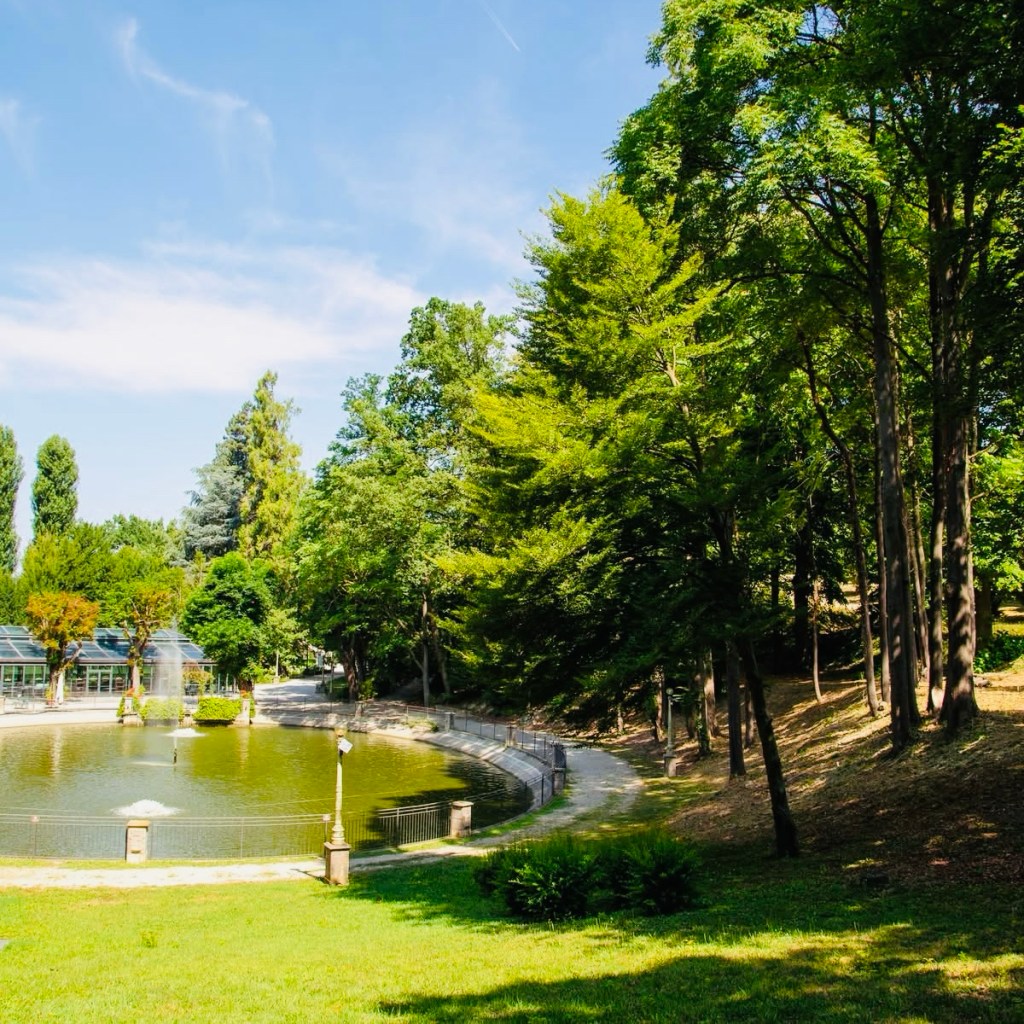
Bordering the vineyards is the “Bosco dei Pensieri”, the last remaining forest of the Barolo Langa. A sanctuary of chestnut and oak where paths meander through dappled light. It’s as much an experience as a place.
Experiences: From Cellar Tours to Harvest Festival 

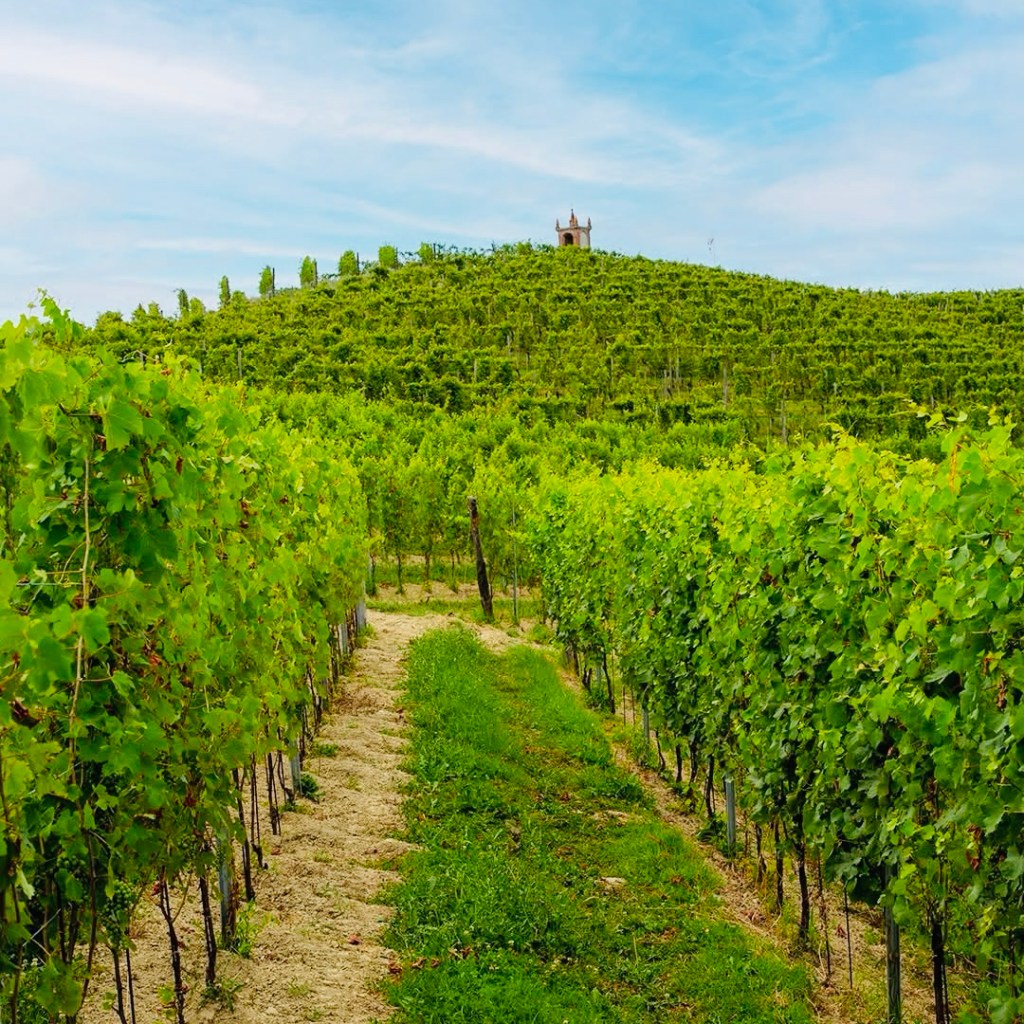
The village programs a year round calendar of tours, tastings, cultural talks, concerts and seasonal highlights. The most emblematic is the “FESTA DELLA VENDEMMIA” (The Harvest Festival). A joyous celebration of wine, food, music, art and the age old ritual of grape picking and pressing. 
Events & Weddings 

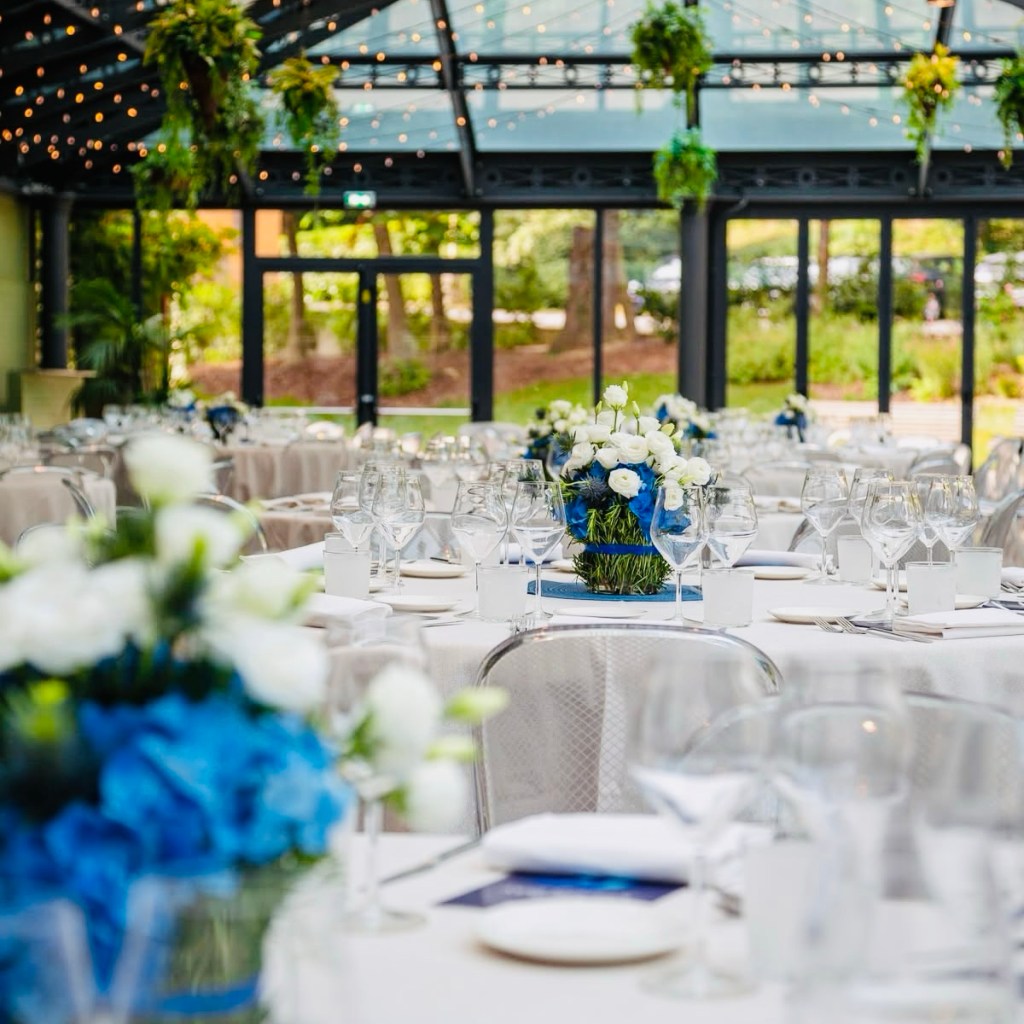
With its historic courtyard, vaulted cellars and panoramic hotel suites, Fontanafredda is an ideal setting for weddings and private events. The culinary program from the Alciati family and the estate’s sommelier team ensure that menus and pairings are as considered as the setting. 
Terroir & Vineyards: The Serralunga Signature 

Serralunga d’Alba is Barolo’s spine. Soils packed with ancient marl and sandstone, exposures that slow ripening and elevations that preserve lift &  line in Nebbiolo. 

  • Nebbiolo: Finds its highest calling here. Perfume, tannic architecture and a long arc of development. 
  • Barbera: Shows dark fruit and natural acidity. Ideal for the trattoria table and beyond. 
  • Dolcetto: Gives joyful, violet scented reds for early drinking 
  • Arneis & Cortese: Brings orchard fruit, alpine freshness and a saline snap to the whites. 
  • Pinot Noir & Chardonnay : In higher, cooler parcels from the backbone of the estate’s Alta Langa sparkling wines. 
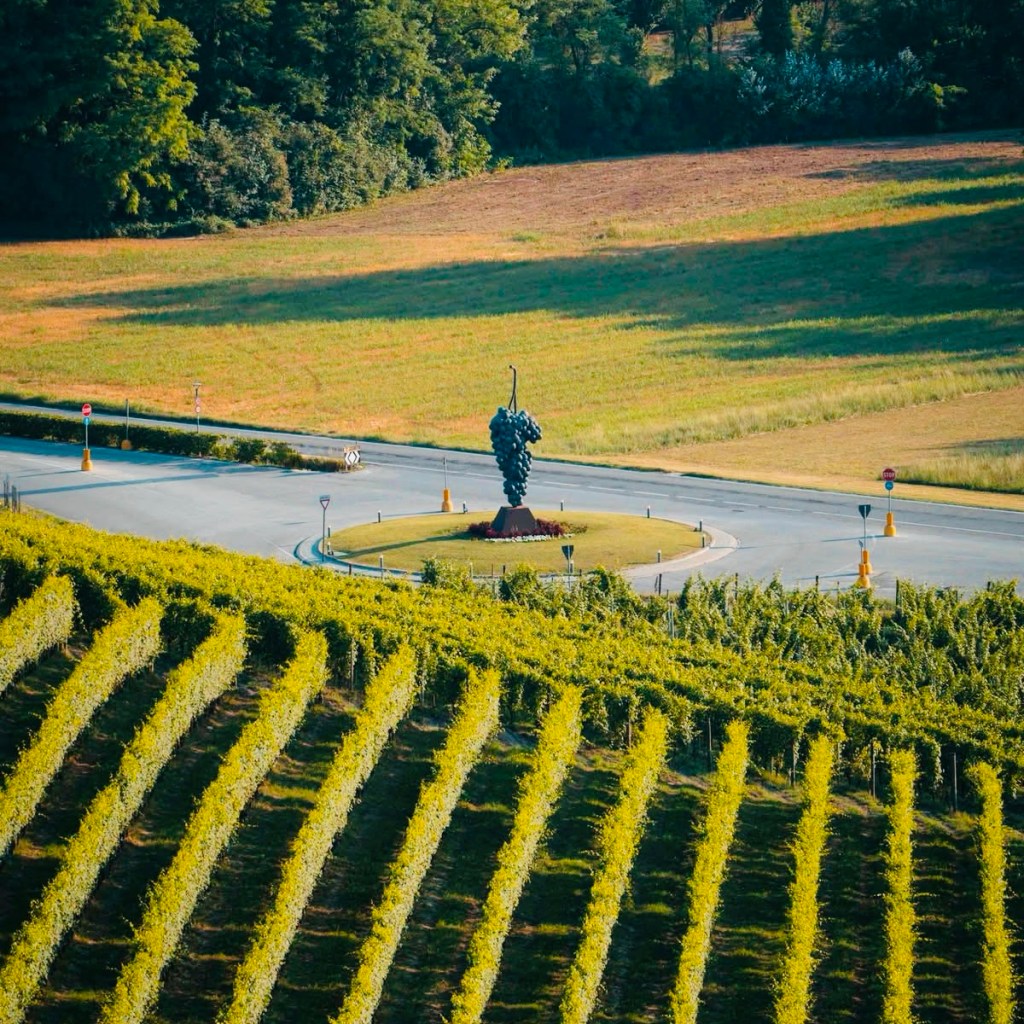
Fontanafredda a Luxury Wine Destination 

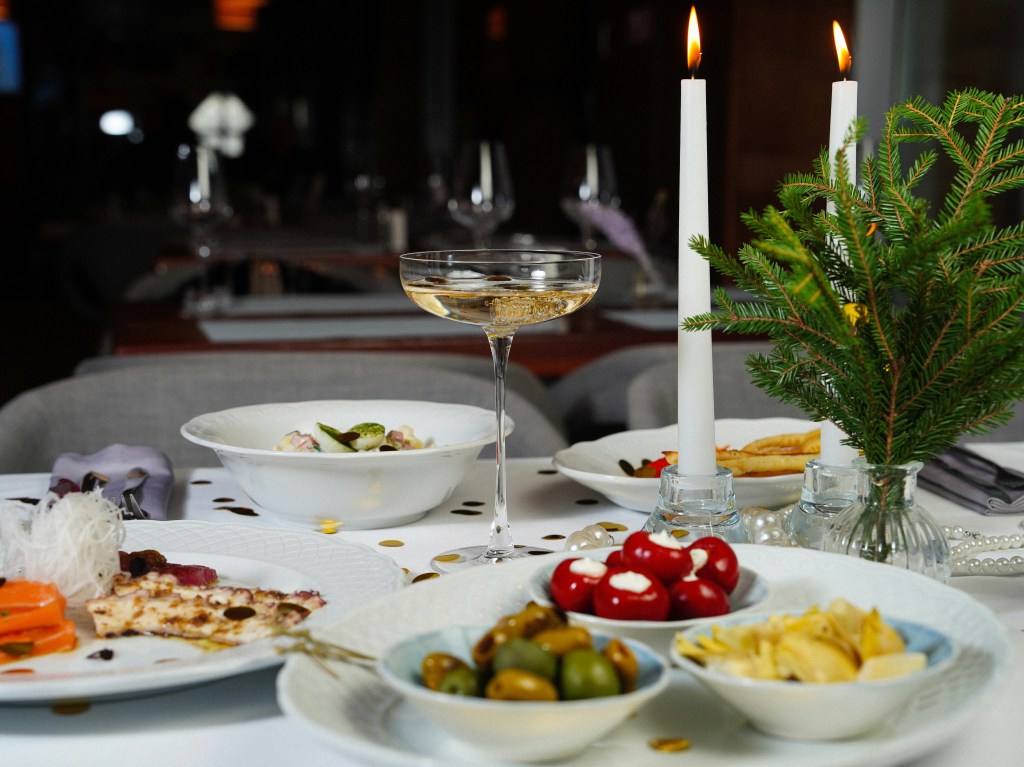
Luxury at Fontanafredda is not gilded, it’s grounded in ingredients , in service, in the intimacy of the place. You wake up to vineyard light, spend the morning in the cellars, lunch on tajarin, walk the Bosco dei Pensieri in the afternoon and sit down to a Michelin starred dinner in the Royal Villa before a night cap under the arcades. 
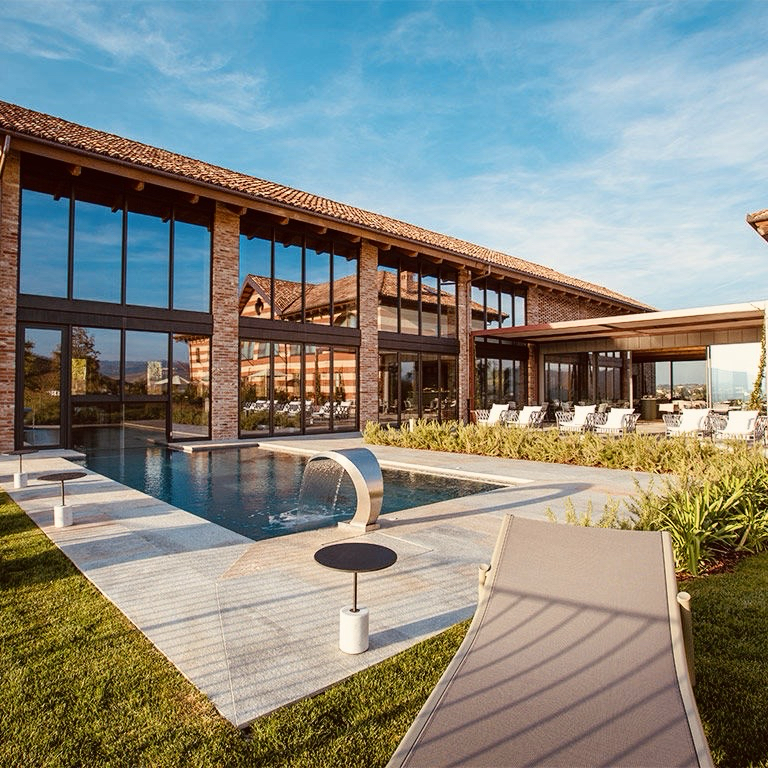
Barolo & Piedmont: The Luxury Journey Beyond the Estate

Make Fontanafredda your anchor and  Serralunga d’Alba your compass. Within minutes lie the grand crus of Barolo, the truffle markets of Alba, artisanal cheese makers and hazelnut groves that scent the air each autumn. This is a region that measures luxury not by spectacle, but by craft, time and taste. A perfect counterpoint to the pace of modern travel. 
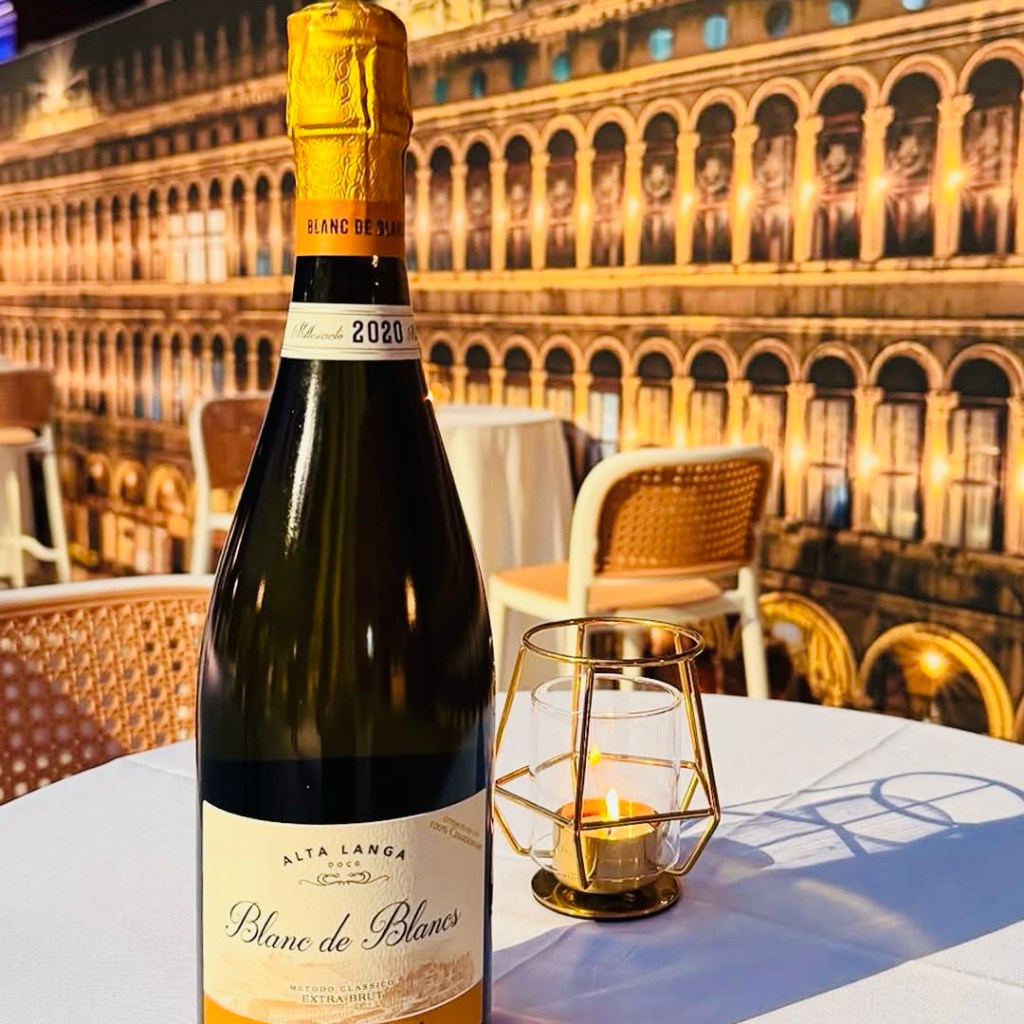
Fontanafredda: By the King 

From a King’s romantic refuge to a modern place of Wine, food and forest, Fontanafredda has never lost sight of why it exists. To honour a place and the people who bring it to life. The Barolo renaissance here is something you can walk, smell and pour. 

FONTANAFREDDA – WHERE KING’s LOVE BECAME BAROLO’s VOICE 
Michele Chiarlo Azienda Vitivinicola

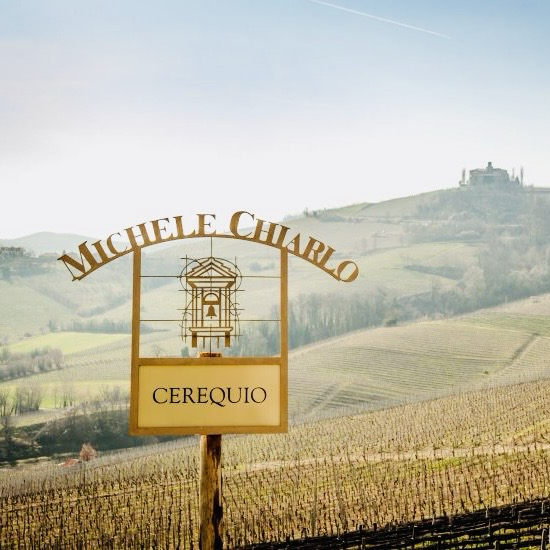
The Art La Court • Palás Cerequio – Barolo Luxury Resort • Sky Bar Cerequio & La Corte Restaurant 

For more than six decades, Michele Chiarlo Azienda Vitivinicola has been synonymous with the art of winemaking in Piedmont, Italy. Founded in 1956 by Michele Chiarlo, the estate has grown from a family passion into one of the most revered names in the world of Wines. Today, Michele Chiarlo family continues to craft exceptional wines that capture the unique essence of Piedmont’s terroir, blending tradition with innovation. 

The Chiarlo Family Legacy

At the heart of Michele Chiarlo’s success lies a deeply rooted family tradition. Now in its third generation, the winery is led by Michele’s Son, Stefano Chiarlo, who shares the vision and commitment to sustainable viticulture. With a profound respect for the land, the Chiarlo family has dedicated themselves to enhancing the quality of their vineyards preserving the environment for future generations. 

The Vineyards & Terroir – A Testament to Piedmont 

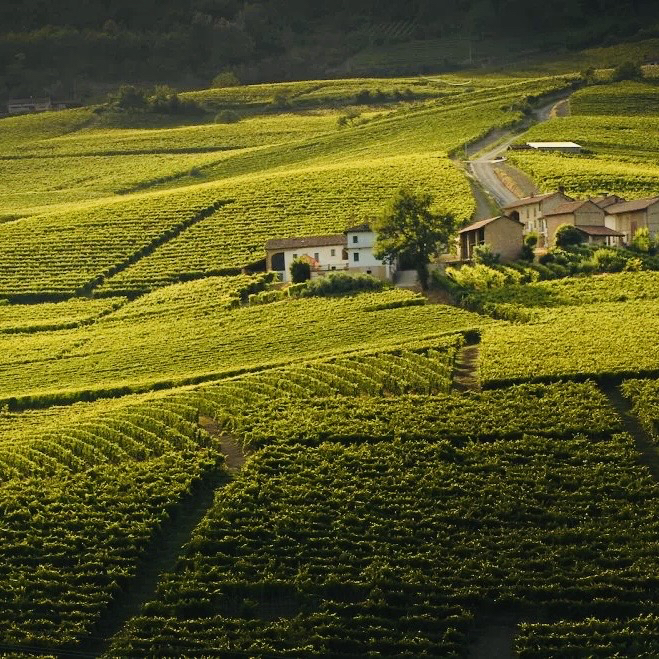
Michele Chiarlo’s vineyard spans across 110 hectares in some of the prestigious appellations of Piedmonts, including Barolo, Barbaresco and Nizza. The estate’s commitment to terroir is evident in its meticulous vineyard practices, which prioritise low yields and sustainable farming. The result is wines that reflect the unique characteristics of the land – from the chalky soils of Gavi to the limestone rich hills of Barolo. 

Key Vineyards: 

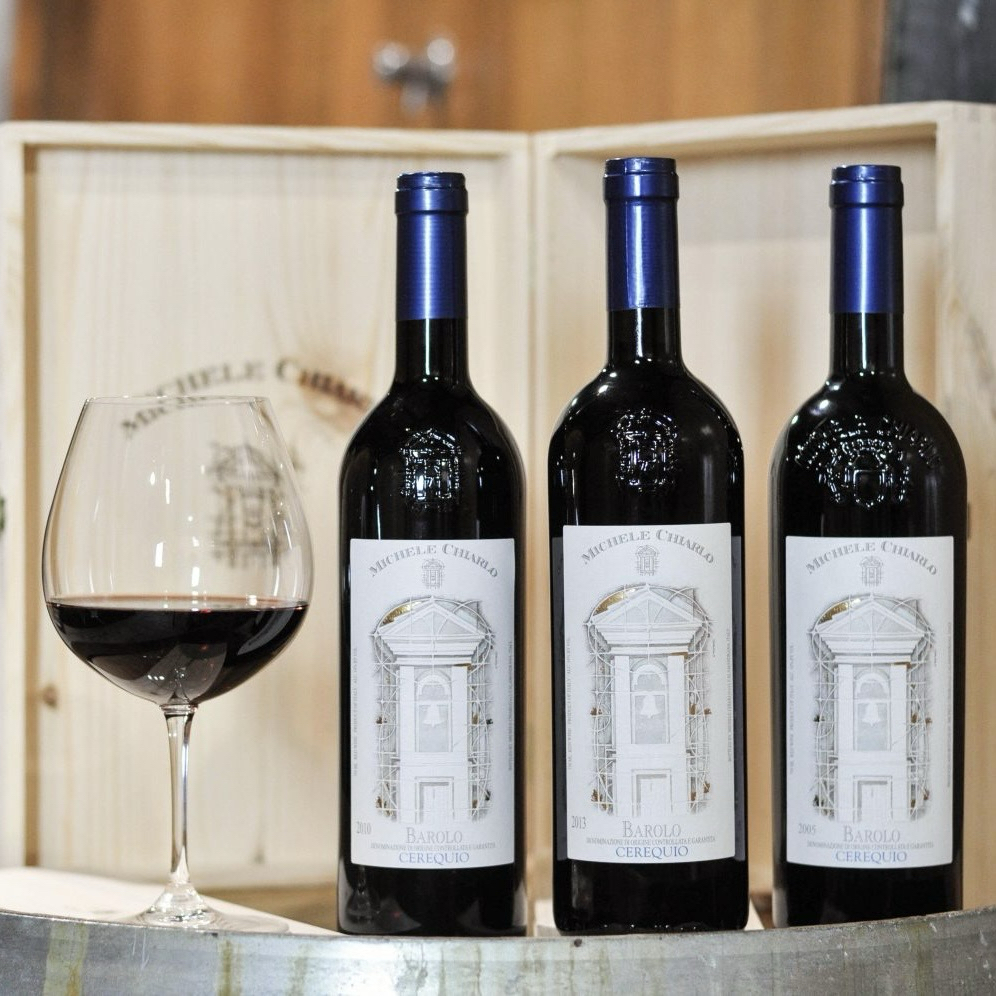
  • Cerequio Barolo DOCG – Known as the “Golden Mile” of Barolo, this vineyard produces wines of extraordinary elegance and longevity. 
  • Cannubi Barolo DOCG – The most historic Cru in Barolo, renowned for its structure and refined wines. 
  • Asili Barbaresco DOCG – A celebrated vineyard delivering wines with remarkable complexity and finesse. 
  • Faset Barbaresco DOCG – Characterized by its bold structure and age worthy potential. 
  • Montestefano Barbaresco DOCG – Known for its powerful tannins and deep fruit concentration. 
  • La Court Nizza DOCG – A flagship for Michele Chiarlo, showcasing the full potential of Barbera in Nizza 
  • Rovereto Gavi DOCG – Crisp, mineral driven white wine that captures the essence of the Gavi terroir. 

Art Park La Court – Where Art Meets Viticulture 

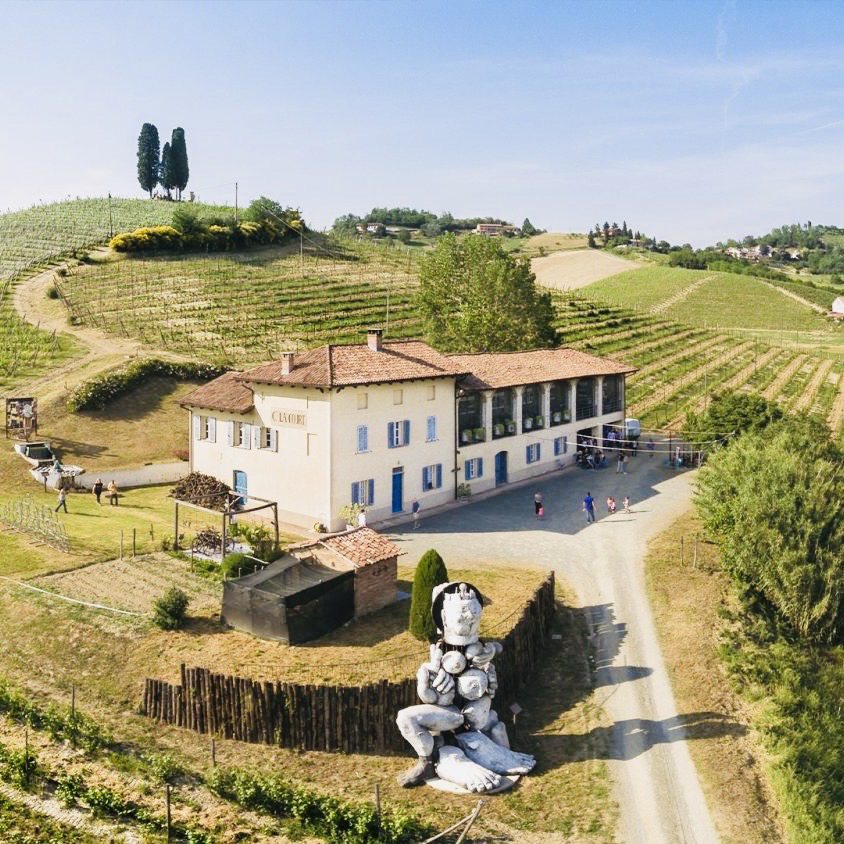
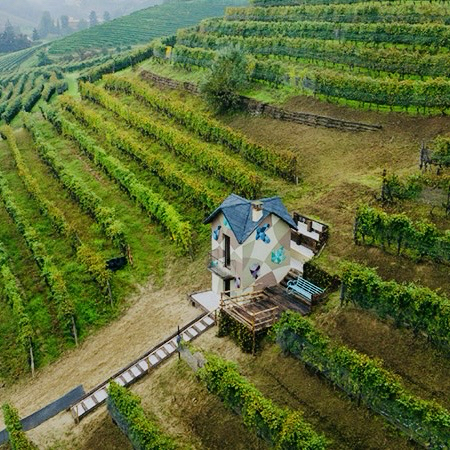
One of the standout features of Michele Chiarlo is its “Art Park La Court”, a unique outdoor museum nestled among the vineyards of Nizza Monferrato. Designed as an open air gallery, the park showcases contemporary art installations that reflect the vineyards while engaging with art that inspired reflection and appreciation for nature’s beauty. 

Palás Cerequio – Barolo Luxury Resort : The Jewel 

At the heart of Barolo lies Palás Cerequio – Barolo Cru Resort, Michele Chiarlo’s luxury wine resort. Set amidst rolling hills and endless vineyards, Palás Cerequio is the embodiment of luxury and elegance. The resort features sumptuously designed suites that blend modern luxury with classic Piedmontese charm, offering breathtaking views of the Langhe hills. 

Sky Bar Cerequio & La Corte Restaurant 

Elevating the experience even further is the “Sky Bar Cerequio”, where one can savour Michele Chiarlo’s finest vintages against the backdrop of the Barolo hills. For those seeking a culinary experience, La Corte Restaurant serves locally inspired dishes that perfectly complement the estate’s wines, celebrating the flavours of Piedmont with sophistication and style. 

The People Behind the Wines

Michele Chiarlo’s commitment to quality is driven by its passionate team. From the vineyard workers who tend to each vine with care, to the winemakers who craft each bottle with precision, the people behind Michele Chiarlo share a collective passion for excellence. Their expertise and dedication are evident in every glass poured. 

Piedmont as a Luxury Travel Destination 

Michele Chiarlo is not just a winery, it is a gateway to discovering the luxurious side of Piedmont. From the rolling vineyards of Barolo to the elegant suites of Palás Cerequio, every aspect of the experience is crafted to immerse guests in the grandeur of Italian wine country. 

Michele Chiarlo Azienda Vitivinicola stands as a beacon of tradition, luxury and innovation in Piedmont. Its commitment to sustainability, excellence in winemaking and luxury hospitality makes it not just a winery, but a destination for those who appreciate the “finer things in life”. The legacy of Michele Chiarlo is not just etched in its vineyards but is paired into every bottle, inviting you to taste the soul of Piedmont.

Salute 🍷🍷

The Business of Wine 5.0

Prestige, Power Moves & the New Language of Wine 

The wine industry is not what it used to be. What was once a business of vineyards and vintages has now evolved into a multi billion dollar enterprise driven by branding, tech innovation, cross sector luxury partnerships and bold market strategies. Welcome to Business of Wine 5.0 an era where tradition meets disruption and the wine glass is no longer half full, it’s brimming with opportunity. 

Wine as a Global Asset: The Rise of Investment Bottles 

Wine is no longer just to sip, it’s to store, flip and invest. The fine wine market reached $6.1 billion in 2023 and platforms like Cult Wines, Vinovest and Rare Wines have democratised access to high end wine portfolios. Brands like Chǎteau Lafite Rothschild, Domaine de la Romanée-Conti now appear in financial portfolios alongside luxury watches and art. 

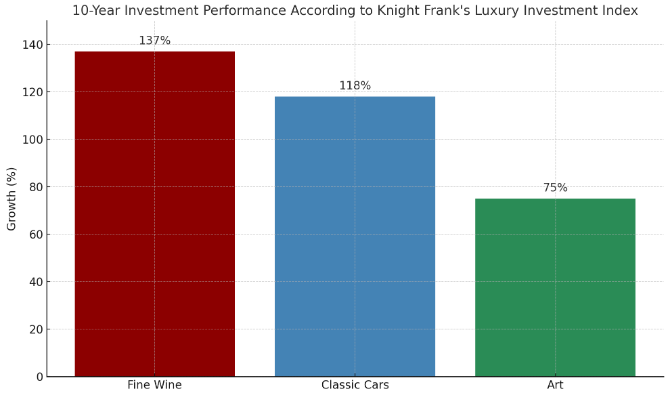
According to Knight Frank’s Luxury Investment Index, fine wine outperformed classic cars and art over a 10 year horizon. This shift is evident all over. Affluent consumers are investing in Super Tuscans, Bordeaux futures and Napa cult wines as part of wealth diversification strategies. 

Luxury Wine: Beyond Labels and Into Lifestyle 

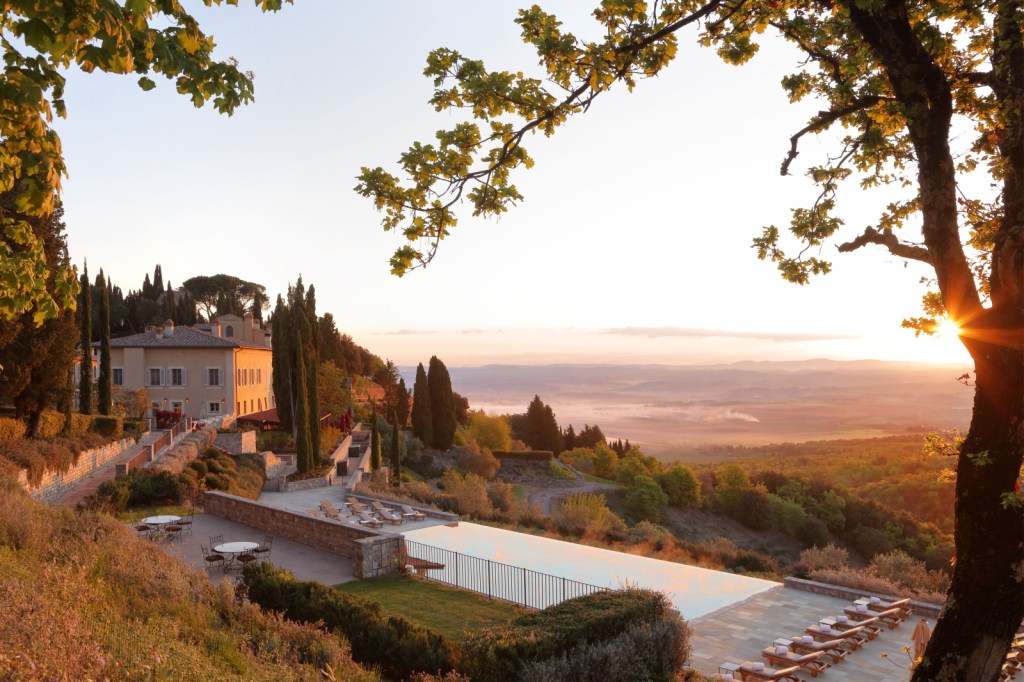
Wineries like Castiglion Del Bosco and Chǎteau Haut Lafitte aren’t just making wines, they’re crafting entire worlds. The Rosewood Castiglion Del Bosco Luxury Hotel and its 5,000 acre estate in Montalcino blur the lines between vineyard, spa, heritage and haute couture. Luxury consumers want more than exclusivity. They want storytelling, soul and access. 

Private Label Wines: Retail Giants are the New Wine Moguls 

From Costco’s Kirkland Signature Wines to Aldi’s award winning bottles under $10, private labels are shifting power away from traditional producers. Luxury hotels, too, are entering the game. Aman Resorts and Six Senses have begun curating private label wines to align with their brand ethos. The twist? Some private labels are using top tier wine consultants and even buying bulk from renowned vineyards, rebranding them under an exclusive house label. The quality is rising and so is consumer trust. 

Grey Market Maneuvers & Import Innovation:

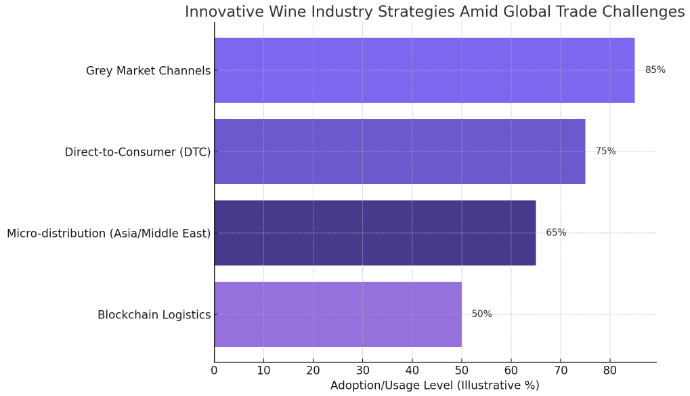
With shipping costs up 200% since 2021 and tariffs fluctuating in post-Brexit Europe and US-China tensions, brands are rewriting the import/export playbook. Some use grey market channels to reroute shipments to lower tax before entering primary markets. 

Others are experimenting with: 

  • Direct to Consumer (DTC) platforms 
  • Micro-distribution networks in Asia and the Middle East
  • Blockchain logistics to track provenance in real time. 

It’s not about cutting corners, it’s about cutting inefficiencies. 

Digital Cellars: Tech Disruption from Vine to Vintage 

Wine Tech is booming. Precision viticulture is using drones, AI and IoT soil sensors to predict yield, monitor disease and optimize irrigation. 

  • Tule Technologies helps vineyards in Napa save to over 20% water annually. 
  • Vivino, with over 60 million users, is using AI to recommend wines and reshape consumer behaviour. 
  • NFTs by brands like Yao Family Wines offer exclusive ownership and authentication. 

The smart cellar is here and it’s connected to the cloud. 

Hospitality X Wine: The New Synergy 

High end hospitality groups are leveraging wine like never before. 

  • The Ritz Paris now has curated wine concierge services. 
  • Belmond pairs each property with wines reflecting its region, a sensory passport.
  • Yacht charters like Aqua Expeditions now offer onboard sommeliers, exclusive vertical tastings and wine paired Michelin inspired cuisine. 

It’s a full bodied experience. 

The Influence of Culture & Couture 

Fashion and Wine have officially clinked glasses. Massimo Ferragamo’s influence at Castiglion Del Bosco is just the beginning. 

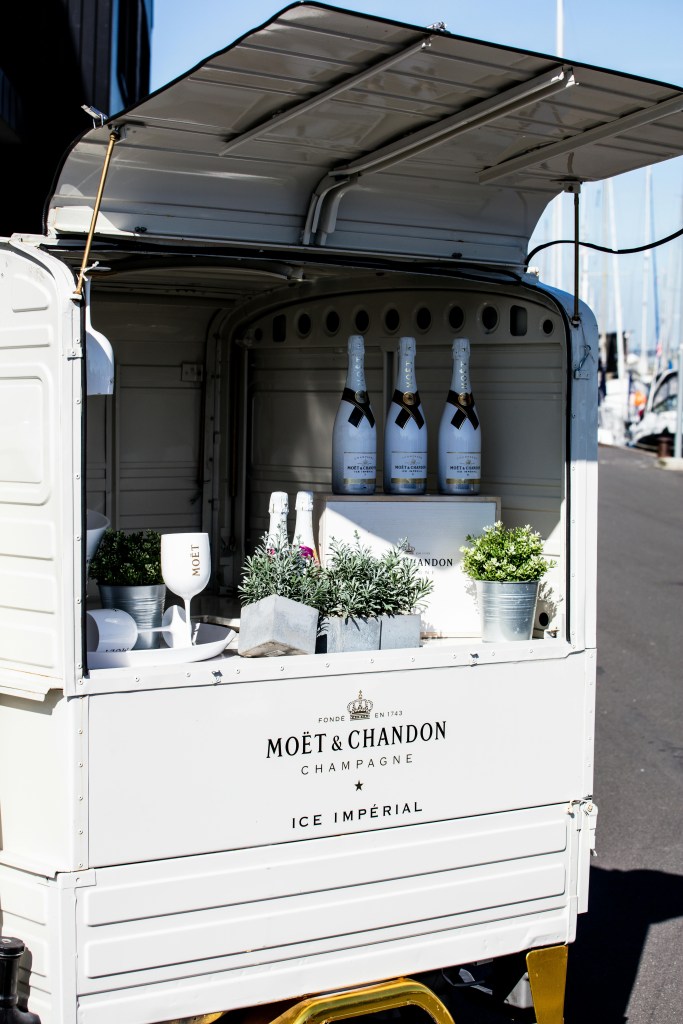
  • Moët. & Chandon is often front row at PFW
  • Penfolds collaborated with Saint Laurent and launched capsule collections. 
  • Champagne Armand de Brignac (Jay-Z’s label) redefined aspirational sipping. 

Luxury is a narrative and Wine is becoming part of the wardrobe. 

Global Tastes, Local Roots: Customization in Wine Marketing

Brands are adapting messaging for local palates. What sells in Sweden doesn’t sell in Shanghai. Luxury wineries are investing in market specific branding and experiential marketing. Torres in Spain launched a Chinese New Year Gran Reserva, While Napa’s Opus One partnered with luxury watch events in Tokyo. 

It’s about relevance without dilution. 

Final Pour: What Comes Next? 

The wine industry is not only evolving. It’s accelerating. From the terroirs of Tuscany to the Tech labs of Silicon Valley, Wine is now a luxury business, a data game and a lifestyle all at once. Whether you’re sipping a $5 Aldi red or aging a $50,000 Screaming Eagle, know this: Wine 5.0 has arrived, and it’s not just in the bottle. It’s in the strategy, the story and the soul. 

Wine, Luxury Tourism and Trade Wars.

Navigating Global Trends and U.S tariffs on European wines.

There was a time when wine tourism meant stopping by a vineyard for a quick tasting and heading out with a couple of bottles. But, today luxury wine tourism is an entirely different world. One where visitors aren’t just sipping wine but they are living it. The industry has transformed into a billion dollar industry that caters to the most. 

If you have ever wondered how the world of luxury travel and fine wine blend so seamlessly, let’s take a deep dive into the business of wine, luxury tourism and trade wars. 

The Growing business of Wine and Luxury Tourism: 

Luxury wine tourism is no longer just about the wine, it’s about the experience. The industry has seen a massive boom in recent years, with more travelers seeking high end personalised encounters with winemakers, breathtaking landscapes and the history behind each bottle. 

Market and Revenue Potential:

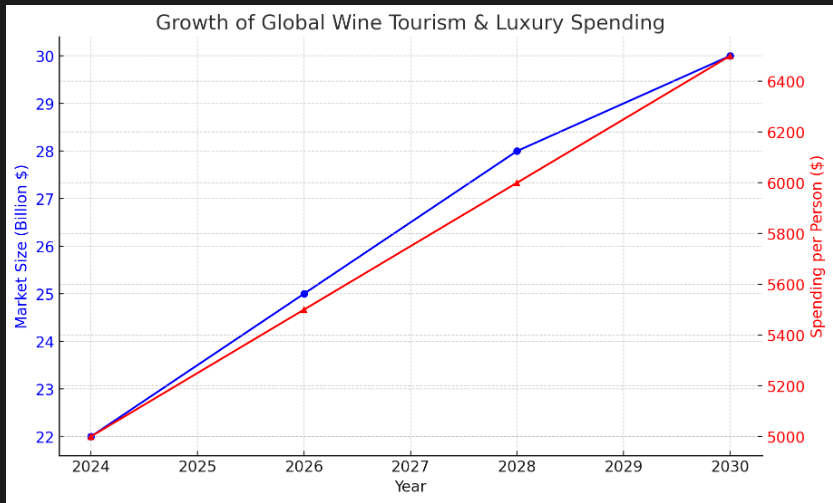
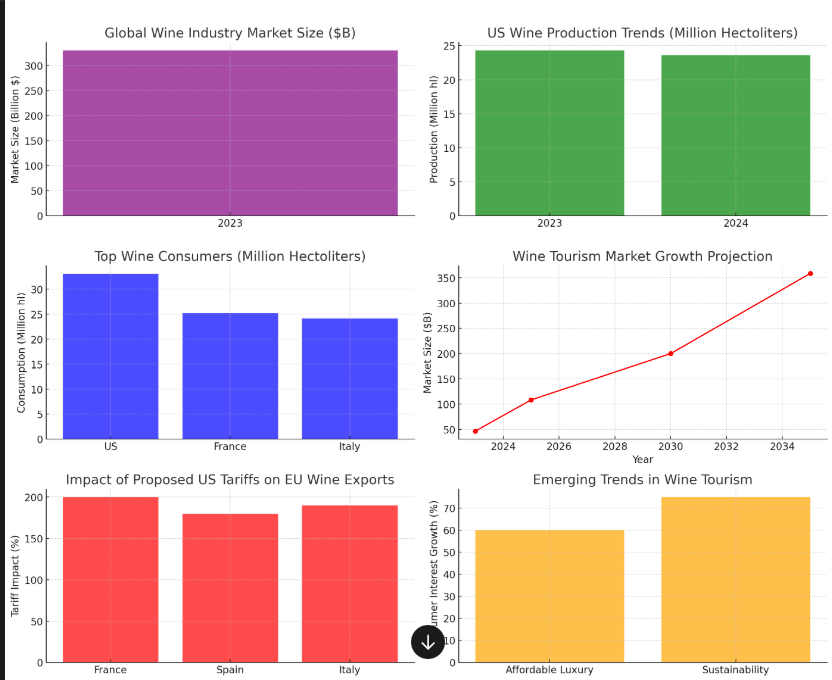
  • The global wine tourism industry is projected to surpass $30 billion by 2030. 
  • Luxury travelers are spending $5000 + per person on premium wine experiences. 
  • Countries like France, Italy, Spain, US and Argentina dominate the luxury wine travel market. 

For wineries, the business isn’t just about selling bottles anymore. It’s also about creating premium experiences that add value to their brand and increase direct to customers (DTC) wine sales. 

The Impact of U.S Tariffs on European Wines:

The global wine industry is currently facing a significant challenge as the United States has proposed imposing tariffs up to 200% on European alcohol imports. This move, if enacted, could severely impact wine producers across France, Italy and Spain. The three largest exporters of fine wines to the United States. Market analysis suggests that such a tariff hike would make European wines considerably more expensive for American consumers. 

For wine tourism and luxury experiences, the ripple effect on these tariffs could extend beyond pricing. Many American travelers visit Europe specifically to explore its renowned wine regions, often purchasing exclusive vintage to bring home. If prices soar due to tariffs, both the tourism industry and wine exports may experience a downturn. Additionally, smaller boutique wineries in Europe that lack the financial resilience of large scale producers may find it challenging to absorb the impact. As the debate over these tariffs continues, the global wine industry watches closely, hoping for negotiations that preserve trade balance and protect centuries old viticulture heritage. 

The Business Model Behind Wine and Luxury Tourism:

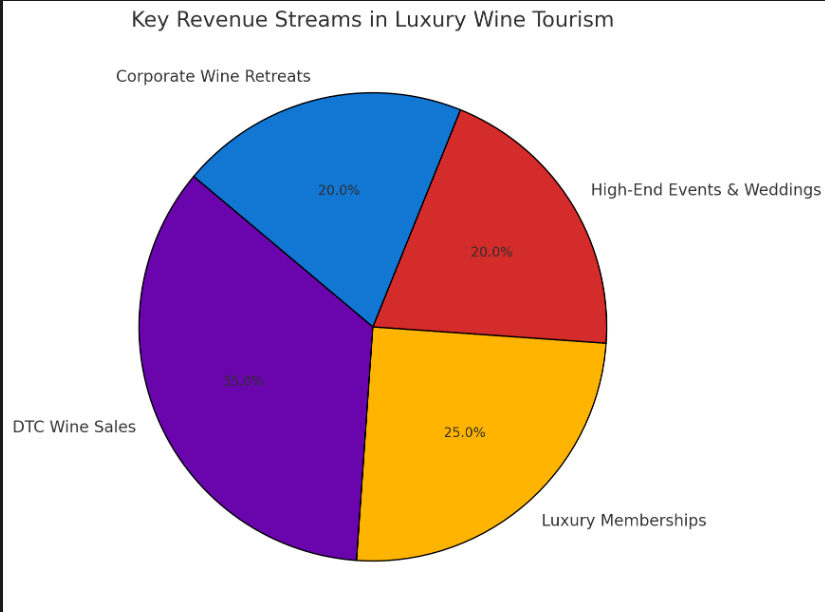
Wineries aren’t just making business from selling bottles, they have diversified their revenue streams to include exclusive memberships, high end events and personalised concierge services. 

Key Revenue Stream:

  • Direct to Consumers (DTC) Wine sales: High end wineries sell directly to visitors increasing profits
  • Luxury Membership Programs: Private wine clubs offering rare allocations and VIP events 
  • High End Events and Weddings: Estate wineries serve as ultra exclusive wedding and event venues.

Luxury Wine Destinations and Their Offerings:

Some of the most sought after wine regions around the world have mastered the art of Luxury Wine Experiences 

  1. Italy 🇮🇹 : Tuscany’s rolling vineyards, Piedmont’s Barolo and Sicily’s volcanic wine experiences 
  1. France 🇫🇷 : The home of Bordeaux’s grand châteaux and Champagne’s exclusive. 
  1. Spain 🇪🇸 : Rioja’s luxury wineries and Andalusia’s hidden gems 
  1. South Africa 🇿🇦 : Stellenbosch’s fine wine scene paired with African safari luxury. 

The Role of Personalization and Exclusivity in Wine Tourism:

The ultra wealthy aren’t looking for mass market tours, they want once in a lifetime experiences that cannot be found on google. This is where personalization and exclusivity become the backbone of luxury wine tourism. 

How Wineries are elevating personalisation ?

  • Private Wine and Food Pairing Dinners: Michelin star chefs curating bespoke menus
  • Limited Edition Barrel Tastings: Sampling wines before they are even bottled
  • Personalised Wine Labels: Custom bottles for high end clientele. 

Future Trends in Luxury Wine Tourism:

The industry continues to evolve, with new trends shaping the future of high end wine travel. 

  1. Wine Wellness and Vinotherapy: Luxury travelers are embracing spa treatments infused with grape extracts. A trend made famous by Caudalie’s Vinothérapie Spa in Bordeaux. 
  1. Sustainable and Eco Luxury Wine Tourism: More wineries are going green focusing on biodynamic viticulture and sustainability. 
  1. Ultra High End Wine Investment: Travelers aren’t just drinking wine, they are investing in rare vintages and vineyard ownership. 

Final Thoughts: 

The fusion of luxury travel and fine wines has transformed the industry into a powerhouse of unparalleled experiences. For wineries, embracing luxury tourism isn’t just about selling wine. It is about crafting experiences that turn guests into lifelong patrons. 

“Garesio Societa’ Semplice Agricola”

Garesio Winery: The Spirit of Langhe, Monferrato and Beyond. From Serralunga d’Alba to your glass 

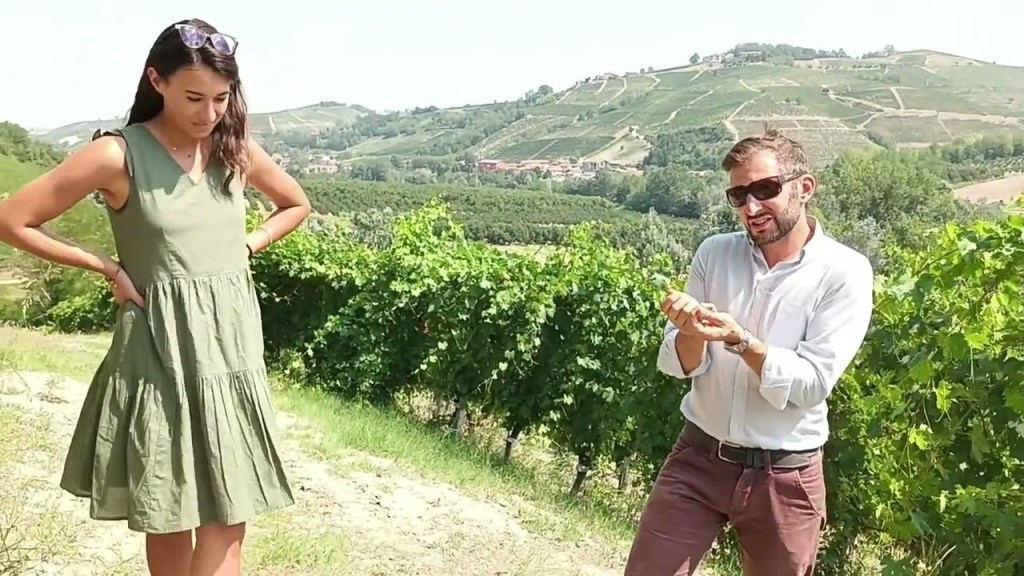
Situated in the heart of Italy’s renowned Piedmont region, Garesio winery stands as a testament to the passion and dedication of the Garesio family. Established in 2010, the estate has rapidly gained recognition for producing exceptional wines that embody the rich traditions and unique terroir of the area. 

The Garesio Family: A legacy of Passion

The Garesio family’s venture into winemaking is deeply rooted in a profound appreciation for the land and its bounty. Their journey began with the acquisition of approximately 20 hectares of vineyards across some of Piedmont’s most esteemed wine producing zones, including SERRALUNGA d’Alba in the LANGHE, Incisa SCAPACCINO, Castelnuovo Calcea in MONFERRATO AND Perletto in ALTA LANGA. This strategic expansion reflects their commitment to capturing the diverse expressions of Piedmont’s terroir. 

The Wines of Garesio: A Symphony of Flavors 

Garesio’s portfolio showcases a harmonious blend of traditional and innovative winemaking. 

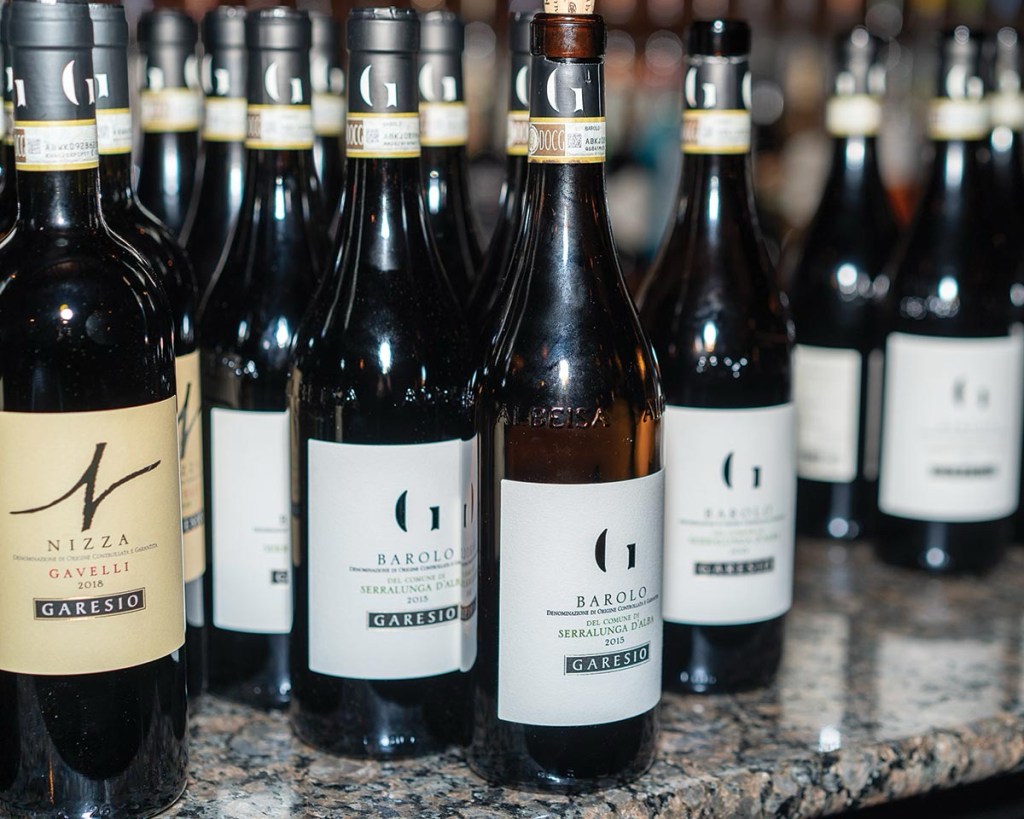
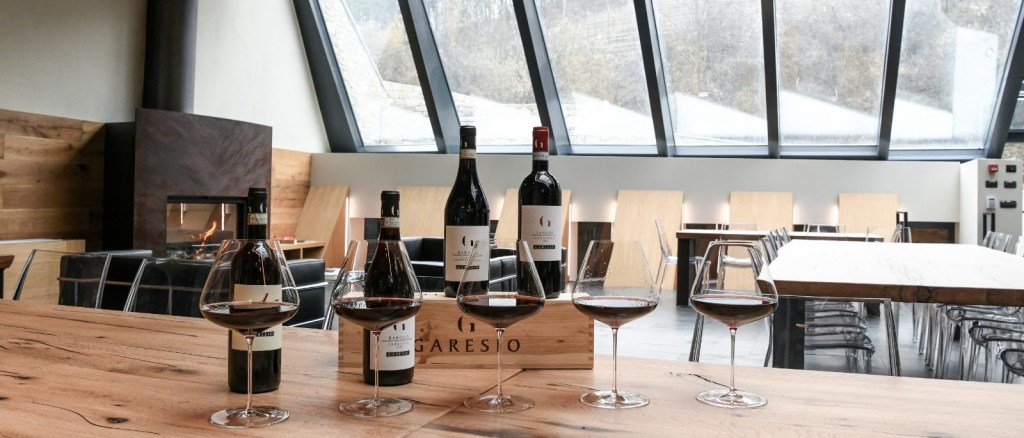
  • Barolo del Comune di Serralunga d’Alba DOCG:  A robust red wine renowned for its depth and aging potential 
  • Cerretta Barolo DOCG: Sourced from the esteemed Cerretta Vineyard, this wine exemplifies the elegant characteristics of BAROLO. 
  • Gianetto Barolo DOCG: A unique expression of Nebbiolo grape, reflecting the distinct terroir of the Gianetto Vineyard. 
  • Barbera d’Asti Superiore Nizza DOCG: A vibrant wine celebrated for its rich flavours and balanced acidity. 

The Terroir, Climate and Soil: The Essence of Piedmont 

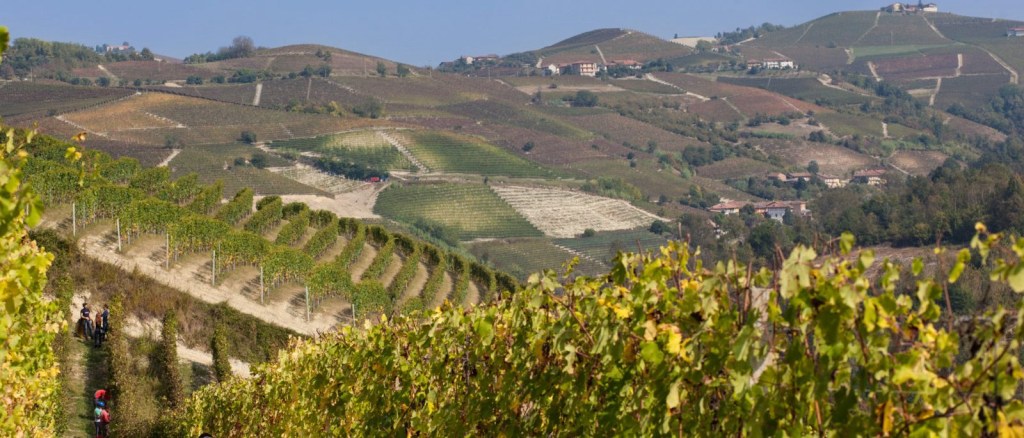
The excellence of Garesio wines is deeply intertwined with the region’s unique terroir. Piedmont’s hilly landscape, combined with a continental climate characterized by hot summers and cold winters, from Calcareous marl in Langhe to sandy soils in Monferrato, each imparting distinct characteristics to the wines. 

Serralunga d’Alba, Langhe and Monferrato: A Tapestry of Culture and History 

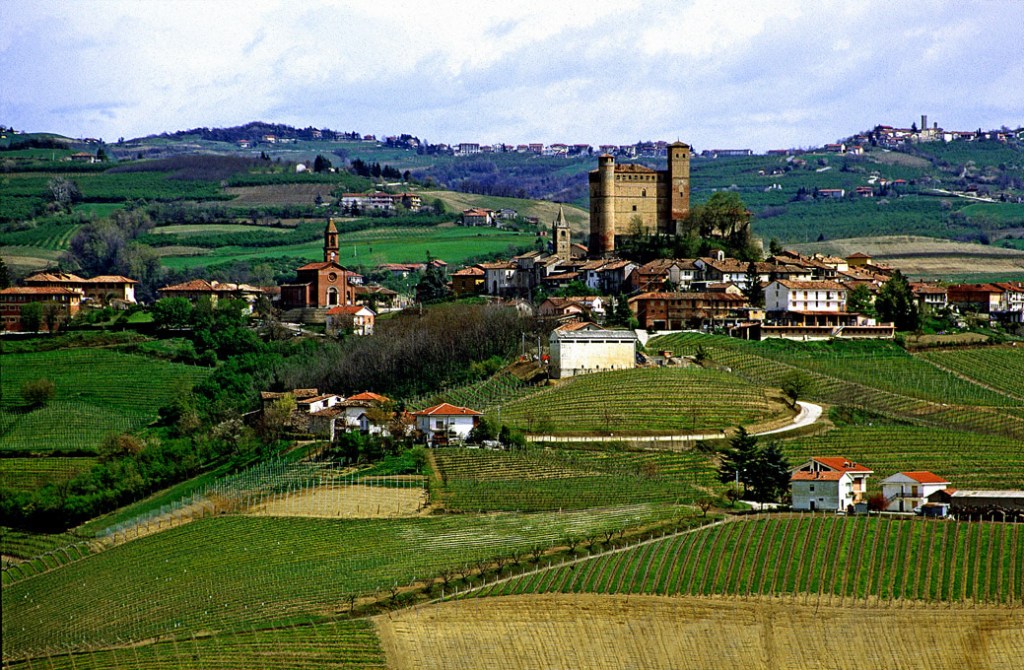
The regions of Serralunga d’Alba, Langhe and Monferrato are steeped in history and cultural richness. Serralunga d’Alba is famed for its medieval castles and prime Barolo producing vineyards. The Langhe area, recognized as a UNESCO world heritage site, is celebrated for its rolling hills and exceptional wines. Monferrato, with its diverse landscapes, offers a rich tapestry of wine traditions and culinary delights. 

Garesio Wine Resort: A Haven for wine enthusiasts and travelers 

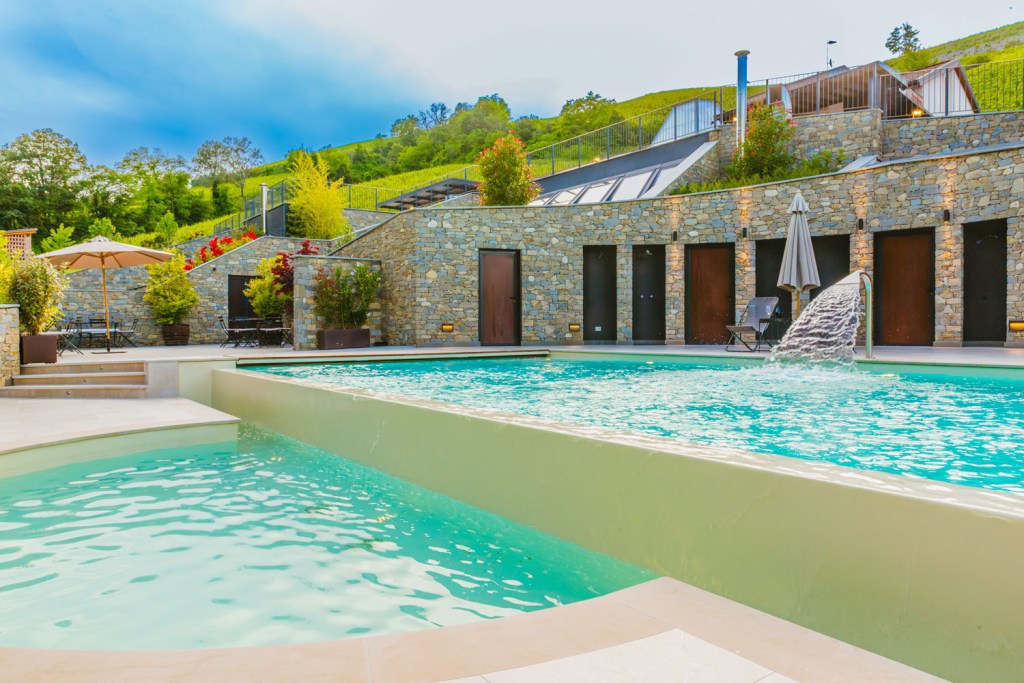
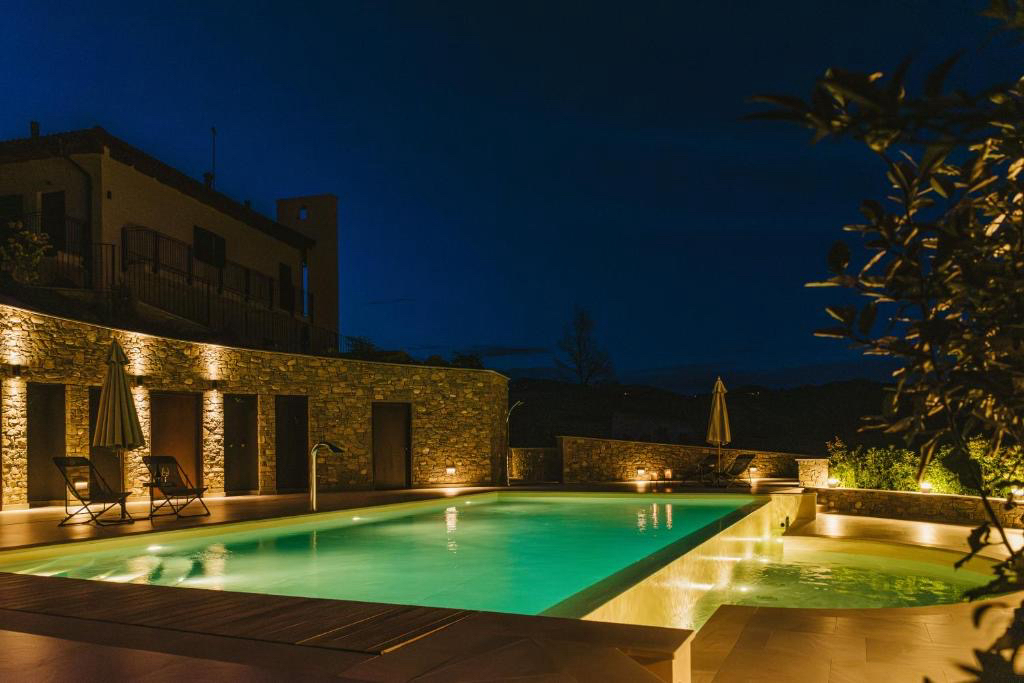
Complementing the winery is the GARESIO WINE RESORT. Nestled along the vineyards and woods in Serralunga d’Alba, in the heart of the Langa of Barolo and truffles. It offers guests an intimate retreat amidst the vineyards. The resort provides elegantly appointed accommodations, personalised wine tastings and culinary experiences that highlight the region’s gastronomic heritage. It’s an ideal destination for those seeking to immerse in the serene beauty of Piedmont while indulging in world class wines. 
Piedmont: A Wine Tourism Paradise 

Piedmont stands as the beacon for Wine tourism, attracting enthusiasts from around the globe. The region’s diverse appellations, historic villas and culinary excellence make it a must visit destination. Whether it’s participating in a truffle hunt, exploring ancient castles or savouring local delicacies paired with exquisite wines, Piedmont offers a rich and immersive experience. 

The People Behind Garesio Wines:

At the hearth of Garesio winery is a dedicated team committed to excellence. Their collective expertise ensures that each bottle reflects the family’s philosophy of honouring tradition while embracing innovation. This synergy of passion and knowledge positioned Garesio as a notable name in the world of fine wines. 

Garesio winery encapsulates the essence of Piedmont’s winemaking heritage. Through their exceptional wines, luxurious resort and the enchanting landscapes of Serralunga d’Alba, Langhe and Monferrato, they offer an unforgettable journey into the heart of Italian viticulture. 

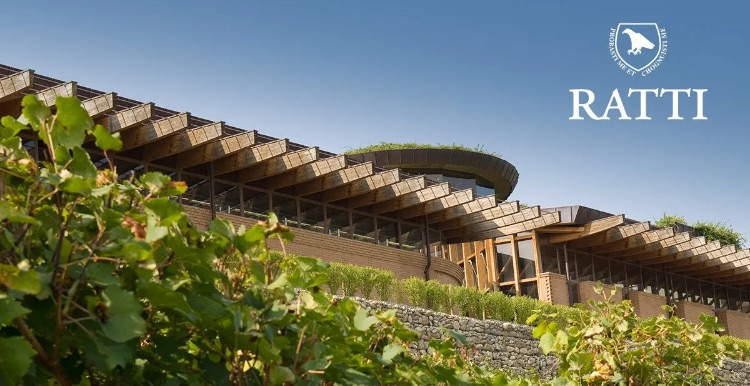
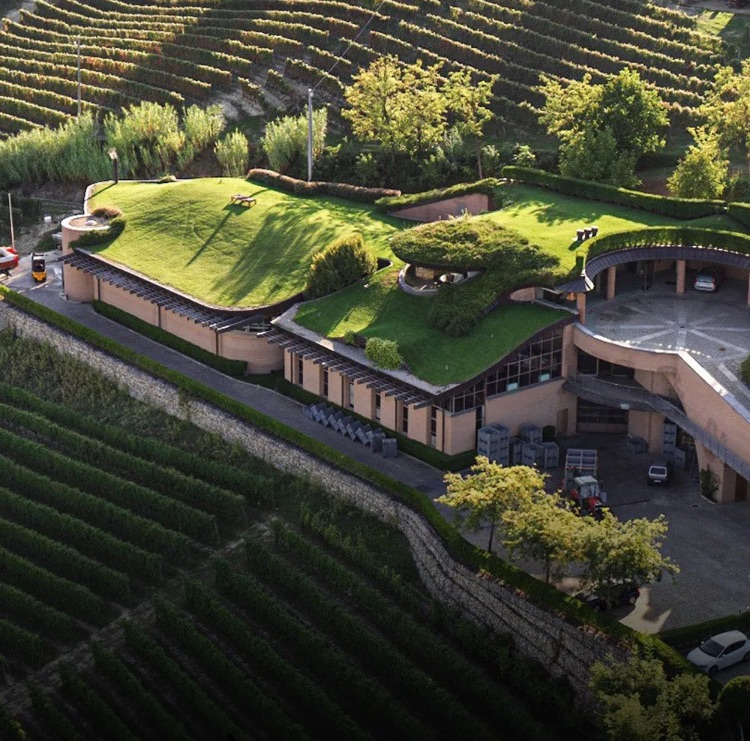
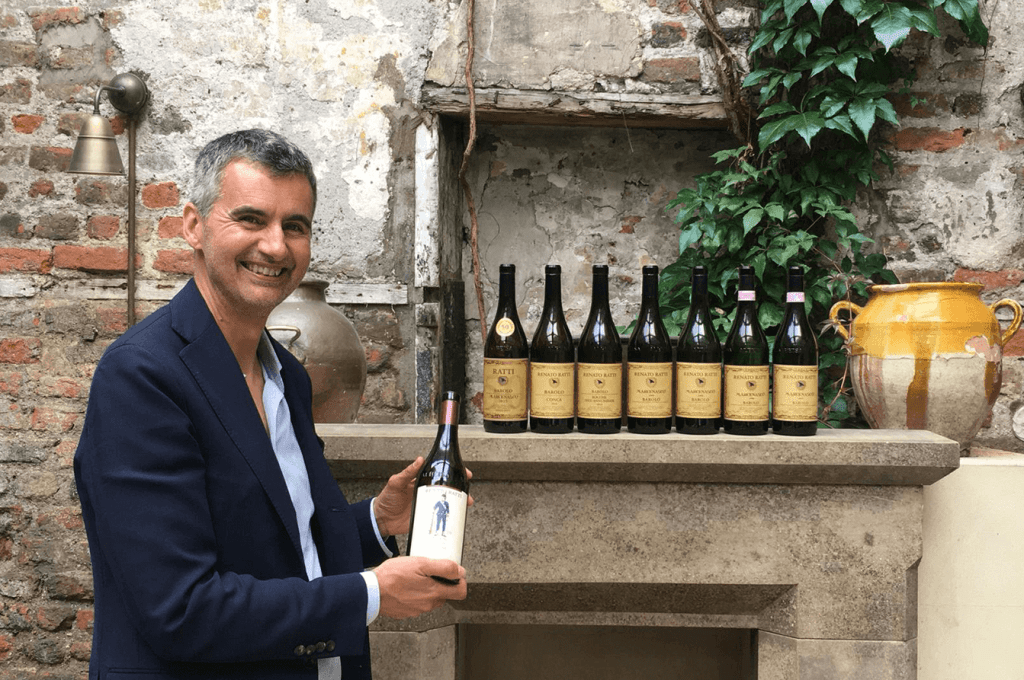
Cantina Ratti: Renato Ratti Winery

Cantina Ratti : A legacy of Barolo at the Heart of Piedmont’s Wine Culture

In the rolling hills of LA MORRA, at the heart of Italy’s Piedmont region, lies Renato Ratti Winery, a name that carries a legacy deeply tied to BAROLO WINE. More than just a winery, it is a place where history, passion and innovation come together to produce some of the finest NEBBIOLO based wines in the world. The Renato Ratti Winery is an experience that will take you deep into the souls of PIEDMONT’s winemaking tradition. 

The Story behind Renato Ratti Winery: 

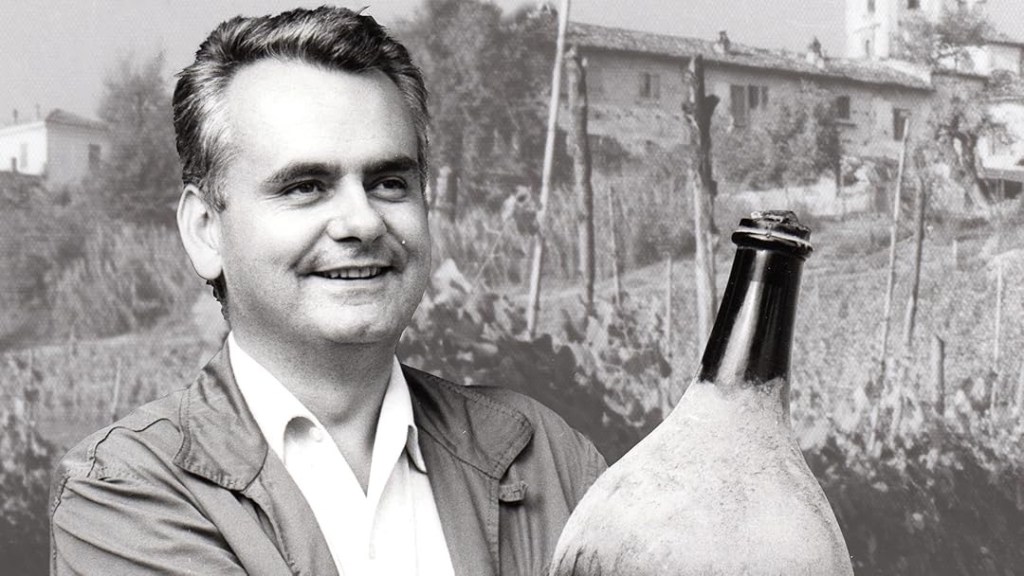
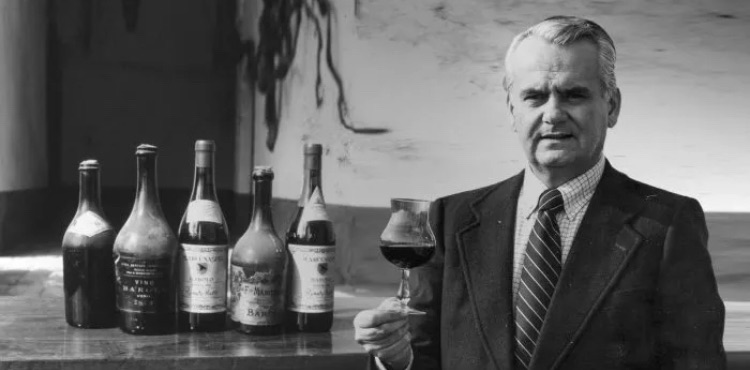
Renato Ratti wasn’t just a winemaker, he was a trailblazer who changed the BAROLO wine landscape forever. After working in Brazil in the 1960s, he returned to Italy with a vision to bring structure, identity and recognition to BAROLO by defining the region’s vineyards. He meticulously mapped out the best areas for NEBBIOLO cultivation, classifying them into what we know as the BAROLO CRUS, a system that gave the wine world a clearer understanding of BAROLO’s terroir. Today, Pietro Ratti, continues the legacy, carrying forward his father’s passion while incorporating modern techniques that further elevate the Renato Ratti brand on a global stage. 

The Terroir: Where Nebbiolo Thrives

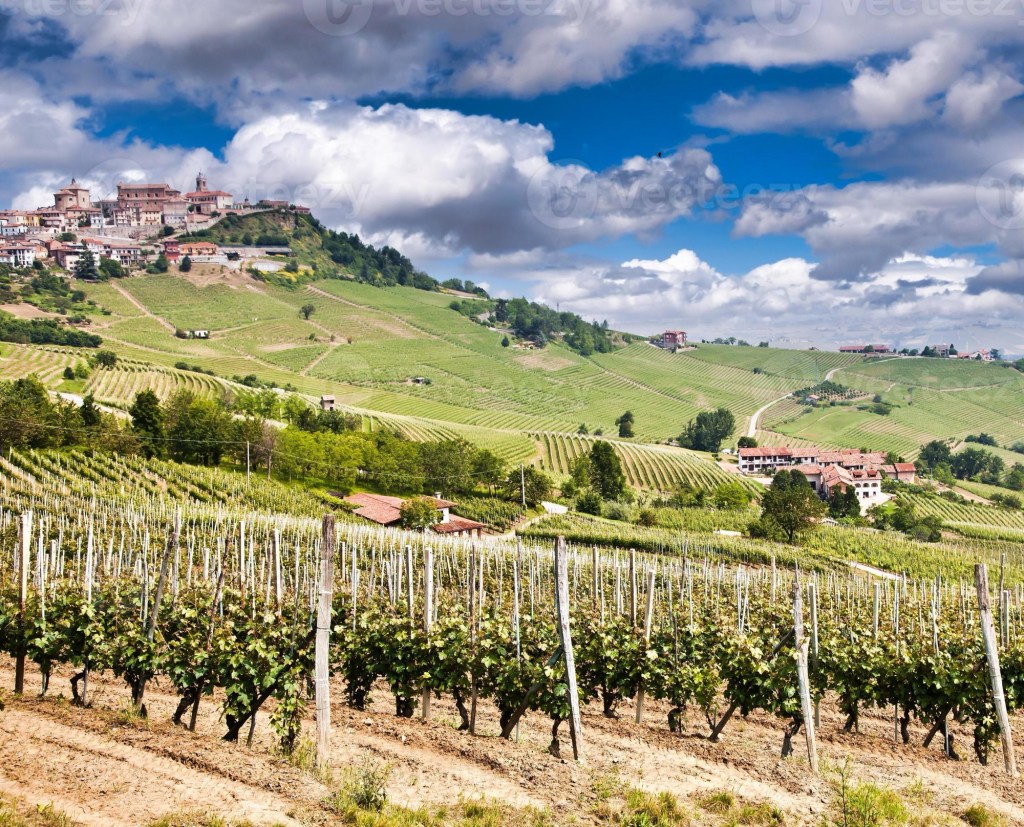
Piedmont is known for its diverse soils, but LA MORRA, where the estate’s vineyards are located, is particularly famous for its CALCAREOUS MARL and clay rich soils. This composition gives Barolo its signature elegance, delicate aromas and balanced tannins. The microclimate of the region plays an equally vital role. The warm days and cool nights create the perfect conditions for Nebbiolo grapes to ripen slowly, allowing them to develop deep flavors, floral aromas and a remarkable aging potential. 

Renato Ratti Wines: A journey through Piedmont in a bottle 

Each bottle from Renato Ratti winery is a testament to Piedmont’s heritage and showcases the land’s unique characteristics. 

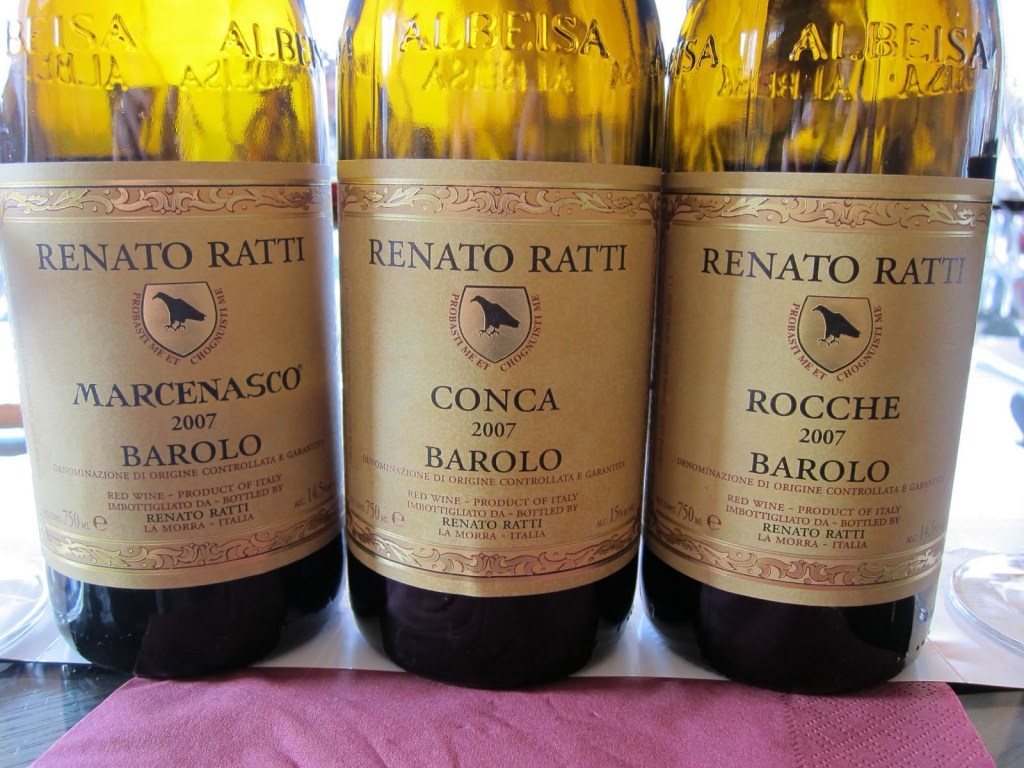
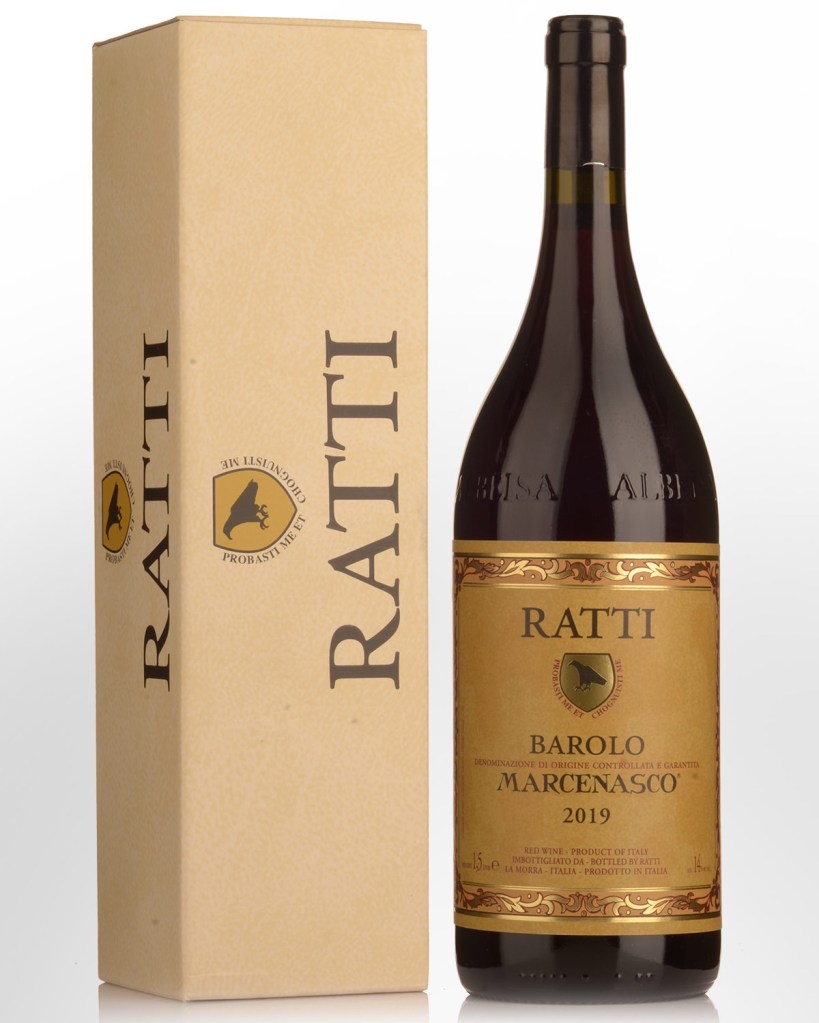
  • Barolo Marcenasco DOCG: The flagship wine of the estate, Marcenasco is a Barolo that strikes the perfect balance between power and elegance. With deep cherry, rose and spice aromas, it’s a true representation of LA MORRA’s terroir. 
  • Barolo Rocche dell’Annunziata DOCG: Coming from one the most prestigious crus in La Morra, this wine is rich, complex and capable of aging for decades. 
  • Barbera d’Alba Battaglione DOC: A lively fruit forward Barbera that’s versatile and food friendly. Notes of juicy red berries, spices and a soft velvety texture make it a favorite for casual drinking. 
  • Langhe Nebbiolo Ochetti DOC: This wine offers all the elegance of Nebbiolo but in a more approachable and ready to drink style. 

Visiting Renato Ratti Winery: A must experience in PIEDMONT 

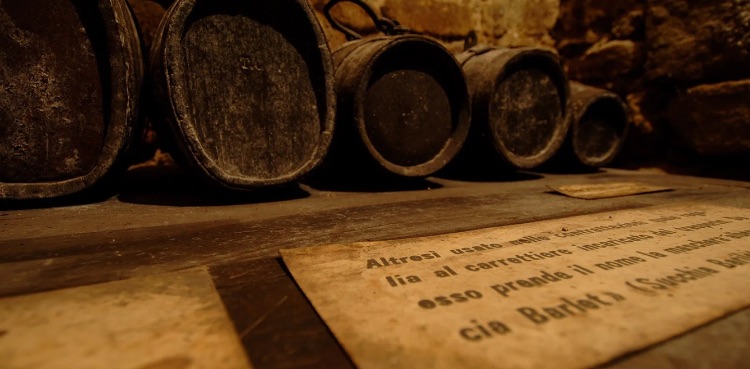
  1. The Wine Museum: Renato Ratti was not just a winemaker but also a historian. The estate houses a small yet fascinating museum that showcases the history of Barolo and the traditions of winemaking in Piedmont. 
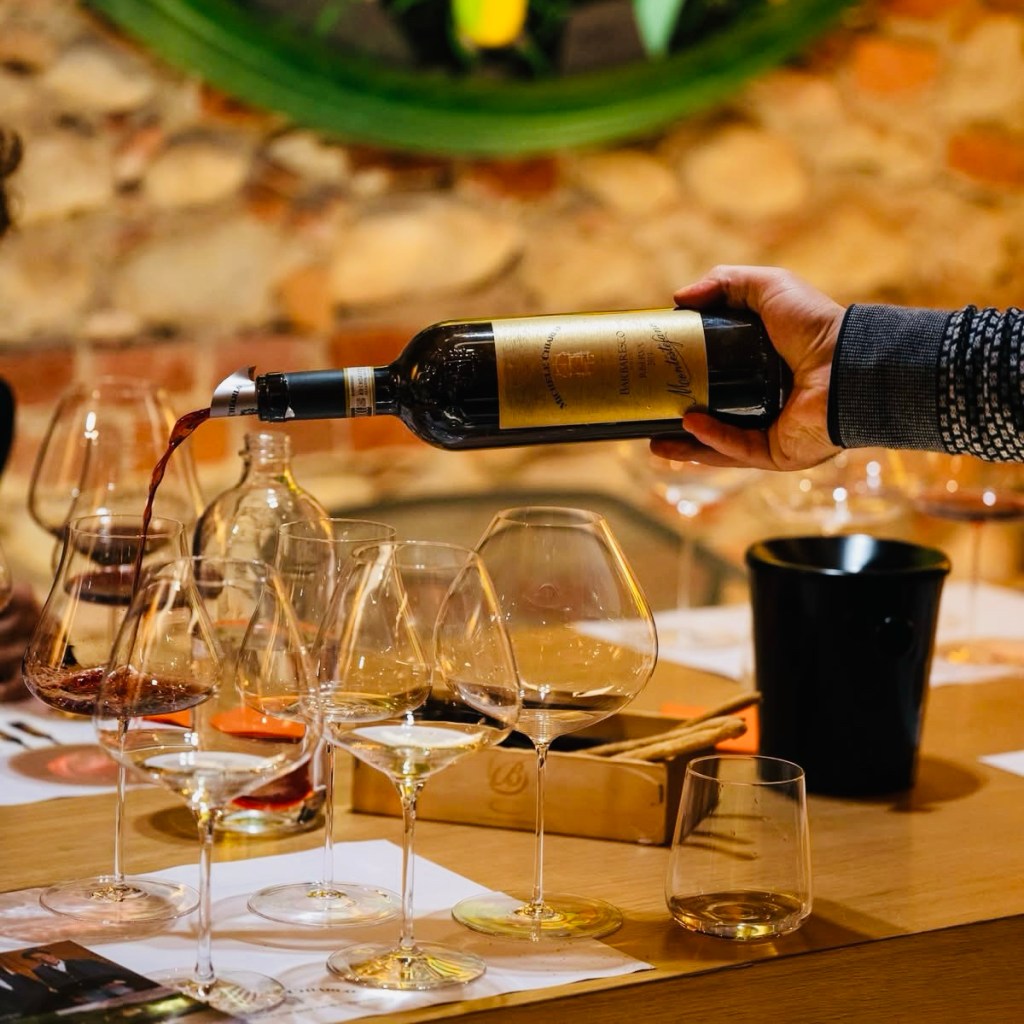
  1. Wine Tastings: Experience a curated tasting of Renato Ratti winery’s best wines, led by experts who will walk you through the nuances of each bottle from terroir to winemaking techniques. 
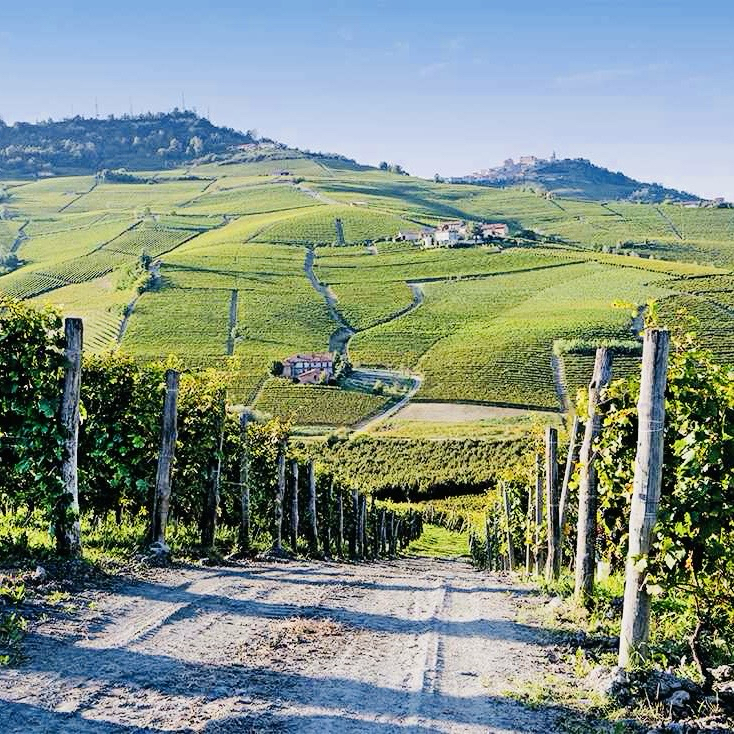
  1. Breathtaking Vineyard Views: Set on a hill overlooking the magnificent LANGHE REGION, the Renato Ratti estate offers some of the most stunning panoramic views of Piedmont’s rolling vineyards. It’s the perfect set up to sip on Barolo while soaking in the beauty of Italy’s countryside. 

Beyond the Winery: Exploring LA MORRA and BAROLO Country

  • La Morra: The hilltop village where Renato Ratti winery is located. Known for its picturesque streets, historical sites and unbeatable vineyard views. 
  • Barolo: The namesake village of Barolo wine, home to the Barolo wine museum, medieval castles and some of Italy’s top wineries. 
  • Alba: The capital of the white truffle world, perfect for food lovers looking to indulge in truffle based dishes, local cheese and fine wines.

Renato Ratti Winery: The Legacy Continues 

Renato Ratti winery is more than just a place that makes great wines, it’s a symbol of Barolo’s evolution. With a rich history, incredible terroir and world class wines, it’s a must visit for anyone who appreciates the art of winemaking. Renato Ratti winery is an experience that stays with you long after the last sip. Discover the true essence of Barolo !! 

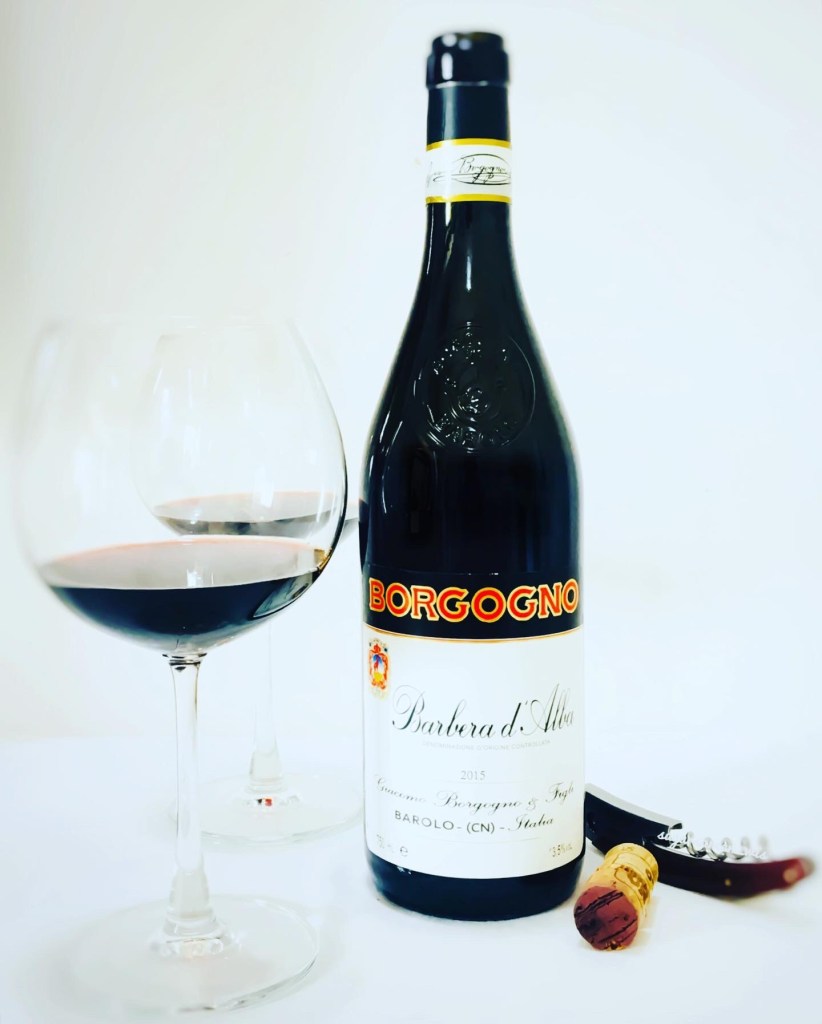
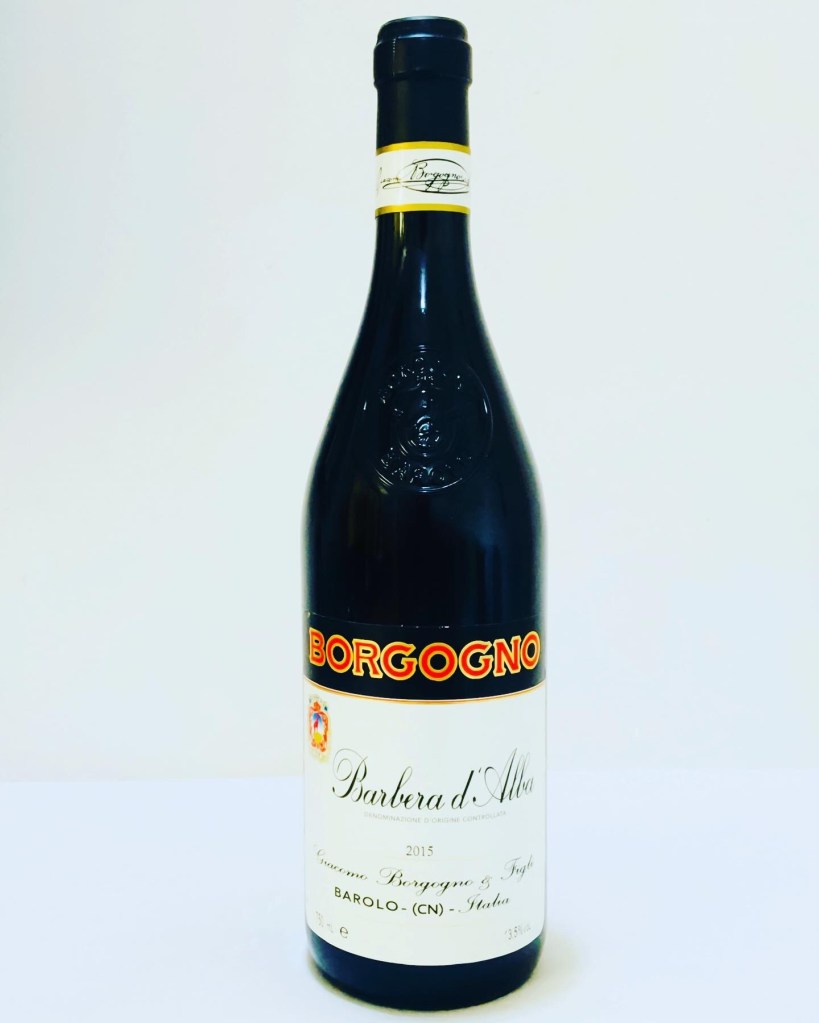
Barbera d’Alba. Borgogno 1761. Barolo, Piedmont, Italy

Connoisseur special. Barbera d’Alba 2015. 100% Barbera, by Borgogno 1761, Barolo, Piedmont, Italy.

The Winery: 1761 to the current day. A memorable wine domain in the “Piedmont” area of Italy, arranged in the focal point of BAROLO town. It is perhaps the most seasoned winery in Italy. Pushing ahead during the 1920s, the Borgogno family turned into the primary winemakers from Piedmont to trade their wines in various nations. The Borgogno family and group made extraordinary wines in the nineteenth century. In 2008, the home was bought by the Farnetti family. Today, the bequest has 39 hectares with 31 planted in wine. Italy’s memorable winery known for their customary style and maturing measure. 

Barbera d’Alba (Denominazione D’Origine Controllata). The topographical region. BARBERA, a red wine grape varietal which has an entire 1000 year old history. It is the third most planted wine grape varietal in Italy. BARBERA D’ALBA is the vital DOC of the Piedmont. The Barbera grapes come from the zone around the city of ALBA. The zone is outperformed by BAROLO and BARBARESCO. A wide assortment of wines are delivered with the Barbera grape varietal and the grapes are additionally filled in a portion of the new world wine locales. 

The Wine: (Barbera d’Alba 2015):- A light bodied wine made with 100% Barbera grapes. Strong on the nose with oaky aromas. A very subtle wine filled likewise with smells of dim natural products. Dry on the sense of taste with adjusted tannins. The wine is matured in steel tanks, Slovenian oak barrels and afterward in the bottle. The phenomenal maturing measure makes the wine special, exquisite giving it a spicy note.

Photography, Content and presented by Sagar Sareen

Connoisseur special. Barbera d’Alba 2015 by Borgogno 1761, Barolo, Piedmont, Italy