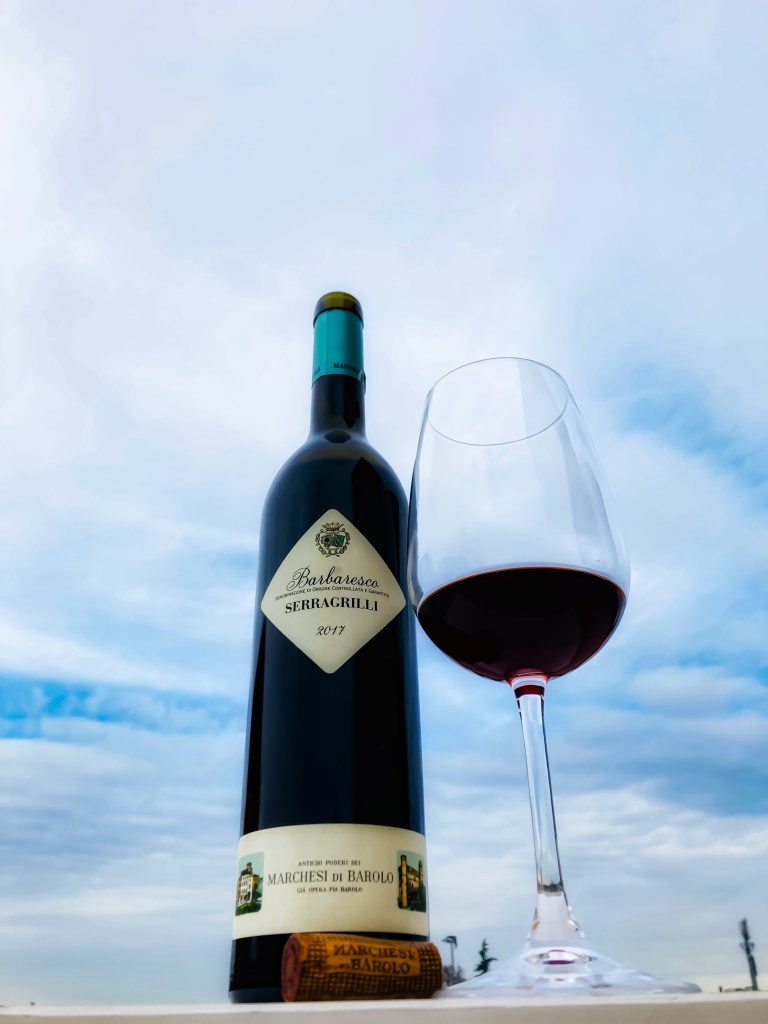
Serragrilli Barbaresco DOCG 2017. Made with Nebbiolo grapes, Marchesi diBarioo Piedmont

Marchesi di Barolo: A tale of love that has been told for more than two centuries. Everything began in 1807 when Carlo Tancredi Falletti fell in love with Juliette Colbert de Maulévrier. They realized that long Barolo wines, also known as “King of Wines” or “Wine of Kings & Queens,” have the potential to change the wine scene around the world. They then set up the wine cellar and gave it the name of its origin. In point of fact, Juliette Colbert de Maulévrier introduced the world to the most prestigious wines from Italy. She left the world in 1864, leaving behind a legacy of her love of Barolo. The winery was purchased by the Abbona family in 1929, and they started a new era for Barolo by honoring the legacy of love for the grape. The Abbona family has passed down their love of Barolo from generation to generation. The family has maintained its traditional heritage by producing the most prestigious and exceptional wines, and their motto is “to combine passion, tradition, and evolution.”
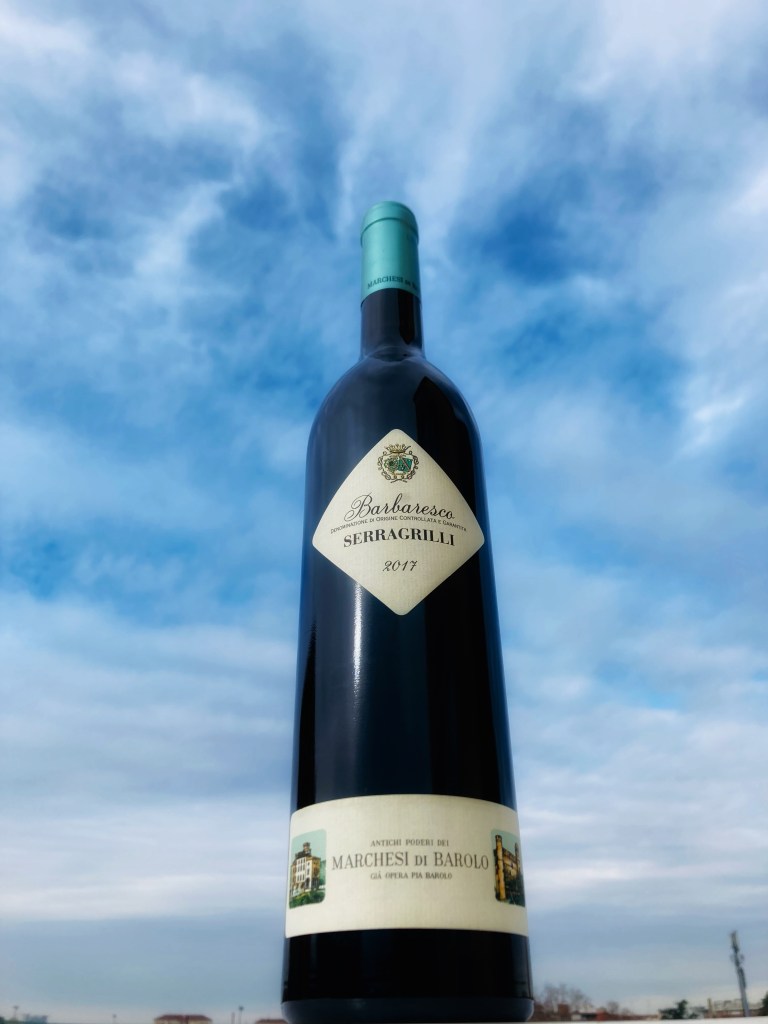
Wine: 2017, Serragrilli Barbaresco DOCG. A full bodied wine, made entirely of Nebbiolo. With aromas of plum and red fruits, this is unquestionably one of the finest wines. A very impressive wine with flavors of mocha, spice, and red berries. Nebbiolo grapes are grown on a gentle hill in Neive called the Serragrilli. Regarded as a region with a significant wine-growing industry. The wine has sweet tannins and is powerful while also being harmonious and balanced.
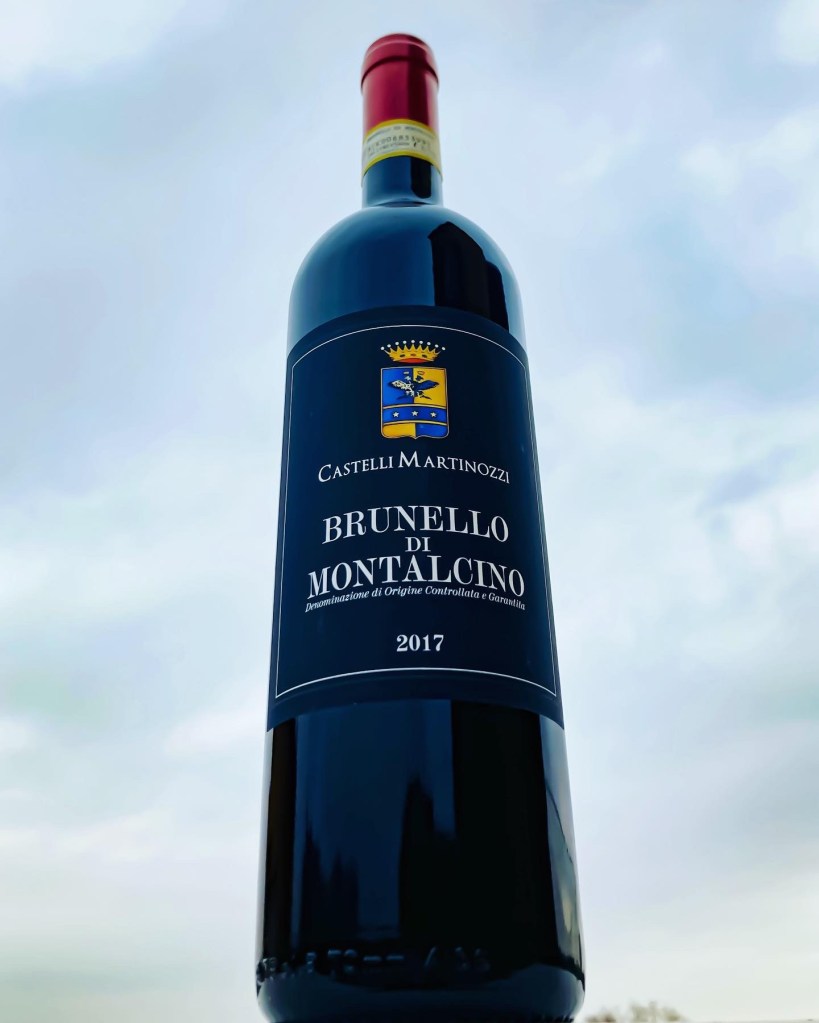
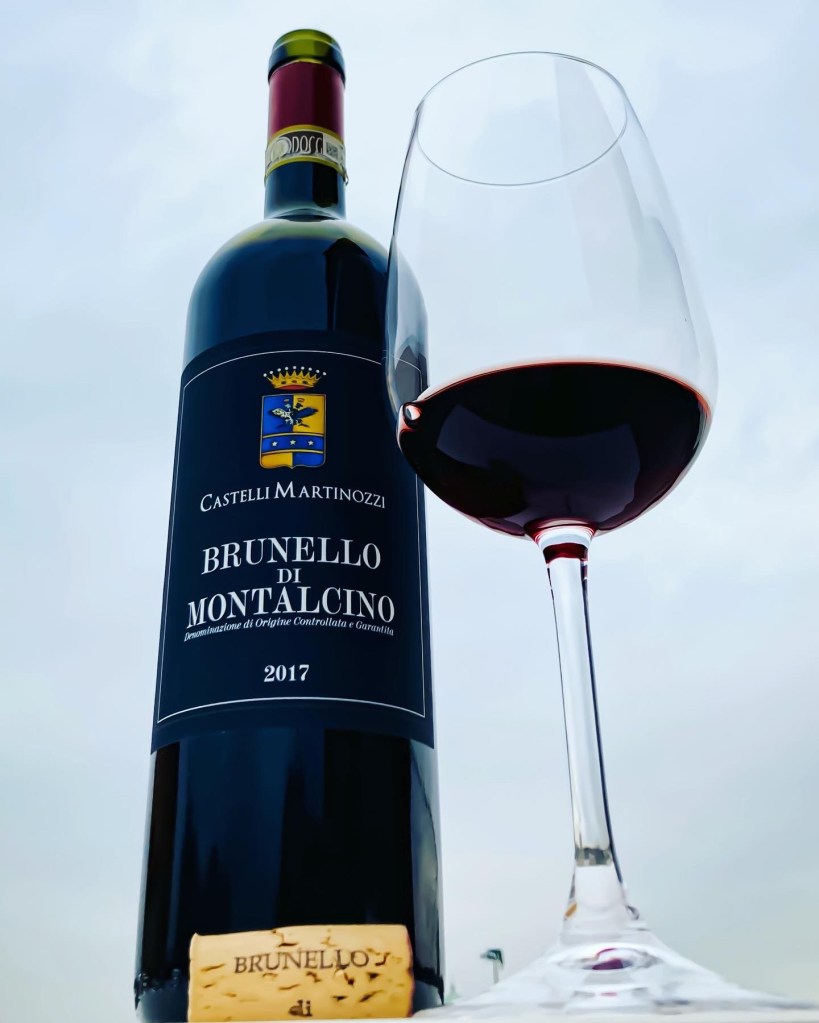
Brunello di Montalcino DOCG 2017, Castelli Martinozzi, Tuscany

Castelli Martinozzi Winery: In Villa Santa Restituta, there is an estate winery that dates back to the 18th century. This villa is one of Montalcino’s oldest. For its wine, the estate won the oldest prize in Siena, which was given out in 1892. The family has run the winery for several generations, and it only produces wines with the typical Montalcino flavor. Over the past more than 130 years, the business has been producing premium wines. Today, the business is managed and led with passion and dedication to winemaking.

The Montalcino region: It was first mentioned in 814 AD. Montalcino persevered for four years following Florence’s defeat of Siena before joining a unified Italy in 1861. When it comes to winemaking, it is one of the best regions in Italy and the world. On a global scale, it would appear that Montalcino receives more attention. There are now over 200 winemakers in Montalcino, compared to just 11 in the 1960s.

Wine: Brunello di Montalcino DOCG. A robust red wine with a lot of body. 100%Sangiovese-based, with aromas of spice and red fruits. Aged for four years in Slavonian oak barrels. The flavor is robust, dry, and has a flavorful finish. A powerful, elegant, and complex wine.

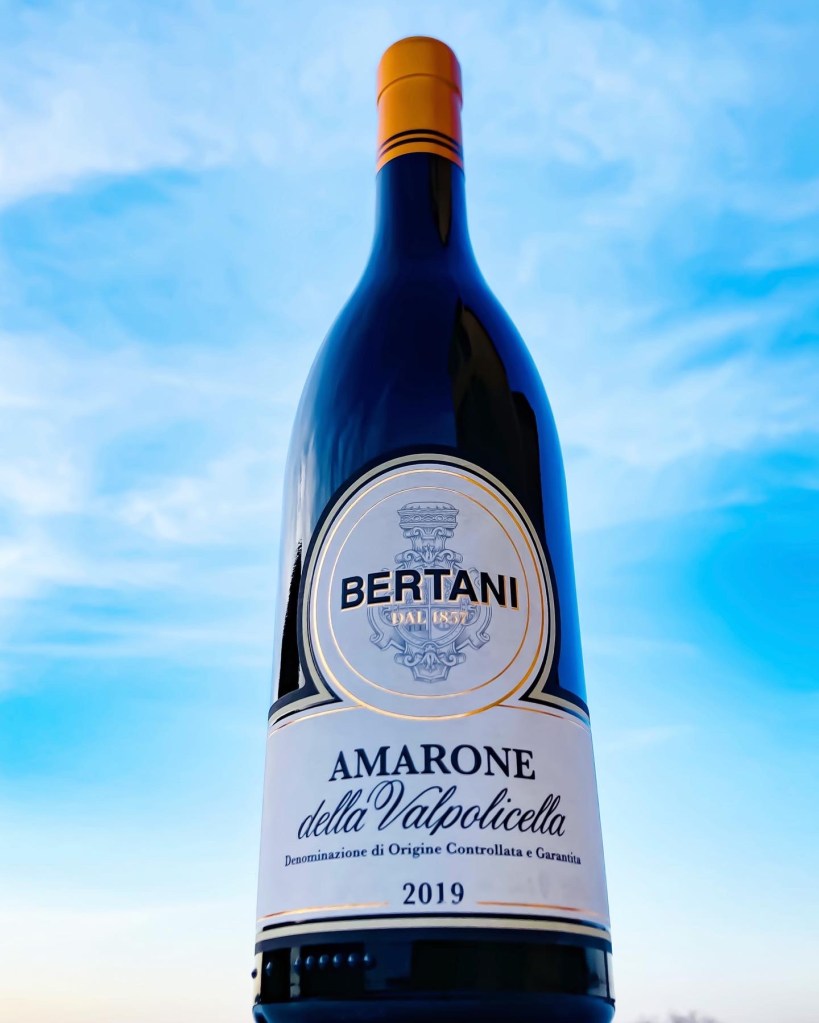
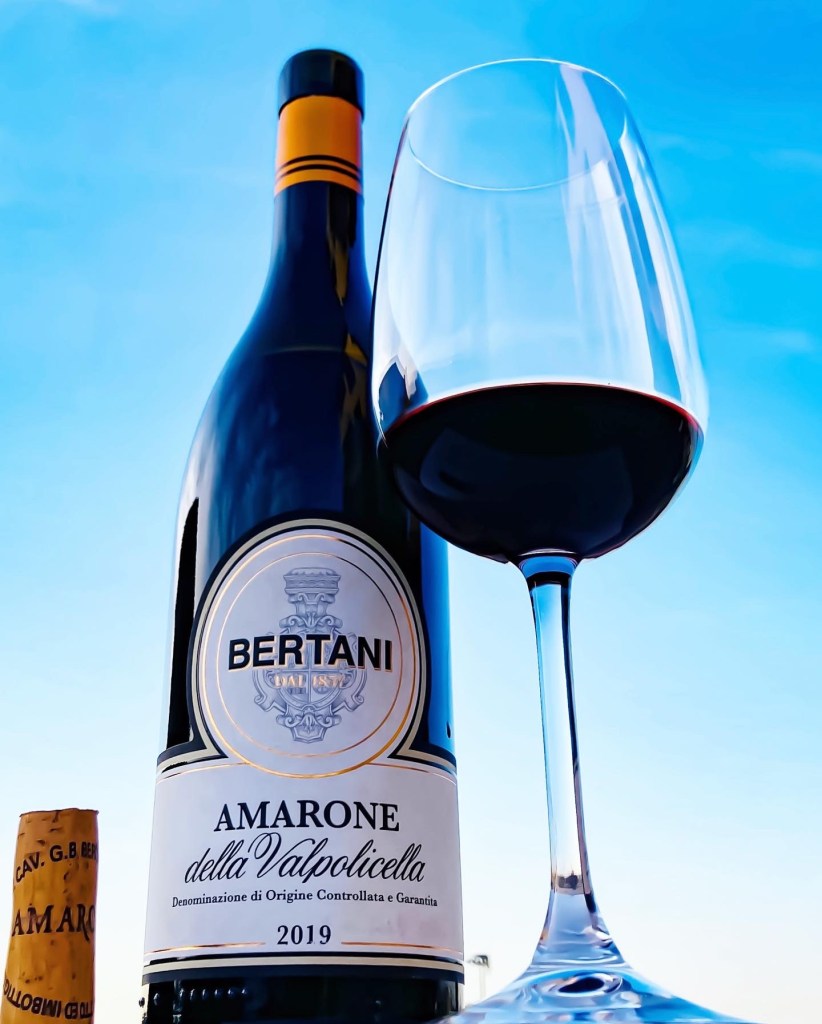
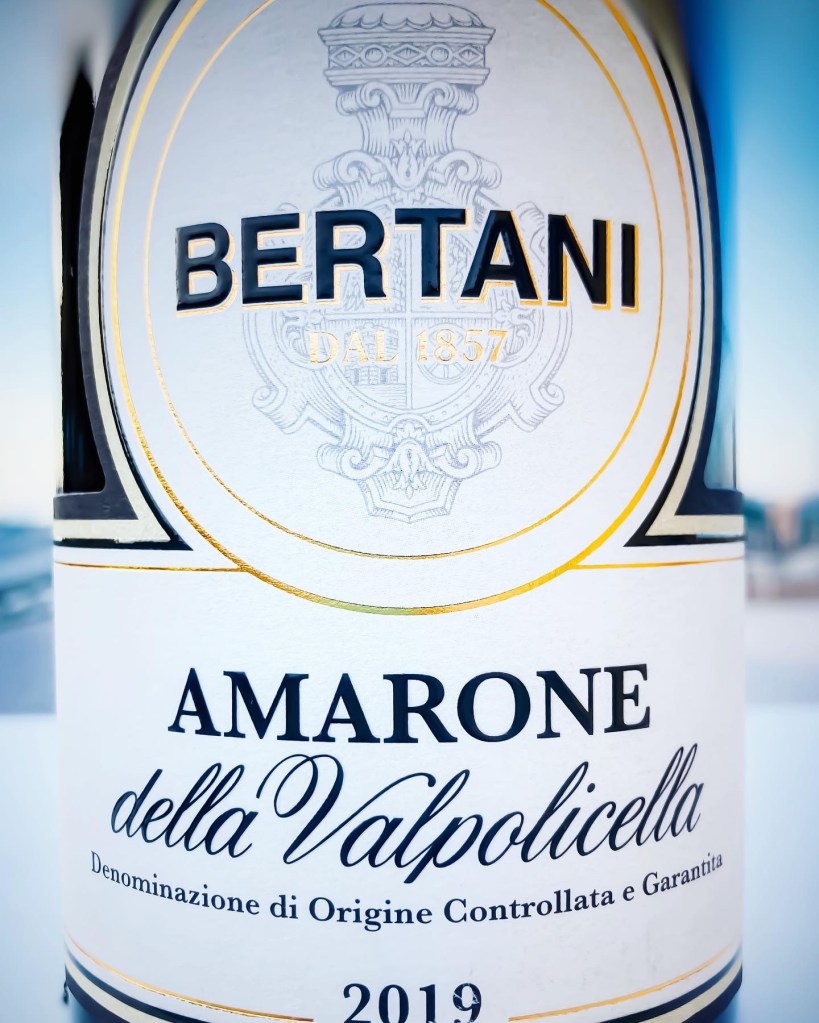
Legacy, 𝐀𝐌𝐀𝐑𝐎𝐍𝐄 Della Valpolicella DOCG 2019. Corvina e Rondinella, Cantine Bertani , Veneto

Amarone Tasting: Legacy, 𝐀𝐌𝐀𝐑𝐎𝐍𝐄 Della Valpolicella DOCG 2019. Corvina e Rondinella, Cantine Bertani , Veneto

Bertani Estate: Founded in 1857 in the heart of Valpolicella’s “Valley of the Gods,” Quinto di Valpantena. The company is in charge of managing over 200 hectares of vineyards in the province of Verona, known for producing Venetian wines and has two cellars and vineyards in the Valpantena classico region as well as a Soave and Lake Garda estate. Bertani is the first Italian company to improve wine bottling through investments and cutting-edge viticulture. The regions extend from Valpolicella classica to Valpantena, from Soave to Lugana. Bertani is a symbol of 𝐀𝐌𝐀𝐑𝐎𝐍𝐄 and the most passionately authentic winery in Italy. Amarone’s birthplace was Villa Mosconi Bertani.

𝐀𝐌𝐀𝐑𝐎𝐍𝐄: Born of Error. According to the locals, an experiment was carried out in the historic BERTANI CELLARS. Bertani was where Amarone was born in 1958. Rather than a lengthy history, this is an incredible tale. The official source of Amarone’s discovery was a rumored forgotten barrel of RECIOTO wine, which was then excellently aged to become more robust. The BERTANI winery was the first to produce Amarone. The fact that Amarone wine has evolved into a fascinating dialogue with literature and film over time is no accident. This unexpected effect is now appreciated by people all over the world.

Wine: 𝐀𝐌𝐀𝐑𝐎𝐍𝐄 Della Valpolicella 2019. A heavy bodied wine with a deep red color and aromas of blackberry and cherry. Made with a blend of 80% Corvina and 20% Rondinella. There are hints of pepper spice and cinnamon. The wine is creamy on the palate with a long, persistent finish.

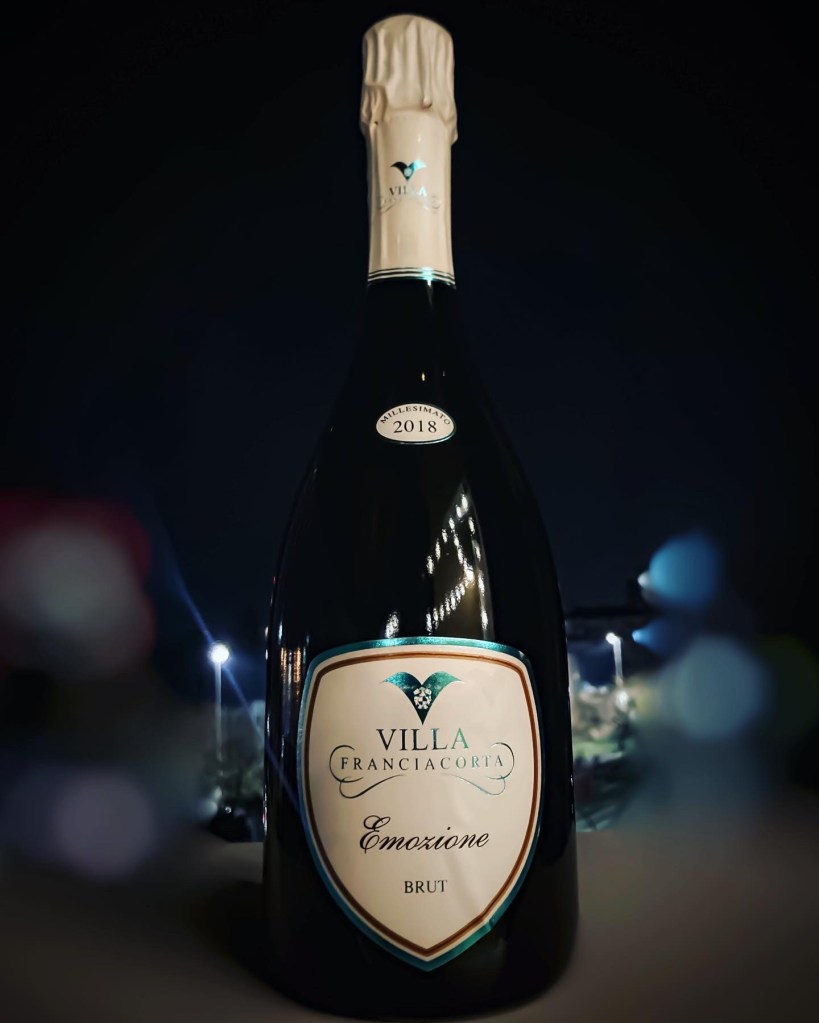
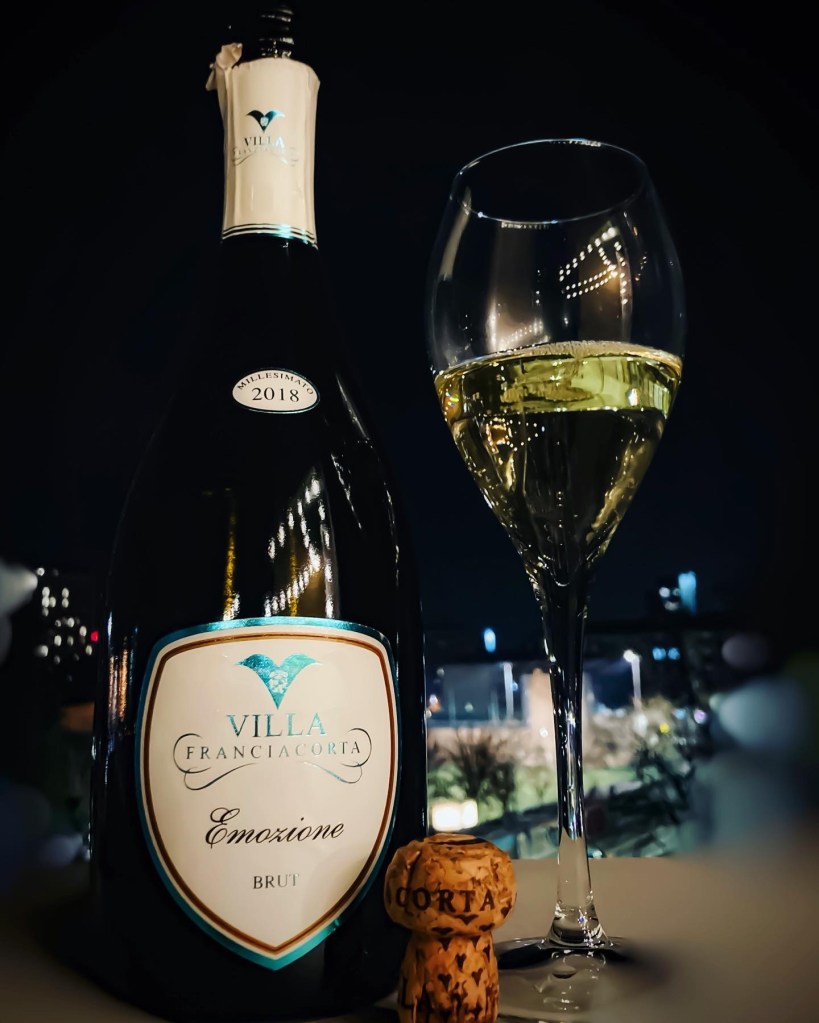
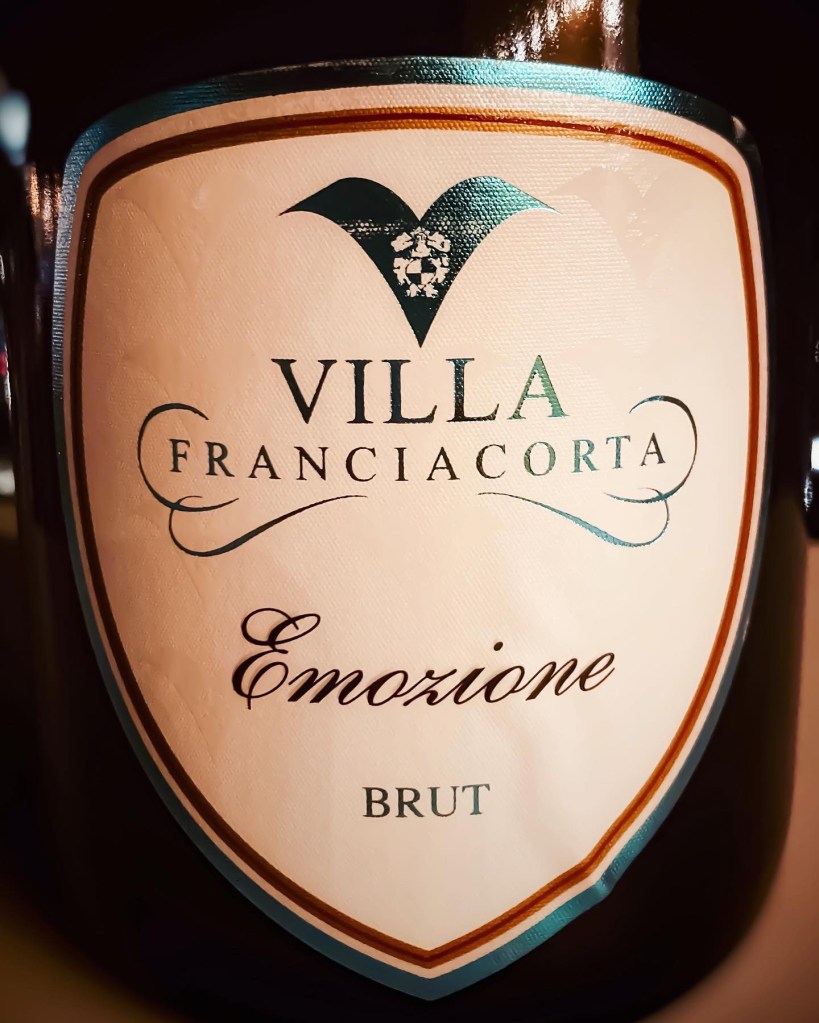
Villa Franciacorta DOCG Millesimato Emozione (Emotion) 2018. Made with a blend of Chardonnay, Pinot Noir and Pinot Blanc, Villa Franciacorta Lombardy

Brut Tasting: Villa Franciacorta DOCG Millesimato Emozione (Emotion) 2018. Made with a blend of Chardonnay, Pinot Noir and Pinot Blanc, Villa Franciacorta Lombardy

Villa Franciacorta: A Michelin star destination partner with record-breaking 20 million bottles sold in 2022. Began with the first vintage of Pinot di Franciacorta in 1960. Franciacorta was the first region in Italy to receive the Protected and Guaranteed designation of origin in 1995. Vintage wines make up Villa Franciacorta’s entire product line. Today, Villa Franciacorta stands out in the tourism industry and produces exceptional wines.

Franciacorta: A subregion of Lombardy in the Northern part of Italy that produces some of the finest and most prestigious sparkling wines. Villa Franciacorta is a consortium of 121 wineries, founded in 1990 by 29 producers.

Wine: From the grape plantations situated in the Monticelli Brusati. The 2018 Villa Franciacorta Millesimato Brut Emozione. Tradition’s Manifesto: This is Villa Franciacorta’s Emotion. The only Franciacorta in the house is made with three different grape varieties. Straw yellow with hints of fresh fruits and sweetness of acacia. Created with a blend of 85% Chardonnay, 10% Pinot Noir, and 5% Pinot Blanc. Additionally, the wine has an elegant structure and lingering aftertaste because it is a blend of 26 base wines from the estate winery.

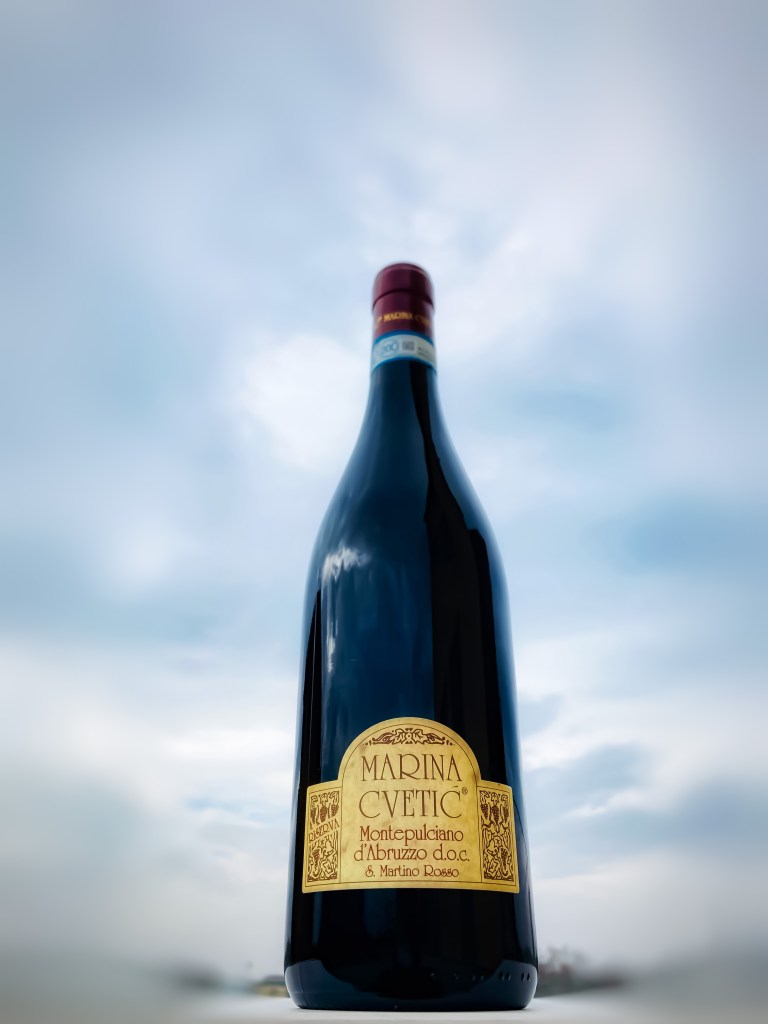
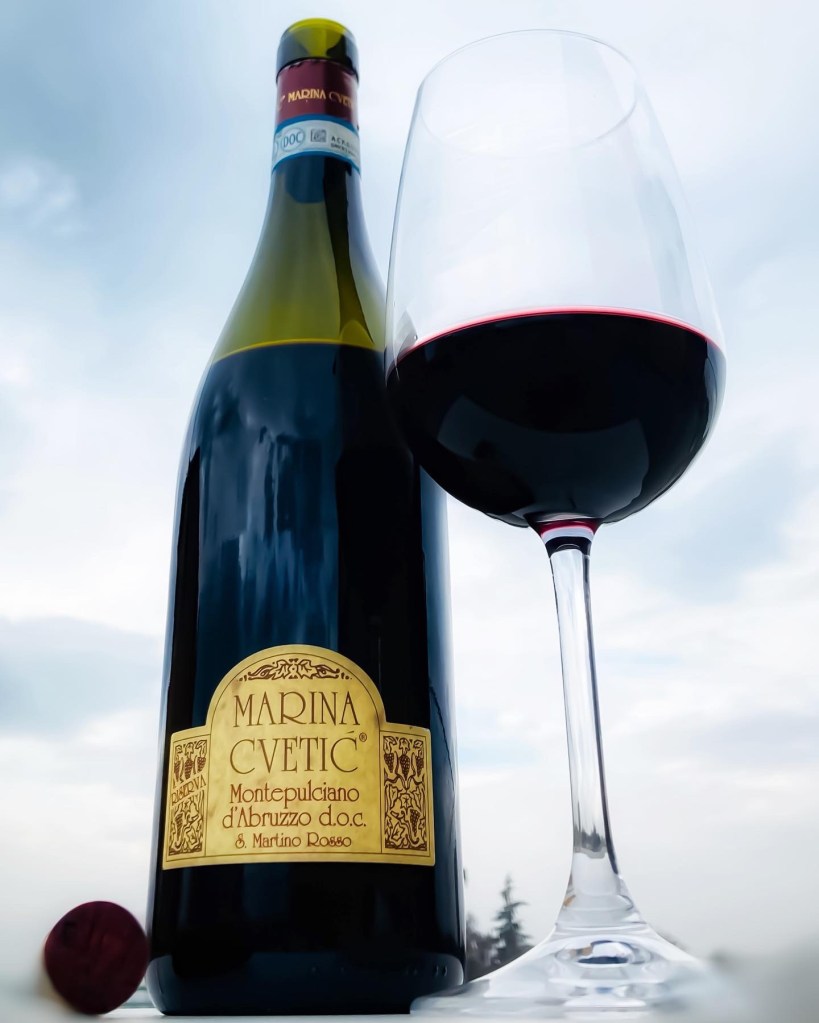
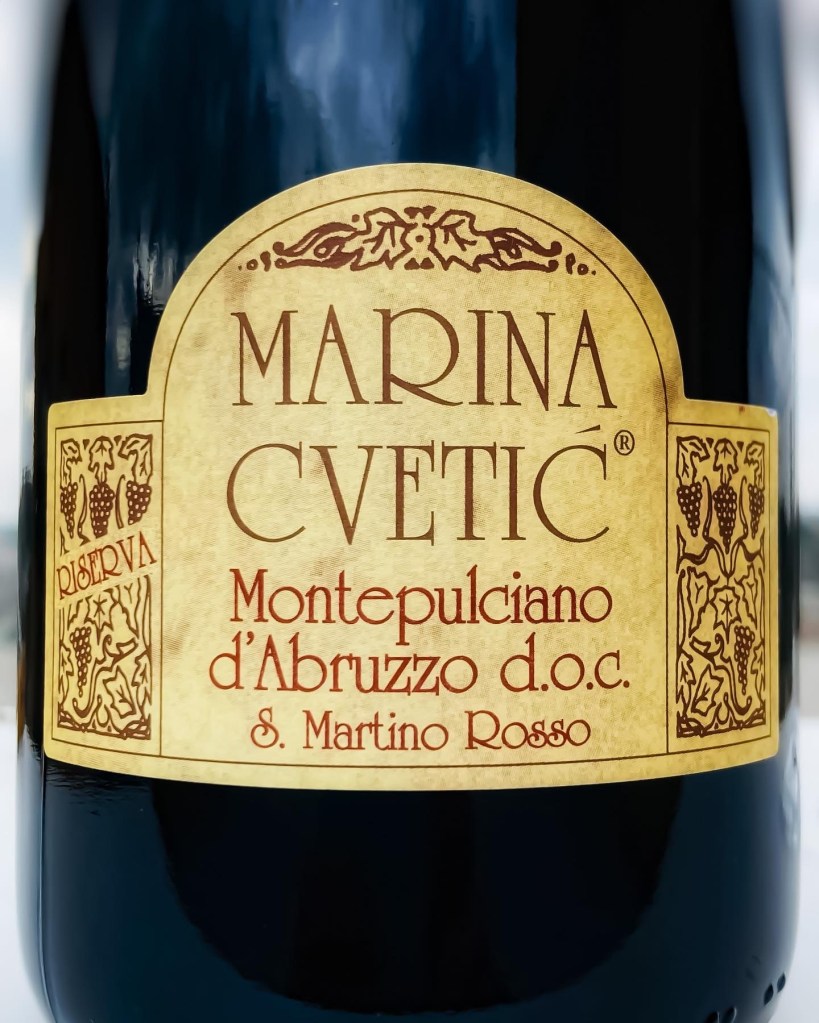
Marina Cvetić, Montepulciano D’Abruzzo DOC 2018 Riserva, San Martino Rosso, Masciarelli Winery, Abruzzo, Chieti

Wine Tasting: Marina Cvetić, Montepulciano D’Abruzzo DOC 2018 Riserva, San Martino Rosso, Masciarelli Winery, Abruzzo, Chieti

Masciarelli: Founded by Gianni Masciarelli in 1981. After a lengthy reclamation, the company opened “Castello di Semivicoli,” a baronial chateau from the seventeenth century that is now a “Relais de Charme” in the grape plantations, which is the primary focus of the wine industry. The company currently offers five products and 18 labels: Castello di Semivicoli, Classicline, Gianni Masciarelli, Estate Gemma, and Marina Cvetic. Marina Cvetić: A line of wines that are destined to win the highest accolades received its name. A desire passed down from his wife, Marina Cvetić, to dedicate a whole product line to his companion at work and in life. For more than three decades, the Masciarelli winery has elevated the region’s status. Today, the vineyards span more than 300 hectares in four Abruzzo provinces and are present in 53 countries.

Wine: Marina Cvetić, Montepulciano D’Abruzzo DOC 2018. One of the finest wines produced in Abruzzo. Crafted entirely from Montepulciano grapes. Amazing wine with a heavy body and aromas of black cherries, rose, jam, and Mediterranean scrub. A deep red color wine with purple undertones and aromas of licorice & cinchona. This wine is the best seller from the particular product line. The wine has great structure, fine tannins, and is balanced, as well as complex.

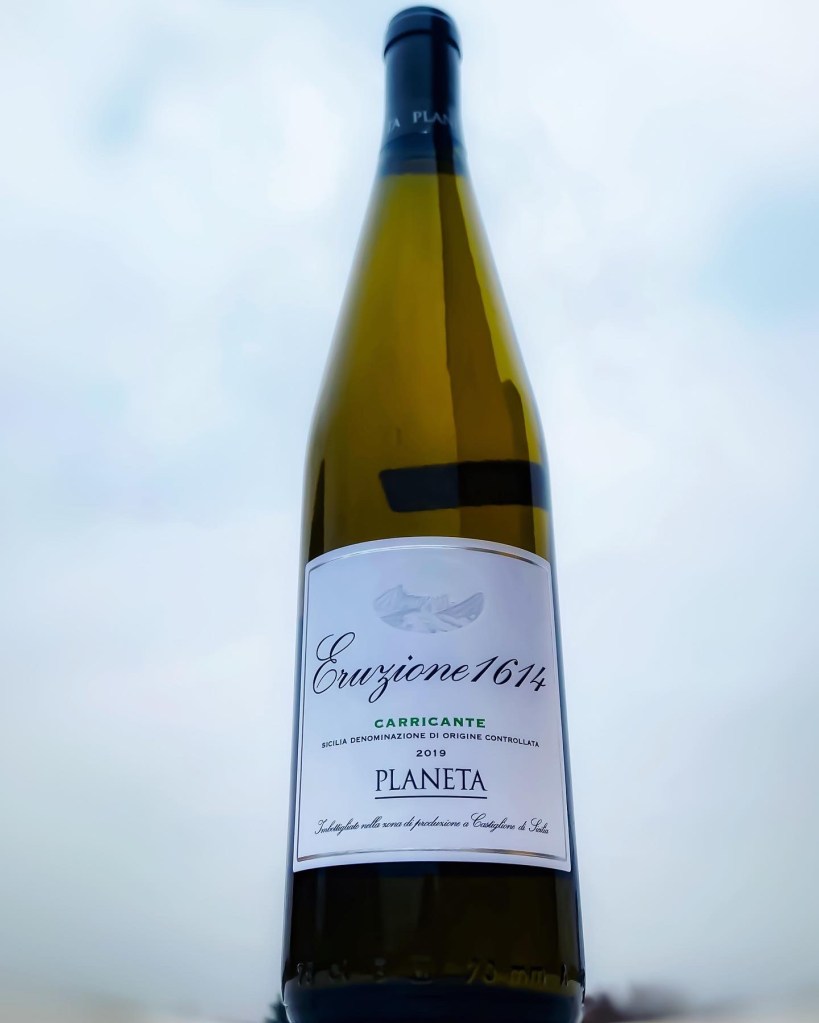
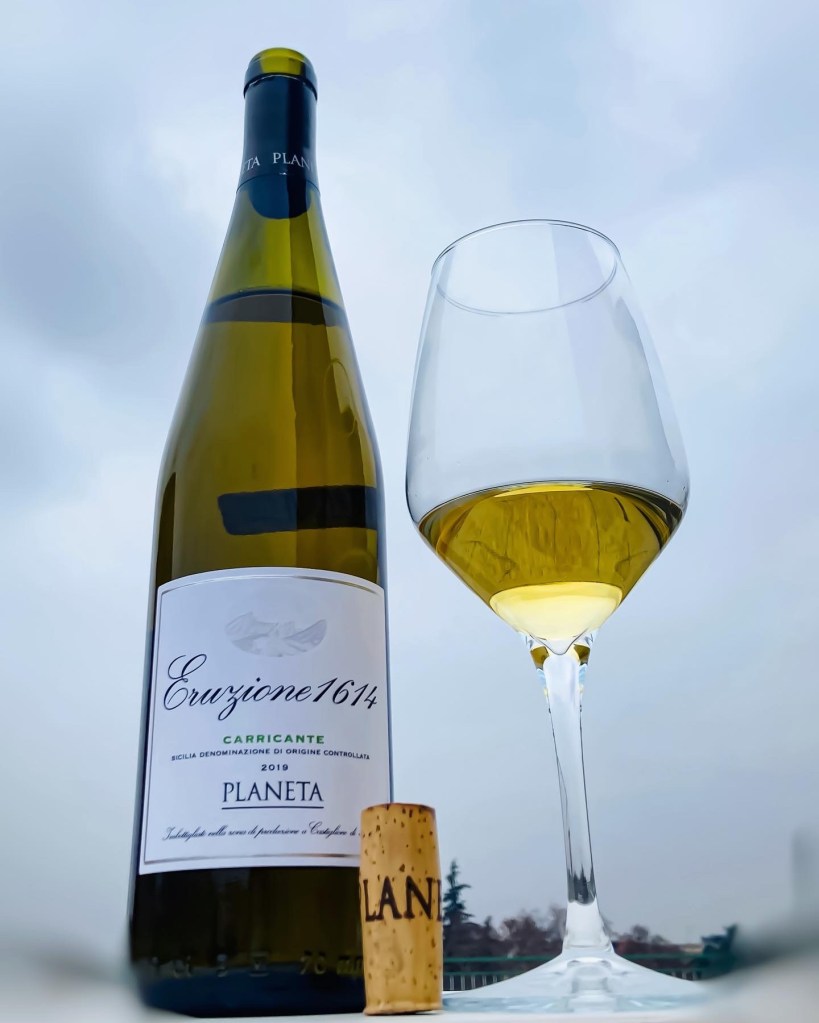
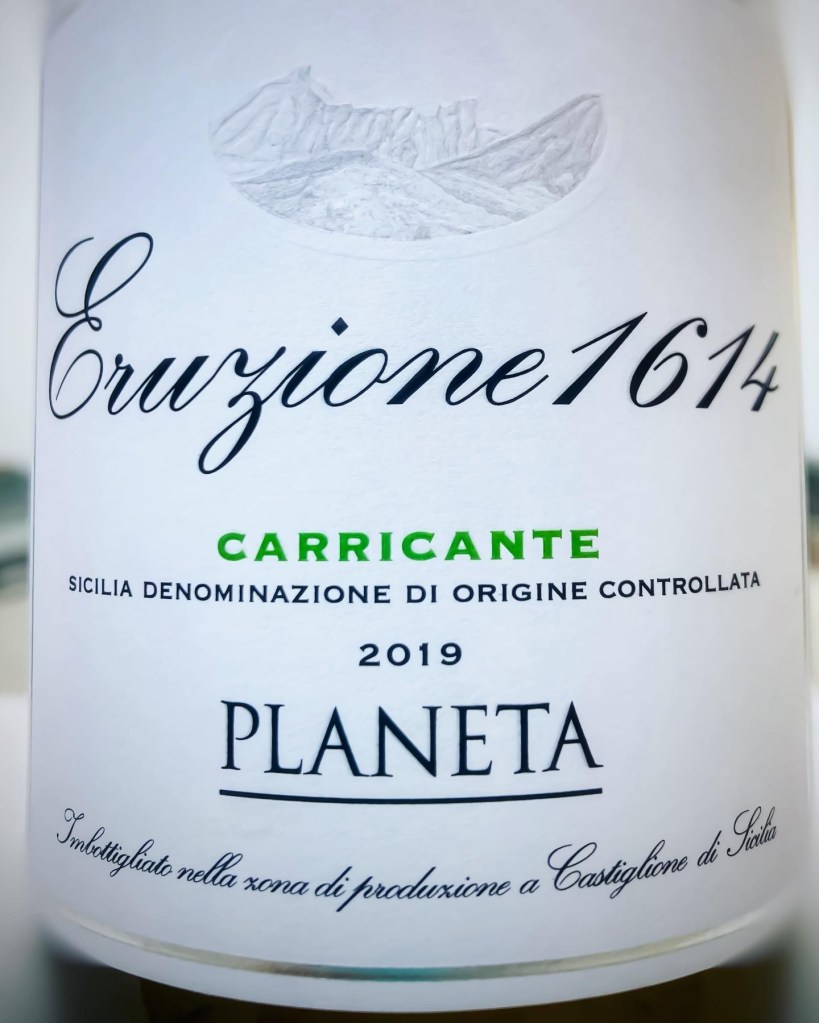
The Volcanic wine. Sicilia Eruzione ( Eruption) 1614, Etna DOC. Made with Carricante and Riesling, 2019, Planeta Winery, Sicily

Wine Tasting: The Volcanic wine. Sicilia Eruzione ( Eruption) 1614, Etna DOC. Made with Carricante and Riesling, 2019, Planeta Winery, Sicily

Planeta: The journey began in Sambuca di Sicilia, on the family’s estate, which had been in their possession since the 1600s. The Planeta family has been making wine in the world’s most exciting viticulture regions for five centuries and seventeen generations. Planeta’s wineries can be found in Menfi, Vittoria, Noto, Etna, and Capo Milazzo. They were established in the 1990s. Planeta also has a restaurant, a hotel/hospitality business, olive oil production, and winemaking, among other important businesses. Planeta Winery is now one of Sicily’s leading wineries and a real wine empire.

Etna DOC: Italy’s most stunning wine region and Europe’s largest active volcanic region. Etna stands out because of its exceptional terroir. The exceptional wines and distinctive volcanic terroir that make up the appellation are what makes it so well-known. Winemakers are planting vineyards and producing excellent wines despite the risk. Over 150 wineries produce exceptional wines in Etna today.

Wine: Etna Bianco, Sicilia Eruzione (Eruption)1614. 2019, made with a blend of 90% Carricante and 10% Riesling. Born between the lava soils and altitude of the Etna eruption of 1614. With aromas of citrus fruits, green apples, this wine is bright, rich golden yellow. A medium to full bodied wine. The wine has rich, soft flavors of lemon peel on the palate. The wine has a long finish and excellent structure and texture.

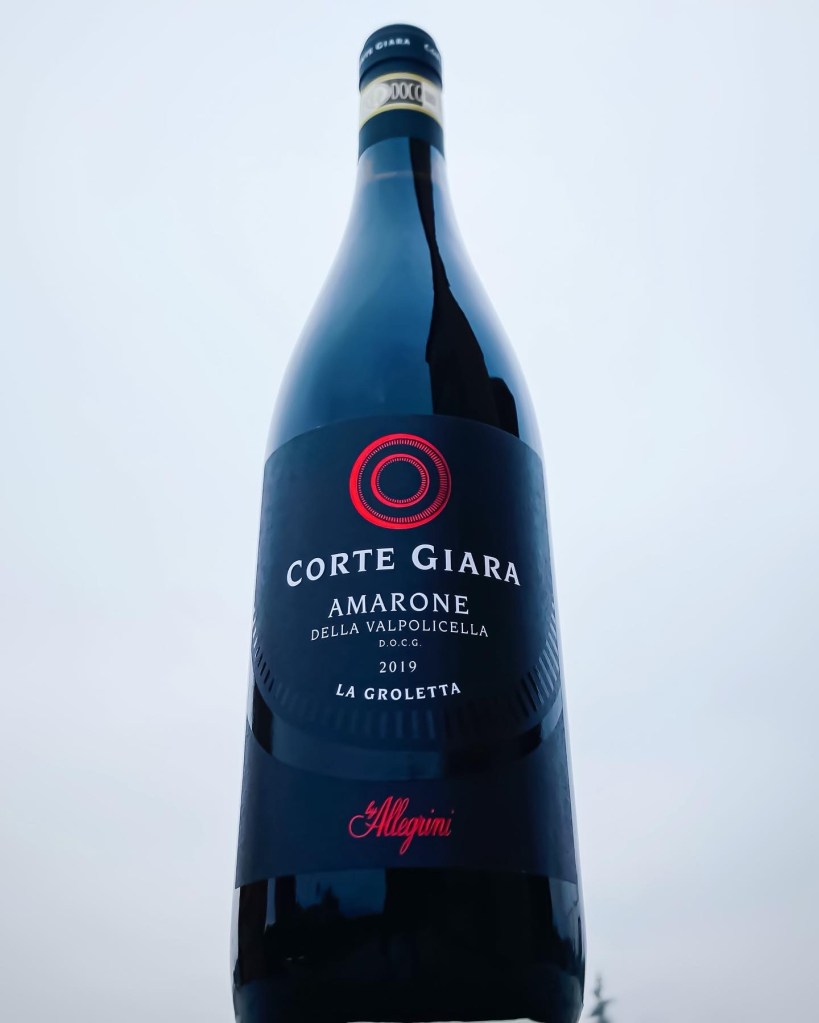
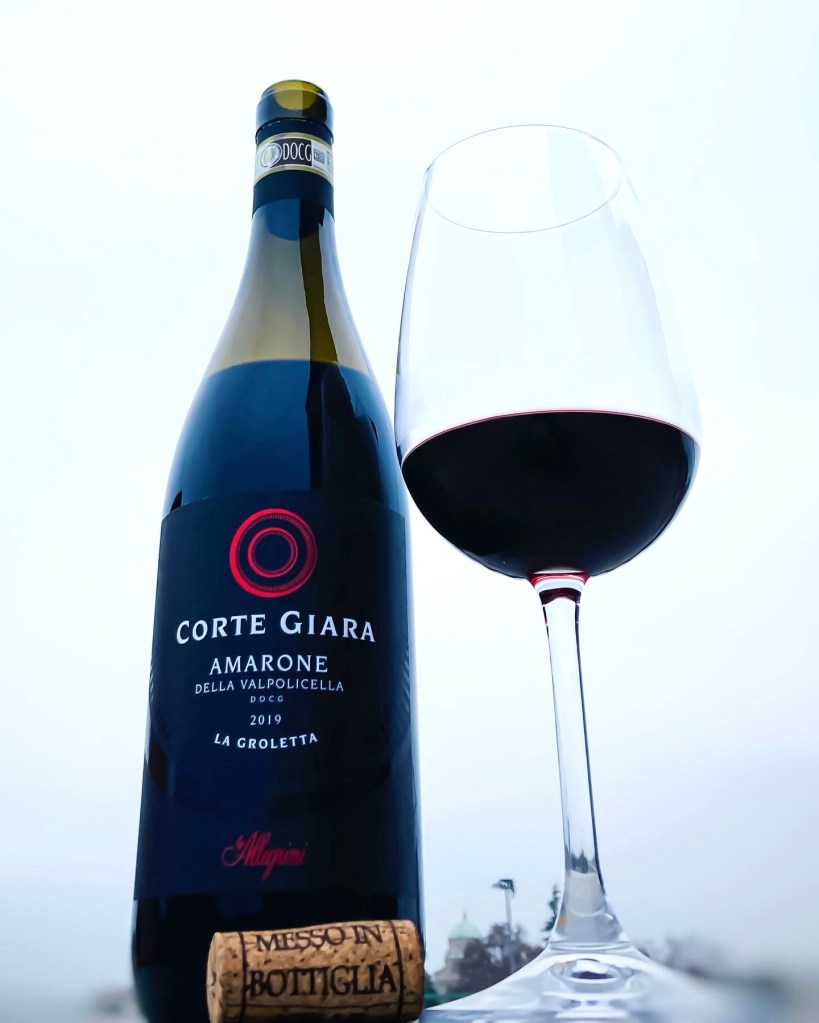
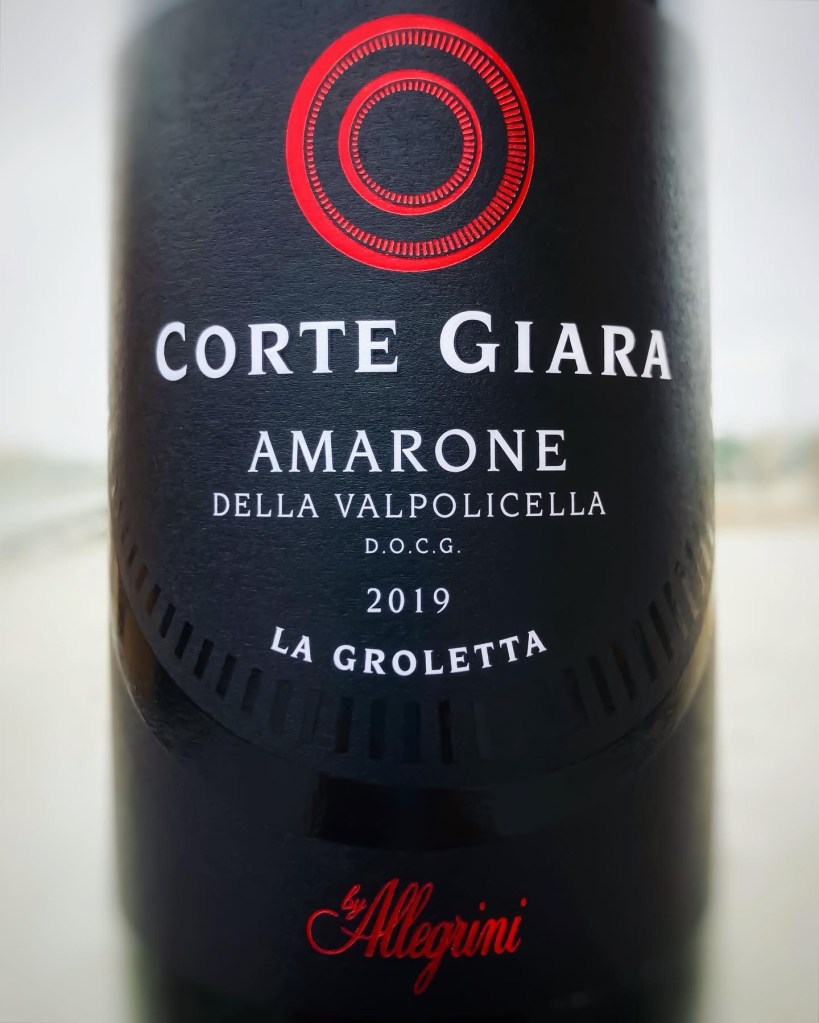
Corte Giara, AMARONE Della Valpolicella, 2019. Made with a blend of Corvina and Rondinella, Allegrini Winery, Veneto

𝐀𝐦𝐚𝐫𝐨𝐧𝐞 𝐓𝐚𝐬𝐭𝐢𝐧𝐠:

𝐀𝐋𝐋𝐄𝐆𝐑𝐈𝐍𝐈: One of the most prestigious wineries in Italy and internationally renowned. It has had its headquarters in 𝐕𝐀𝐋𝐏𝐎𝐋𝐈𝐂𝐄𝐋𝐋𝐀 ever since the 16th century. In the Classico region, the company and its vineyards are perched on hills. The only thing that goes into their wines is their grapes. Devoted to winemaking for over 400 years and a major driver of the expansion of the Valpolicella region. There are currently four farms in Tuscany and Veneto that make up Allegrini: Villa Della Torre, Corte Giara, Poggio al Tesoro, and San Polo. The company was established in Fumane in 1854 and steered by subsequent generations of the same family. In 1989, an innovative project to enhance the Veneto region’s wine heritage was launched: The 𝐂𝐎𝐑𝐓𝐄 𝐆𝐈𝐀𝐑𝐀.

𝐀𝐌𝐀𝐑𝐎𝐍𝐄: Born by Mistake and leaving marks everyday. Not an extremely lengthy history but rather an incredible story. A rumored forgotten barrel of RECIOTO wine, which was then excellently aged to become more 𝐒𝐓𝐑𝐎𝐍𝐆𝐄𝐑, was the source of Amarone’s official discovery. Recioto has a slightly longer history. Today, people all over the world appreciate this unexpected effect. Although the initial bottle of Amarone was produced in 1938, it wasn’t until 1953 that it was actively traded.

𝐖𝐈𝐍𝐄: 2019 Corte Giara Amarone Della Valpolicella. An exceptional full bodied wine is this Amarone. Composed of 𝟕𝟎% Corvina and 𝟑𝟎% Rondinella. Red in color, the aromas are of red fruits and spice, including pepper and clove. Bunches of natural notes too. This Amarone has perfect tannins and is perfectly balanced.

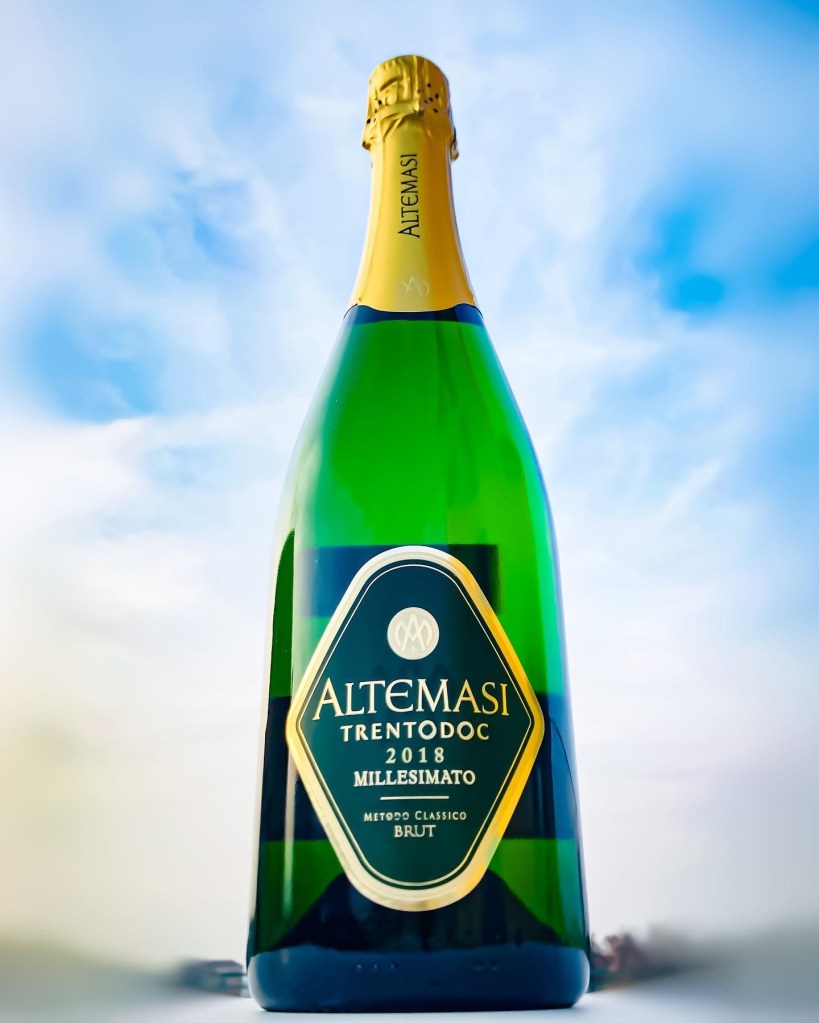
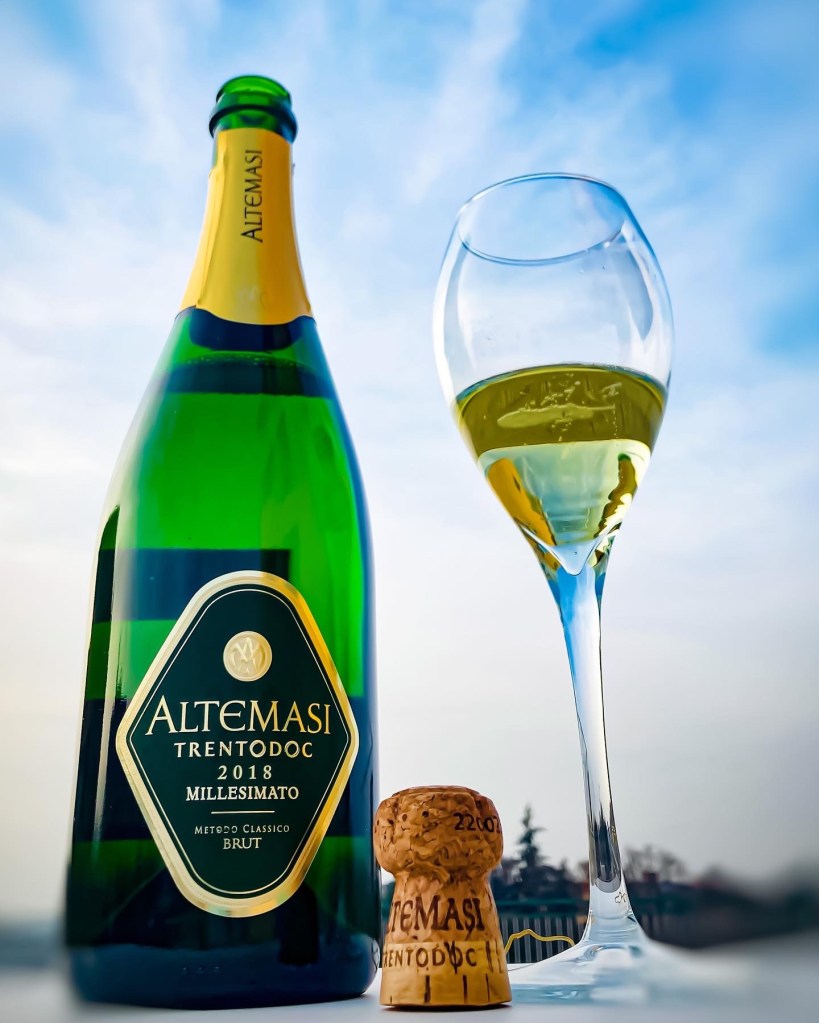
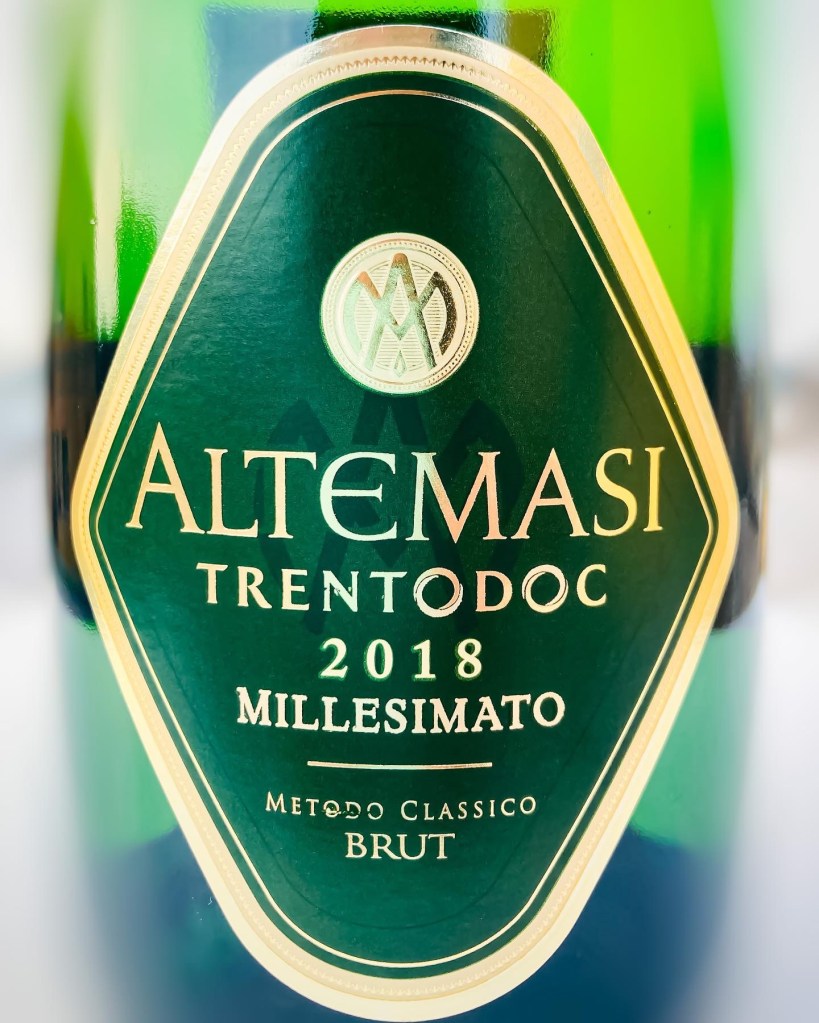
Trento DOC Millesimato Brut 2018. Made with Chardonnay, Altemasi, Trentino

BRUT Tasting. Trento DOC Millesimato Brut 2018. Made with Chardonnay, Altemasi, Trentino

Altemasi: The best sparkling metodo classico TRENTO DOC wines from Cavit are represented by the Altemasi. These carefully crafted and produced sparkling wines come from the finest farms and grapes. At Cavit’s Cantina Altemasi, where it is made and aged. The cooperative known as Cavit (Cantina Viticoltori del Trentino) is made up of 11 wineries in Trentino and their 5,250 affiliated winegrowers.

DOC Trento: After Champagne, Trento DOC was the first DOC of classic method sparkling wine to be established anywhere in the world, beginning in Italy. The most precious Italian wines are those from Trento DOC. Trento wines have established themselves as the best Italian wines, thanks to their more than 50 wineries and annual production of more than 70 million bottles.

Brut: 2018 Trento DOC Millesimato from the TRENTINO area’s highest plot. Made entirely from Chardonnay grapes. A lovely shade of straw yellow. Aromas of citrus, green apple, and fresh fruits. A remarkable, sophisticated, and intricate Brut. Cheers. Happy New year everyone.

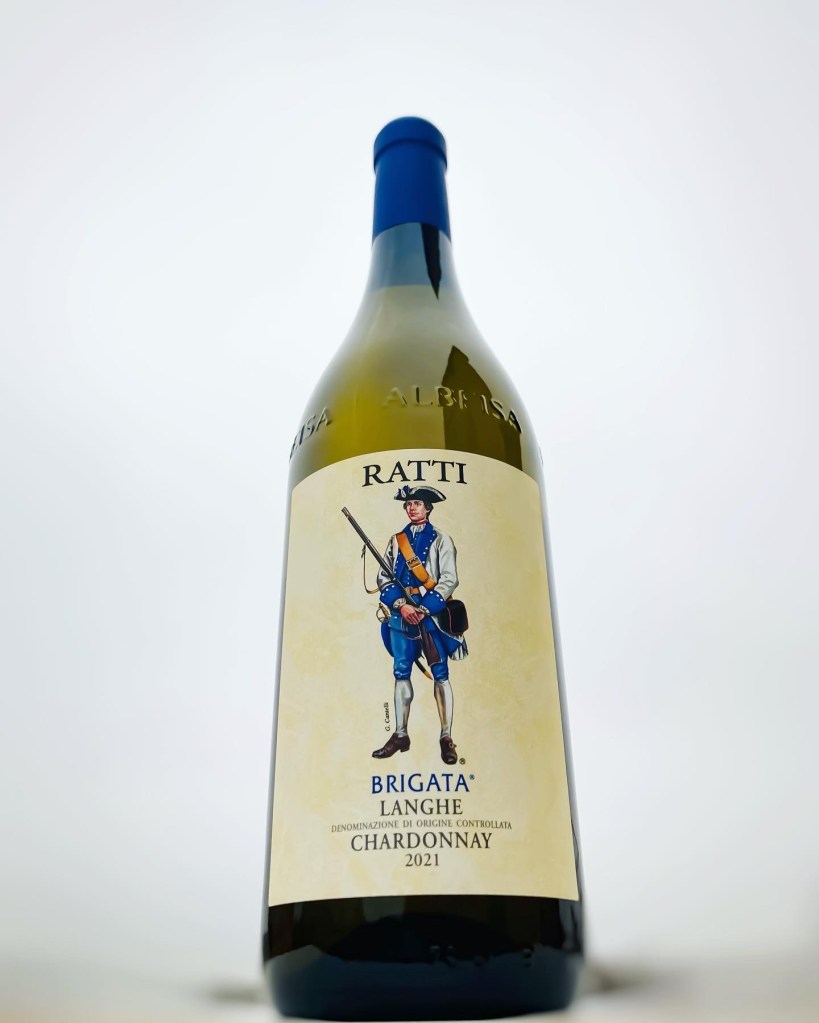
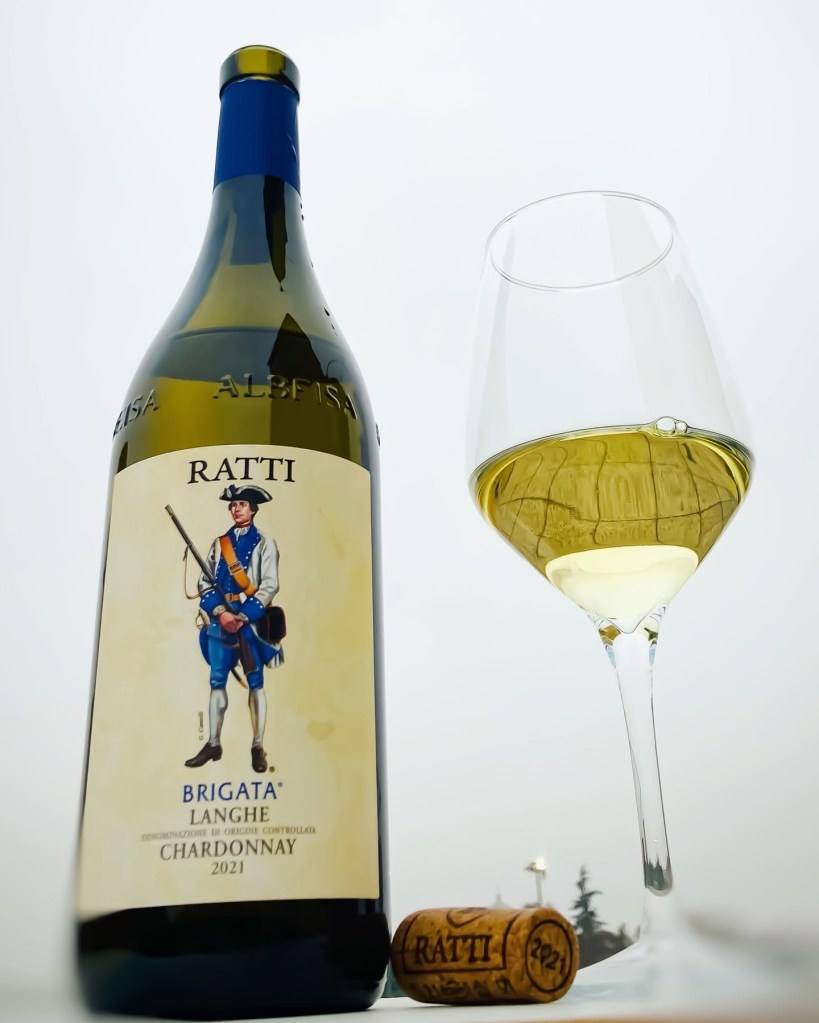
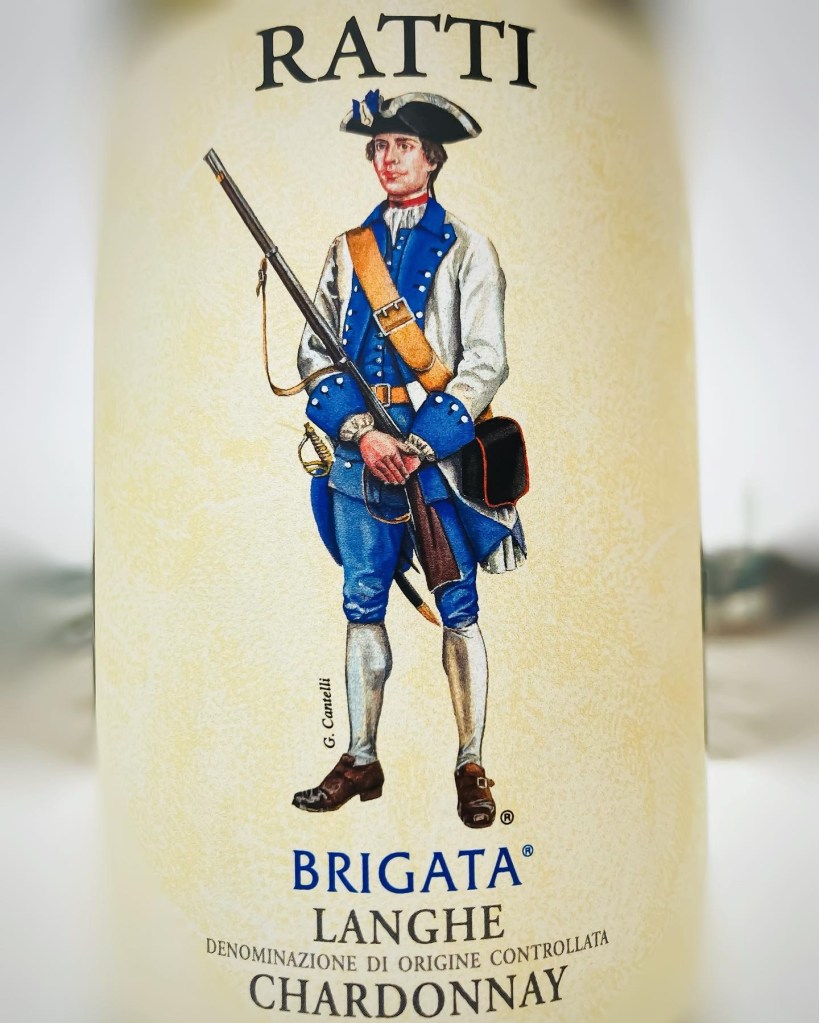
Another one from Renato Ratti Winery. Langhe Chardonnay DOC Brigata (Brigade) 2021, Piedmont

Wine Tasting: Another one from Renato Ratti Winery. Langhe Chardonnay DOC Brigata (Brigade) 2021, Piedmont

Renato Ratti Winery: Started in 1965 to create Barolo. In order to showcase Barolo and Langhe wines, the “Ratti dei Vini di Alba” museum was established in the 1970s. One of Piedmont’s most important museums. The embedded “ALBEISA,” which was produced in 1973, is an iconic bottle for Piedmont wines. The winery was the primary architect of the cultural and technical revolution in the world of Italian and Piedmontese wines. The vineyards of Cantina Ratti can be found in Dogliani, Mango & Costigliole d’Asti, and La Morra. The company is now in the hands of Pietro Ratti, who has a passion for high-quality research and wines.

Langhe Wine Region: This UNESCO world legacy site is the home and beginning for Italy’s longest resided wines. Because it is a subregion of the Piedmont appellation, Langhe has been producing wines that are truly exceptional. Langhe has earned the title of “King of Wines” because of its reputation as Italy’s most fascinating wine region.

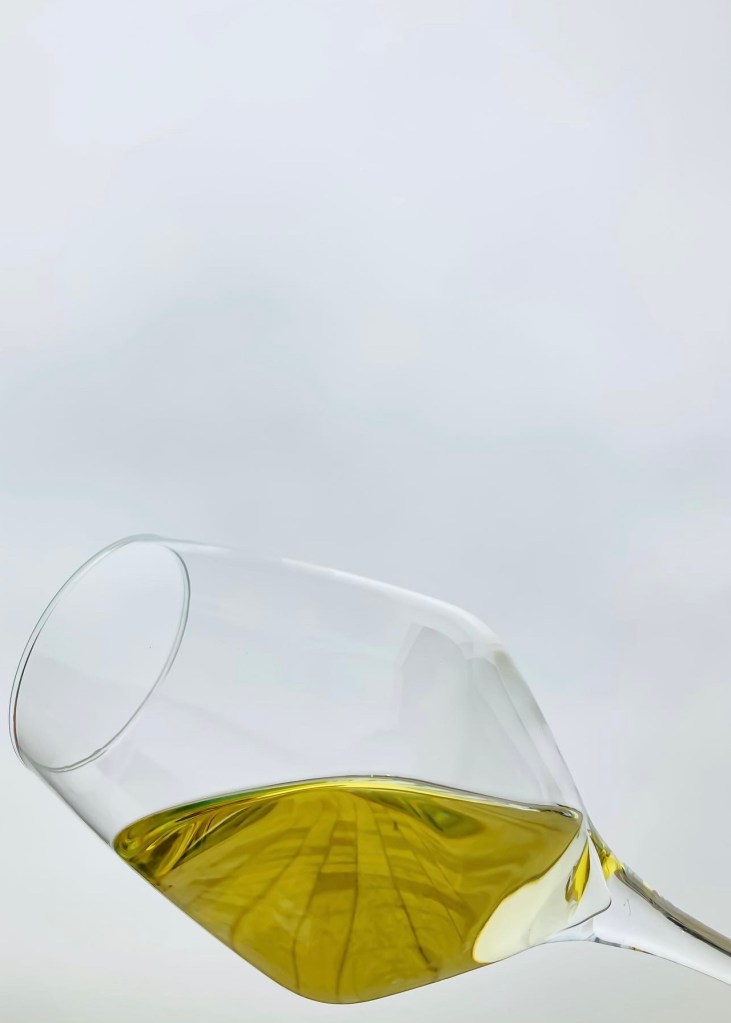
Wine: Langhe Chardonnay DOC Brigata 2021. A straw-yellow wine with a body that ranges from medium to full. Aroma of grapefruit, peach, and tropical fruits. On the palate, it is crisp and savory. Made entirely from Chardonnay grapes. A superb white from the Piemonte region.

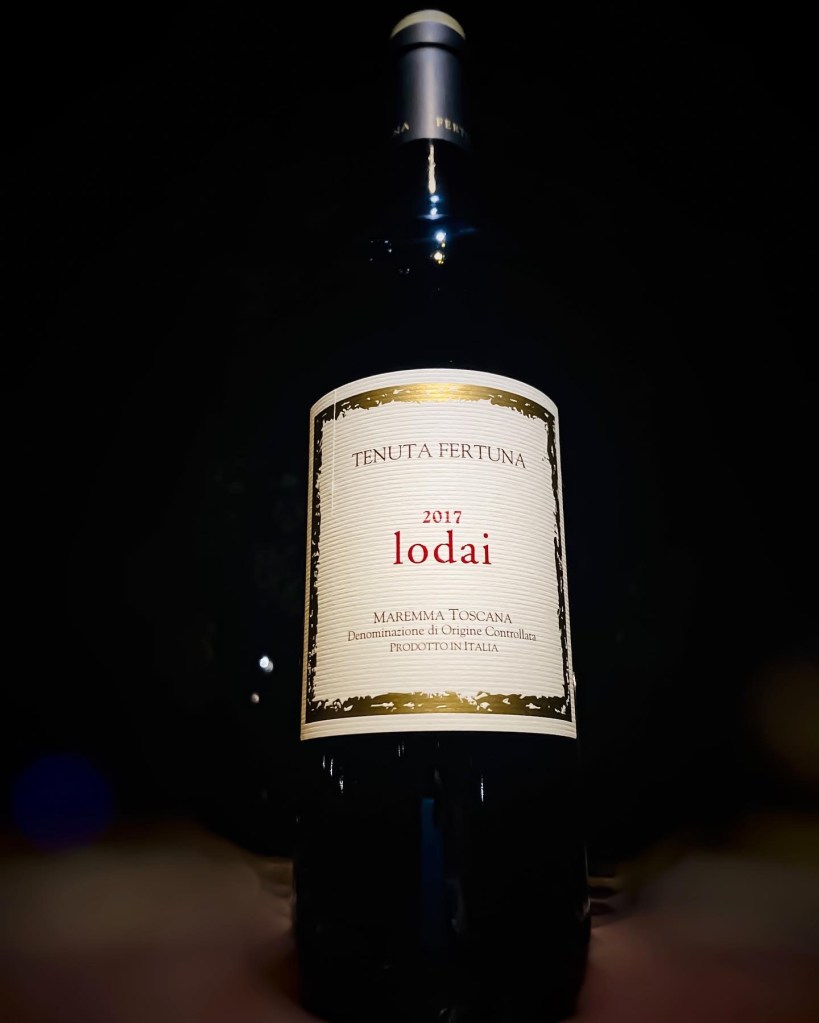
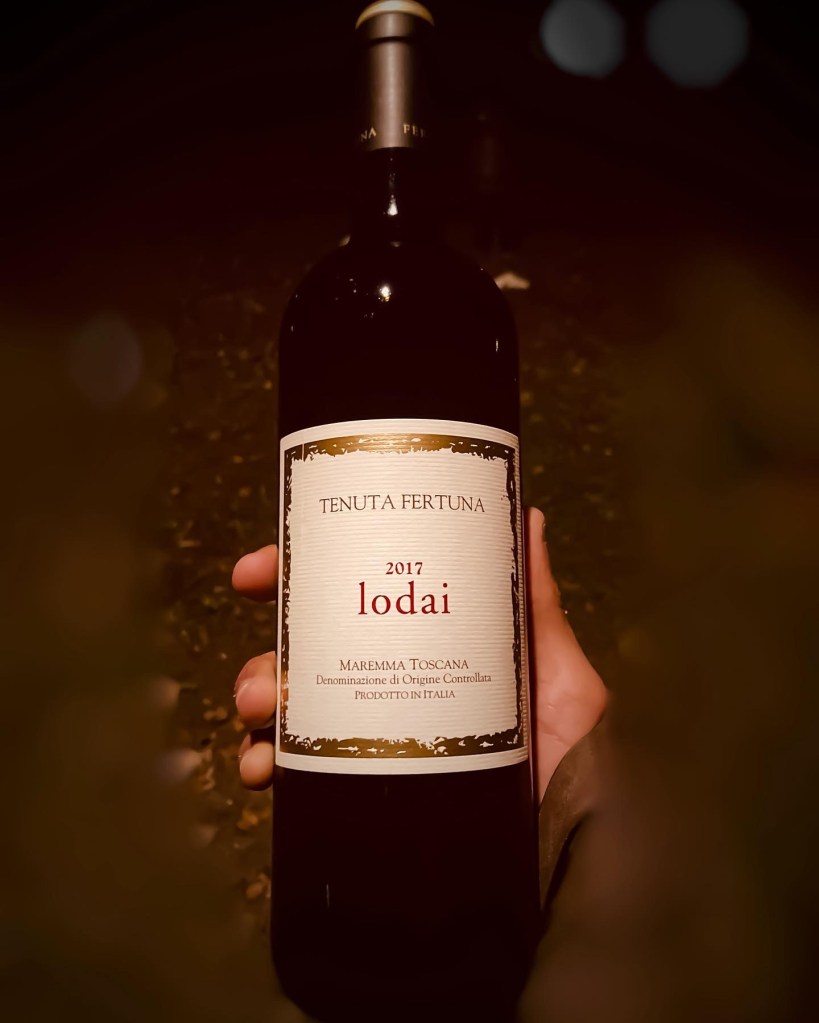
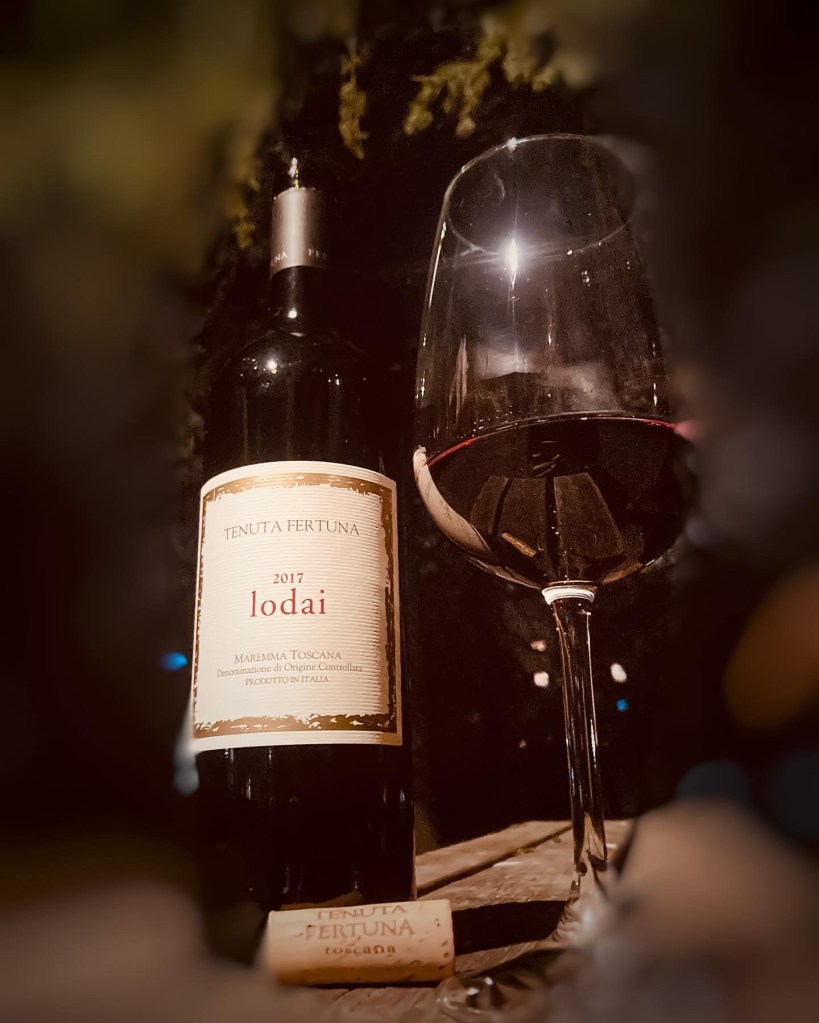
Maremma Tuscany Lodai 2017. Made with 100% Cabernet Sauvignon, Tenuta Fertuna, Tuscany

Wine Tasting: Maremma Tuscany Lodai 2017. Made with 100% Cabernet Sauvignon, Tenuta Fertuna, Tuscany

Tenuta Fertuna: Founded in 1997 in the Tuscan Maremma province of Grosseto. A company with a variety of businesses, including the production of wine hospitality, a wine shop and olive oil. The project was created with more than a century of experience, diverse generations, and a wide range of experiences. Tenuta Fertuna is one of the world’s leading estates due to its extensive cultural and historical heritage.

Tuscany’s Wine scene: For more than three thousand years, wine has been a part of Tuscany. In the 8th century, during the Etruscan civilization, it was brought from Asia. The production of wine in Tuscany continued to rise, and in 1710, the first bottle was shipped internationally. Within a short time, Tuscany established itself as a wine-producing region, producing and supplying 14,000,000 liters of wine to the larger market. The wine scene in Tuscany was forever altered in the 1960s by new regulations and advancements in wine production. Today, over 63,500 hectares of vineyards produce 7.3 billion ounces of wine annually in Tuscany.

Wine: 2017 Maremma Tuscany Lodai a robust, full-bodied red wine with aromas of tobacco, chocolate, pepper, and red fruits. The palate has perfect tannins and excellent structure. Made solely from the Cabernet Sauvignon grape variety. The wine has strong characters and rich aromas.