
Navigating Global Trends and U.S tariffs on European wines.
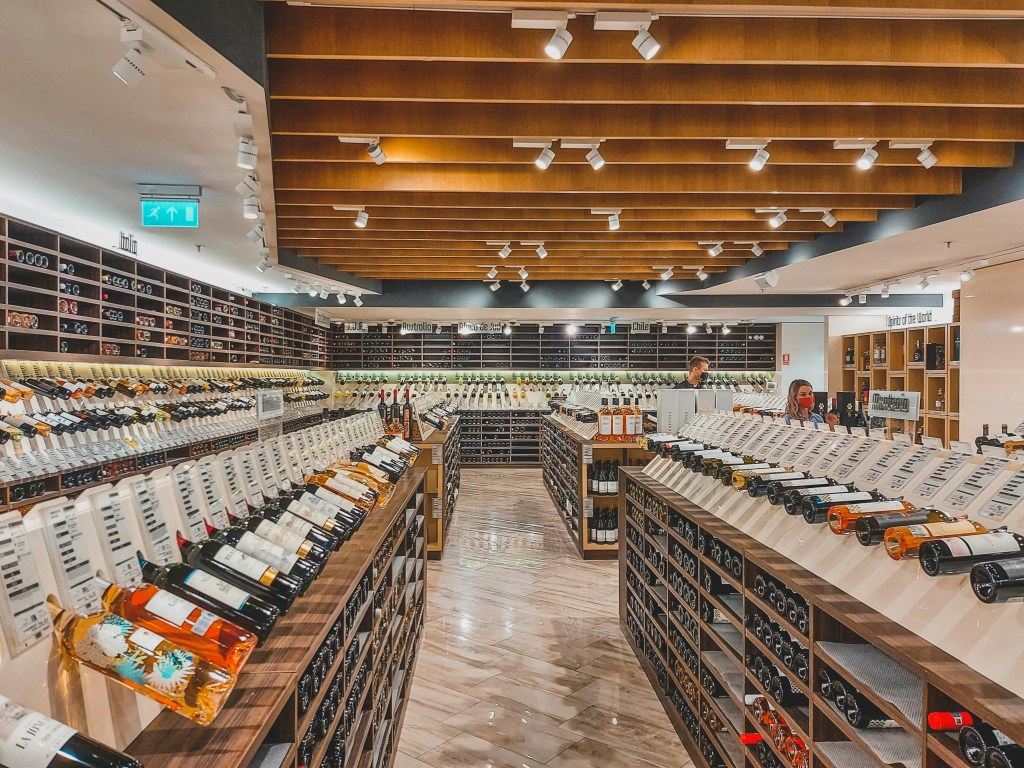
There was a time when wine tourism meant stopping by a vineyard for a quick tasting and heading out with a couple of bottles. But, today luxury wine tourism is an entirely different world. One where visitors aren’t just sipping wine but they are living it. The industry has transformed into a billion dollar industry that caters to the most.
If you have ever wondered how the world of luxury travel and fine wine blend so seamlessly, let’s take a deep dive into the business of wine, luxury tourism and trade wars.
The Growing business of Wine and Luxury Tourism:
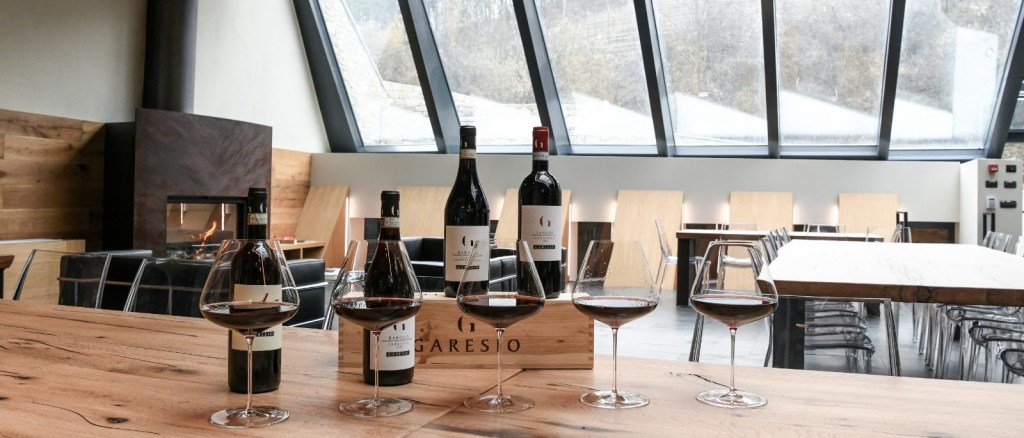
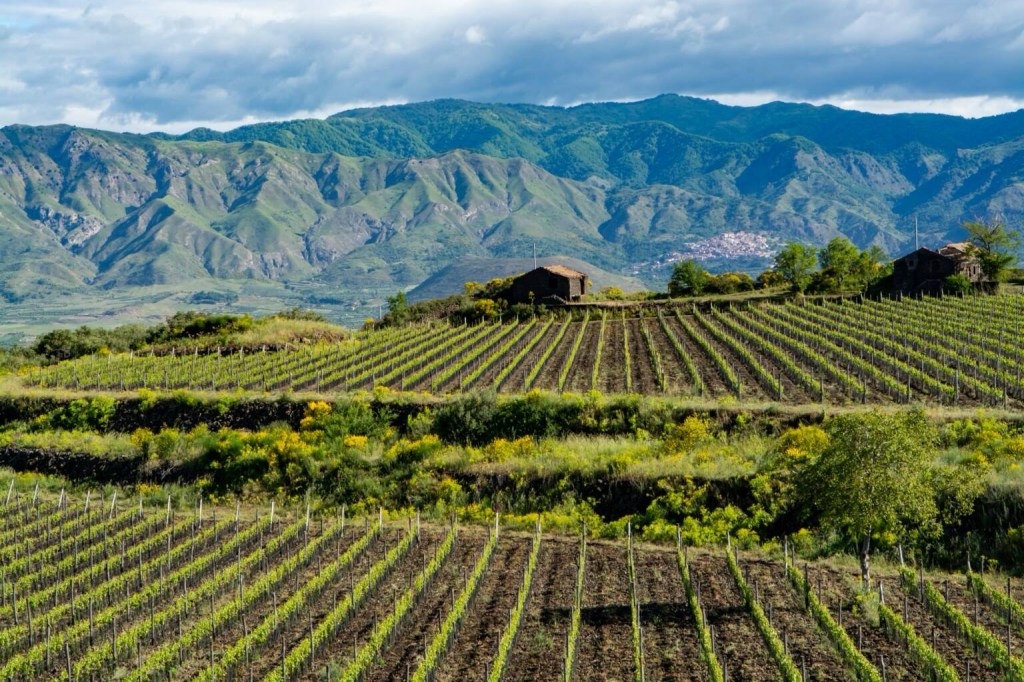
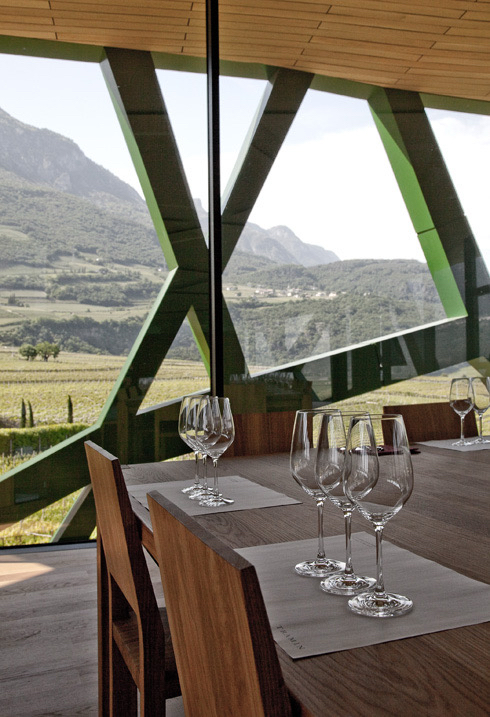
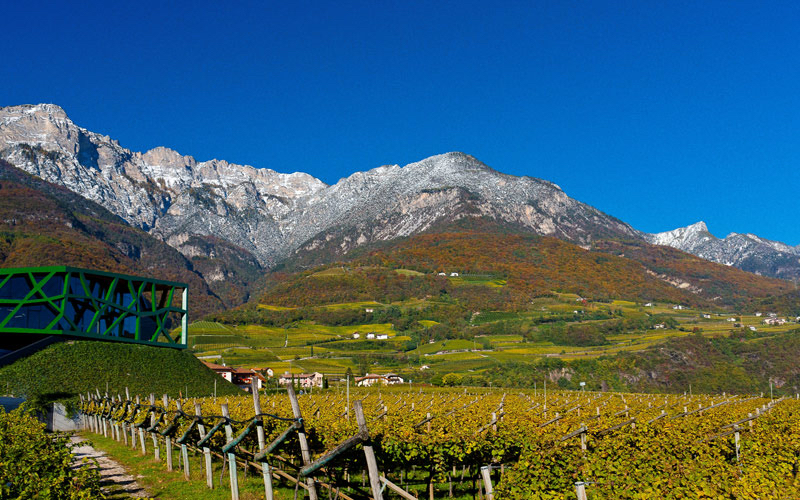
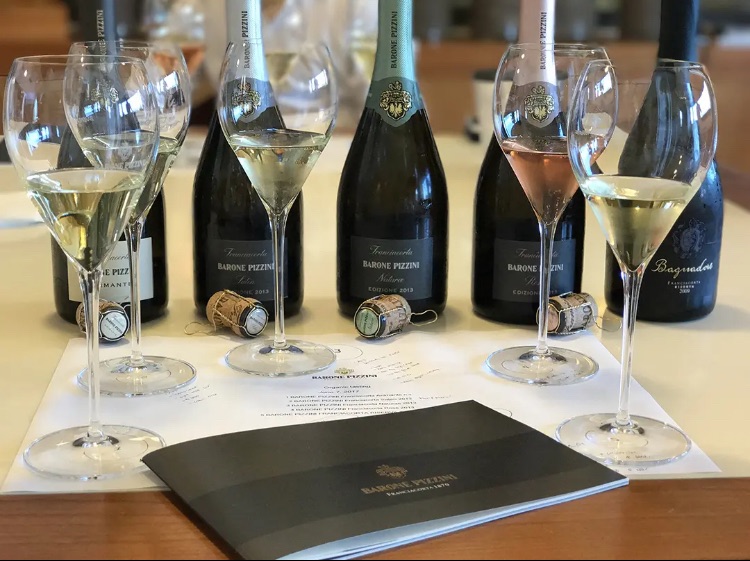
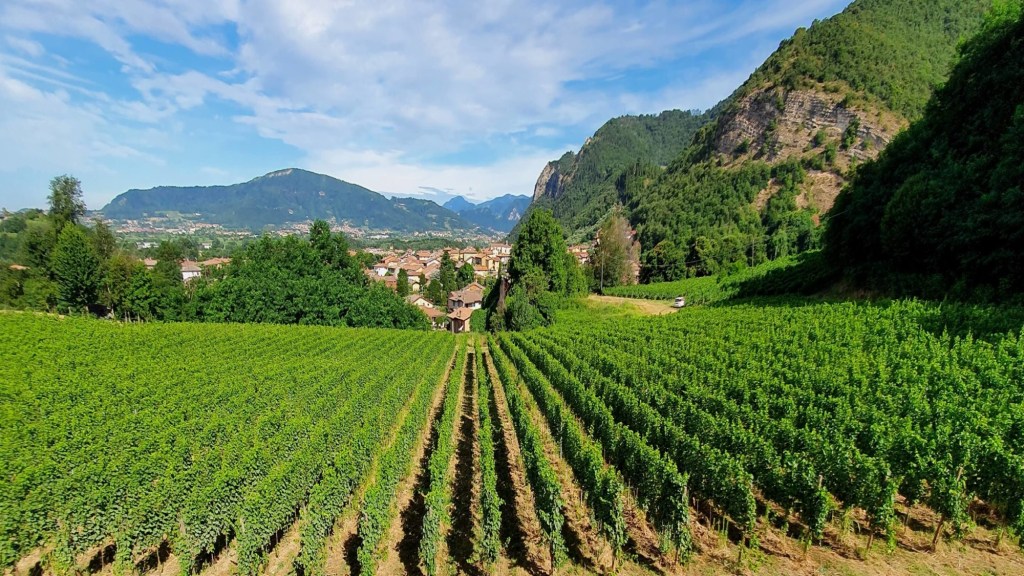
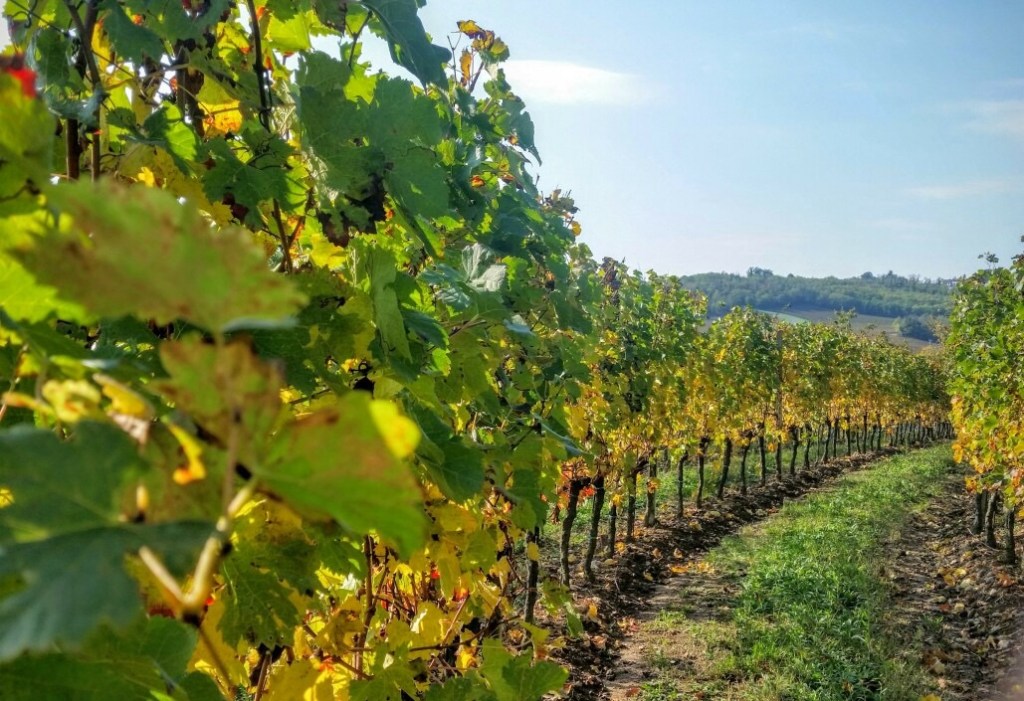
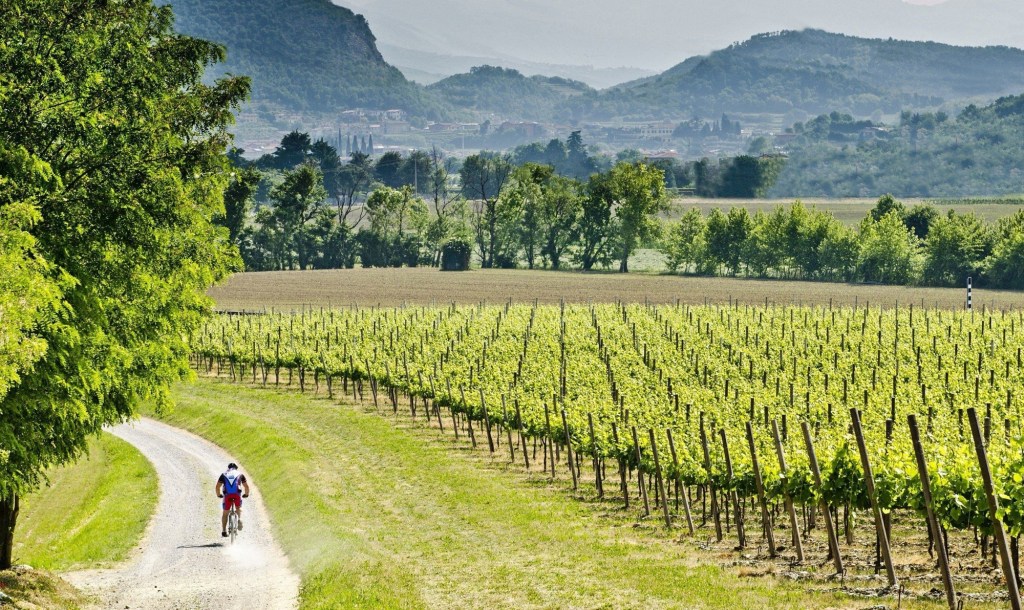
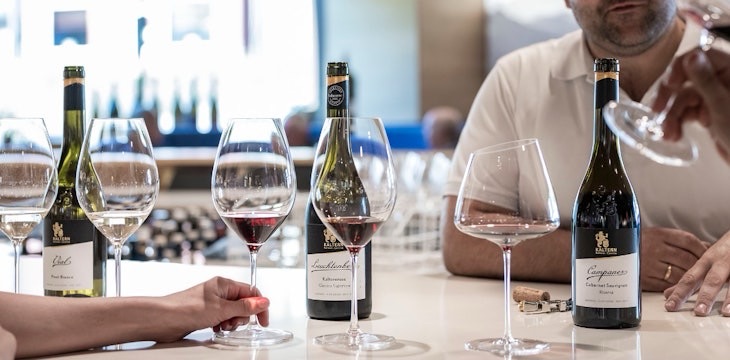
Luxury wine tourism is no longer just about the wine, it’s about the experience. The industry has seen a massive boom in recent years, with more travelers seeking high end personalised encounters with winemakers, breathtaking landscapes and the history behind each bottle.
Market and Revenue Potential:
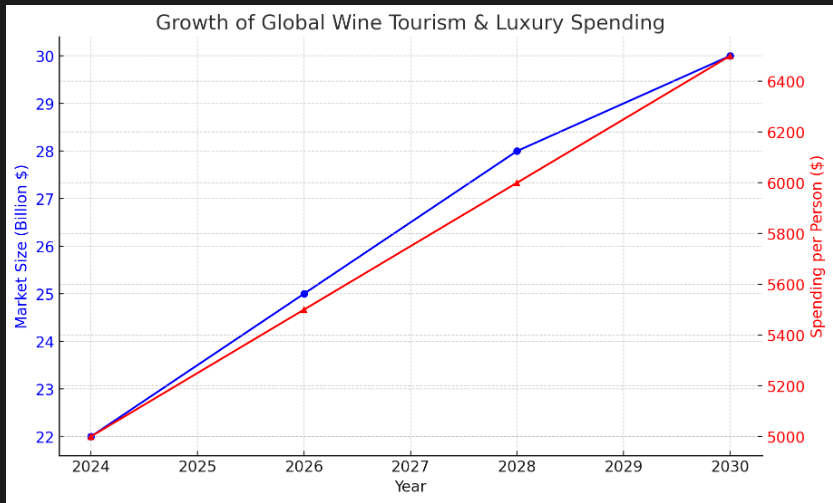
- The global wine tourism industry is projected to surpass $30 billion by 2030.
- Luxury travelers are spending $5000 + per person on premium wine experiences.
- Countries like France, Italy, Spain, US and Argentina dominate the luxury wine travel market.
For wineries, the business isn’t just about selling bottles anymore. It’s also about creating premium experiences that add value to their brand and increase direct to customers (DTC) wine sales.
The Impact of U.S Tariffs on European Wines:
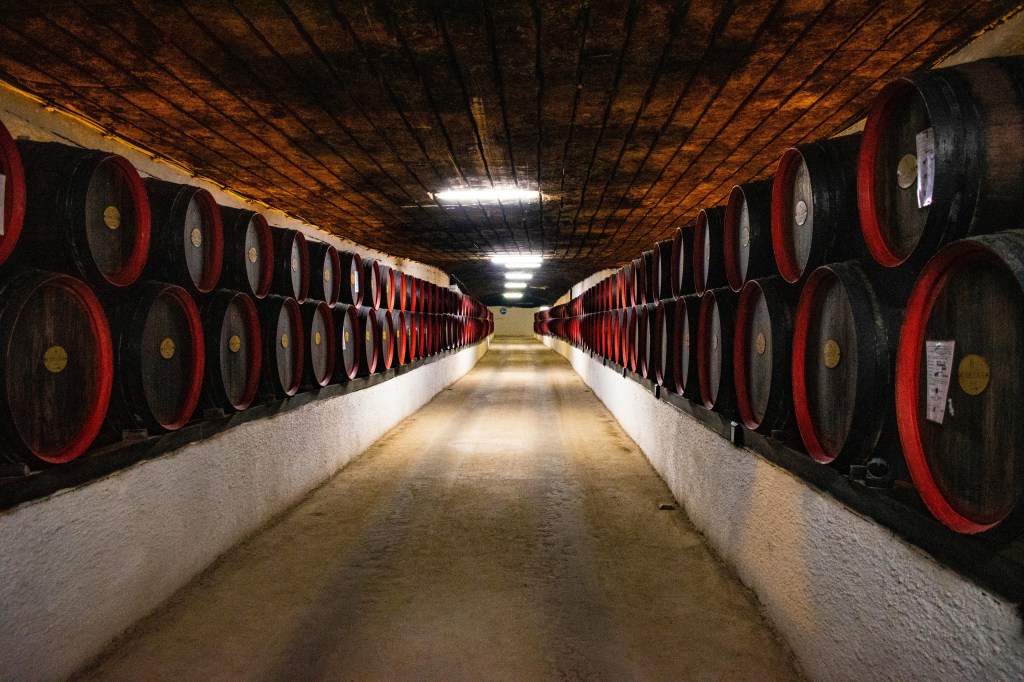
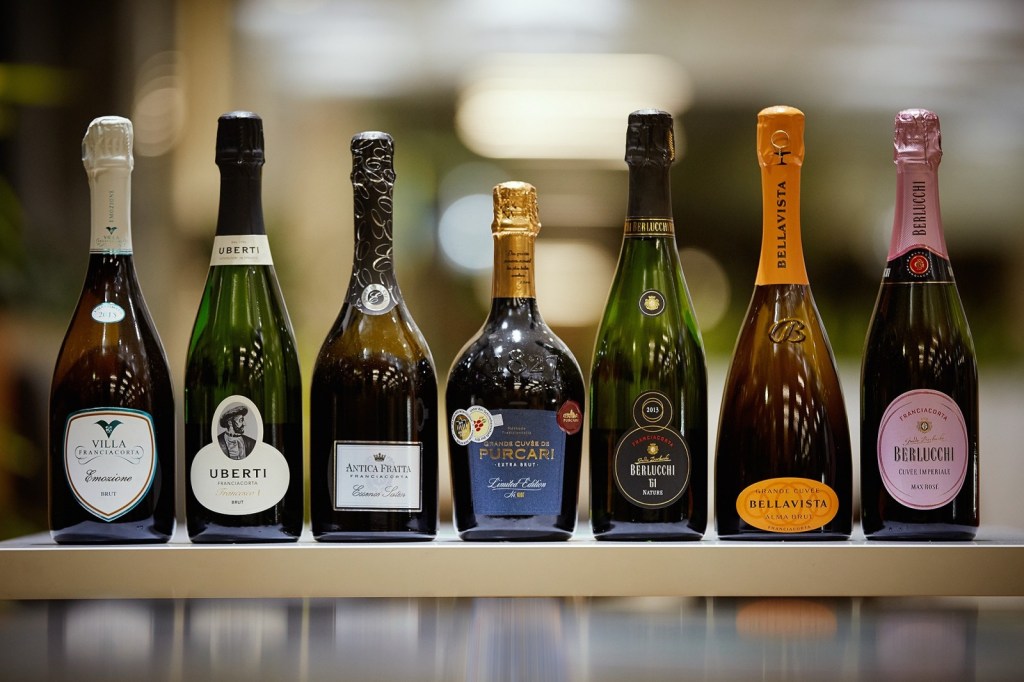
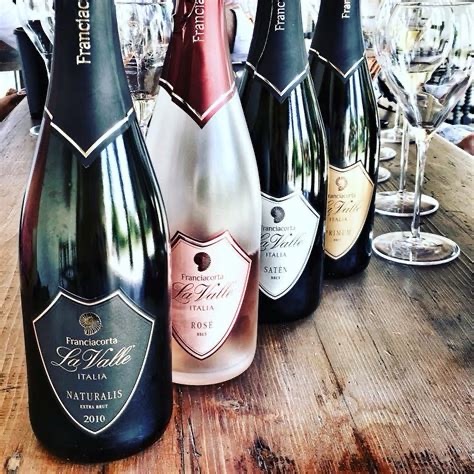
The global wine industry is currently facing a significant challenge as the United States has proposed imposing tariffs up to 200% on European alcohol imports. This move, if enacted, could severely impact wine producers across France, Italy and Spain. The three largest exporters of fine wines to the United States. Market analysis suggests that such a tariff hike would make European wines considerably more expensive for American consumers.
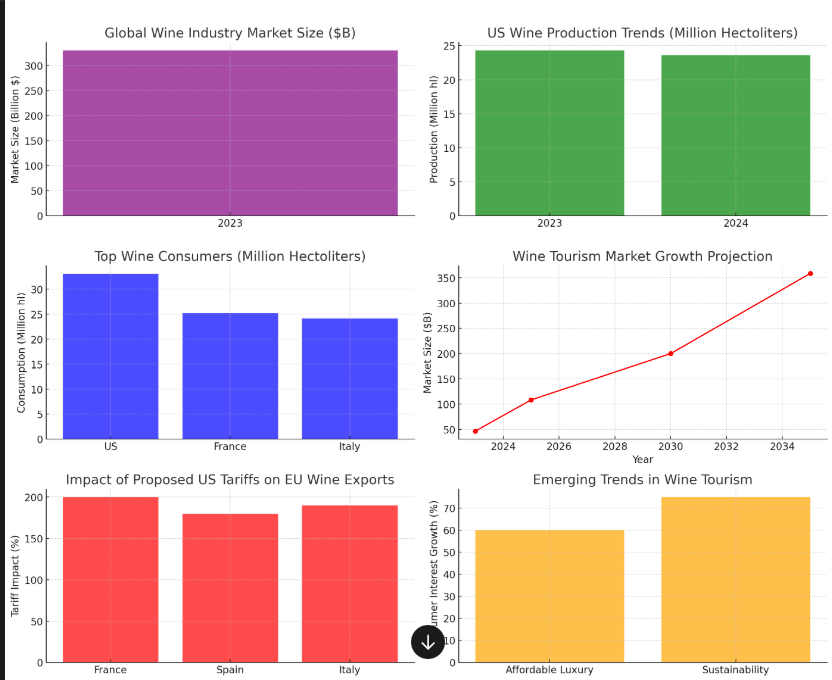
For wine tourism and luxury experiences, the ripple effect on these tariffs could extend beyond pricing. Many American travelers visit Europe specifically to explore its renowned wine regions, often purchasing exclusive vintage to bring home. If prices soar due to tariffs, both the tourism industry and wine exports may experience a downturn. Additionally, smaller boutique wineries in Europe that lack the financial resilience of large scale producers may find it challenging to absorb the impact. As the debate over these tariffs continues, the global wine industry watches closely, hoping for negotiations that preserve trade balance and protect centuries old viticulture heritage.
The Business Model Behind Wine and Luxury Tourism:
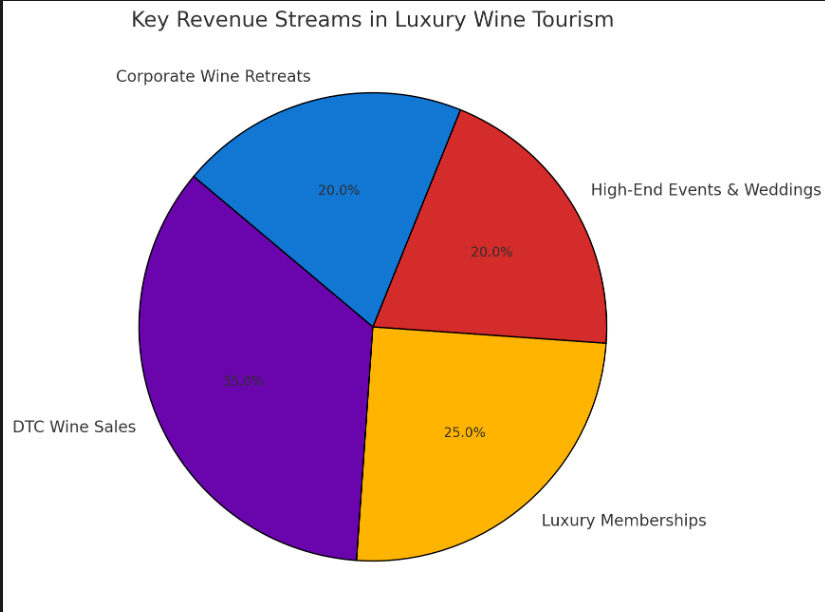
Wineries aren’t just making business from selling bottles, they have diversified their revenue streams to include exclusive memberships, high end events and personalised concierge services.
Key Revenue Stream:
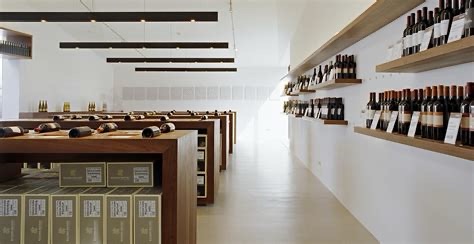
- Direct to Consumers (DTC) Wine sales: High end wineries sell directly to visitors increasing profits
- Luxury Membership Programs: Private wine clubs offering rare allocations and VIP events
- High End Events and Weddings: Estate wineries serve as ultra exclusive wedding and event venues.

Luxury Wine Destinations and Their Offerings:
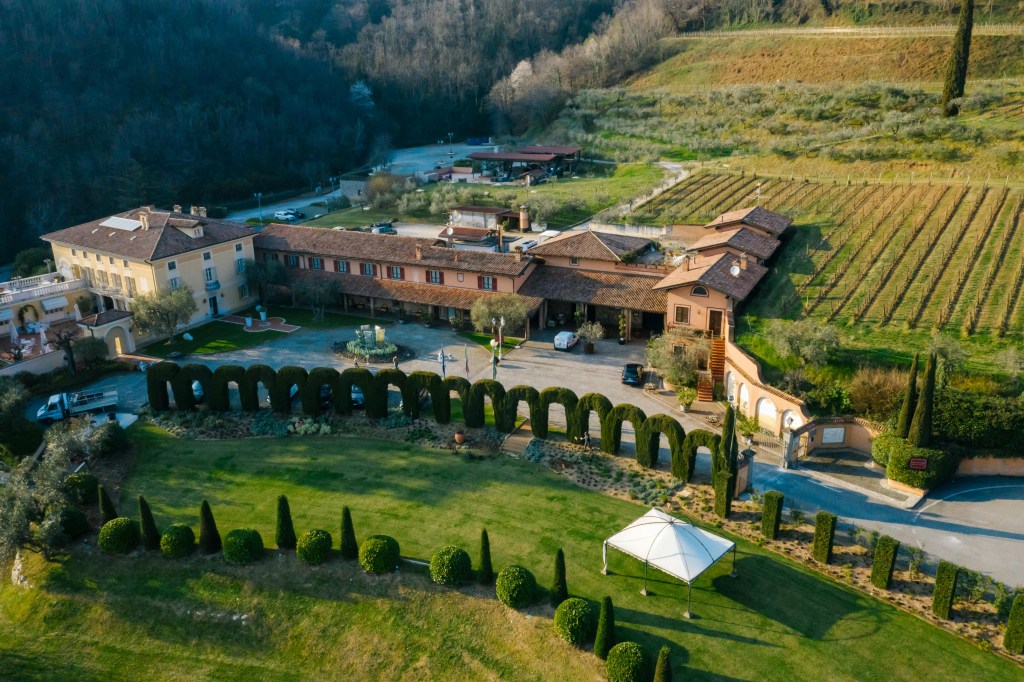
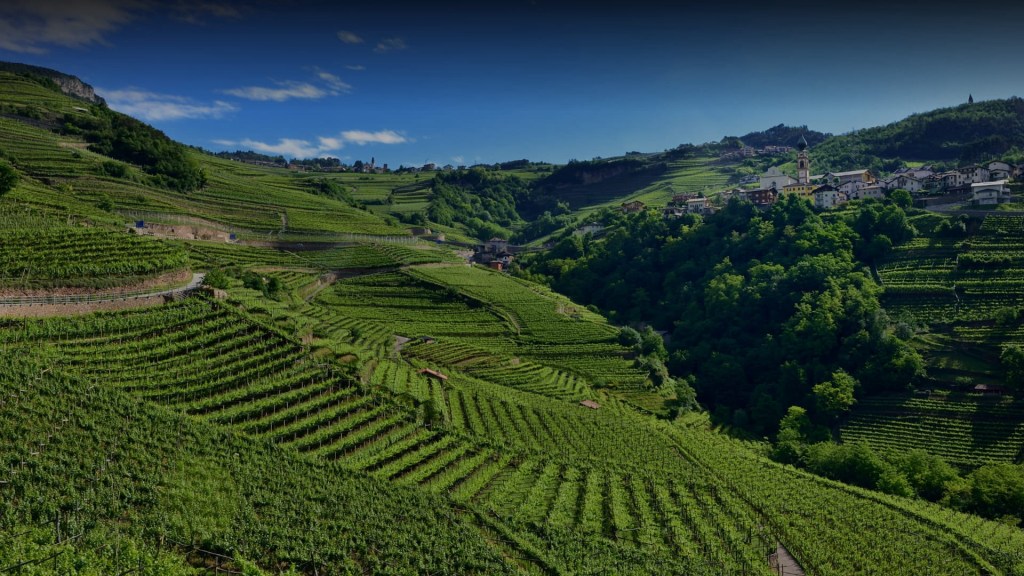
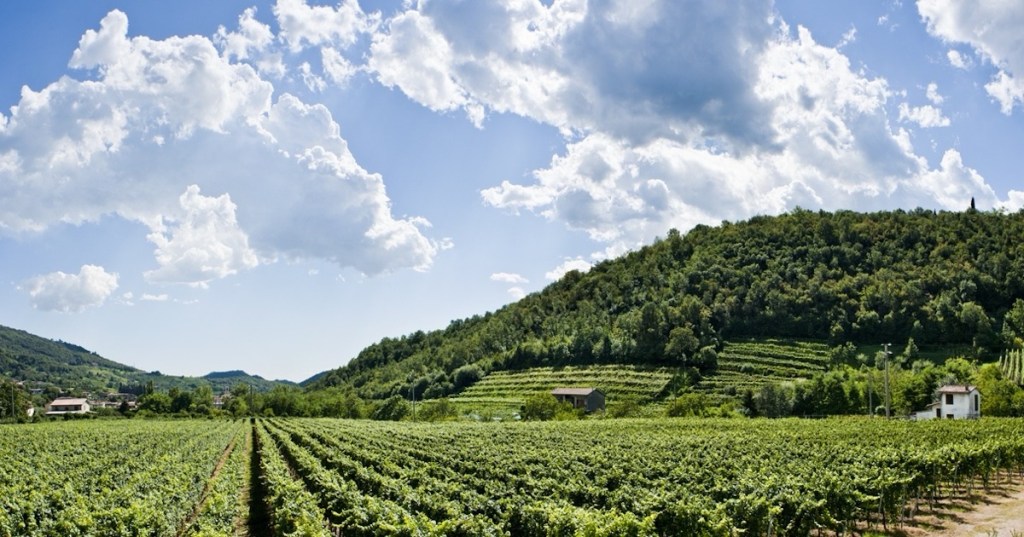
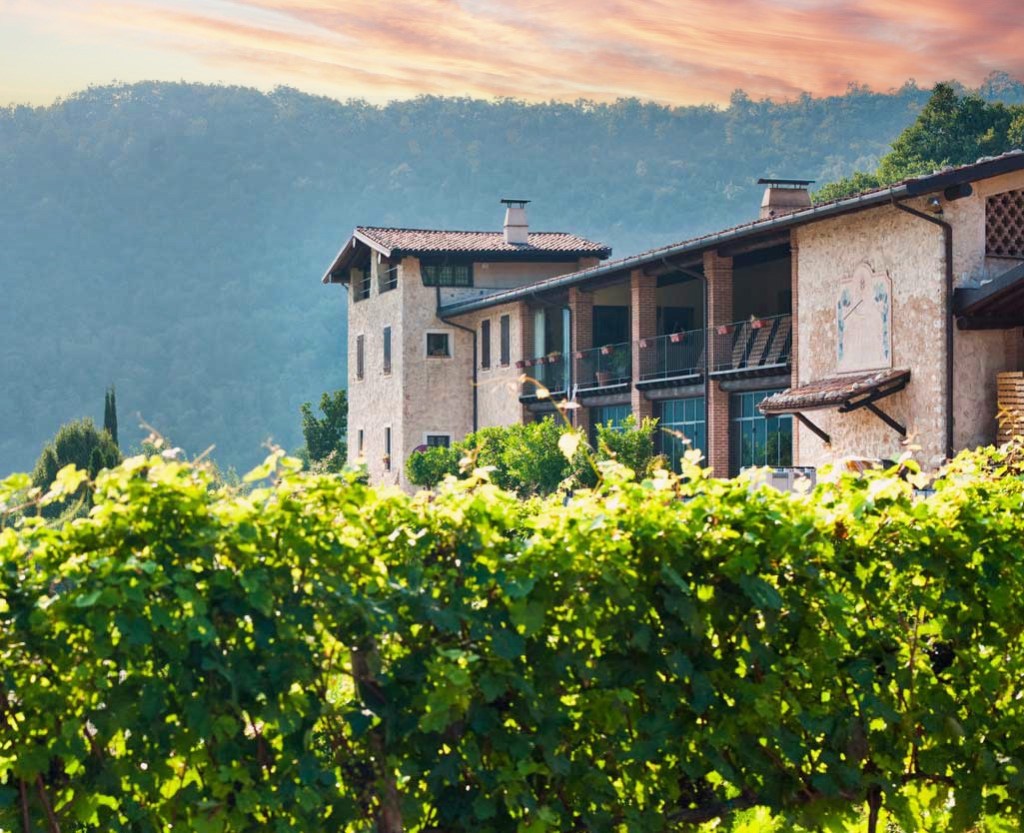
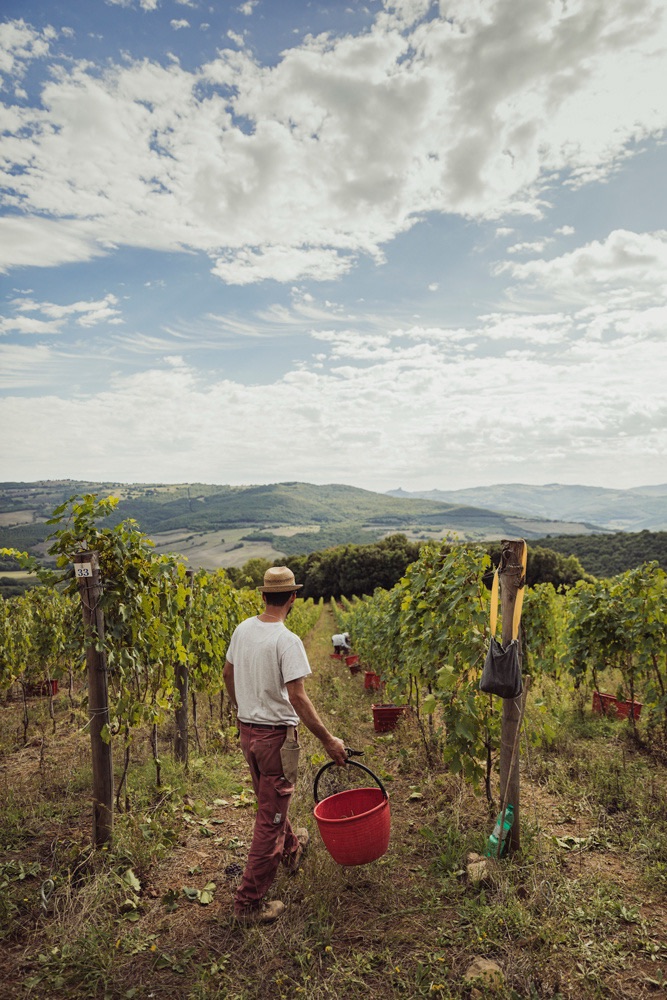
Some of the most sought after wine regions around the world have mastered the art of Luxury Wine Experiences
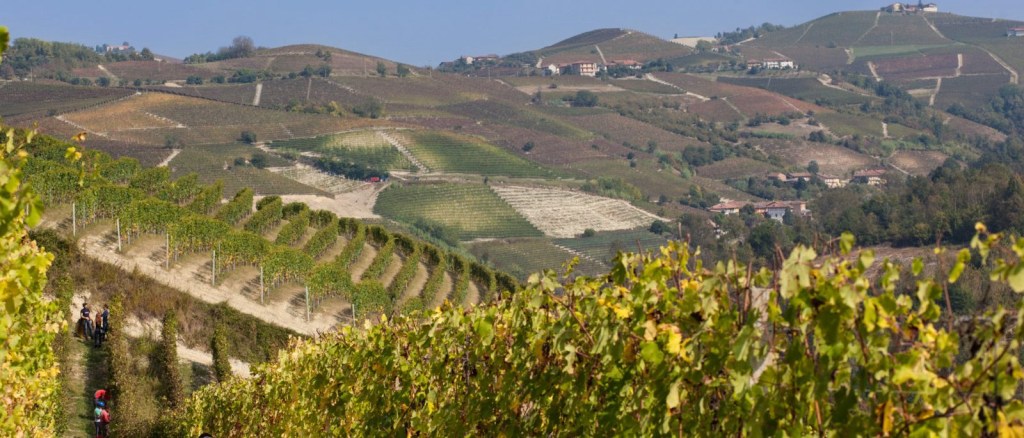
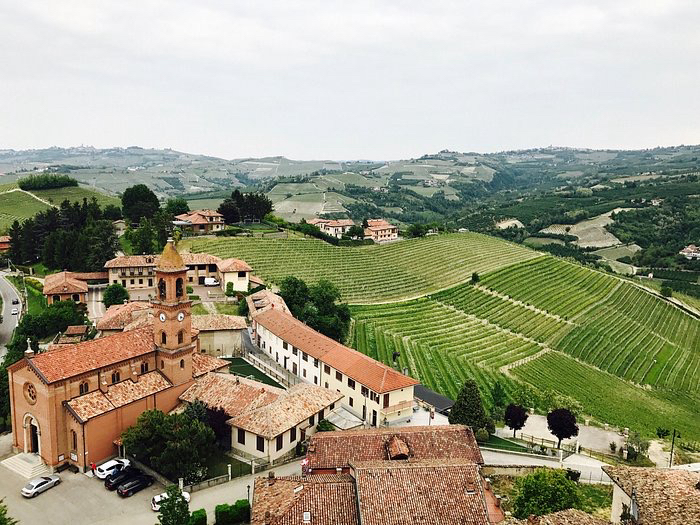
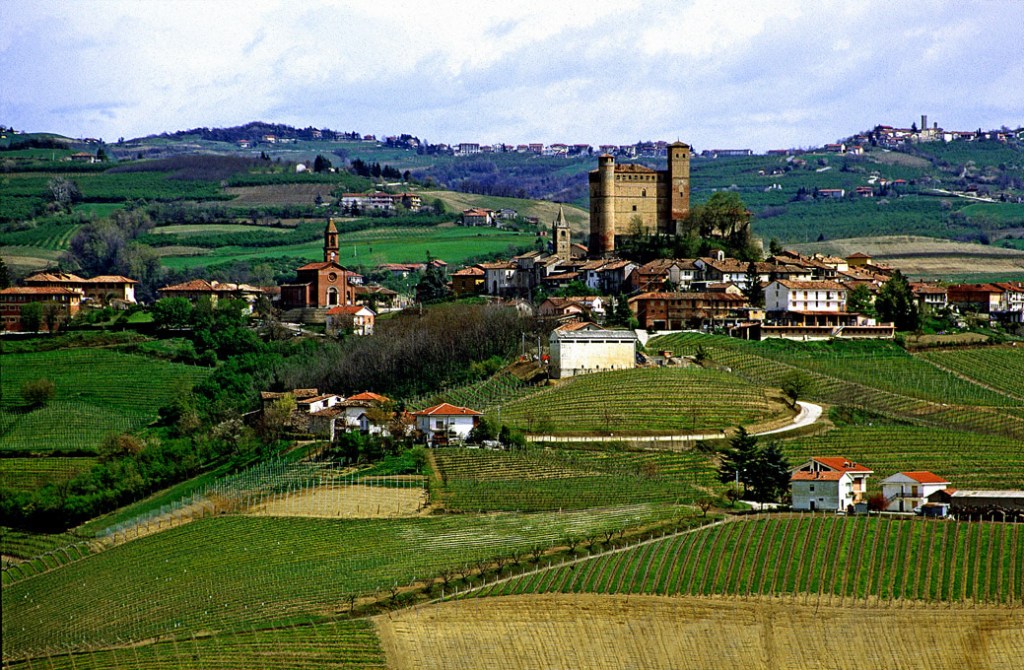
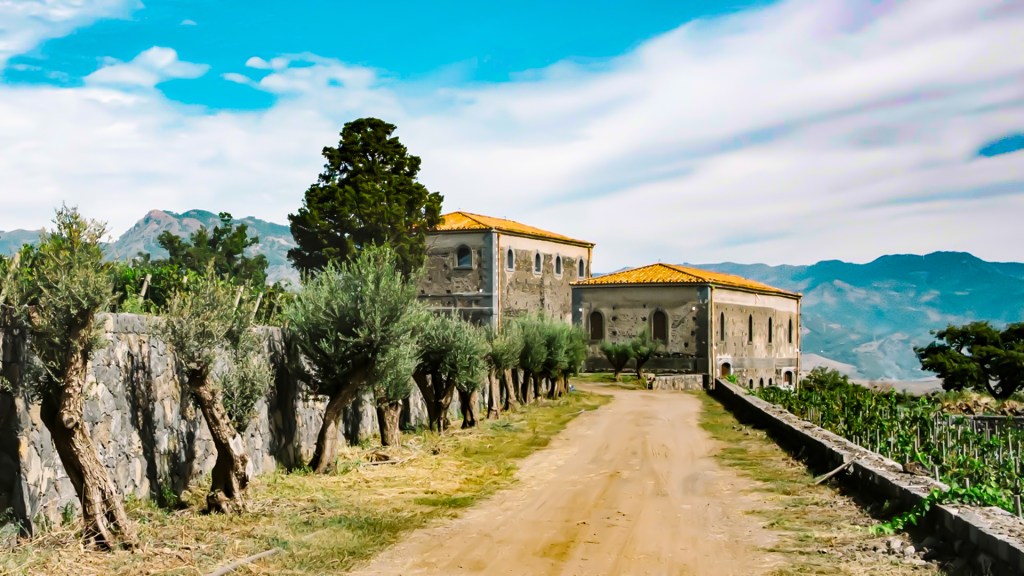
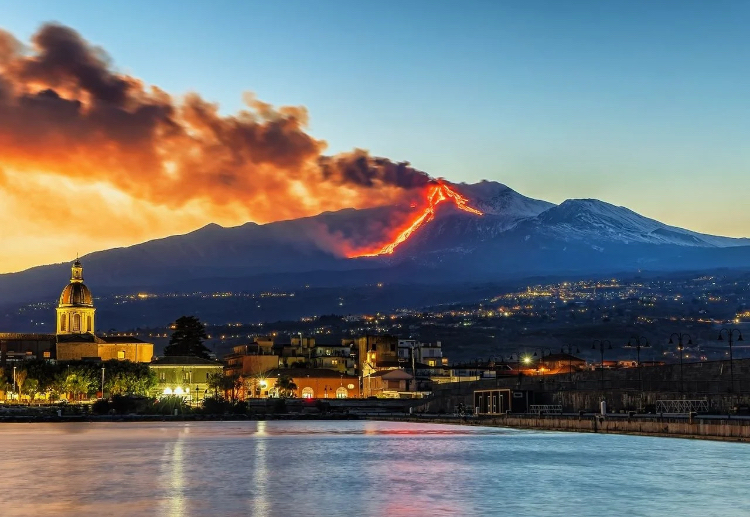
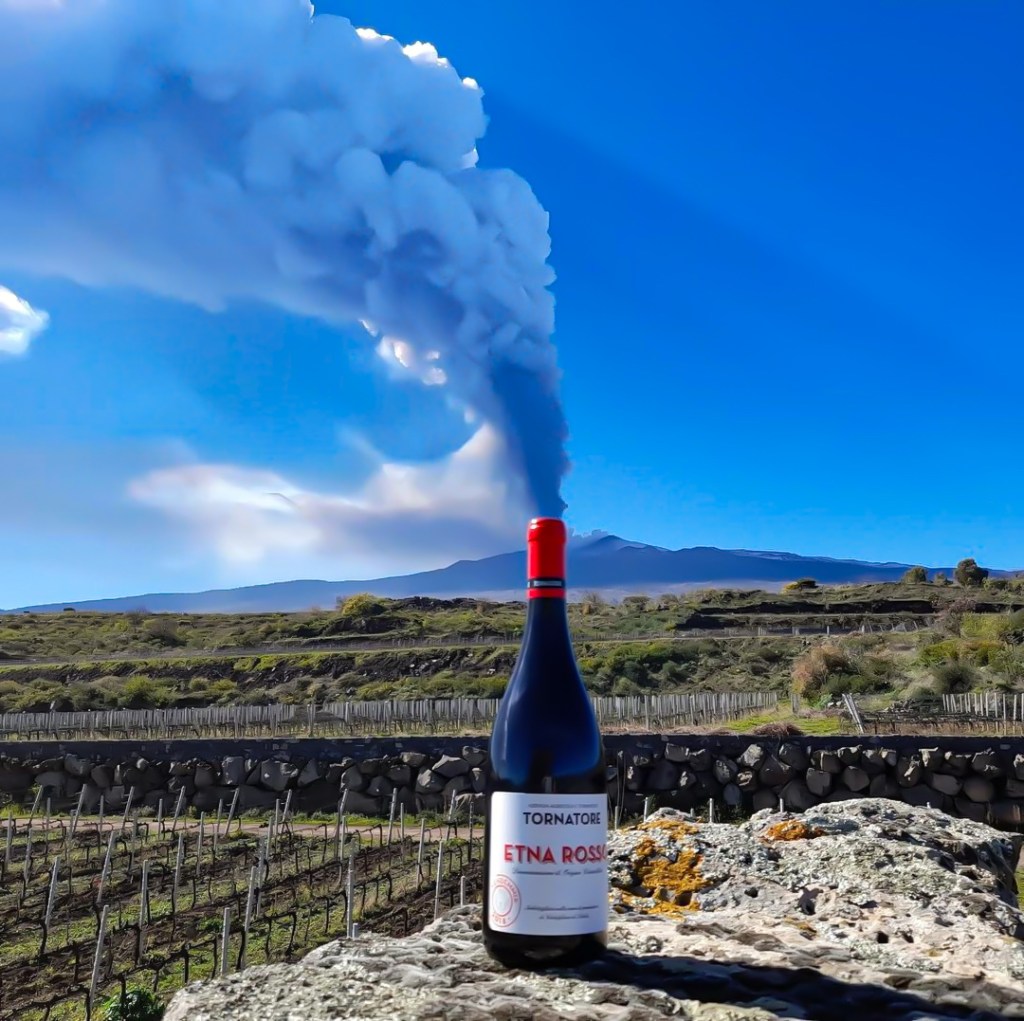
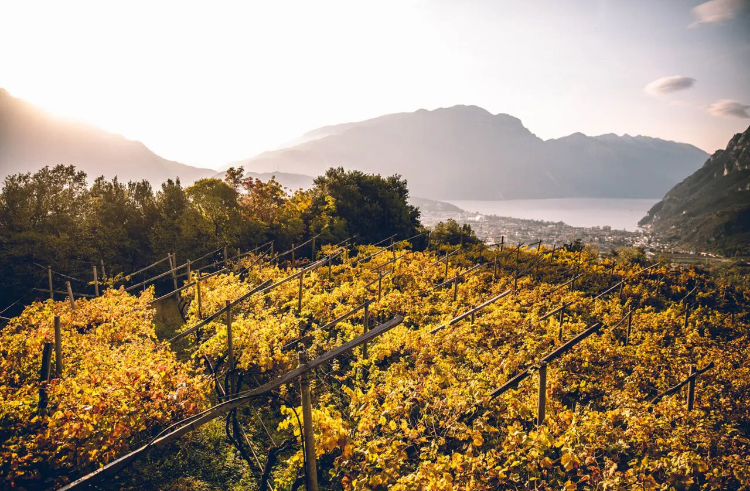
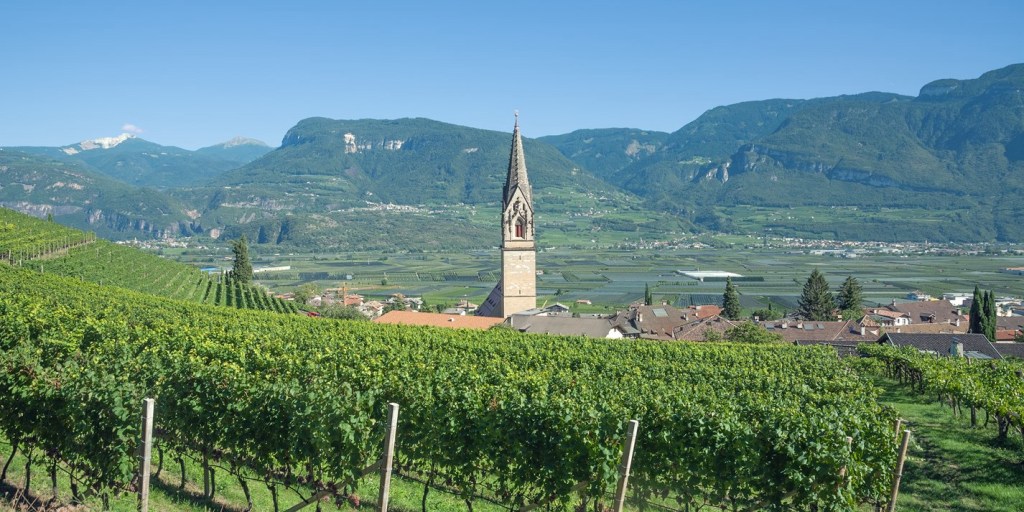
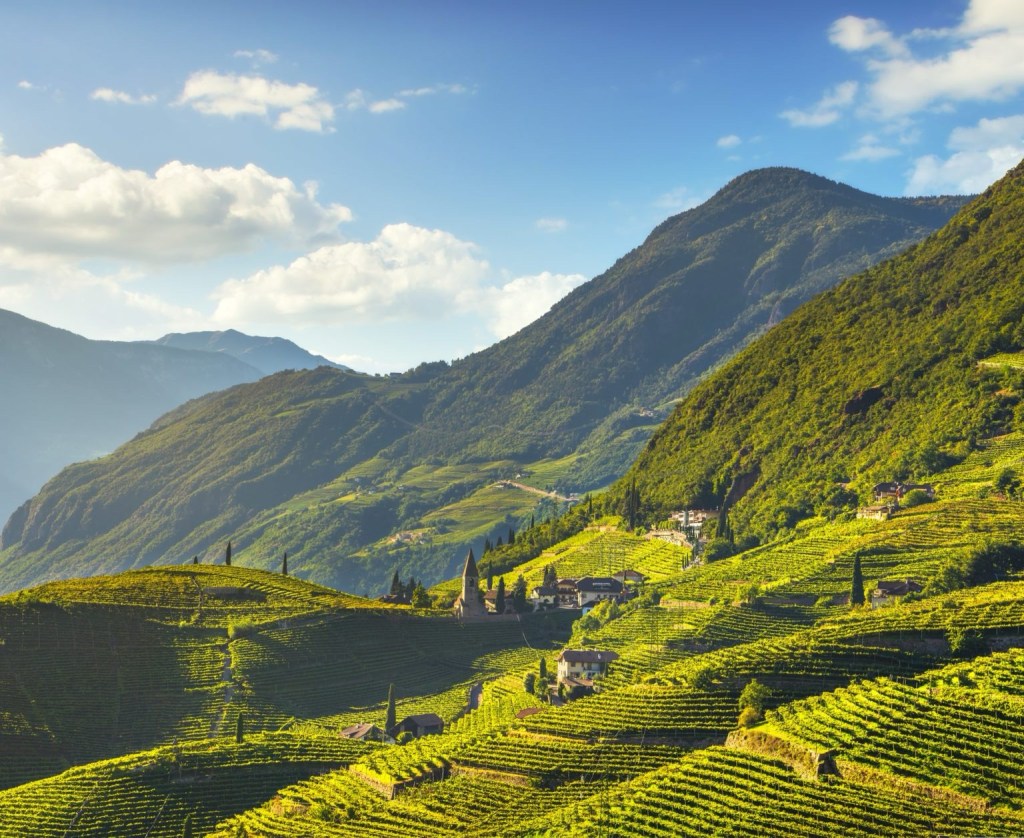
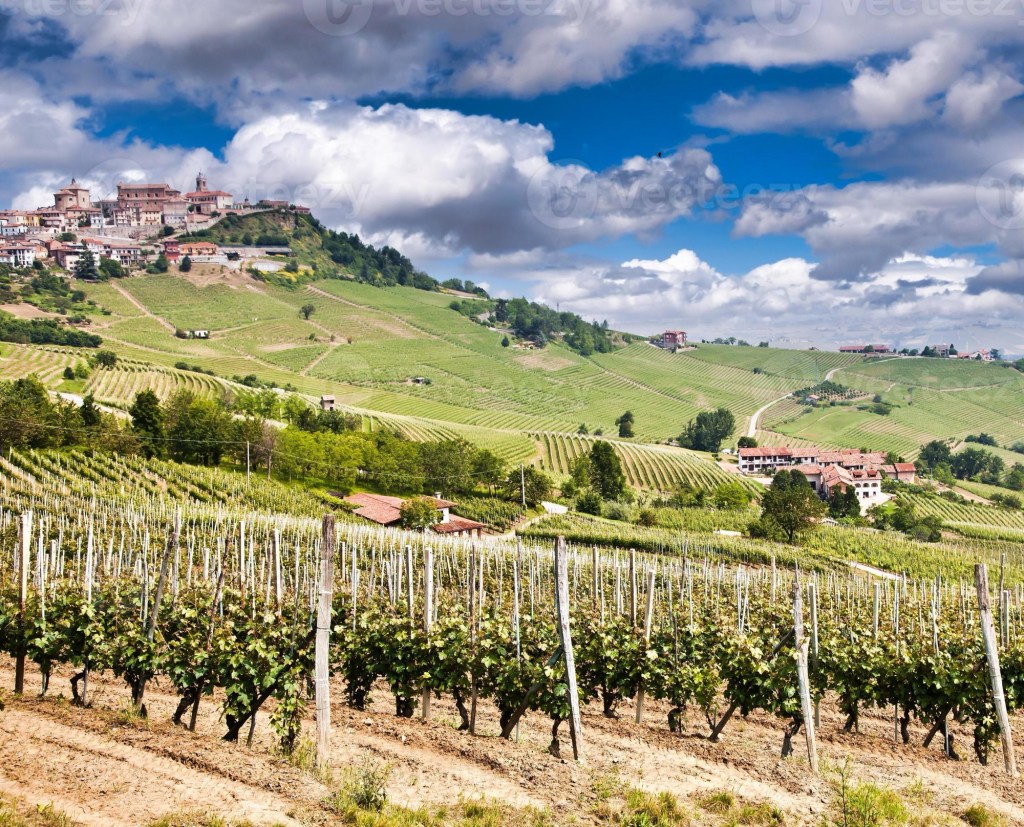
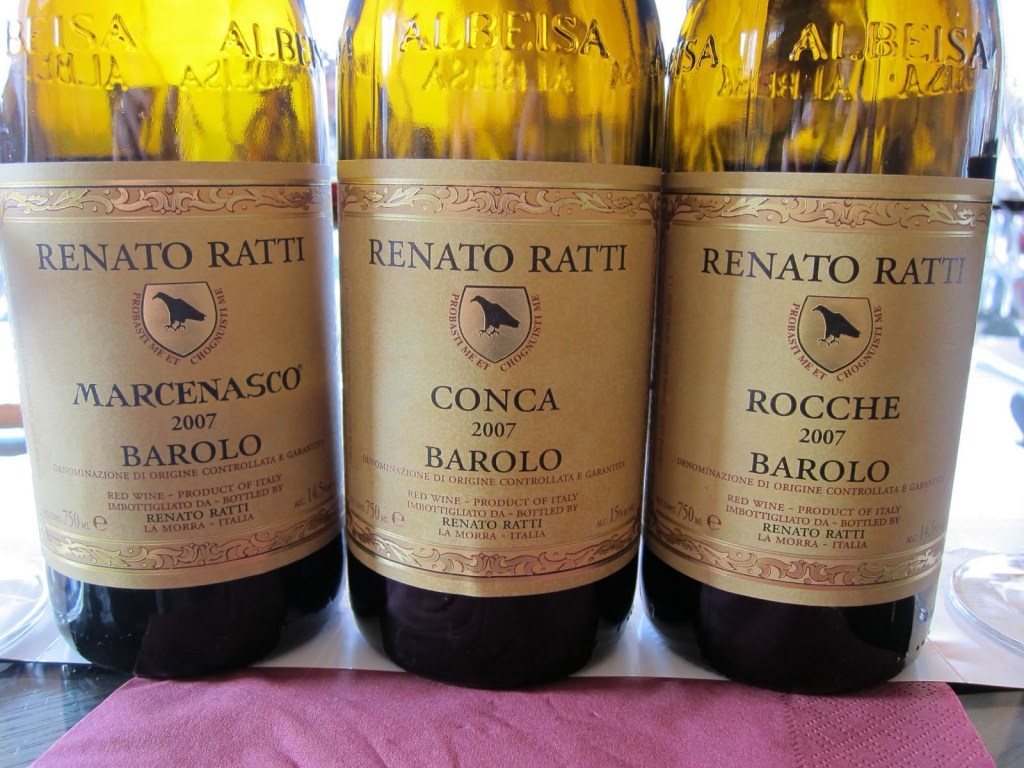
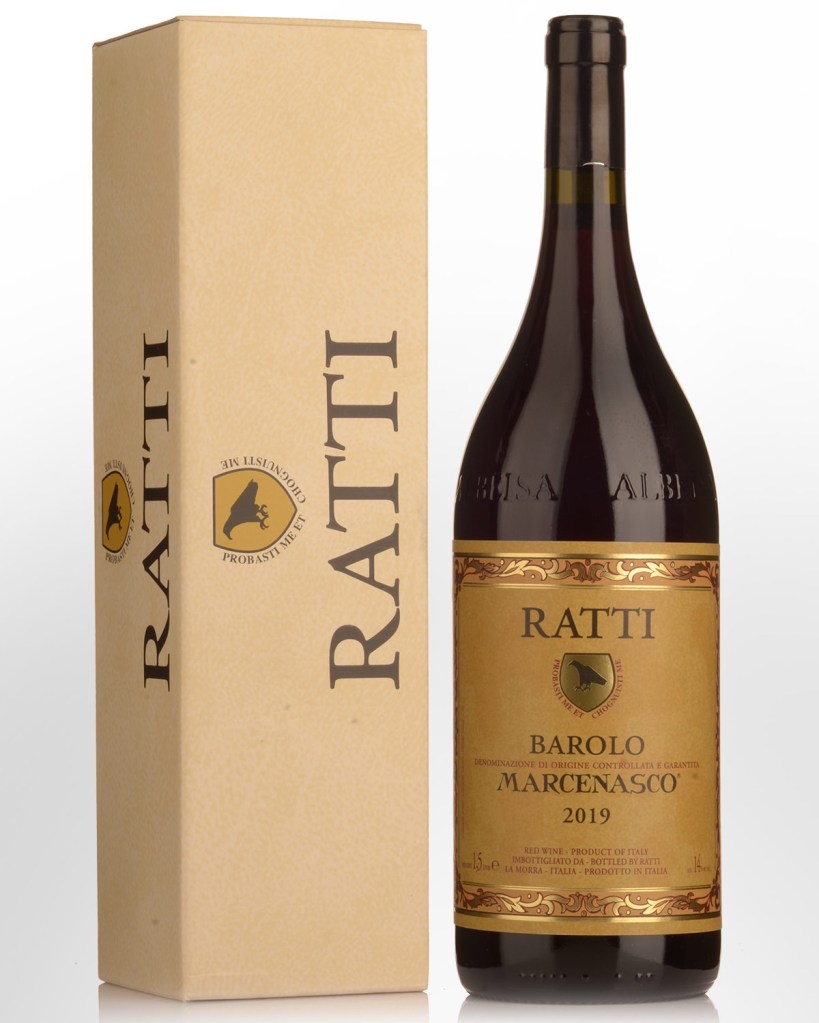
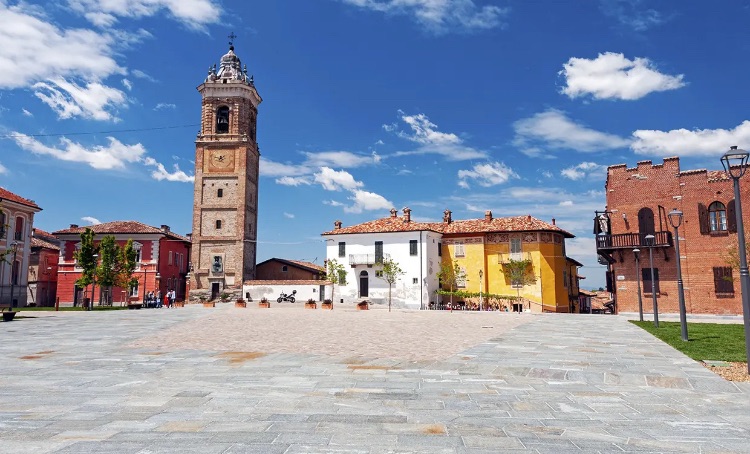
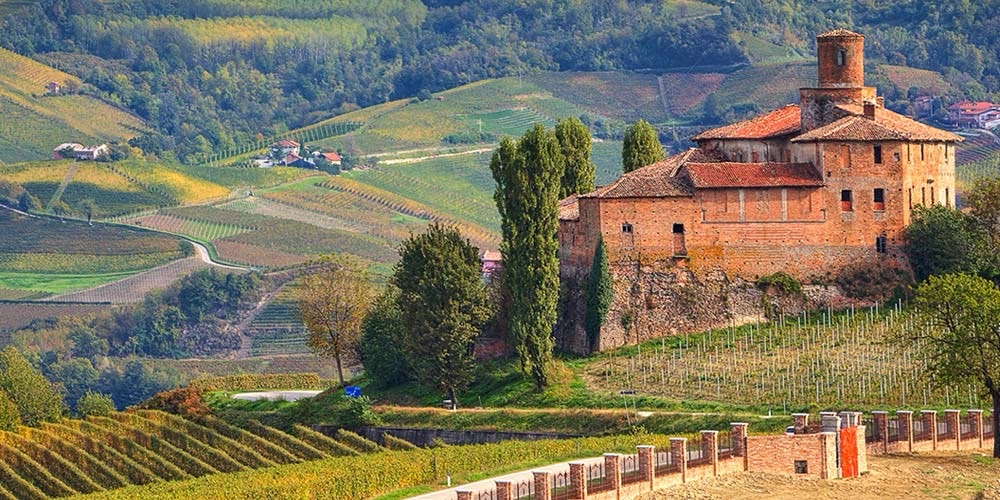
- Italy 🇮🇹 : Tuscany’s rolling vineyards, Piedmont’s Barolo and Sicily’s volcanic wine experiences
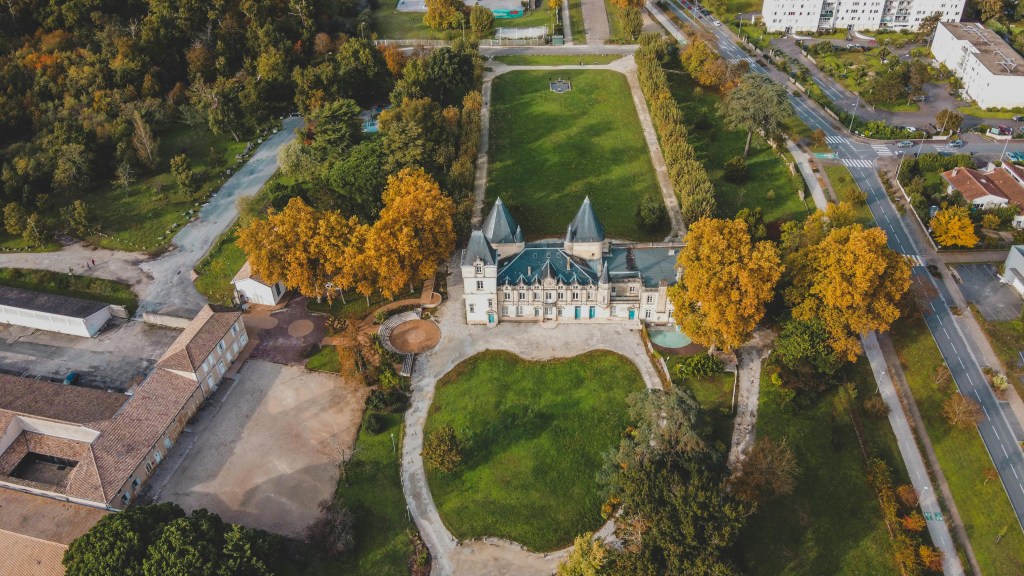
- France 🇫🇷 : The home of Bordeaux’s grand châteaux and Champagne’s exclusive.
- Spain 🇪🇸 : Rioja’s luxury wineries and Andalusia’s hidden gems
- South Africa 🇿🇦 : Stellenbosch’s fine wine scene paired with African safari luxury.

The Role of Personalization and Exclusivity in Wine Tourism:
The ultra wealthy aren’t looking for mass market tours, they want once in a lifetime experiences that cannot be found on google. This is where personalization and exclusivity become the backbone of luxury wine tourism.
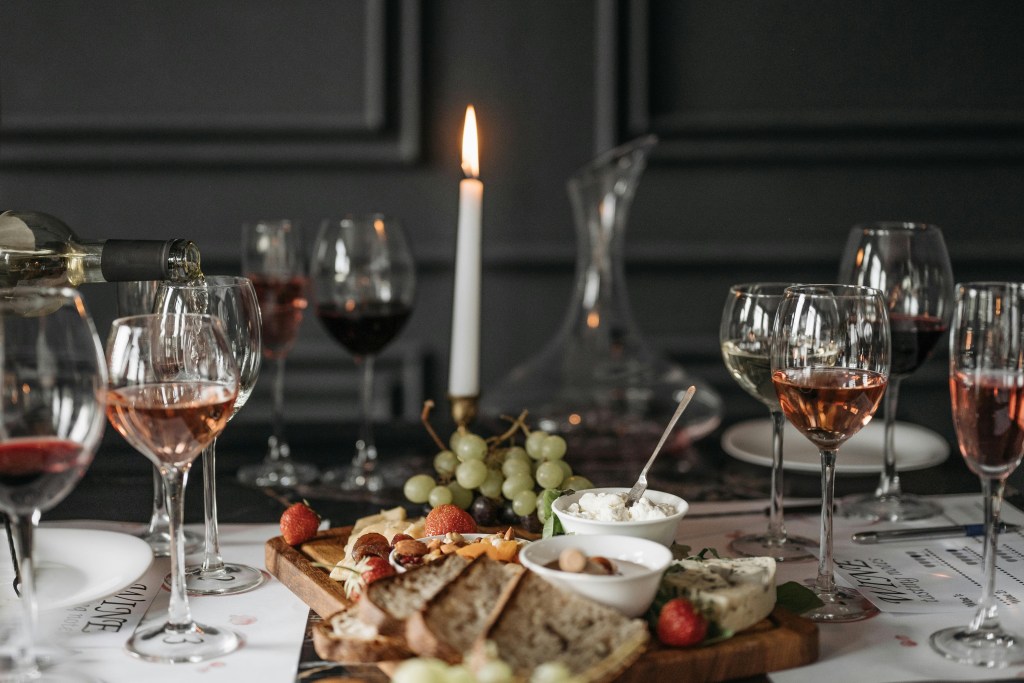
How Wineries are elevating personalisation ?
- Private Wine and Food Pairing Dinners: Michelin star chefs curating bespoke menus
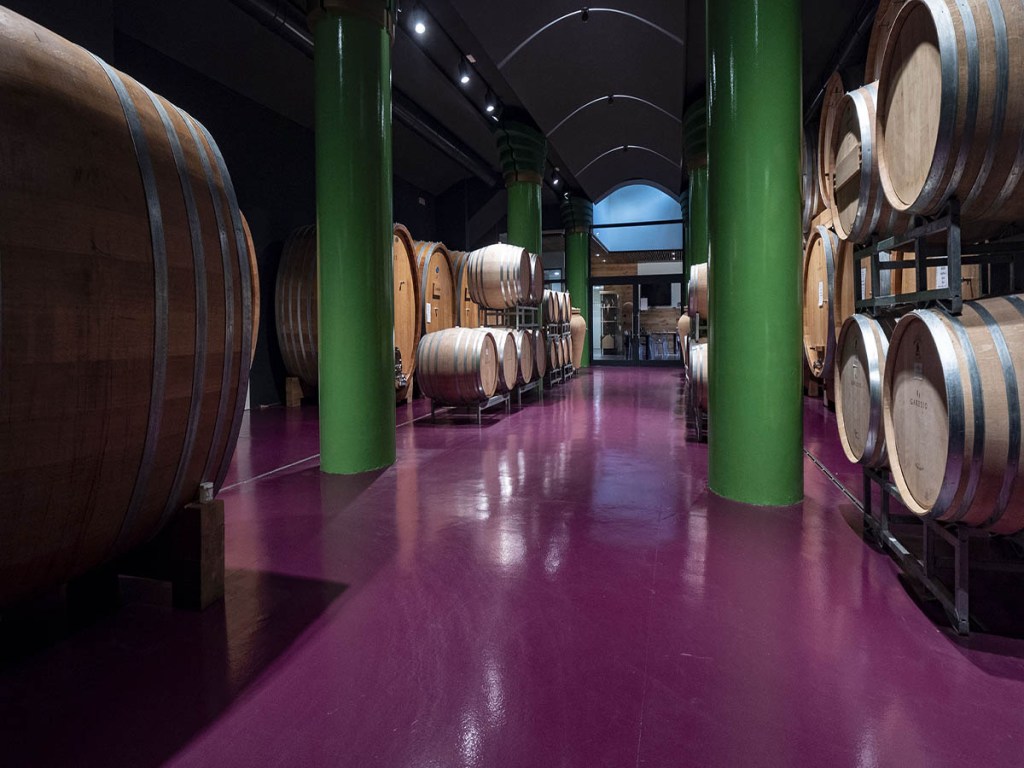
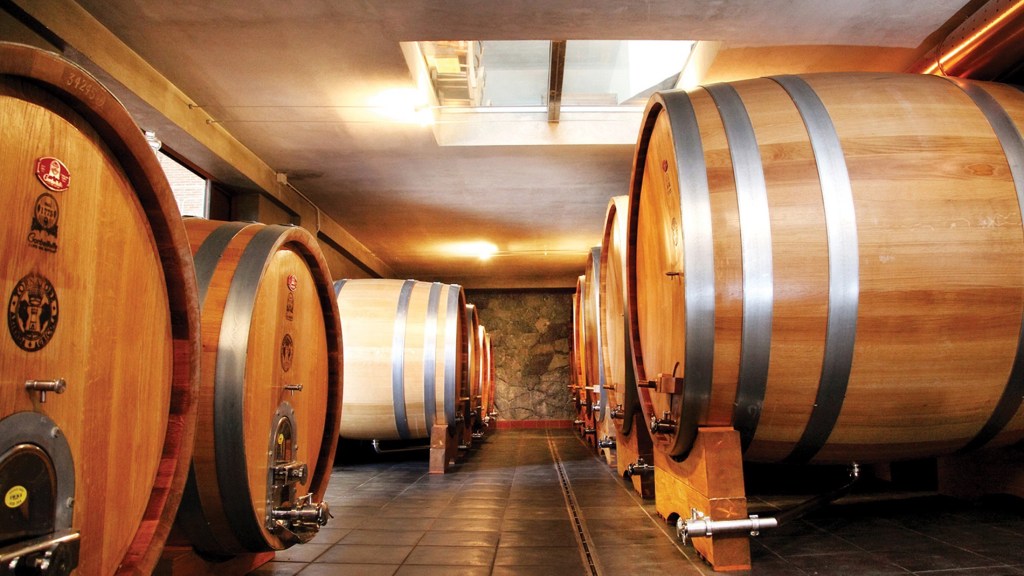
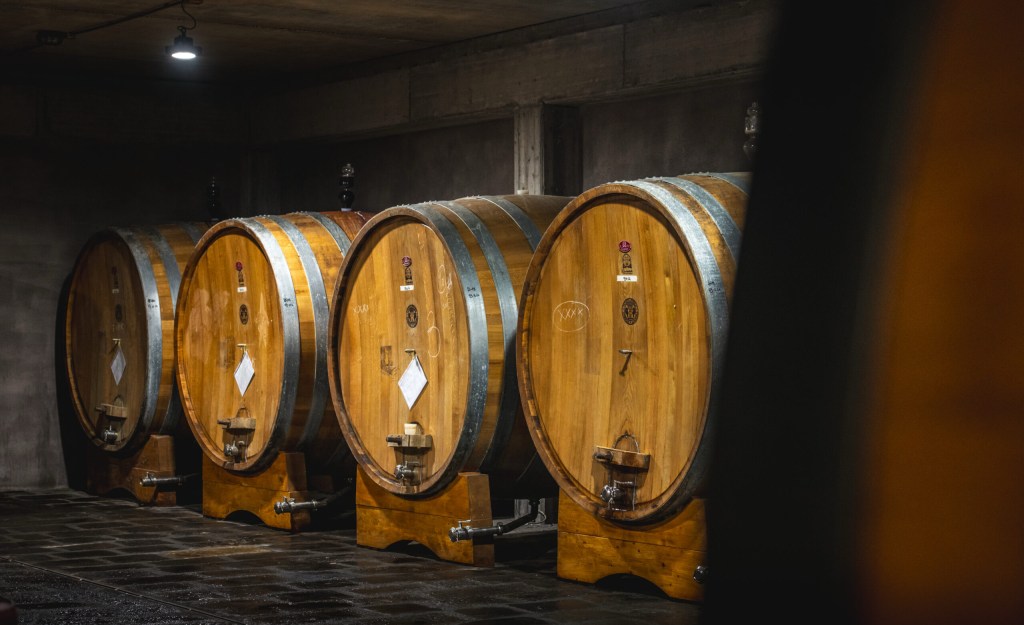
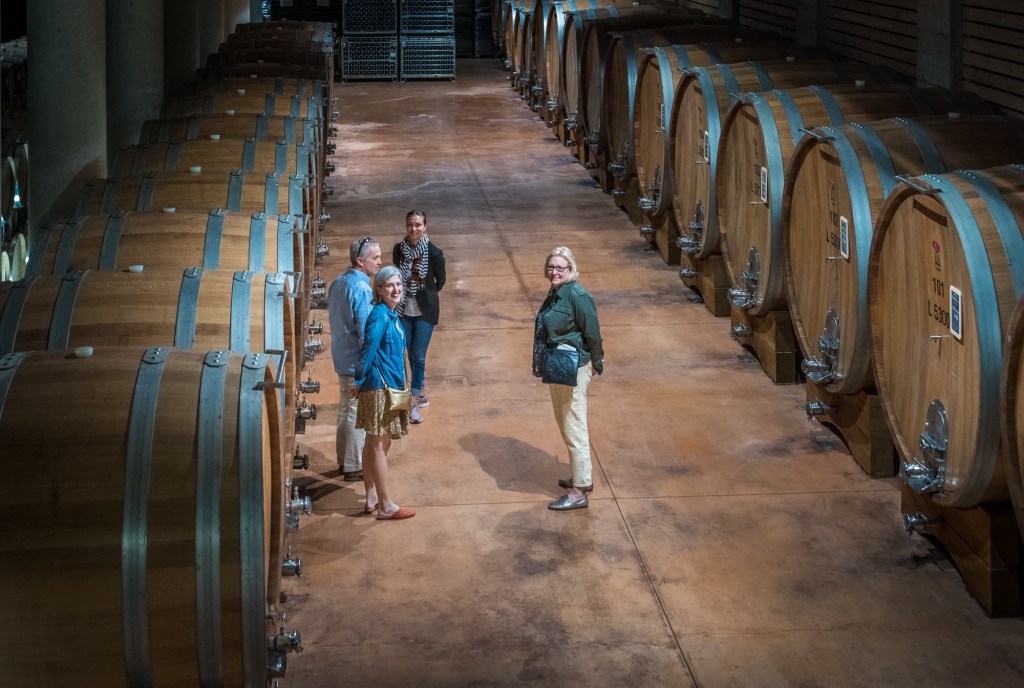
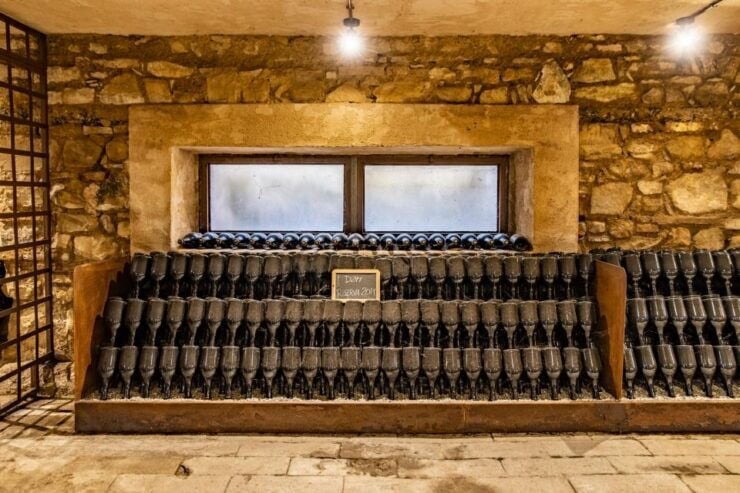
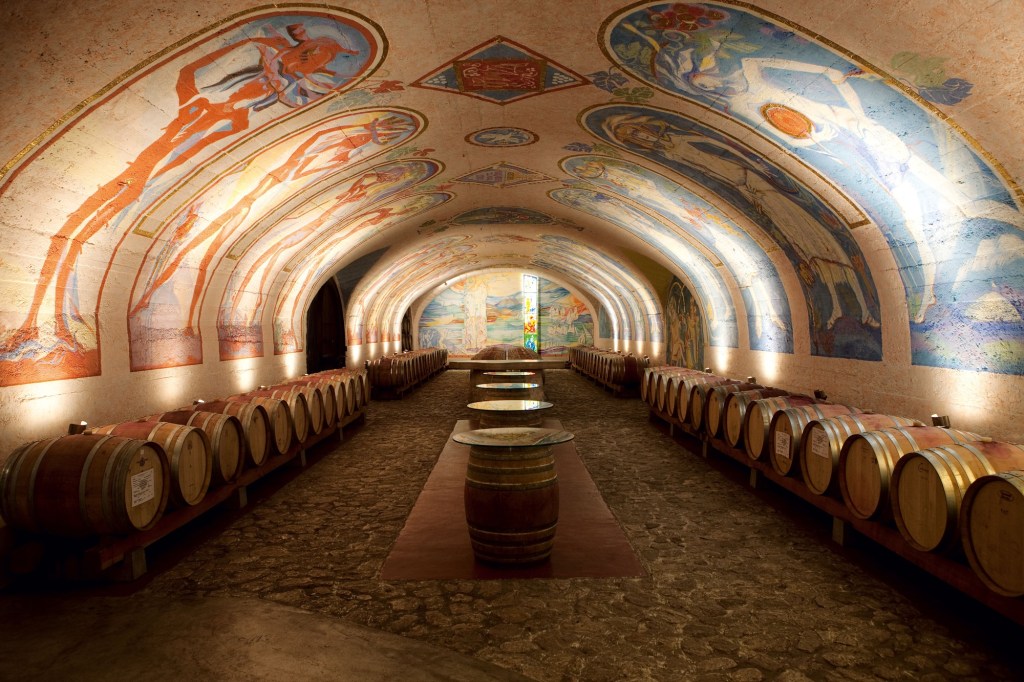
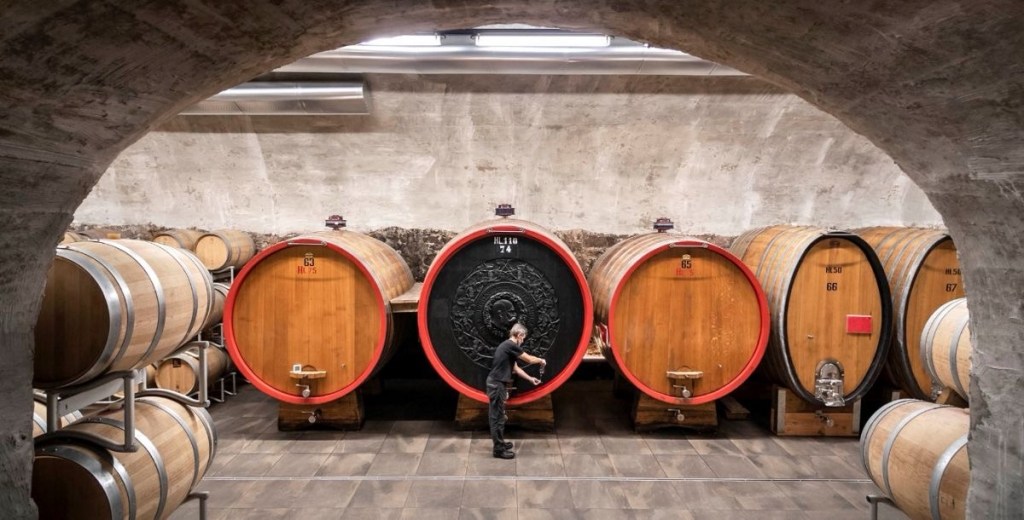
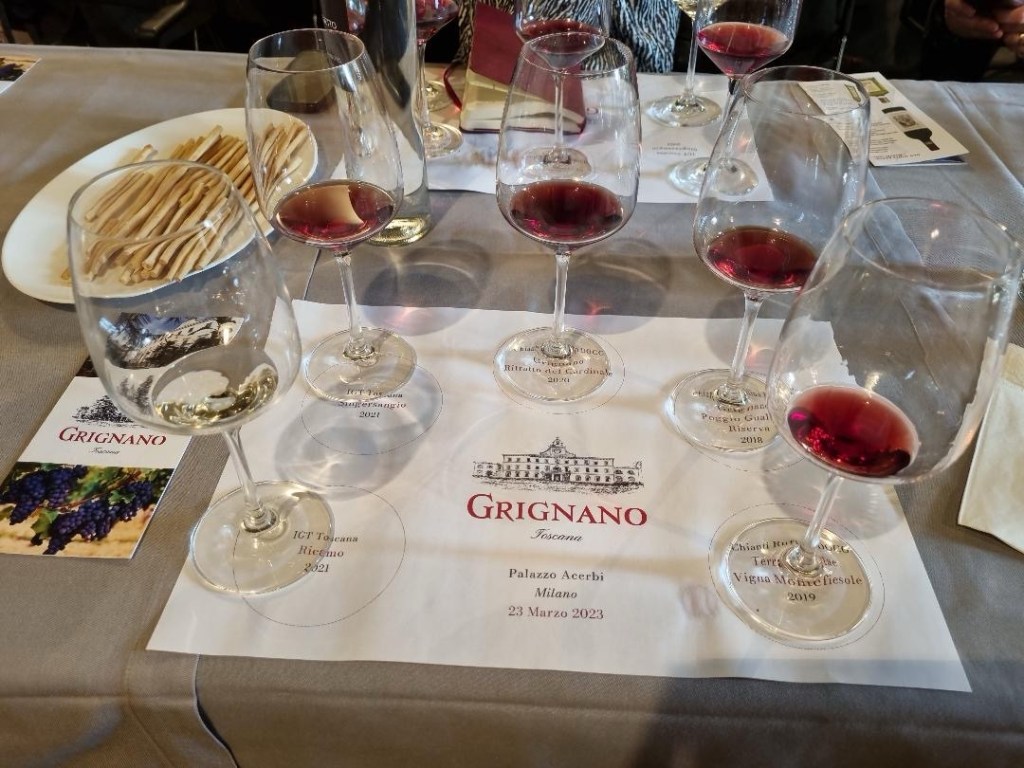
- Limited Edition Barrel Tastings: Sampling wines before they are even bottled
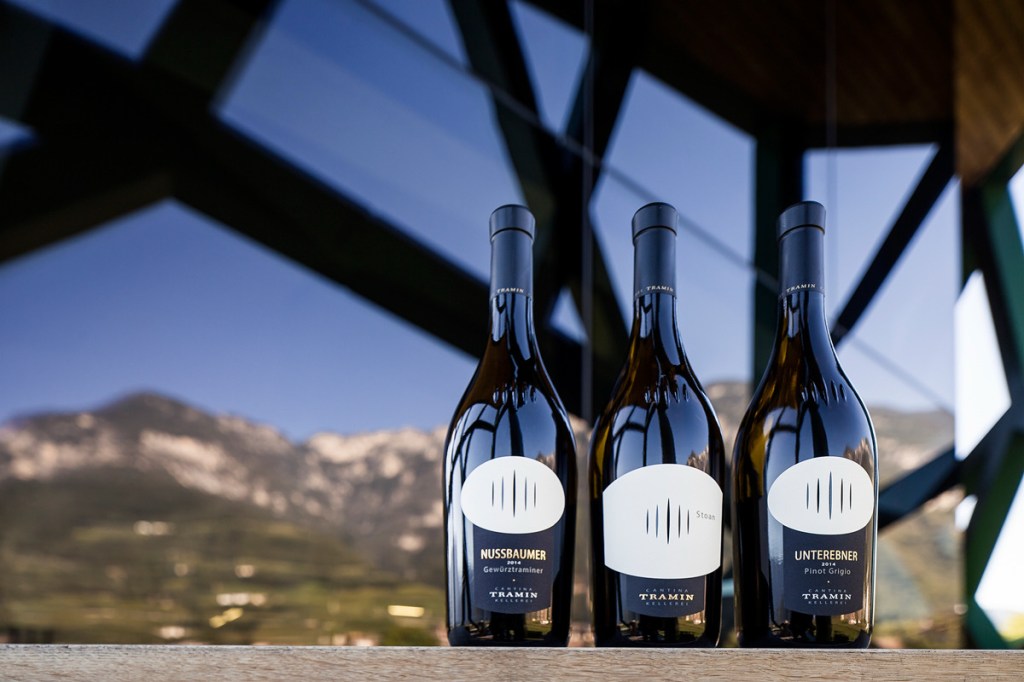
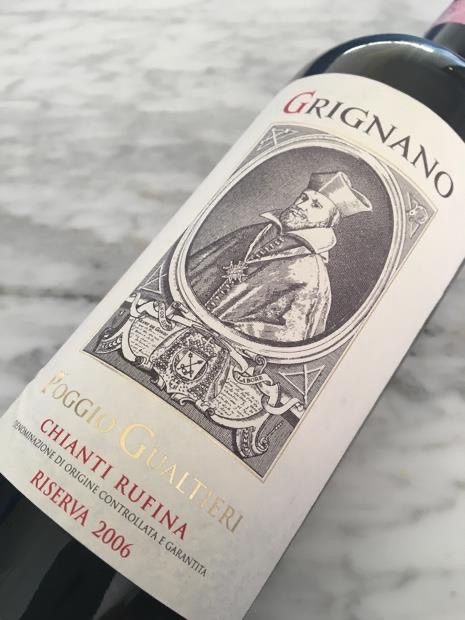
- Personalised Wine Labels: Custom bottles for high end clientele.
Future Trends in Luxury Wine Tourism:
The industry continues to evolve, with new trends shaping the future of high end wine travel.
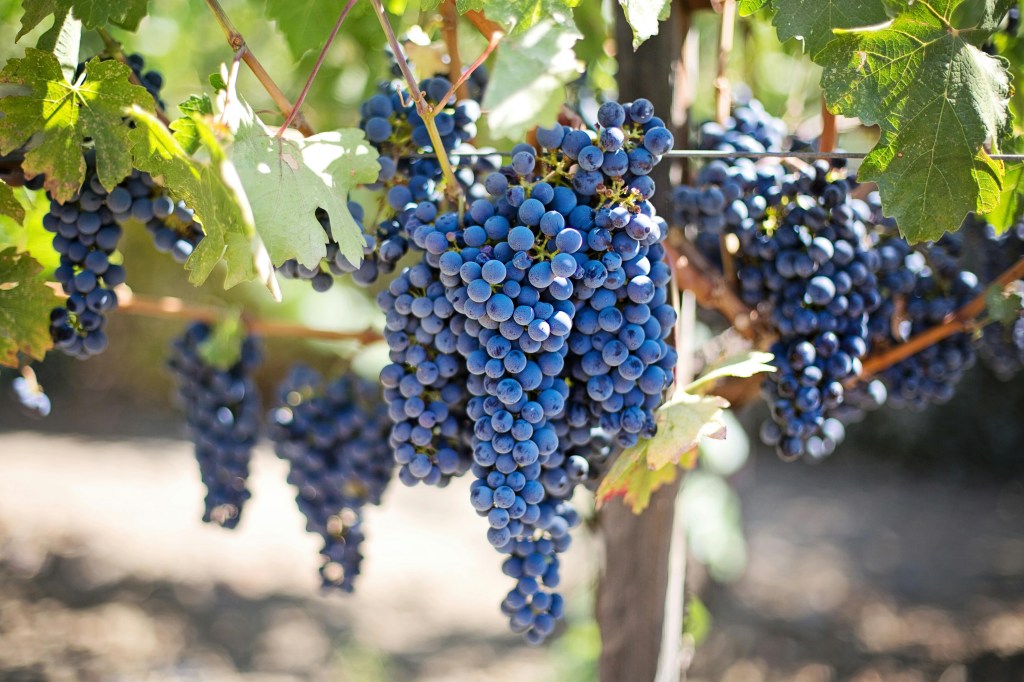
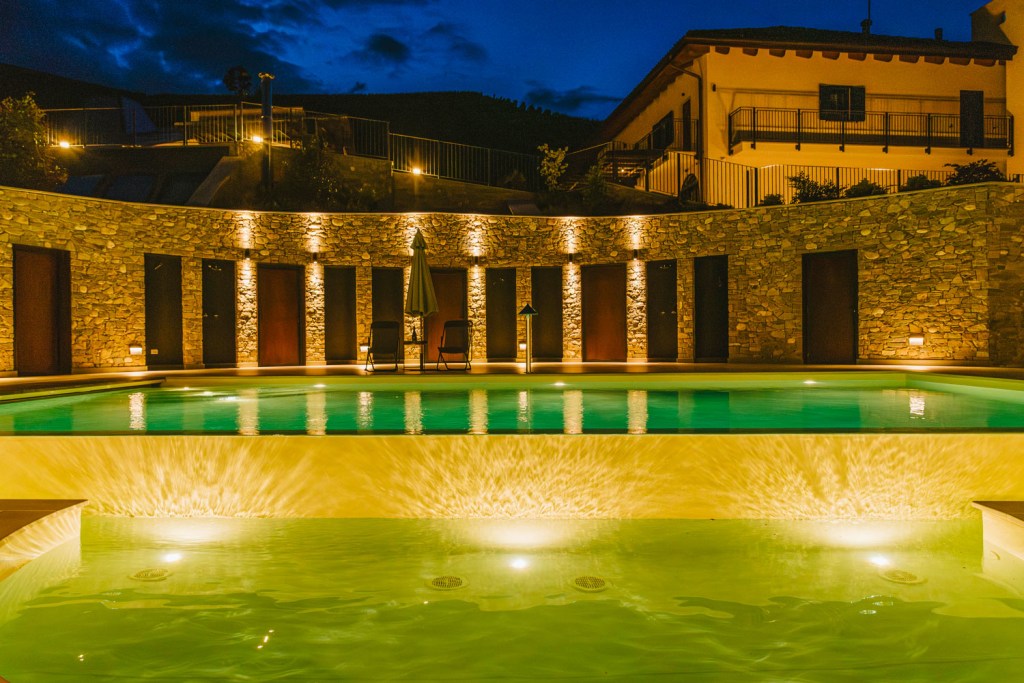
- Wine Wellness and Vinotherapy: Luxury travelers are embracing spa treatments infused with grape extracts. A trend made famous by Caudalie’s Vinothérapie Spa in Bordeaux.
- Sustainable and Eco Luxury Wine Tourism: More wineries are going green focusing on biodynamic viticulture and sustainability.
- Ultra High End Wine Investment: Travelers aren’t just drinking wine, they are investing in rare vintages and vineyard ownership.
Final Thoughts:
The fusion of luxury travel and fine wines has transformed the industry into a powerhouse of unparalleled experiences. For wineries, embracing luxury tourism isn’t just about selling wine. It is about crafting experiences that turn guests into lifelong patrons.











 sagarsareen_wis