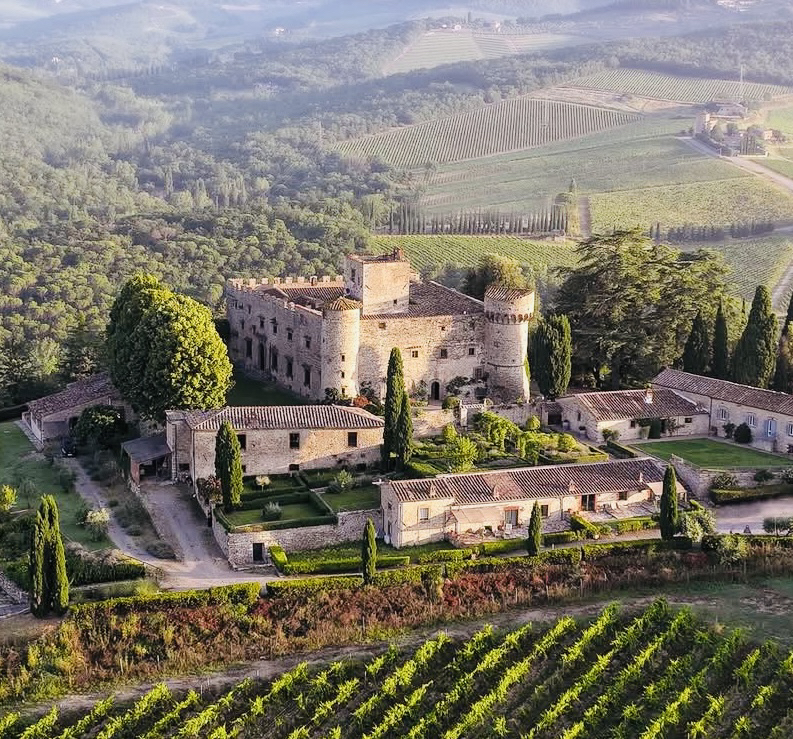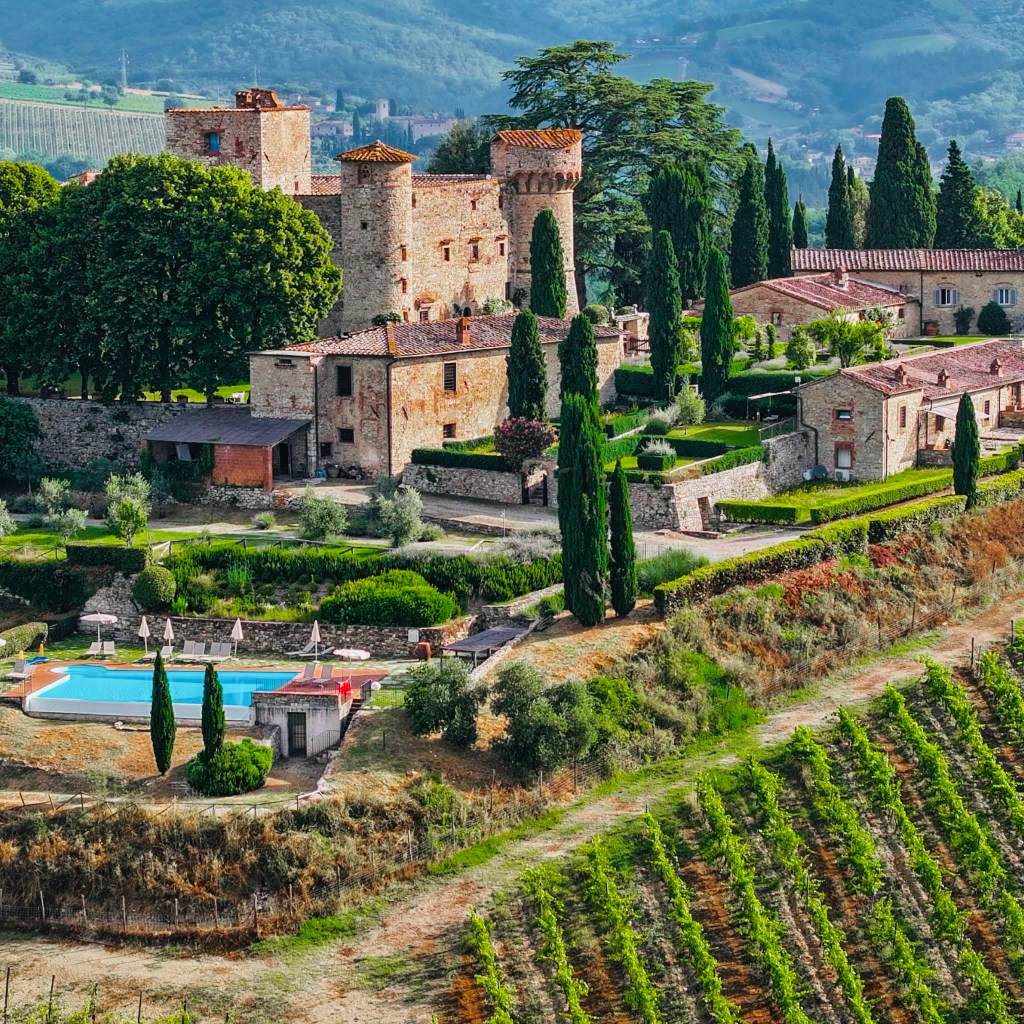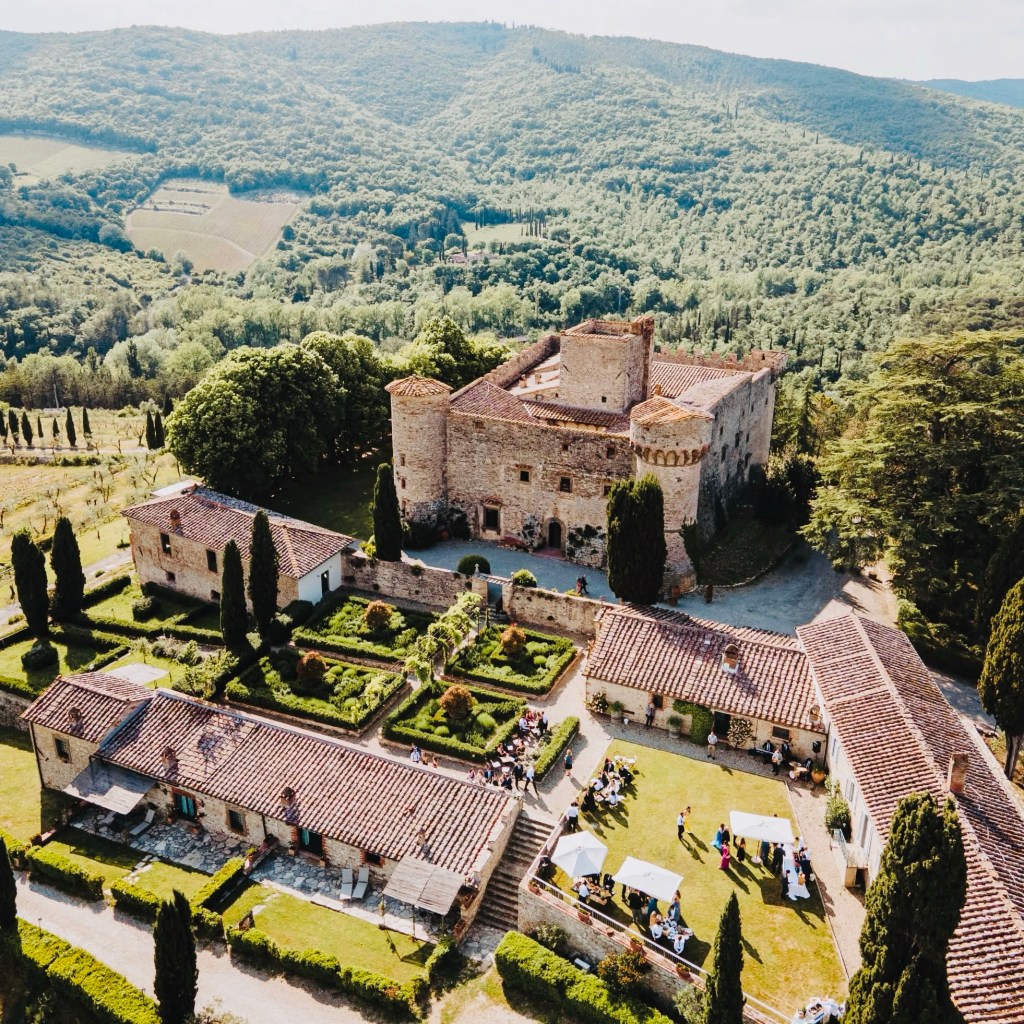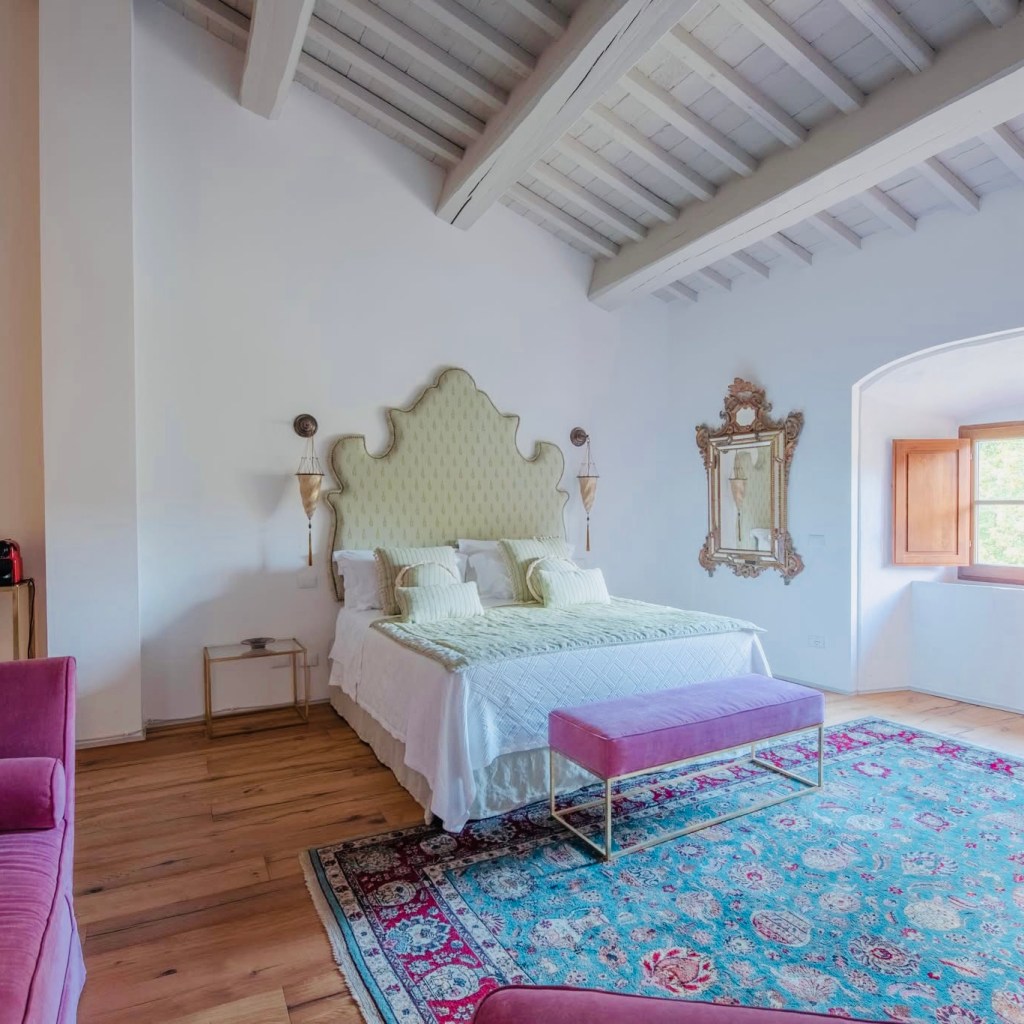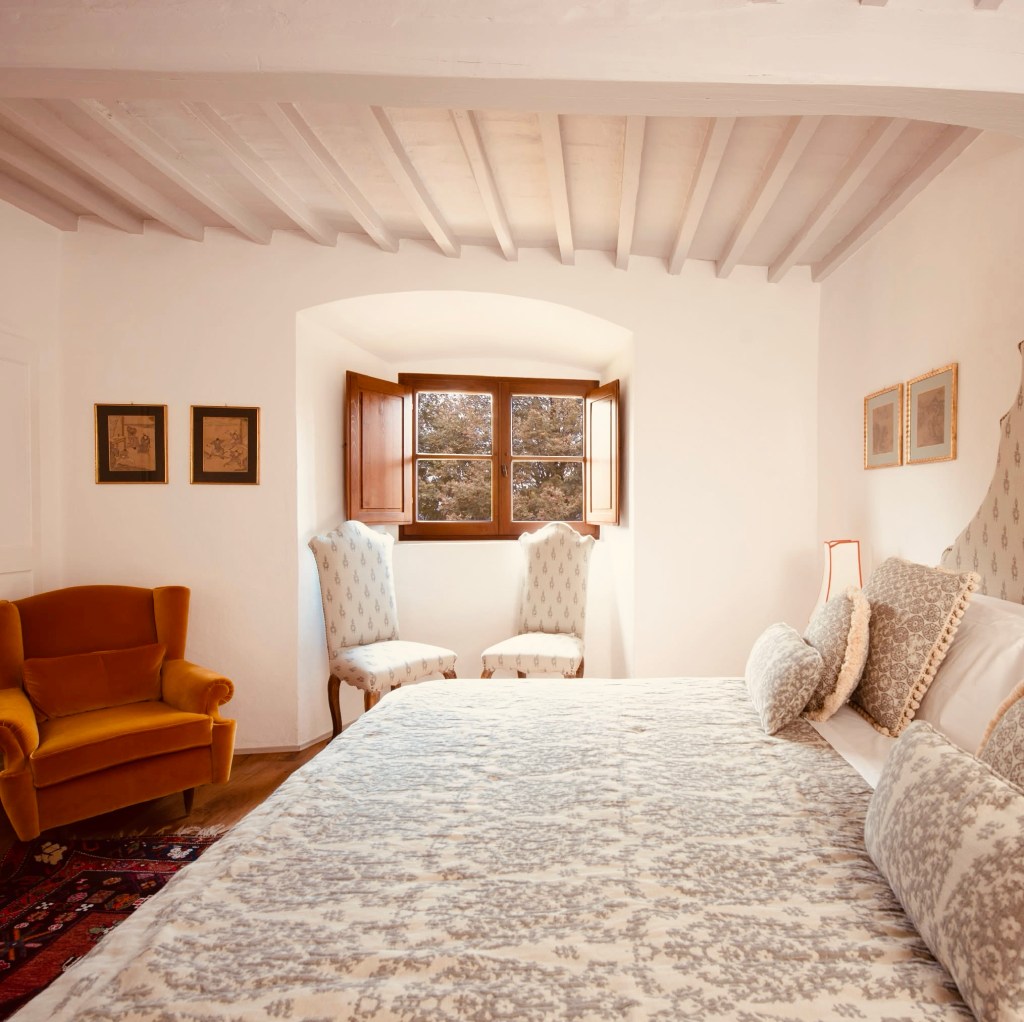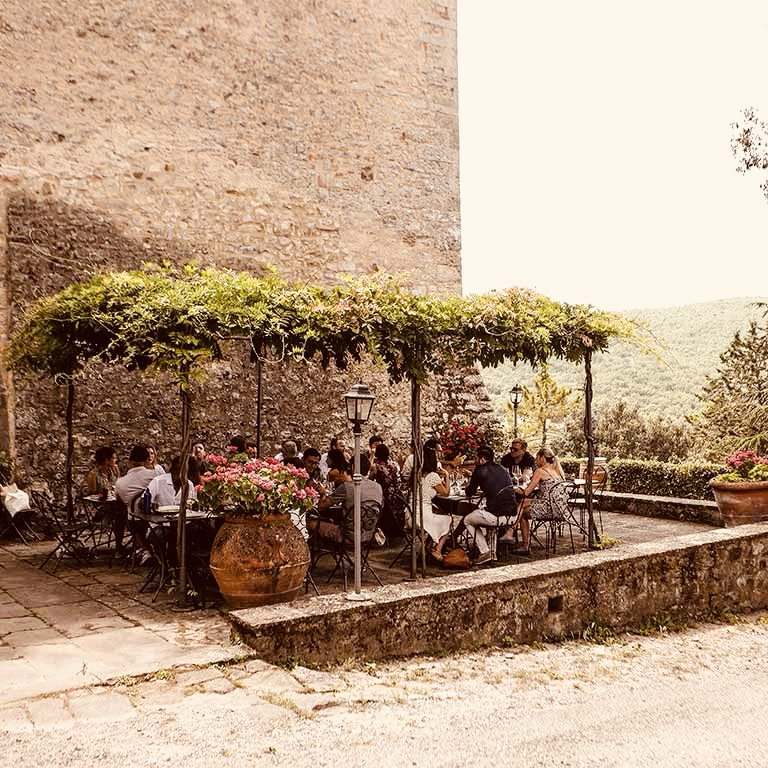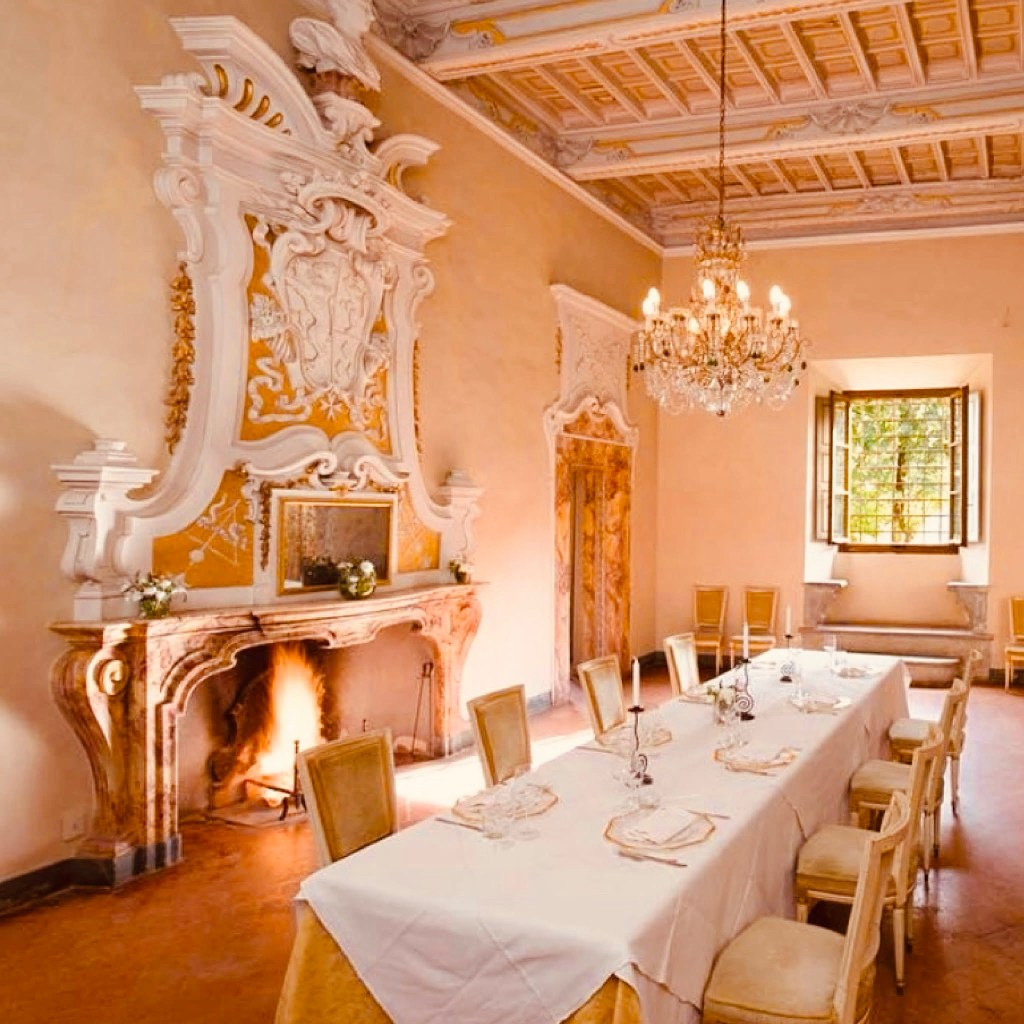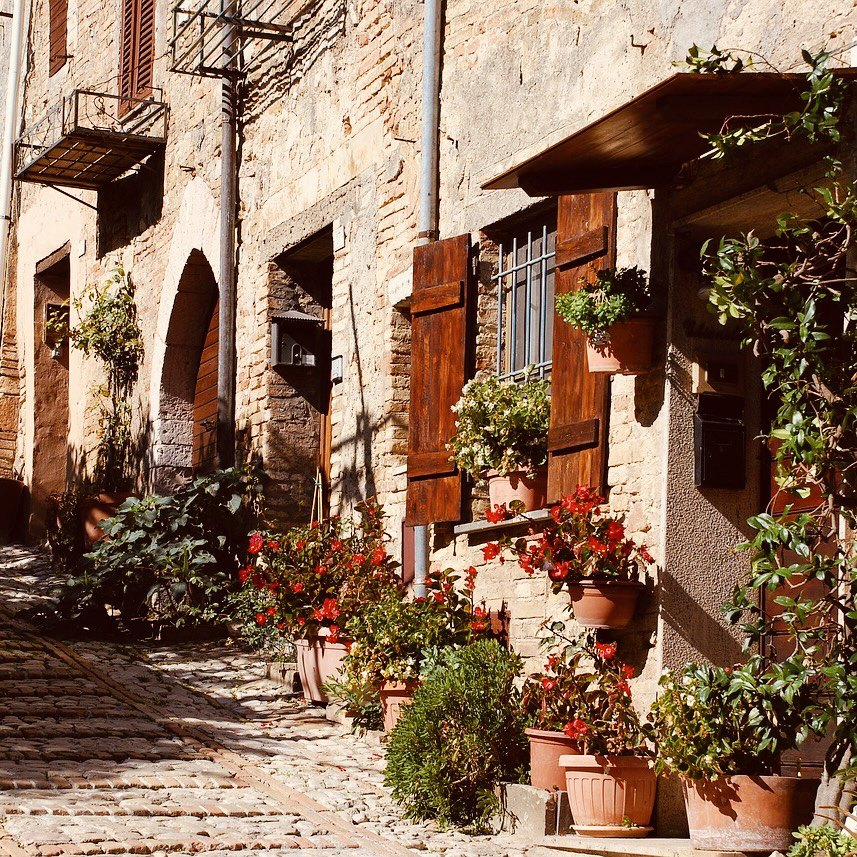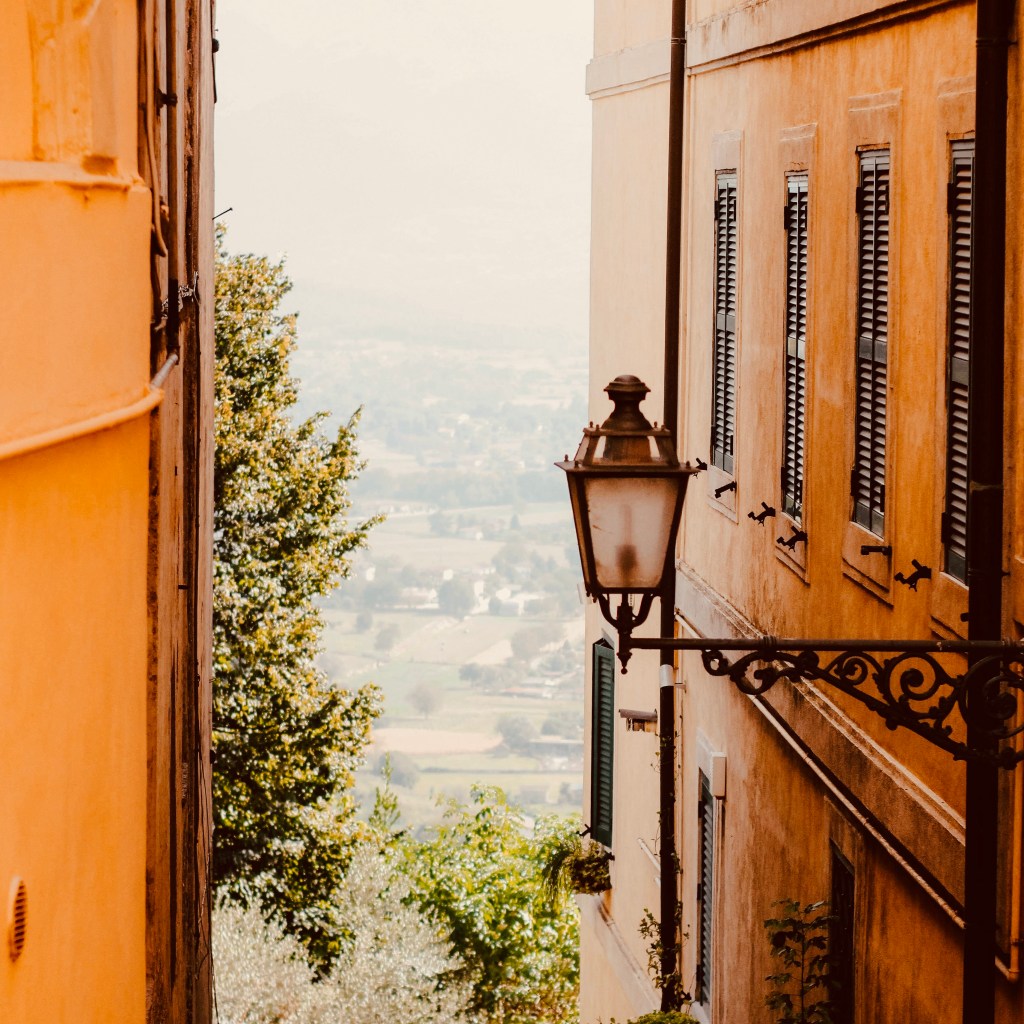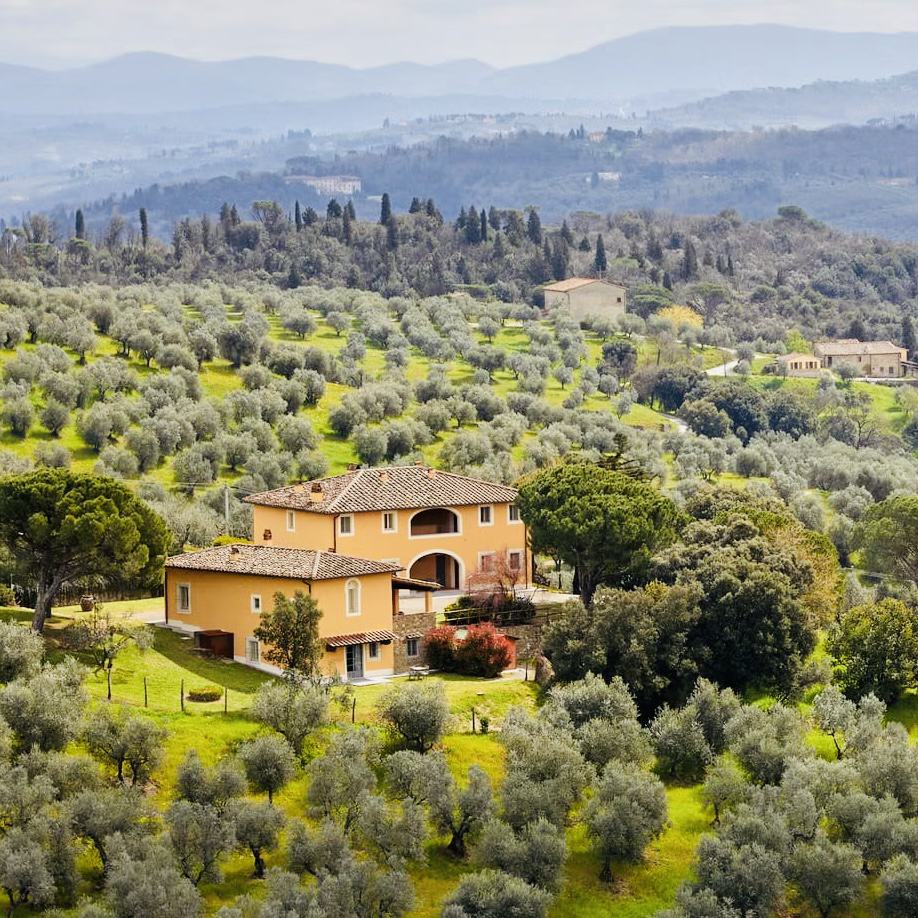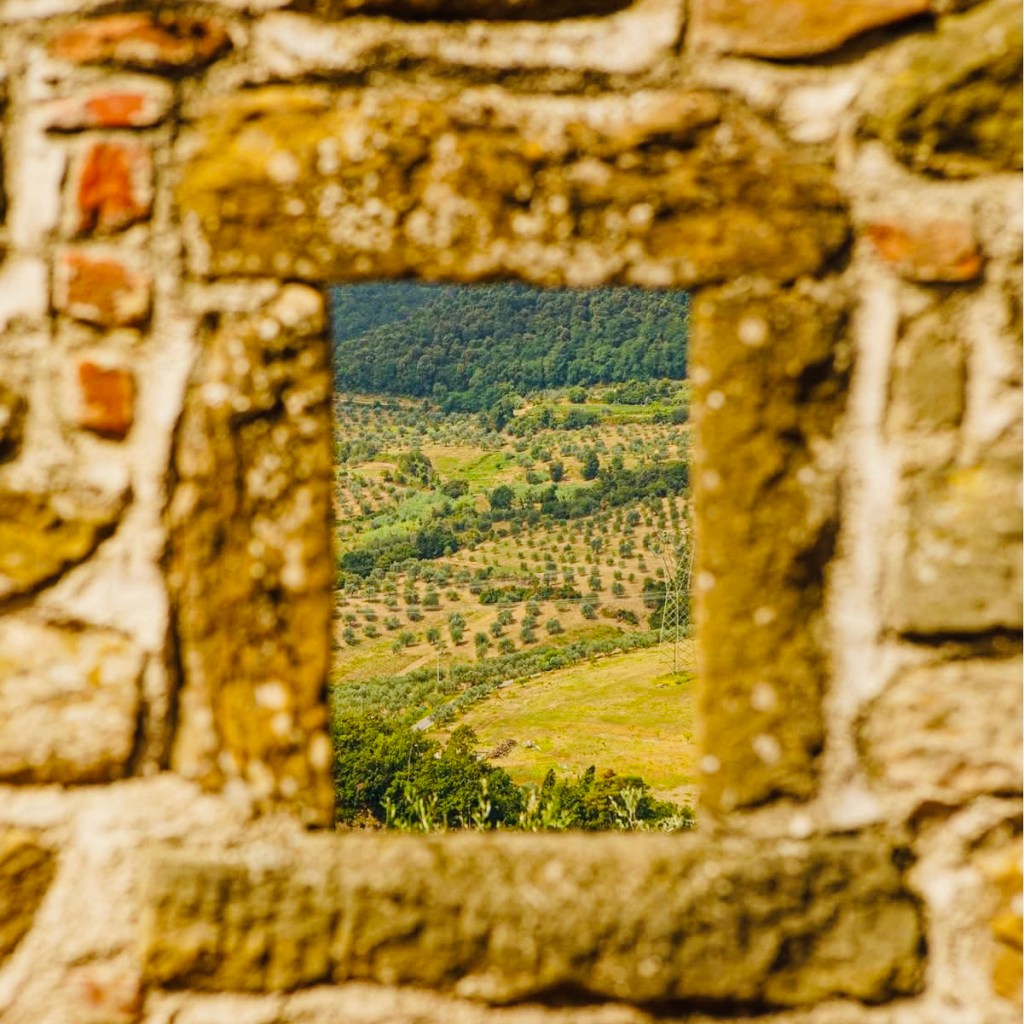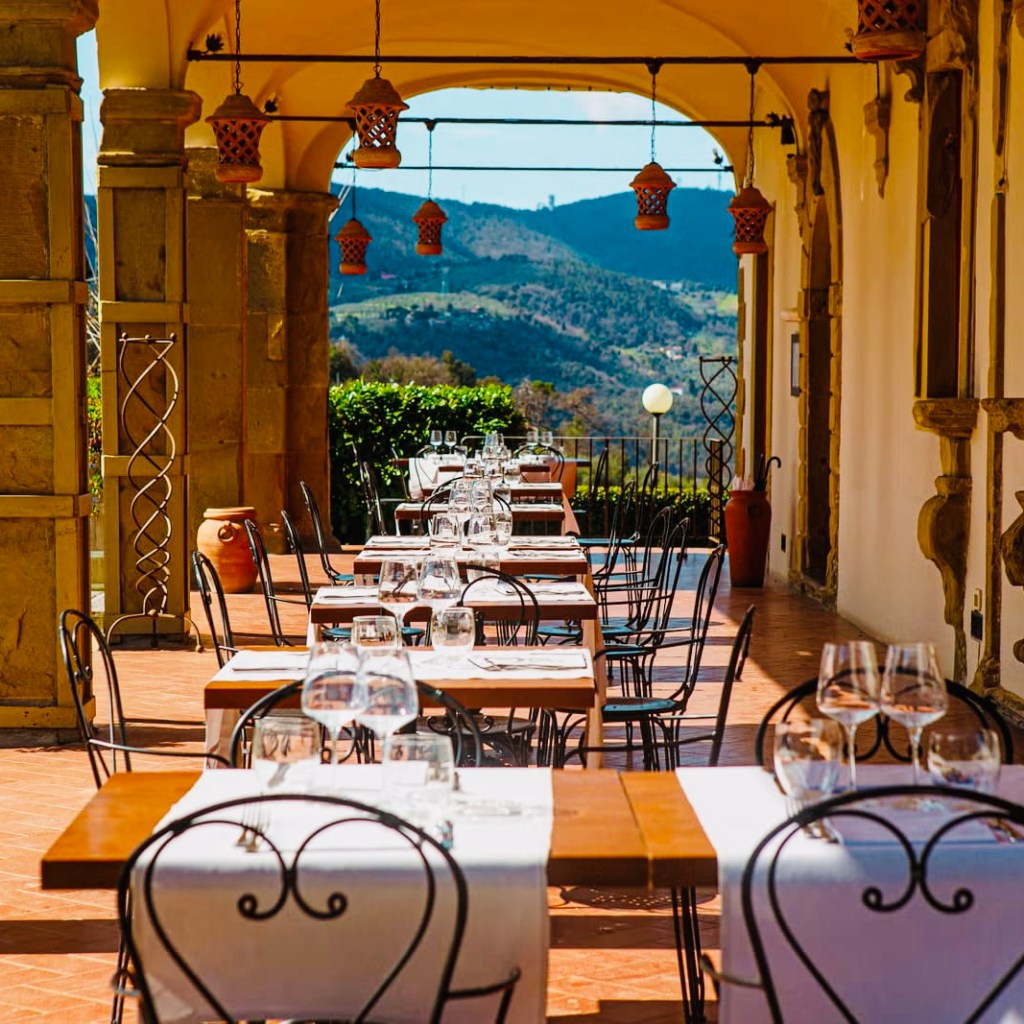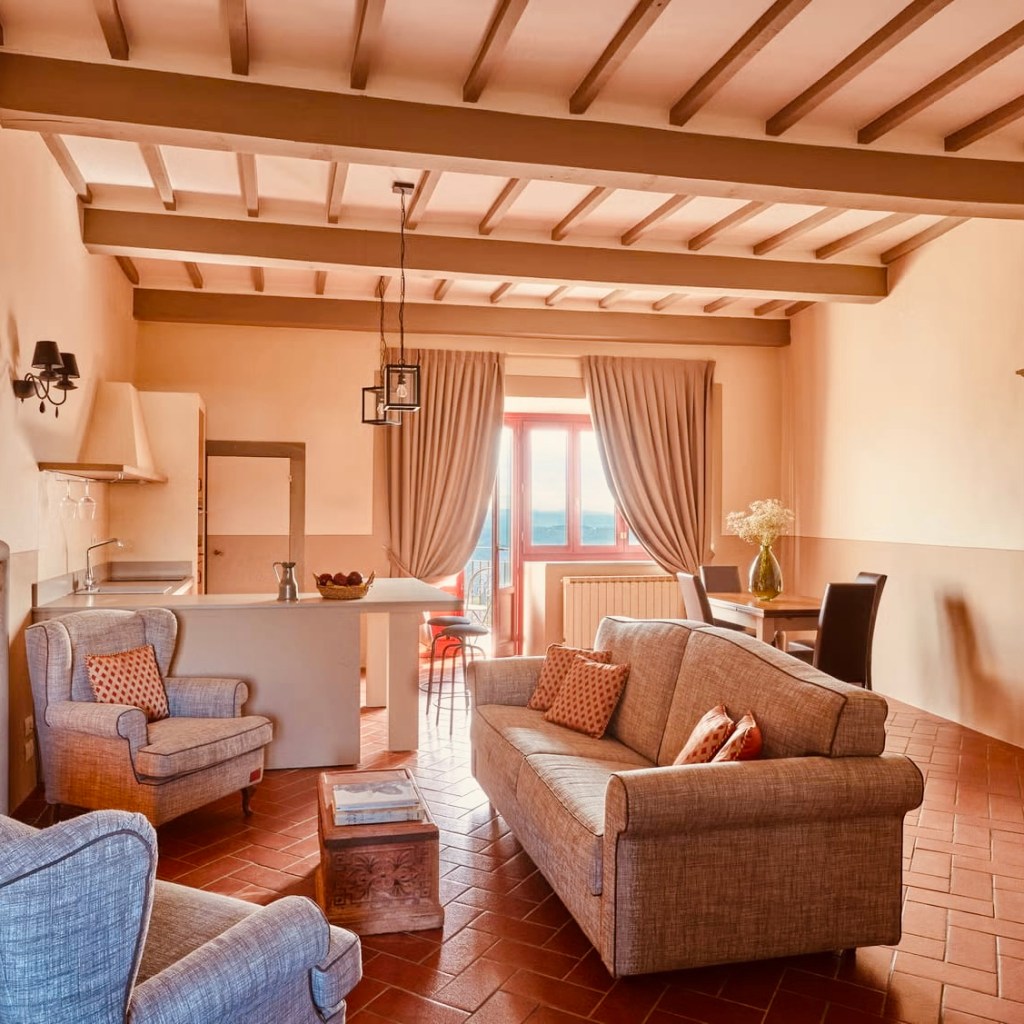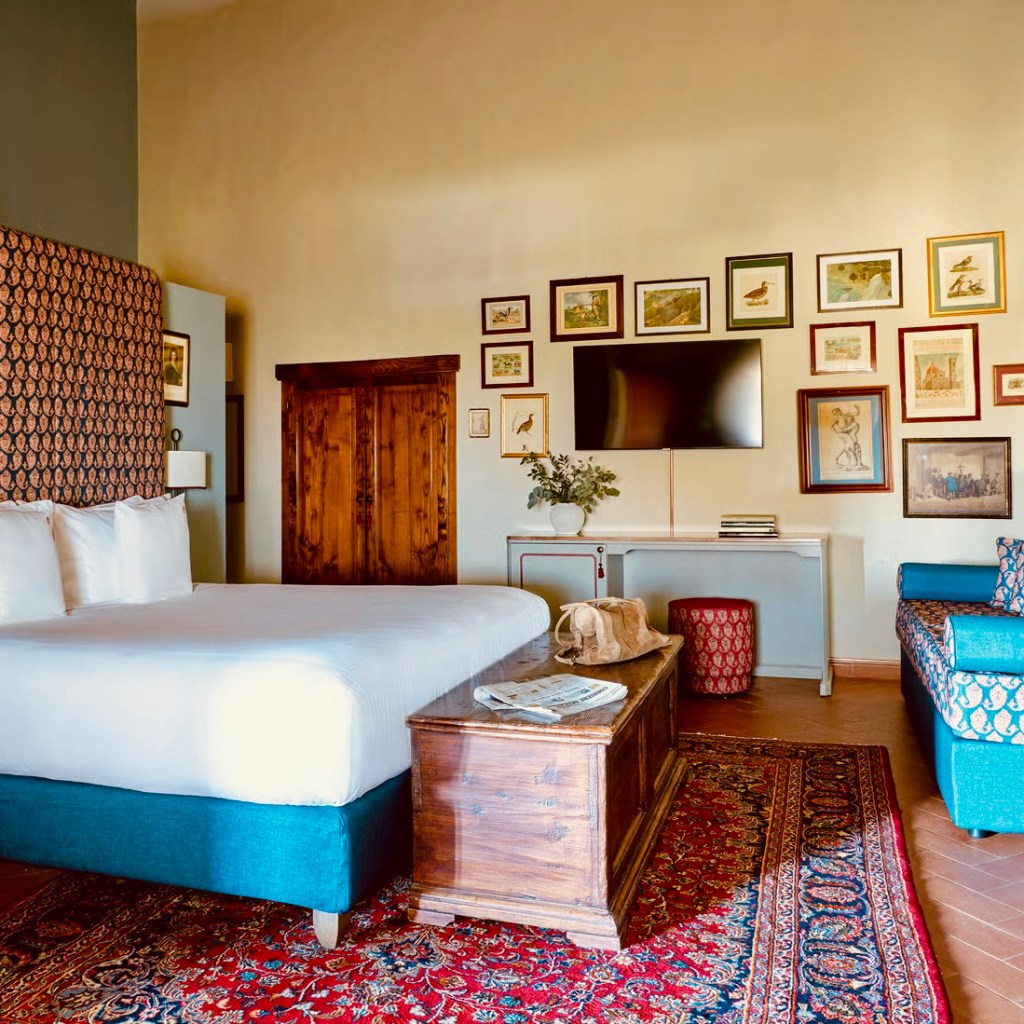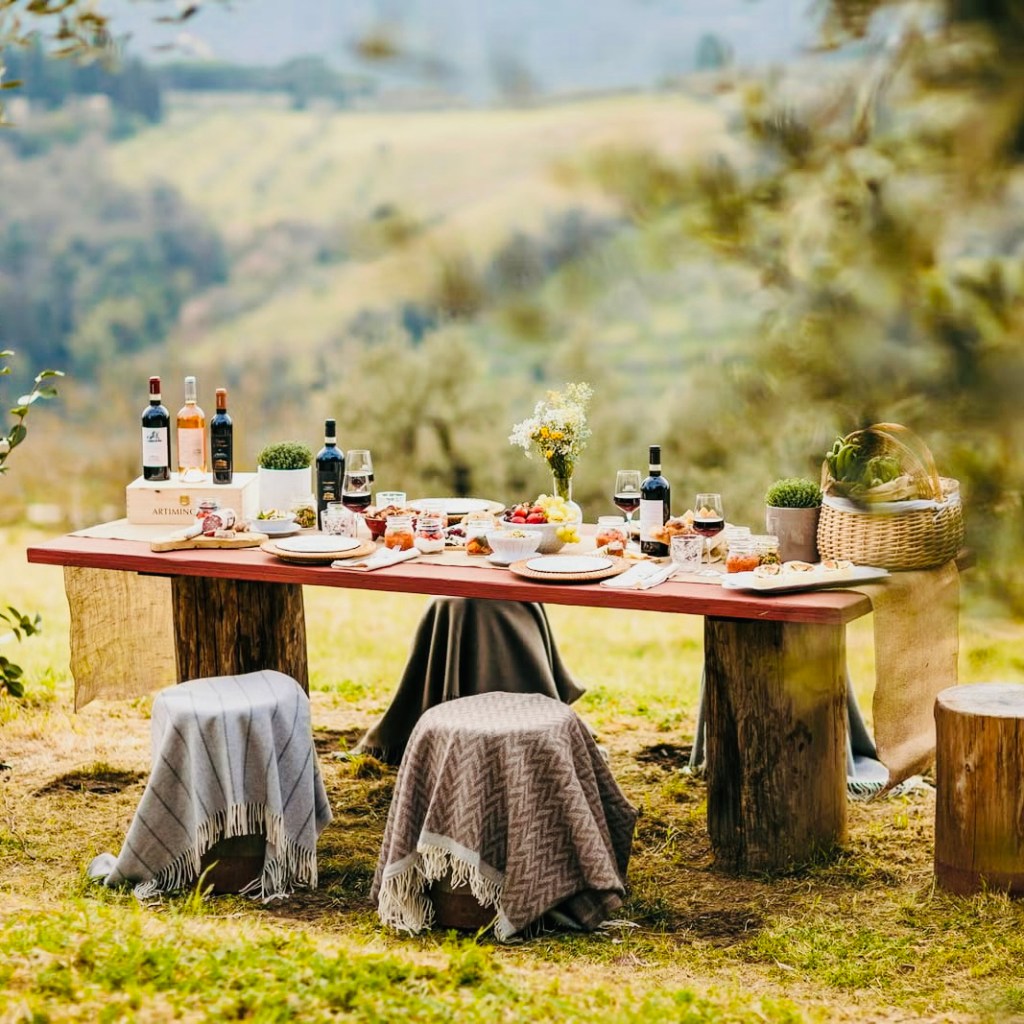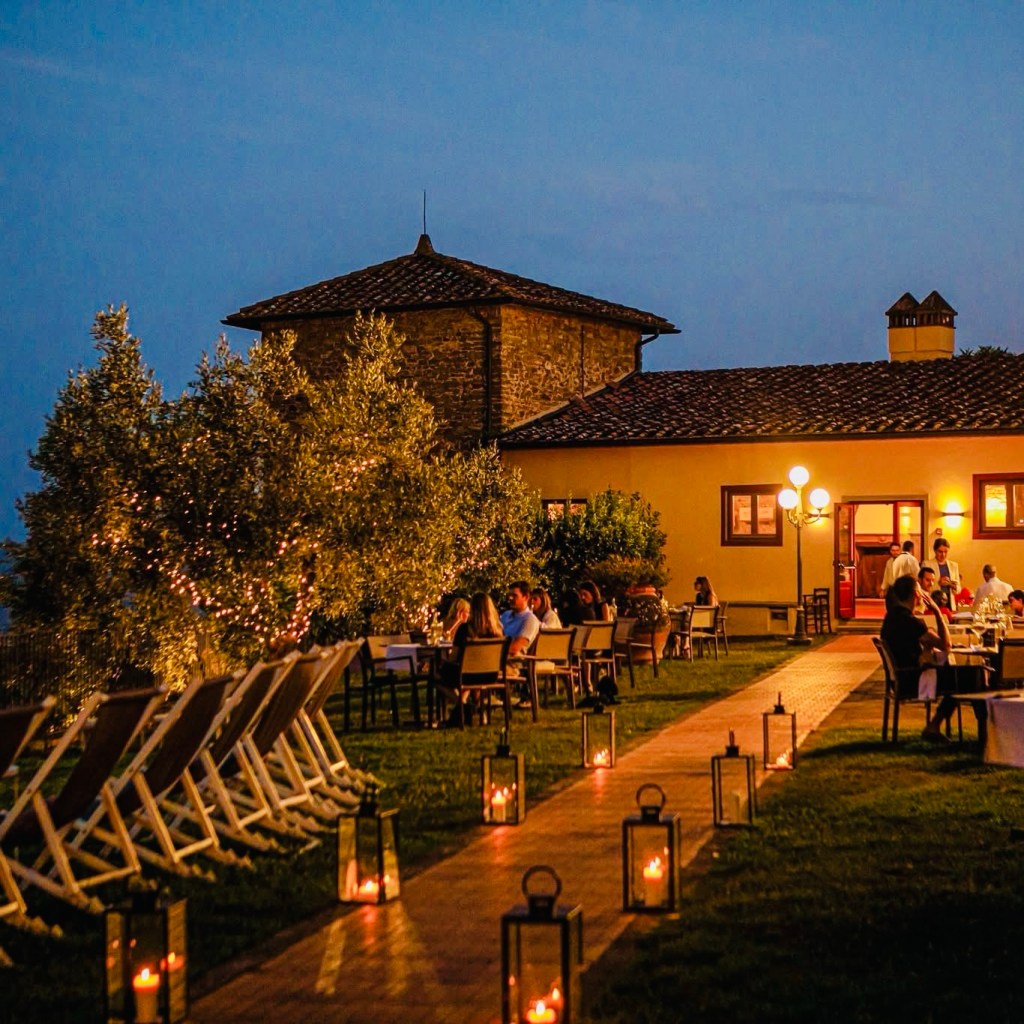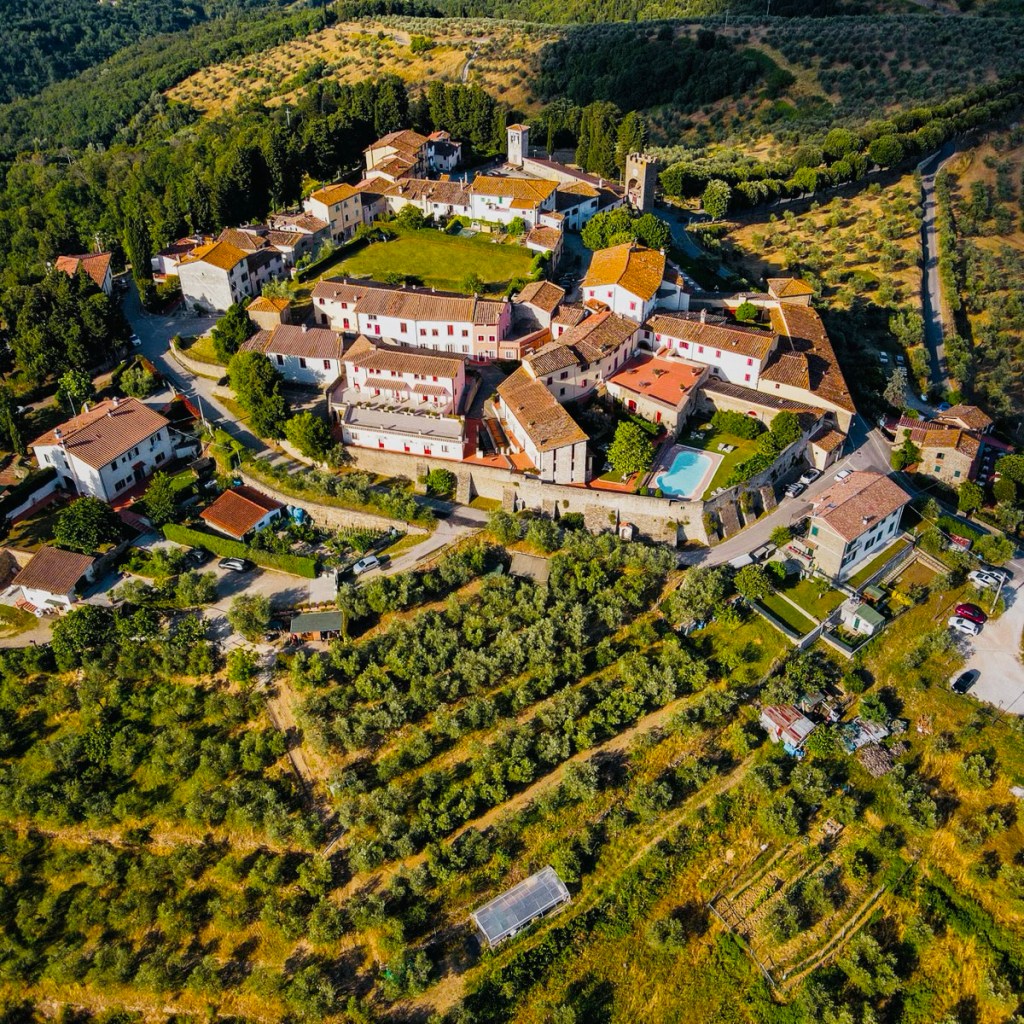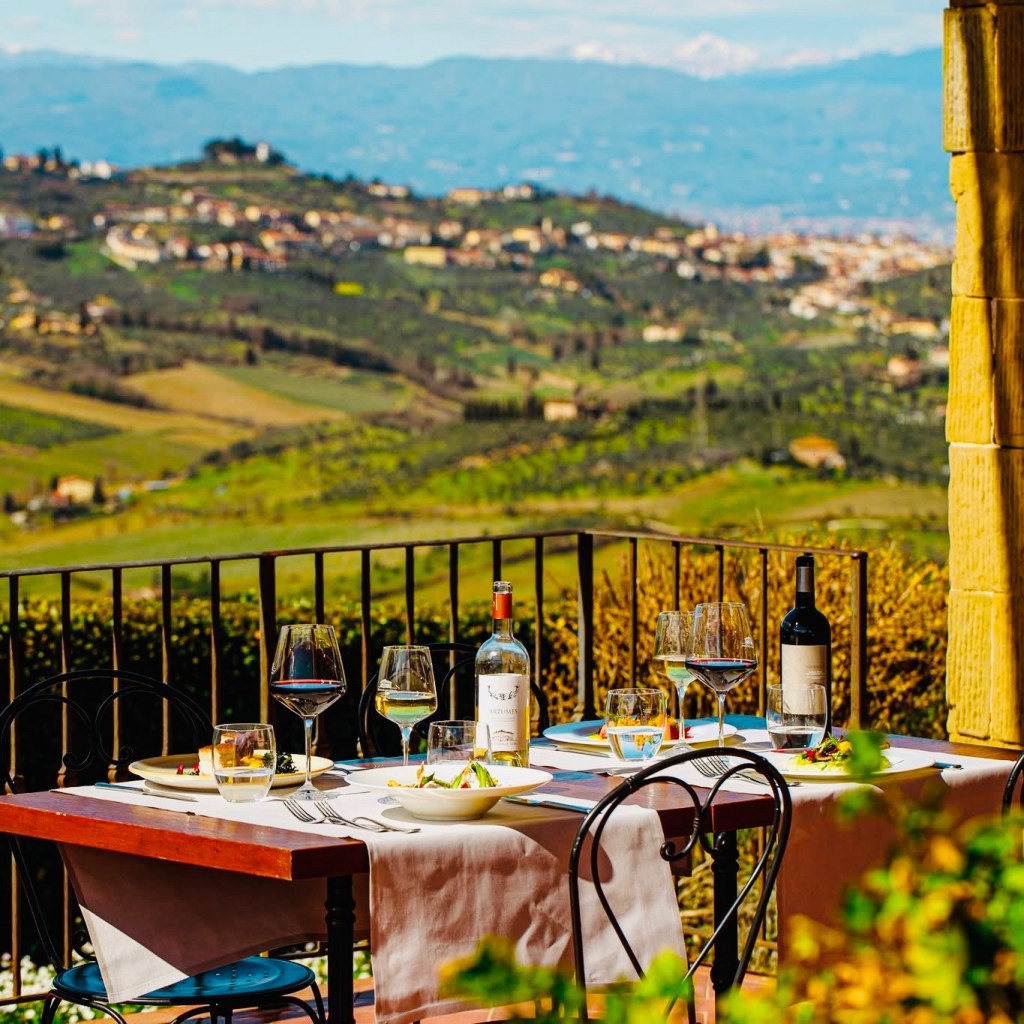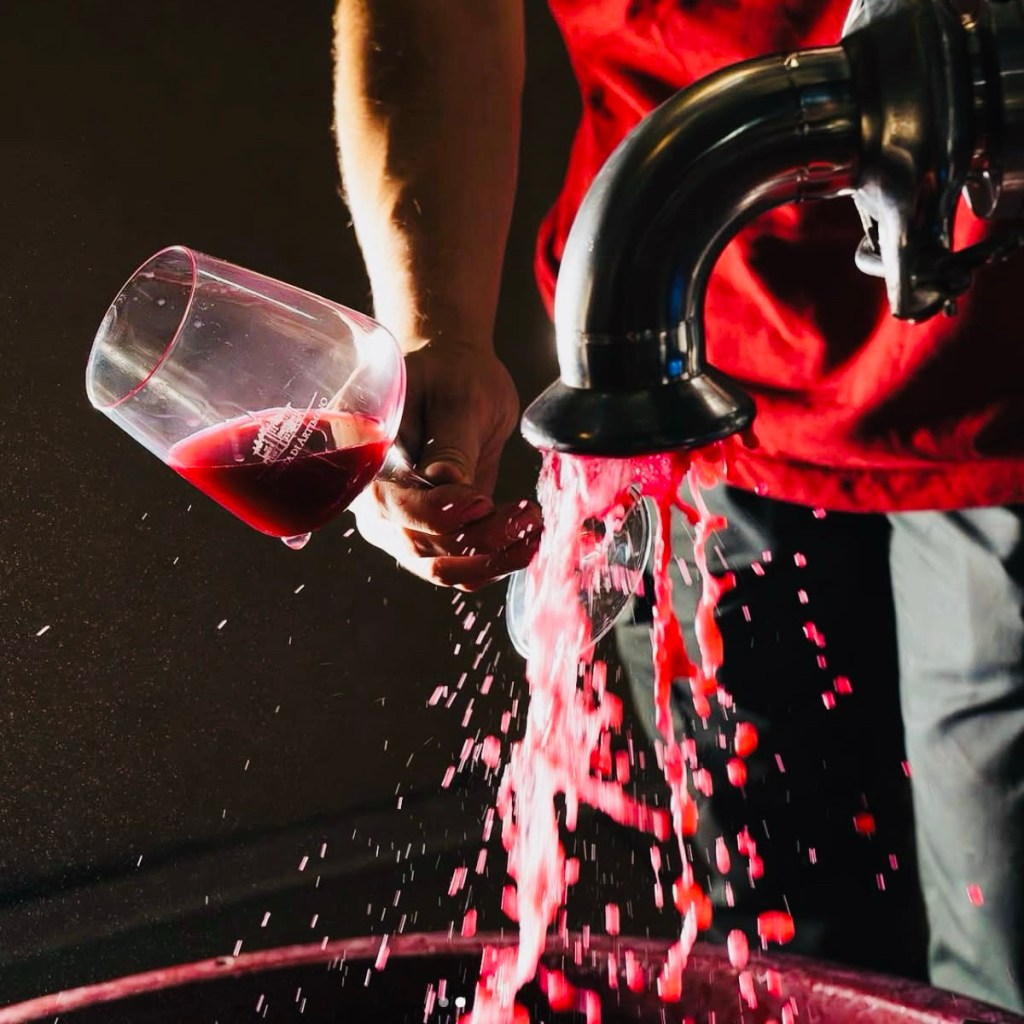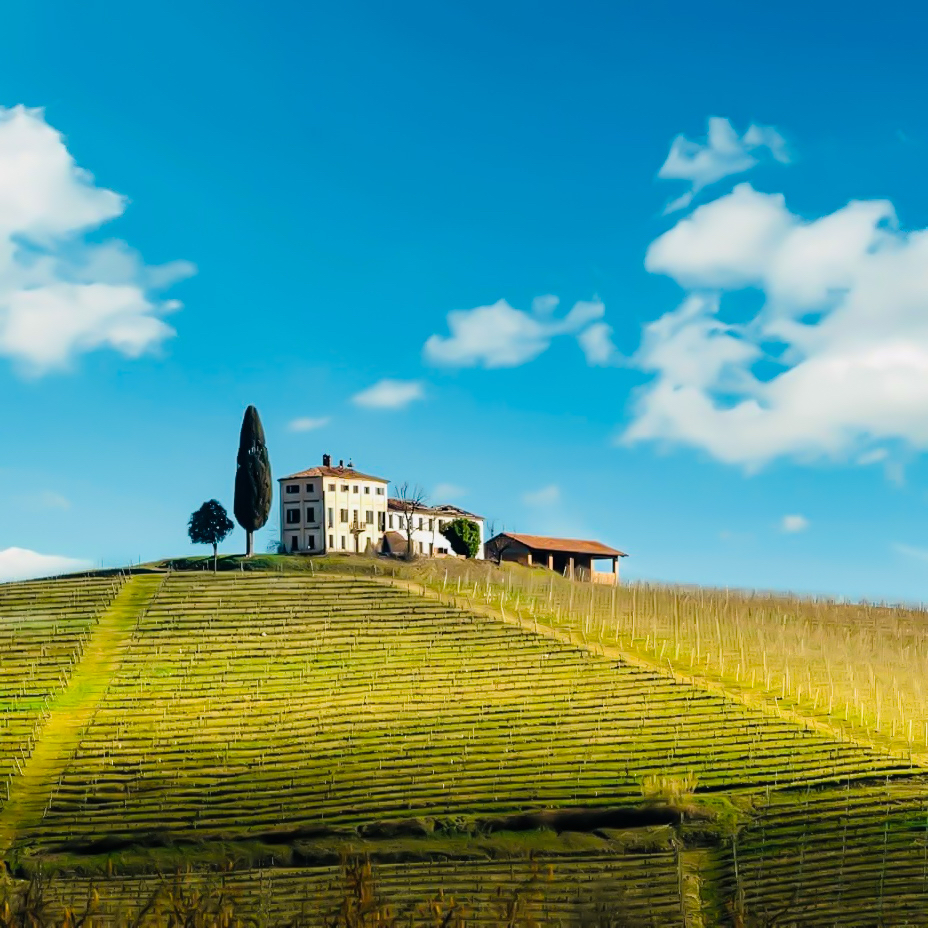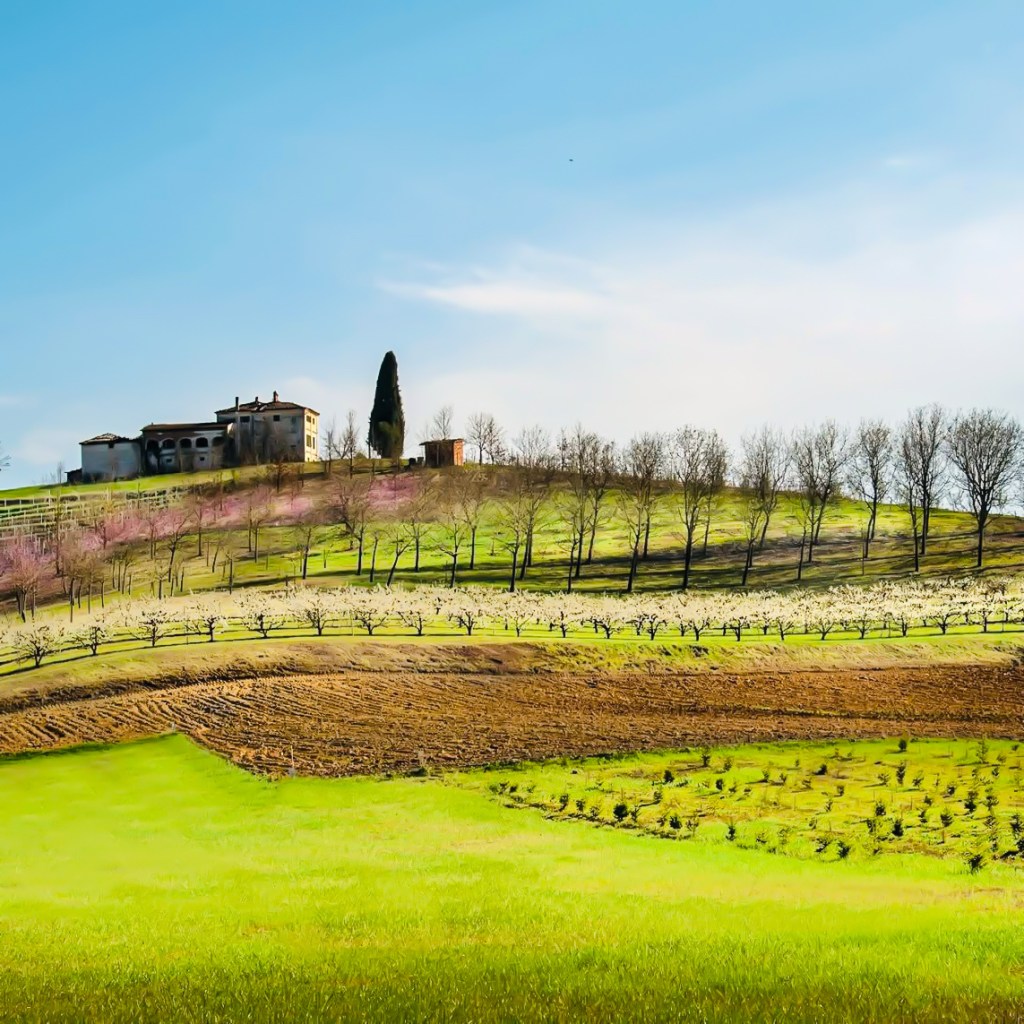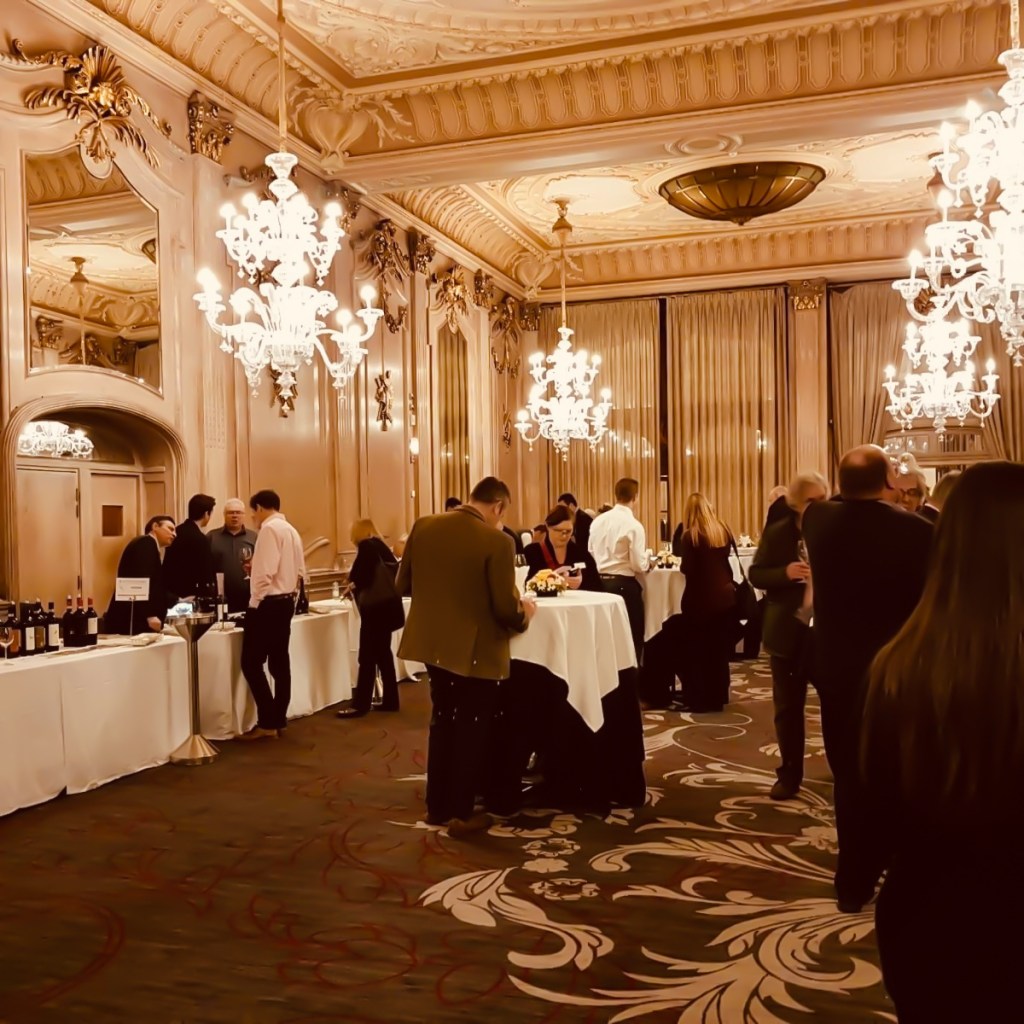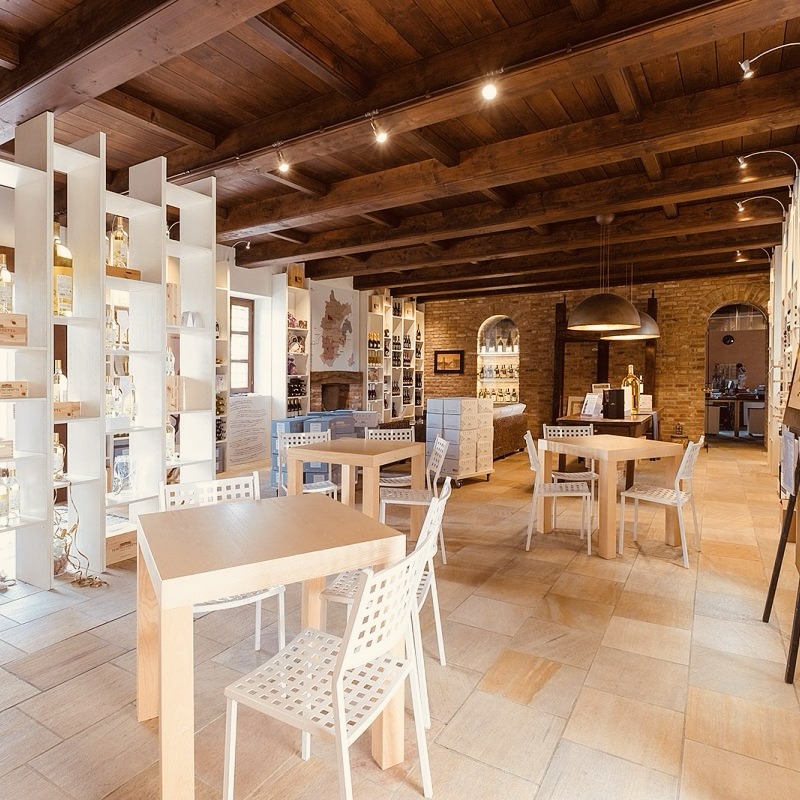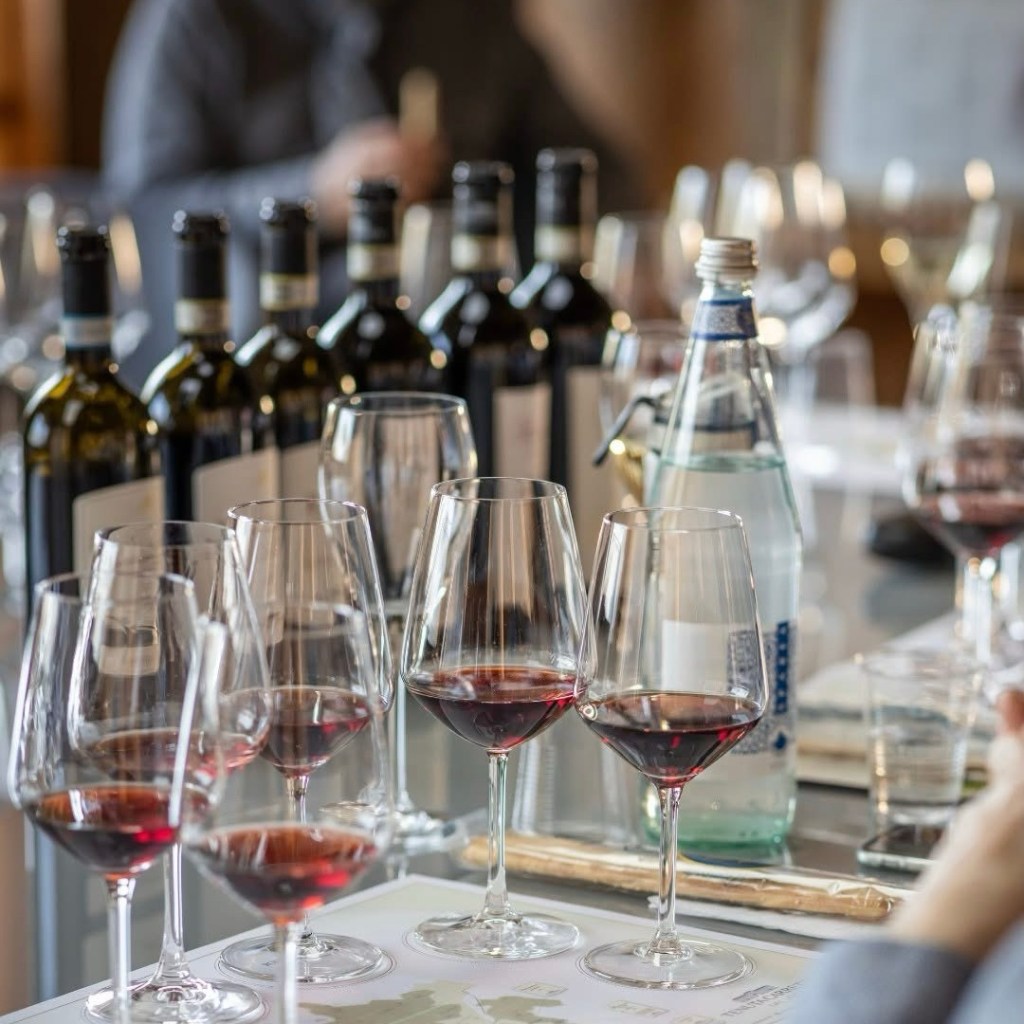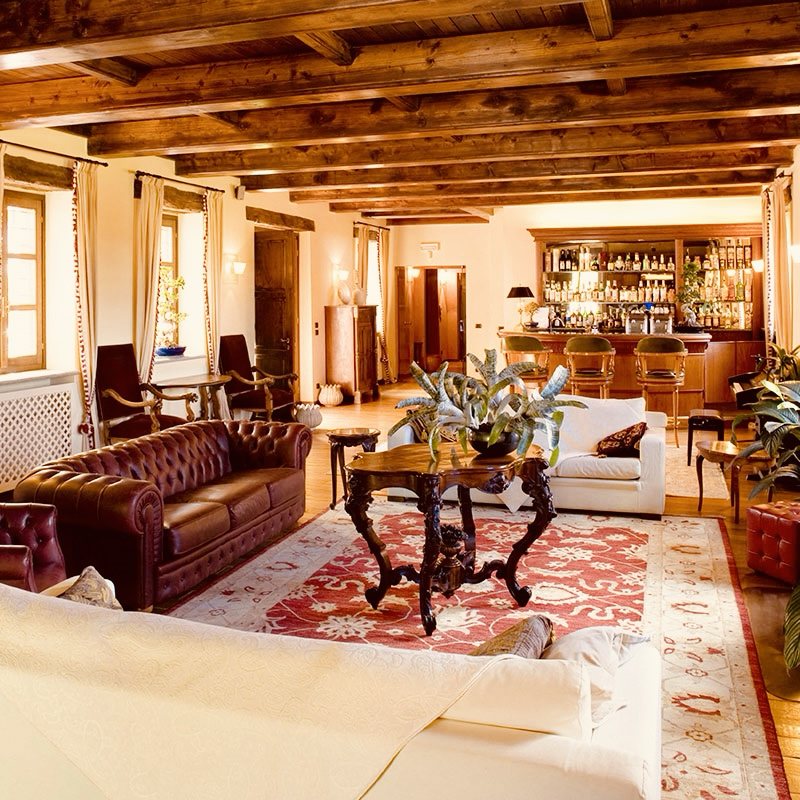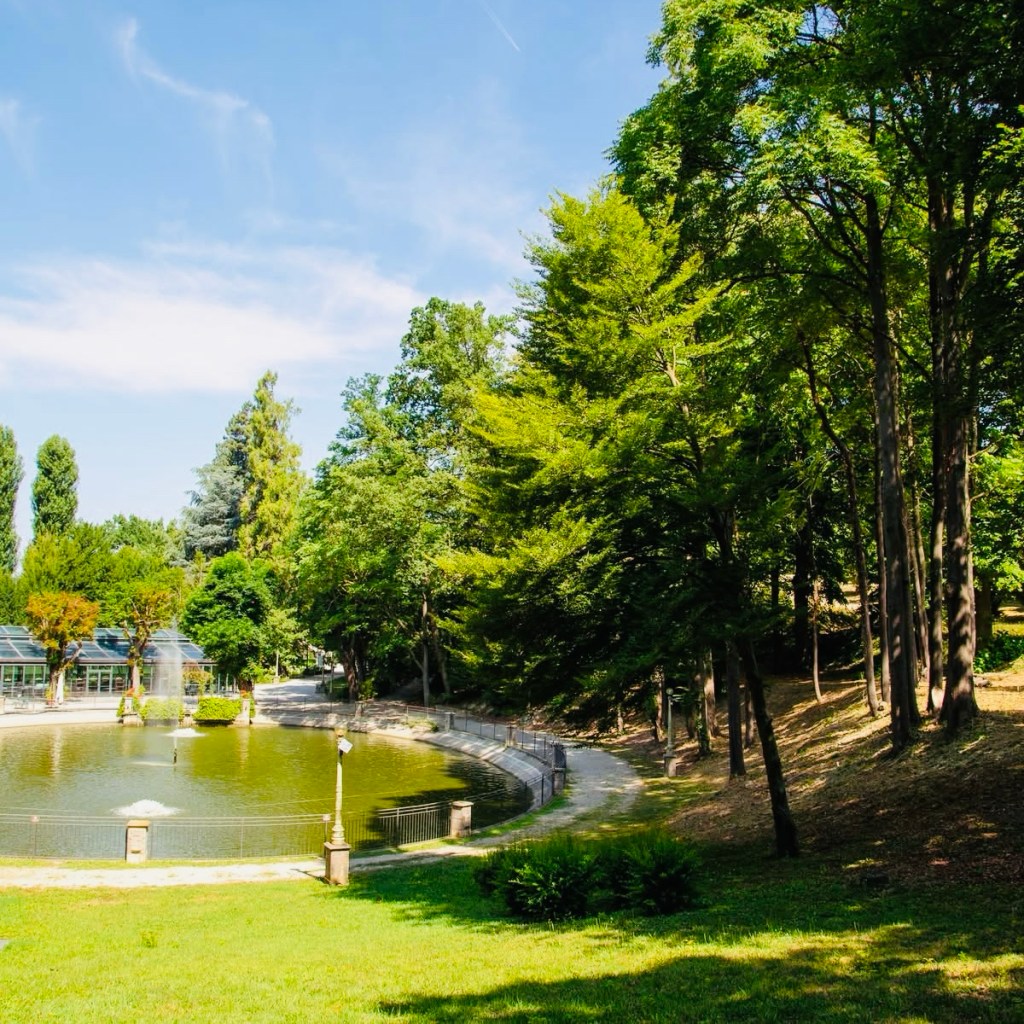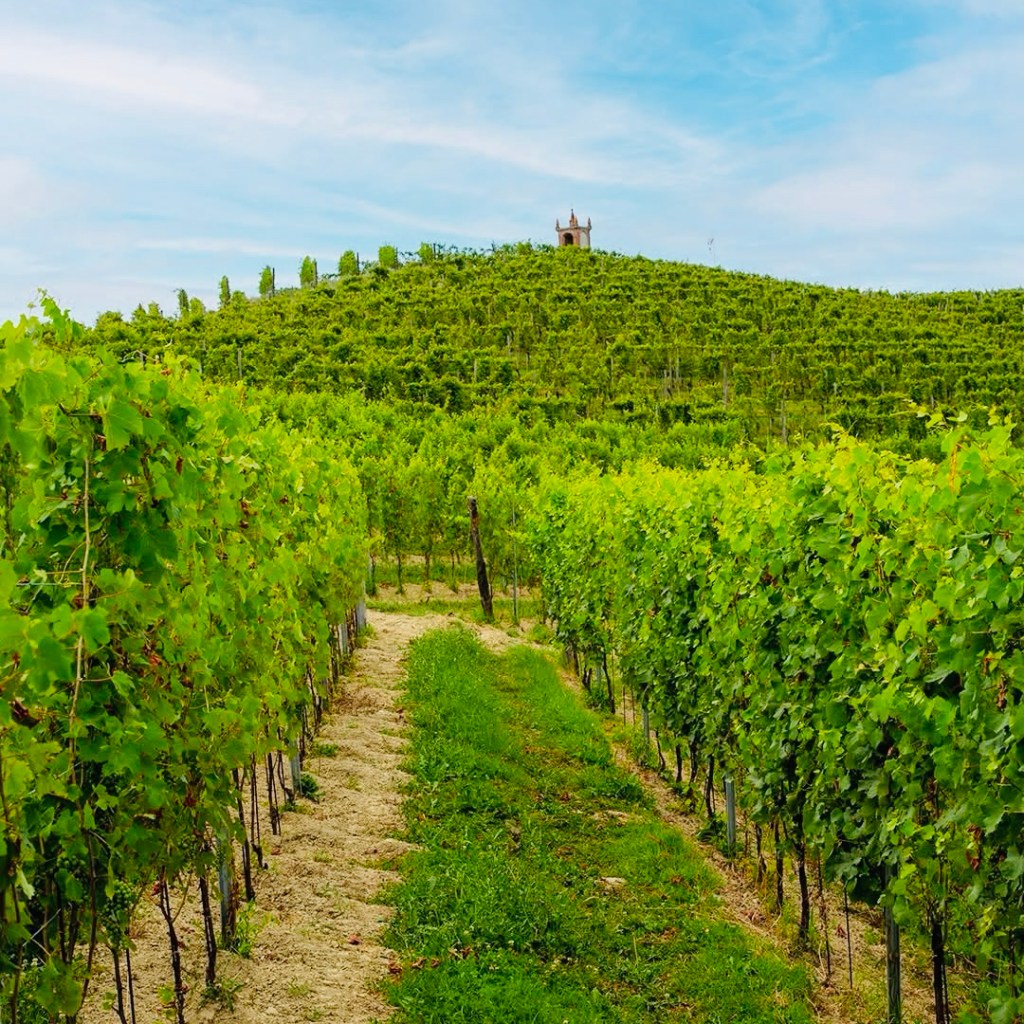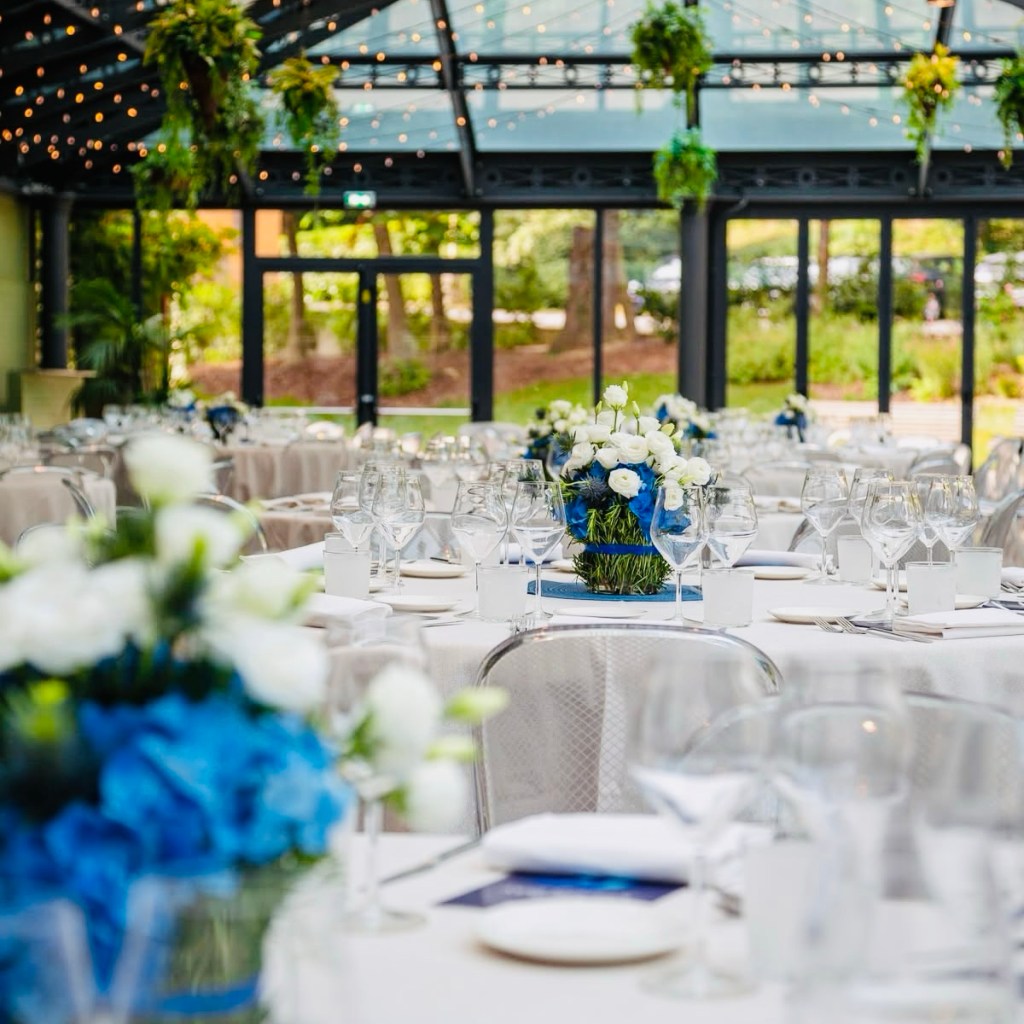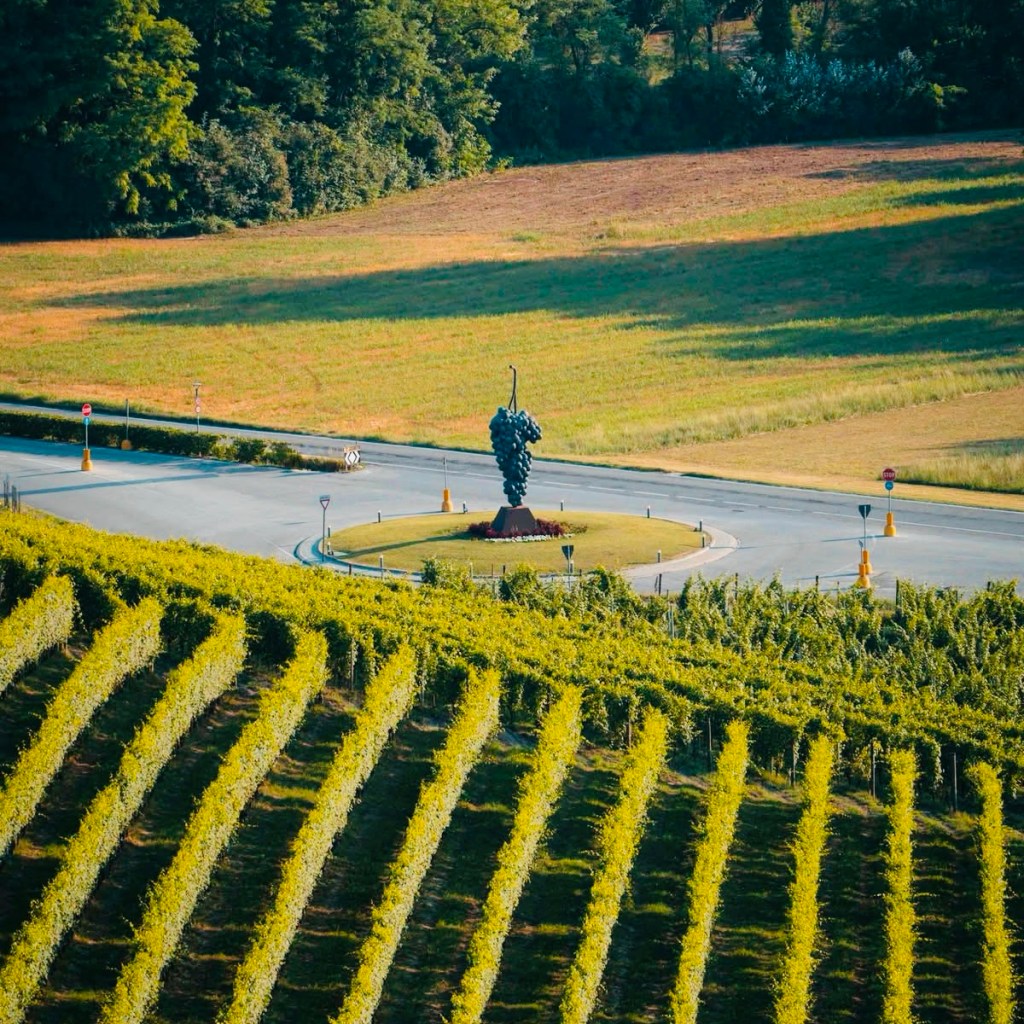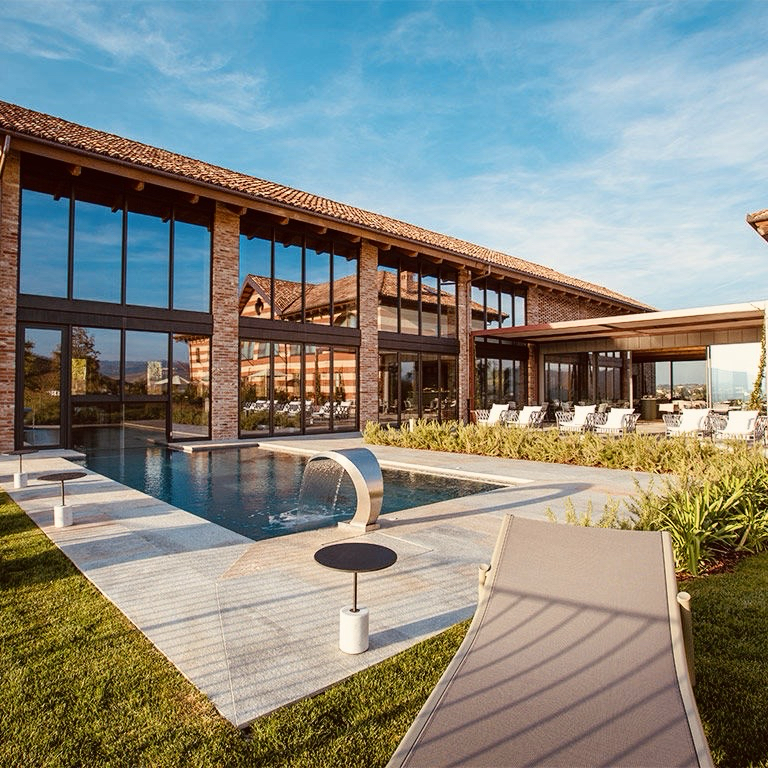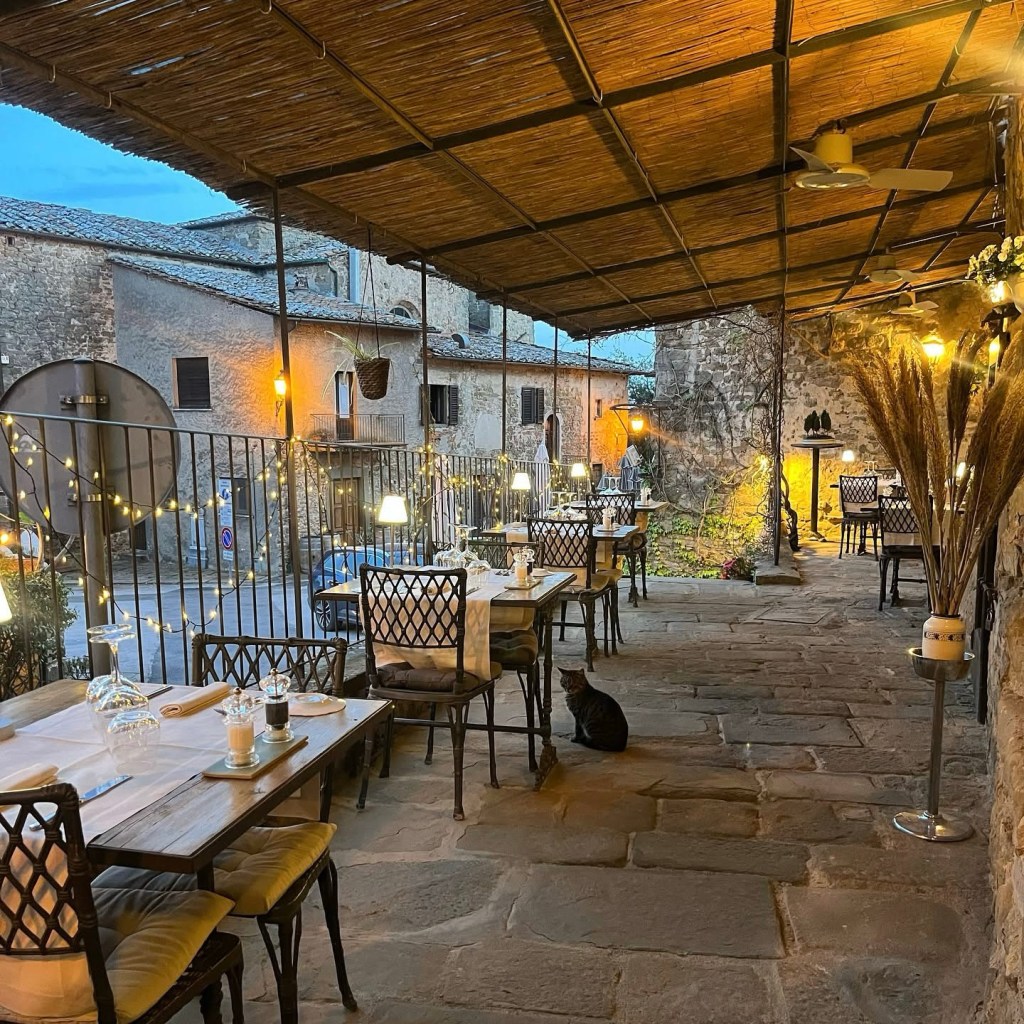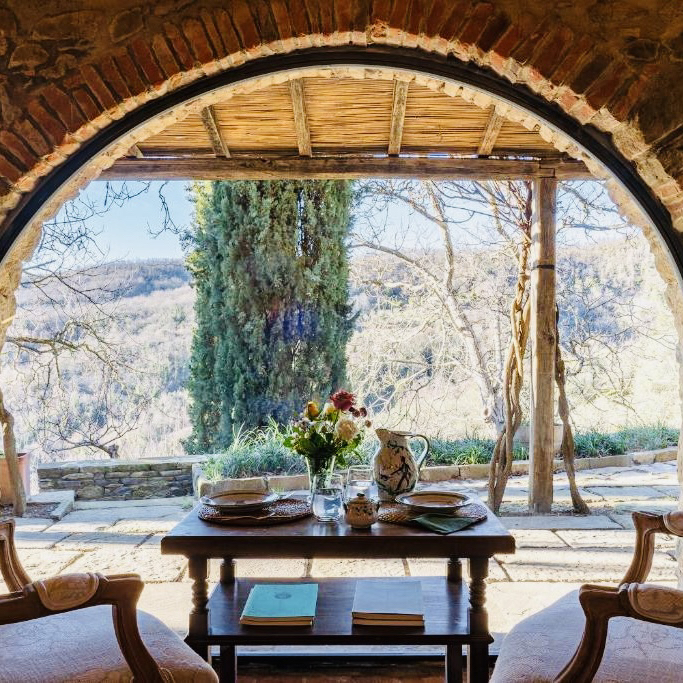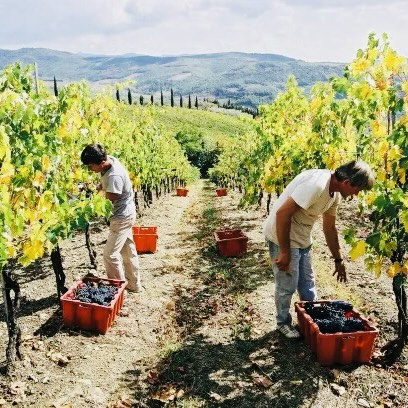
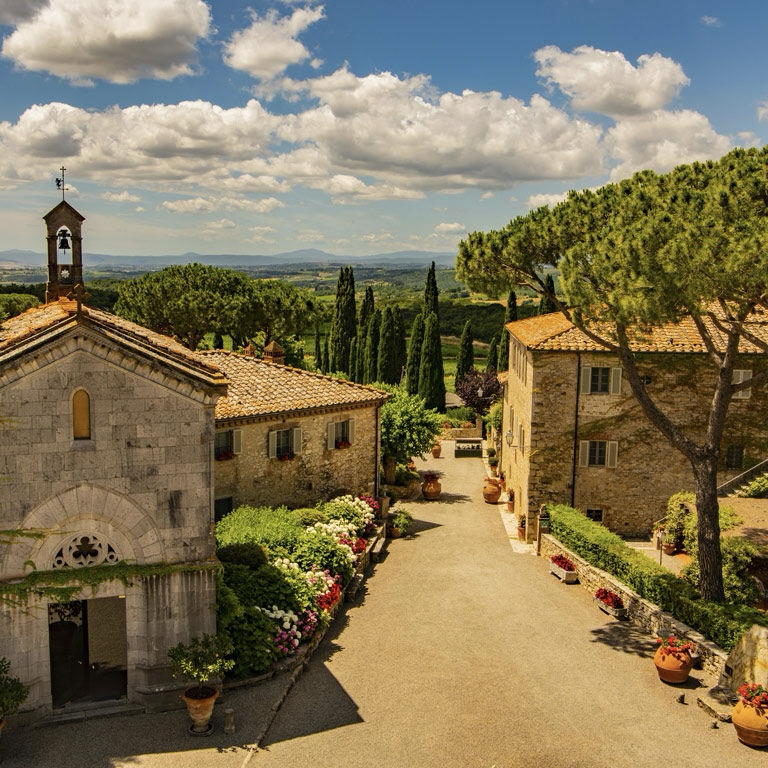
Borgo San Felice: Winery & Resort, Toscana

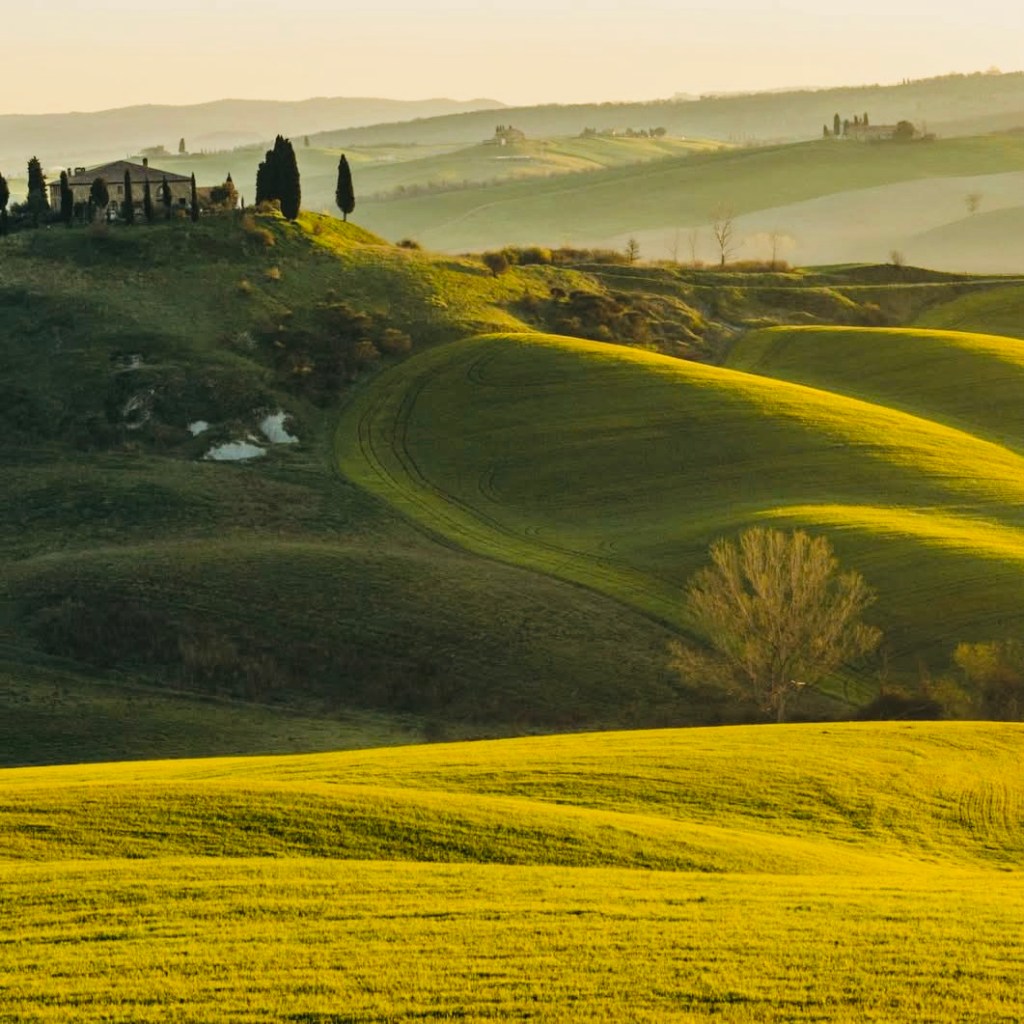
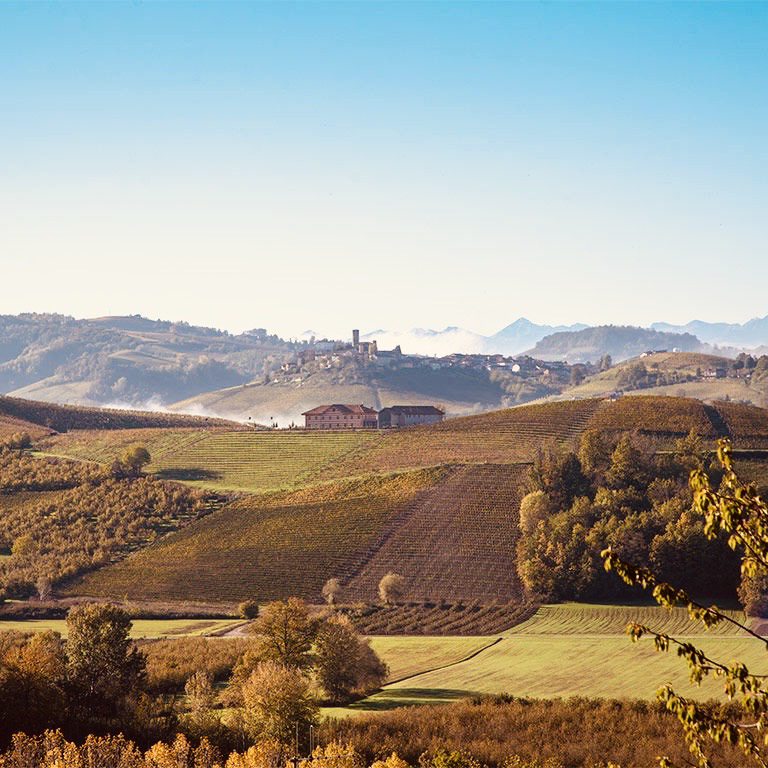
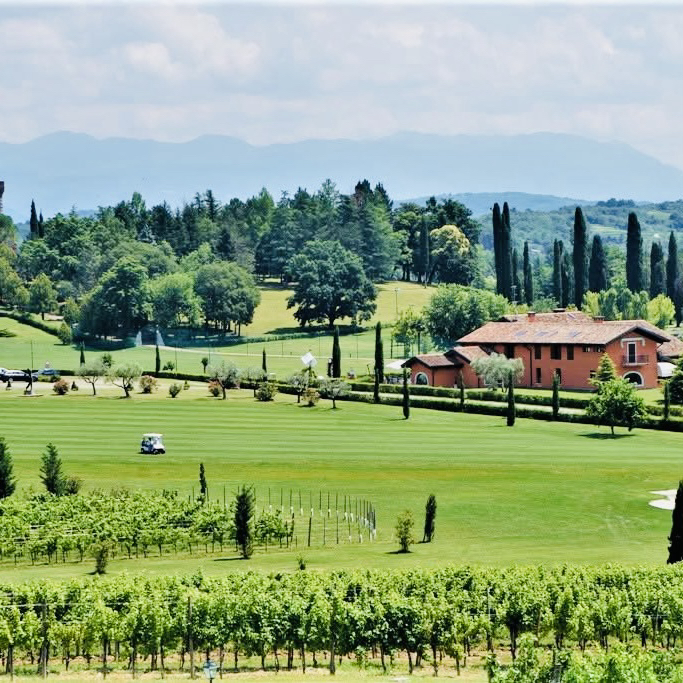
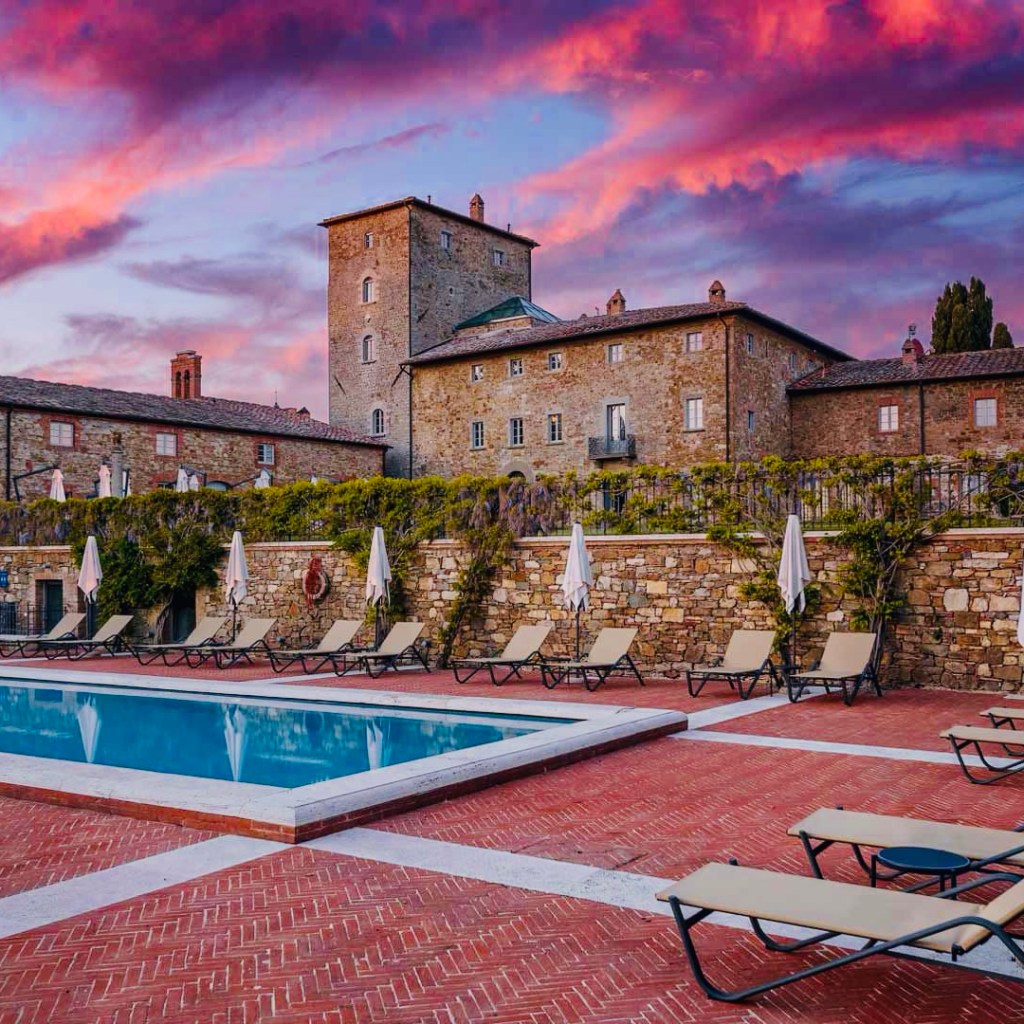
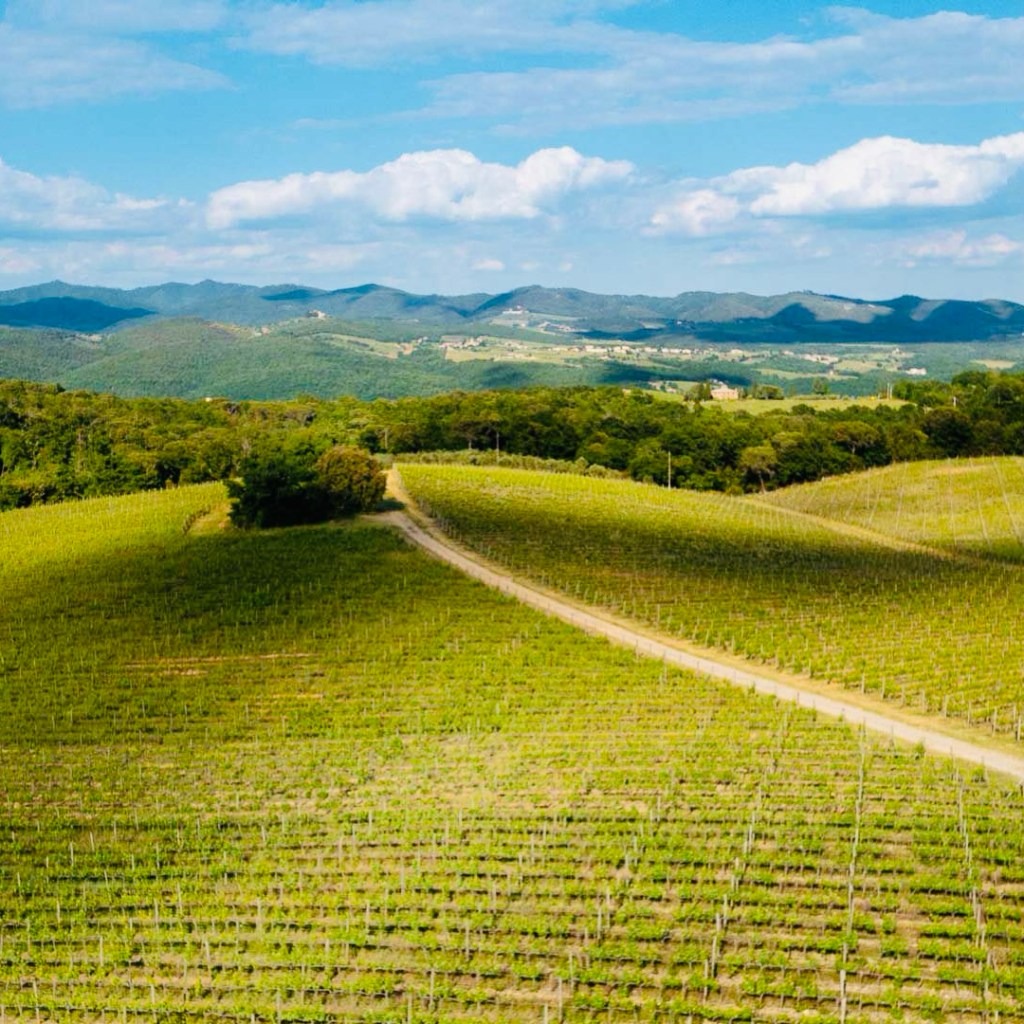
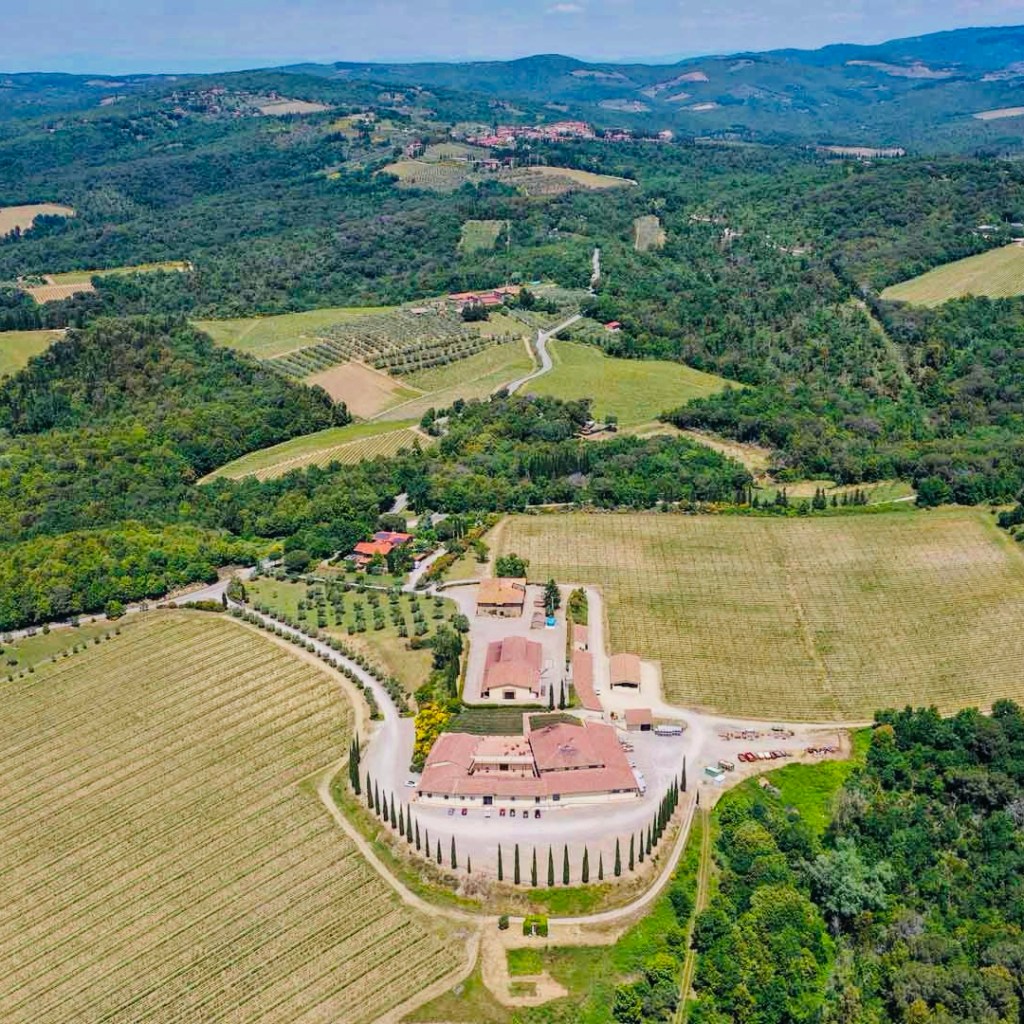
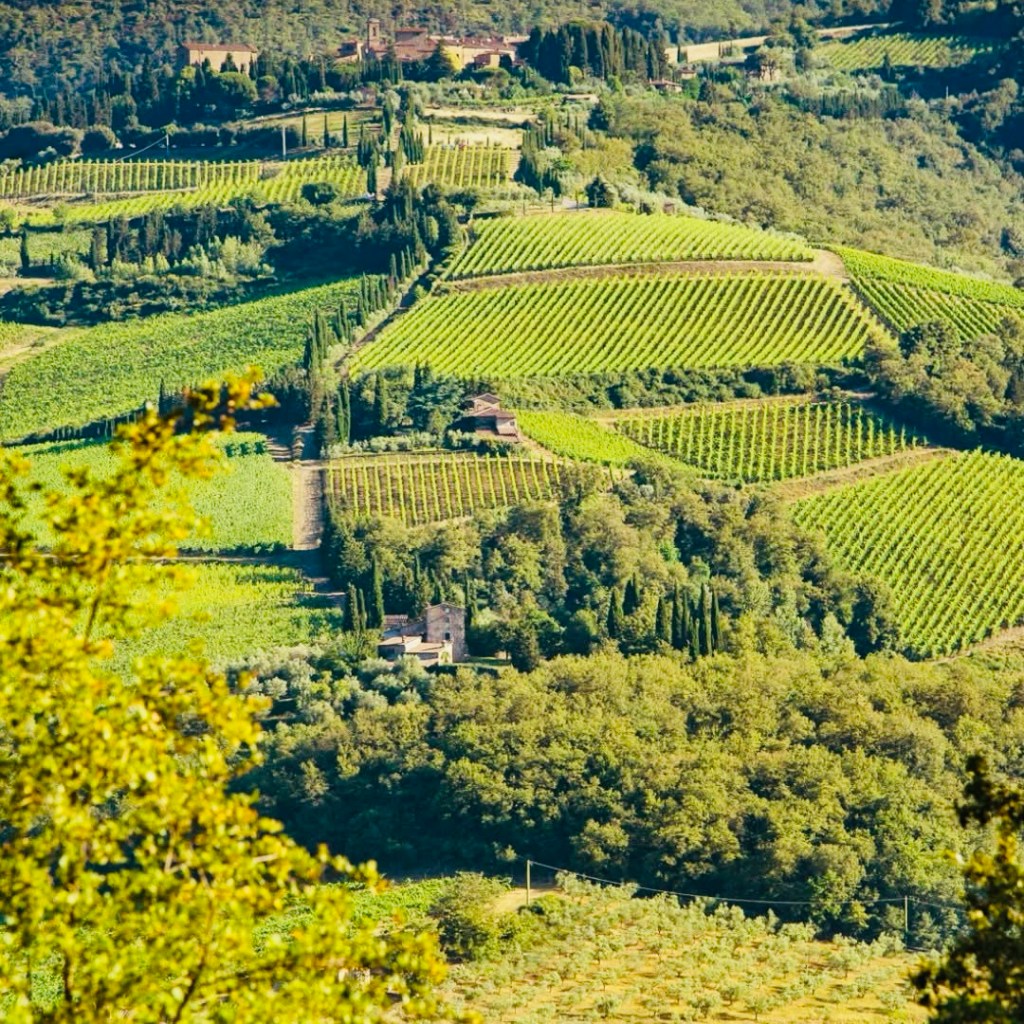
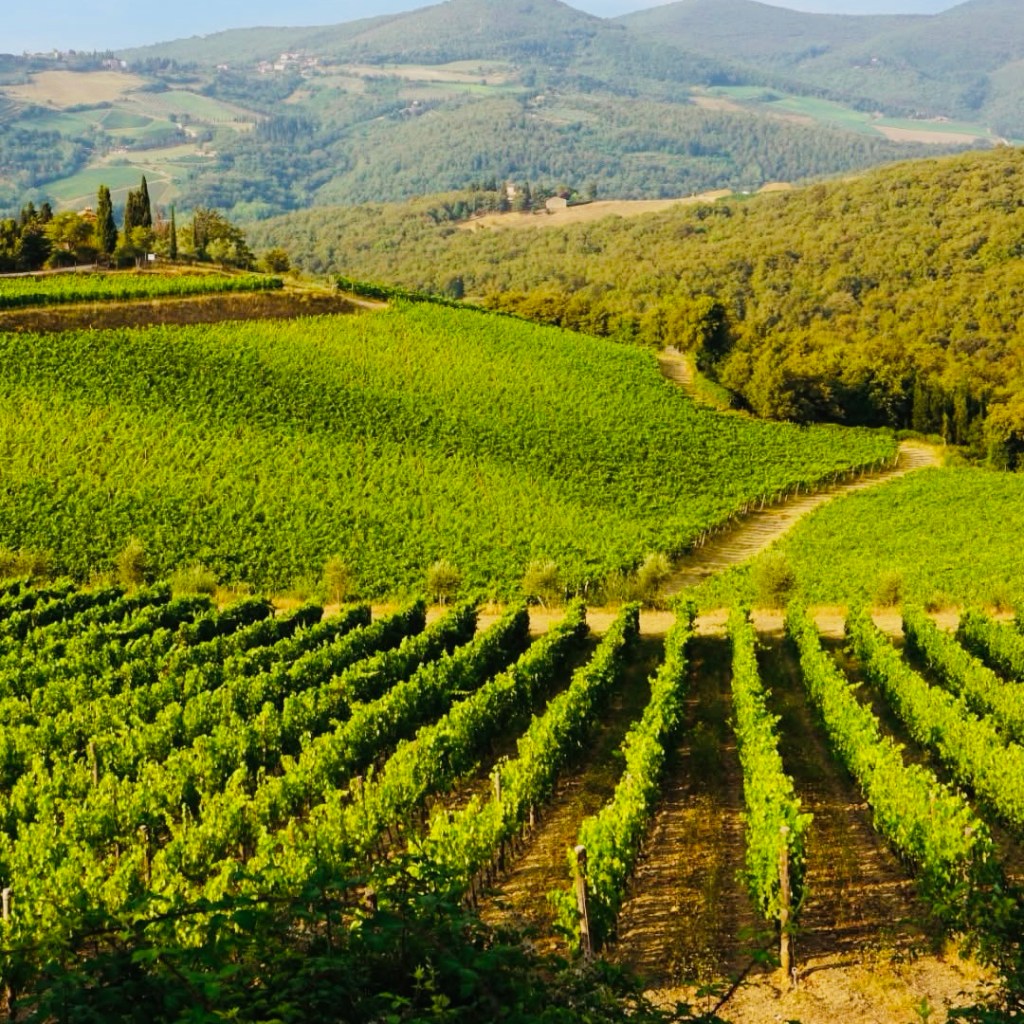
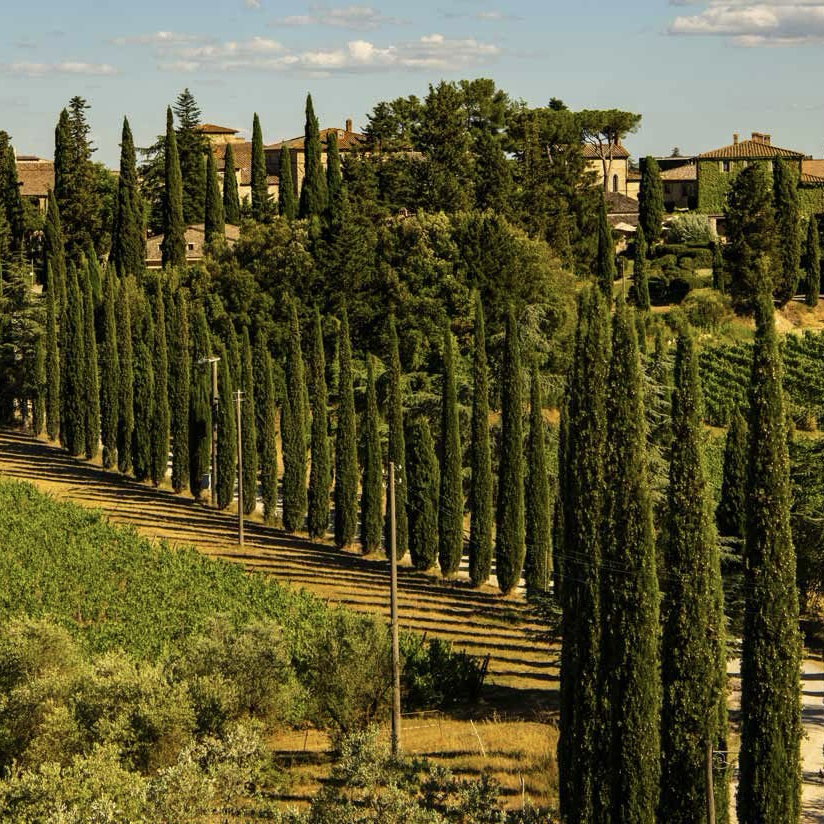
Perched amid the rolling hills of Chianti Classico, just south of Siena, Borgo San Felice is one of Tuscany’s most evocative luxury destinations. A place where centuries old history converged with world class viticulture, exceptional cuisine and bespoke hospitality. More than a resort or winery,  this iconic estate tells a layered story of landscape, innovation, culture and oenological expertise. 
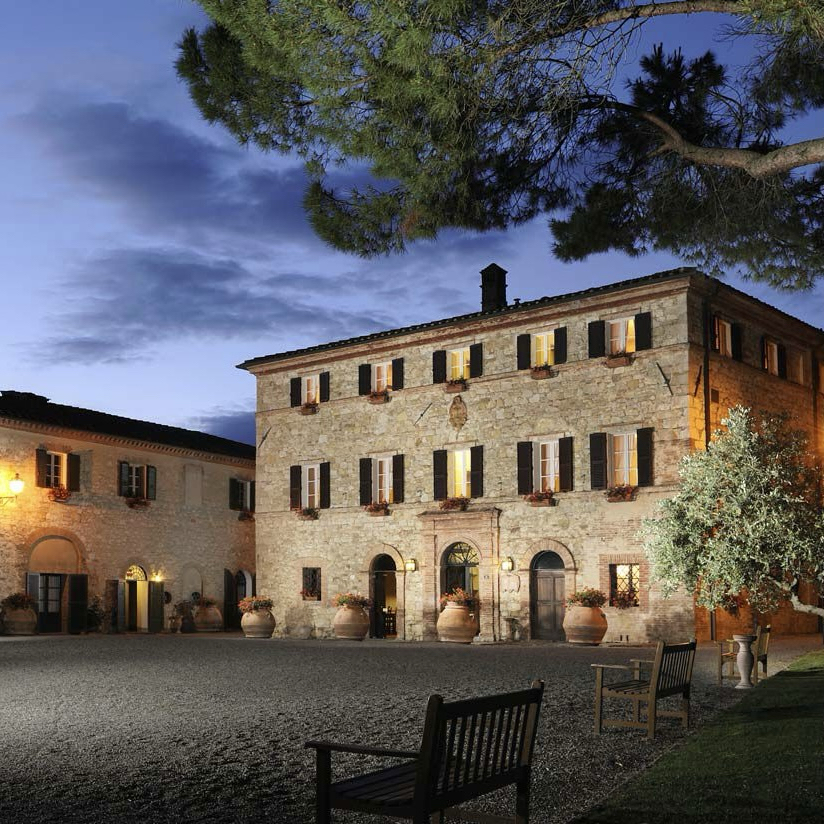
From Ancient Hamlet to Luxury Estates: A History
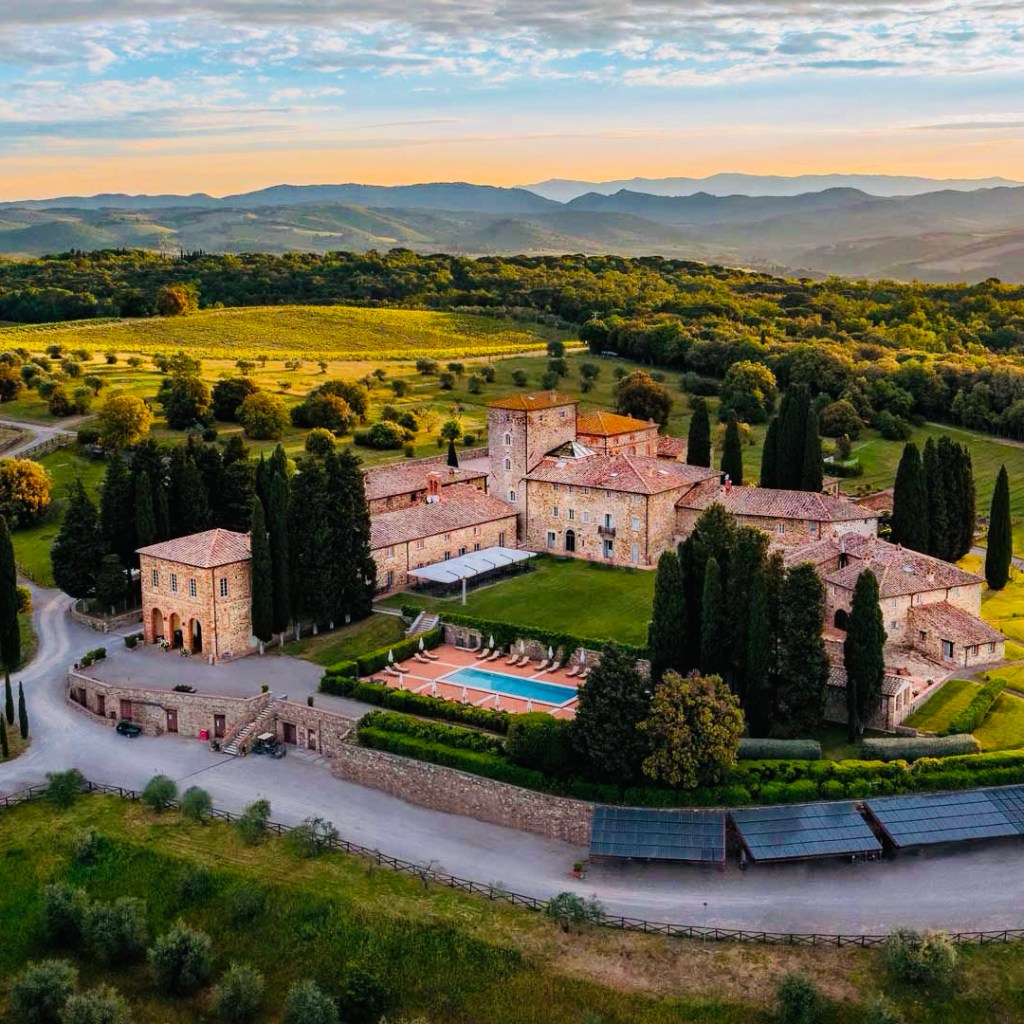
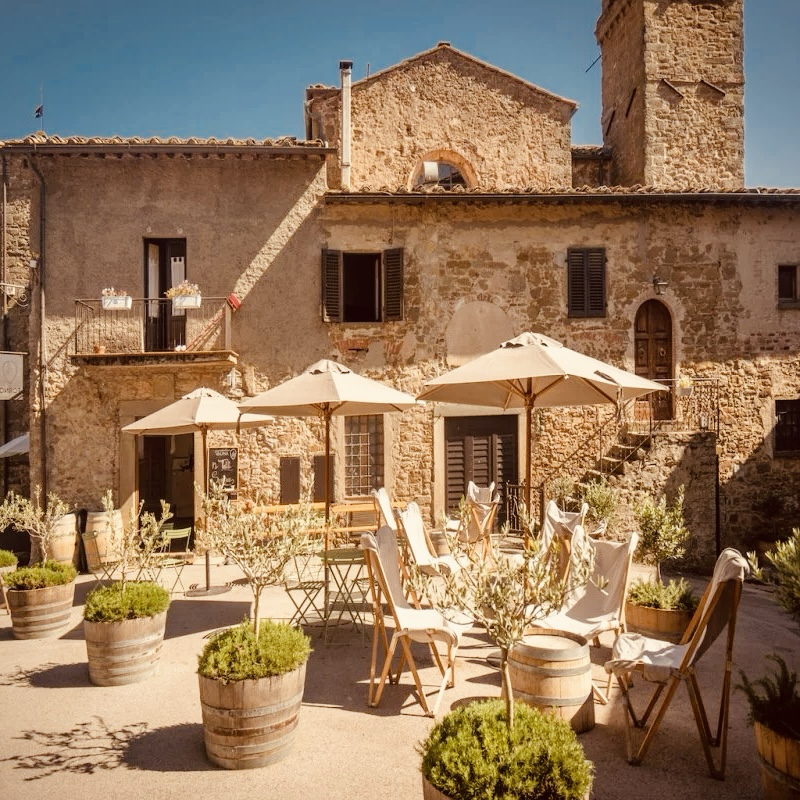
The origins of Borgo San Felice trace back to the early medieval period. The village is documented as early as 714 CE in Tuscan records, where it played a role in local ecclesiastical disputes and rural life in the Castelnuovo Berardenga region area. By the 18th century, the estate was under the guidance of the Grisaldi del Taja family, a local noble lineage deeply rooted in the region’s agricultural traditions. Members of this family helped shape early efforts to formalise Chianti Classico as a wine growing region. In the mid 20th century, the dynamics of rural Italy shifted. Depopulation led many hamlets like San Felice to empty. Yet in 1978, visionary leadership recognized the potential of this historic village. Over the following decades, the village’s stone streets, historic piazza and old agricultural buildings were meticulously restored, balancing architectural integrity with contemporary comfort. By 1992, Borgo San Felice became the first Relais & Chateaux property in Chianti Classico. An accolade signaling its arrival on the global luxury stage. 
The People Behind the Estates: 

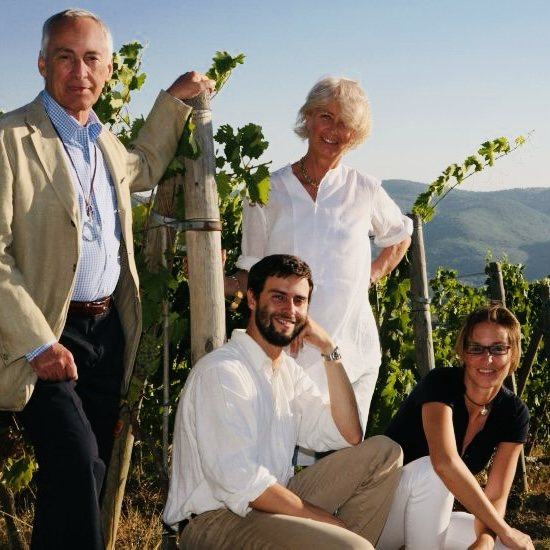
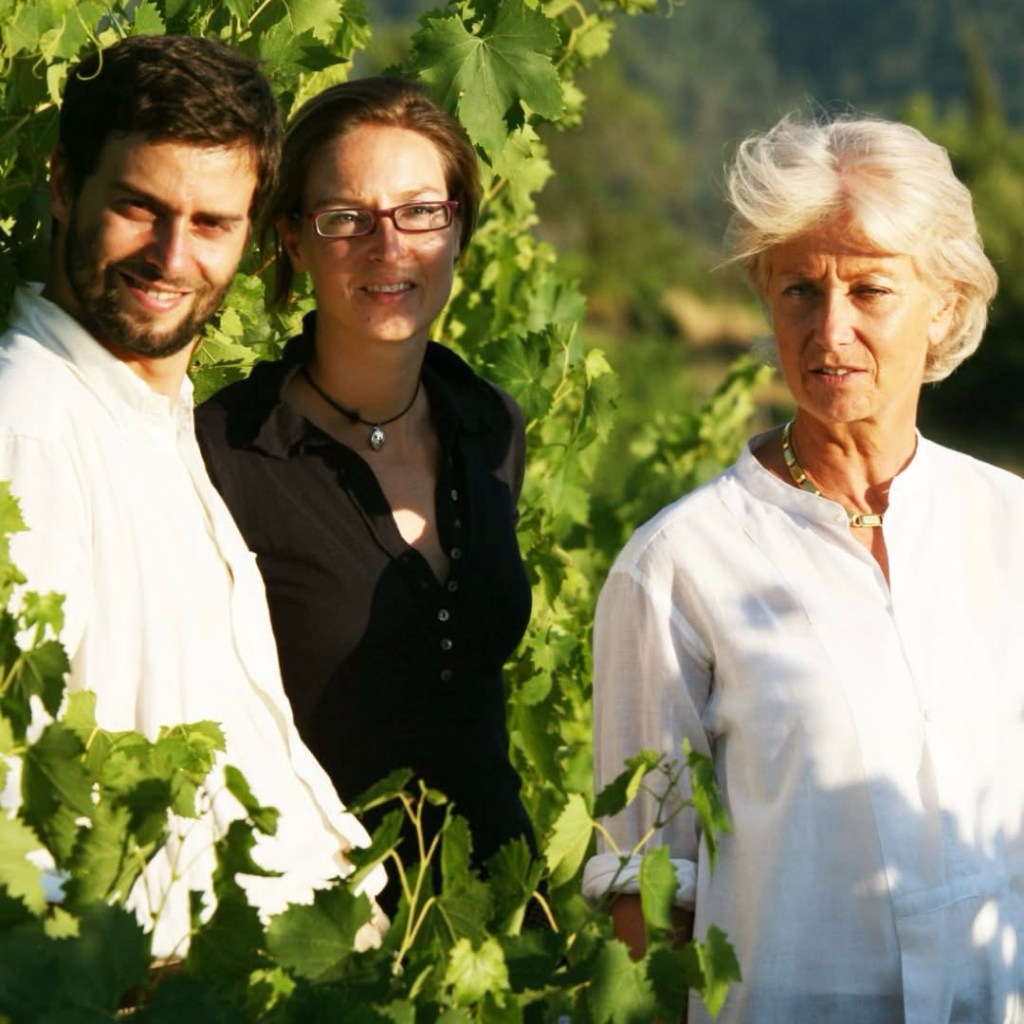
Today, Borgo San Felice operates as a sophisticated integration of wine, enterprise and hospitality. At the heart of the winery’s vinous direction are its winemaking teams, viticulturists and cellar masters whose collective expertise shapes wines that resonate with terroir, tradition and innovation. San Felice is also engaged in long term viticultural research including the preservation and reintroduction of ancient Tuscan grape varieties like Pugnitelli. In the culinary realm, Borgo San Felice’s restaurants, especially Poggio Rosso are guided by celebrated chefs who bring creative vision and disciplined craftsmanship to every plate. 
A Triad of Tuscan Vineyards: The Wine Estates of Borgo San Felice 

San Felice’s wine story is not confined to Chianti Classico. It’s woven across three of Tuscany’s most revered terroirs, each with its own character, tradition and promise. 

Borgo San Felice: Chianti Classico

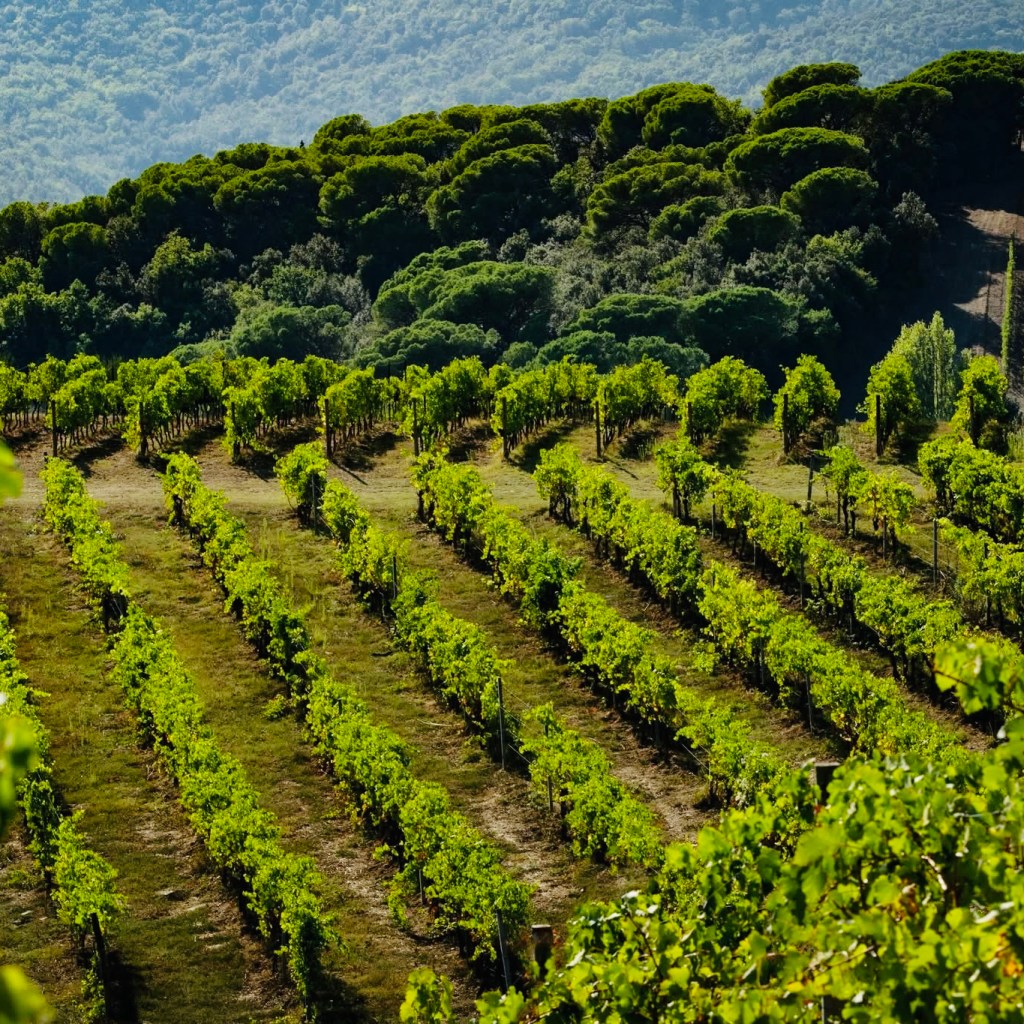
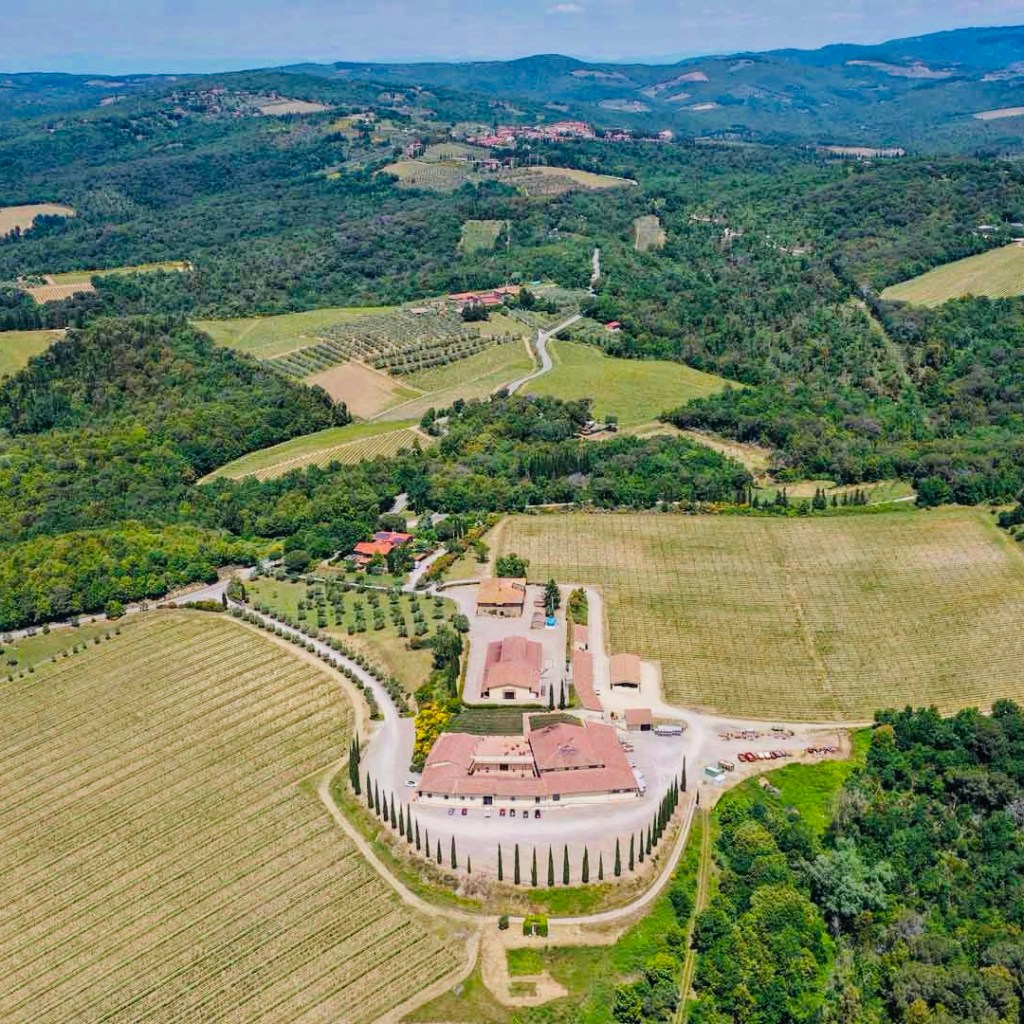
At the core of the estate lies its historic heartland, where vineyards surround the original hamlet. These slopes of limestones and clay, kissed by the Mediterranean climate, offer ideal conditions for Sangiovese, the backbone of Tuscany’s iconic reds as well as other indigenous varieties like Pugnitello. 
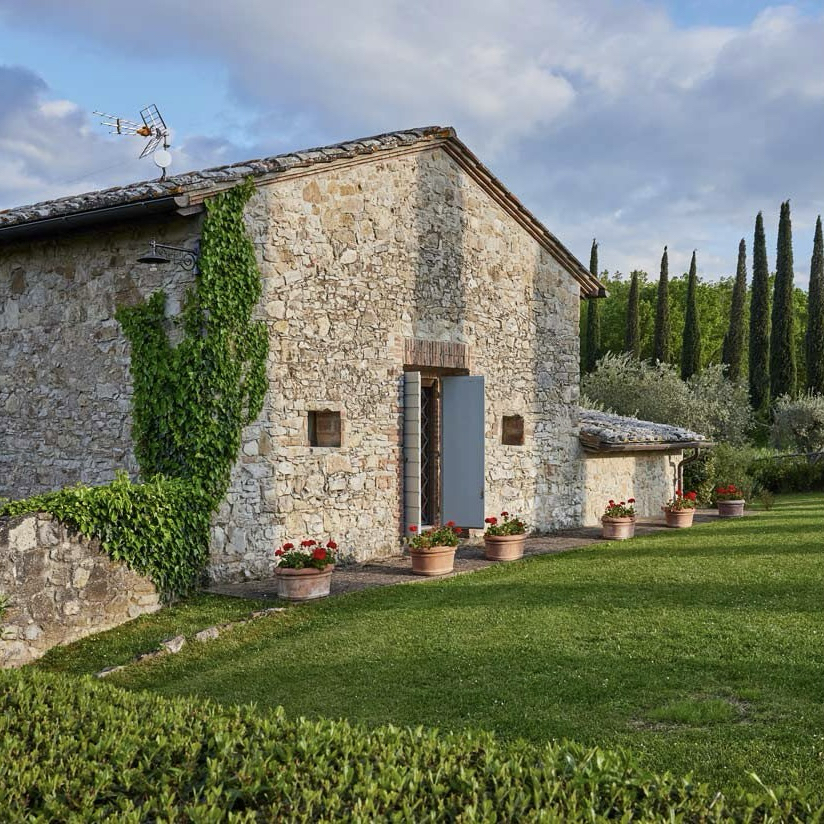
Here, San Felice produces an array of Chianti Classico wines including: 

  1. Chianti Classico DOCG “Borgo”: Pure and expressive, showcasing terroir driven fruit and tradition  
  1. Chianti Classico Riserva “Il Grigio”: Refined, layered and age worthy. A signature expression of the estate. 
  1. Chianti Classico Gran Selezione “Poggio Rosso”: Elegant, concentrated and rare, representing the pinnacle of this terroir.
  1. Vigorello: Historically significant as one of Chianti’s earliest Super Tuscans. First produced in 1968 and continually refined over decades. 
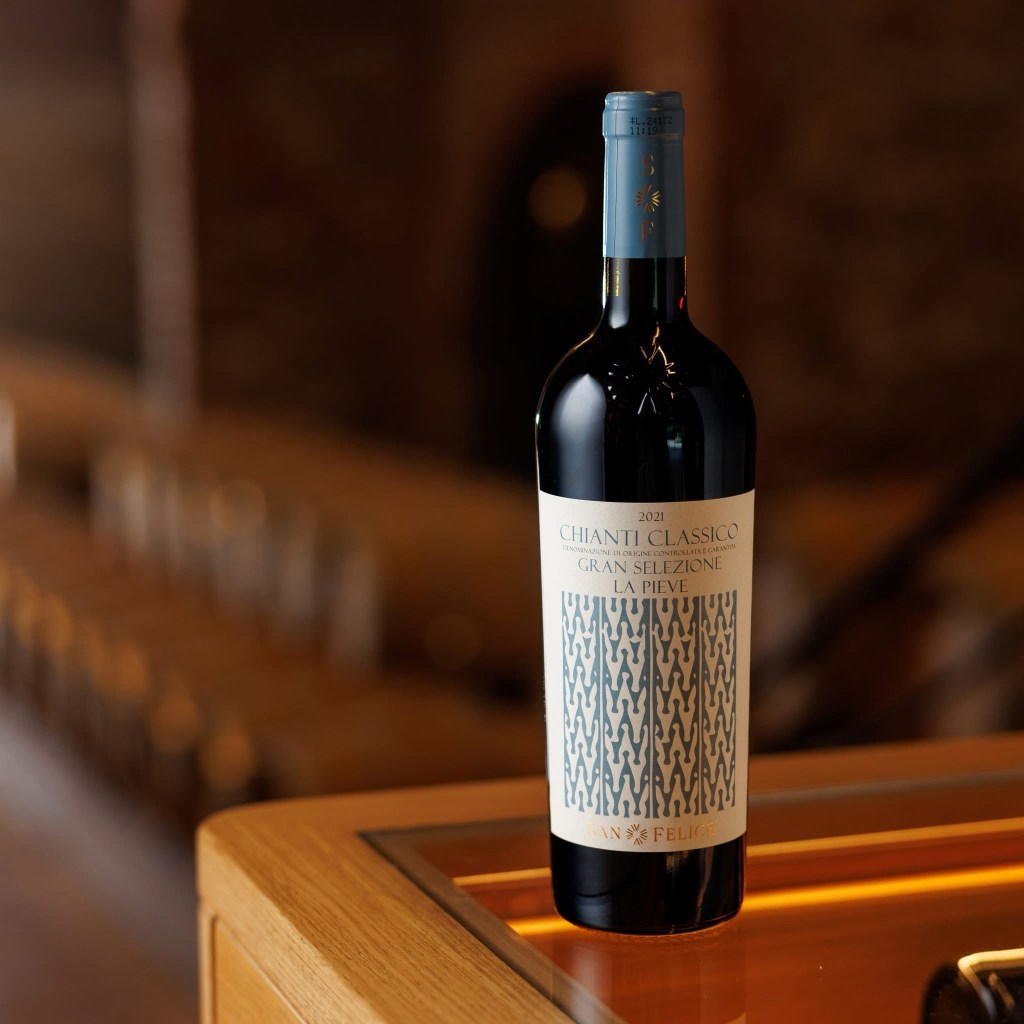
Campogiovanni – Brunello di Montalcino:

In Montalcino, a region synonymous with Brunello, San Felice’s Campogiovanni estate anchors its presence in this revered DOCG territory. With vineyards planted in  prime sites on the southwestern slopes of the hill town. This estate focuses on producing Brunello di Montalcino DOCG. Rich, structured and capable of long aging, along with its Rosso counterpart. 
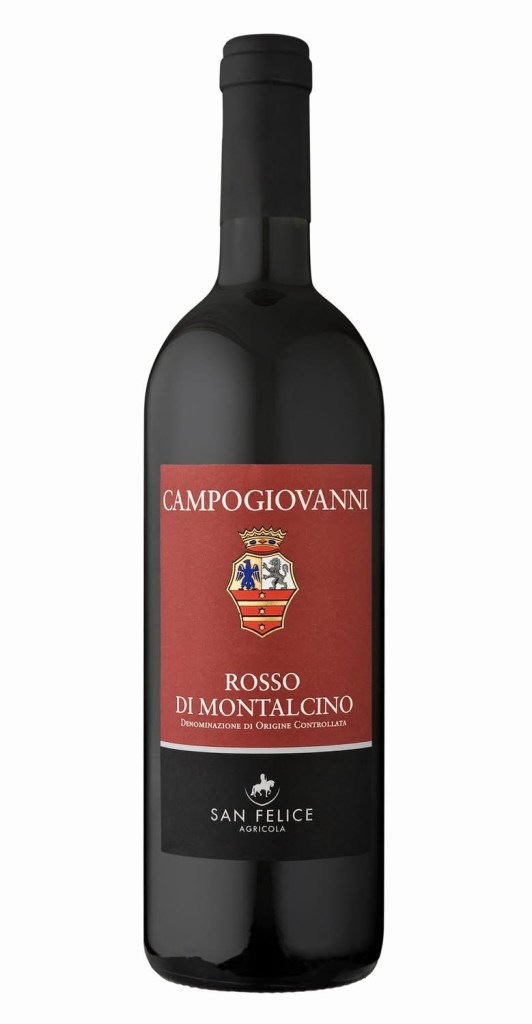
Bell’Aja – Bolgheri: 

San Felice’s most recent venture took shape on the Tuscan coast of Bolgheri, where a small but prestigious estate Bell’Aja sits within striking proximity to the Tyrrhenian Sea. 
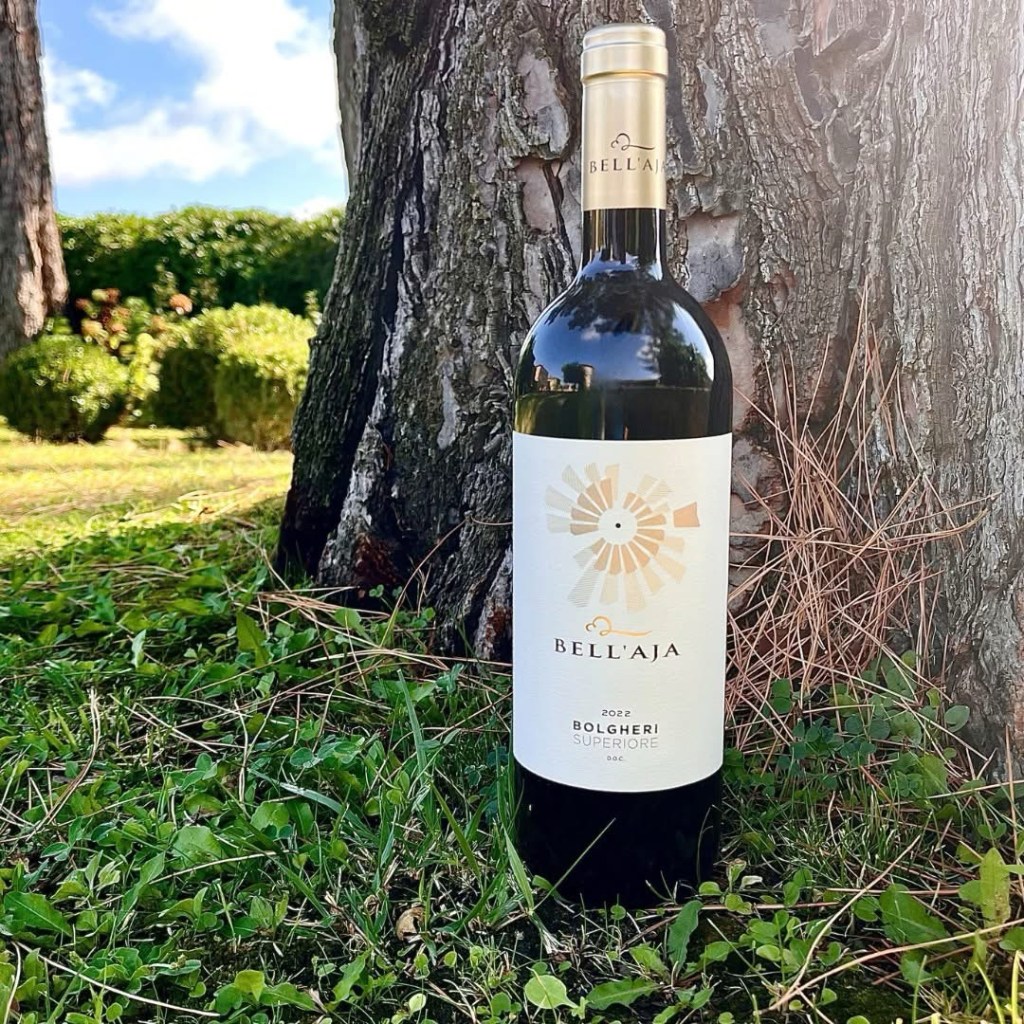
Terroir & Vineyard: The Land That Shapes the Wine: 

Across these estates, distinct terroirs define distinct wines. 

  1. Chianti Classico: Rolling hills of limestone and clay, warm days and cool nights create vibrant red fruit, balanced acidity and structural finesse in Sangiovese based wines. 
  1. Montalcino: South facing slopes and mineral rich soils lend power and elegance to Brunello, with firm tannins and depth. 
  1. Bolgheri: Coastal breezes, gravelly clay and Mediterranean exposure favor varieties, yielding rich color, aromatic complexity and aging potential. 
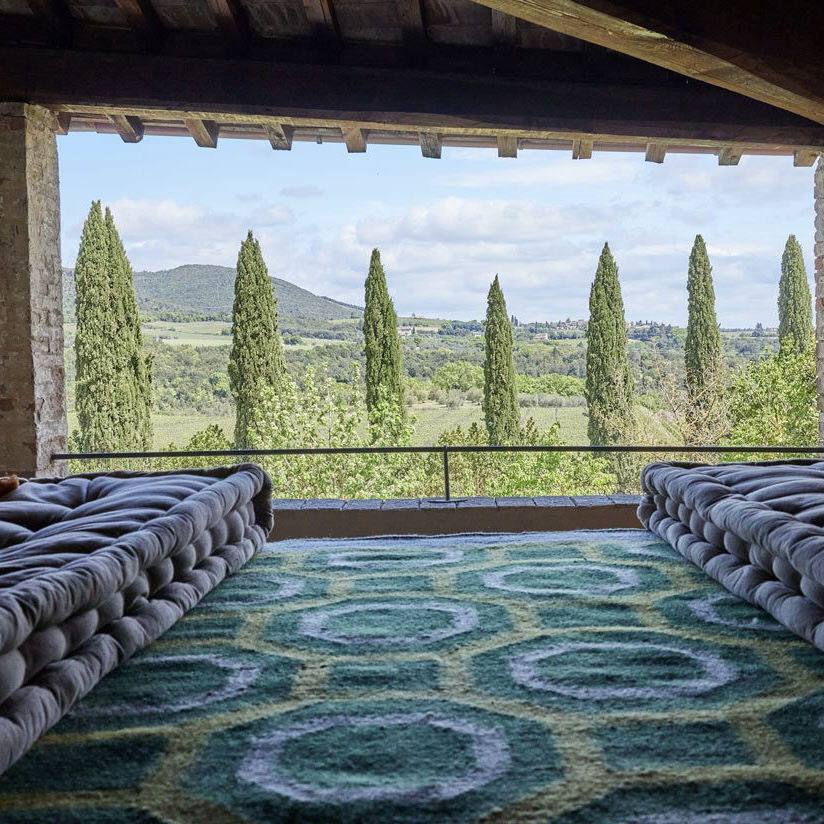
Borgo San Felice Resort: A Feast for the Senses 

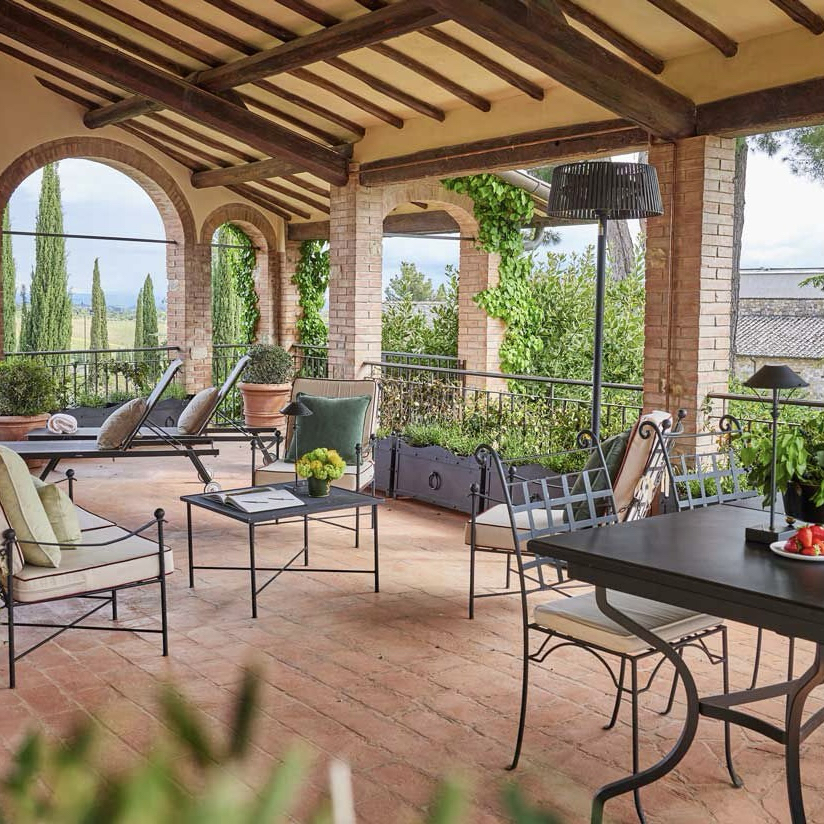
Nestled within the restored medieval hamlet. Designed to immerse guests in Tuscan Character 
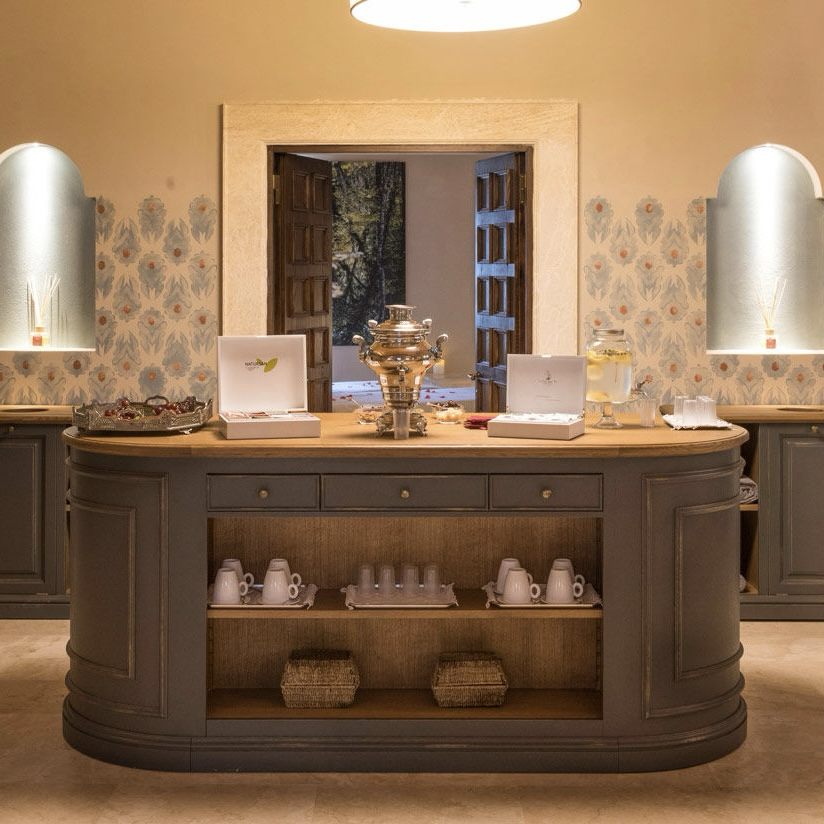
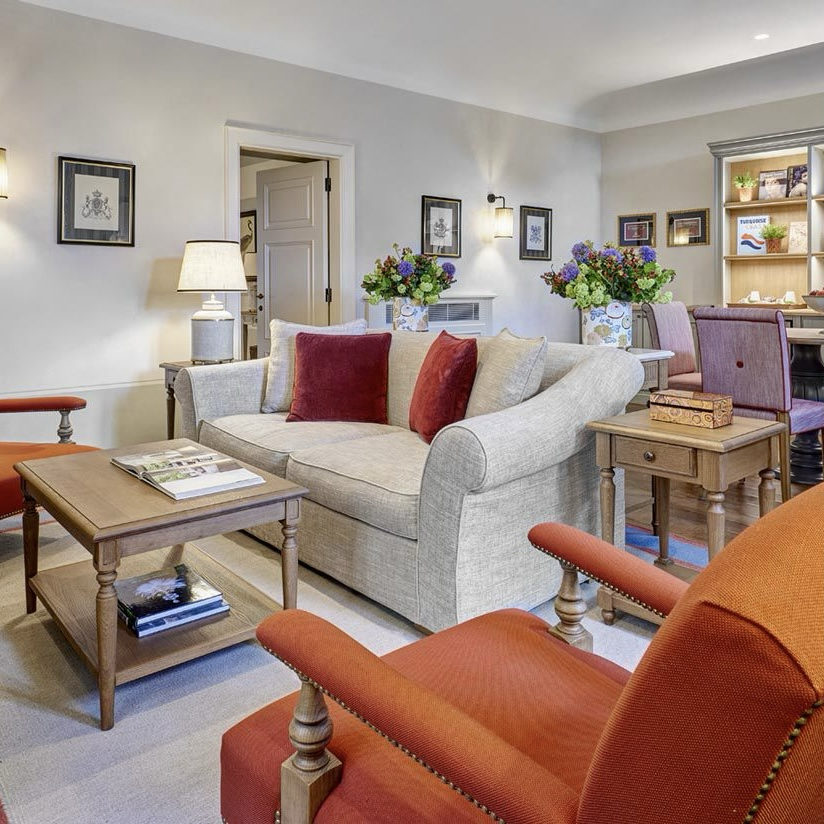
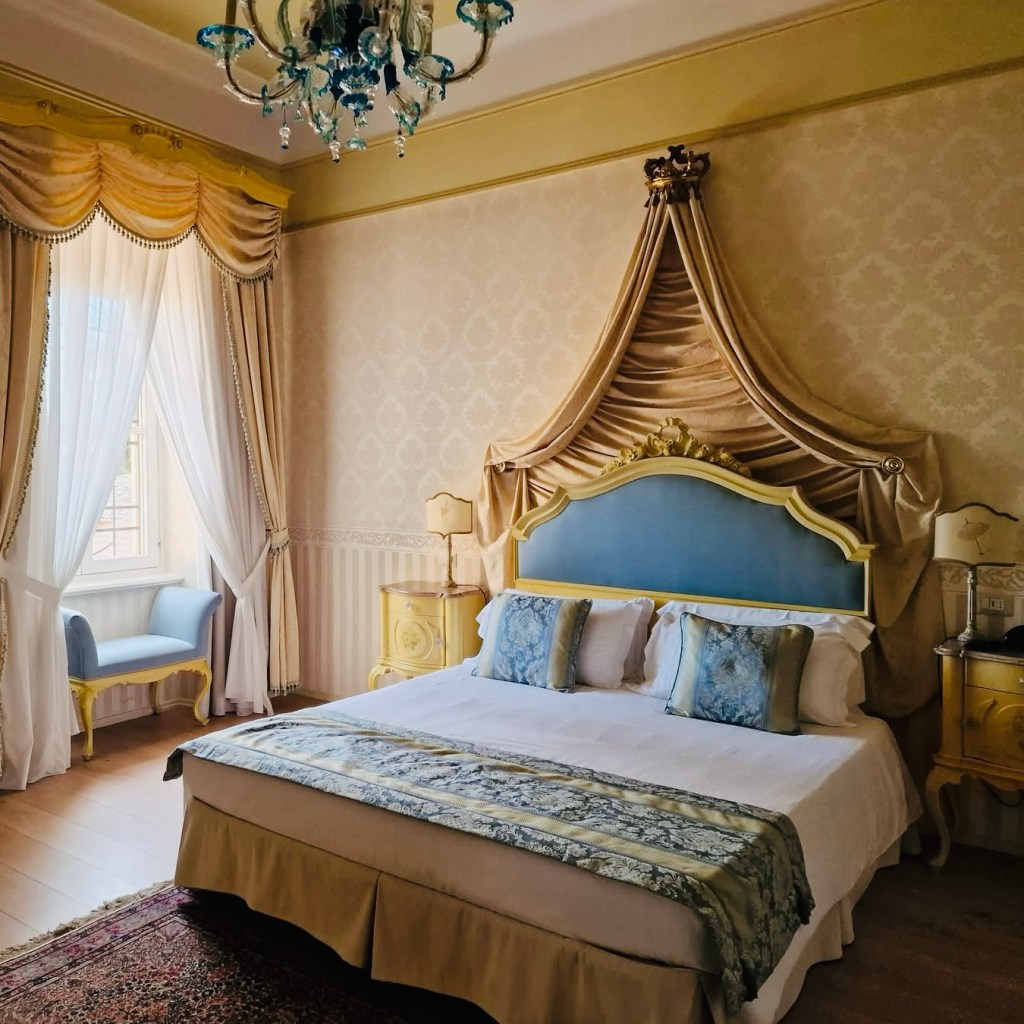
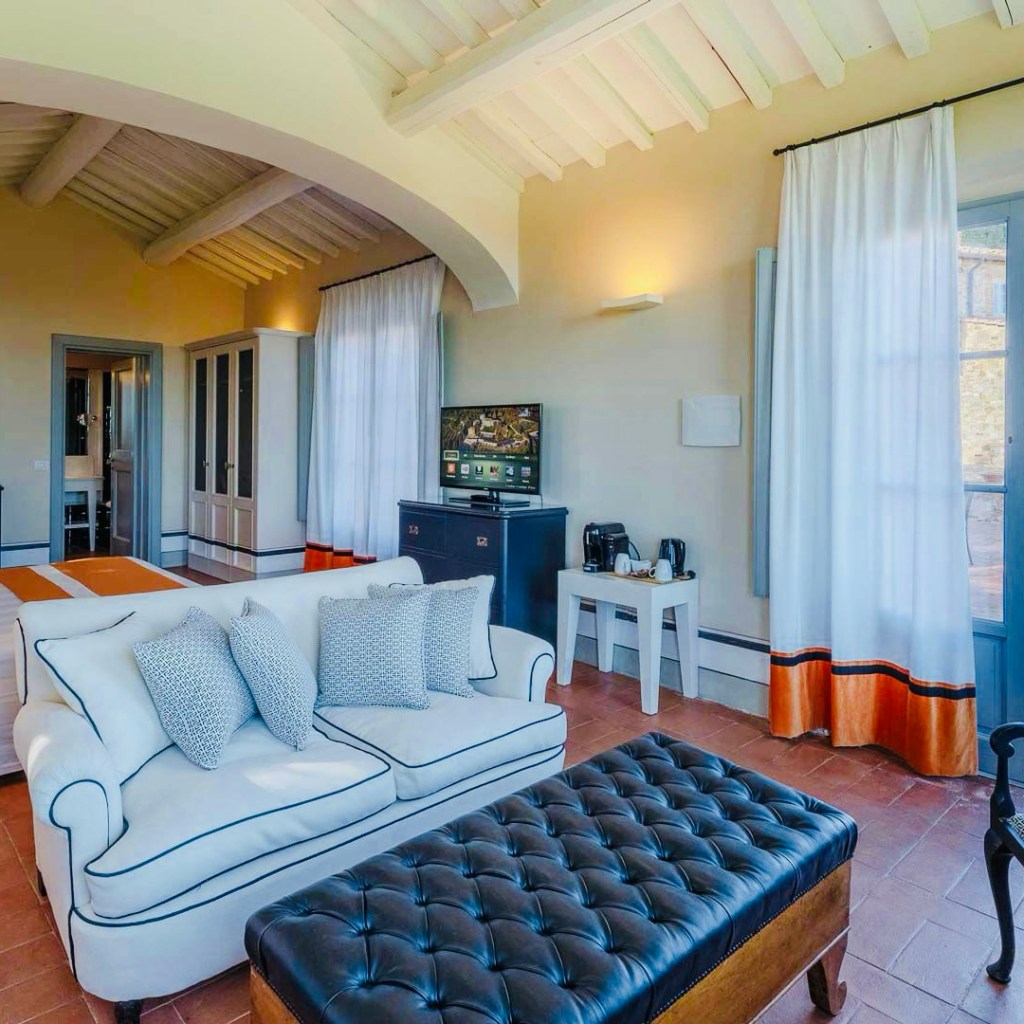
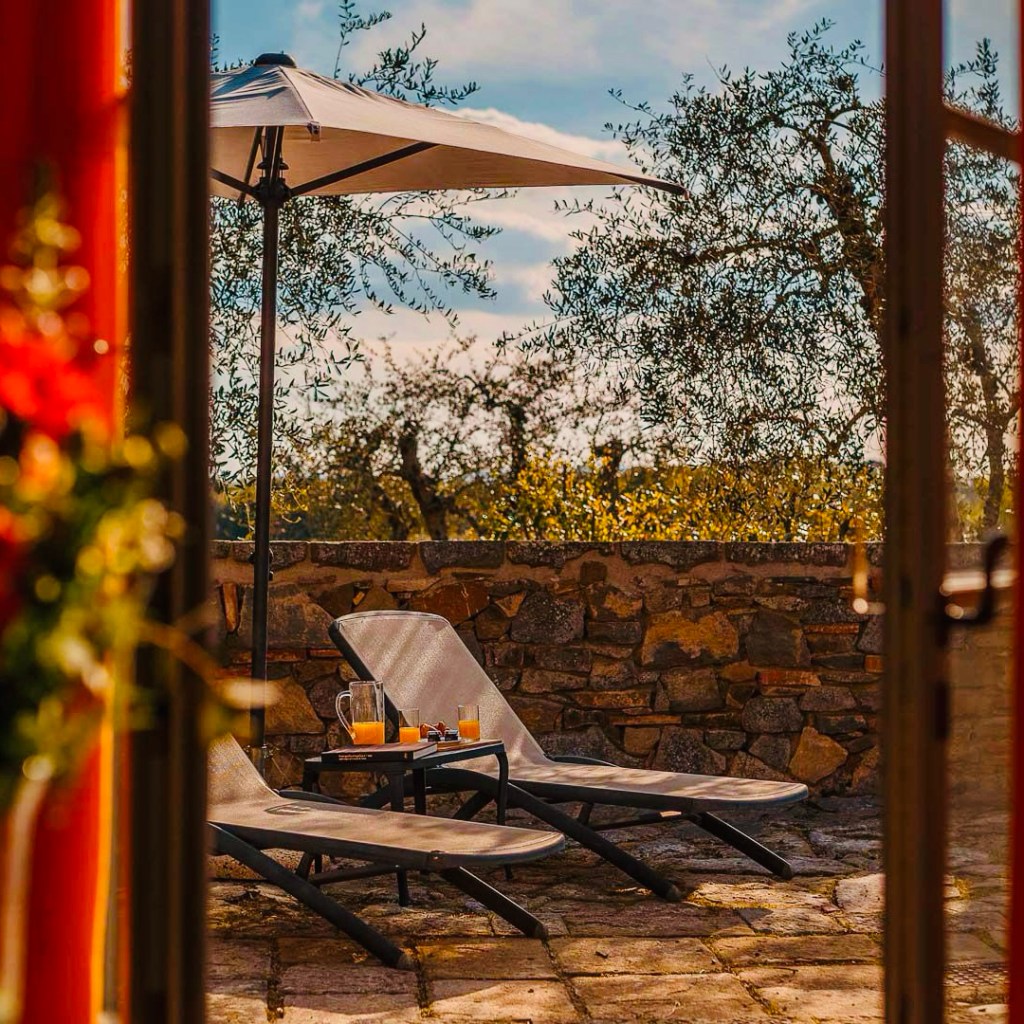
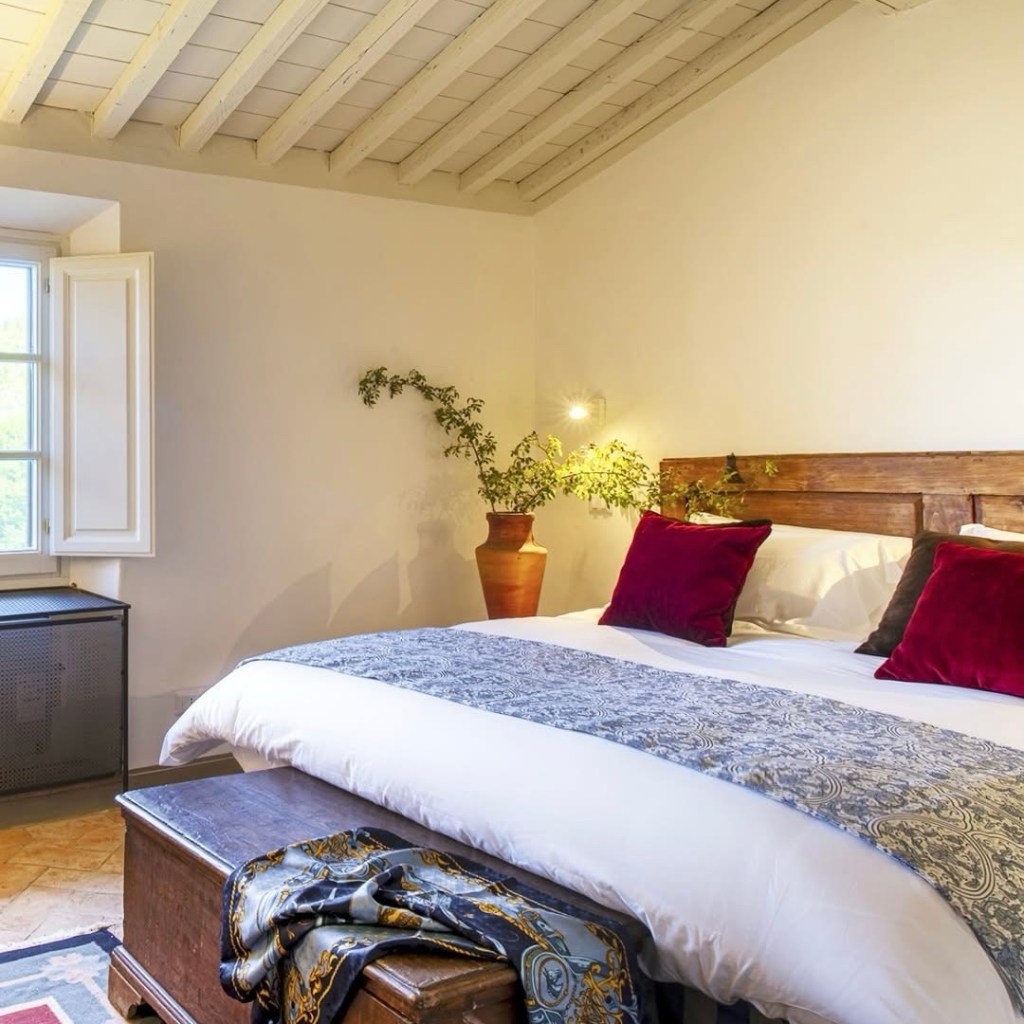
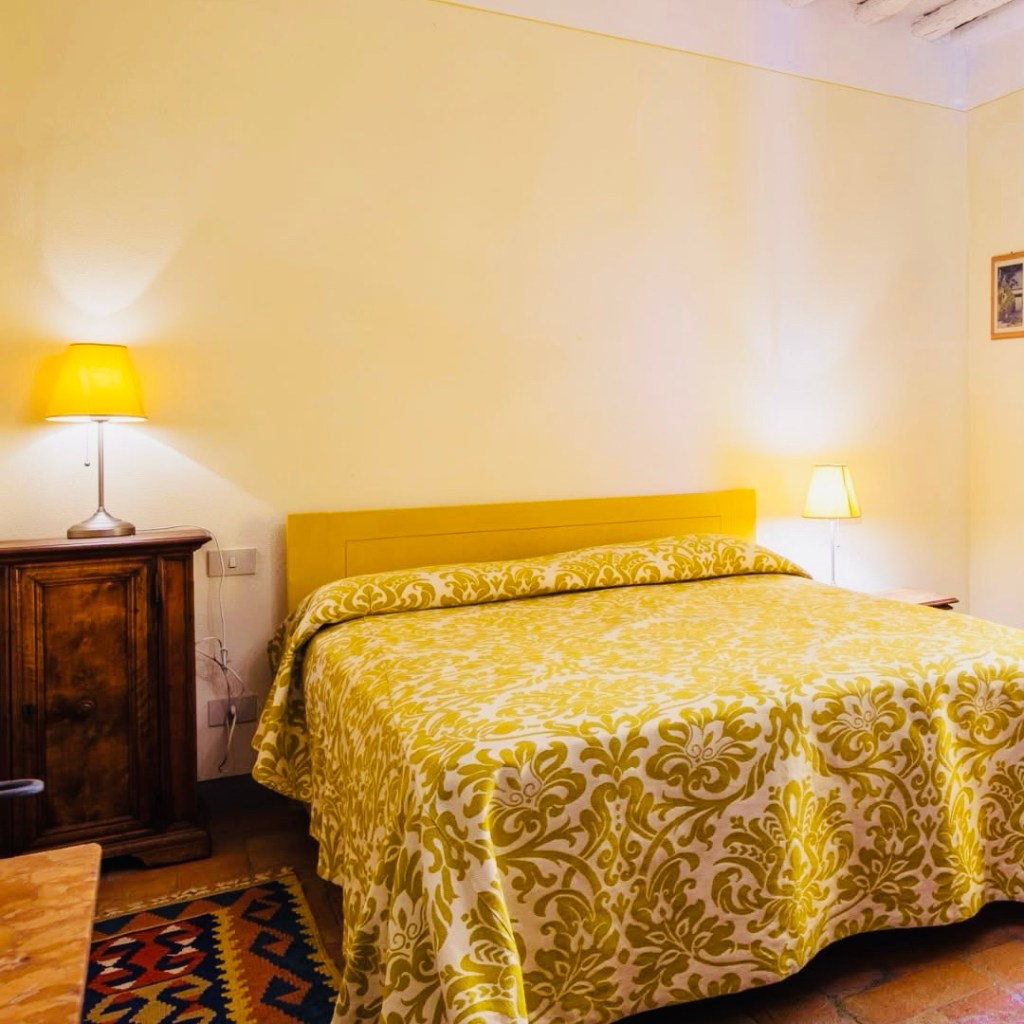
  1. Premium Deluxe & Prestige Rooms: Elegant spaces with vineyard or village views, rich material and modern comforts. 
  1. Suites & Premium Suites: Spacious retreats with distinctive decor, separate living area and expansive vistas. 
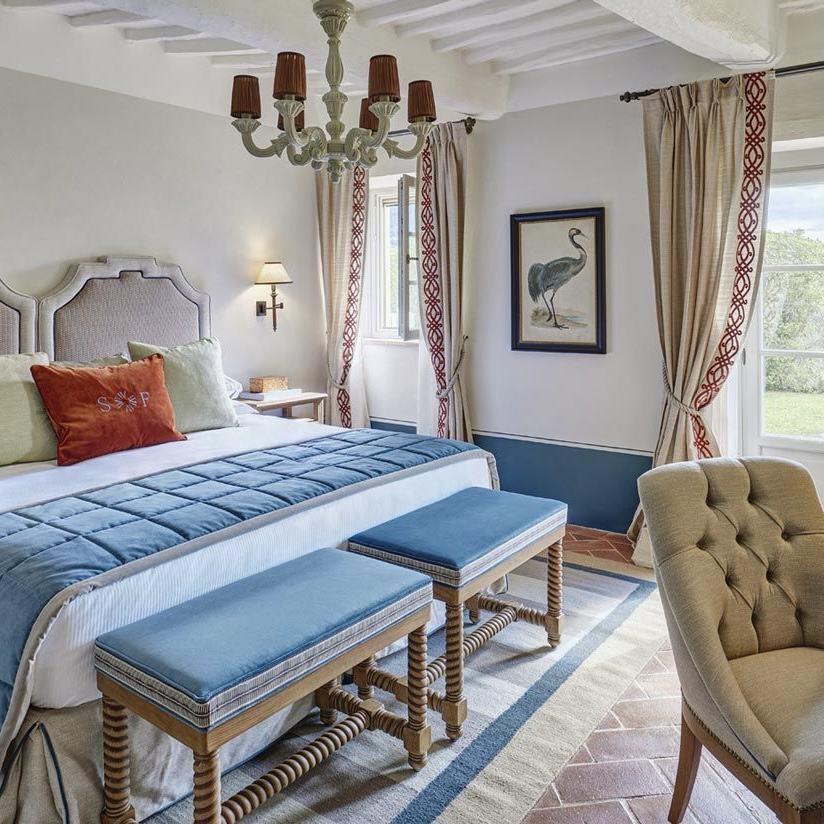
  1. Signature Suites: Elevated experiences with bespoke touches and luxurious appointments.
  1. Villas : Private estate houses, each with multiple bedrooms and secluded pools, perfect for families or exclusivity. 
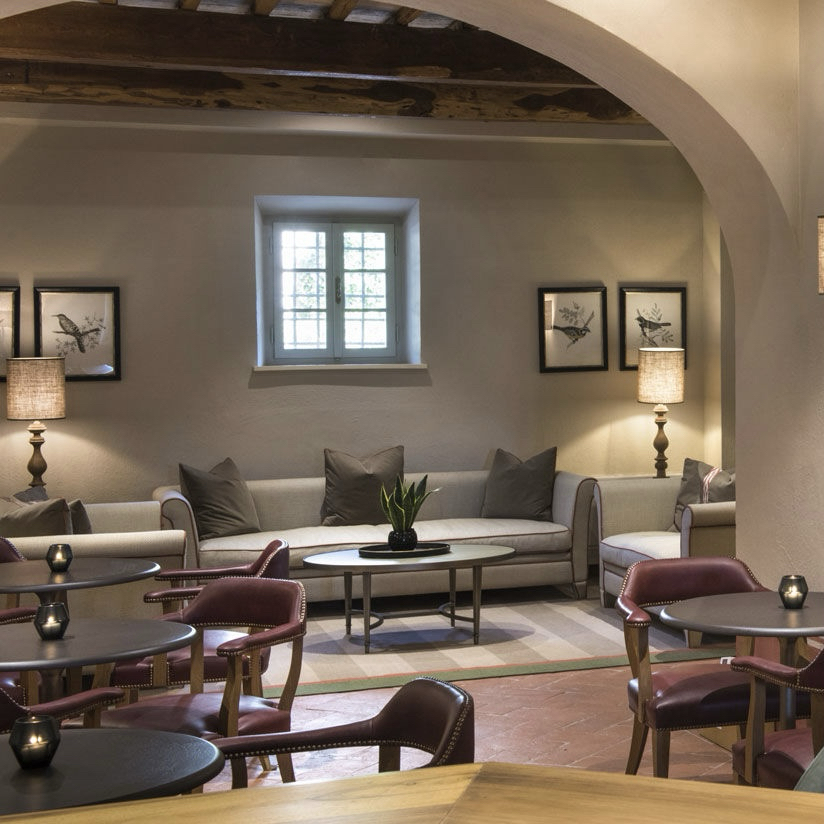
Epicurean Experiences: Restaurants & Beyond

Borgo San Felice’s gastronomic canvas is anchored by two standout restaurants: 
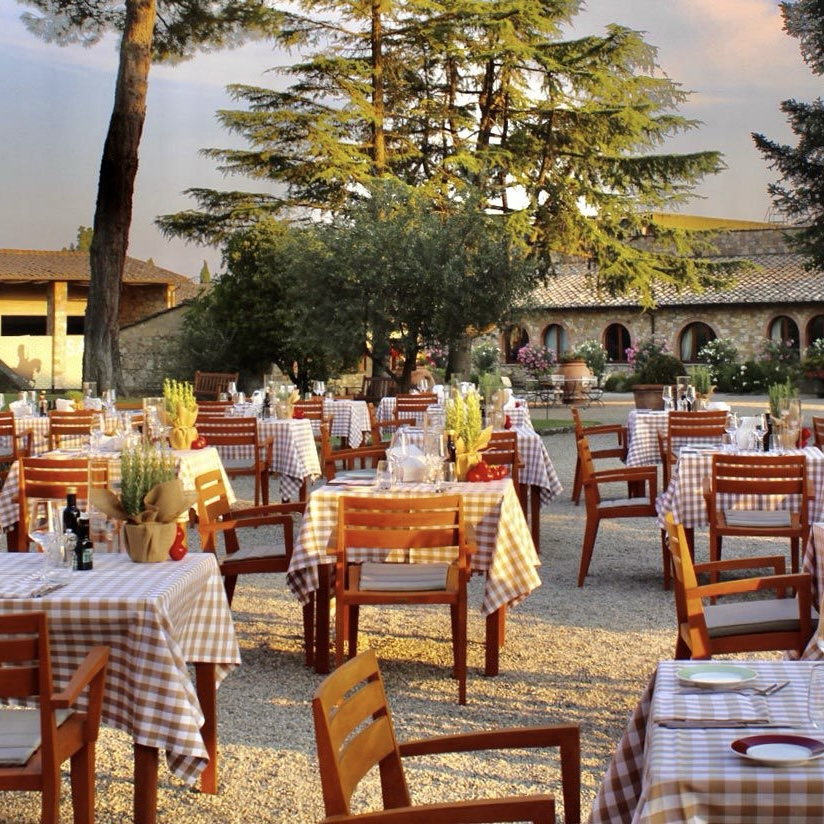
  1. Poggio Rosso: A Michelin starred destination where modern Italian cuisine enriched by international influences meets seasonal Tuscan produce. Guests enjoy tasting menus that showcase local ingredients, artisanal flavors and creative execution. 
  1. Osteria Il Grigio: A convivial, rustic celebrating classic Tuscan fare.
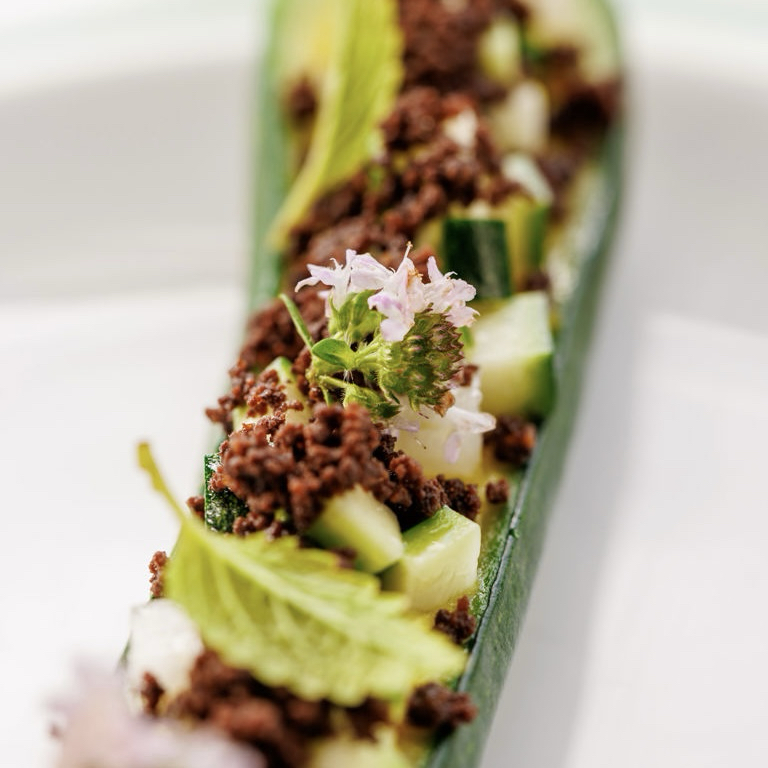
  1. Orto & Aia Felice: A garden and social project, supplies both restaurants and fresh herbs, vegetables and inspiration. Connecting land directly with the plate. 
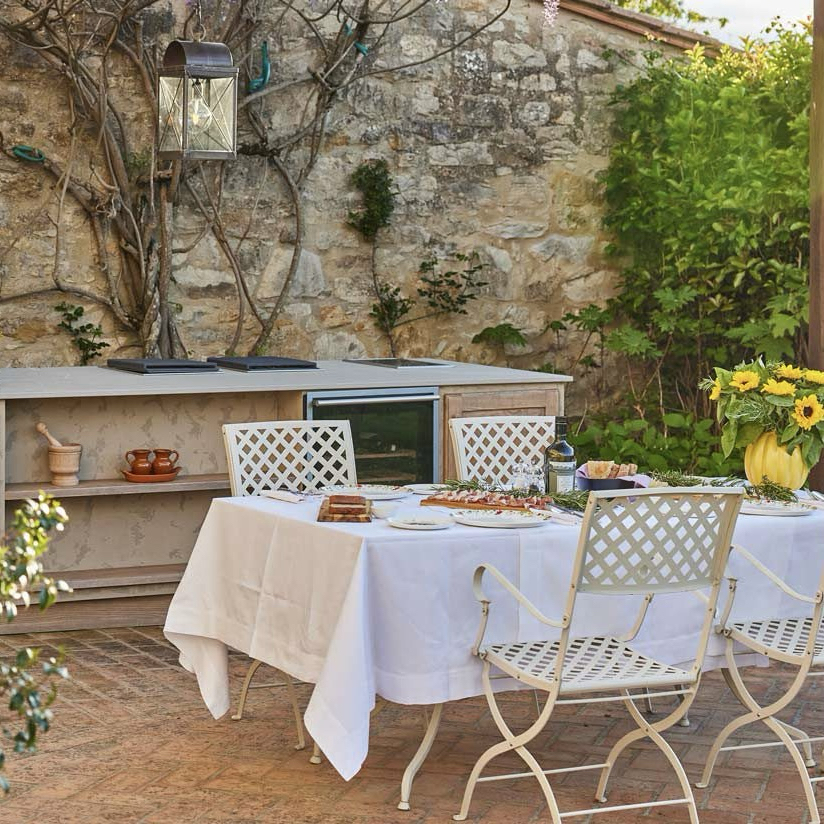
  1. The estate also hosts Bar Archi and a herb garden, enriching the sensory experience and reinforcing the link between terroir and hospitality. 
Wine Tasting & Enotourism:

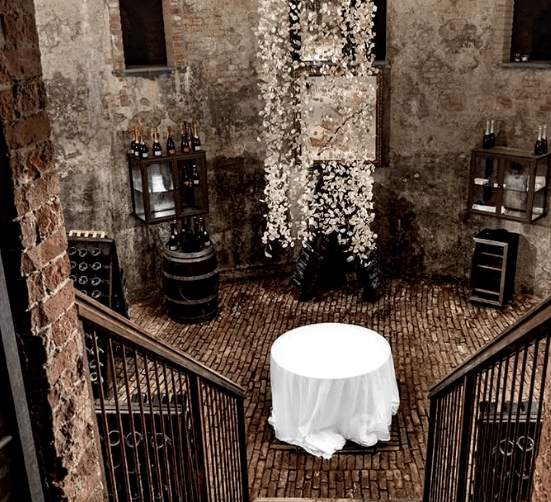
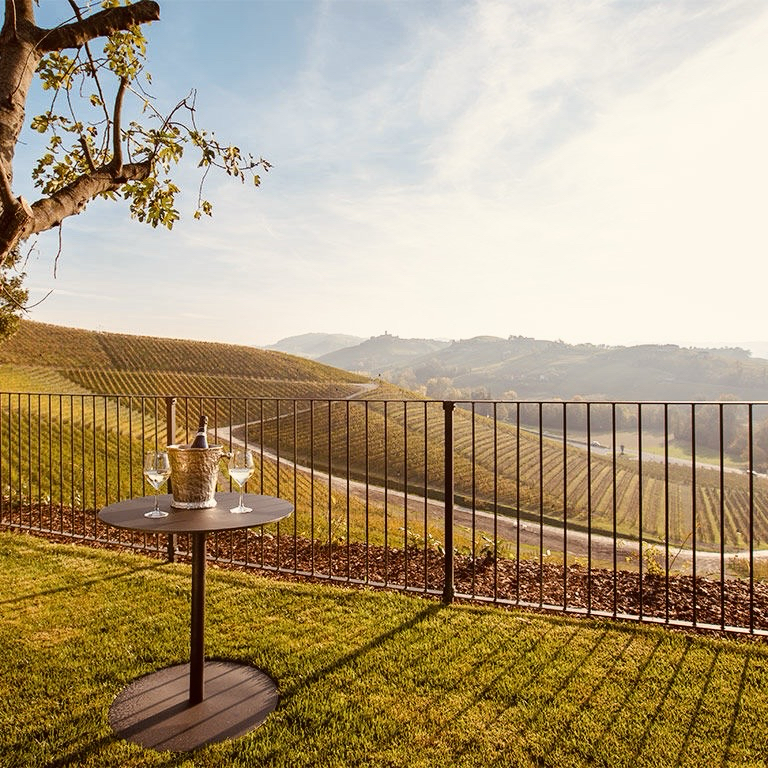
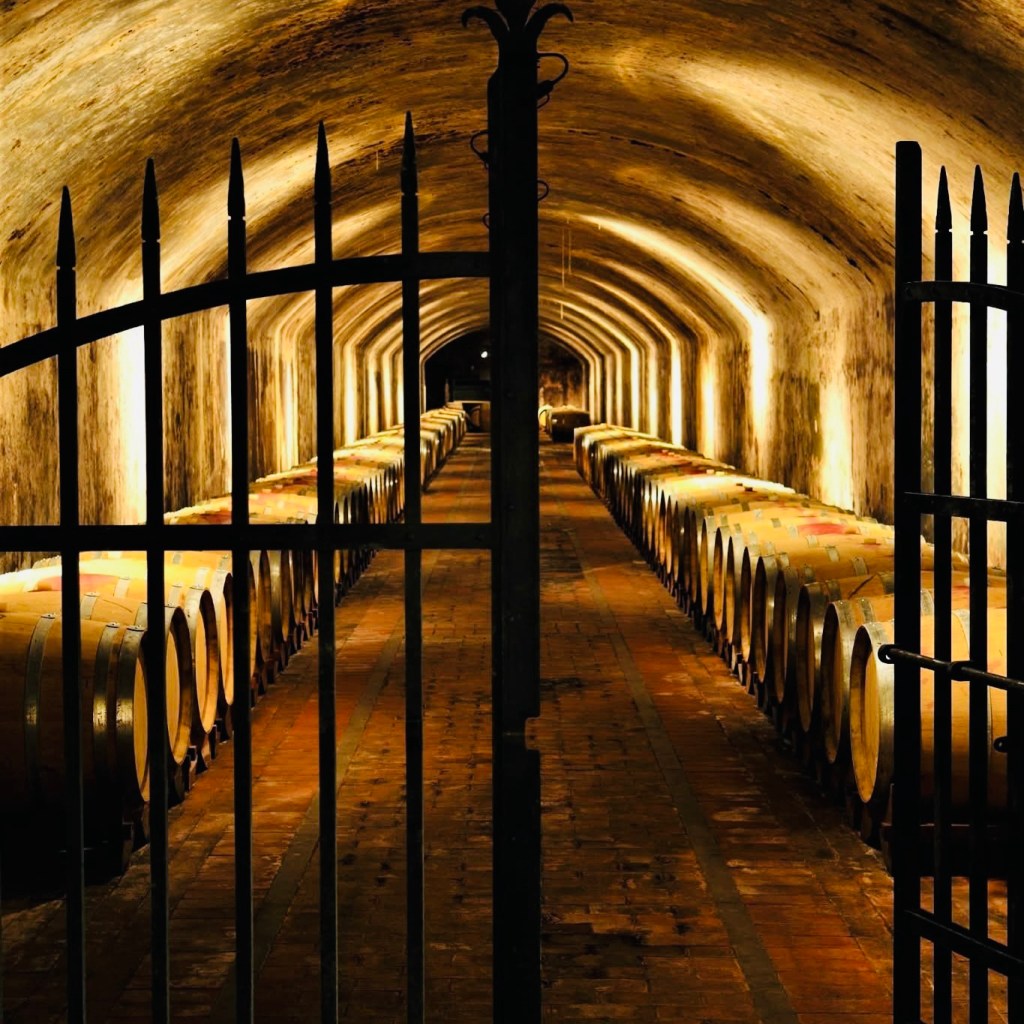
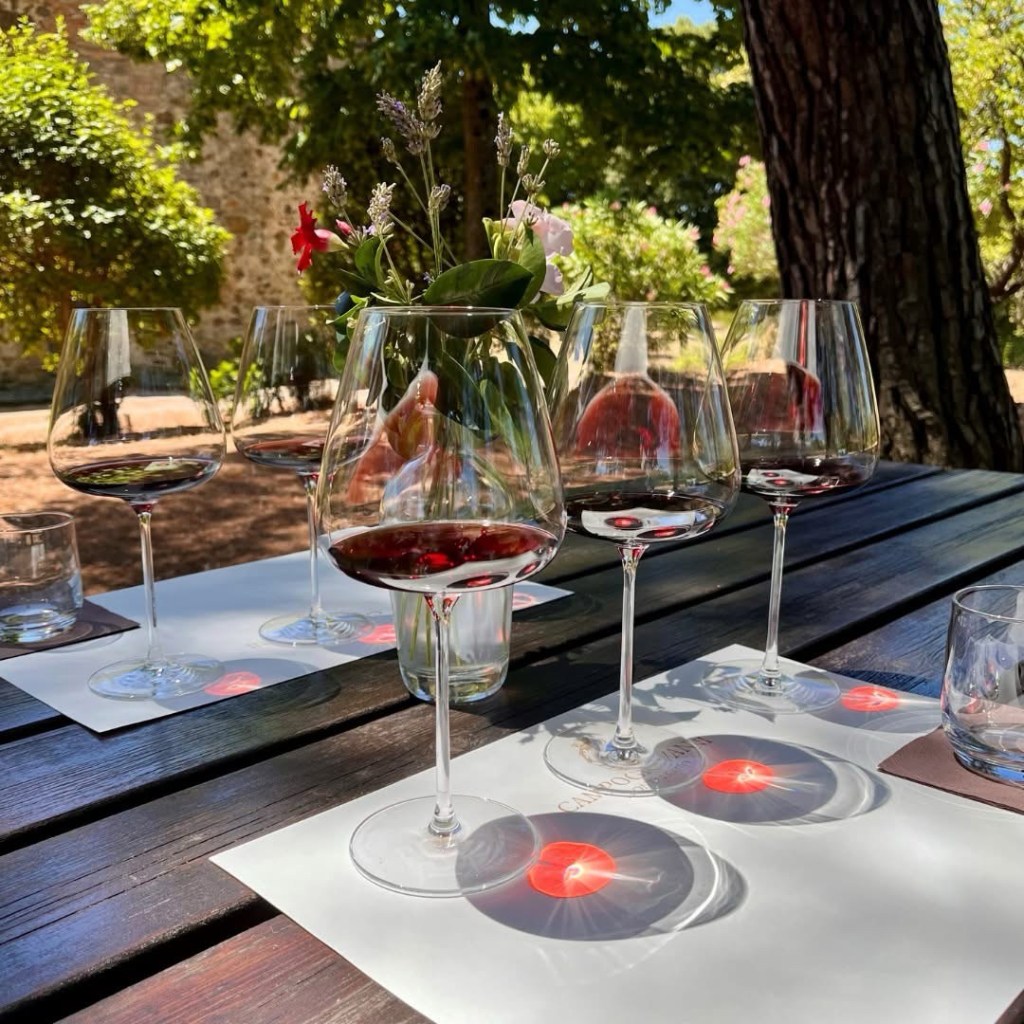
For wine lovers, Borgo San Felice is a destination in itself. Experts led tours and tastings. Underground cellars, vineyard vistas and curated experiences. From introductory tastings of the core Chianti Classico range to deeper dives into Brunello, Bolgheri and historic labels like Vigorello. 
A Destination Beyond Stay: 

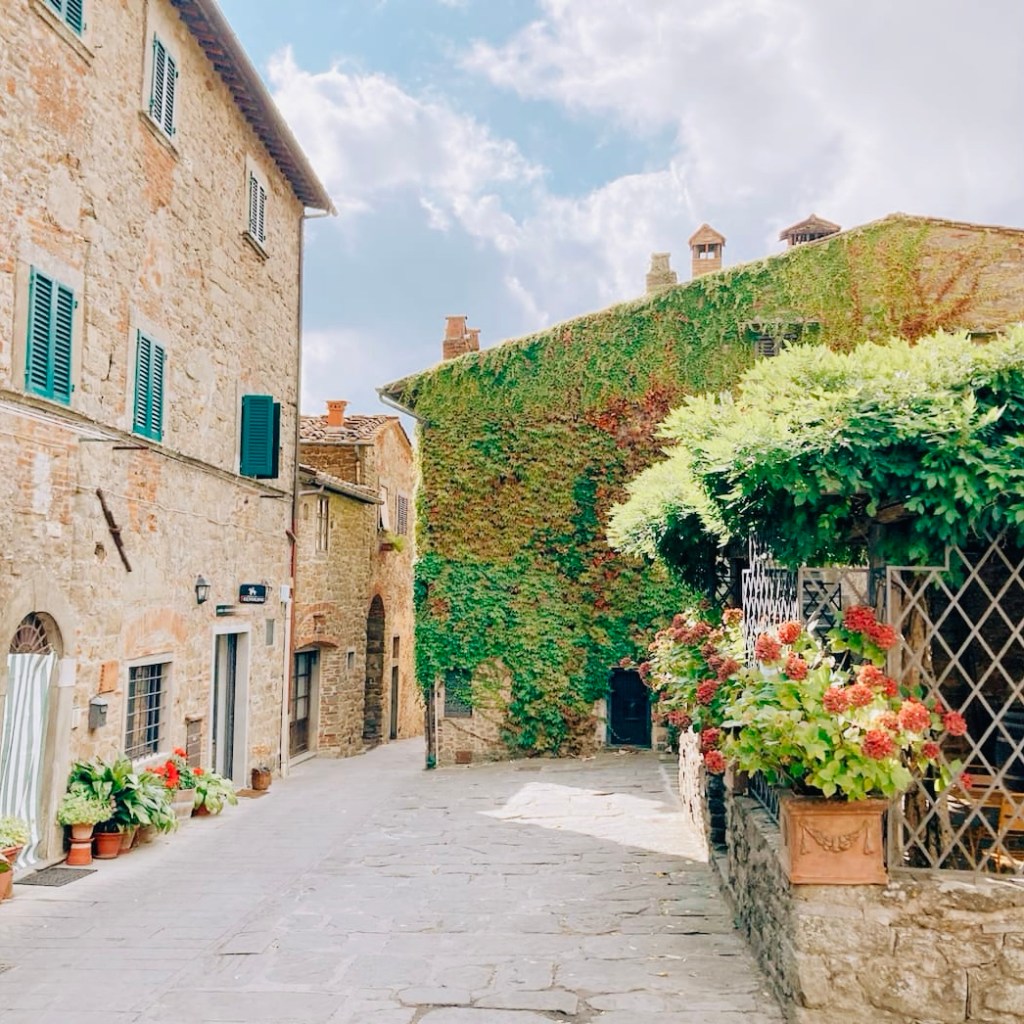
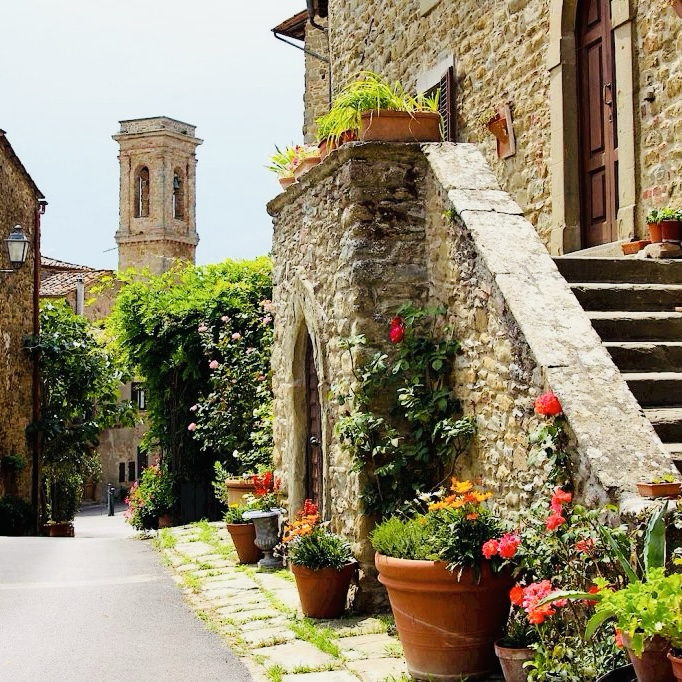
Borgo San Felice transcends the definition of a hotel or winery. Here within a living medieval village, you step into layers of Tuscan life, historic stone streets, fragrant vineyards, olive groves, cultural programs, artisan markets and a curated suite of bespoke experiences. 
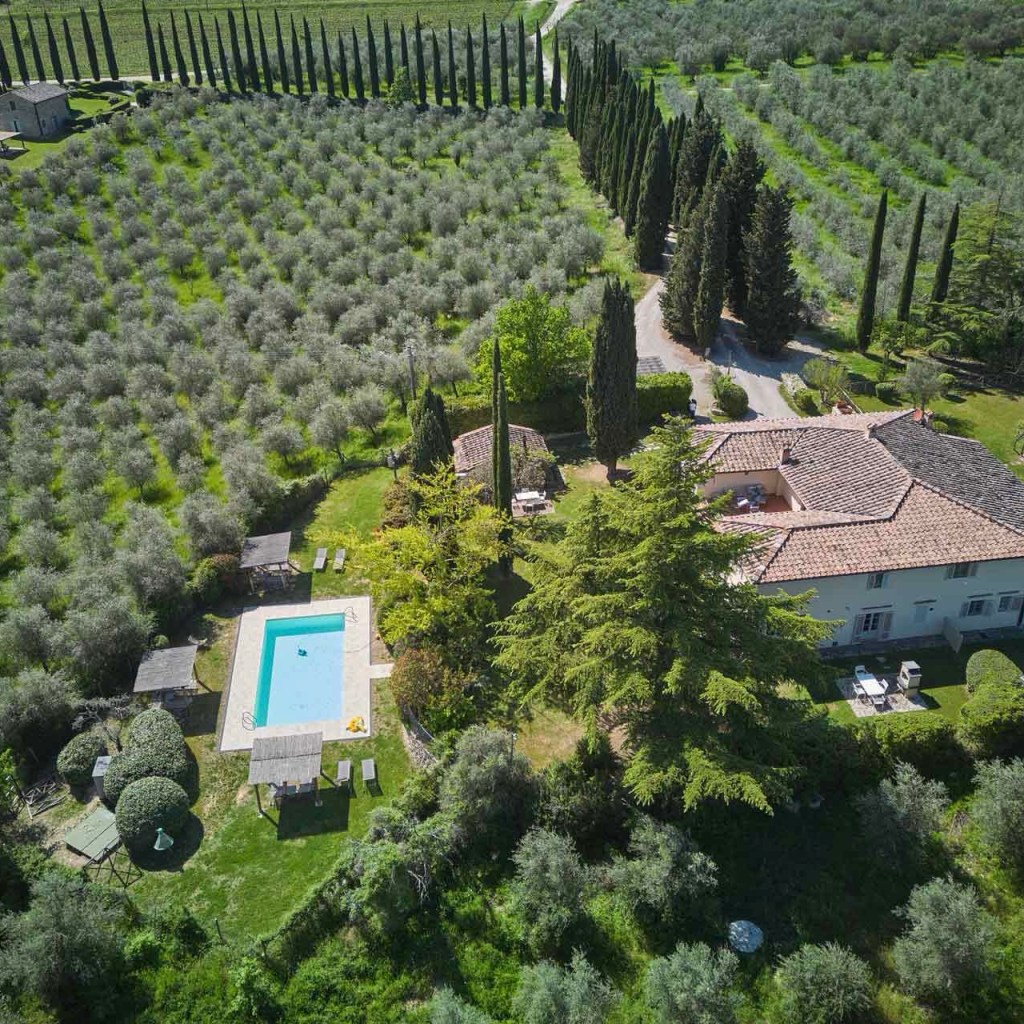
Borgo San Felice: A Symphony of Heritage, Wine & Hospitality:

At Borgo San Felice, tradition and innovation walk hand in hand. From its medieval origins to its contemporary embodiment as a luxury winery resort, every aspect of the estate reflects a singular philosophy, reference for terroir, commitment to excellence and an uncompromising love for hospitality. 
PRECIOUS LIQUORS 

Crafting Rarity. Bottling Legacy. Elevating Spirits to Art

In the world of luxury beverages, rarity is more than scarcity, it is the embodiment of heritage, craftsmanship and vision. Precious Liquors stands at the pinnacle. 

Founded in 2017 by industry specialist Pawel Morozowicz, Precious Liquors draws upon over 15 years of expertise in luxury, fine and rare  spirits to create a company focused in the highest tier of premium quality. Today, it is recognized as a distinguished global trader, bottler and curator of rare and ultra luxury spirits. A name trusted by collectors, connoisseurs and luxury hospitality partners across Europe and Asia. For Pawel, Precious Liquors is the expression of a lifelong devotion to spirits shaped by heritage and authenticity. His vision is simple yet demanding. This mindset ensures that every bottling reflects passion, precision and respect for its origin. 

From the ancient patience of 40 years old Scotch malts to the revered mystique of Japanese icons like Hanyu and Karuizawa, Precious Liquors curated the spirit of excellence in every release. 

A Philosophy Rooted in Selectivity 

Precious Liquors is built on a selective sourcing philosophy, identifying extraordinary casks that express origin, maturity and personality at the highest possible level. Whether drawn from the windswept  Highlands of Scotland or the volcanic beauty of Japan, each cask is chosen because it offers something genuinely distinctive. 

Core Specialisation

  • Ultra rare and mature Scotch Single Malts 
  • Limited and collectible Japanese Single Malts
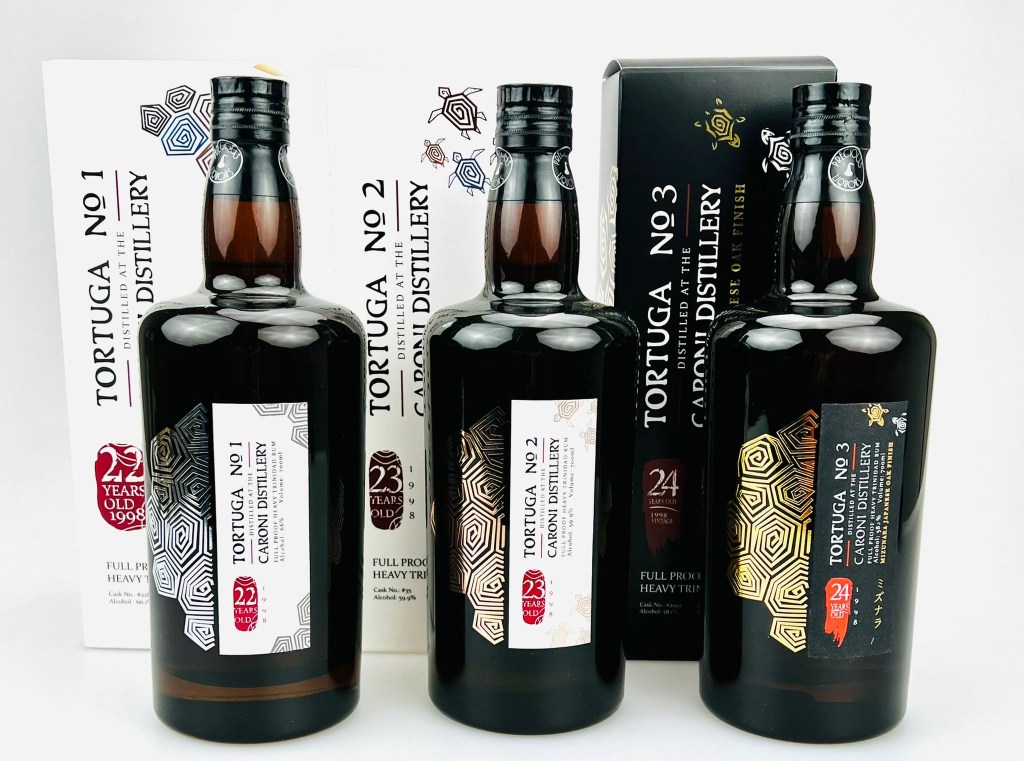
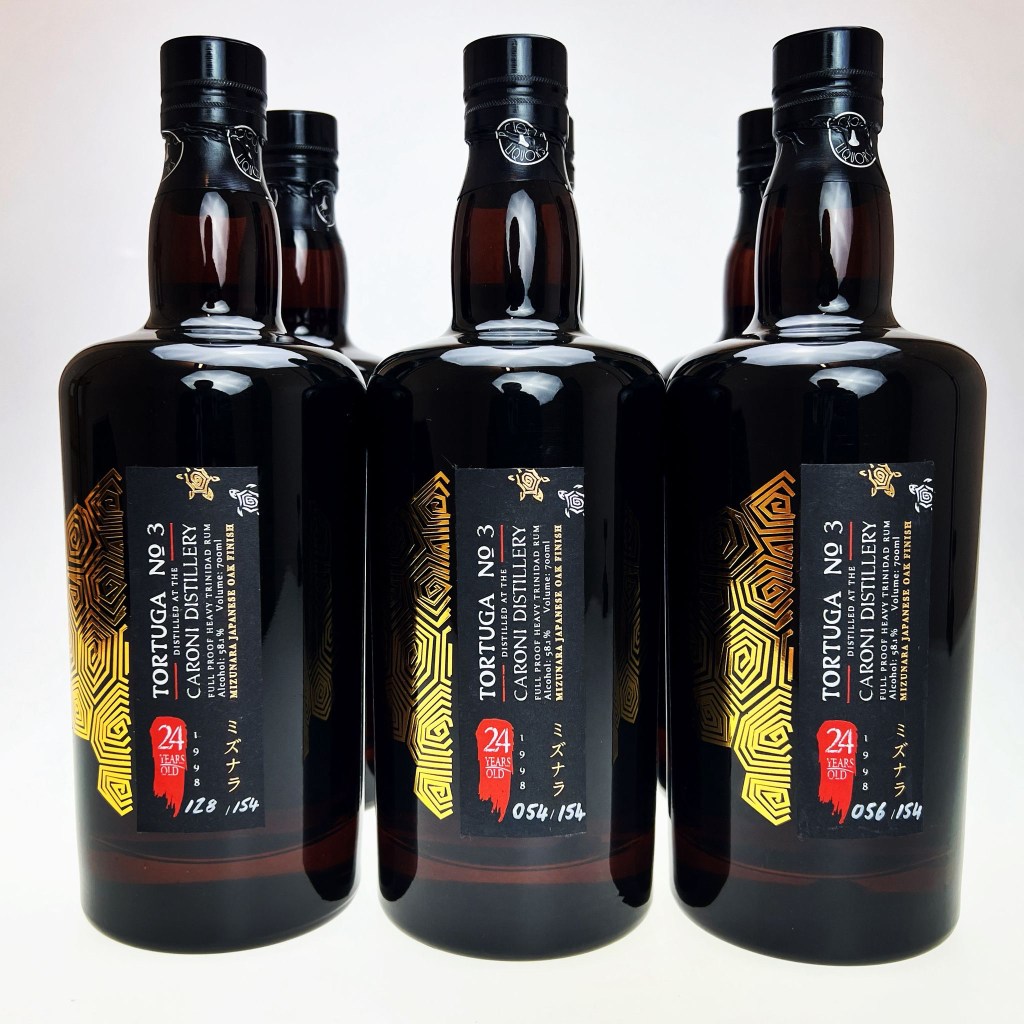
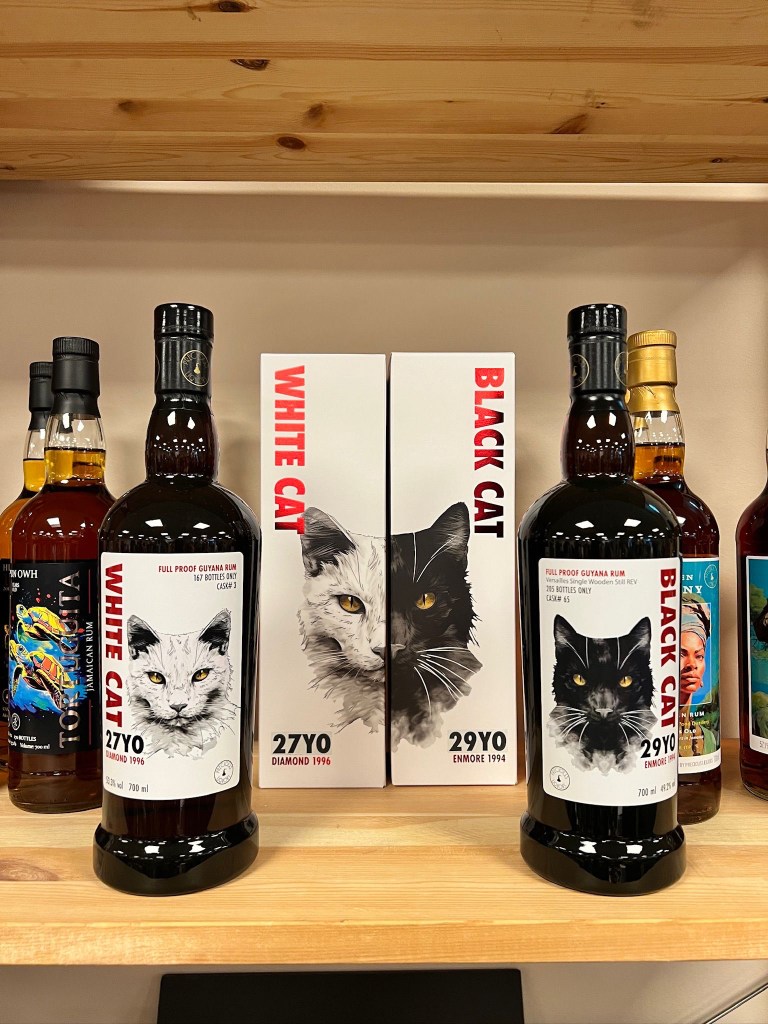
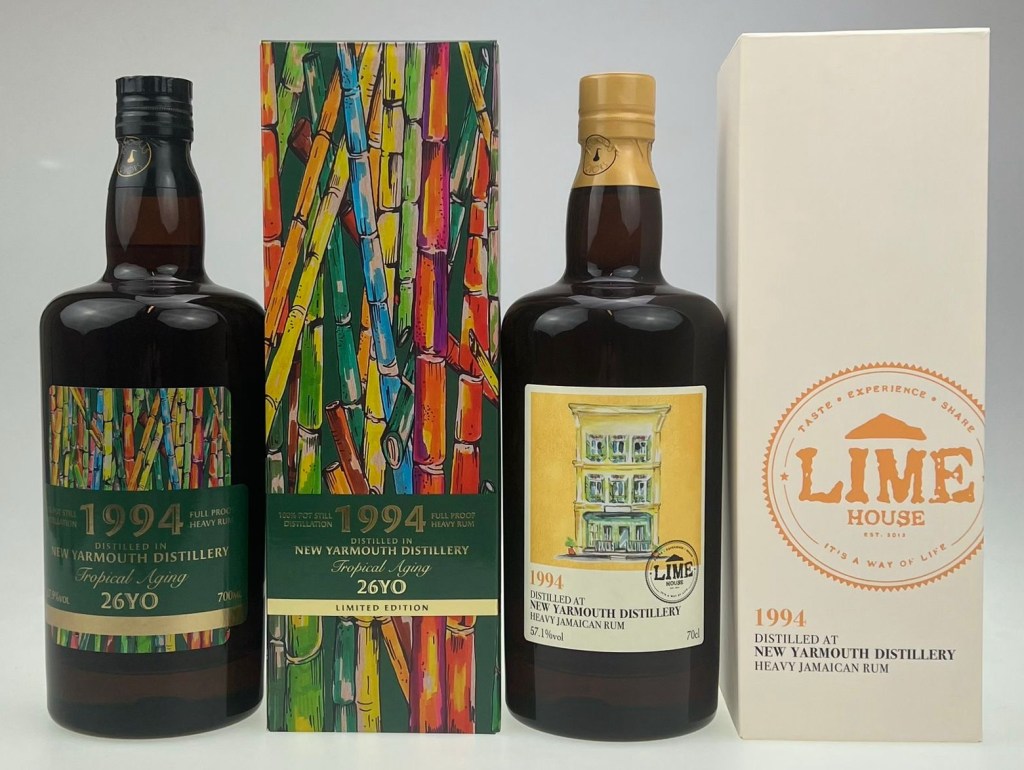
  • Tropical aged Caribbean and Asian Rums 
  • Prestigious Cognacs and bespoke distilled treasures. 

Independent Bottler with a Vision 

Precious Liquors does more than select fine spirits. It gives them a stage. Independent bottling at its finest, reveals the pure character of a single cask. Unbounded, unfiltered in personality and selected solely for merit. Precious liquor bottles only when the spirit inside carries a narrative worthy of its label. 

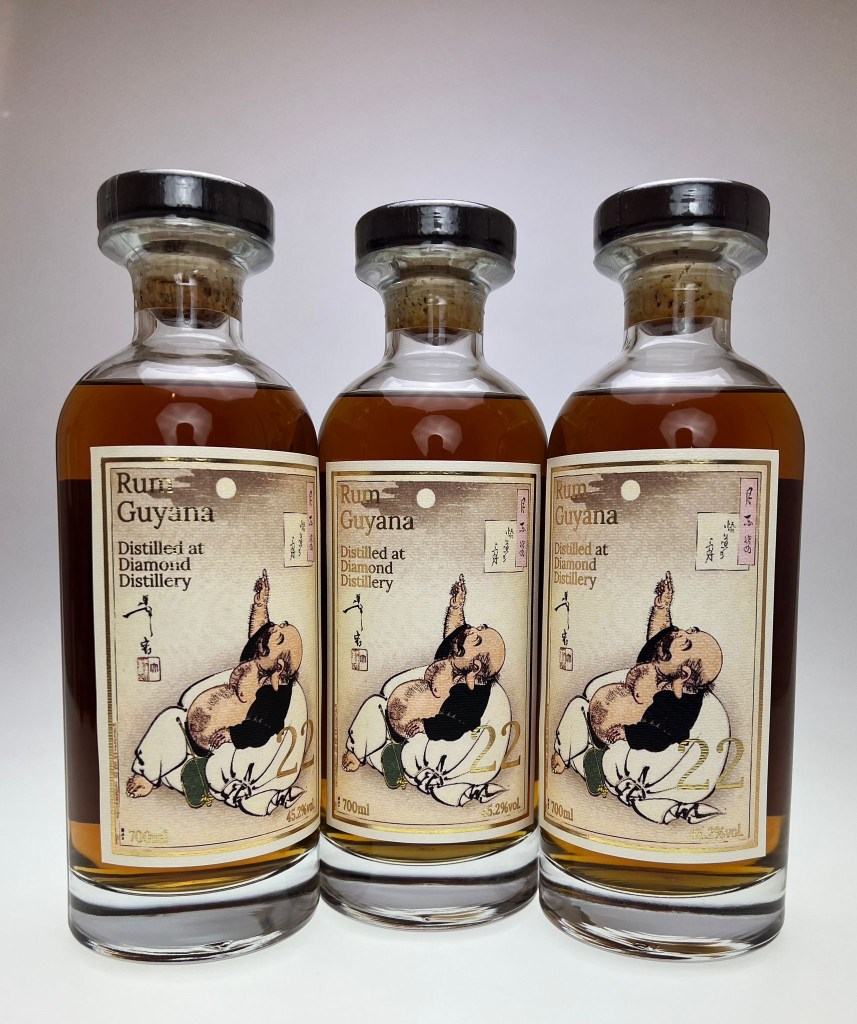
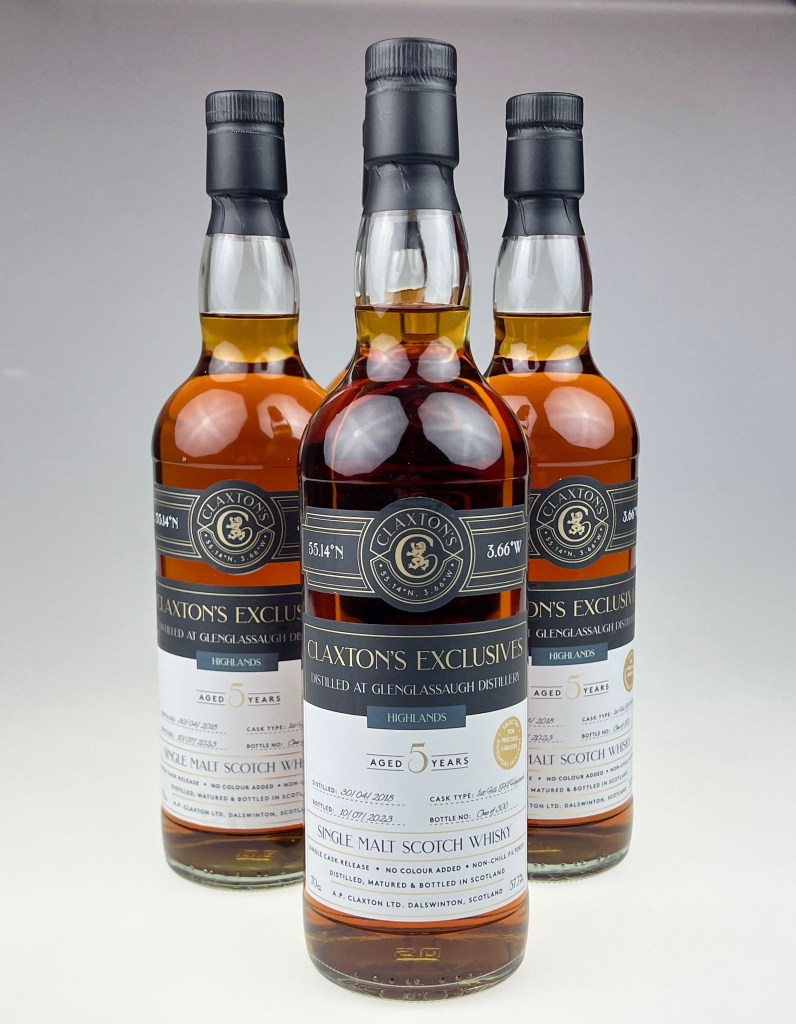
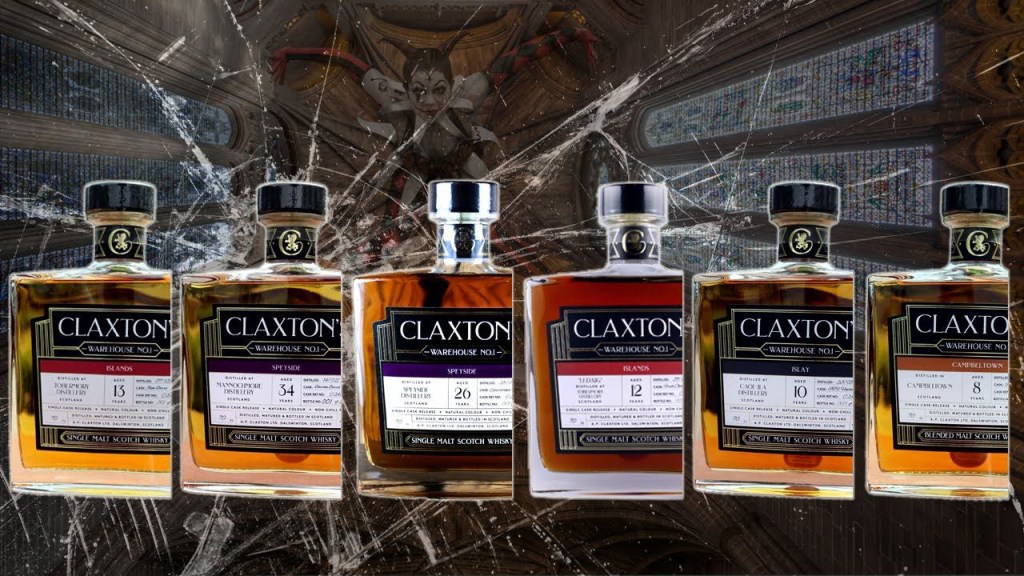
  • Claxton’s Independent Bottling: Award winning single cask Scotch and Japanese Whiskies. 
  • House of Cane: A tribute to the tropical vibrancy of the Caribbean and Asian through masterfully matured rums. 
  • Limited edition Cognacs & Co-Branded Expressions: Exclusively tailored for luxury retail, private collectors, societies and the finest hospitality venues. 

Global Reach with Boutique Precision 

Operating across Singapore, the United Kingdom and Europe, Precious Liquors merges global logistics with private client refinement.  From these strategic vantage points, the company brings rare spirits closer to the world’s most discerning collectors, while maintaining the intimacy and discretion that true luxury demands. Every project, whether destined for an iconic luxury resort or the personal vault of a passionate enthusiast, carries the unmistakable mark of precision and prestige. 

Notable Releases and Seasonal Highlights 

The company continues to drive excitement in the spirits world through limited edition offerings and thematic collections. 

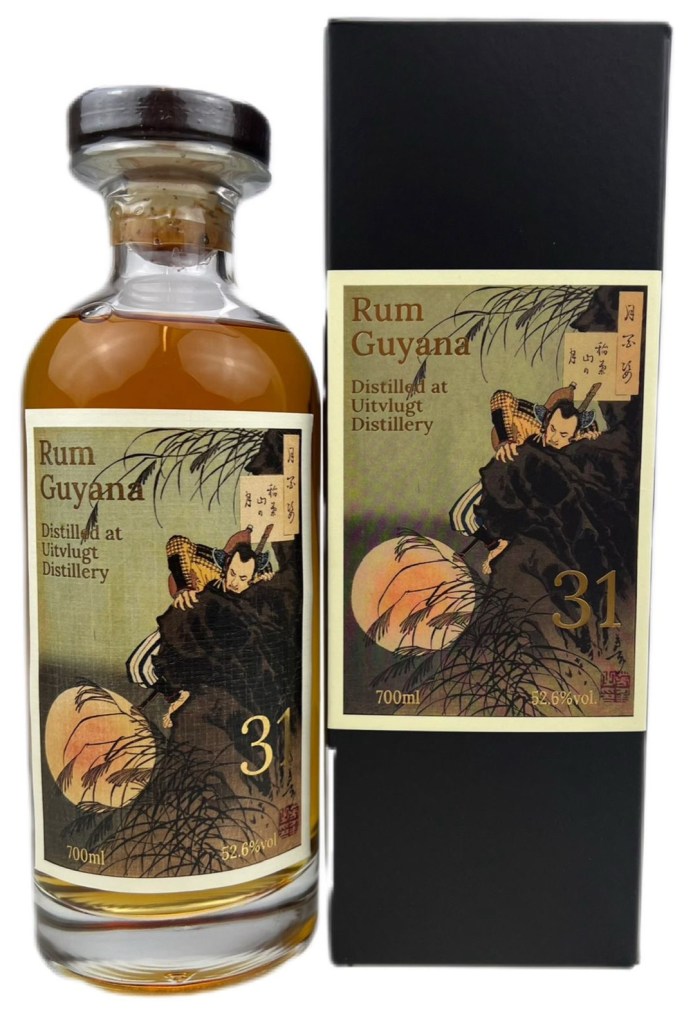
  • Clarendon & Uitvlugt rums bottled in both collectible 200 ml and 700 ml formats. 
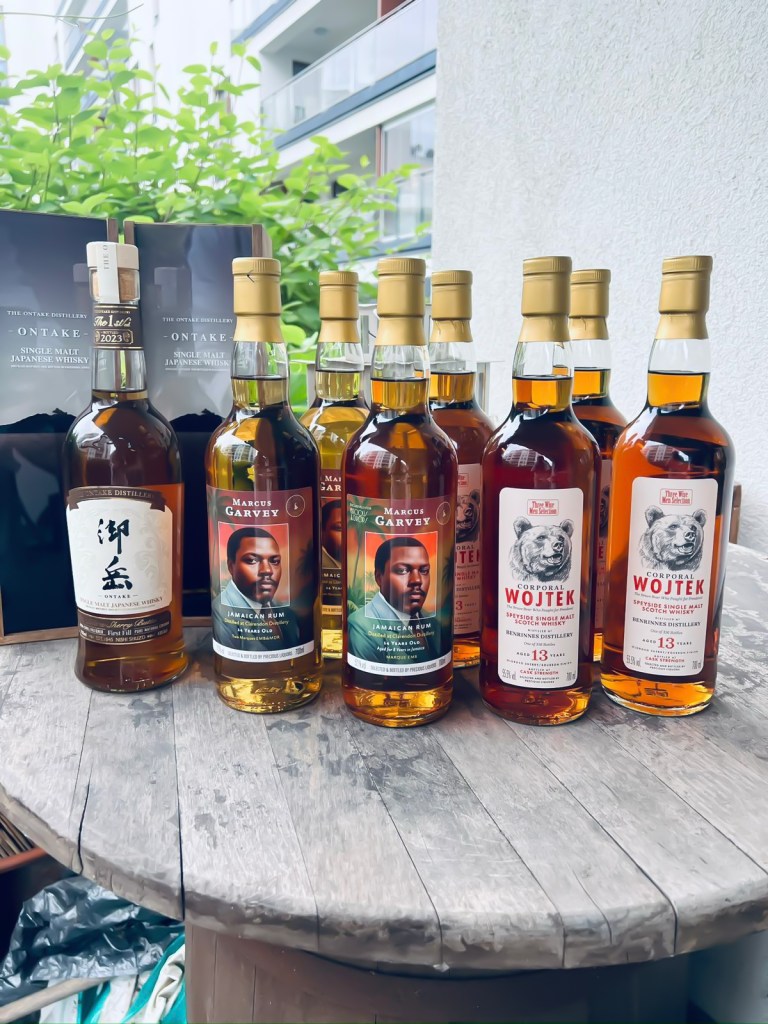
  • Marcus Garvey Clarendons, applauded at leading rum events 
  • TDL Trinidad Distillers 15 years, a tropical aged jewel with exceptional smoothness 
  • Hampden topical matured bottlings, showcasing high ester Jamaican character 
  • Distinguished cognac releases, including 30+ years old single casks 
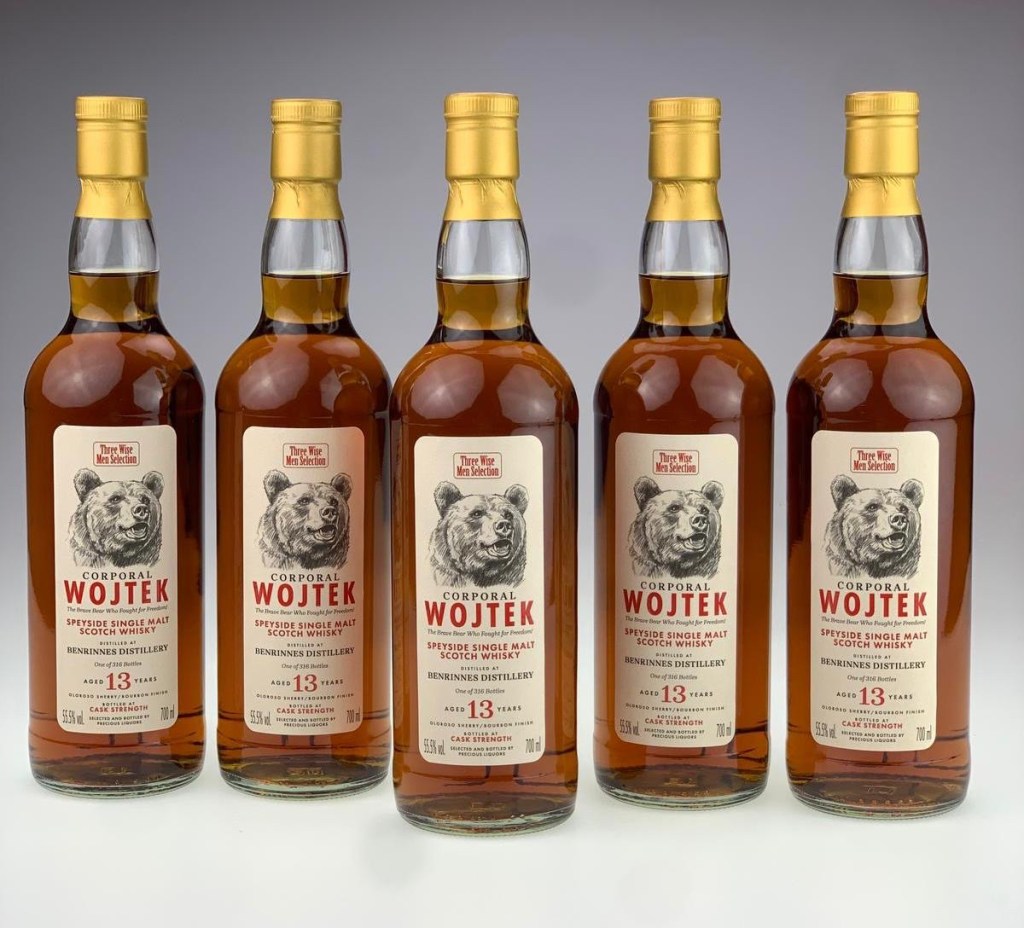
  • Youthful yet expressive PX finished malts from Scottish distilleries 

Expanding Foundations for Future Rarity 

In recent years, Asian markets have emerged as the new pulse of the global collectibles fine spirits arena and Precious Liquors is responding with both purpose and respect. Recognising the region’s appetite for heritage, provenance and craftsmanship, the company is expanding its footprint across these vibrant markets. This expansion is supported by significant inventories. Including hundreds of premium Scotch bottles sourced from more than sixty renowned distilleries. Positioned for strategic release through trusted partners across Asia’s fast growing luxury spirit scene. Precious Liquors continues to nurture its long term commitment to Japanese craft by presenting exclusive launches from the country’s rising distilleries. Including much awaited debut editions that will help define the next chapter of Japanese Whisky distinction. 

A Commitment to Excellence in Every Detail 

At the heart of Precious Liquors lies a philosophy shaped not by scale, but by soul. Every bottle holds a lineage that can be traced and honoured. Integrity guided every decision ensuring quality forever outweighs quantity. Exclusivity protects rarity, allowing desirability to endure. Partnership is nurtured and relationships intended to last longer than the bottles themselves. And above all, there is legacy, enduring belief that exceptional liquid has the power to tell stories long after the glass is empty. 

Precious Liquors stands at the intersection of rarity and refinement, revealing to the world of spirits that deserve to be celebrated. 

Curating the finest. Crafting the rarest. Elevating spirits into legacy. 

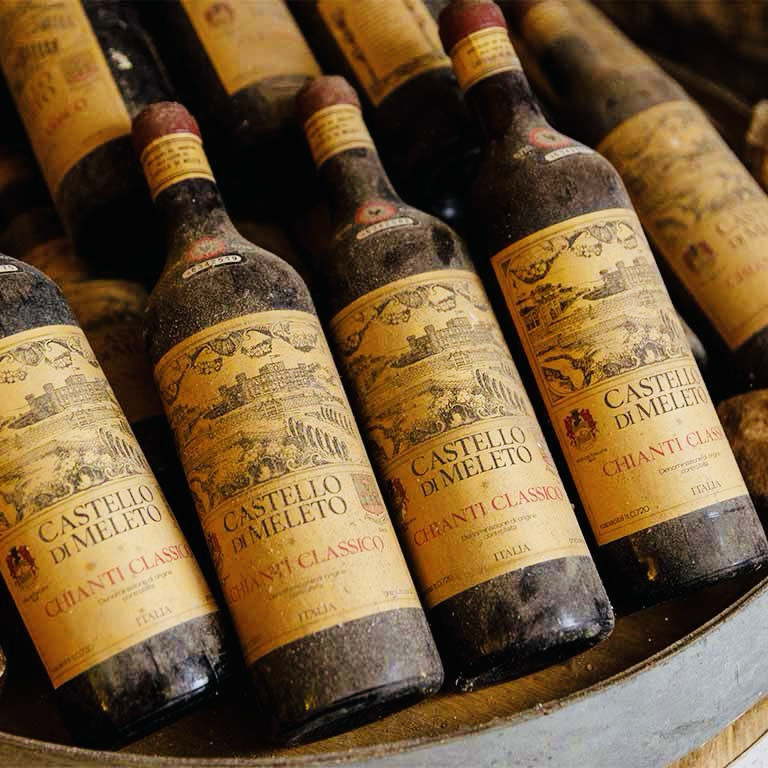
Castello di Meleto: Dal 1256

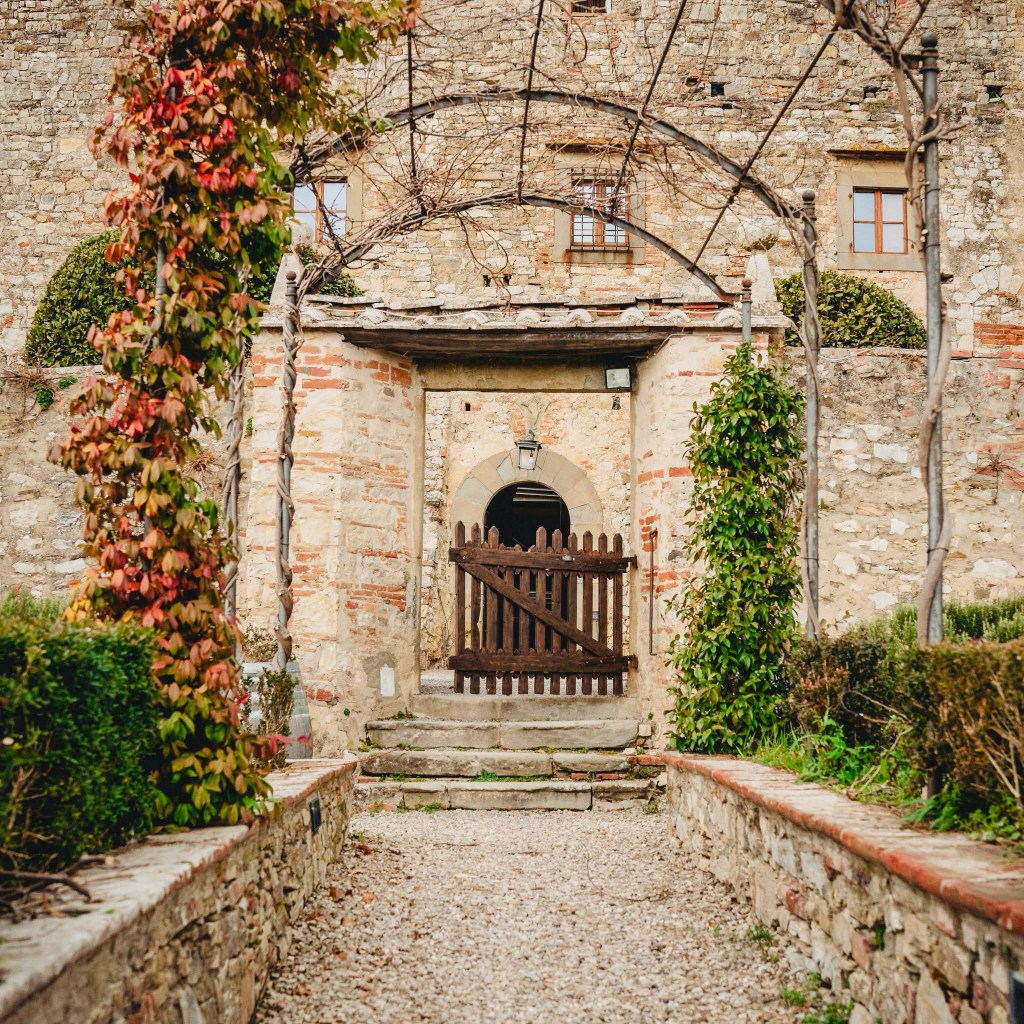
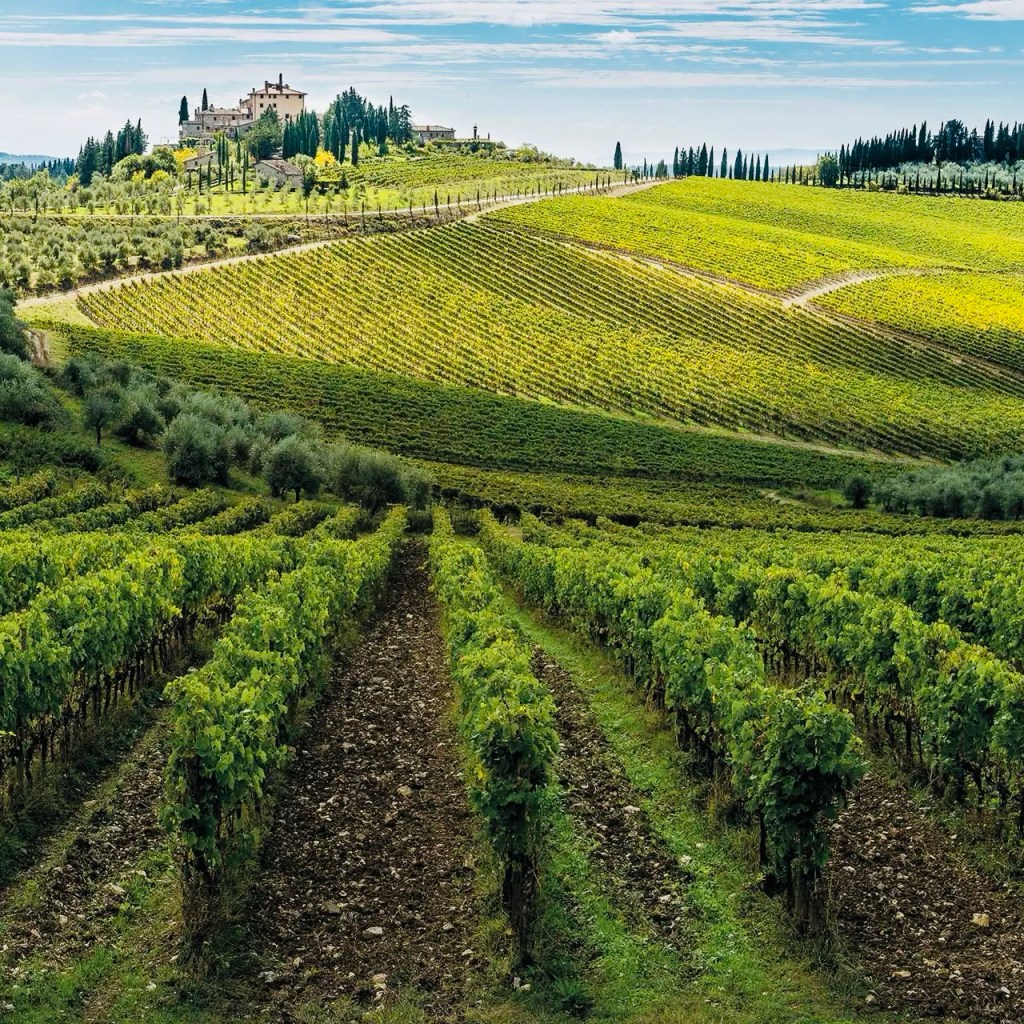
In the heart of Chianti Classico, Tuscany, where vineyards roll across sun soaked hills and medieval towers crown the horizon, lies “Castello di Meleto”. More than just a winery, it is a living chapter of Tuscan History. An estate that has guarded these lands since 1256 and today stands as one of Italy’s great wine and travel destinations. 

The earliest record of Castello di Meleto dates back to 1256, when it belonged to the Benedictine monks of Badia a Coltibuono before passing to the noble “Firidolfi Family”. For centuries, it was a Florentine stronghold, caught in the crossfire of Siena and Florence. The Aragonese occupied it in 1478. It was besieged again in 1529. And yet, the castle endured. By the 18th century, the once military fortress softened into a refined Villa, complete with frescoed halls and a delightful private theatre that still hosts events today. 

In modern times, Castello di Meleto was reborn through Viticola Toscana, a pioneering cooperative founded in the 1960s. This unique model brought together thousands of shareholders with one mission. To preserve the land, revive the vineyards and honor Tuscany’s winemaking heritage. Today, Castello di Meleto is managed with the same spirit. Its vision is rooted in sustainability, biodiversity and the balance between innovation and tradition. 

At its core, Castello di Meleto is dedicated to producing wines of authenticity while preserving the environment for future generations. The estate comprises nearly 1,600 hectares, with over 1,000 covered by forest, olive groves and beehives. As a member of the Chianti Biodistrict, Castello di Meleto practices organic farming, precision viticulture and nature based sustainability. 

The Vineyards & Terroir

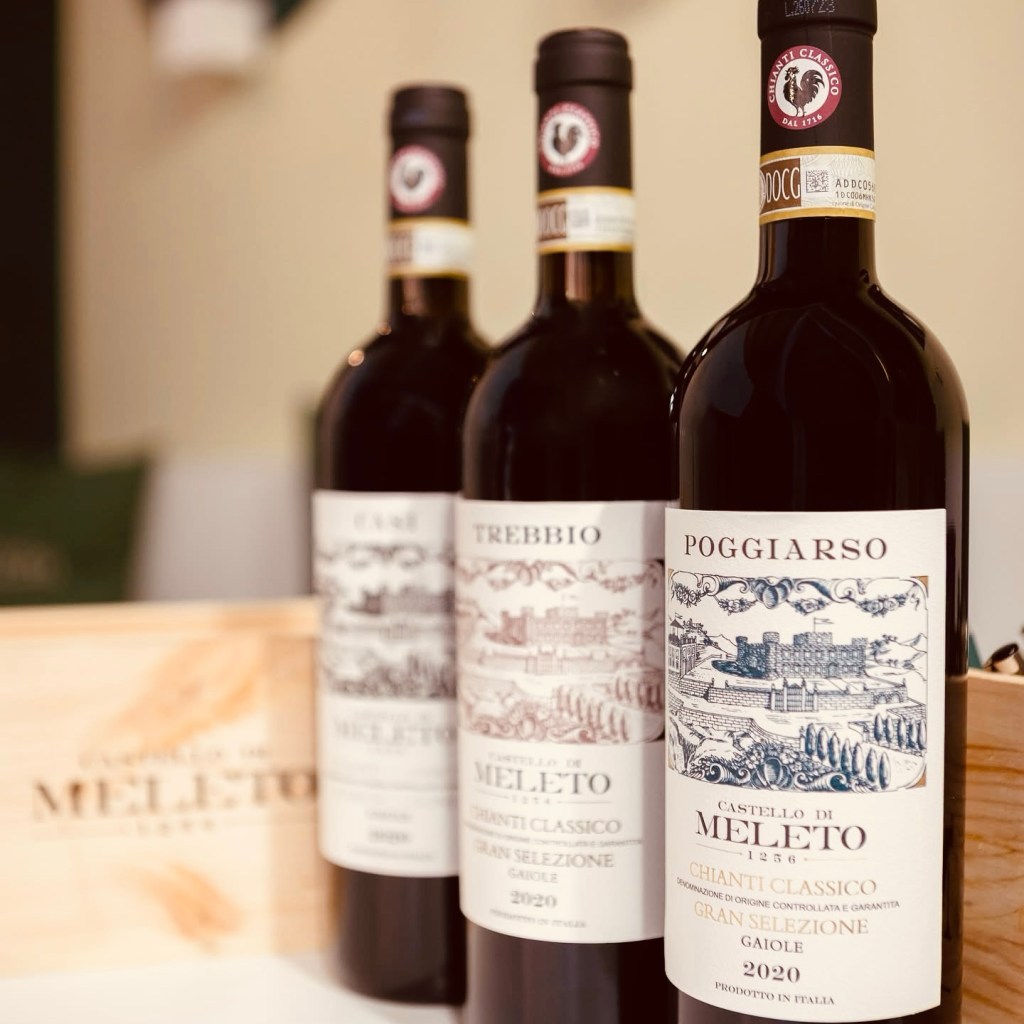
Around 160 hectares of vineyards ripple across the hills at an altitude of 350-600 metres. The soils are classic Chianti: a mix of galestro and alberese that yield freshness, structure and minerality. Sangiovese dominates, supported by Merlot, Cabernet Sauvignon, Vermentino and Malvasia Nera. Each vineyard:  Castello di Meleto, Trebbio, Poggiarso, San Piero, Cerreta, Parabuio – is harvested and vinified separately to preserve its identity. Harvest here is meticulous, with grapes selected twice. First by hand in the vineyard, then on sorting tables at the winery. Fermentations are spontaneous, sulphur is kept to a minimum and oak aging is tailored to each expression. 

The Wines of Castello di Meleto 

Meleto’s portfolio reflects both heritage and innovation 

  • The Neo Classic Collection: Fresh, Vibrant Chianti Classico DOCG, Riserva and Gran Selezione. These wines capture the spirit of Sangiovese in all its layers from everyday elegance to age worthy complexity. 
  • The Crus Collection: Single vineyard Gran Selezione wines such as Vigna Casi and Vigna Poggiarso, highlighting the unique soil and exposure of each site. 
  • The Borgaio Collection: More contemporary blends, approachable yet refined, including reds and whites with an international touch. 
  • Specialities: Vin Santo del Chianti Classico DOC, spumante rosé and estate made grappa and olive oil. 

Staying at Castello di Meleto: A Castle life Experience 

  • In the Castle: Rooms range from Superior and Deluxe to Family Suites and Luxury Suites in the medieval Guard Tower, combining history with comfort. 
  • Borgo Rooms: Classic and Classic Triple rooms in the nearby hamlet offer rustic charm. 
  • Apartments: Options include one bedroom and duplex apartments, two and three bedroom residences with kitchens and living spaces. 
  • Villas: Villa Ginestre and Villa Massellone are private havens, each with gardens, loggias and access to estate pools. 

Experiences That Go Beyond Wine 

Castello di Meleto doesn’t just produce wines, it curates unforgettable experiences. You can join guided tastings at the Castle, explore vineyards with an agronomist or trek through the hills. There are blending sessions where you can create your own wine, as well as immersive tastings like the Parabuio Experience (blind in the dark) and the Gran Cru Experience with the estate’s top labels. The Castle also hosts unique cultural moments: open air movie nights, exclusive private dinners with a chef and classical music in the 18th century theater and the annual “In The Name of the Bee” event. A celebration of biodiversity and beekeeping scheduled on 13th September. 

The Hall of Wine, Wine Shop & Wine Club

The Hall of Wine showcases Castello di Meleto’s production and history, while the Wine shop offers the full portfolio, including limited releases. The Wine Club connects international enthusiasts with the estate, offering access to special vintages and exclusive benefits. 

Castello di Meleto & Chianti Classico: A destination in itself

Chianti Classico is one of the world’s great wine regions, a landscape of medieval villages, cypress lined roads and vineyards that stretch as far as the eye can see. Castello di Meleto is both a gateway to this world and a destination of its own where you can taste terroir in your glass, sleep in the medieval fortress and experience Tuscany in its purest form. 

Castello di Meleto 

Castello di Meleto is a rare balance of history, agricultural and luxury living. From its medieval origins to its present day commitment to sustainability and fine wine, it offers an experience that is as authentic as it is elevated. 

Sagrantino Di Montefalco DOCG: Umbria’s grape transformed into one of the world’s most powerful Wines.

Nestled in the heart of Italy, Umbria is renowned for its rich history, stunning landscapes and exceptional wines. Among its vinous treasures, SAGRANTINO stands out as a symbol of resilience and excellence. This indigenous grape, once on the brink of extinction, has risen to prominence, producing wines that are among the most powerful and complex in the world. 

The Origins of Sagrantino 

The exact origins of Sagrantino remain shrouded in mystery. Some historical records suggest that the grape was introduced to Umbria by monks during the Middle Ages, possibly from the Middle East. Others believe it has been cultivated in the region for over 2,000 years. Regardless of its beginnings, Sagrantino became deeply rooted in the traditions of Montefalco, a picturesque hilltop town in Central Umbria, Italy. 

The Decline and Near Extinction 

Despite its deep rooted history, Sagrantino faced a significant decline in the 20th century. By the 1960s, the grape had nearly vanished from the Umbrian landscape. Factors contributing to this decline included the mechanisation of viticulture, the rise of international grape varieties and changing consumer preferences. 

The Revival: A Testament to Dedication 

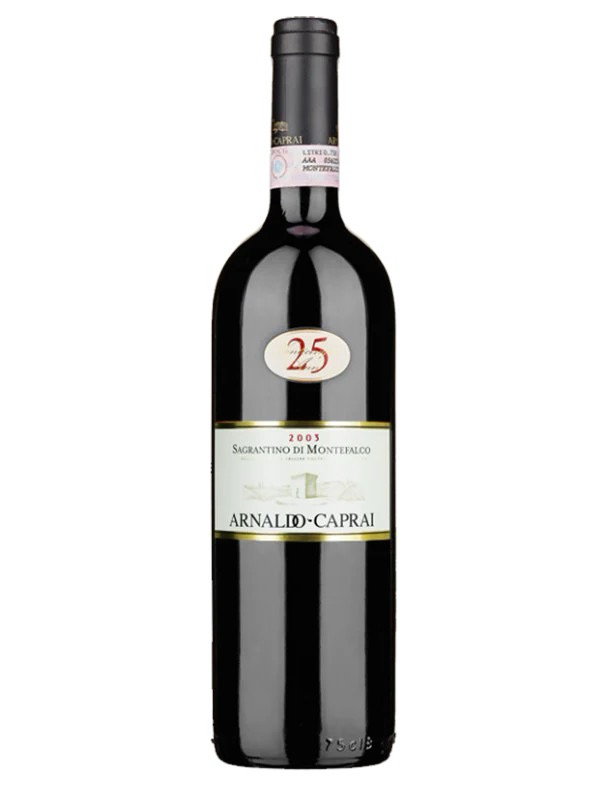
The revival of Sagrantino is a testament to the dedication of visionary winemakers. In the early 1970s a few passionate producers began to replant Sagrantino vineyards, focusing on quality and traditional methods. One of the most notable figures in this resurgence was ARNALDO CAPRAI, whose efforts in the 1980s and 1990s were instrumental in bringing SAGRANTINO back to prominence. Through research and innovation, Caprai and others demonstrated the grape’s potential to produce wines of exceptional quality. 

Sagrantino Di Montefalco DOCG 

In 1979, Sagrantino Montefalco was granted DOC (Denominazione di origine Controllata) status, recognising the unique characteristics of wines made from 100% Sagrantino grapes. This was a significant milestone in the grape’s journey. However, it was in 1992 that Sagrantino Montefalco achieved the prestigious DOCG (Denominazione di Origine Controllata e Garantita) status, becoming the 12th Italian Wine to receive this honor. This recognition affirmed the grape’s potential and solidified Montefalco’s reputation as a premier wine producing region. 

The Montefalco Region: A terroir of Distinction 

Montefalco, often referred to as the “BALCONY OF UMBRIA”, offers a unique terroir that contributed to the exceptional quality of Sagrantino wines. The region’s climate, characterized by hot summers and cold winters, combined with its diverse soils, provides ideal conditions for viticulture. The vineyards are situated at elevations ranging from 200 to 600 meters above sea level, allowing for optimal ripening of the grapes. The Sagrantino di Montefalco DOCG encompasses several communes, including Montefalco, Bevagna, Gualdo Cattaneo, Castel Ritaldi e Giano dell’Umbria. These areas are known for their commitment to sustainable viticulture and traditional winemaking practices. 

Sagrantino Wines: Styles and Characteristics 

There are two primary styles of Sagrantino DOCG wine 

  1. Sagrantino Secco ( Dry): This is the more common style, characterized by its deep color, high tannin content and comped aromas of dark fruits, spices and herbs. The wine undergoes a minimum aging period of 37 months, with at least 12 months in oak barrels, allowing for the development of its robust flavours. 
  1. Sagrantino Passito (Sweet): A traditional dessert wine, Sagrantino Passito is made by drying the grapes on mats for several weeks before fermentation. This process concentrates the sugars and flavours, resting in a rich, sweet wine with notes of dried fruits, honey and spices. 

Umbria: The Green Heart of Italy 

Umbria, often referred to as the GREEN HEART OF ITALY, is a region that offers a harmonious blend of natural beauty, historical sites and culinary delights. Beyond its wines, Umbria is known for its medieval towns, rolling hills and rich cultural heritage. Cities like Perugia, Assisi and Orvieto attract visitors seeking authentic Italian experiences. 

Montefalco: A Wine Lover’s Paradise 

Montefalco has emerged as a premier wine tourism destination, attracting visitors from around the world. The town’s medieval charm, combined with its world class wineries, offers a unique experience for wine enthusiasts. Visitors can explore the vineyards, participate in tastings and learn about the traditional methods of winemaking. The establishment of STRADA DEL SAGRANTINO” (The Sagrantino Wine Trail) has further enhanced the region’s appeal, providing tourists with a curated route to explore the best of Montefalco’s wineries and culinary offerings. 

Sagrantino 

Sagrantino’s journey from near extinction to becoming one of the world’s esteemed grape varieties is a remarkable story of resilience and passion. The dedication of winemakers in Montefalco has not only revived a historic grape but has also put Umbria on the global wine map. 

To Sagrantino, Salute 🍷🍷

Tenuta di Artimino. A World of Wine, Art, Culture & Luxury. Member of Meliá Collection Hotels. 

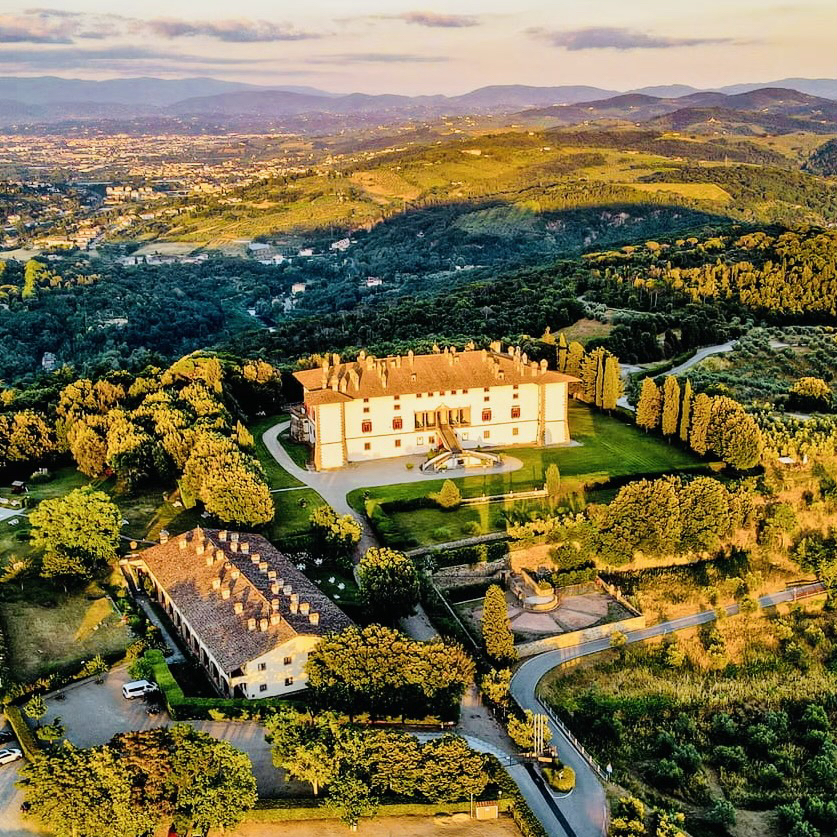
The story of Tenuta di Artimino unfolds on a terrain rich in antiquity. An Etruscan settlement that blossomed through the medieval ages and became part of the Medici patrimony. Its roots in winemaking date back centuries. In 1596, Grand Duke Ferdinando l de’ Medici, captivated by the vistas during a hunt on the hills of Montalbano, commissioned architect Bernardo Buontalenti to build a villa on the site. Thus, Villa Medicea “La Ferdinanda”, known as the “Villa of the Hundred Chimneys”, was completed around 1600. The Villa exemplifies refined mannerist architecture and remains a crown jewel of the Medici Villa network. Today, it is a UNESCO World Heritage Site, formally recognized in 2013 for its cultural significance. 

From Medici to Olmo family 

After the Medici era, the Villa and estate passed through various noble families. In the late 20th century, Giuseppe Olmo, a celebrated cyclist who set the world hour record in 1935 and won Olympic gold in 1932, acquired the estate. Under his visionary, industrialist approach, the property was rejuvenated and given a new life. Today, the management rests with his grandchildren, Annabelle Pascale and Francesco Spotorno Olmo, who champion a modernisation of the estate while honouring its heritage. They have partnered with Meliá Collection Hotels, integrating Tenuta di Artimino into the prestigious Meliá Collection portfolio. 

Carmignano DOCG 

The Carmignano zone has been producing wine since Etruscan and Roman times. In 1716, Grand Duke Cosimo III de’ Medici issued one of history’s earliest wine edicts, legally safeguarding Carmignano as a premium region. A defining feature of the appellation is its historic blending of Sangiovese with Cabernet Sauvignon (and Cabernet Franc) long before the Super Tuscan era. This tradition was officially recognized with DOC status in 1975, later elevated to DOCG in 1990. Current regulations require at least 50% Sangiovese, 10-20% Cabernet Sauvignon or Cabernet Franc, up to 20% Canaiolo, and smaller amounts of Mammolo, Colorino, Trebbiano and Malvasia. Riserva bottlings must be aged for a minimum of three years. The wines are known for their elegance, with structured tannins, deep color and a distinctive touch of chocolate and spice, reflecting the unique soils of the Montalbano hills. 

Artimino’s Terroir: Between Hills & Heritage 

The estate spans more than 730 hectares, with about 80 hectares under vine, as well as olive groves and woodlands. Positioned between Carmignano and Chianti Montalbano, the soils range from clay limestone to sandy loam and altitudes between 50-200 metres encourage expressive, balanced fruit. The philosophy is rooted in sustainability. Minimal chemical intervention, careful agronomy and respect for biodiversity. Each vine sinks its roots deep into a terroir that has nurtured viticulture for centuries. 

Winery & Wines: Varieties & Signature Labels 

Tenuta di Artimino produces Carmignano DOCG and Chianti DOCG, along with other DOC and IGT wines. The main grape varieties are Sangiovese, Cabernet Sauvignon, Cabernet Franc, Merlot, Canaiolo, Trebbiano and Malvasia. 

  • Grumarello Carmignano DOCG: A flagship label, structured and refined, often blending Sangiovese with Cabernet Franc. 
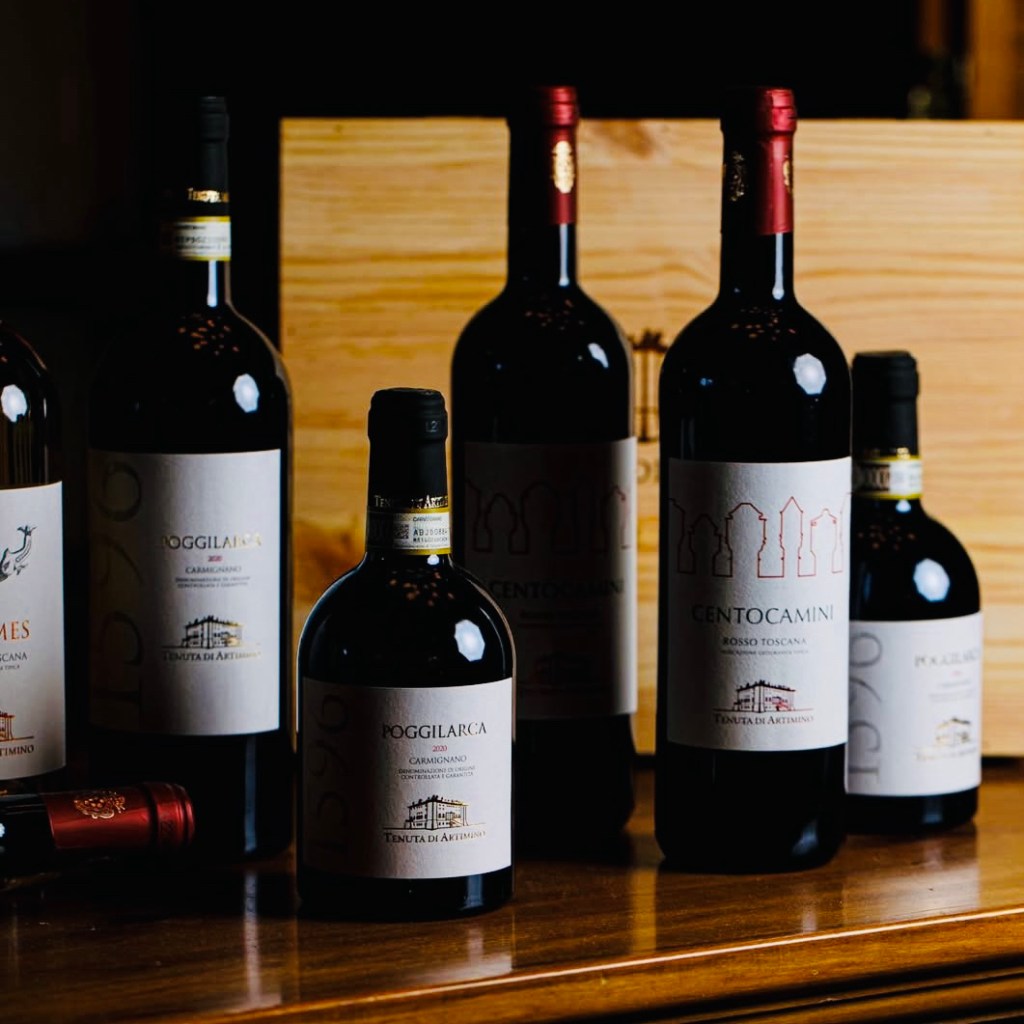
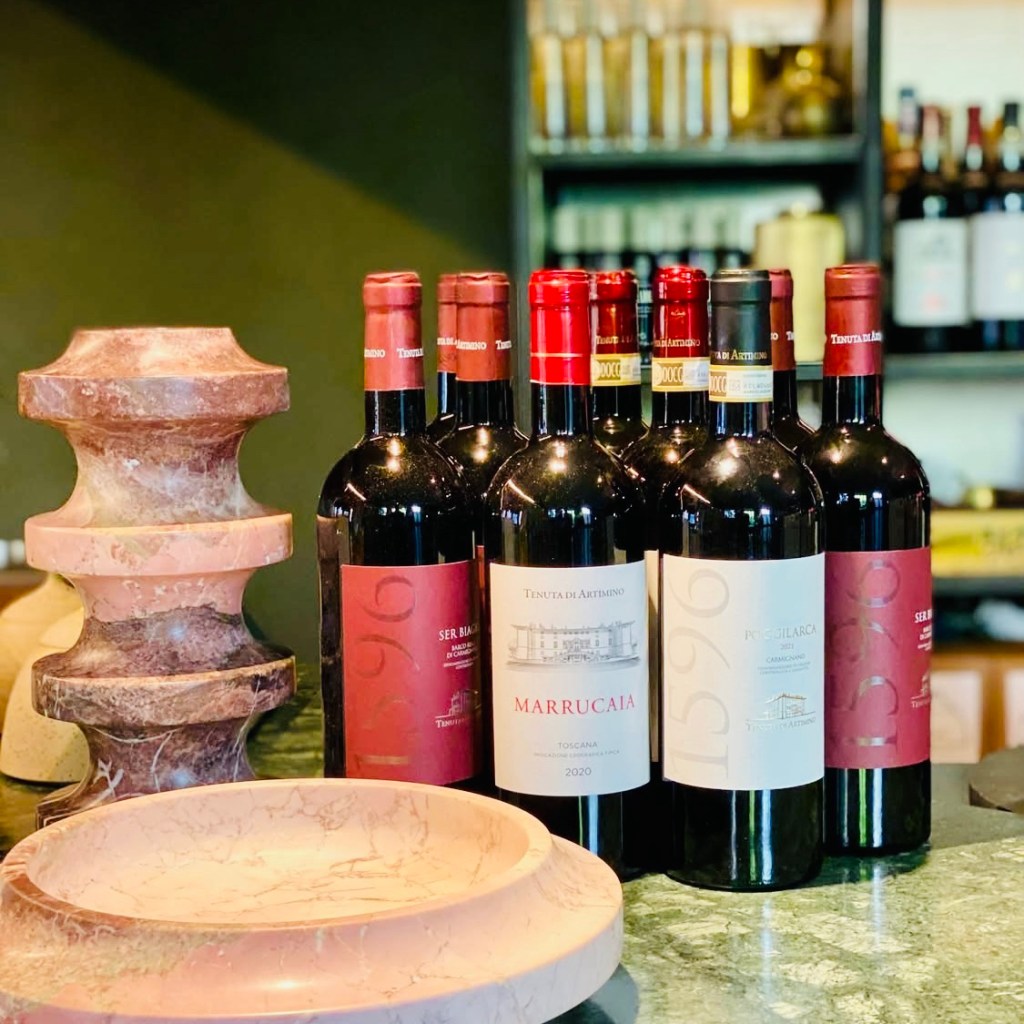
  • Poggilarca Carmignano DOCG: Elegant and balanced, a modern interpretation of the classic Carmignano style. 
  • Centocamini Rosso IGT Toscana: A versatile Tuscan red for everyday drinking. 
  • Artumes Bianco Toscana IGT: A crisp white expression of the territory. 
  • Barco Reale DOC: A youthful, fruit forwarding Carmignano blend. 
  • Vin Santo & Occhio di Pernice: Traditional sweet crafted with meticulous care. 

Hospitality: The Estate & Experiences 

At the heart of the estate stands “Villa Medicea La Ferdinanda”, a UNESCO World Heritage Site known as the “Villa of Hundred Chimneys”. The Villa is a premier venue for weddings, conferences, luxury dining and events surrounded by vineyards and olive groves. 

The Estate offers a Variety of Luxury Accommodations: 

  • Hotel Paggeria Medicea: A four star boutique hotel with refined Tuscan style rooms, terracotta floors and warm décor. 
  • Borgo di Artimino Apartments: Restored medieval village apartments for immersive Tuscan living. 
  • Le Fagianale Tuscan Country Houses: Secluded one and two bedroom houses overlooking the hills. 

Together, these properties form the Hotel di Artimino – A Meliá Collection Hotel, with panoramic views of vineyards and olive groves. Facilities include two swimming pools, a modern spa with Vinotherapy and serene gardens.  Room categories range from Style rooms and Singular rooms, to Extra Singular rooms, Borgo Lodge Suites, Ferdinando Suites and Le Fagianaie Lodges. Each space is designed to combine contemporary comfort with rustic Tuscan character. 

Culinary Excellence: Food and Wine at the Estate 

Dining is centred on the “Biagio Pignatta” restaurant, which offers refined Tuscan cuisine prepared with estate grown produce and paired with Artimino wines. 

The “Redi Cellar”, located within the historic grounds, is a striking space for tastings and private dining. You can also enjoy the pool bar for casual refreshments with sweeping vineyards views. The culinary team curates unique experiences, from guided tastings and wine pairing dinners to truffle hunts, picnics in the vineyards and cooking classes. 

People Behind the Estate 

Tenuta di Artimino’s success rests on its dedicated team. 

  • The Olmo family provides the strategic vision. 
  • Winemaking: Led by consulting oenologist Riccardo Cotarella, agronomist Alessandro Matteoli and Cellar master Stefano Oliarca, supported by oenologist Filippo Paoletti. 
  • Hospitality and Cuisine: The chefs, sommeliers and Meliá trained staff ensures guests receive world class service. 

Together, they embody the estate’s mission of combining history, culture and terroir with contemporary luxury. 

Carmignano as Luxury Destination

Located between Florence and Prato, Carmignano is one of Tuscany’s most discreet treasures. Unlike Chianti or Brunello, it remains intimate, authentic and deeply tied to its Medici Heritage. The rolling Montalbano hills offer olive groves, forests and vineyards while the village of Artimino exudes with its cobbled streets and artisan culture. This makes Carmignano not just a Wine destination but also a luxury travel haven where history, art and nature converge. 

Tenuta di Artimino 

Tenuta di Artimino is far more than a winery or a hotel. It is a living tapestry of Tuscany’s soul. From its Etruscan roots and Medici grandeur, to its pioneering role in Carmignano DOCG and its modern luxury hospitality, the estate captures the harmony of past and present. 

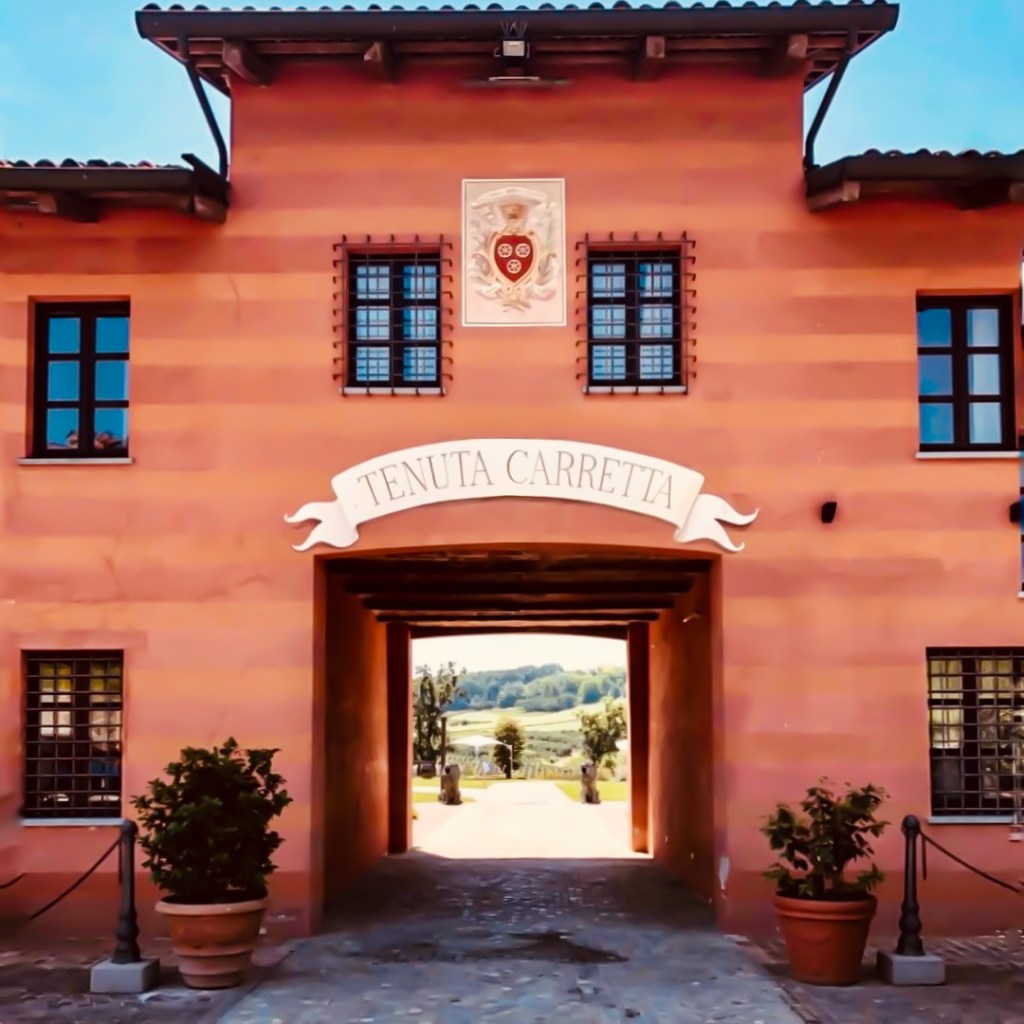
Tenuta Carretta : Dal 1467. Wine, Heritage and Luxury

Nestled in Piobesi d’Alba, in the heart of Piedmont’s Langhe and Roero region, this estate represents not only the legacy of noble landowners and visionary winemakers but also the future of luxury wine tourism. From its origin in the 14th century to its present, Tenuta Carretta is a living story of vines, people and hospitality. 
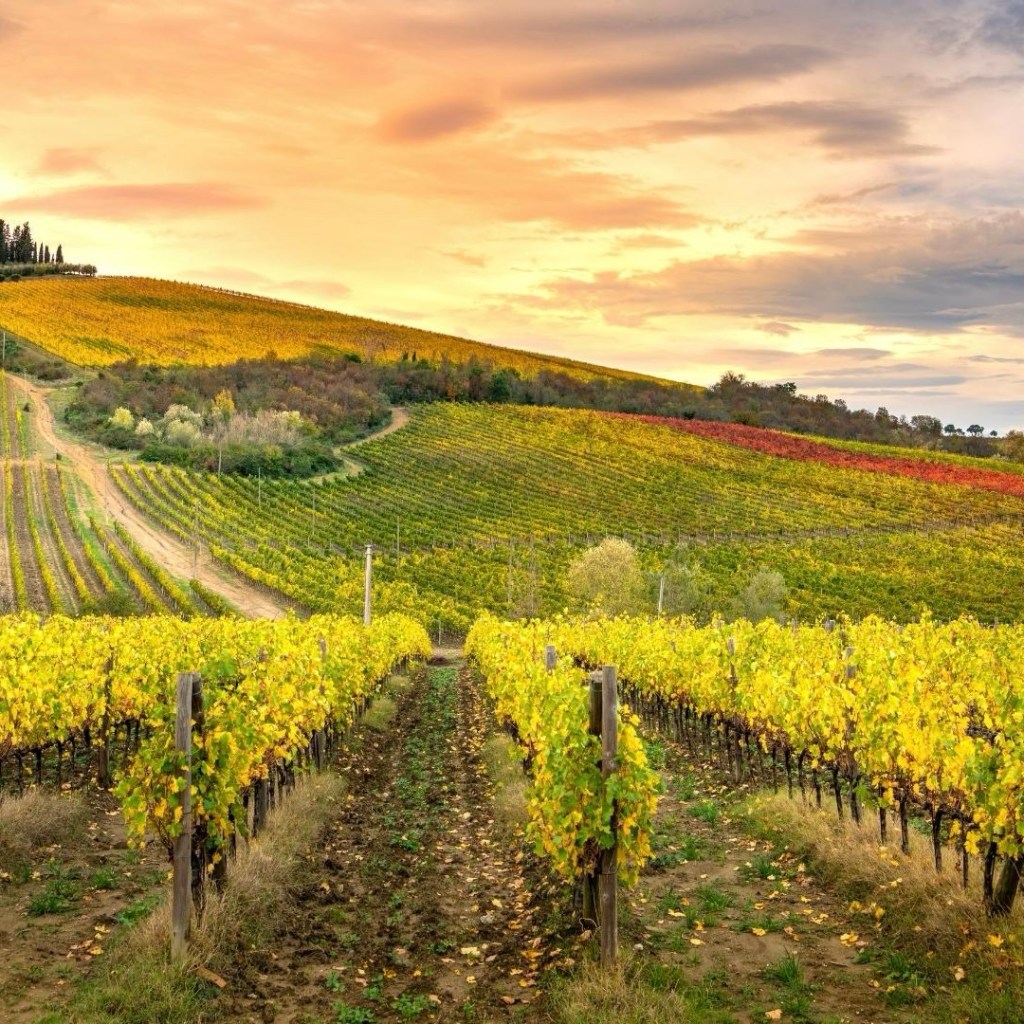
A Legacy Rooted In History

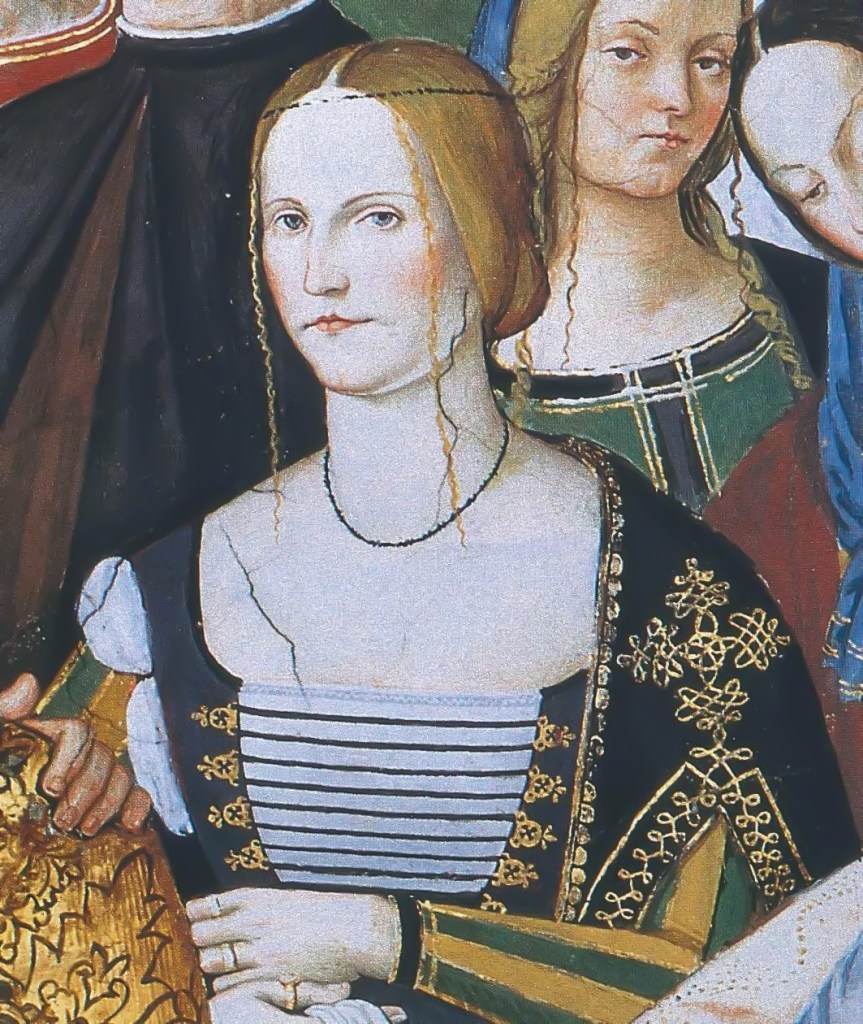
The estate’s history begins in November 28, 1467, when written documents first attest to Tenuta Carretta’s vineyards. However, its roots stretch deeper in the Middle Ages. Originally thought to derive its name from the “Celtic” word car (“Stone”), linked to the chalk deposits near the property, recent archival research instead reveals its name comes from “DOMINA CARETA CONSTANZI”, a noblewoman and early landowner in Piobesi d’Alba. Records from 1334 and 1353 confirm her family’s presence and land transactions, cementing the idea that the estate’s identity is tied not just to the land, but to lineage and heritage. One of the estate’s crown jewels is the “PODIUM SERRAE” vineyards, historically known as a “Vineyard of Privilege”. This special site symbolises the estate’s uninterrupted winemaking tradition and enduring connection to its terroir. 

Vineyards and Terroir

Today, Tenuta Carretta encompasses 80 hectares of vineyards, all with part of the “LANGHE-ROERO & MONFERRATO” district, designated UNESCO World Heritage Site in 2014. The land, shaped like a natural amphitheatre around the winery, provides unique exposure for grape cultivation. 

  • Roero Arneis (Cayega and Canorei): Crisp, elegant whites born from 35 hectares of Arneis vines. 
  • Nebbiolo (Roero Bric Paradiso): Noble, structured wines that embody Piedmont’s King grape.  
  • Barbera (Barbera d’Alba Bric Quercia): Vibrant, versatile reds with depth and intensity. 
  • Favorita (local name for Vermentino): A rare Roero gem, yielding wines with freshness and character. 

Every vineyard is meticulously farmed and harvested, with vinification occurring exclusively from estate grown grapes, ensuring authenticity and traceability. 

Families, Tradition and the Miriglio Family 

Over the centuries, Tenuta Carretta passed through the hands of noble families, each contributing to its expansion and prestige. Today, the estate is under the care of the Migrolio Family. The Migrolio family has successfully blended history with modernity, expanding Tenuta Carretta’s influence beyond Italy through their holding in Bulgaria and their leadership in international hospitality and wine experiences. 

The Wines of Tenuta Carretta 

The winery produces a wide and prestigious range: 

  • Barolo Cannubi Riserva: A benchmark expression of one of Italy’s most iconic crus. 
  • Great Vineyards Collection: Single vineyard masterpieces capturing Piedmont’s terroirs. 
  • The Crown’s Range: Rare, refined labels that symbolizes elegance. 
  • Authors’s Labels & The Classics: Accessible yet noble wines that carry the estate’s identity. 
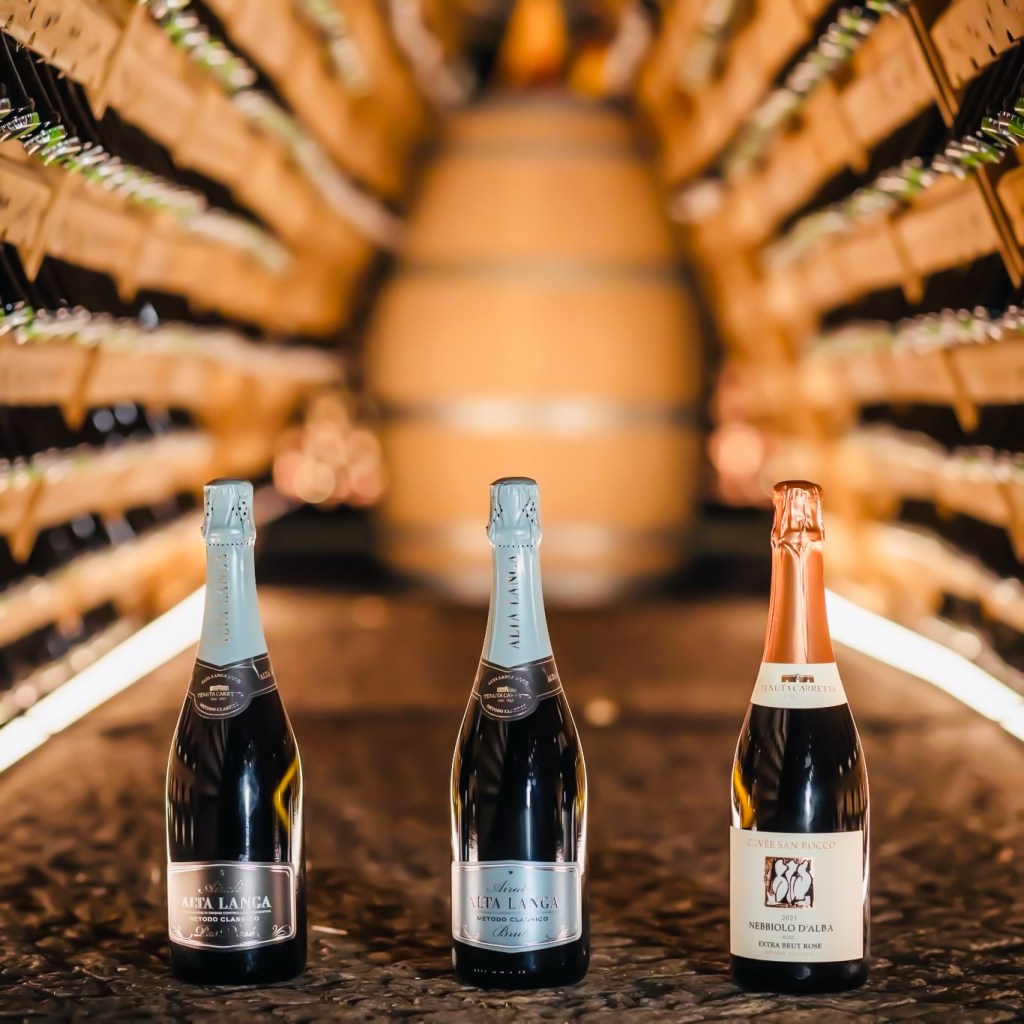
  • Sparkling Wines: Metodo Classico bubbles with finesse. 
  • Single Varietal Grappas & Sweet Wines: Crafted from estate grapes for complete expression. 

The Grape’s Road: An Immersive Vineyard Experience 

One of Tenuta Carretta’s most unique offerings is the Grape’s Road (La Strada del Vino), an immersive journey through its historic crus. Visitors walk among vineyards such as Campolungo, Campovirato, Bric Paradiso, Bric Quercia, Podium Serrae, and more tracing the geography, history and personality of each plot. This open air museum of vines transforms a vineyard stroll into an educational and sensory experience. 

The Hospitality & Luxury Dimension

Tenuta Carretta is not only a winery, it is a destination. Its hospitality and luxury offerings are as refined as its wines, creating a seamless luxury experience. 

  • Ristorante 21.9 : Led by Michelin Star Chef Flavio Costa, this fine dining restaurant reimagines Piedmontese tradition with creativity, pairing dishes with estate wines. 
  • Albergo di Charme: An intimate 10 suite boutique hotel, where each room is named after a Tenuta Carretta Wine. A refined retreat surrounded by vineyards, perfect for discovering Langhe and Roero. 
  • Villa Cereja: A historic residence within the estate, complete with pool private spaces, ideal for exclusive stays. 
  • Locanda Carretta in Cannubi (Barolo): Managed by the Bertolini family, this guesthouse with three rooms and panoramic restaurant in fret’s breathtaking views from the famed Cannubi hill. 
  • Villa Garassino (Treiso, Barbaresco hills): A modern farmhouse with a swimming pool and panoramic terraces. Perfect for weddings, conferences and gastronomic experiences. It also hosts Bistrovino, a contemporary restaurant dedicated to wine and food pairings. 

Beyond Piedmont: The Wider Miroglio Wine Universe 

Tenuta Carretta is part of the larger Gruppo Terre Miroglio, which includes: 

  • Malgrà (Monferrato, Asti): Specializing in Nizza DOCG, Barbera d’Asti e Moscato d’Asti. 
  • Edoardo Miroglio Winery (Elénovo, Bulgaria) : With 160 hectares of vineyards, producing both international varieties (Pinot Noir, Cabernet Sauvignon, Merlot, Sauvignon Blanc) and native Bulgarian grapes (Mavrud, Rubin, Bouquet) 

Experiences and Culture 

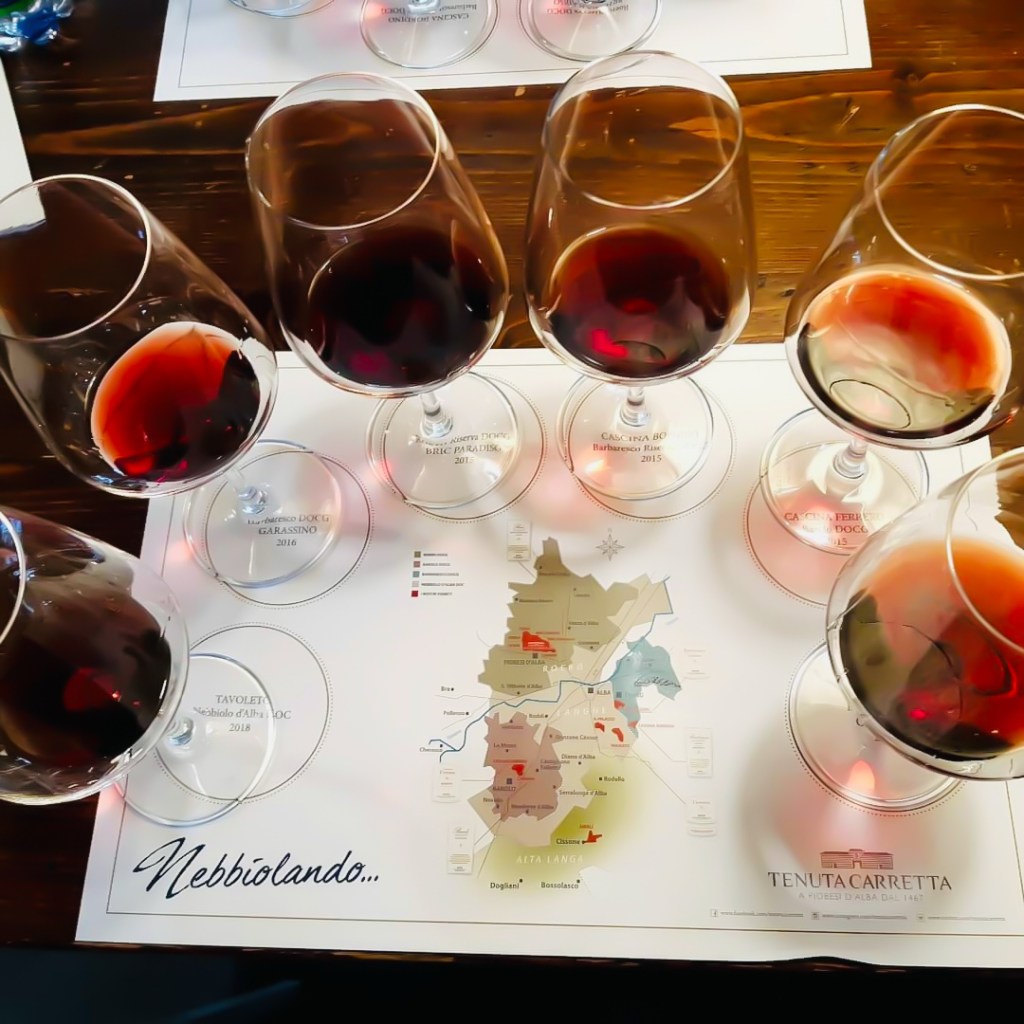
  • Nebbiolando: A unique tasting journey dedicated to Nebbiolo in all its forms. 
  • Wine Club: Exclusive access to rare vintages, special tastings and cultural events. 
  • The Grand Wine Tour: Membership in this elite circuit of luxury wineries reflects Tenuta Carretta’s international prestige. 

Piobesi d’Alba : The Setting 

The village of Piobesi d’Alba, near Alba, offers a tranquil backdrop to Tenuta Carretta. Surrounded by rolling hills, historic villages and vineyards, it is an ideal base for exploring Piedmont’s food and wine culture, including Barolo and Barbaresco. 

Tenuta Carretta: A Luxury Wine Destination 

Tenuta Carretta is not just a winery, it is an enduring symbol of Italian heritage, blending history, terroir, fine dining and luxury hospitality. From vineyards of Domina Careta Constanzi in the 14th century to the visionary leadership of the Migrolio family today, the estate continues to embody excellence. 
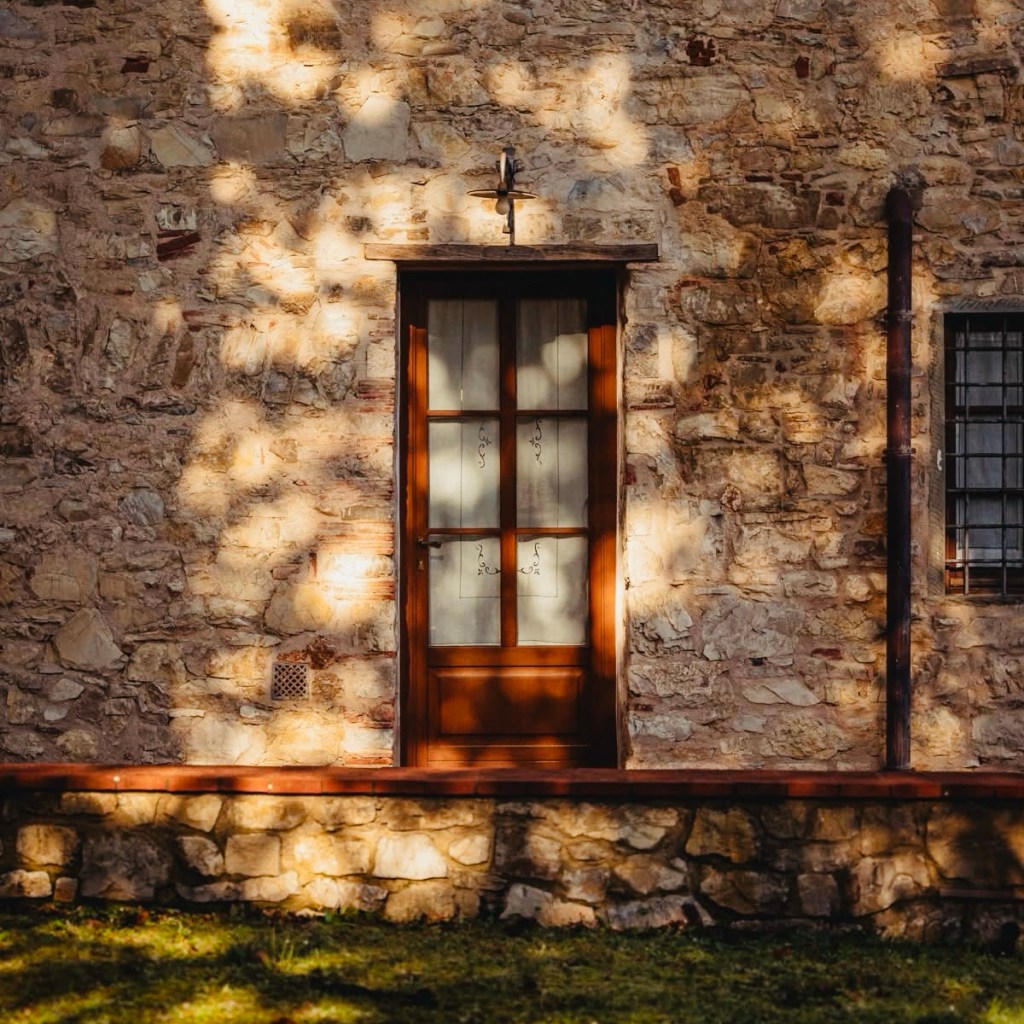
Tenuta Carretta is more than a destination. It is a timeless journey through Piedmont’s culture, flavors and landscapes !  

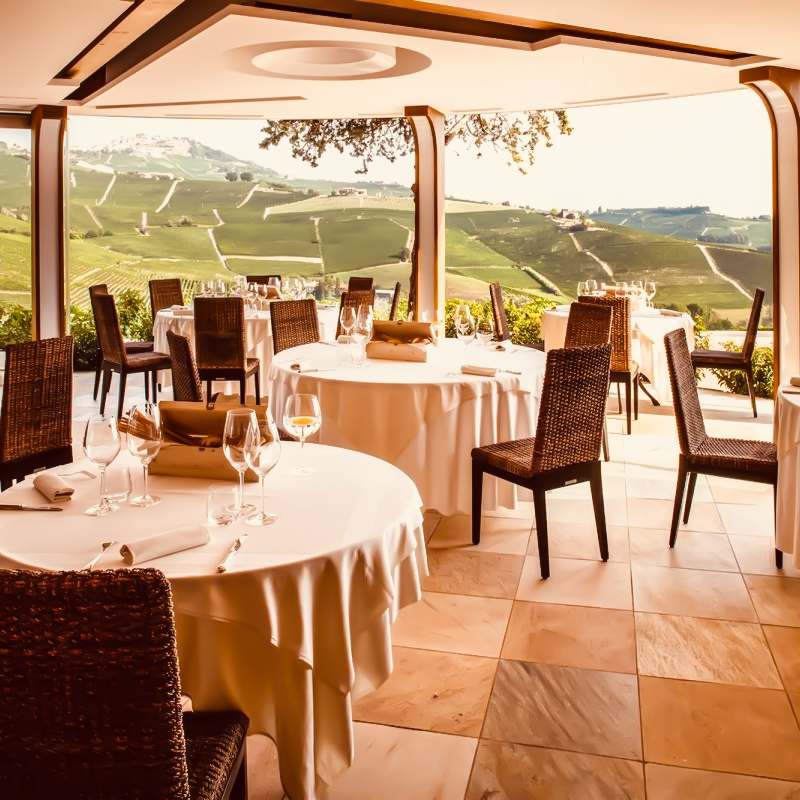
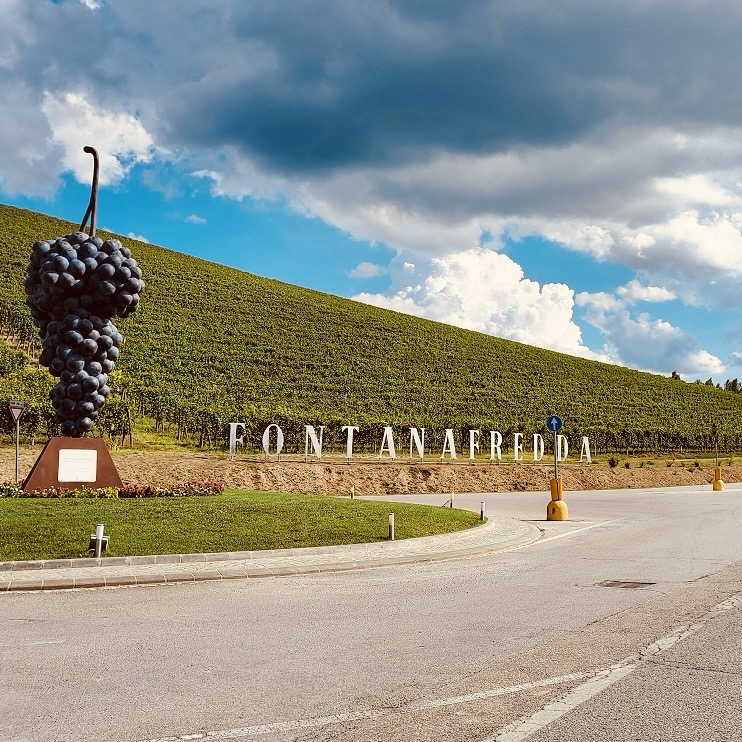
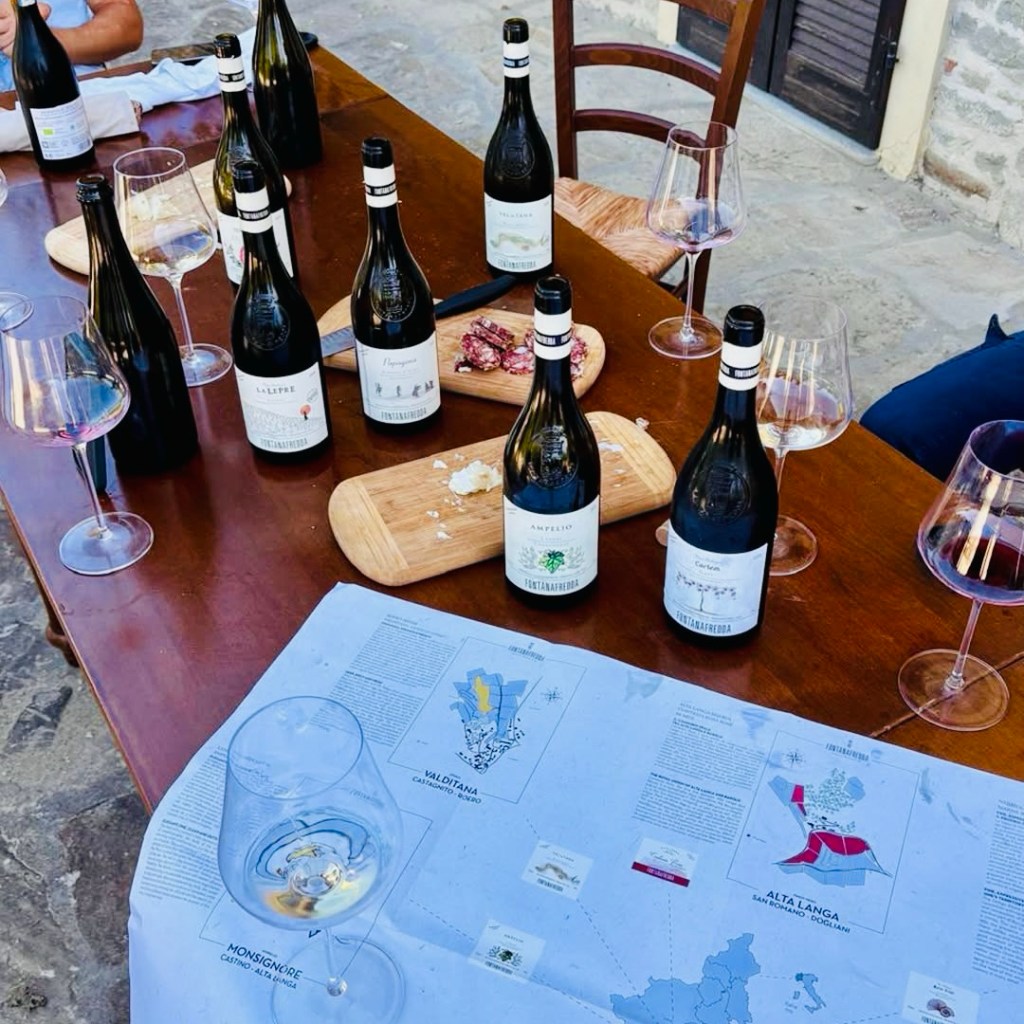
Fontanafredda: 1858 to the present. Founded by the first King of Italy.  Born of a Royal Love Story

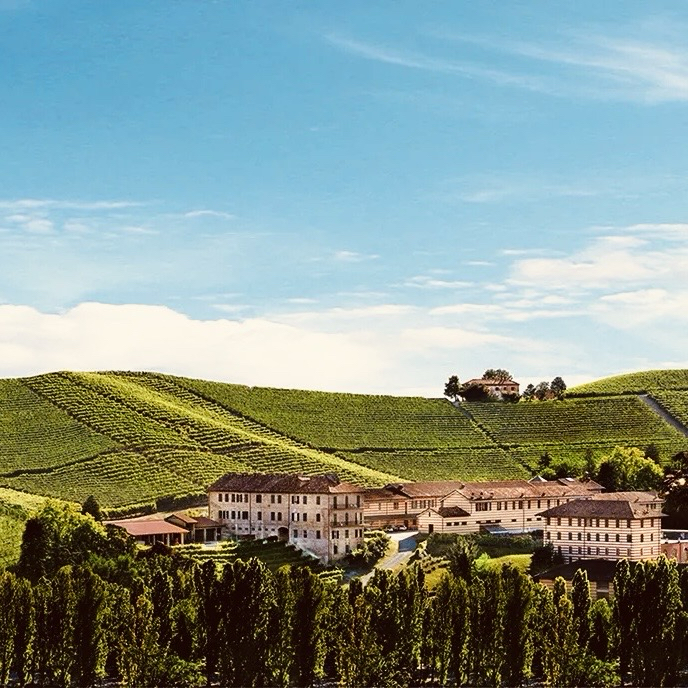
If there’s a single estate that captures the romance, power and evolving spirit of Barolo, it is Fontanafredda. This is a place where history isn’t just told, it’s lived in the vine rows that stripe Serraluna d’Alba’s hillsides, in the underground cathedrals of the historic cellars and in a 120 hectare organic estate that has turned sustainability into culture. What began as a Royal Love Story in 1858 has become one of the world’s most compelling luxury wine destinations today. 

1858: Born of King’s Love 

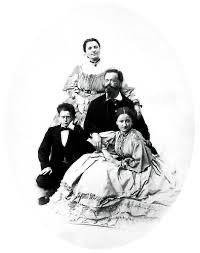
Fontanafredda’s origin is inseparable from Italy’s national story. In 1858, before the final unification of the country, VITTORIO EMANUELE II who was soon to be proclaimed the first KING of Italy acquired a beautiful estate in the Langhe as a romantic refuge for himself and ROSA VERCELLANA, known affectionately as “la Bela Rosin’. Their bond seeded a project that was both intimate and visionary. A working estate with noble ambition set amid woods and vineyards, meant to last for generations. 

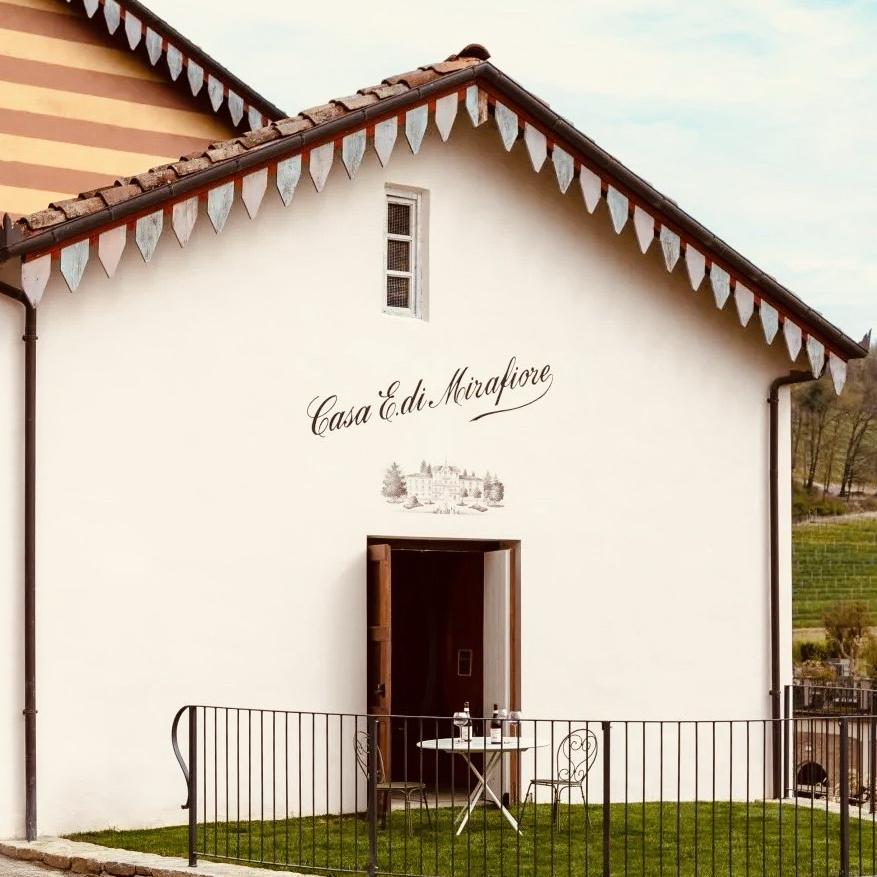
Their son, Emanuele Alberto di Mirafiore, would carry that ambition forward with entrepreneurial zeal. He professionalised the wine operations, gave structure to the estate and founded “Casa E. di Mirafiore”, a name that still stands for classic, site driven Barolo. Around cellars and farmhouses he built a real community, a “Village” where families lived, worked and studied, the first draft of what we now experience as the VILLAGGIO NARRANTE, the Narrative Village. 

From Crisis to Comeback: The Making of a Barolo Icon 

Like all great wine dynasties, Fontanafredda weathered storms. The late arrival of phylloxera in Piedmont and the economic crisis that followed forced changes in the early twentieth century. Yet the estate’s soul , the vineyards, the cellars, the knowledge endured. In the modern era, Fontanafredda reasserted itself not only as a historic Barolo house, but as a leader in hospitality and sustainability, opening its gates to the world. 

The Green Renaissance: Sustainability as a Culture 

Fontanafredda calls its sustainability program the Green Renaissance and it’s far more than a slogan. The estate farms approximately 120 hectares organically, stewarding soils and canopy with the long view in mind and nurturing biodiversity in and around the vineyards. Also includes Biodiversity corridors that include one of Langhe’s most storied woodlands, the Bosco dei Pensieri (Forest of Thoughts), the last significant forest of the Barolo Langa, home to century old trees, native flora and the quiet that only woods can give. Along with it, it also has the heritage cellars restored not as museum pieces but as working, breathing spaces where classic Barolo élevage time in large oak. 

The Wines of Fonatanafredda: A Complete Spectrum of the Langhe 

Fontanafredda’s range is unusually broad, but there’s a logic to it. The great NEBBIOLO expressions to historic sparkling wines and  Piedmontese classics for everyday pleasure. 

  • Renaissance: A thematic collection that symbolises Fontanafredda’s new era. Wines that read as contemporary while remaining deeply tied to place. Expect precision of fruit, fine tannins and an emphasis on drinkability without sacrificing depth. 
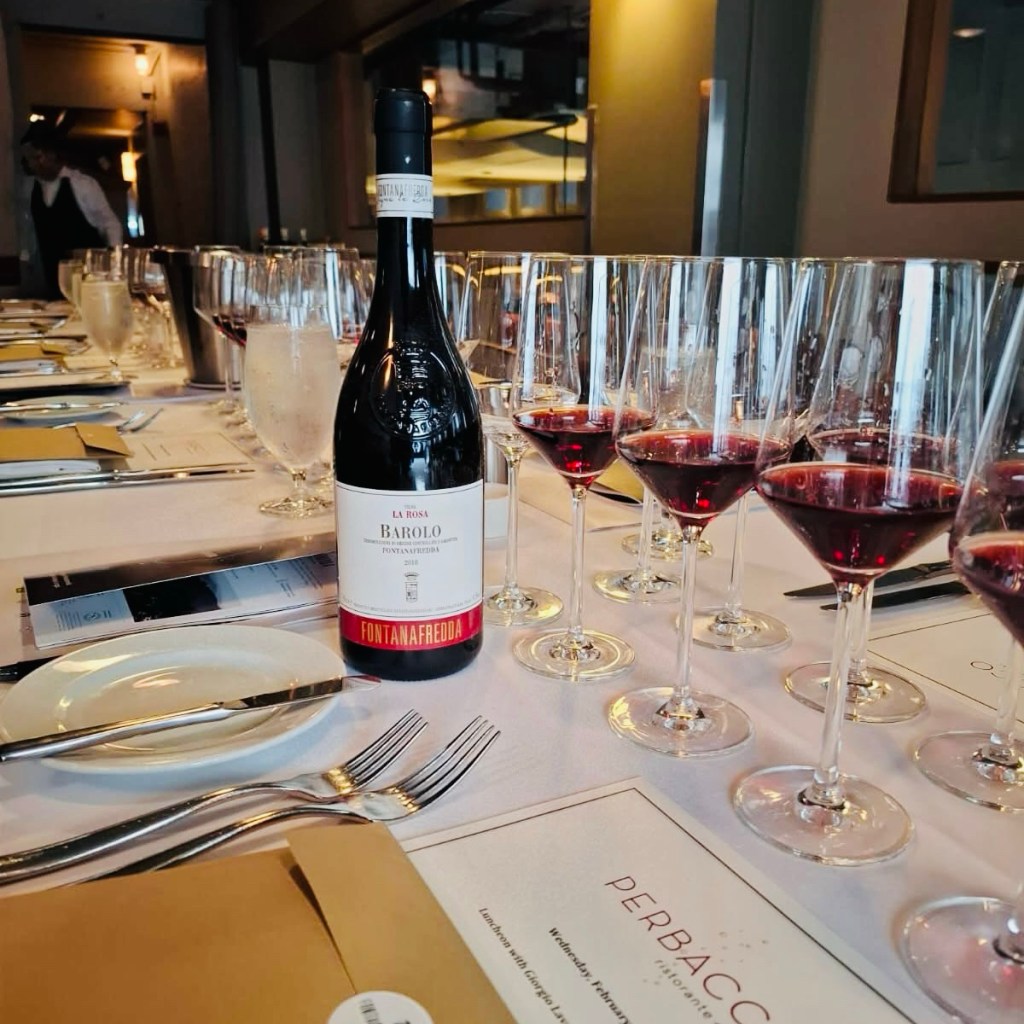
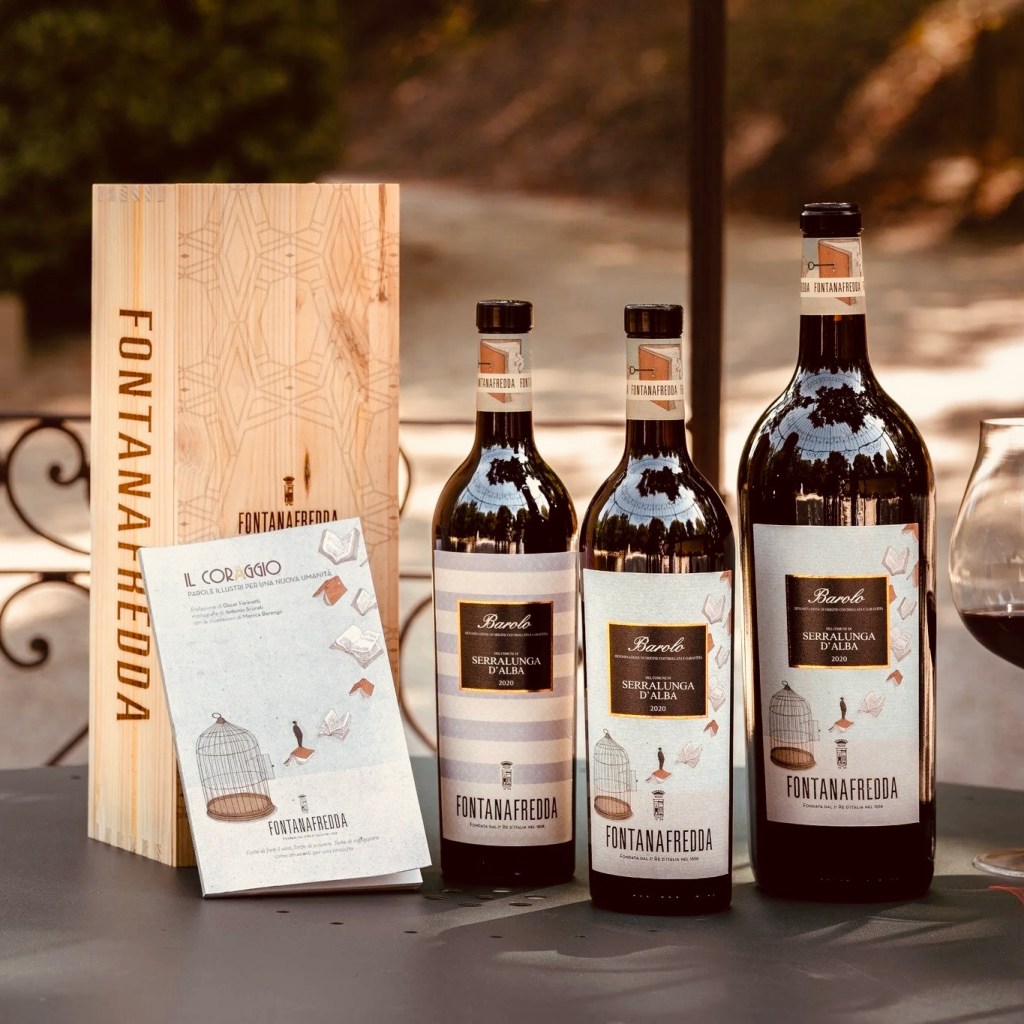
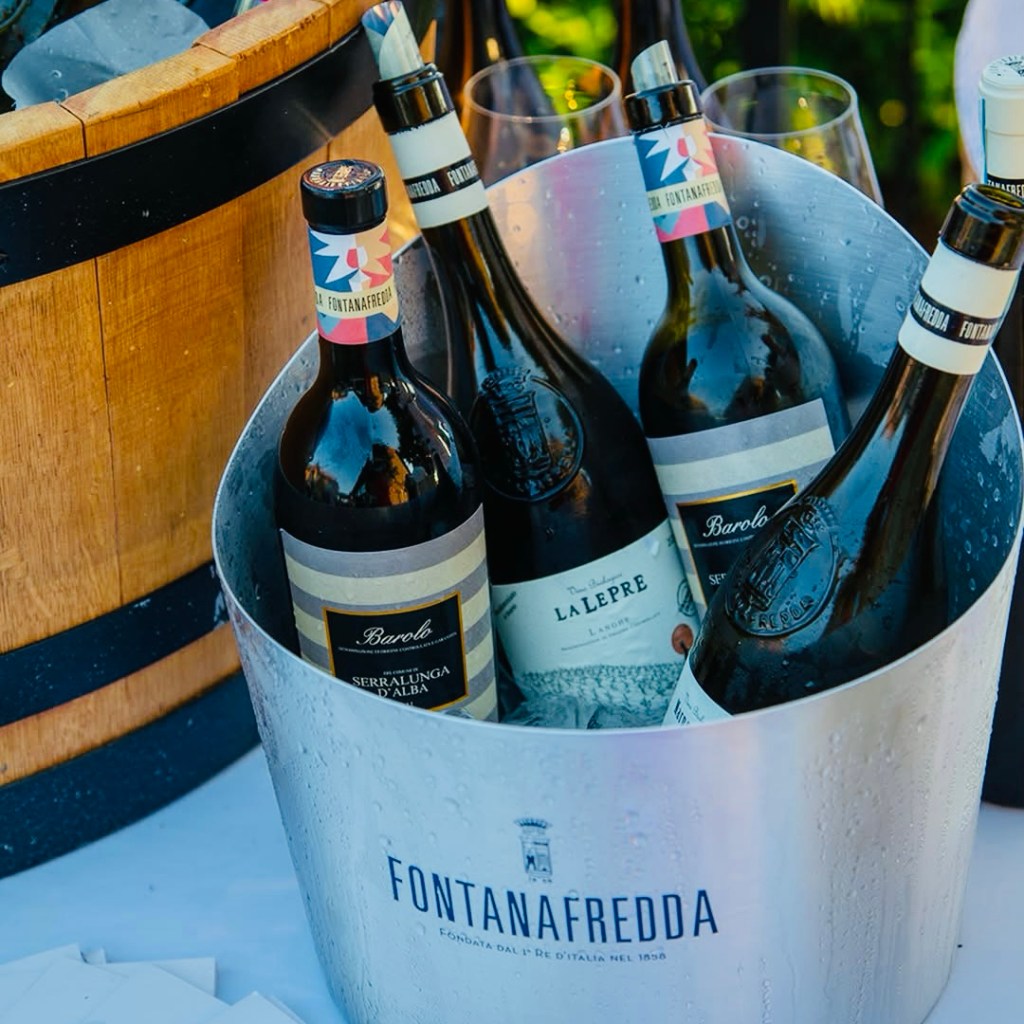
  • Barolo: This is the estate’s calling card, with bottlings that trace the Serralunga d’Alba terroir. Compact marl and sandstone, naturally giving structure, tension and longevity. Styles range from classically blended Barolo to cru expressions and riservas.
  • Vini Fini: The “fine wines” of the house, selection bottlings that highlight single vineyards, special parcels and long aged cuvées. This is where collectors find the most intricate, cellar worthy expressions, including top Nebbiolo and other rare releases that speak to the estate’s haute couture side. 
  • Vini Classic: Everyday Piedmont, elevated. Dolcetto, Barbera, Nebbiolo, Arnies, Cortese and more grape varieties that stock local tables, expressed with purity, typicity and balance. These panels offer a gateway into the Langhe’s flavors and are built for the table. 
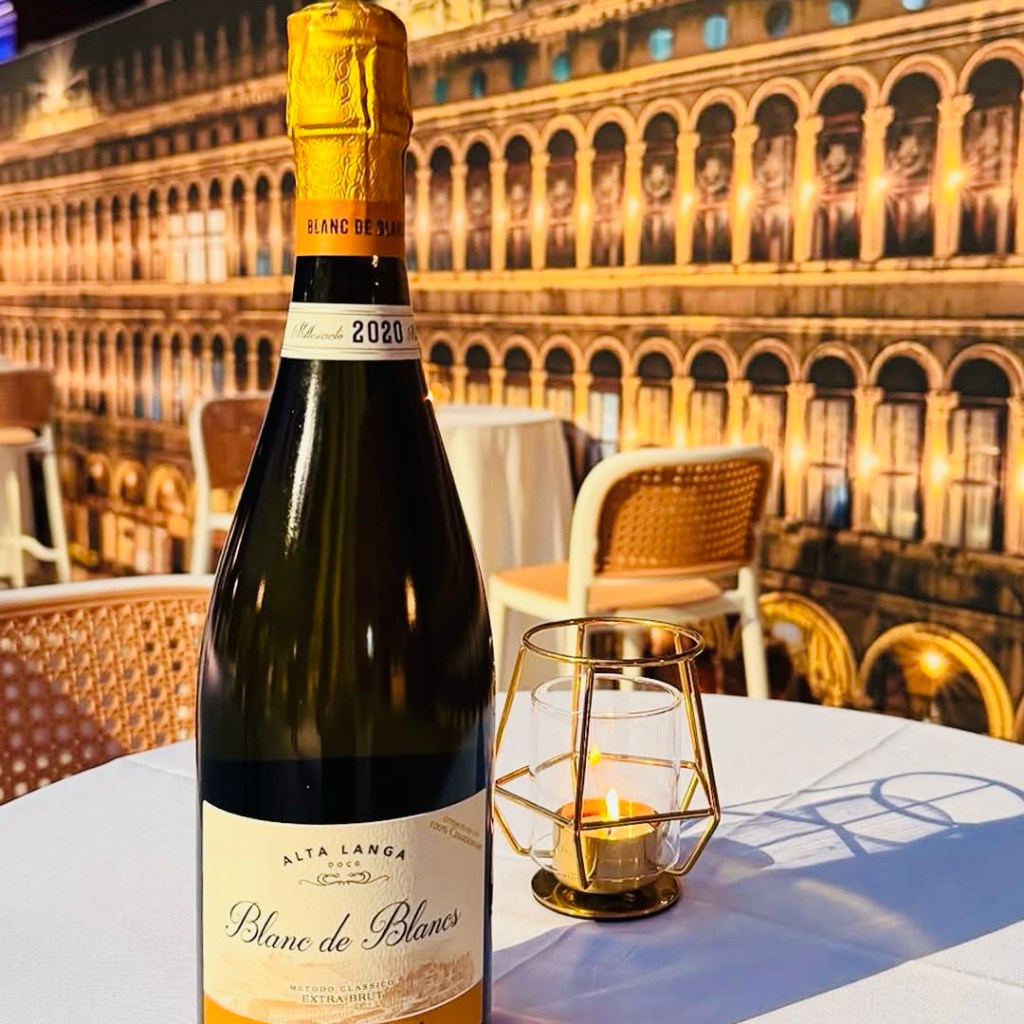
  • Alta Langa (Classic Method): Piedmont’s historic “Metodo Classico” sparkling category has become one of Italy’s most exciting appellations. Fontanafredda crafts traditional method wines(often from Pinot Noir and Chardonnay) that rest extensively on the less for depth, creaminess and a finely etched bead. 
  • Charmat Method: Aromatic Piedmontese classics. Asti, Moscato, Brachetto made by the tank method to preserve floral lift and fruit purity. 
  • Specially: A cellar drawer of distinctive expressions. Rare grapes, limited editions and historical curiosities that celebrate Piedmont’s diversity and the estate’s willingness to explore while remaining grounded. 

Barolo and the Barolo Renaissance 

In the past two decades, Barolo has undergone a quiet revolution. Call it a renaissance of nuance. Vinegrowers farm more precisely. Wineries prize transparency and terroir. Fontanafredda helped lead this return to measured extraction, large format wood and time that three ingredients that led Nebbiolo’s perfume and filigree tannin shine. 

The Wine Shop: La Bottega

Under the arcades of the village sits “La Bottega”, Fontanafredda’s wine shop. A curated stage for the estate’s full range. It’s more than a point of sale. It’s where tastings begin, where you can compare vintages, explore method and terroir side by side and pick up library releases and large formats that rarely travel beyond the estate. 

The People: Heritage, Visionary and Hands on Craft 

The estate’s modern revitalisation has been driven by “Oscar Farinetti and Luca Baffigo Filangieri, whose stewardship since the late 2000s has combined respect for tradition with an unambiguous push toward sustainability and hospitality. Members of the Farinetti family, including Andrea Farinetti are actively involved in the broader group and in the sister historic Casa E. di Mirafiore. A continuity that links the present to “Emanuele Alberto’s founding vision. 
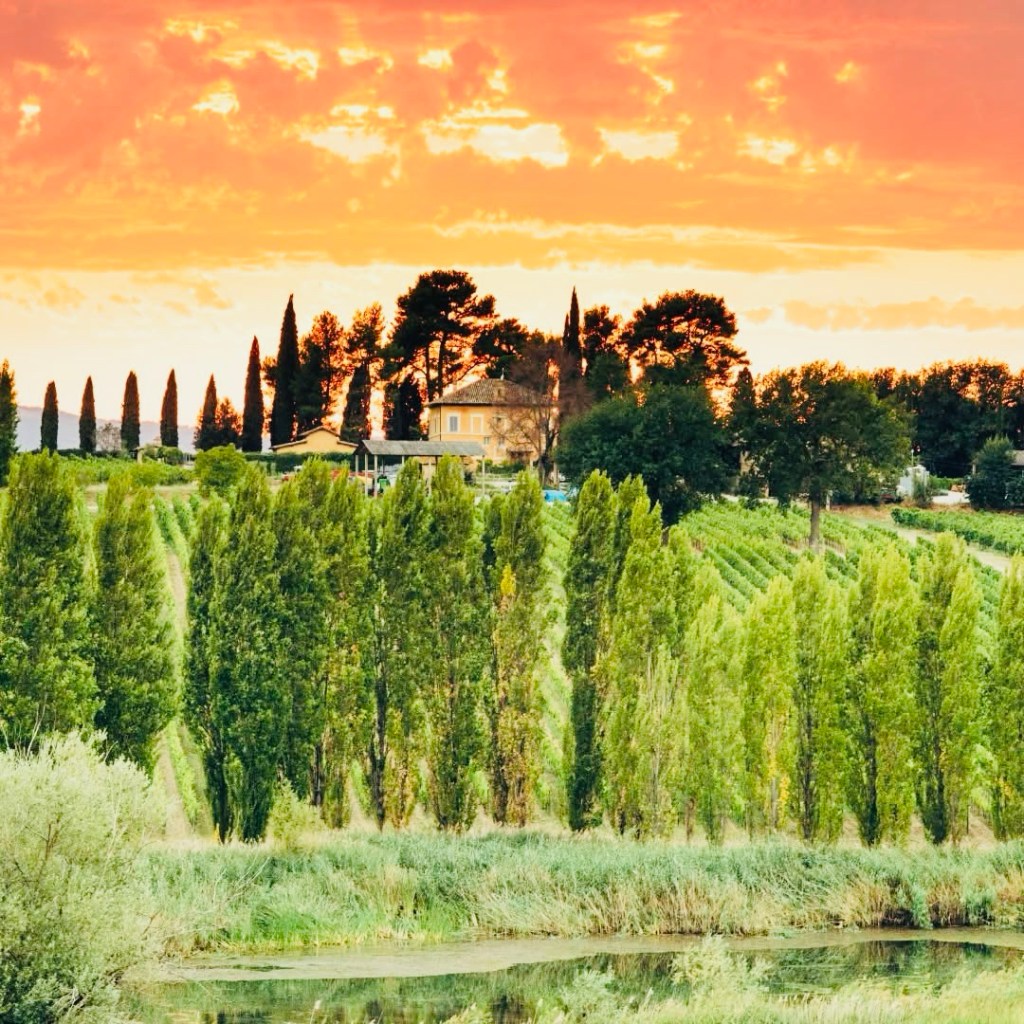
Winemaking and Vineyard Team

Giorgio Lavagna serves as the Technical Director and Chief Winemaker, guiding the cellar with a classically minded touch. In the vineyards, longtime chief agronomist Alberto Grasso leads the organic program and parcel by parcel Viticulture that underpins the estate’s quality. 

The culinary experience at the village is entrusted to the”Alciati” family. Ugo Alciati, a Michelin star chef, carries forward a culinary lineage begun by “Guido Alciati” and “Lidia Vanzino” in the 1960, articulating Piedmontese cuisine that is both rooted and refined. 

The Villaggio Narrante: A Narrative Village Devoted to Wine, Culture and Hospitality 

The historic heart of Fontanafredda has evolved into the Villaggio Narrante in Fontanafredda & Casa E. di Mirafiore. A complete destination that invites to eat, visit and love the Langhe in residence rather than in passing. 

Hotels & Retreats 

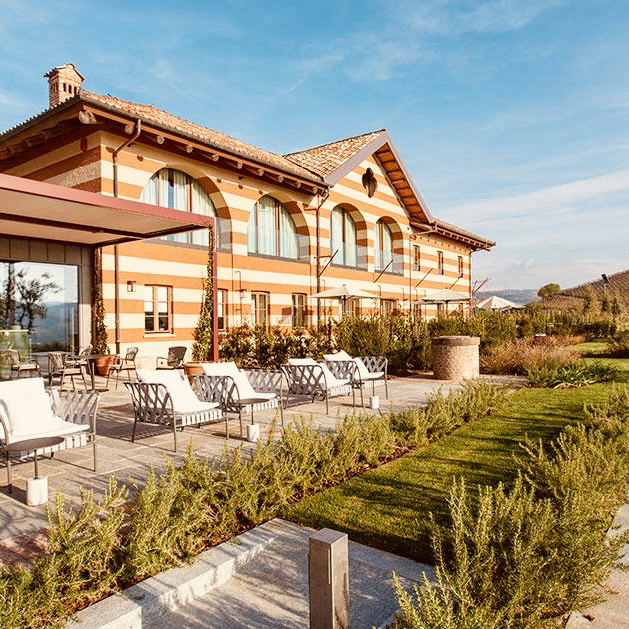
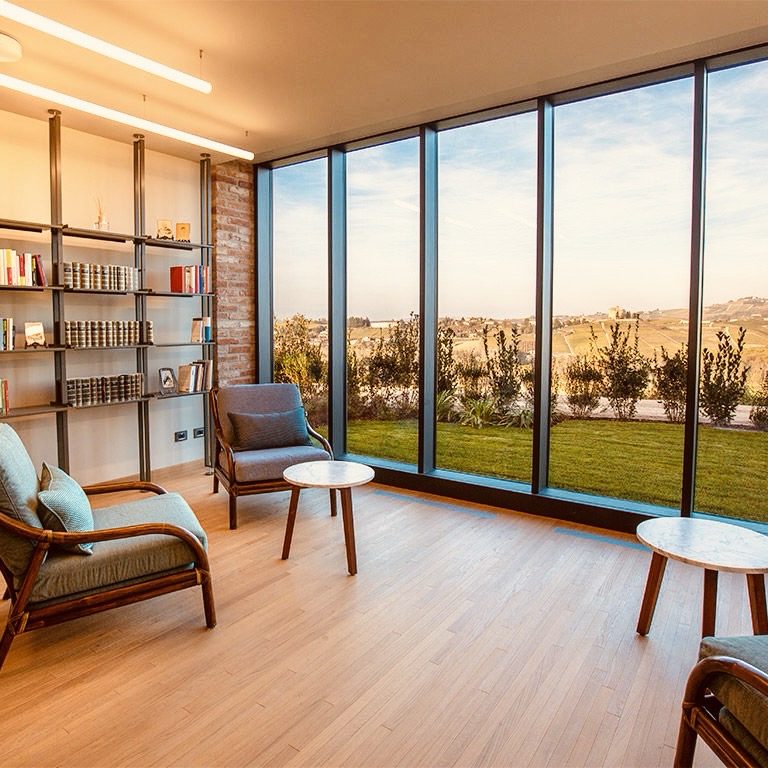
  • Hotel Le Case dei Conti Mirafiore: A refined stay amid UNESCO World Heritage Site. Le Case dei Conti Mirafiore is a terrace over the vine rows that blends period character with contemporary comforts. Think classic Piedmontese architecture, elegant rooms and expansive vineyard views. 
  • Cascina Galarej – Hotel & Spa: What was once a romantic refuge in 1858 for Vittorio Emant II and Rosa Vercellana now welcomes guests as “Cascina Galarej” a boutique hotel and spa where suites frame the vineyards and wellness rituals echo the landscape’s calm. It’s the estate’s most intimate address. 
  • Foresteria delle Vigne: A charming house style foresteria (guesthouse) where time slows down. Polished yet unpretentious, it’s ideal for travelers who want the vineyard life at arm’s length. 

Restaurants & Bars 

  • Guido Ristorante – A Michelin Star in the Royal Villa: Housed in the Royal Villa, Guido Ristorante brings a Michelin star to the village. Founded in 1960 in Costigliole d’Asti by Guido Alciati and Lidia Vanzino, it now thrives under Ugo Alciati. 
  • Osteria Disguido – The Simple Tastes of Tradition: An ode to the local trattoria. Seasonal produce, regional recipes, generous hospitality. The menu is bright with Langhe staples and the wine list spans the estate’s full spectrum. 
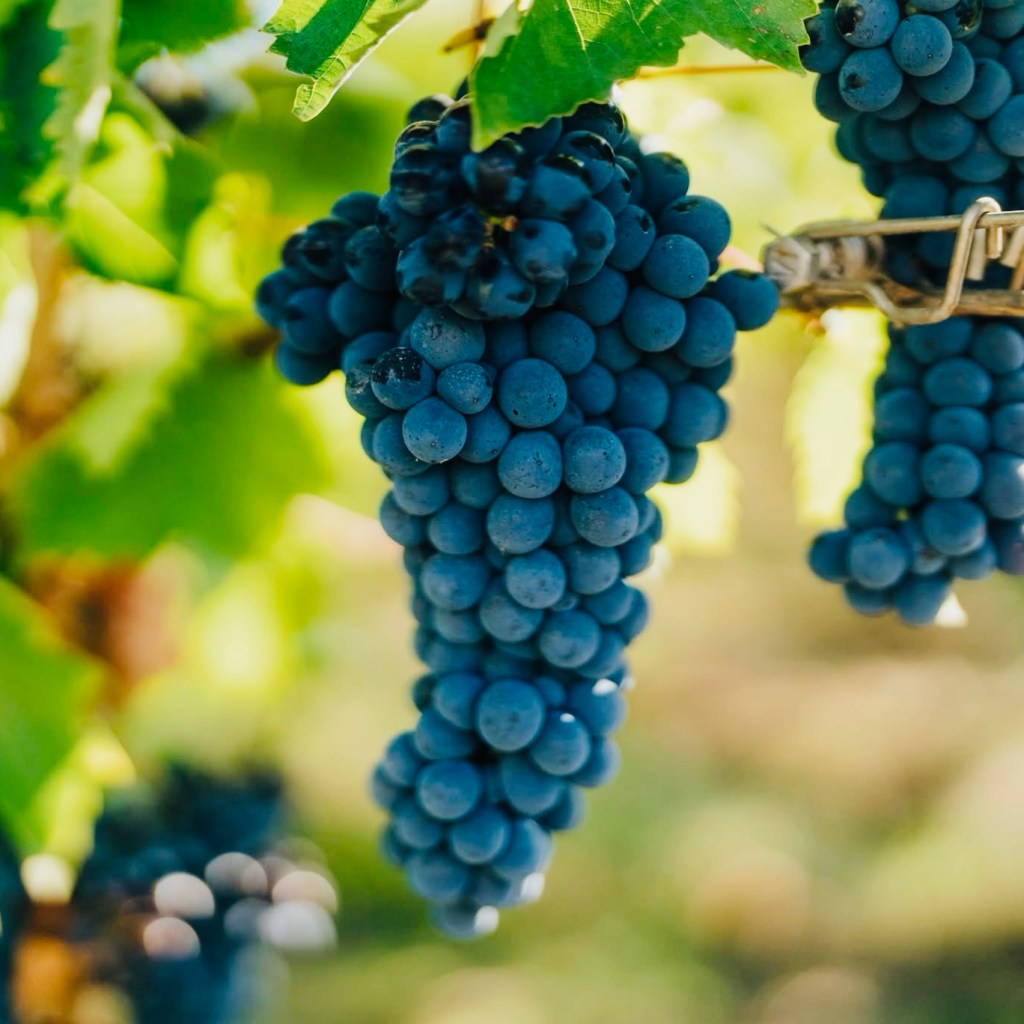
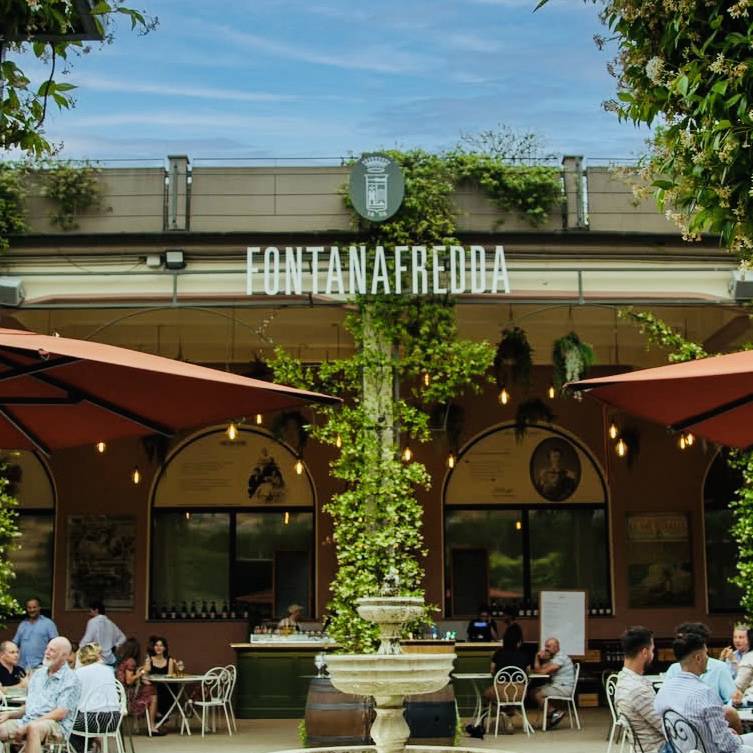
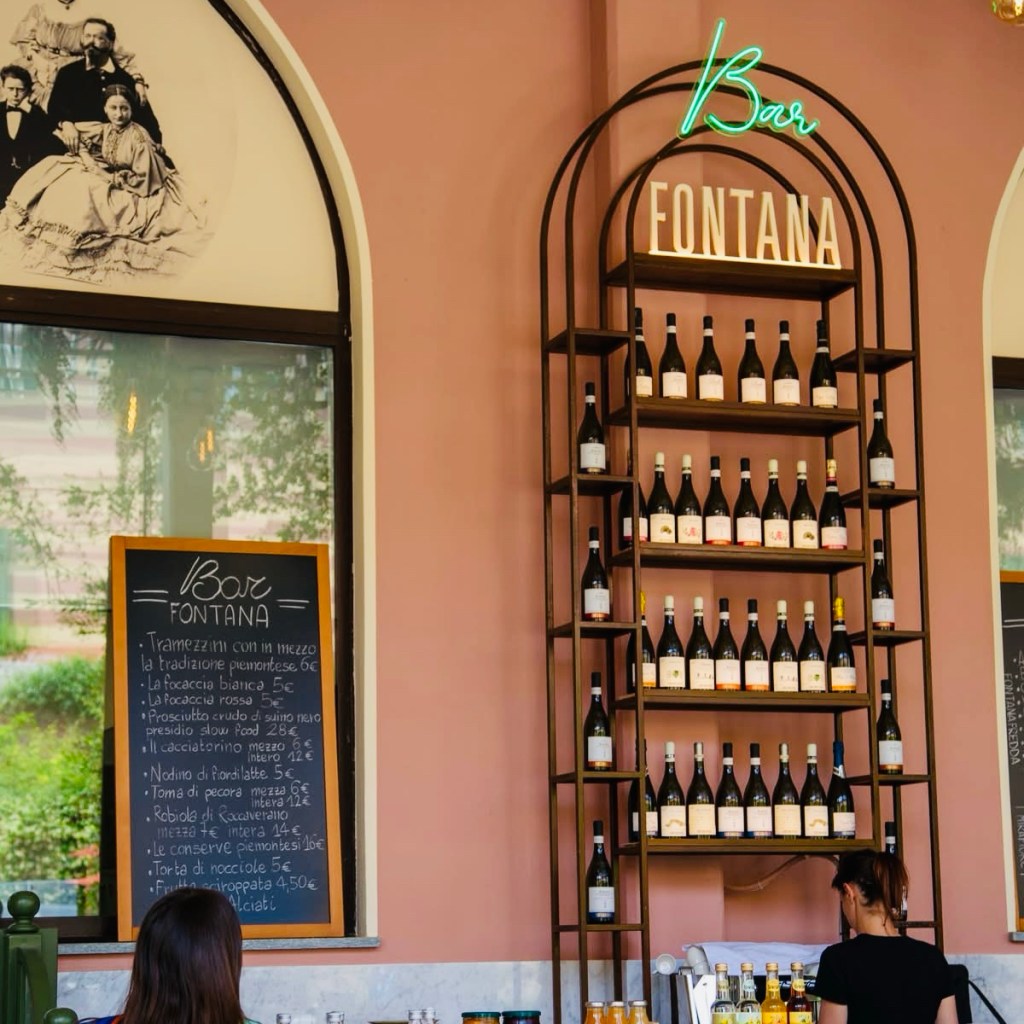
  • Bar Fontana by Ugo Alciati – The Authentic Taste of Langhe: Under the village arcades, Bar Fontana offers pastries in the morning, aperitivo before dinner and a terrace vantage point to watch village life unfold. 

The Historic Cellars & The Royal Icehouse (King’s Refrigerator) 

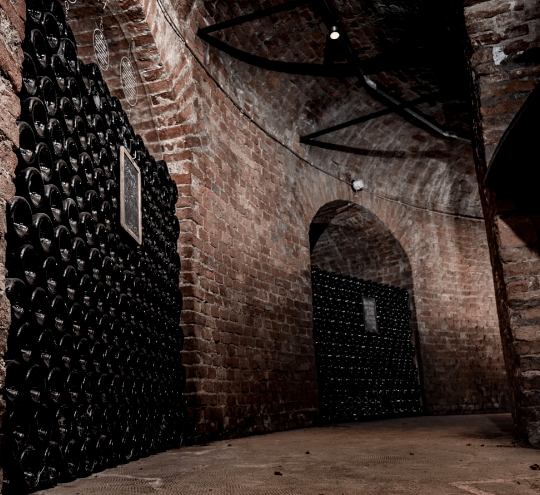
Fontanafredda’s cellars: arched, cool and still have a working heritage. Here, you walk among barrels that have shaped generations of Barolo and you feel the patience that Nebbiolo demands. Nearby stands a curiosity of nineteenth century ingenuity: “THE ROYAL ICEHOUSE” (The King’s Refrigerator), built in 1881. A circular brick structure designed to store winter ice for year round cooling. It’s a time capsule of royal life and a testament to how innovation and comfort were sought long before electricity made them easy. 

The Last Forest of the Barolo Langa 

Bordering the vineyards is the “Bosco dei Pensieri”, the last remaining forest of the Barolo Langa. A sanctuary of chestnut and oak where paths meander through dappled light. It’s as much an experience as a place.

Experiences: From Cellar Tours to Harvest Festival 

The village programs a year round calendar of tours, tastings, cultural talks, concerts and seasonal highlights. The most emblematic is the “FESTA DELLA VENDEMMIA” (The Harvest Festival). A joyous celebration of wine, food, music, art and the age old ritual of grape picking and pressing. 

Events & Weddings 

With its historic courtyard, vaulted cellars and panoramic hotel suites, Fontanafredda is an ideal setting for weddings and private events. The culinary program from the Alciati family and the estate’s sommelier team ensure that menus and pairings are as considered as the setting. 

Terroir & Vineyards: The Serralunga Signature 

Serralunga d’Alba is Barolo’s spine. Soils packed with ancient marl and sandstone, exposures that slow ripening and elevations that preserve lift &  line in Nebbiolo. 

  • Nebbiolo: Finds its highest calling here. Perfume, tannic architecture and a long arc of development. 
  • Barbera: Shows dark fruit and natural acidity. Ideal for the trattoria table and beyond. 
  • Dolcetto: Gives joyful, violet scented reds for early drinking 
  • Arneis & Cortese: Brings orchard fruit, alpine freshness and a saline snap to the whites. 
  • Pinot Noir & Chardonnay : In higher, cooler parcels from the backbone of the estate’s Alta Langa sparkling wines. 

Fontanafredda a Luxury Wine Destination 

Luxury at Fontanafredda is not gilded, it’s grounded in ingredients , in service, in the intimacy of the place. You wake up to vineyard light, spend the morning in the cellars, lunch on tajarin, walk the Bosco dei Pensieri in the afternoon and sit down to a Michelin starred dinner in the Royal Villa before a night cap under the arcades. 

Barolo & Piedmont: The Luxury Journey Beyond the Estate

Make Fontanafredda your anchor and  Serralunga d’Alba your compass. Within minutes lie the grand crus of Barolo, the truffle markets of Alba, artisanal cheese makers and hazelnut groves that scent the air each autumn. This is a region that measures luxury not by spectacle, but by craft, time and taste. A perfect counterpoint to the pace of modern travel. 

Fontanafredda: By the King 

From a King’s romantic refuge to a modern place of Wine, food and forest, Fontanafredda has never lost sight of why it exists. To honour a place and the people who bring it to life. The Barolo renaissance here is something you can walk, smell and pour. 

FONTANAFREDDA – WHERE KING’s LOVE BECAME BAROLO’s VOICE 

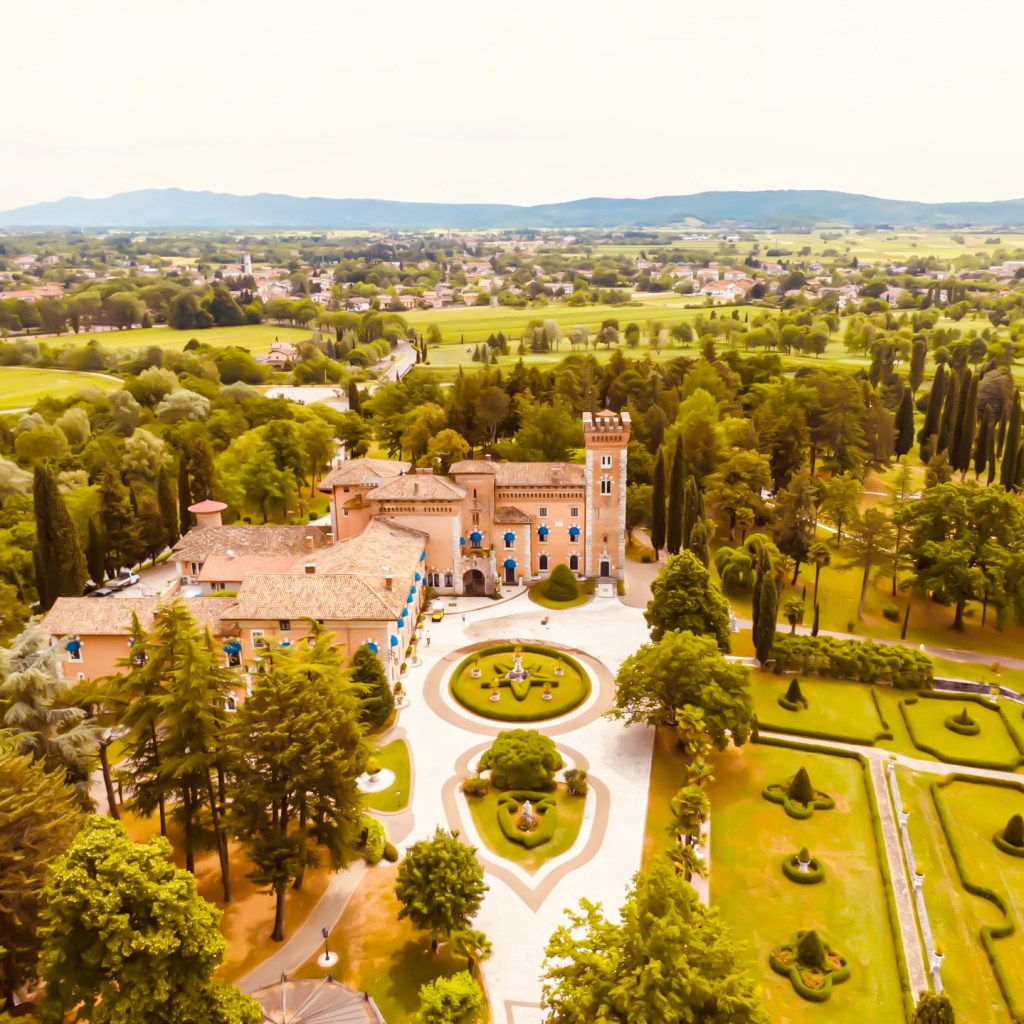
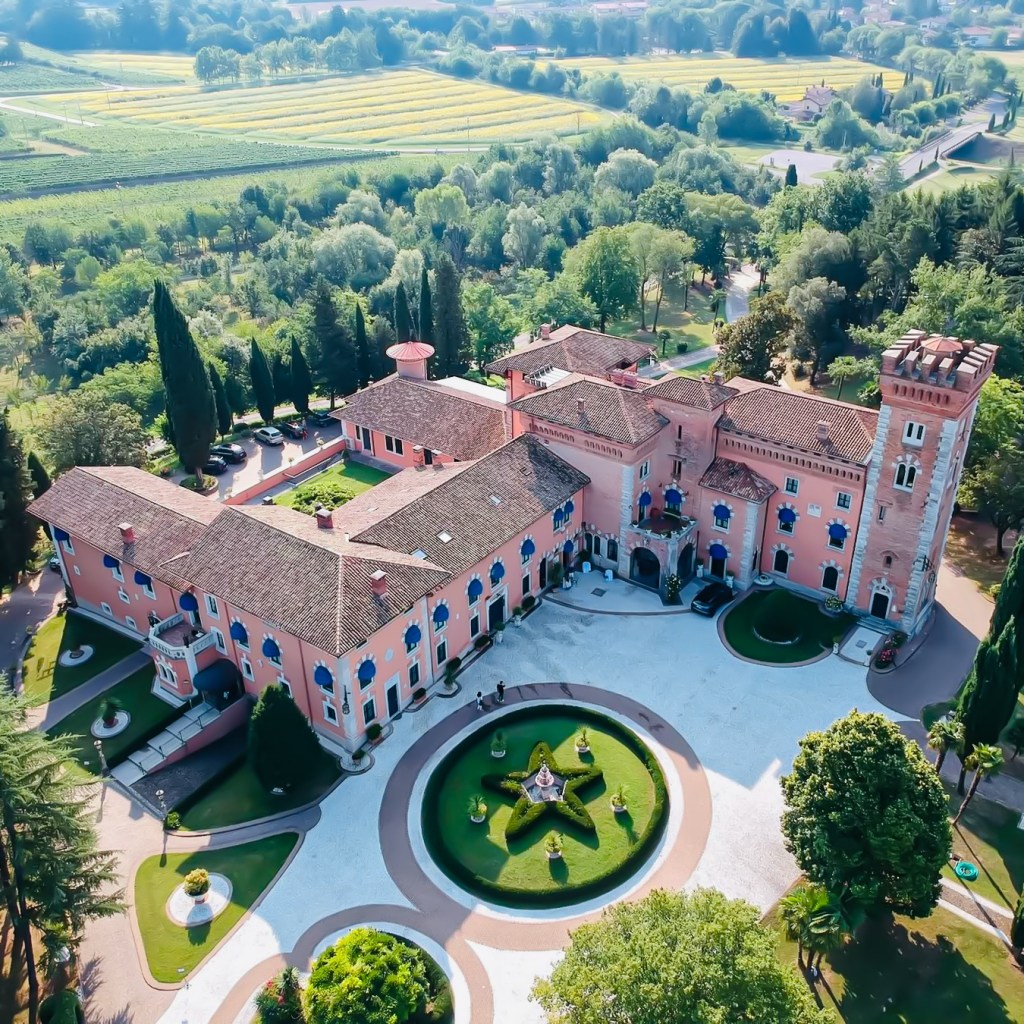
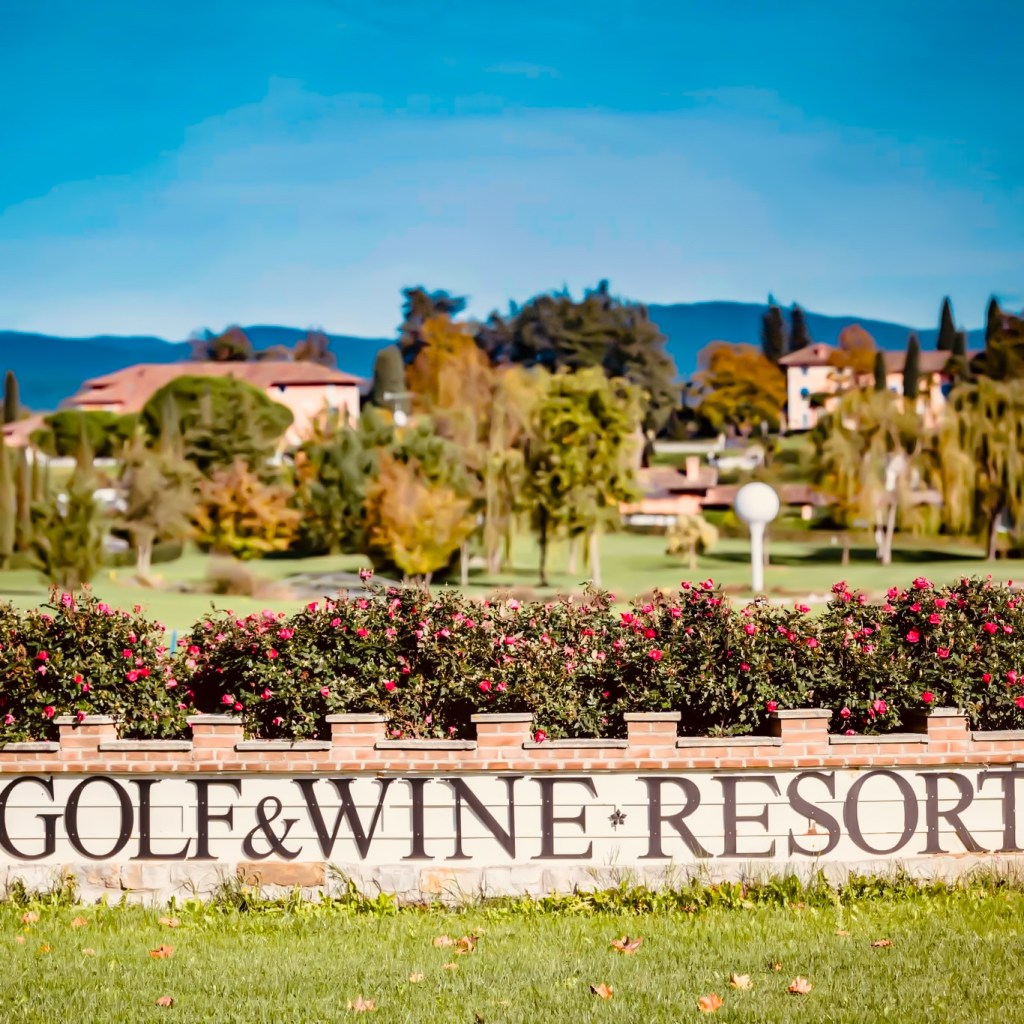
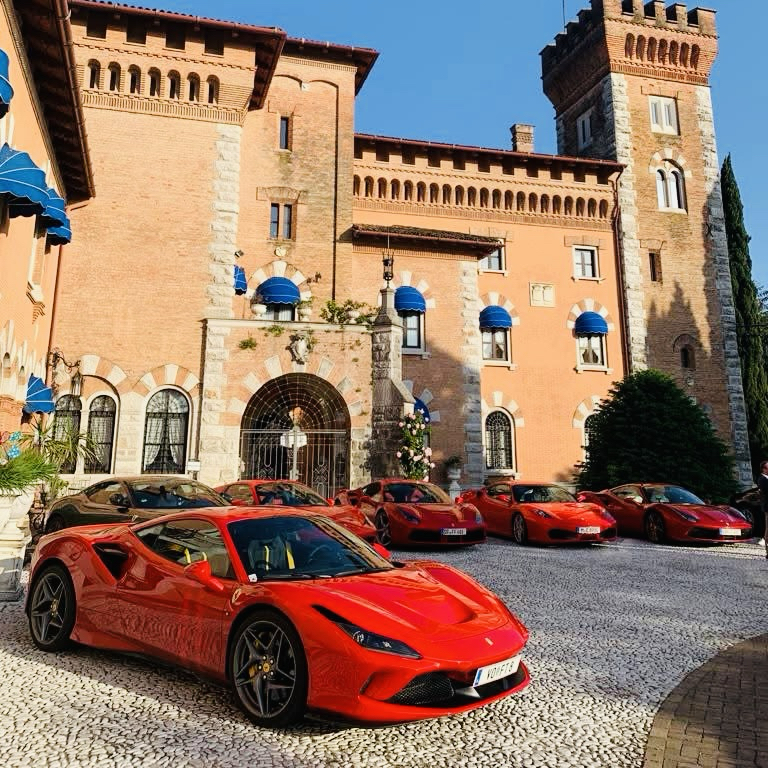
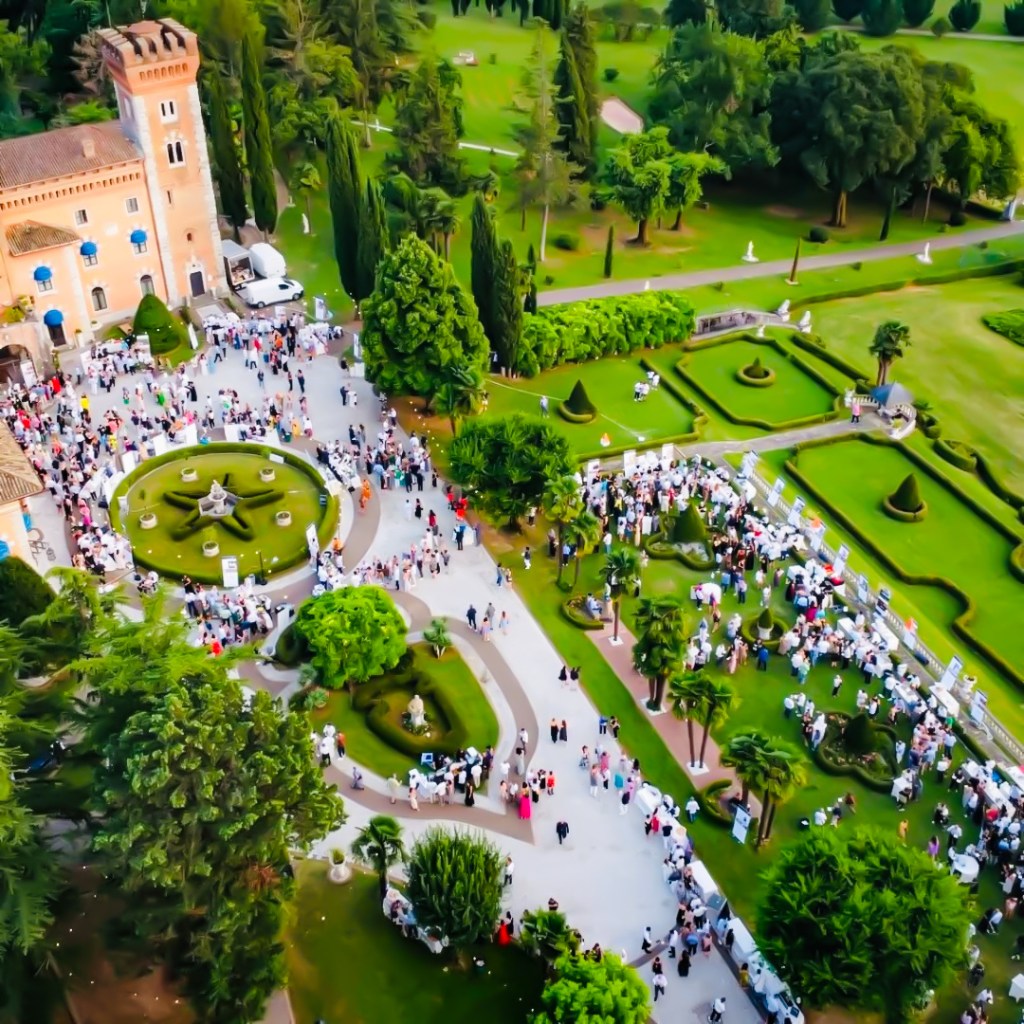
Castello Di Spessa Golf & Wine Resort: From 13th Century Walls to Fine Wine & Timeless Luxury 

A Storied Past and Timeless Heritage 

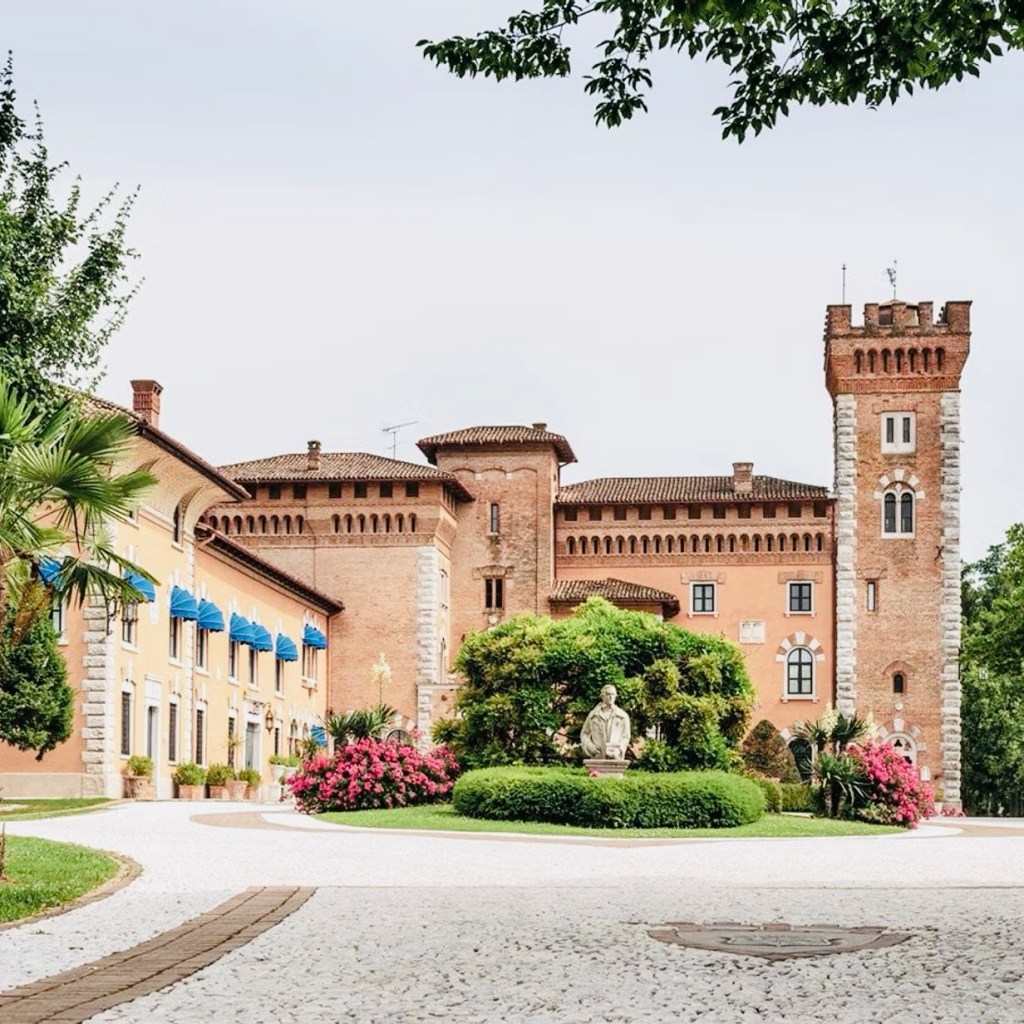
Castello di Spessa’s origins trace back to at least the 13th century, built upon even earlier Roman and Lombard settlements. Over the centuries, the estate passed through illustrious lineages – Durinbergo (Dornberg), Rassauer and the Della Torre Valsàssina family said to descend from Charlemagne. Such noble associations imbued the castle with cultural gravitas. In 1773, Giacomo Casanova spent two months at the estate and reflected on its excellent wine in his memoirs. 

It was in 1987 that Italian entrepreneur “Loretto Pali” acquired the castle and its vineyards, giving birth to what we know today as “Castello di Spessa” Golf & Wine Resort & SPA. 

The Pali Family : Guardians of Tradition & Innovation 

Loretto Pali embodied Friulian pride and entrepreneurial acumen. He expanded the estate, bringing together vineyards across “COLLIO and ISONZO”, and guided it toward global recognition. Enlisting the expertise of oenologist “Enrico Paternoster” in 2014 catalysed a renaissance in production quality, introducing refined wine lines like “Eccellenza del Conte” (for extended aging) alongside the traditional DOC Collio and DOC Isonzo wines. 

The Terroir & Vineyards: Nature’s Poetic Palette 

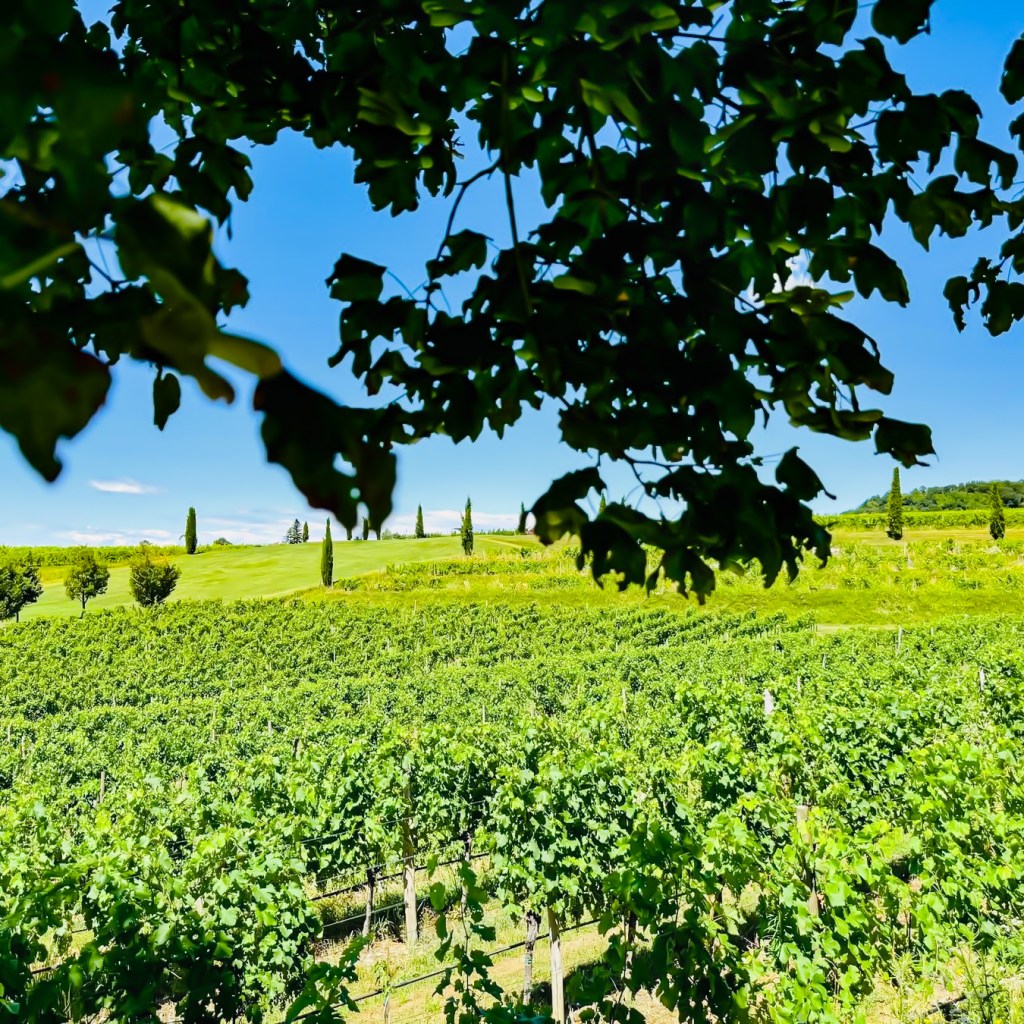
Nestled in Collio Goriziano, between the Julian Alps and the Adriatic, these rolling hills benefit from cool alpine breezes and maritime influences, ideal for growing nuanced grape varieties. Soils composed of Ponca, Eocene origin marl and sandstone lend minerality, structure and age worthiness to the wines. 

Vineyards: The estate spans approximately 83 hectares in Collio and 55 hectares in Isonzo. Grapes flourish under low yield, night harvest regimes with varietals such as :

  • Whites: Friulano, Ribolla Gialla, Sauvignon Blanc, Chardonnay, Pinot Bianco, Pinot Grigio 
  • Reds: Pinot Nero, Merlot, Cabernet Sauvignon 

Recent innovations include ultra premium Pinot plots: “VIGNA DEI 3 PINOT, cultivated with “Simonit & Sirch methods for Burgundy/Champagne level quality. 

Castello di Spessa Wines: From Classic to Crus 

Castello di Spessa’s wines are grouped into three principal categories: 

  1. Eccellenze del Conte: Crus intended for long term aging 
  2. DOC Collio & DOC Isonzo lines: Elegant, terroir expressive 
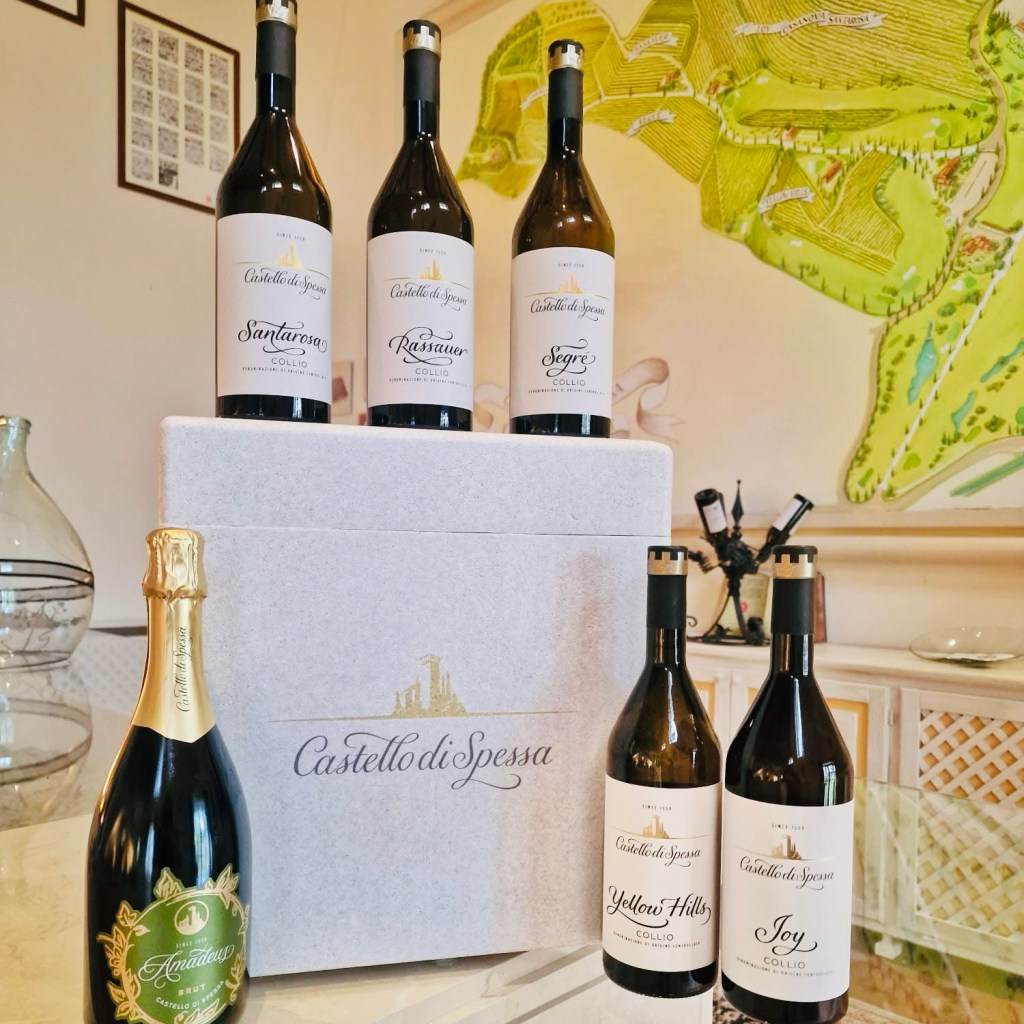
  3. Spumante and Other Specialties: Including method classic bubbles like “Amadeus” 

Signature Labels 

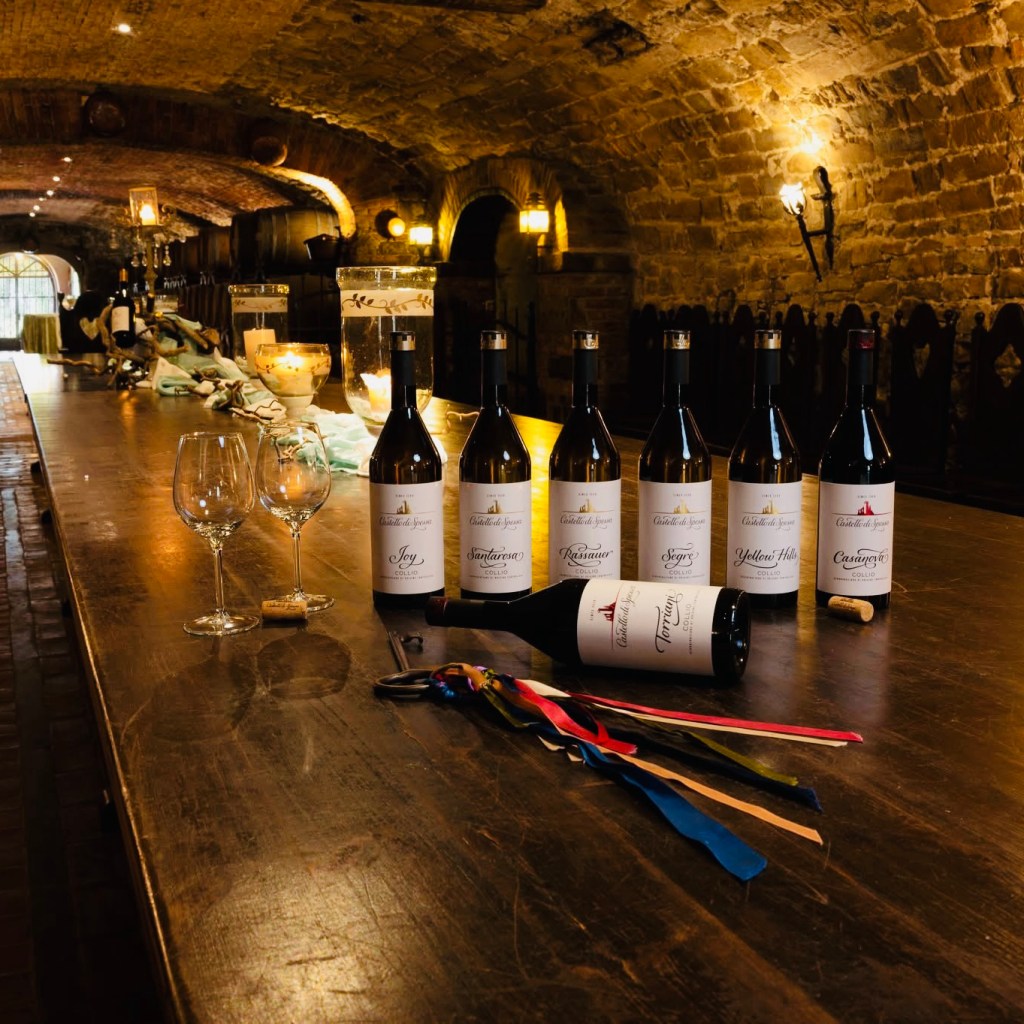
  1. Sauvignon Segré (2022) 
  1. Pinot Bianco Santarosa, Ramato Joy (Pinot Grigio), Ribolla Gialla “ Yellow Hills”, Friulano ‘Rassauer’, and Bianco Collio Riserva San Serff reflect district identities. 
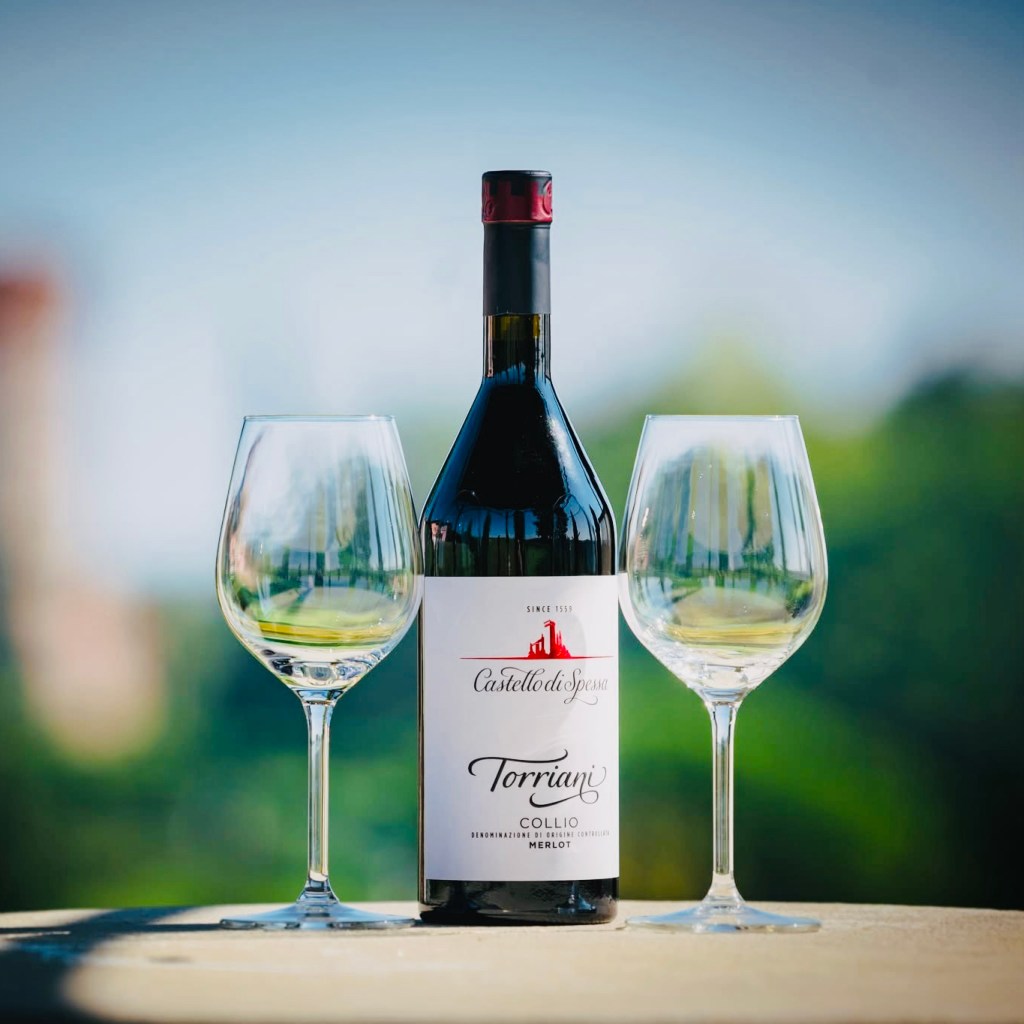
  1. For Reds: Merlot Torriani, Pinot Nero Casanova and Rosso Collio Riserva San Serff deliver structure and regional sophistication 
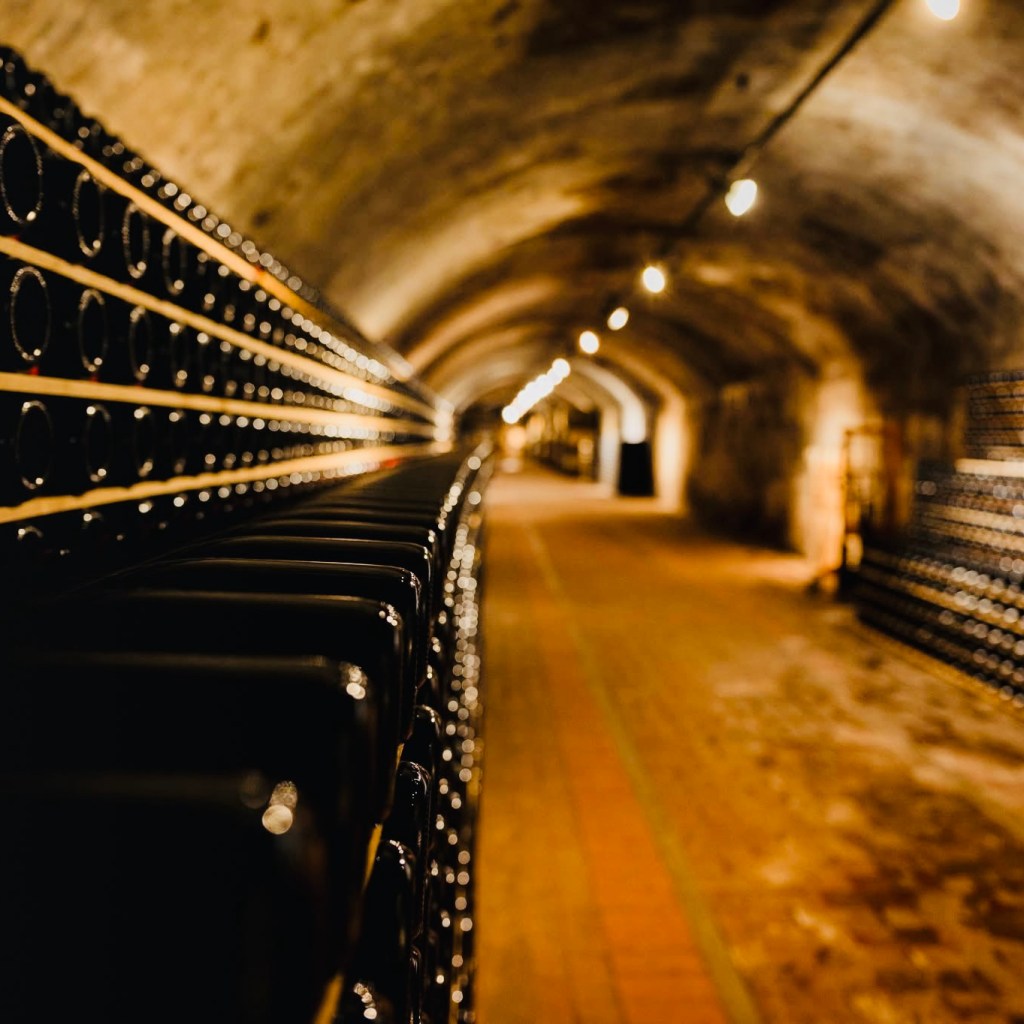
  1. The Medieval cellars and WWII era bunker (rediscovered in 1987) at 18 metres provide ideal constant 14 degrees Celsius for aging the “Cru” and spirits like Grappa Riserva Conte Ludovico. 

Wine Estates & Production:

Vineyard cultivation, harvest, winemaking, bottling occurs in house. Night harvest preserves freshness, low yields focus aromatic intensity, varietal specific vinifications honor regional clarity. Annual production hovers around 450, 000 – 500,000 bottles. The medieval cellars and WWII bunker provide optimal aging conditions for superior wines and spirits. 

The Cellars & The Bunker: A Hidden Vintage Vault 

Castello di Spessa has two levels of Cellars: 

  • Barrel Cellars in medieval foundations
  • A subterranean WWII bunker, rediscovered in 1987 connected via stairway for aging fine wines and spirits. 

Experiences: Visits, Tasting & Immersion 

Explore guided wine tours through medieval cellars and the bunker, pairing tastings with delectable local fare in venues like “La Tavernetta al Castello” and “Hosteria del Castello”. 

  • Green Theatre: Open air cultural performances
  • High Vine Paths for walking amid vineyards 
  • A scenic heliport, and proximity to regional cultural treasures. 

The Luxury Resort: Castello, Tavern, Farmhouse & Apartments 

Accommodations:

  • Castle Suites: Antique furnished junior suites evoking 18th century nobility and offering views over gardens and vineyards. 
  • The Tavernetta, Hosteria del Castello, and Bistrot II Gusto di Casanova. Three distinct yet unified culinary venues offering everything from refined dining to casual charm. 
  • Farmhouse on the Hill & Apartments in the Vineyards: Rustic, serene options for guests seeking tranquility.
  • The estate also hosts an 18 hole “GOLF COURSE” that weaves through vineyards and wooded hills. A true blend of sports and serenity. 

Gastronomy & Venue: La Tavernetta & Castle Dining 

La Tavernetta al Castello offers refined gourmet dining with regional ingredients, while Hosteria del Castello and the bistro deliver informal yet elegant options. The team, guided by Chef “Antonino Venica”, tailor menus for events, galas, weddings or business. 

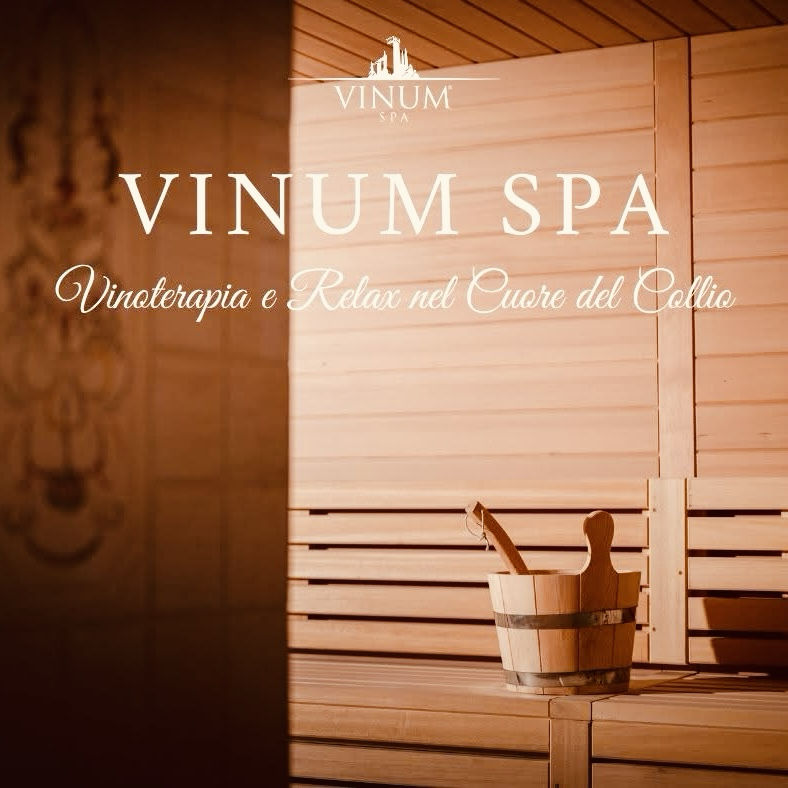
The VINUM SPA : Therapy in Luxury 

Nestled in the former stables, the VINUM SPA spans 2,000 m² and is entirely Vinotherapy focused. Includes Finnish Sauna and treatments use estate produced grape seed oil, wine creams and GRAPPATHERAPY”. 

“Loretto Pali” aptly summarises: “IN WINE THERE IS JOY, HEALTH & BEAUTY 

Friuli Venezia Giulia : A Luxurious Wine Land 

Friuli Venezia Giulia is a jewel among Italian wine regions. Where Alpine & Mediterranean climates meet and geologic diversity yields expressive, age worthy wines. Slow food traditions, artisanal craft and captivating landscapes have established the region as a sophisticated luxury travel destination. Castello di Spessa amplifies this by blending hospitality, heritage, romance and sensory luxury, creating a destination for connoisseurs and travellers. 

Castello di Spessa 

At its core, Castello di Spessa is a harmonious union: historic castle, lush vineyards, masterful winemaking, restorative Spa, epicurean dining, elegant lodging, cultural experiences and events infused with souls. It offers a deeply human, naturally luxurious escape within Italy’s most graceful landscapes. 

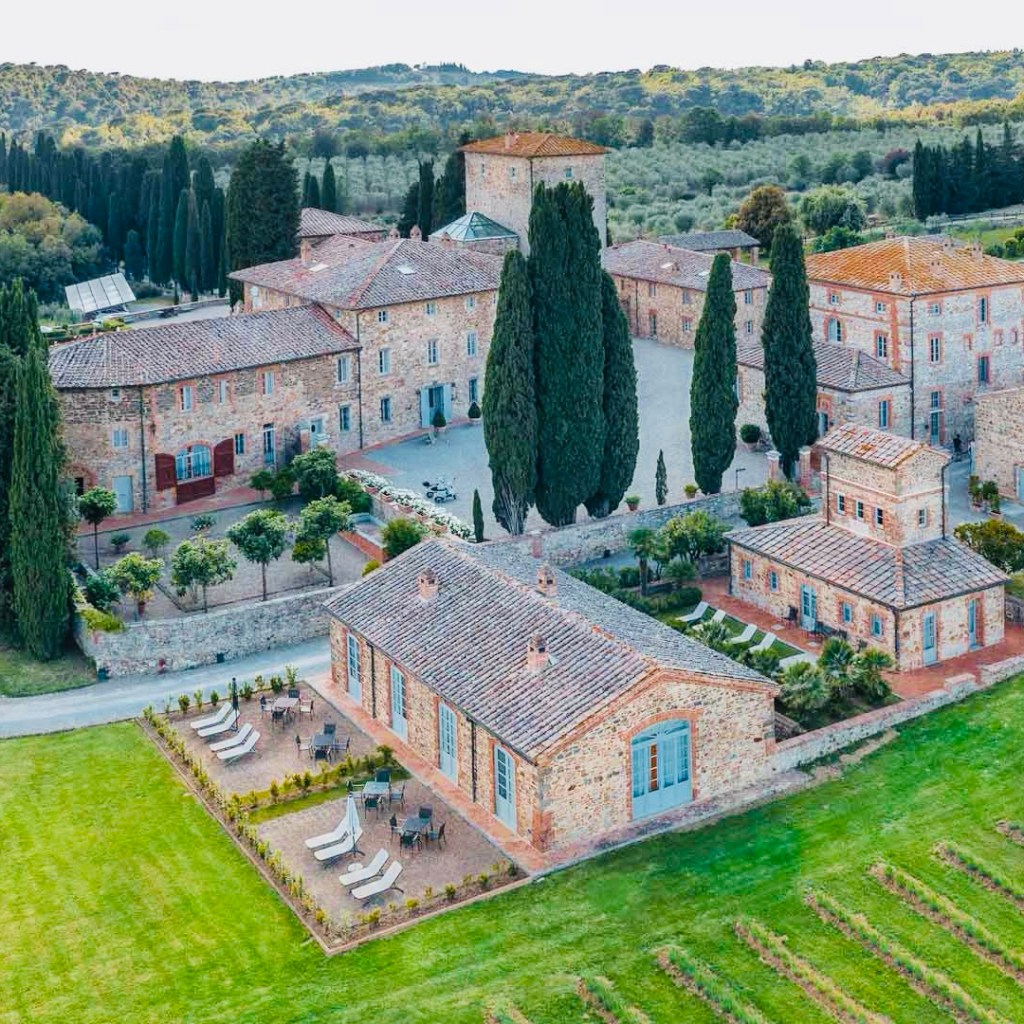
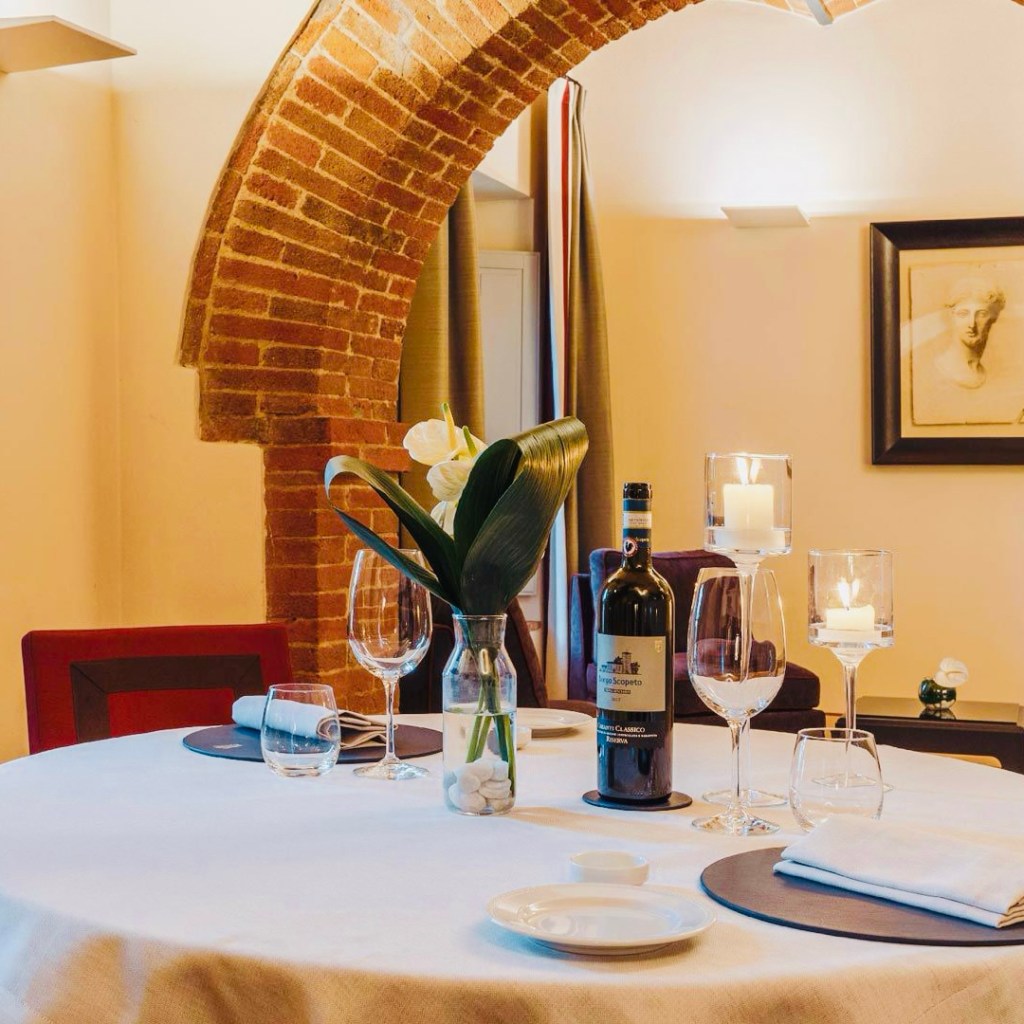
1000 to the present. Borgo Scopeto Wine & Country Relais –

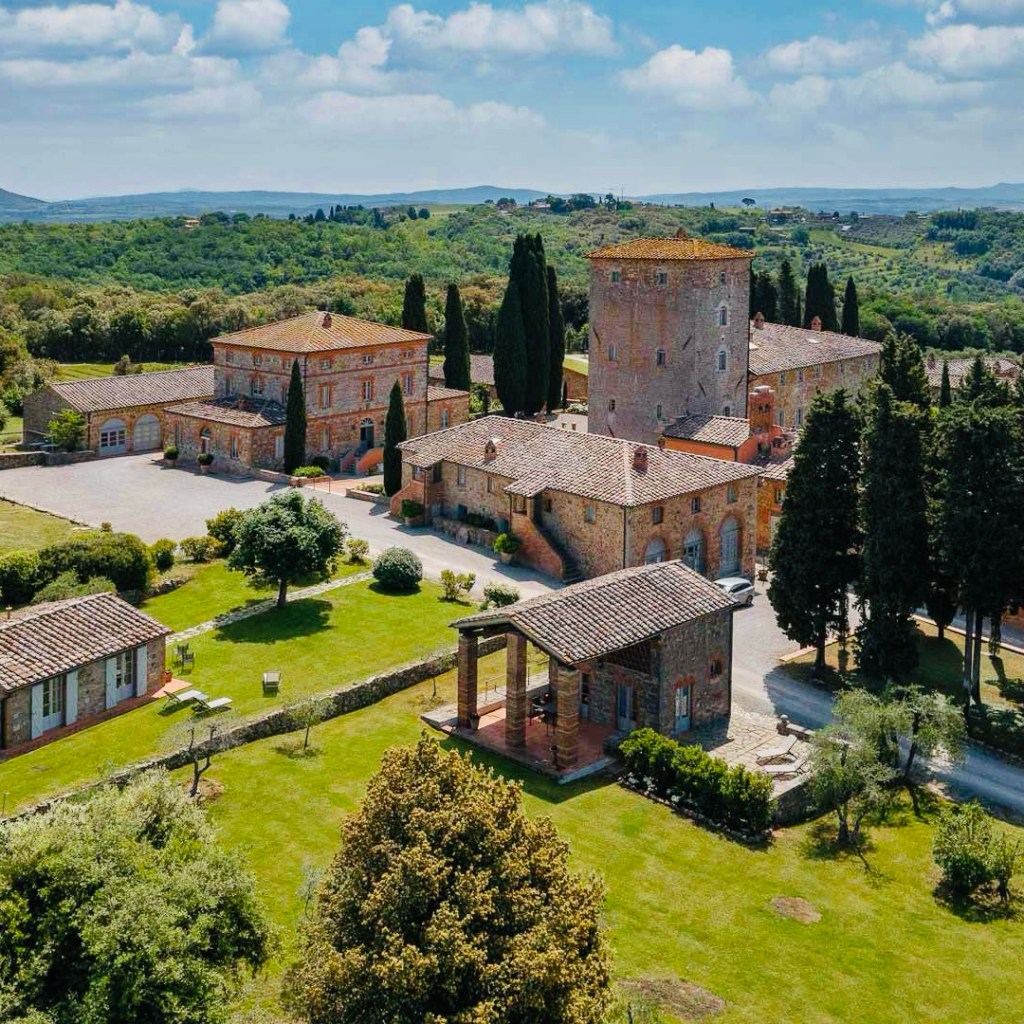
Some places you visit. Others you feel. And then there are those you never truly leave. Borgo Scopeto Wine & Country Relais is one of those rare destinations. A timeless Tuscan estate where centuries old heritage blends seamlessly with the refined elegance of modern luxury. Nestled in the rolling hills of SIENA, this exquisite retreat is not just a place to stay, it’s an immersion into a way of life. 

A Journey Through History 

The roots of Borgo Scopeto stretch deep into the 11th century. Once a fortified hamlet, it served as the seat of the illustrious SOZZINI family of Siena. Its medieval stone towers and rustic architecture still stand as silent witnesses to centuries of Tuscan life-wars, feasts, harvests and quiet winters. The estate’s careful restoration has preserved these historical details, allowing guests to step back in time while enjoying contemporary comforts. Here the past isn’t just preserved, it’s alive. The cobbled lanes, ivy clad walls and centuries old olive groves transport visitors into an era when life followed the rhythm of the seasons. 

The Wine Legacy – Three Estates, One Soul 

Borgo Scopeto is more than a luxury hotel. It’s the beating heart of a remarkable Wine producing tradition.  Under Borgo Scopeto Vigne portfolio, three prestigious estates embody the diversity and richness of Tuscany’s terroir. 

  1. Chianti Classico – The Home Estate: Here, the vineyards wrap around the Relais itself, producing Sangiovese of unmistakable character. The Chianti Classico DOCG wines from Borgo Scopeto are celebrated for their elegance, structure and ability to age gracefully. 
  1. Montalcino – The Land of Brunello : Just a short drive away lies Borgo Scopeto’s Jewel in Montalcino, where the king of Italian wines, Brunello di Montalcino reigns supreme. These wines are bold yet refined, powerful yet nuanced, a testament to the region’s world class status. 
  1. Maremma – Tuscany’s Wild Coastline: Stretching toward the Tyrrhenian Sea, the Maremma estate offers a different expression of Tuscany. Here, the vineyards bask in maritime breezes, producing fresh, vibrant wines with a touch of coastal sanity. 

Wine Experiences – Tasting Beyond the Glass 

Wine at Borgo Scopeto is not just poured, it is presented , explained and celebrated. 

  • Guided tastings of Chianti Classico, Brunello di Montalcino and Maremma Wines 
  • Vertical Tastings that explore vintages across decades 
  • Vineyard Tours
  • Private Cellar dinners where wines meet gourmet Tuscan cuisine. 

The Relais – Tuscan Luxury Redefined 

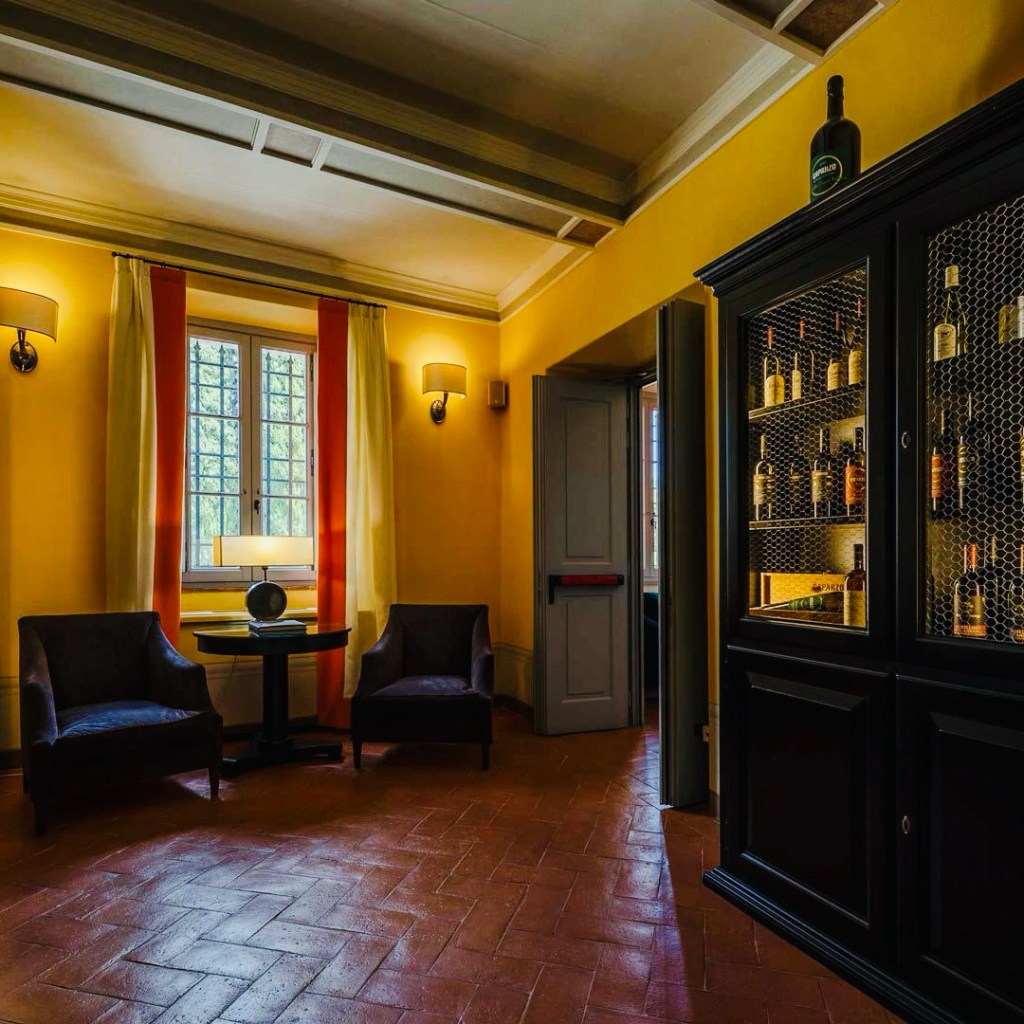
The hotel at Borgo Scopeto Wine & Country Relais is a masterclass in elegance. Every room and suite blends traditional Tuscan architecture with modern luxury. Wooden beams, terracotta floors and antique furnishings. 

Accommodations:

  • Classic Rooms: Cozy and charming, with views over the gardens or vineyards. 
  • Suites: Spacious sanctuaries with private terraces or panoramic vistas. 
  • Exclusive Villas: For guests seeking ultimate privacy, complete with personal pools and kitchens. 

Culinary Experience – Dining at Borgo Scopeto Wine & Country Relais 

La Tinaia Restaurant is the culinary heart of the Relais. Here, chefs craft dishes rooted in Tuscan tradition. Pici pasta with Cinta Senese pork, Fiorentina grilled over open flame and delicately infused with local honey and saffron. Every ingredient is sourced from nearby farms ensuring that each palate tells a story of the land. 

The People Behind Borgo Scopeto Wine & Country Relais

Borgo Scopeto’s soul lies in its people. From the winemakers who rise before dawn to tend the vines, to the chefs who transform humble ingredients into works of art, to the hospitality team whose warmth makes every guest feel like family. 

SIENA – The Beating Heart of Tuscany 

Borgo Scopeto lies just outside Siena, a UNESCO world heritage site for its medieval streets, Gothic architecture and the world renowned Palio horse race. You can explore Siena’s Piazza del Campo, visit the magnificent Cathedral and wander through artisan shops. 

Borgo Scopeto Wine & Country Relais as a Luxury Travel Destination 

Borgo Scopeto offers a complete luxury experience that seamlessly blends elegance, heritage and indulgence. You can savour award winning wines from the three iconic Tuscan regions, stay in world class accommodations crafted with unmatched attention to detail and indulge in authentic Tuscan gastronomy prepared at the highest level. Beyond comforts, Borgo Scopeto immerses travel in rich history and culture, all while serving as the perfect base for exploring the renowned landscapes of Chianti Classico, Montalcino, Maremma and Siena. 

Chianti Classico, Montalcino and Maremma – Tuscany’s Golden Triangle of Wine Travel 

Under the Borgo Scopeto umbrella, three Tuscany’s most celebrated wine regions come together to create an unforgettable experience. In CHIANTI CLASSICO , rolling vineyards and ancient castles frame wines of timeless elegance. MONTALCINO invites travelers into the heart of Brunello country, where power meets finesse in every glass. MAREMMA offers striking contrast, with regions from Tuscany’s golden triangle of wine travel. 

Borgo Scopeto Wine & Country Relais – A Tuscan Icon 

Borgo Scopeto Wine Country & Relais is not just a destination, it’s a stage where history, wine, food, hospitality and luxury perform in perfect harmony. 

“Some Journeys are measured in miles. The finest are measured in moments. And Borgo Scopeto Wine & Country Relais offers moments that last forever “ 

Salud 🍷🍷

CASTELLO DI VOLPAIA 

1172 to the Present day: An Architectural and Viticultural Legacy in the Heart of “CHIANTI CLASSICO 

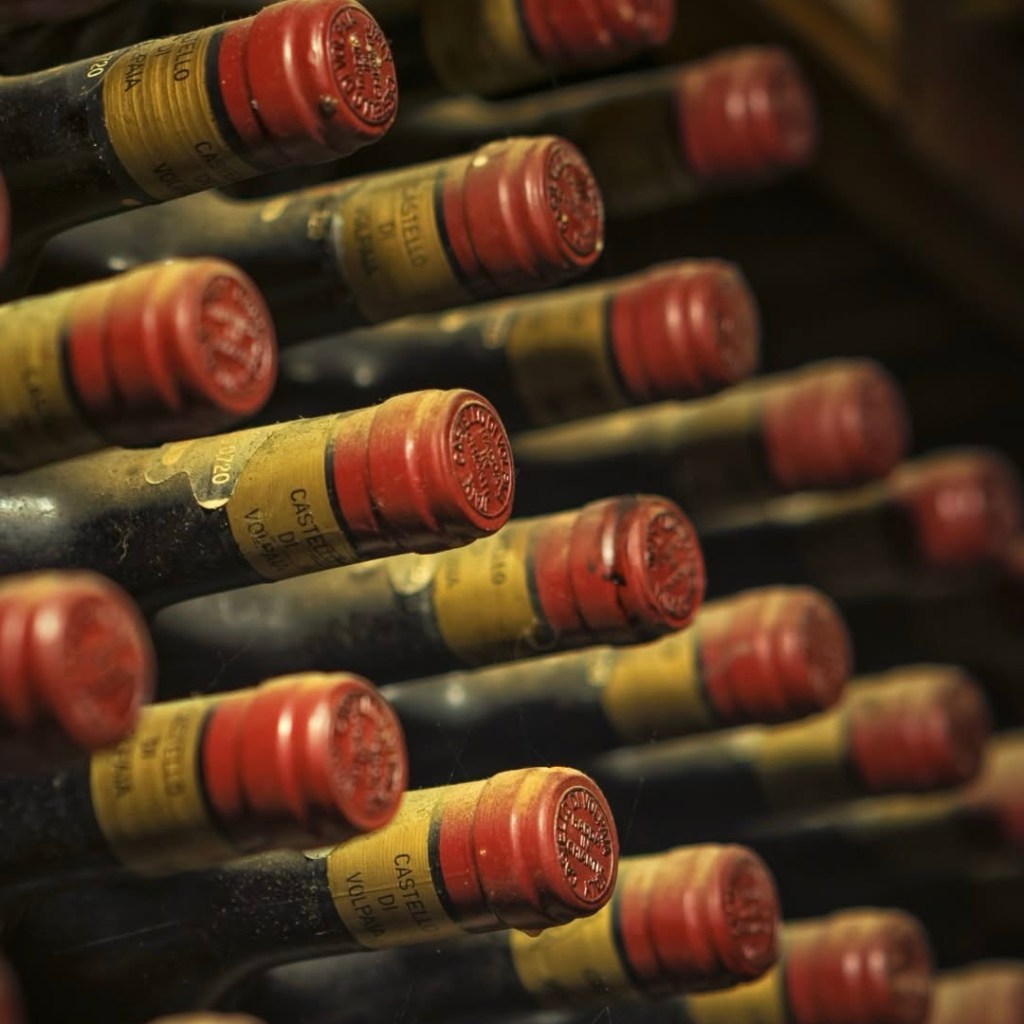
Nestled high in the rolling hills of Tuscany, between olive groves, cypress lined drives and sun drenched vineyards, lies one of Italy’s most treasured wine estates: CASTELLO DI VOLPAIA. Not just a winery, but an entire medieval hamlet turned into a living, breathing celebration of Tuscan history, wine and hospitality. With a history dating back to the 12th century, Volpaia is more than just a destination, it’s a story that continues to unfold through every bottle, every stone, every guest who sets foot on its ancient cobbled paths. 
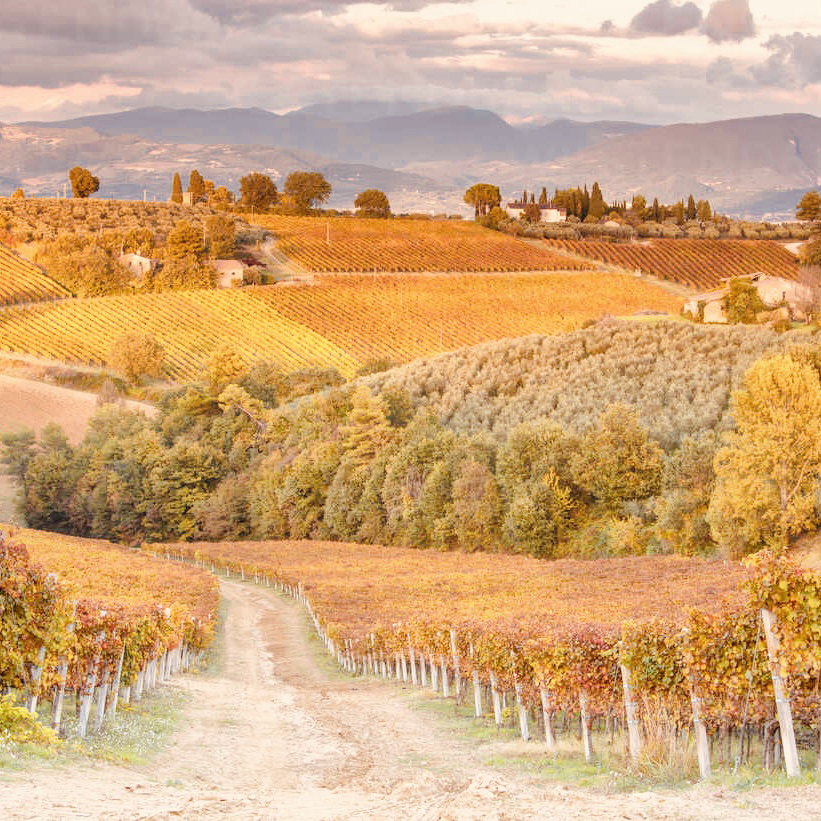
A Legacy Rooted in Time: The History of Castello di Volpaia 

The origins of Volpaia trace back to 1172, when it served as a fortified medieval village perched at 600 metres above sea level in the heart of Chianti Classico. The name “VOLPAIA” is thought to derive from “LUPI”, or wolves, which once roamed the woods surrounding the castle. Over centuries, Volpaia played a significant role in the power struggles between Florence and Siena, its watchtowers guarding the region against invaders. 

In the 20th century, the village began its transformation into one of Italy’s most fascinating examples of sustainable restoration. But the true magic began when the “MASCHERONI STIANTI FAMILY took ownership of the estate. The family, particularly “Giovanni Stianti” and his daughter “Giovanella Stianti Mascheroni”, not only presented Volpaia’s architectural integrity but brought the village back to life with vineyards, hospitality and authentic Tuscan spirit. Today, the estate is run by Giovannella Stianti and her children Niccolò Mascheroni Stianti and Federica Mascheroni Stianti, who embody a perfect balance of tradition and innovation, passion and precision. 

The Soul of Volpaia: The Wines, The Terroir, The Craft 

Chianti Classico: The Region That Defined Italian Wine 

Volpaia is located within the Chianti Classico DOCG, a subregion in Tuscany that has long been synonymous with quality Italian red wines. Characterized by Sangiovese grapes, Chianti Classico wines are known for their structure, bright acidity and earthy notes with cherry like flavours. Volpaia’s vineyards are among the highest in the region, sitting between 400-650 metres above sea level. This elevation, combined with galestro (marl) and sandstone soils, cooler temperatures and organic farming, gives their wines a distinct freshness, elegance and longevity. 

Volpaia’s Vineyards and Estates:

Castello di Volpaia spans over 45 hectares of vineyards, all organically farmed. The estate is certified organic and places deep respect on biodiversity, hand harvesting and traditional winemaking techniques blended with gentle technology. 

But the Volpaia story doesn’t stop in Chianti. 

  • Volpaia Castle: The original heart of the winery, where wines are aged in old buildings and underground tunnels cleverly built into the ancient walls of the hamlet. 
  • Castelprile Estate: Located in the coastal area of Maremma, Tuscany, this estate allows Volpaia to explore new varieties like Cabernet Sauvignon and Vermentino, bringing a new dimension to their Wine portfolio. 
  • Nika Estate (Montecucco): This rising star in Southern Tuscany enables them to experiment with Montecucco DOC grapes and new terroir driven expressions. 

Signature Wines of Castello di Volpaia:

  1. Chianti Classico DOCG: 100% Sangiovese. Elegant, fresh with red berry and violet notes. 
  1. Chianti Classico Riserva: Aged longer in oak, this wine is deeper and more structured with notes of spice, tobacco and cherry. 
  1. Chianti Classico Gran Selezione “COLTASSALA” : A jewel in their crown. Powerful, age worthy and layered. 
  1. Balifico: A bold Super Tuscan blend of Sangiovese and Cabernet Sauvignon. Modern, international, yet deeply Tuscan at heart. 
  1. Prelius (From Castelprile): Vermentino, Cabernet Sauvignon and more , from coastal Tuscany, showing freshness and depth. 
  1. Vin Santo del Chianti Classico: An iconic Tuscan dessert Wine, aged for years in “CARATELLI” barrels, honeyed and luscious. 

Sleep in Style: The Hospitality of Volpaia 

Castello Di Volpaia is not just a place to visit, it’s a place to live. For a day, a week or longer. The estate offers a collection of restored villas, apartments and boutique rooms that immerse guests in Tuscan life, with views that stretch across vineyards and valleys. 

Villas & Apartments in the Village:

  • La Pozza
  • Casavecchia 
  • Casa Nuova
  • Casa Lorenzo 
  • Casa Baldo
  • Casa Merlo

Each villa is tastefully restored, featuring traditional Tuscan décor, modern kitchens, spacious living areas and often private pools and gardens. 

Apartments and Rooms:

  • Country room
  • Country Superiore
  • Country Superiore 2 Beds
  • Junior Suite
  • Suite with Garden 

Stone walls, antique furniture and views of the Chianti hills make an escape into Tuscan romance. 

La Locanda – Volpaia’s Boutique Hotel 

Just 3 Kms from the main village, La Locanda is a peaceful hilltop retreat offering: 

  • Country Superior Rooms
  • Junior Suites
  • Country Superior View Rooms

Surrounded by olive groves and woods, the Locanda promises seclusion, luxury and panoramic views over Volpaia. Many guests describe their stay as “an exclusive and unforgettable experience in the heart of Chianti”. 

Osteria Volpaia Restaurant – A Celebration of Tuscan Flavours 

At the heart of Volpaia lies its beloved restaurant, “Osteria Volpaia (also known as La Bottega di Volpaia). Whether you’re enjoying handmade pici pasta with wild boar ragù, sipping a glass of Coltassala on the terrace, or tasting freshly baked “Focaccia” from the wood fired oven, dining here is a sensory journey. Run by locals with heartfelt hospitality, the restaurant is a proud showcase of seasonal, organic ingredients, many from the estate’s own garden. The menu evolved with the rhythm of the land and every dish is paired effortlessly with Volpaia’s wines. 

The People Behind the Passion:

The heart of Castello di Volpaia is its people:

  • Giovannella Mascheroni Stianti: The matriarch, whose passion and dedication transformed a near abandoned hamlet into a world class winery and retreat. 
  • Niccolò and Federica Mascheroni Stianti: The next generation, continuing the family legacy with innovation and humility. 
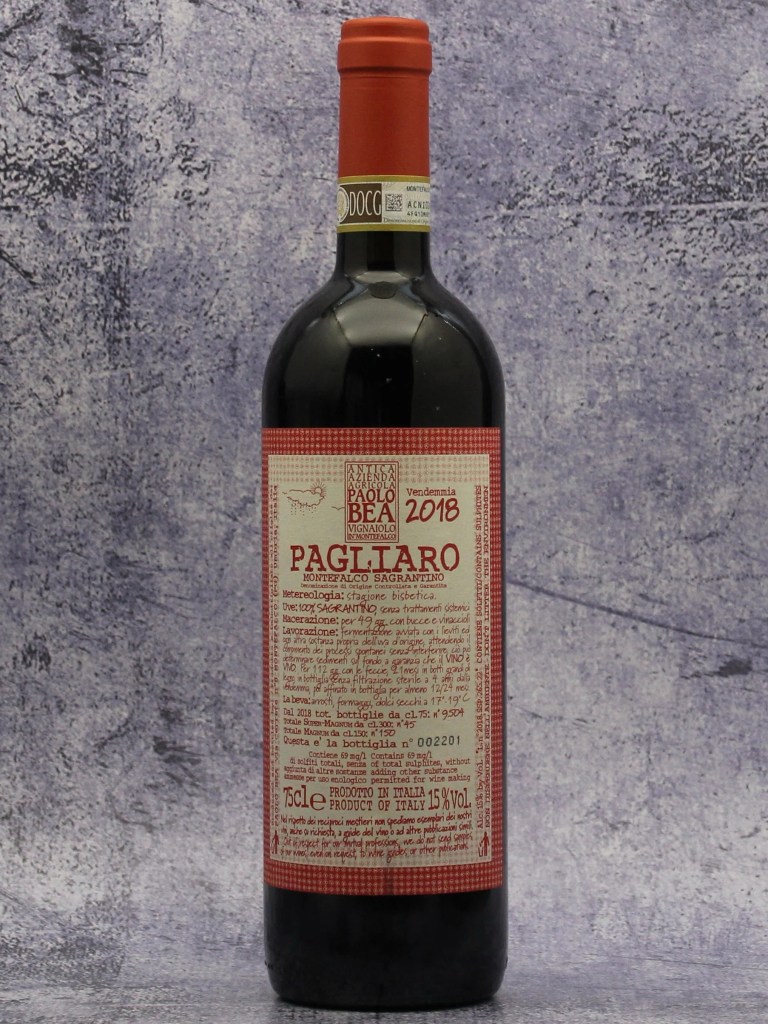
  • The Winemaking team: A close knit group who farm the land organically, ferment with precision and age wines in cellars built within ancient walls. 
  • The Hospitality staff: From villa managers to chefs and housekeepers, every individual is committed to making each guest feel like part of the Volpaia family
  • Restaurant and Hotel Team: Known for warm Tuscan hospitality, intimate knowledge of food and wine, and a genuine love for sharing Volpaia’s story. 
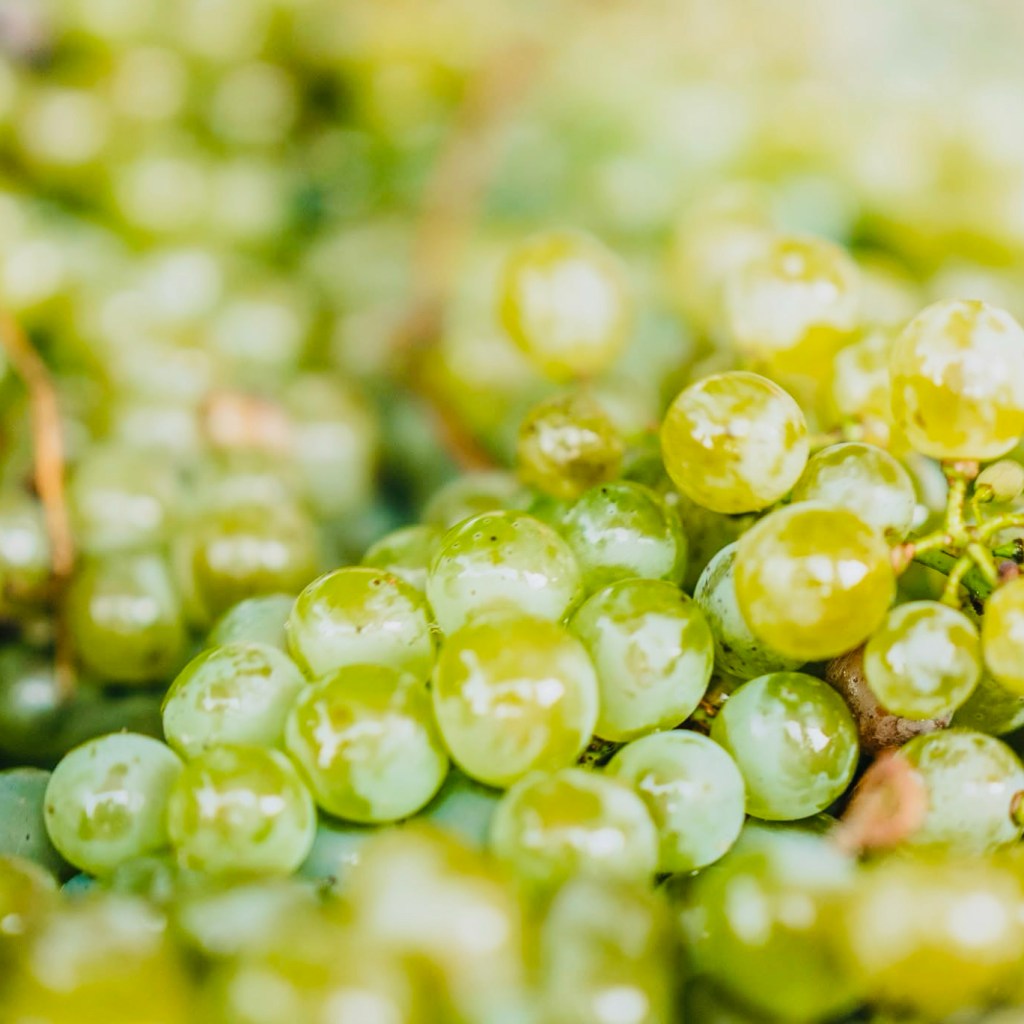
Volpaia: Where Wine, History and Hospitality Meet 

To visit Castello di Volpaia is to walk through centuries of Tuscan history while sipping wines that reflect the soul of the land. It is where ancient stones hold the wisdom of generation and modern travelers find serenity among wines and views. Volpaia is not just a place to visit and stay and sip wines, it is a place to feel !! 
Salute🍷🍷