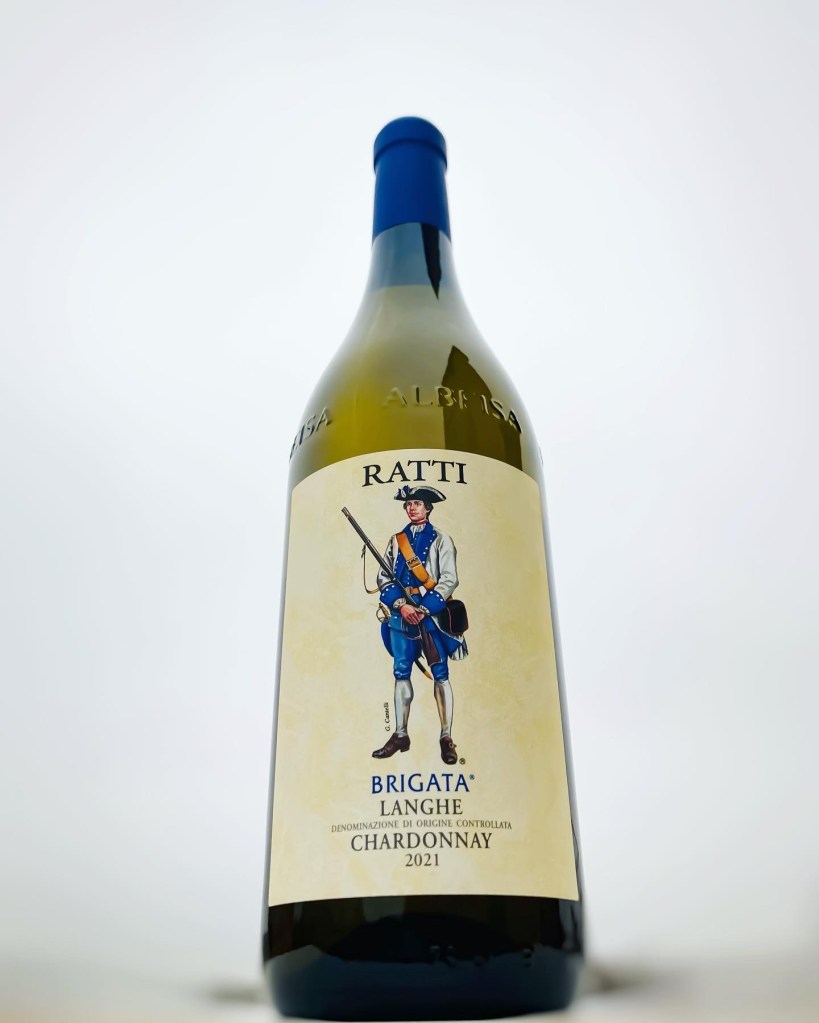
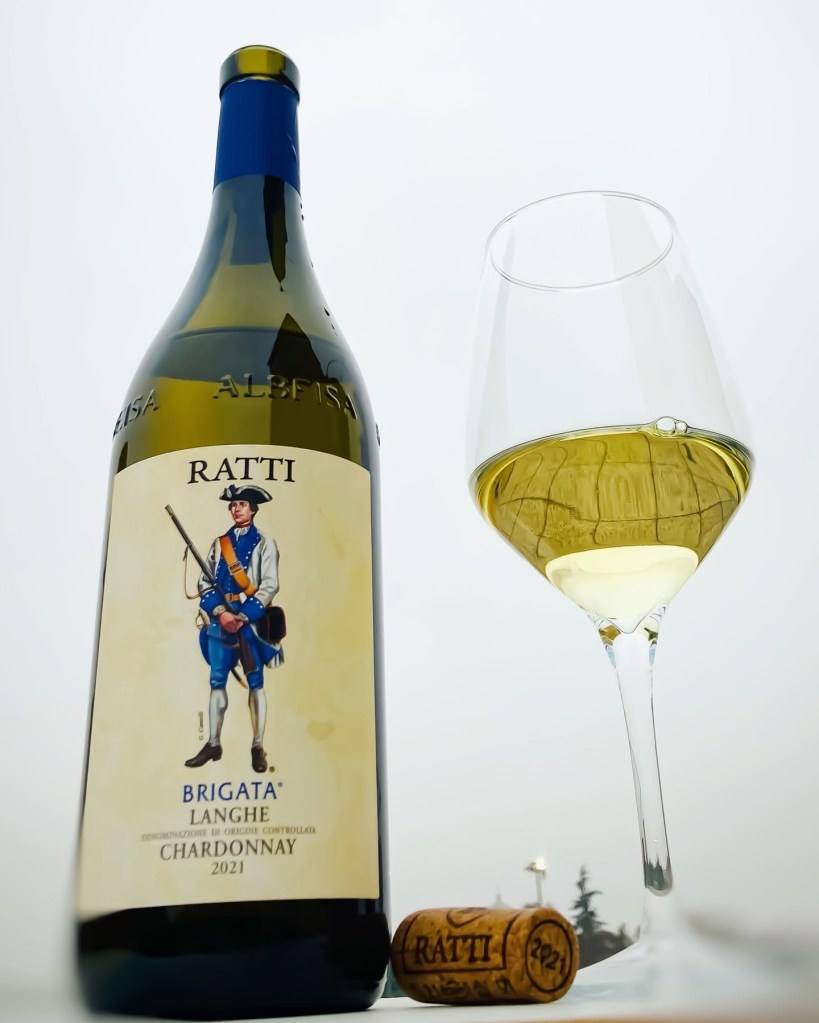
Another one from Renato Ratti Winery. Langhe Chardonnay DOC Brigata (Brigade) 2021, Piedmont

Wine Tasting: Another one from Renato Ratti Winery. Langhe Chardonnay DOC Brigata (Brigade) 2021, Piedmont

Renato Ratti Winery: Started in 1965 to create Barolo. In order to showcase Barolo and Langhe wines, the “Ratti dei Vini di Alba” museum was established in the 1970s. One of Piedmont’s most important museums. The embedded “ALBEISA,” which was produced in 1973, is an iconic bottle for Piedmont wines. The winery was the primary architect of the cultural and technical revolution in the world of Italian and Piedmontese wines. The vineyards of Cantina Ratti can be found in Dogliani, Mango & Costigliole d’Asti, and La Morra. The company is now in the hands of Pietro Ratti, who has a passion for high-quality research and wines.
Langhe Wine Region: This UNESCO world legacy site is the home and beginning for Italy’s longest resided wines. Because it is a subregion of the Piedmont appellation, Langhe has been producing wines that are truly exceptional. Langhe has earned the title of “King of Wines” because of its reputation as Italy’s most fascinating wine region.
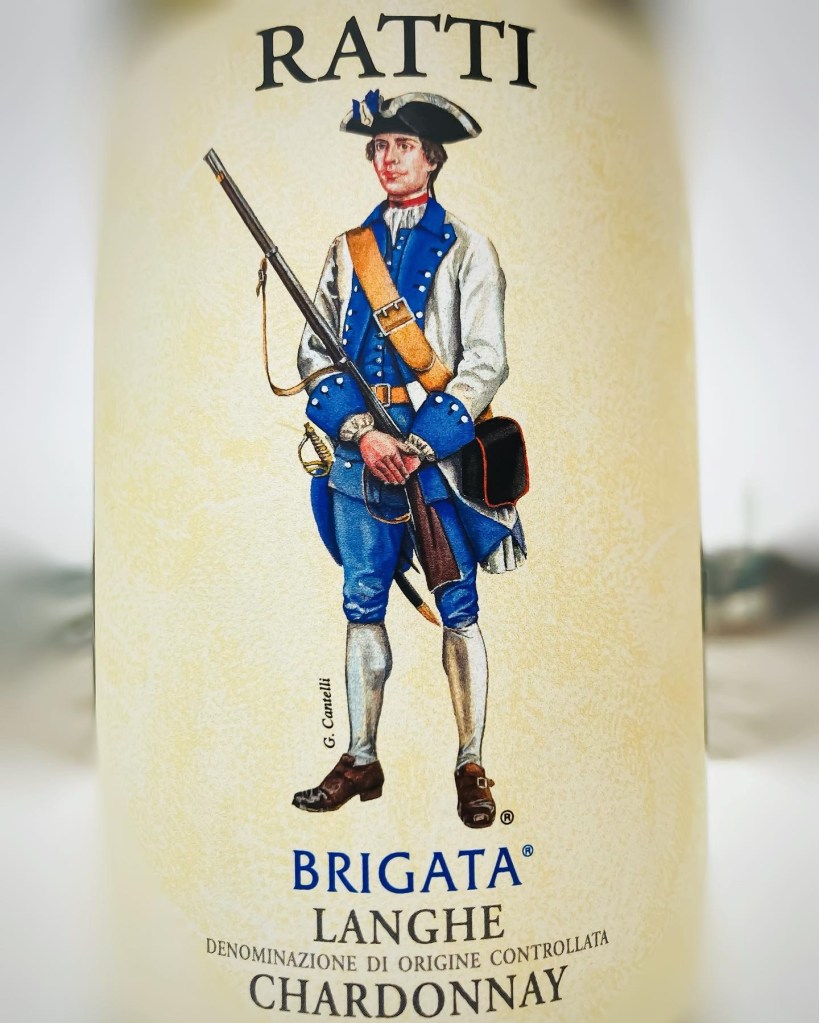
Wine: Langhe Chardonnay DOC Brigata 2021. A straw-yellow wine with a body that ranges from medium to full. Aroma of grapefruit, peach, and tropical fruits. On the palate, it is crisp and savory. Made entirely from Chardonnay grapes. A superb white from the Piemonte region.
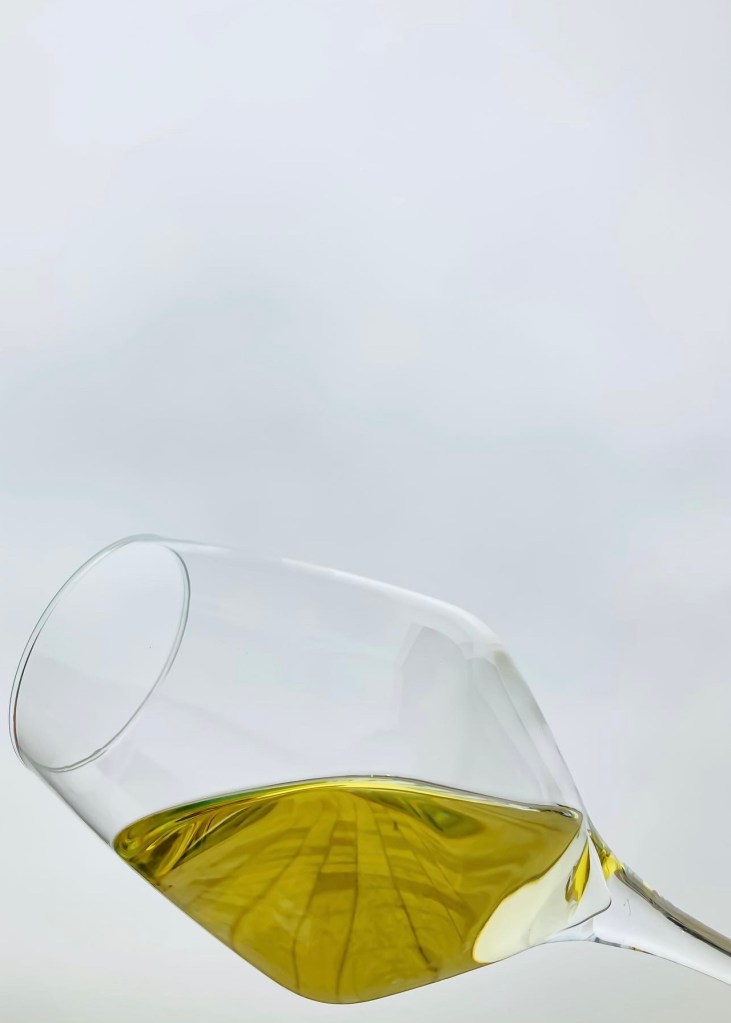
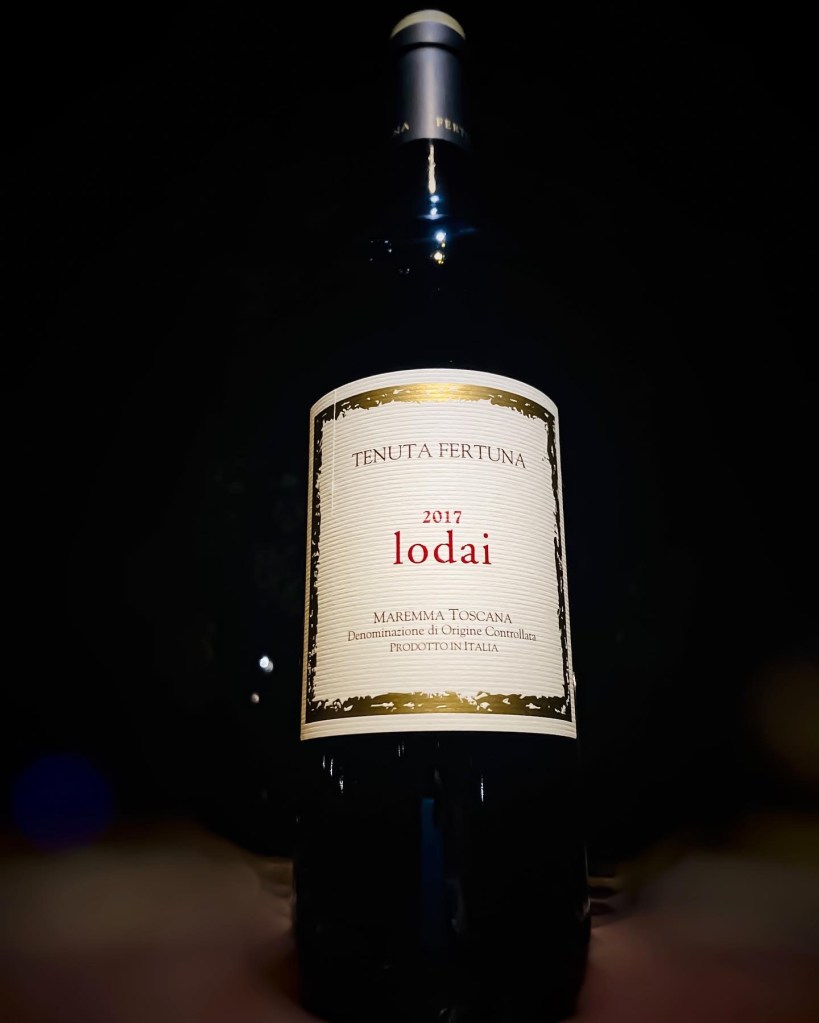
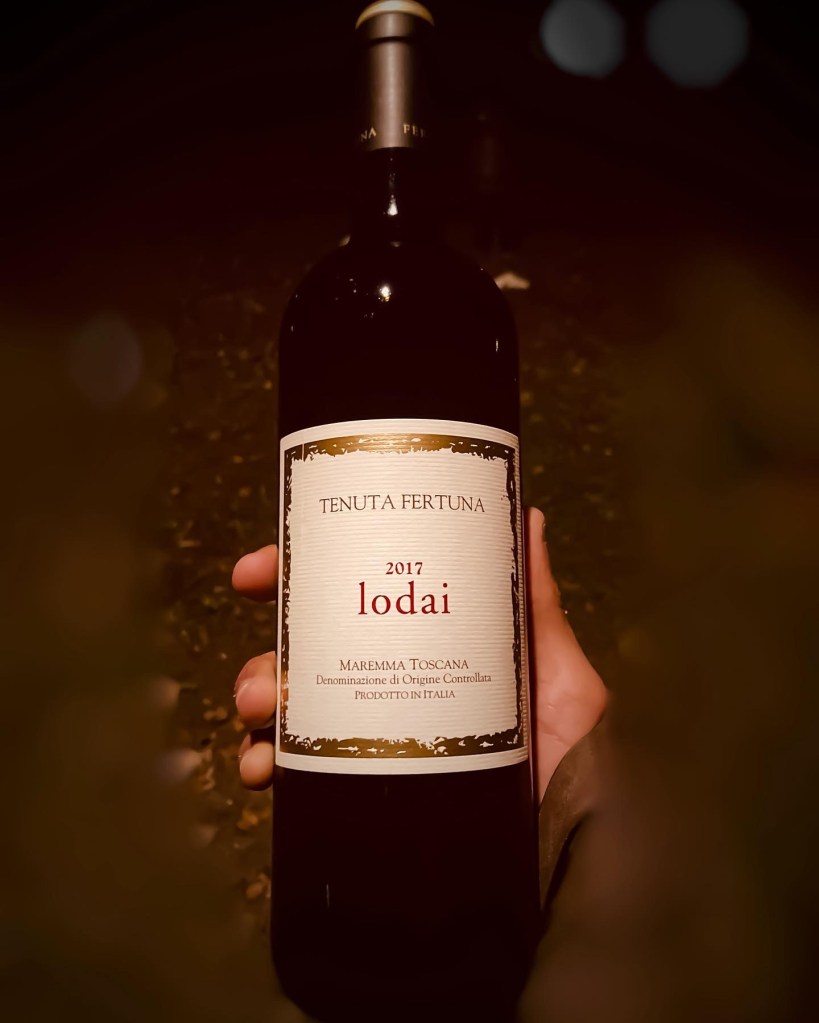
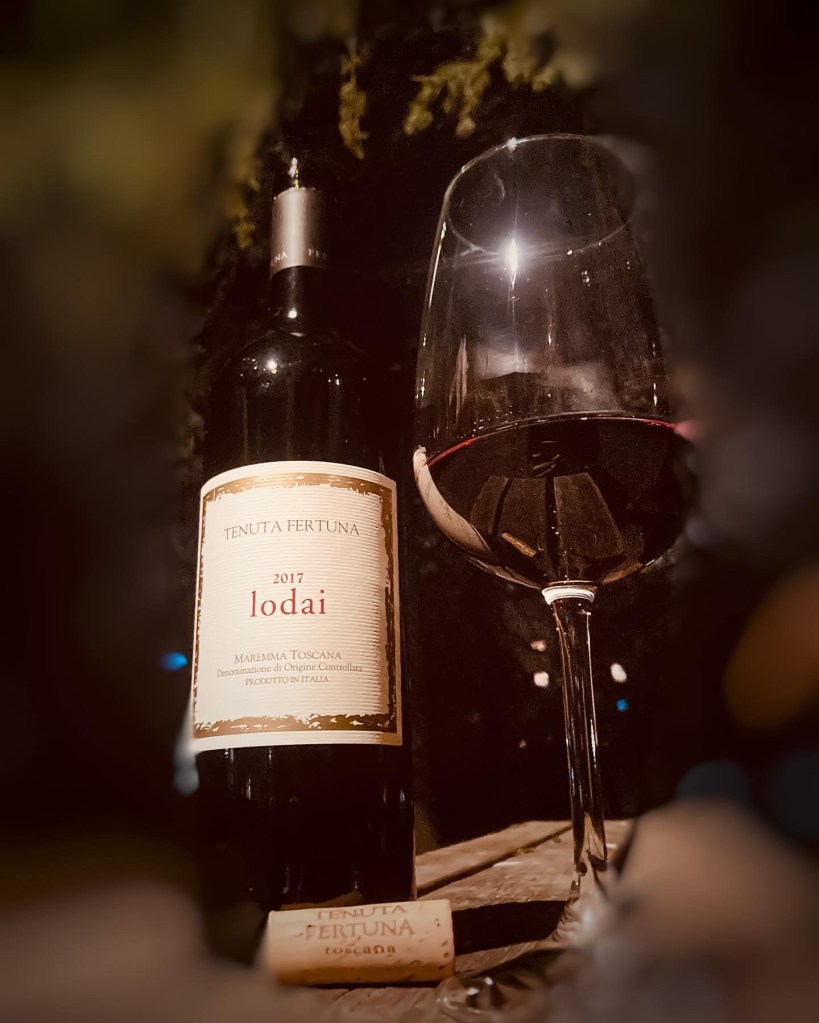
Maremma Tuscany Lodai 2017. Made with 100% Cabernet Sauvignon, Tenuta Fertuna, Tuscany

Wine Tasting: Maremma Tuscany Lodai 2017. Made with 100% Cabernet Sauvignon, Tenuta Fertuna, Tuscany

Tenuta Fertuna: Founded in 1997 in the Tuscan Maremma province of Grosseto. A company with a variety of businesses, including the production of wine hospitality, a wine shop and olive oil. The project was created with more than a century of experience, diverse generations, and a wide range of experiences. Tenuta Fertuna is one of the world’s leading estates due to its extensive cultural and historical heritage.

Tuscany’s Wine scene: For more than three thousand years, wine has been a part of Tuscany. In the 8th century, during the Etruscan civilization, it was brought from Asia. The production of wine in Tuscany continued to rise, and in 1710, the first bottle was shipped internationally. Within a short time, Tuscany established itself as a wine-producing region, producing and supplying 14,000,000 liters of wine to the larger market. The wine scene in Tuscany was forever altered in the 1960s by new regulations and advancements in wine production. Today, over 63,500 hectares of vineyards produce 7.3 billion ounces of wine annually in Tuscany.

Wine: 2017 Maremma Tuscany Lodai a robust, full-bodied red wine with aromas of tobacco, chocolate, pepper, and red fruits. The palate has perfect tannins and excellent structure. Made solely from the Cabernet Sauvignon grape variety. The wine has strong characters and rich aromas.

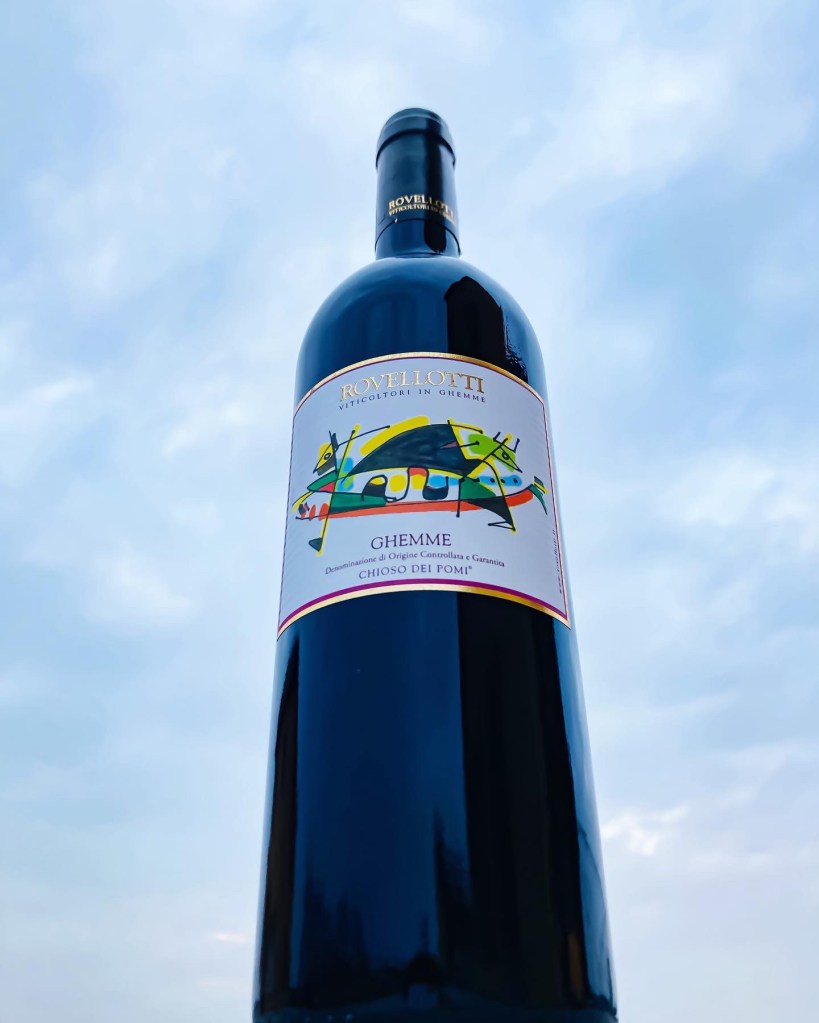
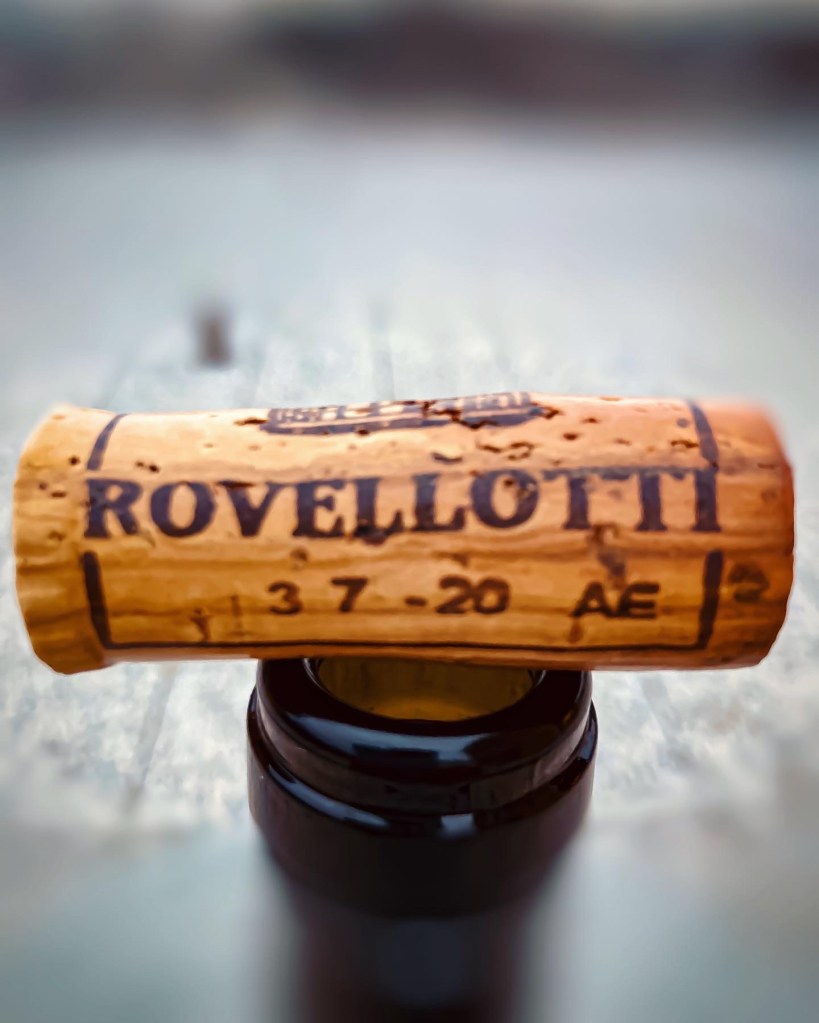
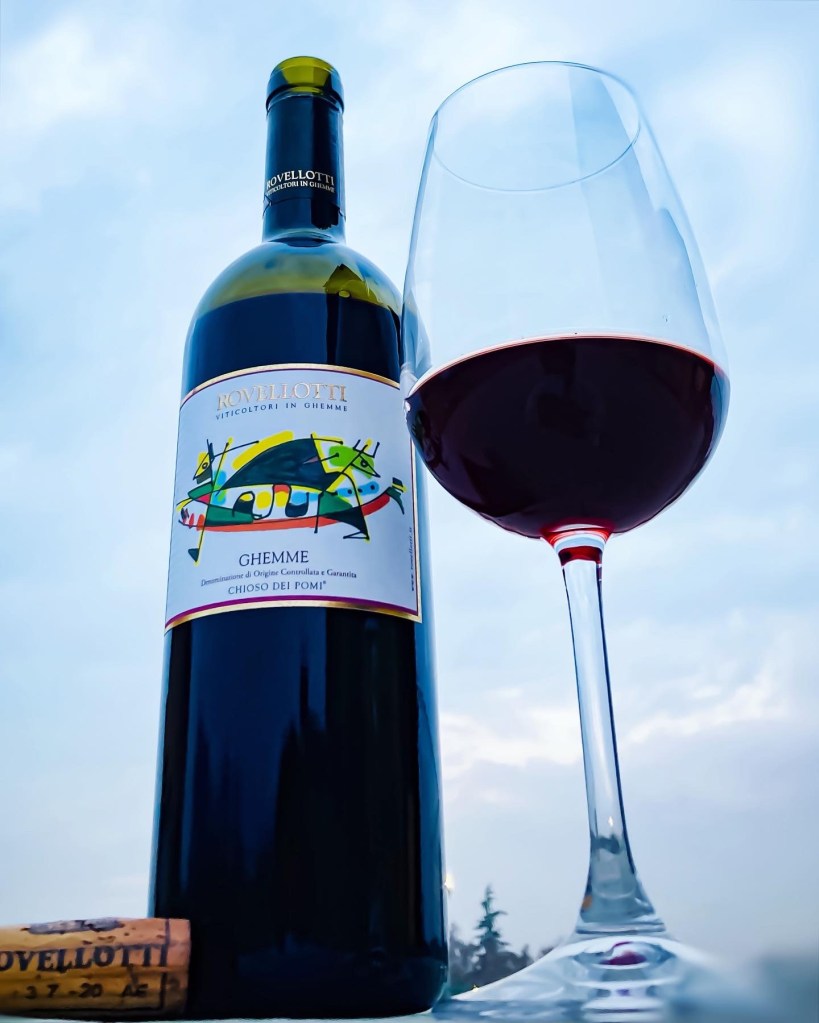
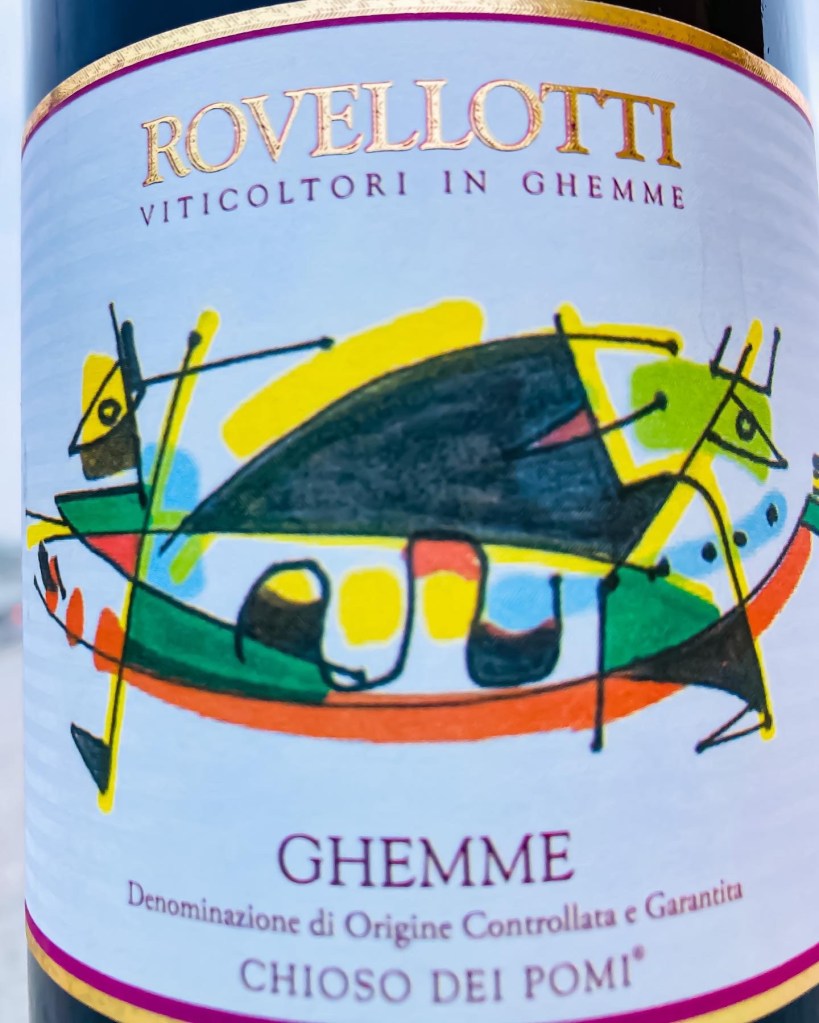
Chioso dei Pomi Ghemme DOCG, 2017. Made with a blend of Nebbiolo and Vespolina, Rovellotti, Piedmont

Wine Tasting: Chioso dei Pomi Ghemme DOCG, 2017. Made with a blend of Nebbiolo and Vespolina, Rovellotti, Piedmont

Rovellotti: A winery with a 600-year history of winemaking tradition. The company has been making wines with great character since the 1980s. Under DOCG appellations, the wine production now sets the standard for craft winemaking. The company has combined contemporary winemaking methods that emphasize sustainability and the introduction of technological advancements in recent years.

Ghemme DOCG: Situated in Piedmont’s NOVARA province. It was granted its DOC status in 1969 and accepted its DOCG arrangement in 1997. The heart of a potent red wine is the Ghemme municipality. A somewhat little region delivering excellent wines.

Wine. 2017 Chioso dei Pomi composed of a blend of 15% Vespolina and 85% Nebbiolo. A full-bodied wine of garnet color. The wine is perfectly dry and aromatic in the mouth. Excellent violet and raspberry notes. Aged in JURA-sourced Swiss oak barrels. A wine with flavors of dark berries that is complex.

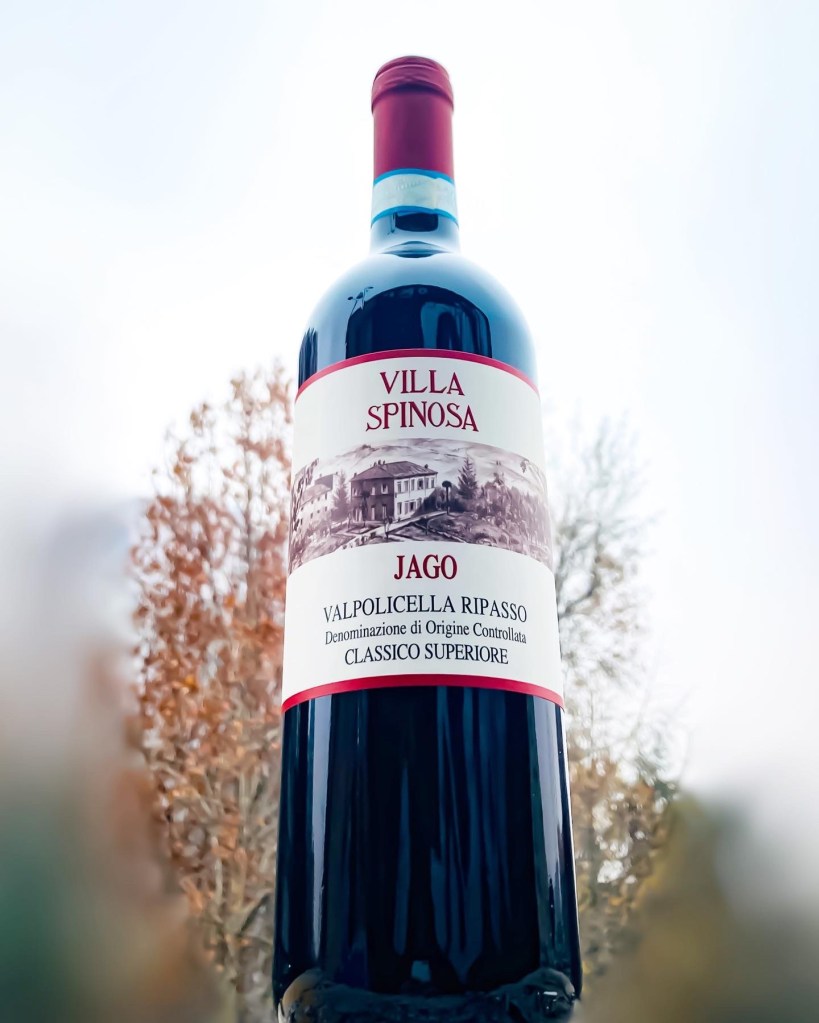
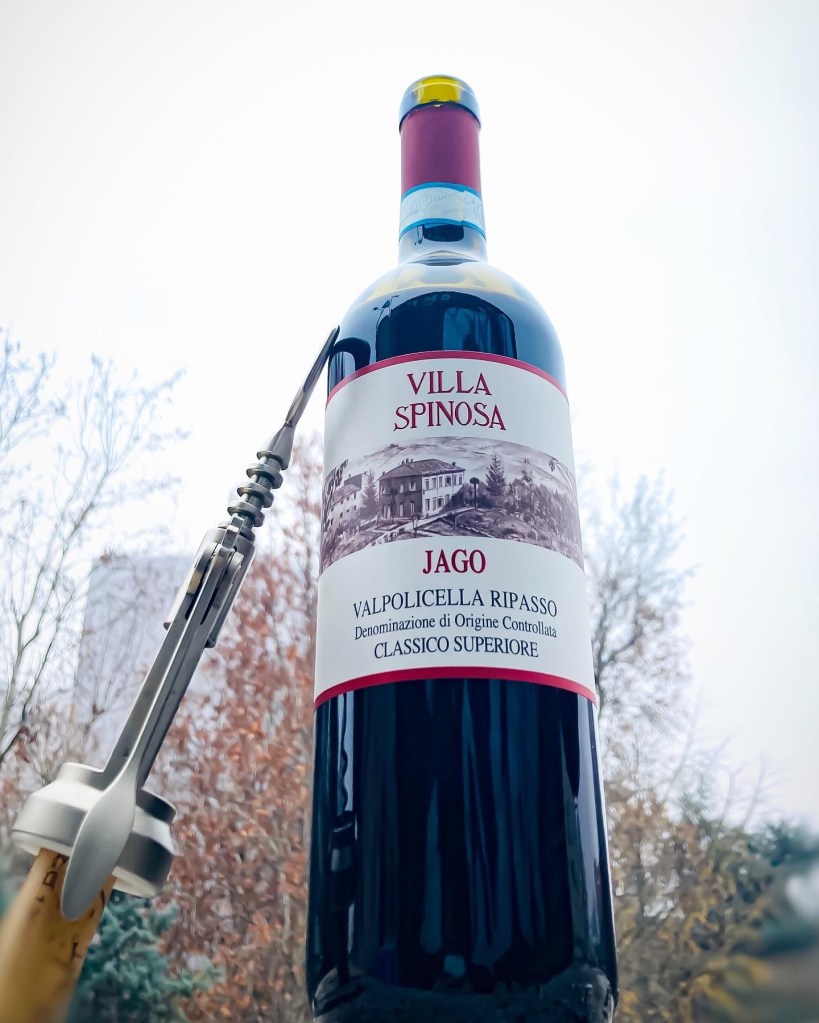
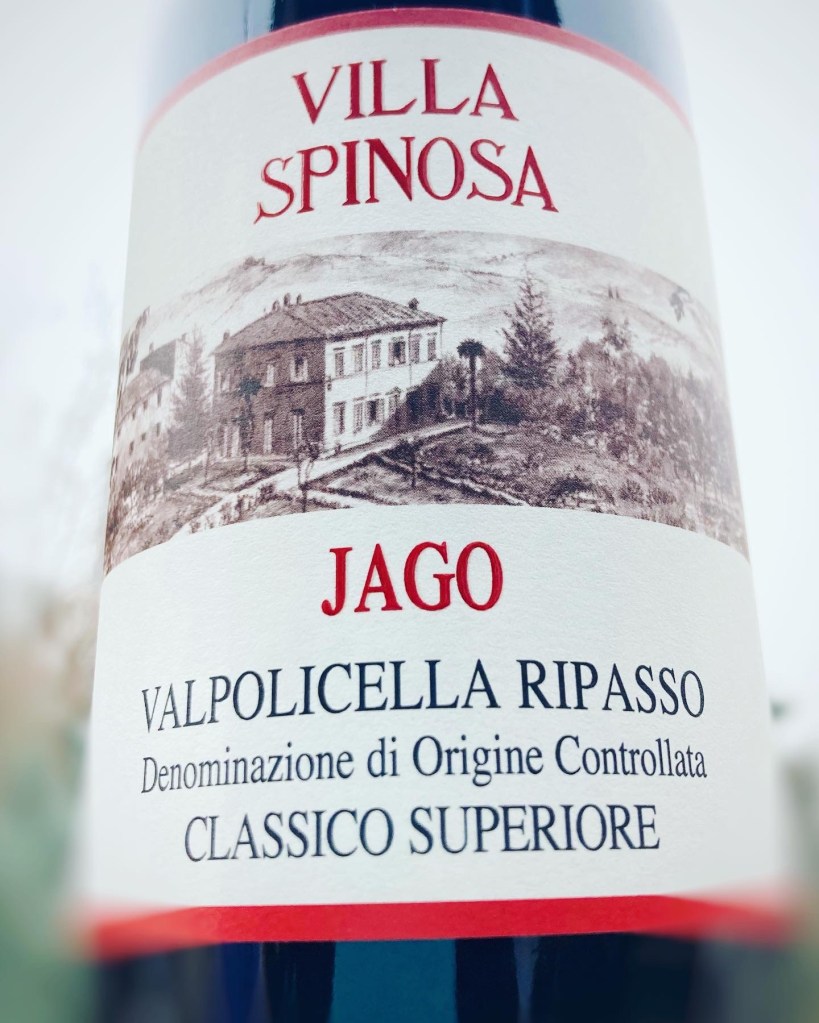
Valpolicella Ripasso Classico, Superiore 2018. Made with a blend of corvina, Corvinone and Rondinella, Villa Spinosa, Veneto.

Wine Tasting: Valpolicella Ripasso Classico, Superiore 2018. Made with a blend of corvina, Corvinone and Rondinella, Villa Spinosa, Veneto.

Villa Spinosa: One of the most memorable wineries having its underlying foundations tracing all the way back to the 1700s. The Villa Spinosa winery, which is on a high point in JAGO, produces typical Valpolicella wines. A contemporary and dynamic organization of the Valpolicella Classic. The vineyards of the JAGO, FIGARI, and COSTA Del BUSO cru are the most valuable parts of the estate. The 19th-century Villa Spinosa is a cultural and environmental preserve. Villa Spinosa additionally made the “Associazione Culturale Francesca Finato Spinosa”, which advances the set of experiences and culture of Valpolicella and its wines.

Valpolicella: In the middle of the 12th century, the name first appeared. It is the first appellation in Italy. only second to Montepulciano D’Abruzzo and Chianti. There are four Valpolicella varieties of wines produced in the Veneto region: Amarone Della Valpolicella, Recioto Della Valpolicella, Valpolicella Ripasso, and Valpolicella. The most prestigious regions for producing wine.

Wine: 2018 Superiore Valpolicella Ripasso Classico. The wine’s CRU of origin, JAGO, is the inspiration for its name. Primarily composed of Corvina Veronese, Corvinone, and Rondinella in small amounts. Aromas of berries and sour cherries abound in this deep ruby red wine. Wine with a solid structure and refined tannins. Aged in Slovenian and French barrels. Additionally, the wine has strong cinnamon and licorice spice aromas. Excellent wine with a flavor that lasts a long time. Cheers.

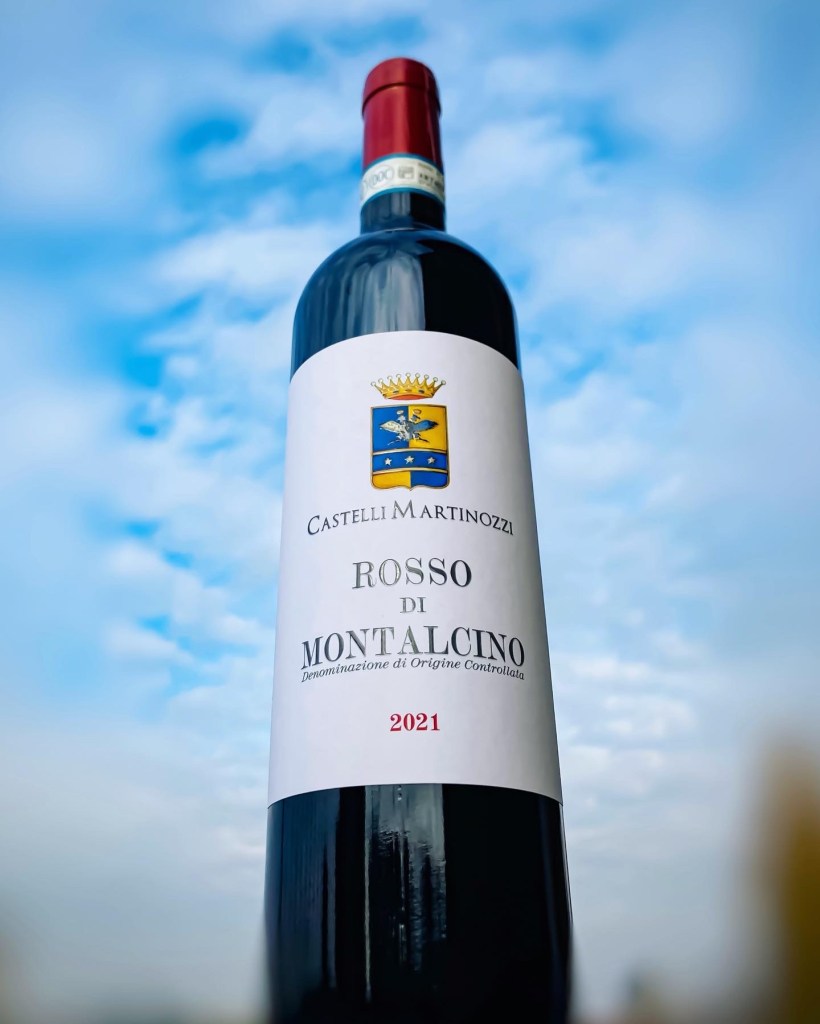
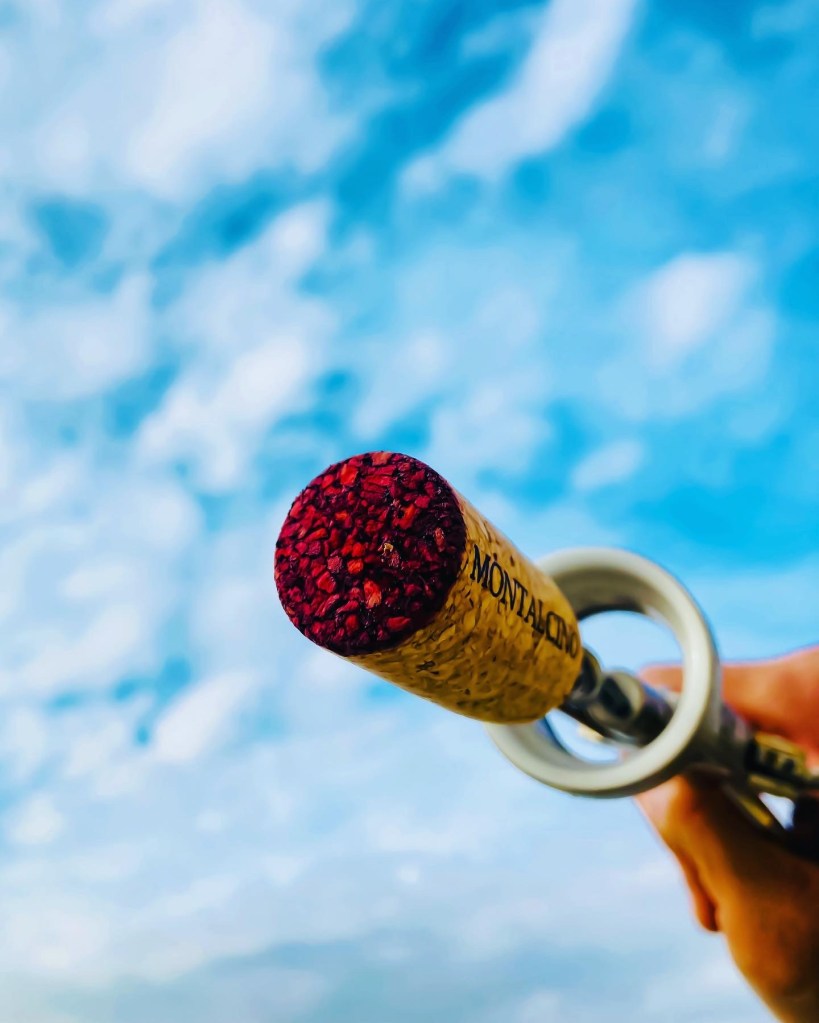
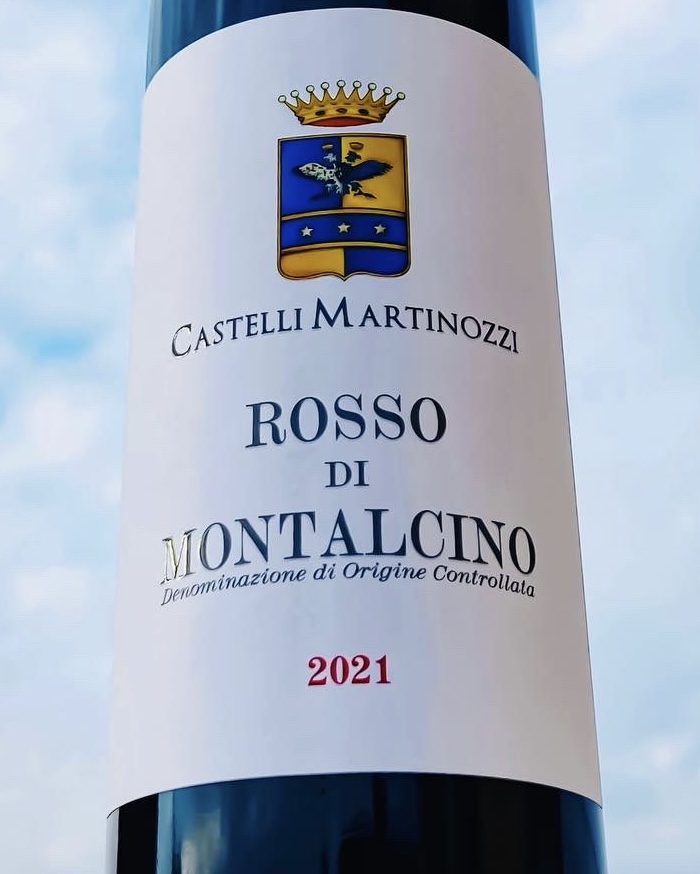
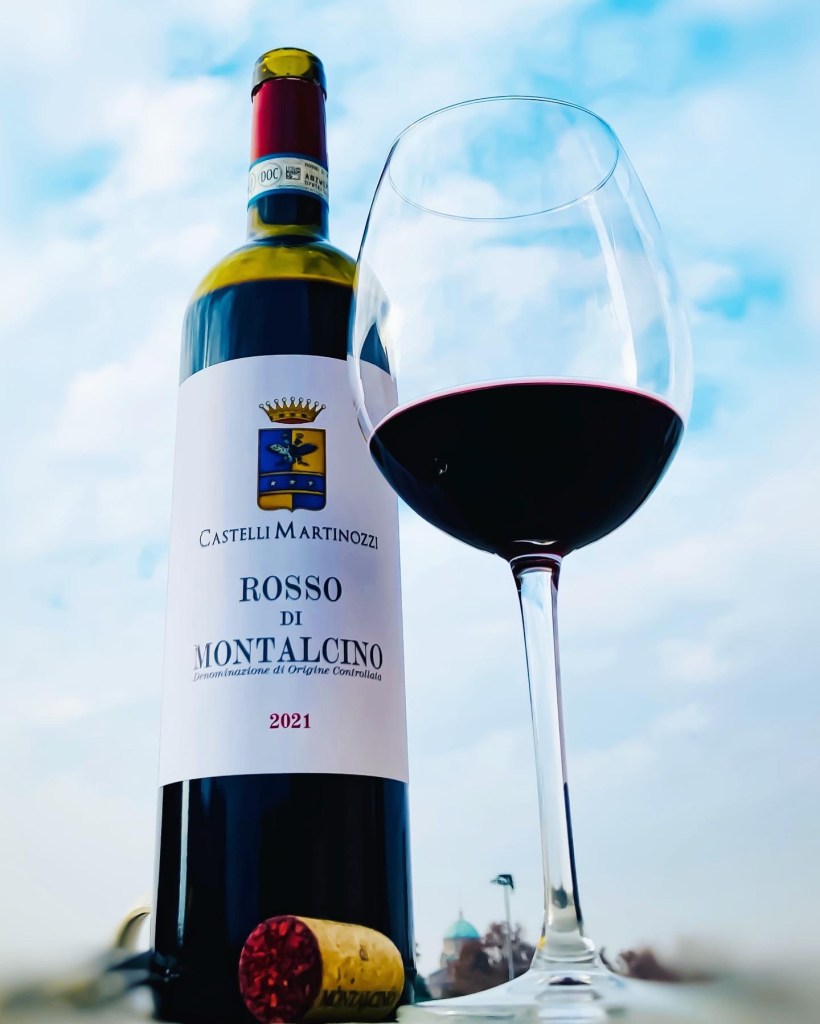
Rosso di Montalcino, Sangiovese 2021, from Castelli Martinozzi, Tuscany

Wine Tasting: Rosso di Montalcino, Sangiovese 2021, from Castelli Martinozzi, Tuscany

Castelli Martinozzi Winery: Established in the eighteenth century is an Estate winery in Villa Santa Restituta. One of the oldest villas in Montalcino is this one. The estate received the oldest prize, which was given out in Siena in 1892, for its wine. For several generations, the winery has been run by the family, and it only makes wines with the typical Montalcino flavor. The company has been making excellent wines for more than 130 years. Today, the company is managed and led with a devotion to winemaking and passion.

Region of Montalcino: In 814 AD, it was first mentioned. After Siena was defeated by Florence, Montalcino held out for four years before merging into a united Italy in 1861. One of the best wine regions in Italy and the world, when it comes to winemaking. It appears that Montalcino receives more attention on a global scale. Today, Montalcino has more than 200 winemakers compared to only 11 during the 1960s.

Wine: Rosso di Montalcino. A Sangiovese based wine. Full bodied with complex and intense aromas of violet and musk is intense red. A superb, dry, warm wine with incredible flavor and structure.

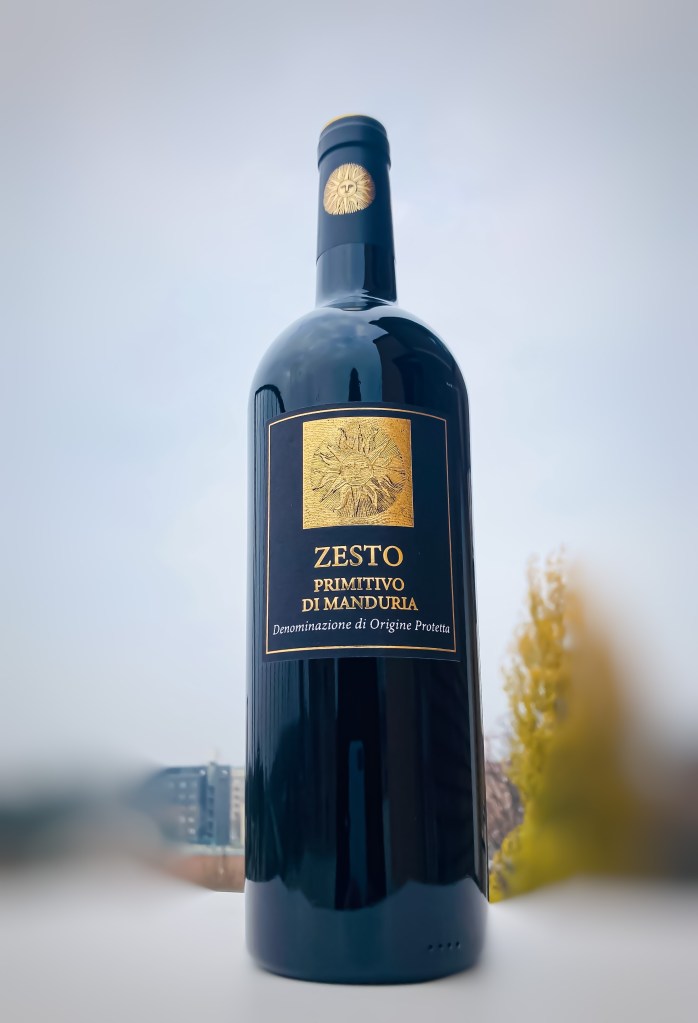
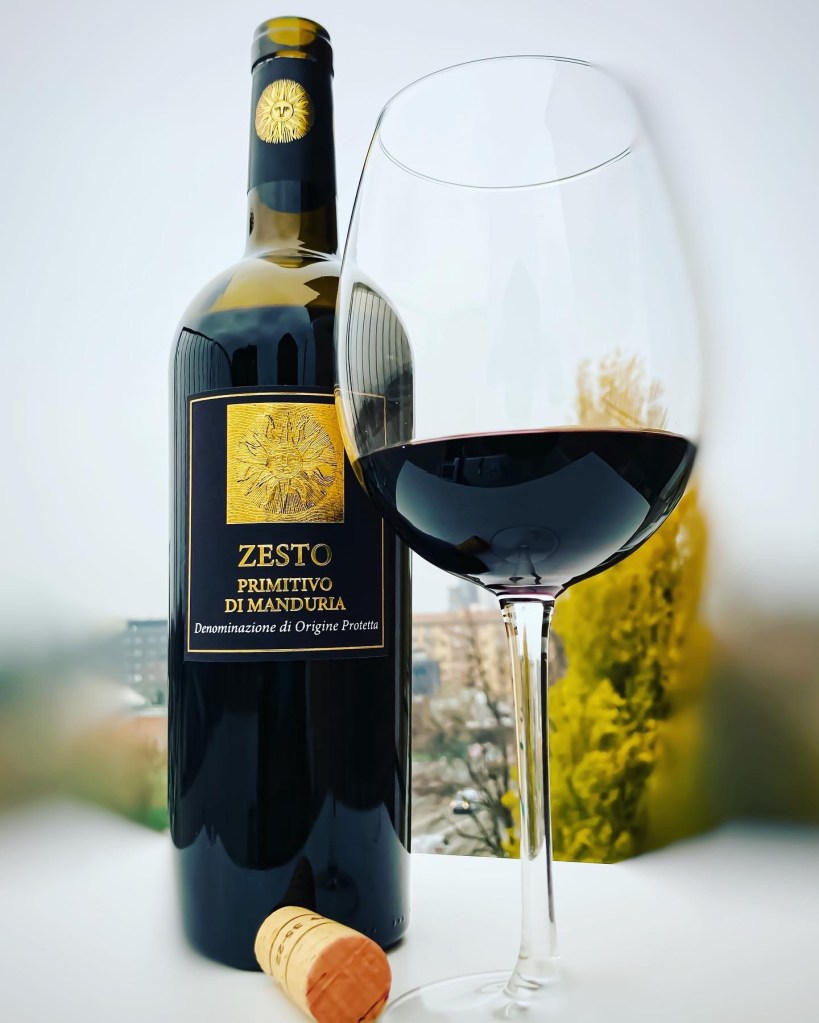
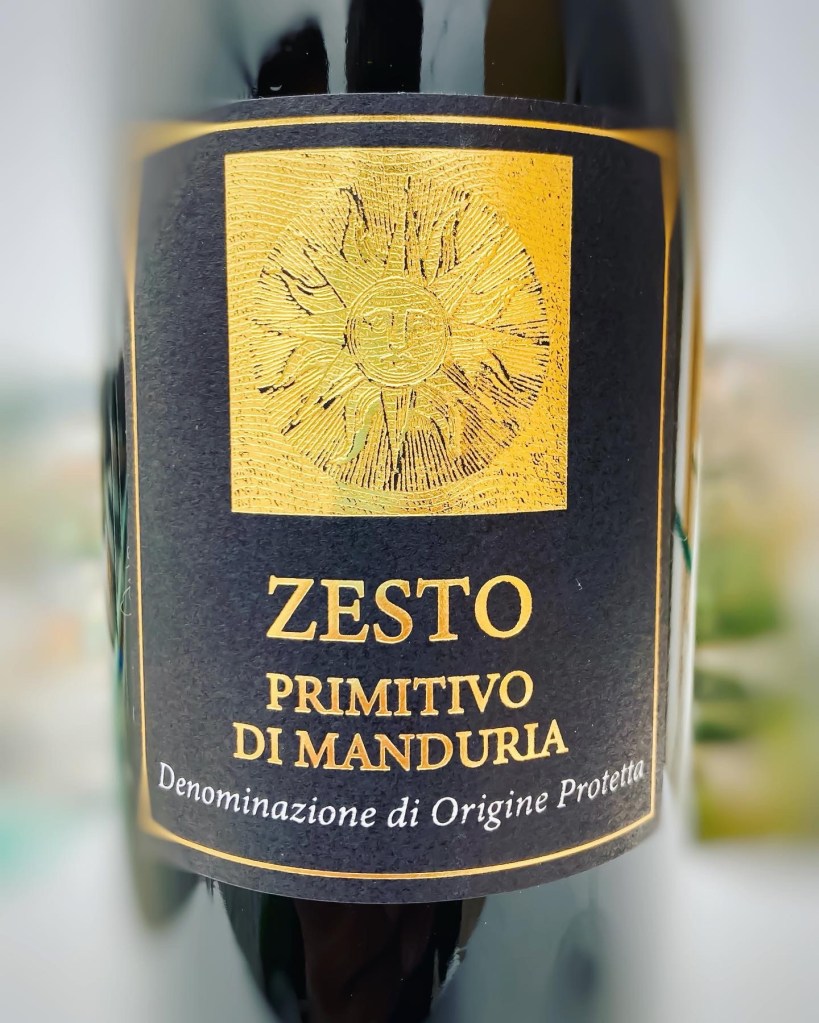
Primitivo di Manduria Zesto 2021, Cantine Paololeo, Puglia

Wine Tasting: Primitivo di Manduria Zesto 2021, Cantine Paololeo, Puglia

Paololeo Winery: One of the major players in the Salento area of Puglia, producing approximately 4 million bottles annually. In this Salento region, the Cantine Paololeo winery operates and the family undoubtedly played a significant role. Situated in the center of Salento, which is in the southern Italian region of Apulia (PUGLIA). In 1989, the story began, carrying on the winemaking legacy🍷. The Paololeo winery is now a cutting-edge business that occupies more than 50 hectares and employs cutting-edge winemaking methods.

Region of Puglia: Once a part of Greece, it was annexed and became a part of Italy in 1860 and became one of the best wine-producing regions. Puglia has areas of strength for tracing all the way back to 3000 years. A region that has been producing wine since the seventh century. Puglian wines have a strong personality and distinct identity. Italy’s secret to high-quality wines is Puglia.

Wine: Primitivo di Manduria Manduria Zesto 2021, also known as the city of PRIMITIVO, was the first place where grapes were grown in 2000 BC. A full bodied wine with intense aromas of black cherries and ripe cherries, as well as earthy notes and tobacco and spice notes. The wine is dry and perfectly balanced on the palate. Excellent wine with perfect structure.

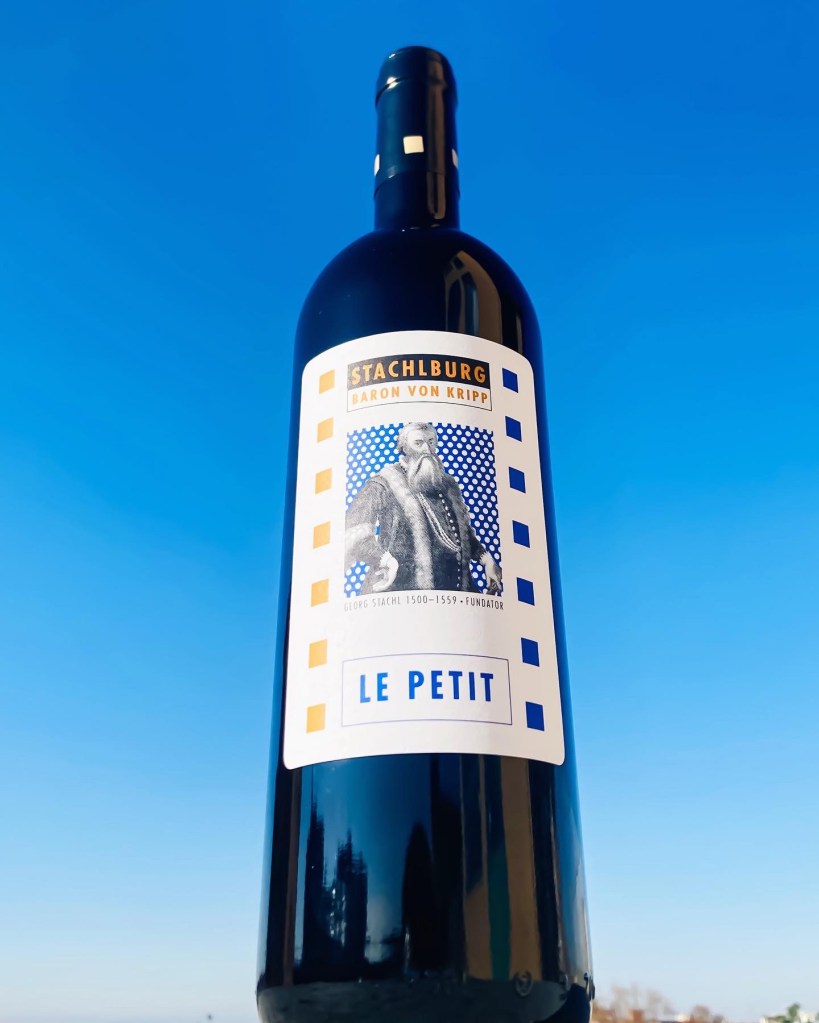
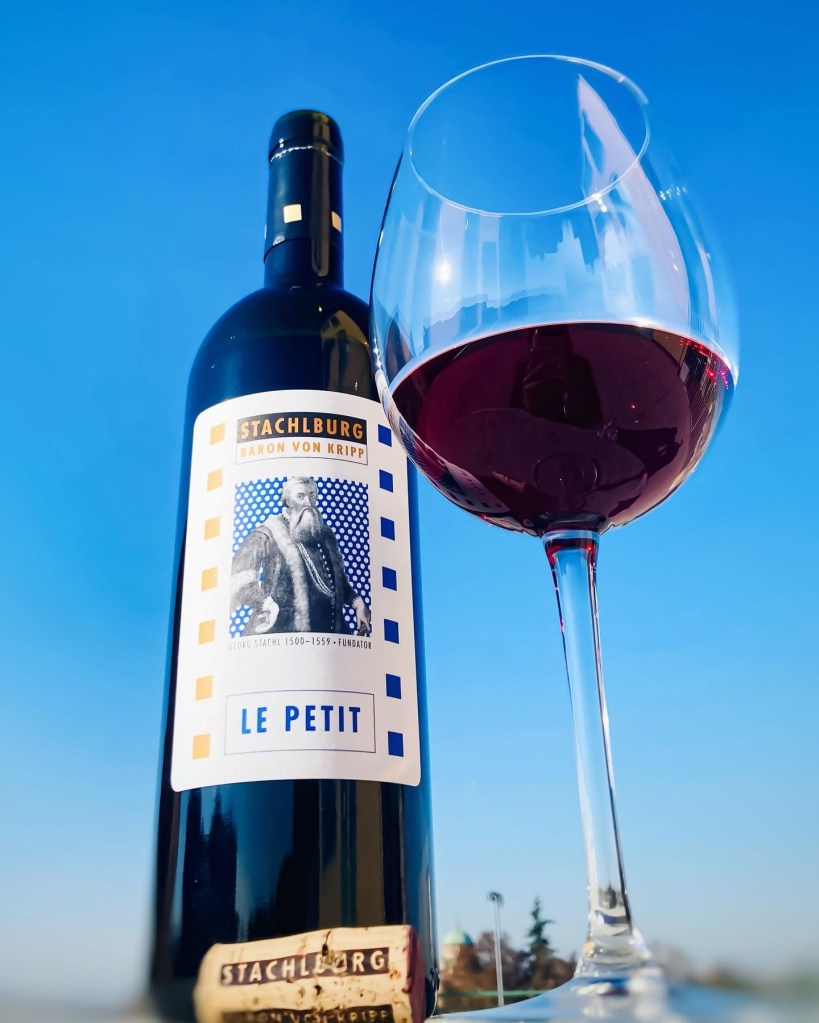
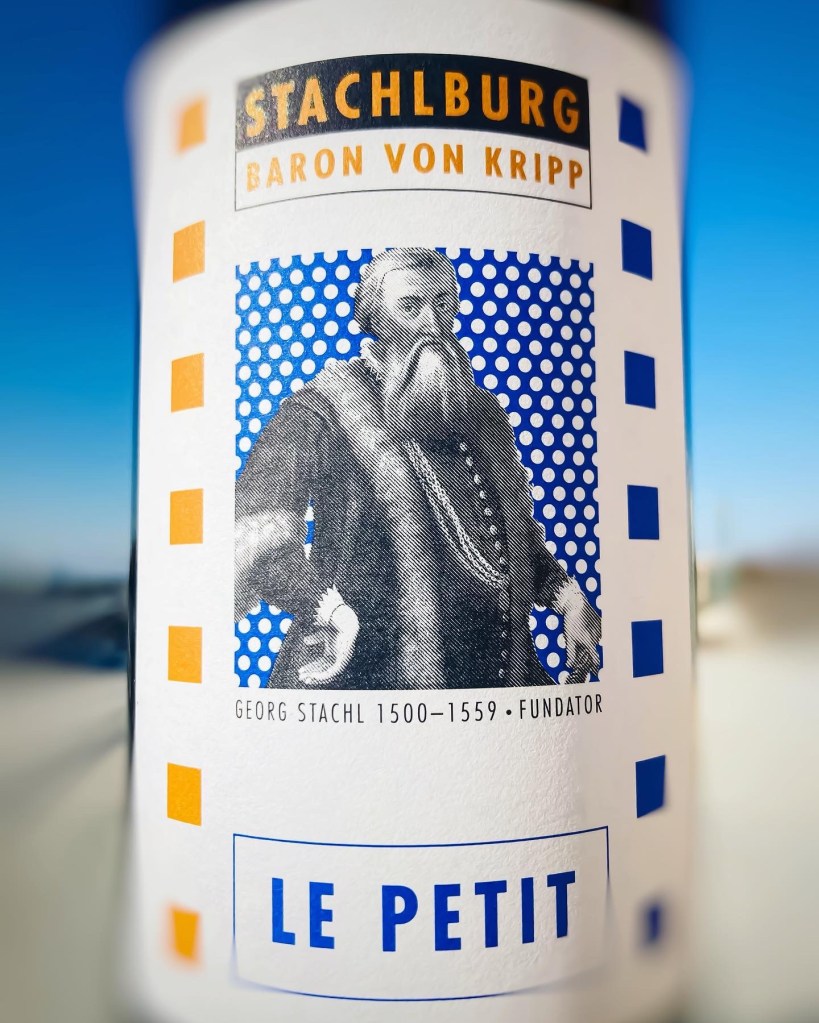
South Tyrolean, Pinot Noir(Pinot Nero), Le Petit 2021 by Stachlburg winery, South Tyrol

Wine Tasting: South Tyrolean, Pinot Noir(Pinot Nero), Le Petit 2021 by Stachlburg winery, South Tyrol

Stachlburg: Founded by Baron Sigmund Von Kripp in 1990. The family planted their first Sauvignon Blanc and Pinot Noir in 1992. The family bought the castle in 1547, which dates back to the 13th century. Located in the Italian wine region of South Tyrol (Trentino-South Tyrol) in the municipality of PARCINES.

Region of South Tyrol: One of Italy’s smallest wine-growing regions that produces wines of particularly high quality. South Tyrol, or Alto Adige in Italian. Until 1918, this autonomous region was a part of the AUSTRO-HUNGARIAN county of Tyrol. At the end of WORLD WAR 1, it became part of Italy. The South Tyrol region now has more than 200 wineries.

Wine: Le Petit, Alto Adige Val Venosta 2021. Made entirely from the Pinot Noir variety of grapes. A wine with a light body and an intense red color. Notes of currants, raspberries, and red fruits, with a well-balanced structure and fine tannins. Cheers.

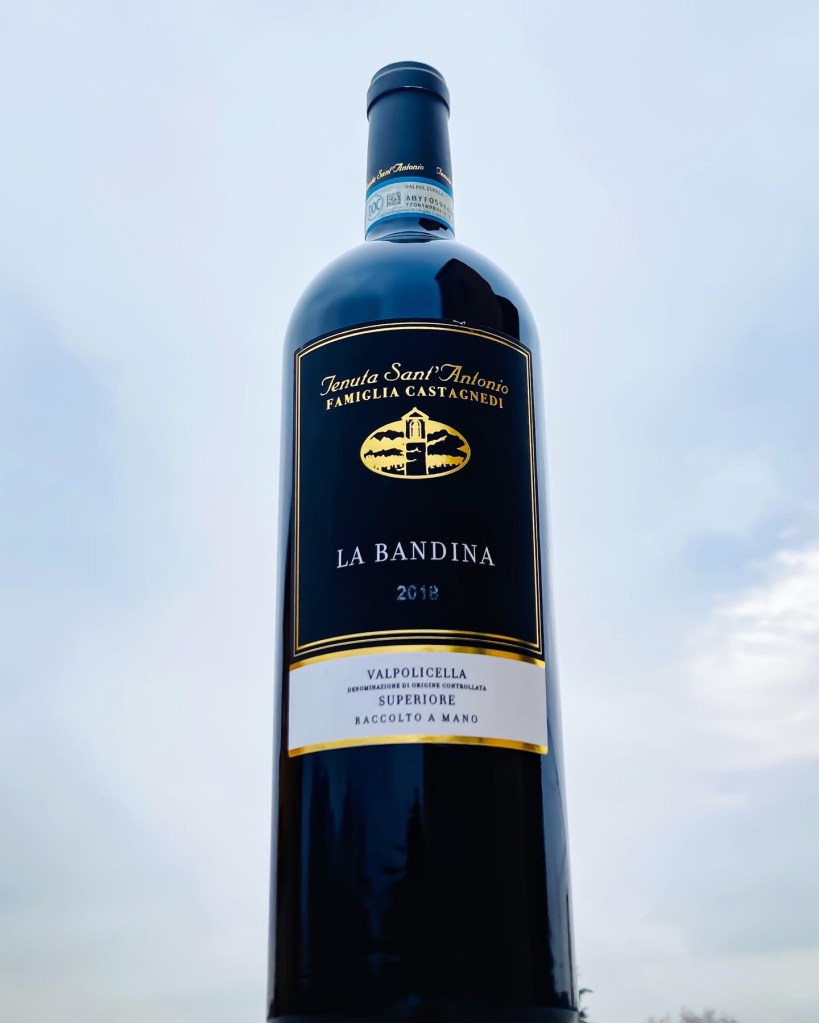
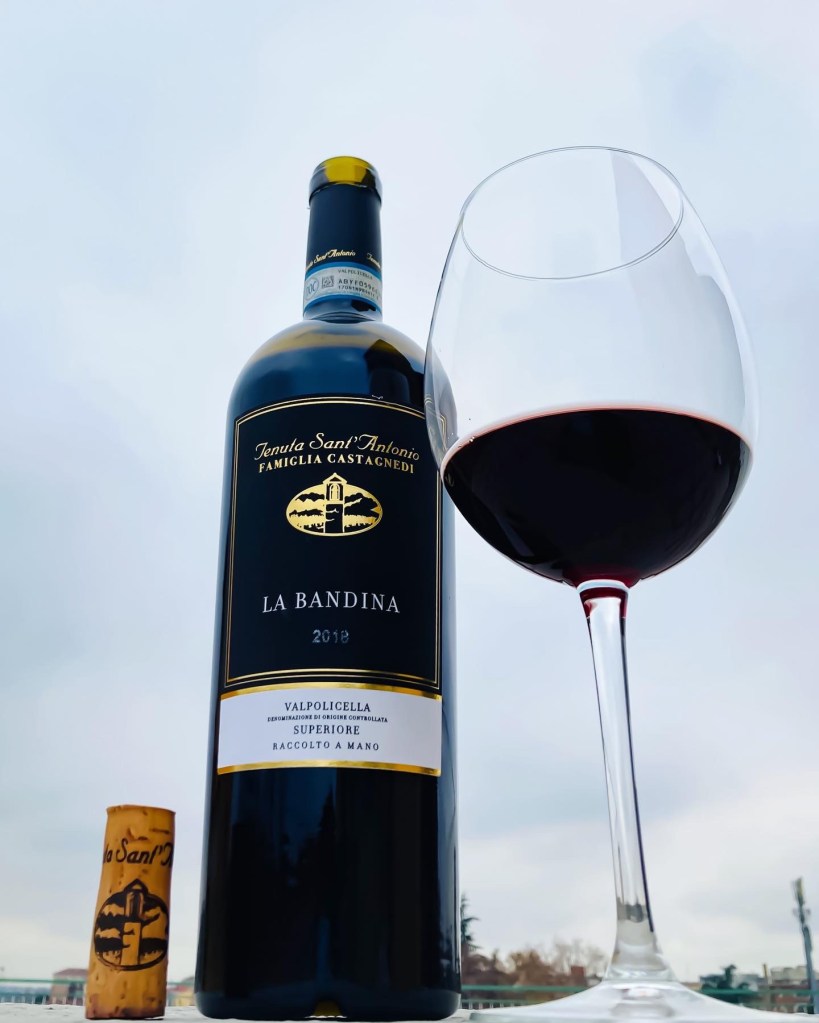
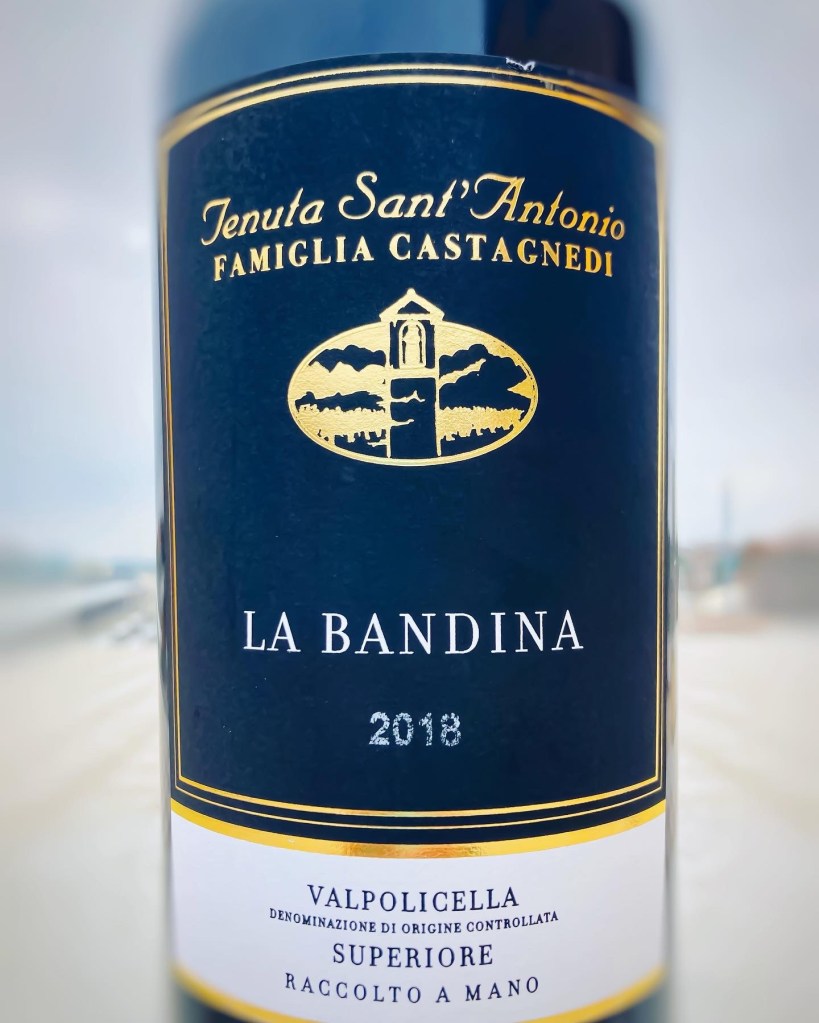
Tenuta Sant’Antonio. Valpolicella Superiore, LA BANDINA 2018. Made with a blend of Corvina, Corvinone, Rondinella, Croatina and Oseleta

Wine Tasting: Another one from Tenuta Sant’Antonio. Valpolicella Superiore, LA BANDINA 2018. Made with a blend of Corvina, Corvinone, Rondinella, Croatina and Oseleta

Tenuta Sant’Antonio: Began in 1989, in the prosperous Monti Garbi region of Eastern Valpolicella. In 1995, the first vintage was introduced by the Casagnedi family. Between SOAVE and VALPOLICELLA, a winery founded in the center of a region renowned for its exceptional wines, The winery in San Briccio represents Familia Castagnedi, Tenuta Sant’Antonio, and their TéLOS brands. One of the most fascinating wineries in the world has emerged as a result of the company’s strong start and strategic positioning.

Wine: Valpolicella Superiore LA BANDINA 2018. Made with 70% Corvina and Corvinone, 20% Rondinella, 5% Croatina, and 5% Oseleta. A wine with a substantial body and solid structure. Aromas of fruit with cherry, liqueur, tobacco, and cedar wood hints. A warm, supple wine with well-balanced tannins and a lengthy finish.

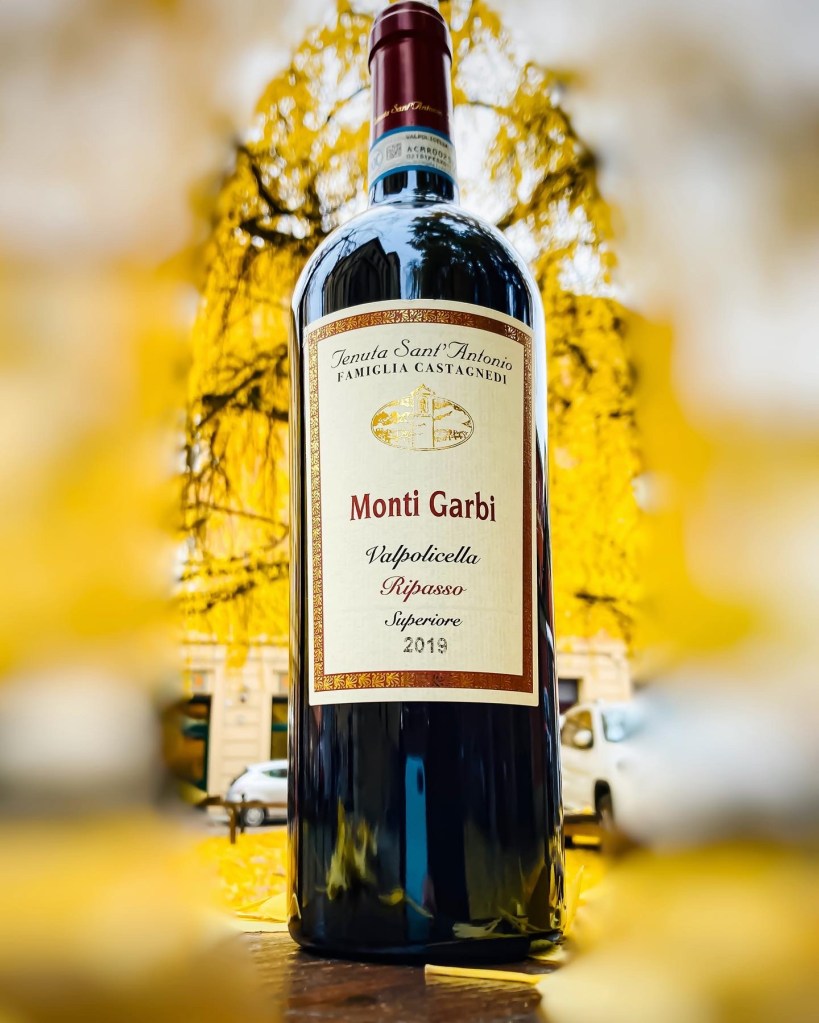
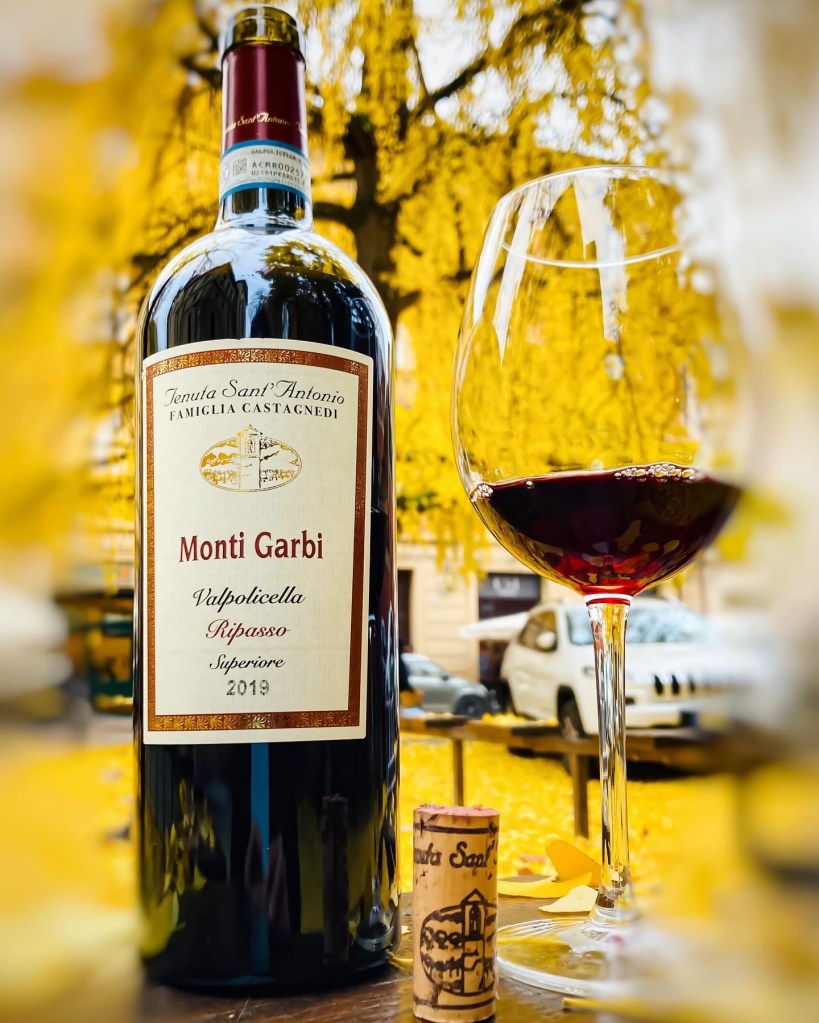
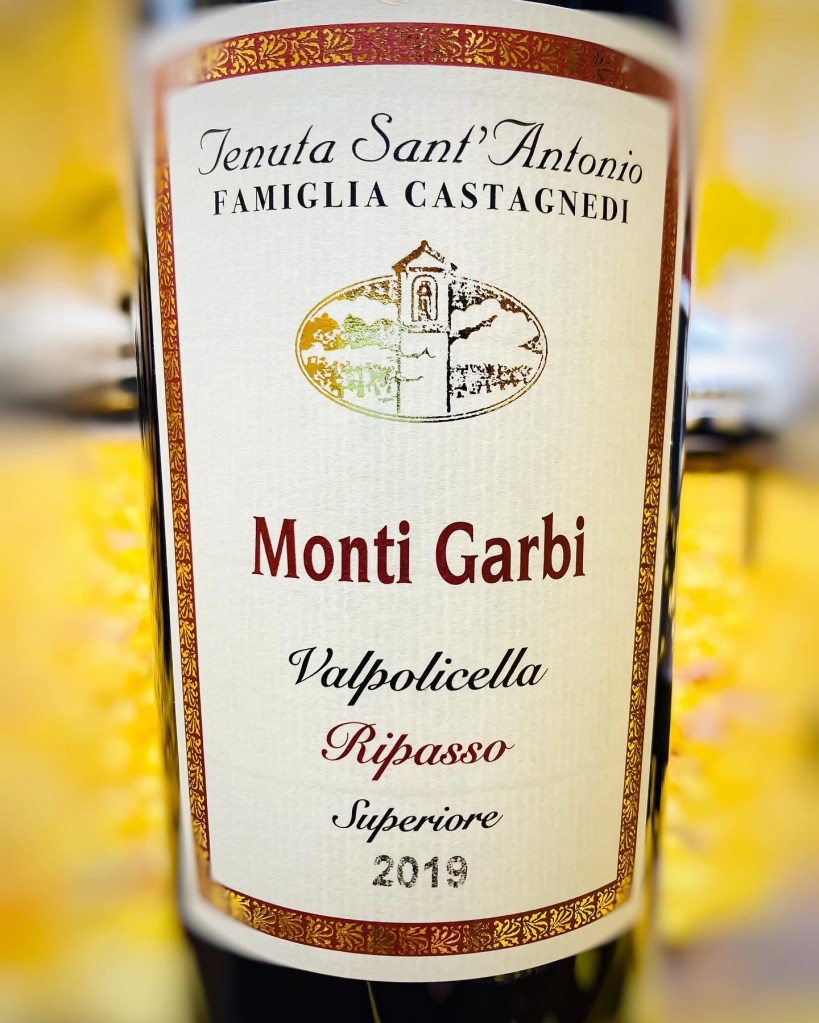
Valpolicella Ripasso Superiore, Monti Garbi 2019. Made with a blend of Corvina, Corvinone, Rondinella, Oseleta, Swallow and Croatina, Tenuta Sant’Antonio , Veneto

Wine Tasting: Valpolicella Ripasso Superiore, Monti Garbi 2019. Made with a blend of Corvina, Corvinone, Rondinella, Oseleta, Swallow and Croatina, Tenuta Sant’Antonio , Veneto

Tenuta Sant’Antonio: Beganin 1989 in the affluent Monti Garbi (Eastern Valpolicella) region. The Casagnedi family introduced the first vintage in 1995. Between SOAVE and VALPOLICELLA, a winery that was established in the heart of a region that has always been renowned for its exceptional wines. The Familia Castagnedi, Tenuta Sant’Antonio, and their TéLOS brands are represented by the winery in San Briccio. The way the business has positioned itself has allowed it to get off to a strong start and become one of the most interesting wineries in the world.
Wine: Superior Ripasso from Valpolicella. Made with 70% Corvina and Corvinone, 20% Rondinella and 10% Oseleta and Croatina. Cherry and red fruit are among the aromas. Smooth on the palate, with well-balanced tannins and a spicy finish. Red fruit and dried apple notes characterize this medium-bodied wine.

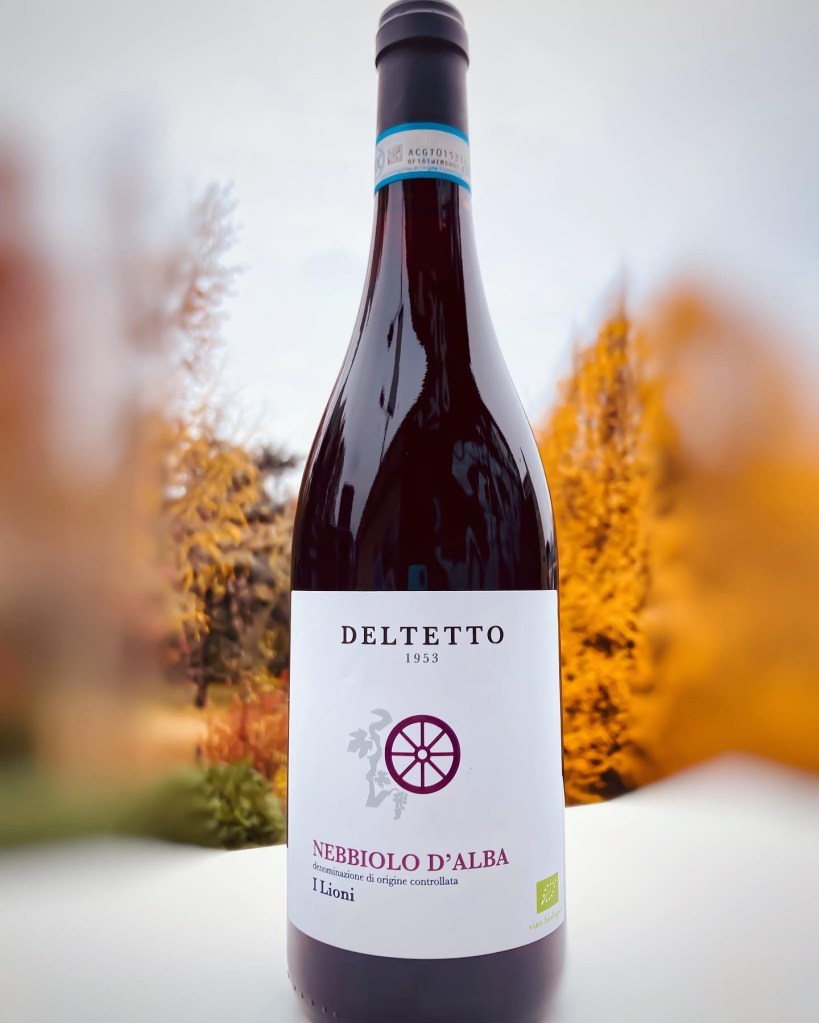
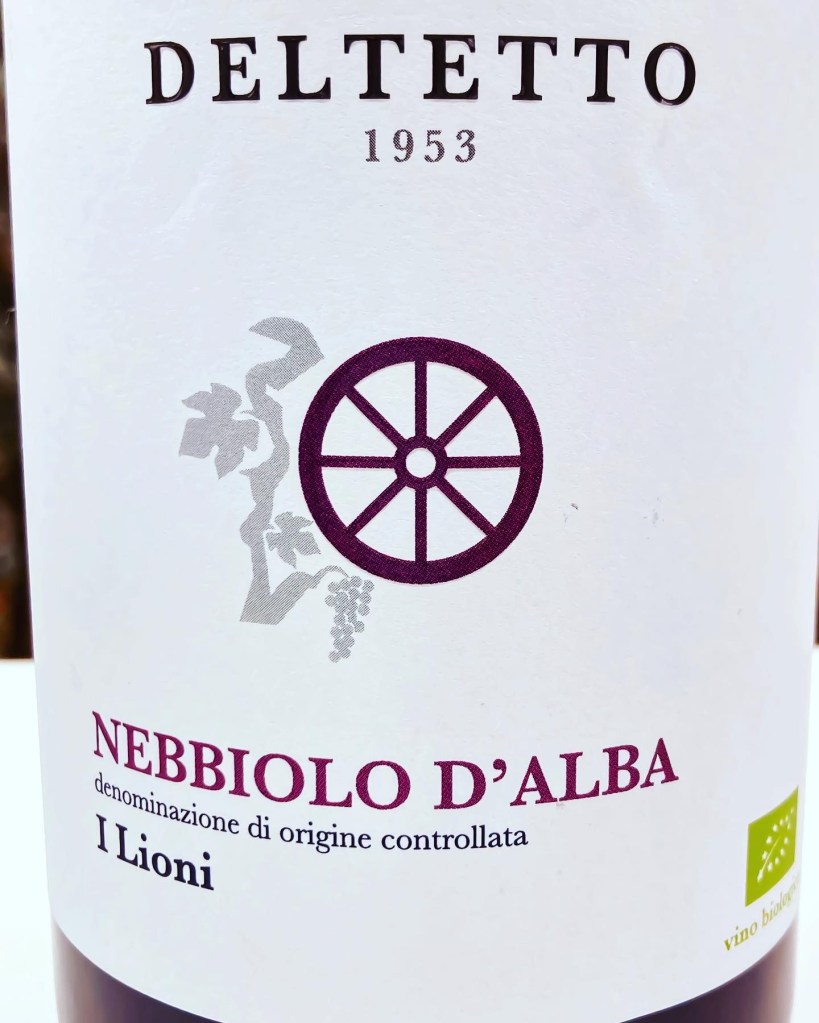
The Lions, Nebbiolo D’Alba DOC 2020, Deltetto Winery, Piedmont

Wine Tasting: The Lions, Nebbiolo D’Alba DOC 2020, Deltetto Winery, Piedmont

Deltetto Winery: Born in the prestigious and historic wine-growing regions of Piedmont in 1953. The first bottles of Nebbiolo and Barbera were made by the company in the farmhouse in the LIONS Hamlet. The company began implementing novel approaches to revolutionize its production in 1977. The prestigious wine-growing region between Alba and Asti, ROERO, is closely associated with the winery’s past. In 2017 the winery received a sustainability certification. Today, Deltetto Winery is considered to be one of the finest examples of the ALTA Langa Classic method.

Wine: The Deltetto family was referred to in the area by their nickname, “The LIONS.” A light-bodied wine made entirely from LANGHE Nebbiolo. Pale ruby red in variety with traces of violet, flavors and little red organic products. A wine with light tannins that is elegant.